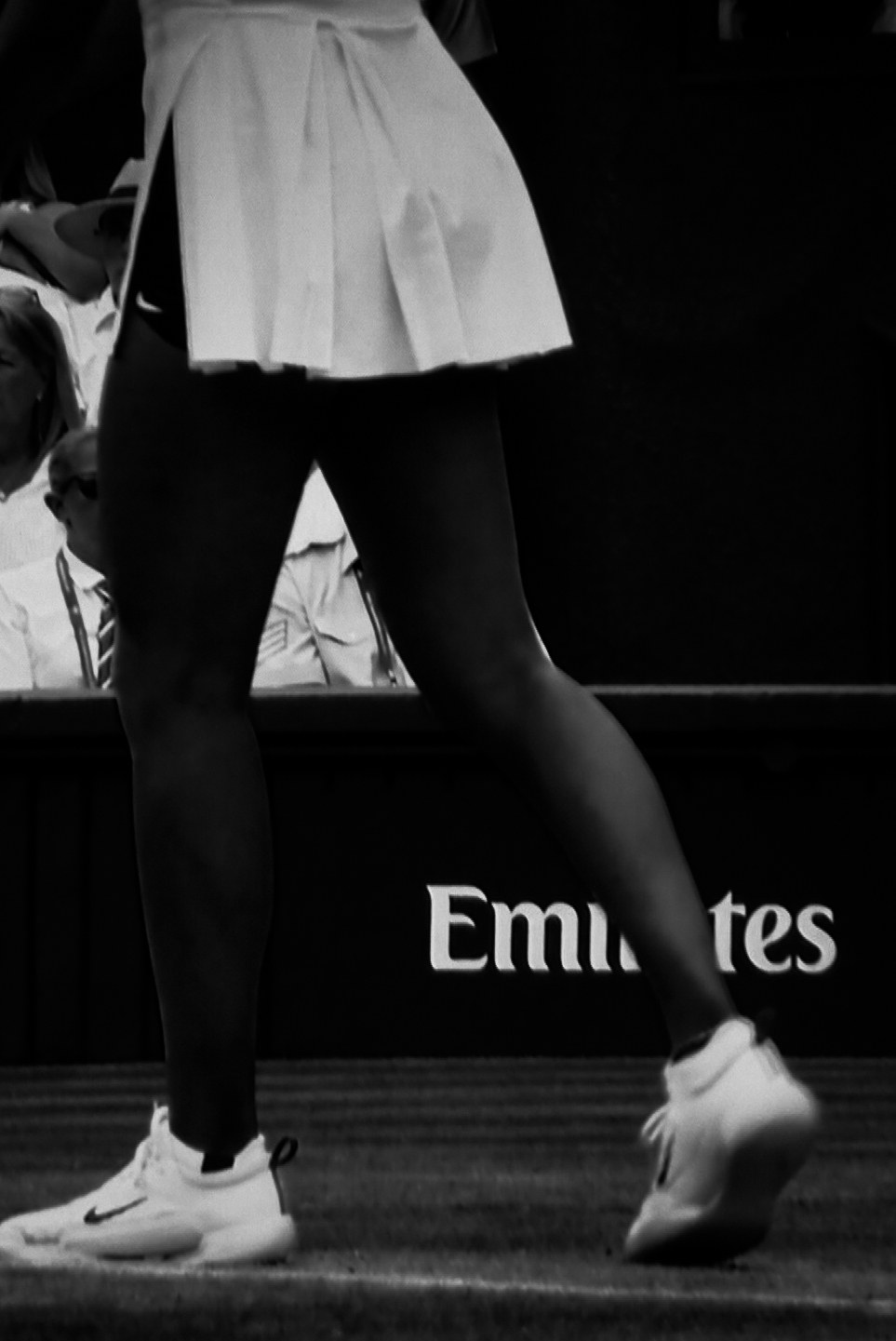
Hospitality
Hotels, cafés and restaurants are remembered long after check-out.
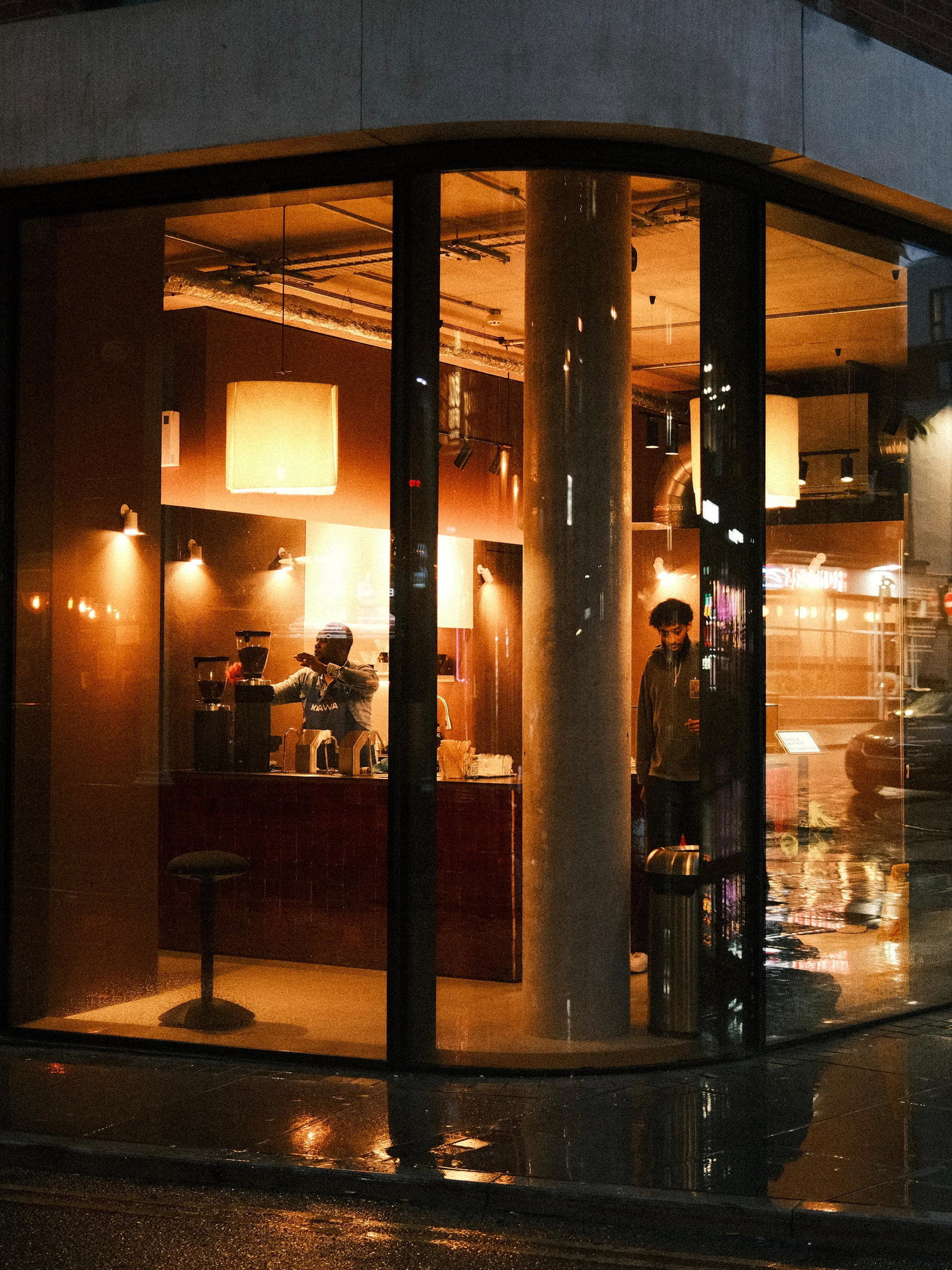
KAAWA, Manchester
Light after darkSome places are remembered for years and it is difficult to explain why. Not the view or the price or the reputation. Something quieter. A particular light at a particular hour. The feeling that the room was designed for a version of you that knew how to slow down.
The best hospitality rarely announces itself. It simply makes everything feel slightly more considered than it needed to be. A lobby that is calm before the day begins. A restaurant that earns its atmosphere rather than decorating for it. A hotel that understands the difference between service and theatre.
What separates the memorable from the merely competent is almost never the obvious things. It is in the decision to use a particular material at a certain height. The choice to leave space where another hotel would have filled it. The understanding that a guest does not want to be managed, only looked after. These are not design principles. They are instincts, and the places that have them tend to know it.
These studies look at what a place feels like, not what it offers.
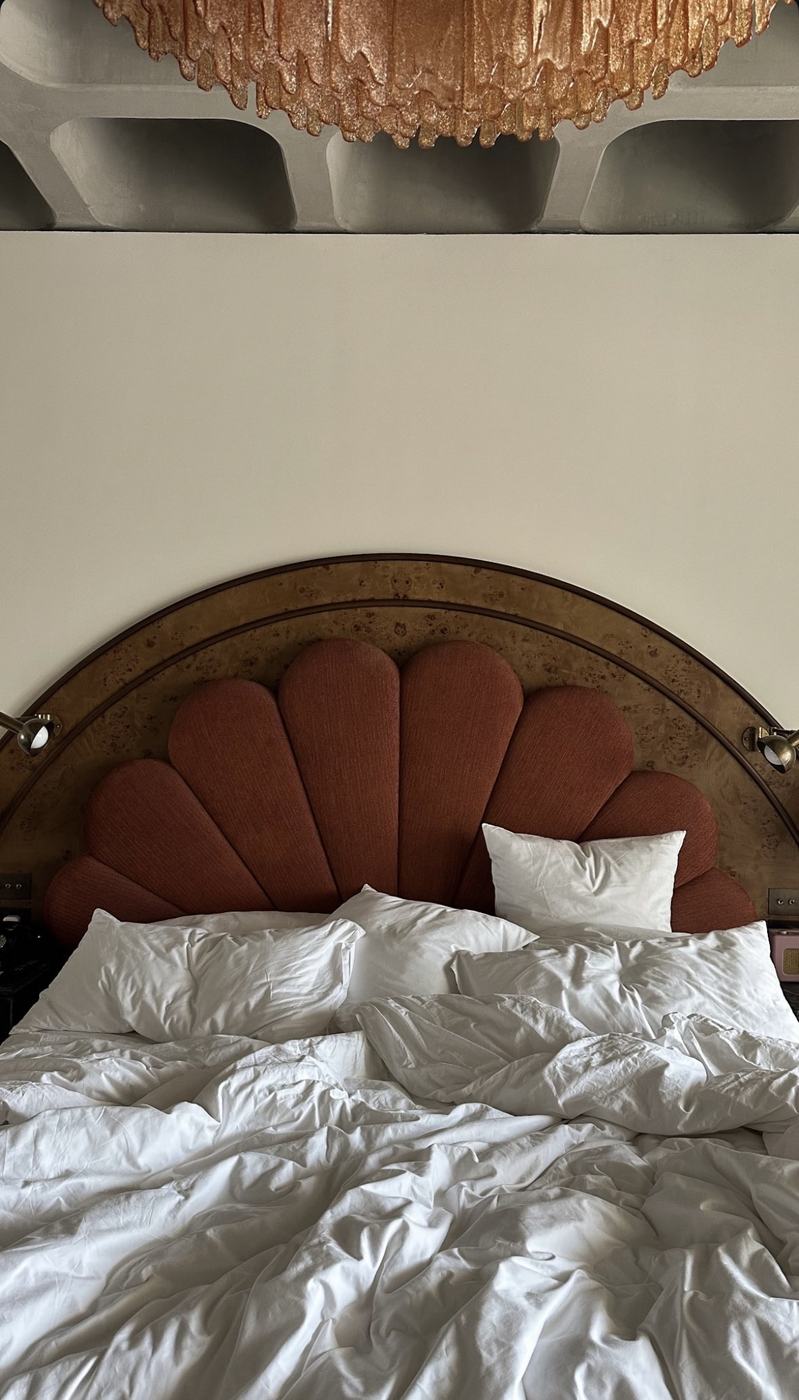
The Ned, Doha
Scale, held quietly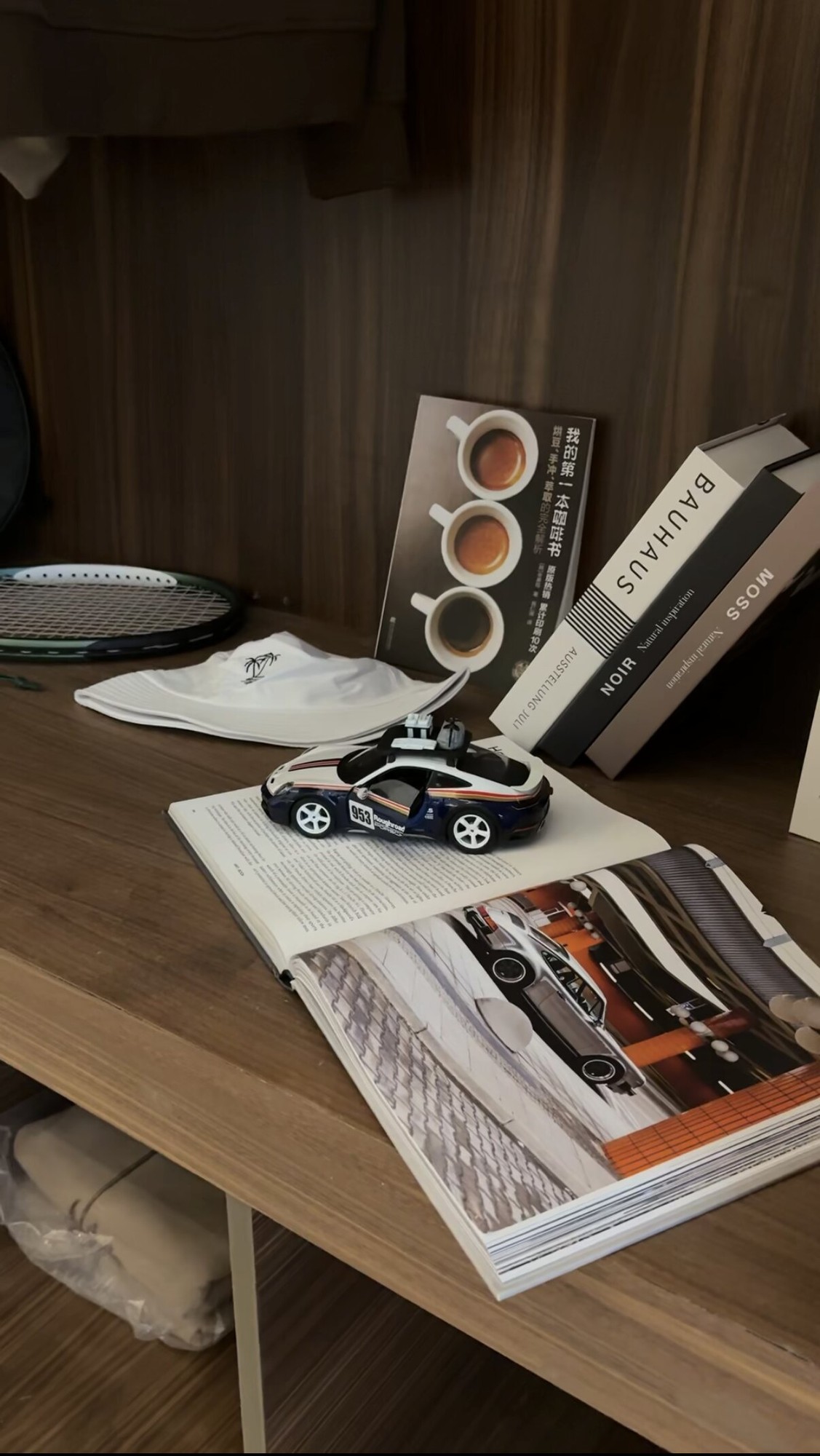
Palms
Luxury, found in stillness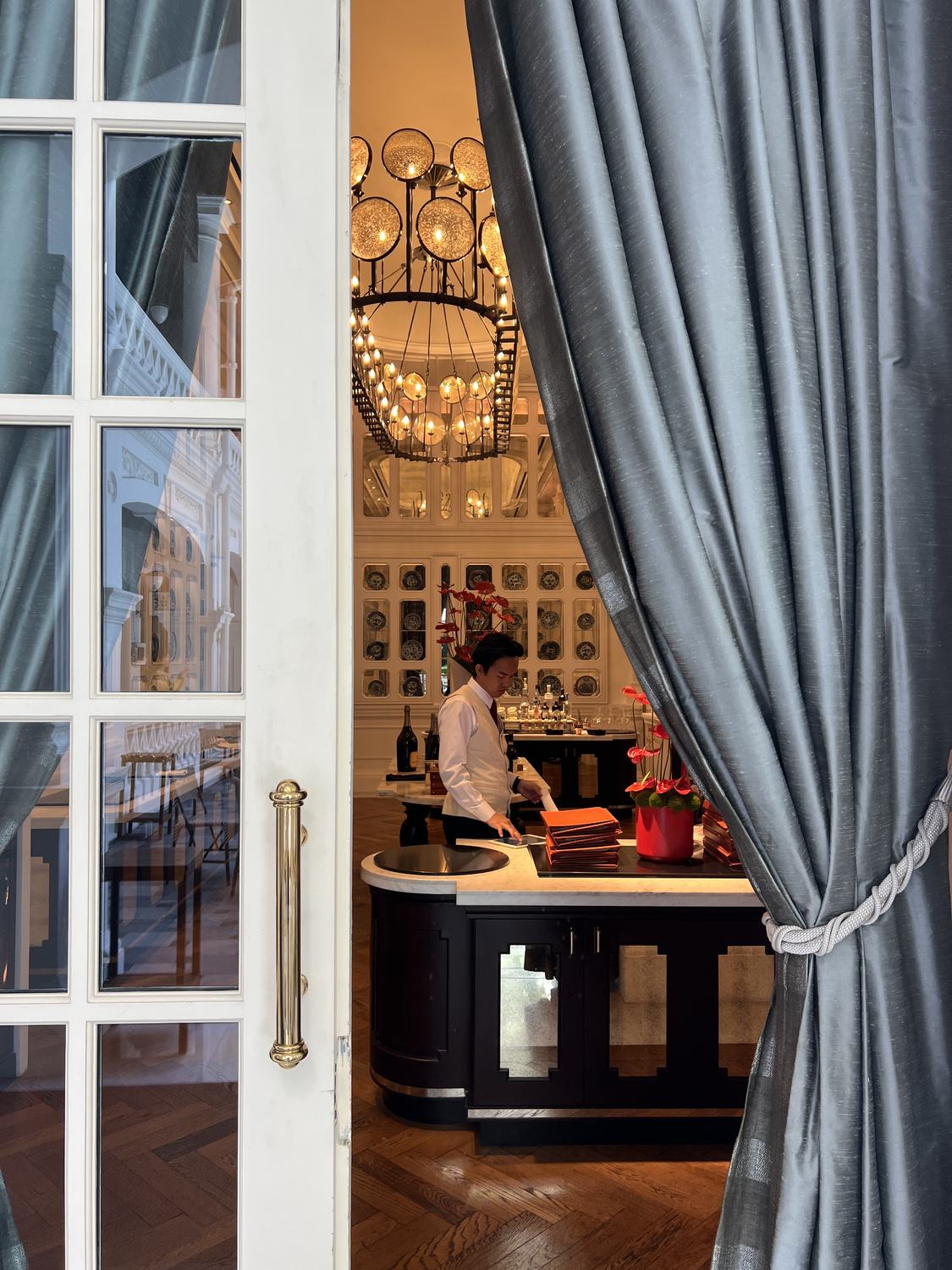
Raffles, Singapore
The weight of permanence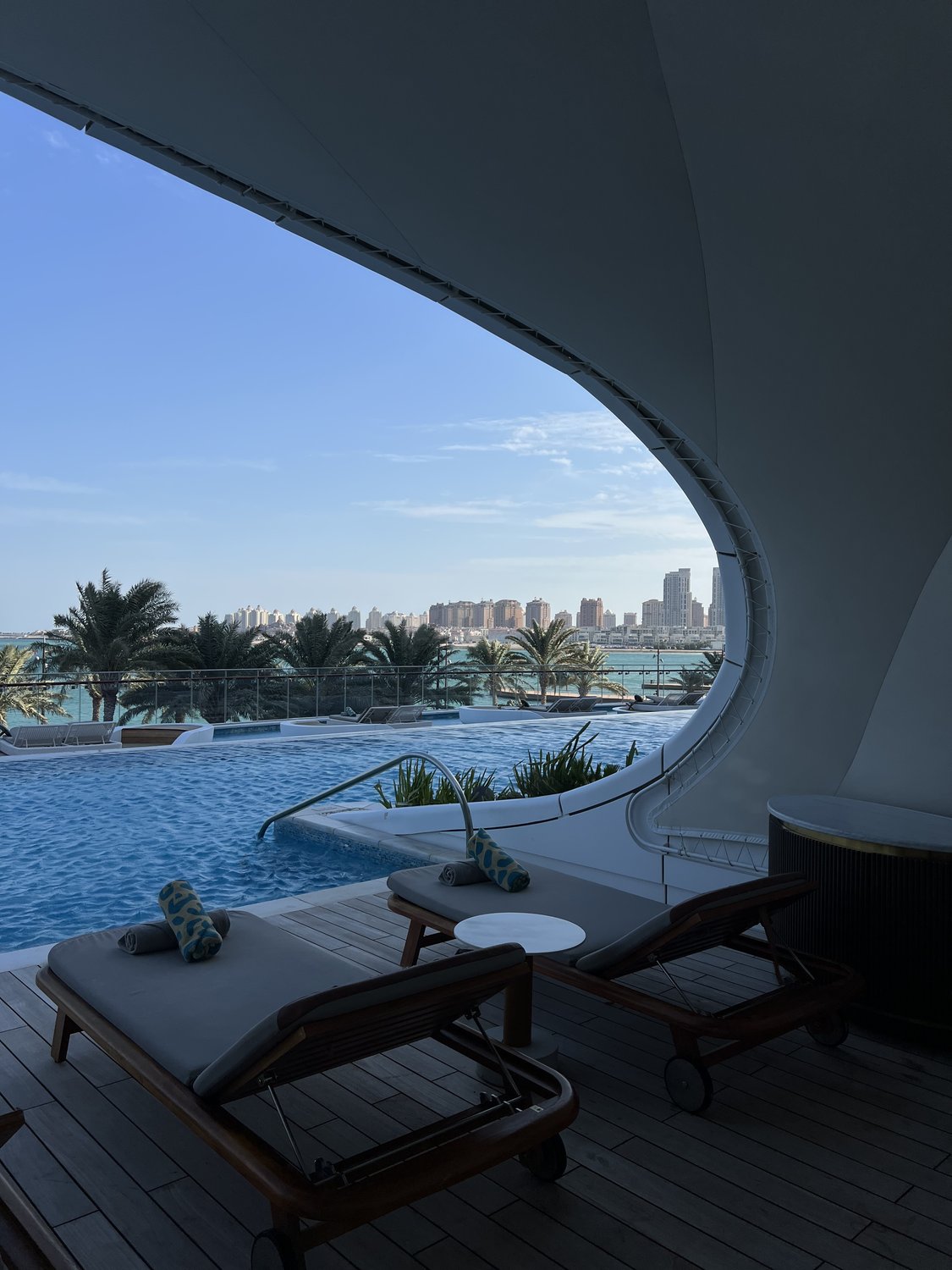
Raffles, Doha
A modern inheritance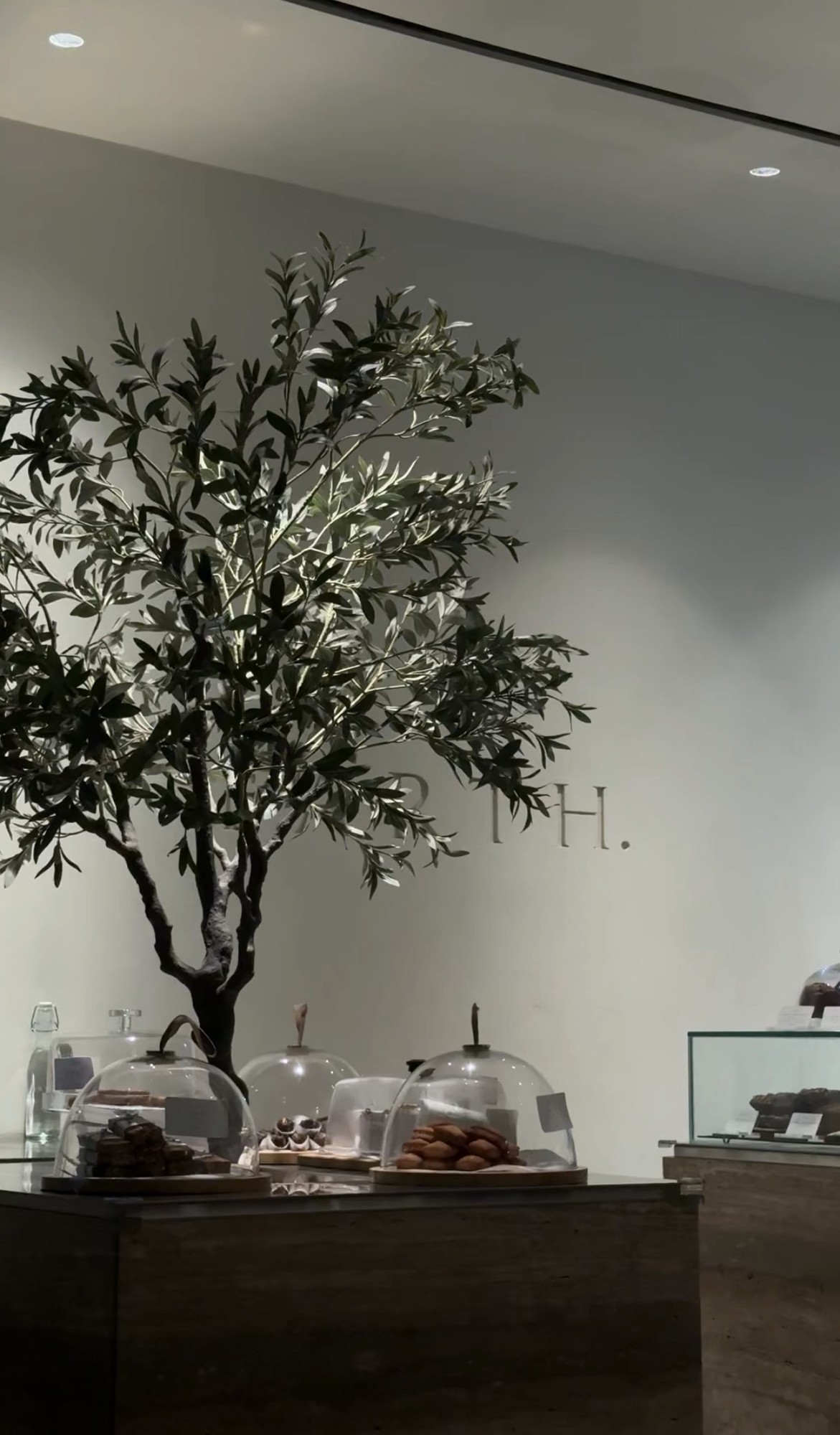
EARTH
Msheireb, Doha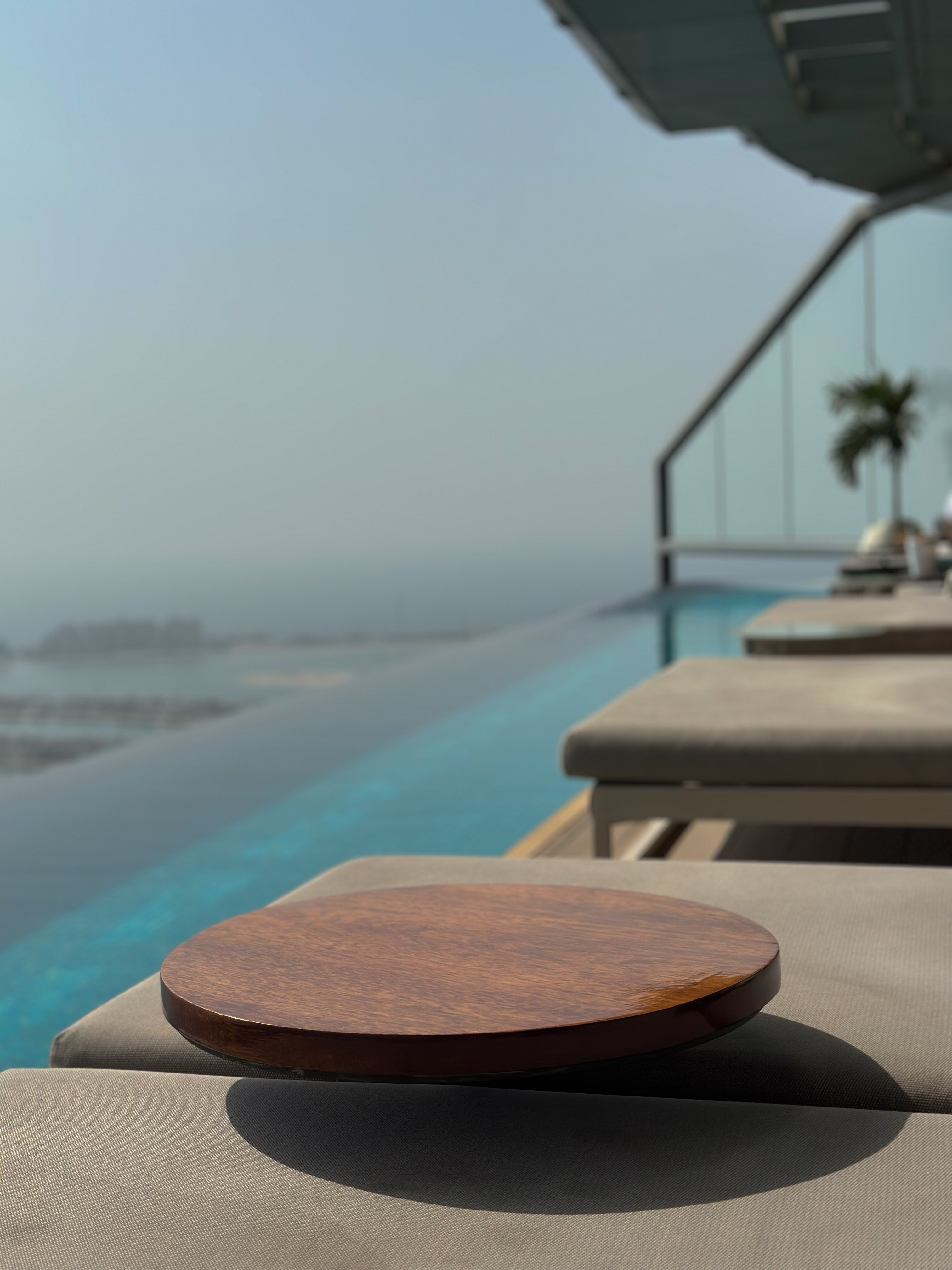
AURA
Dubai, United Arab Emirates / Above the Palm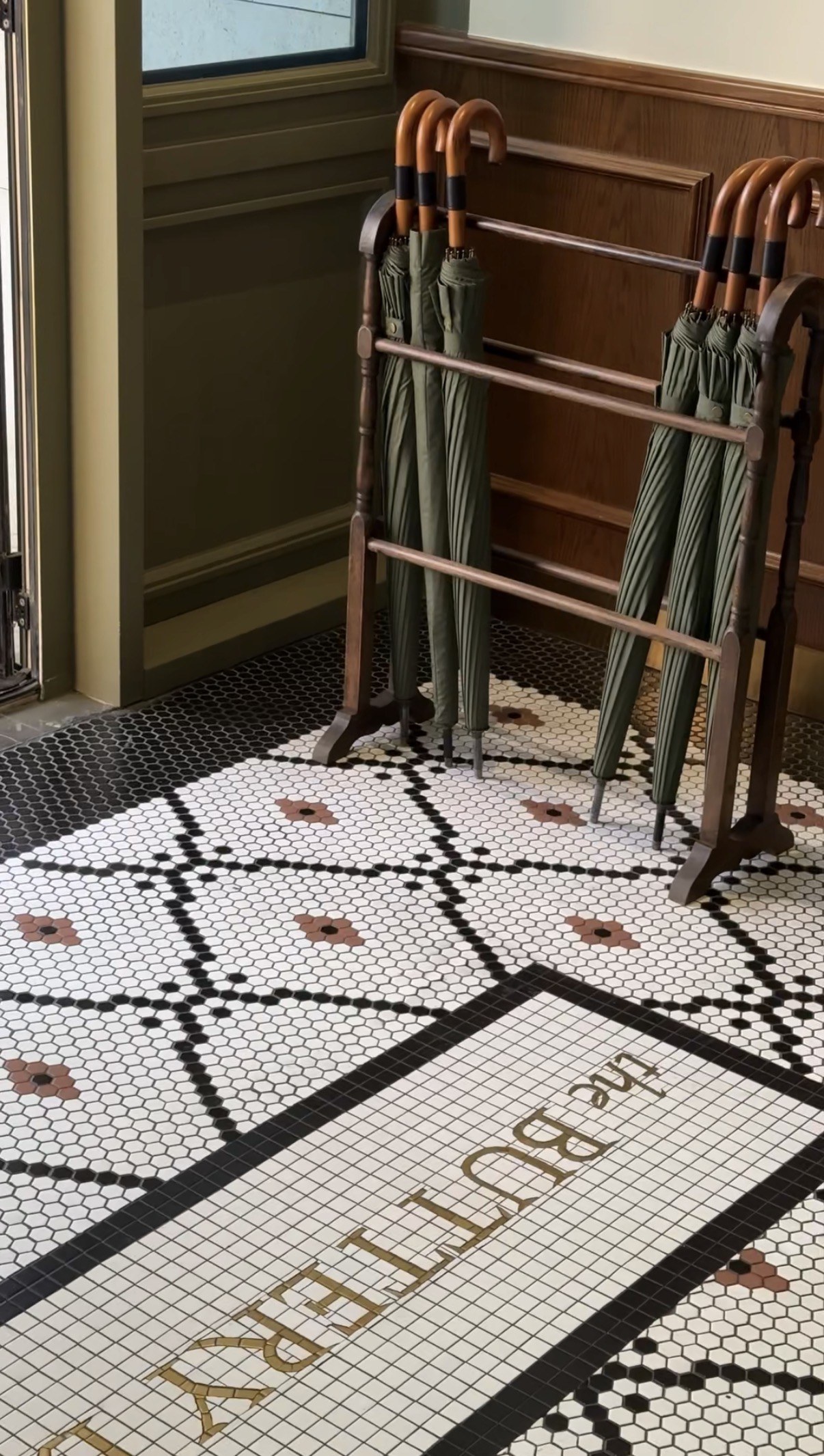
The Buttery Bakery
A room built from repetition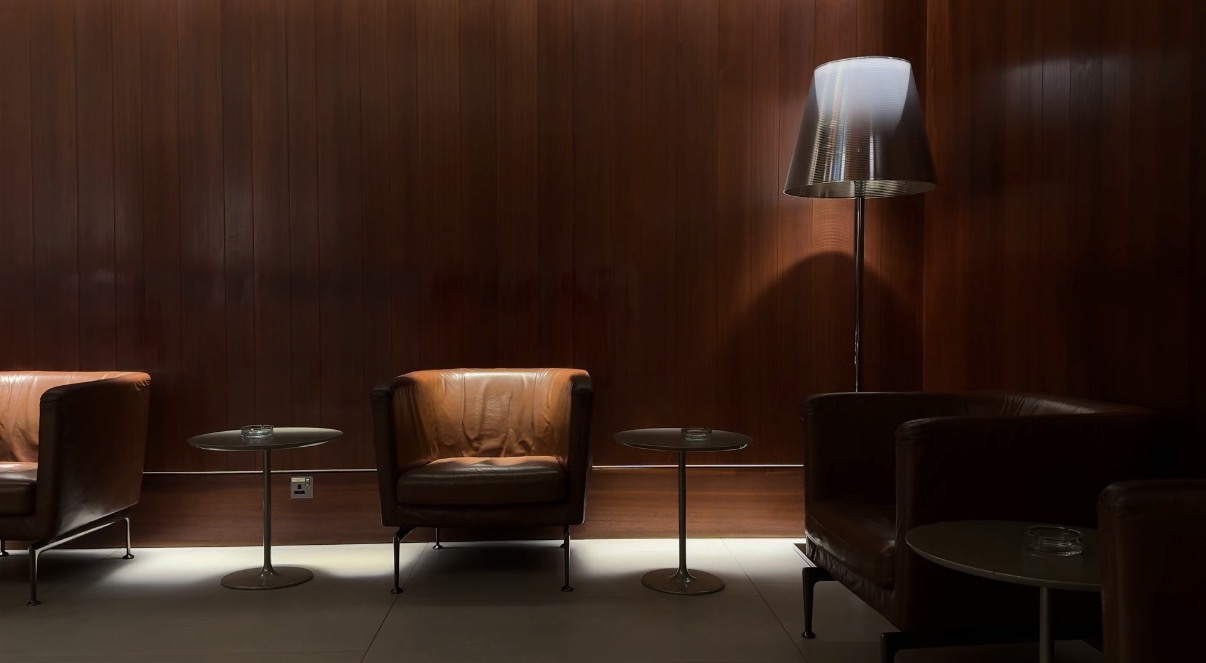
Al Mourjan Lounge
Between departures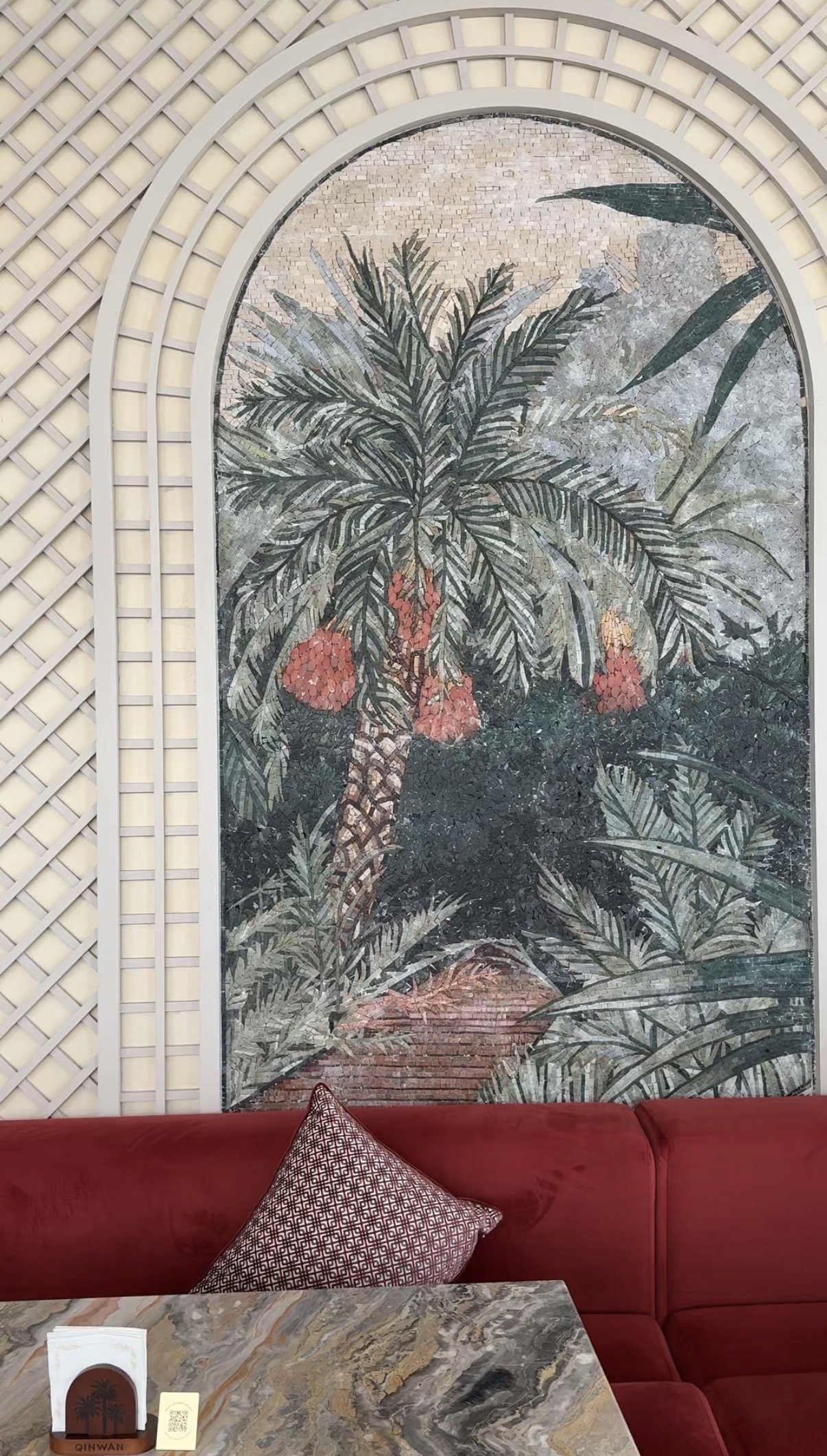
QINWAN, Msheireb
The language of welcome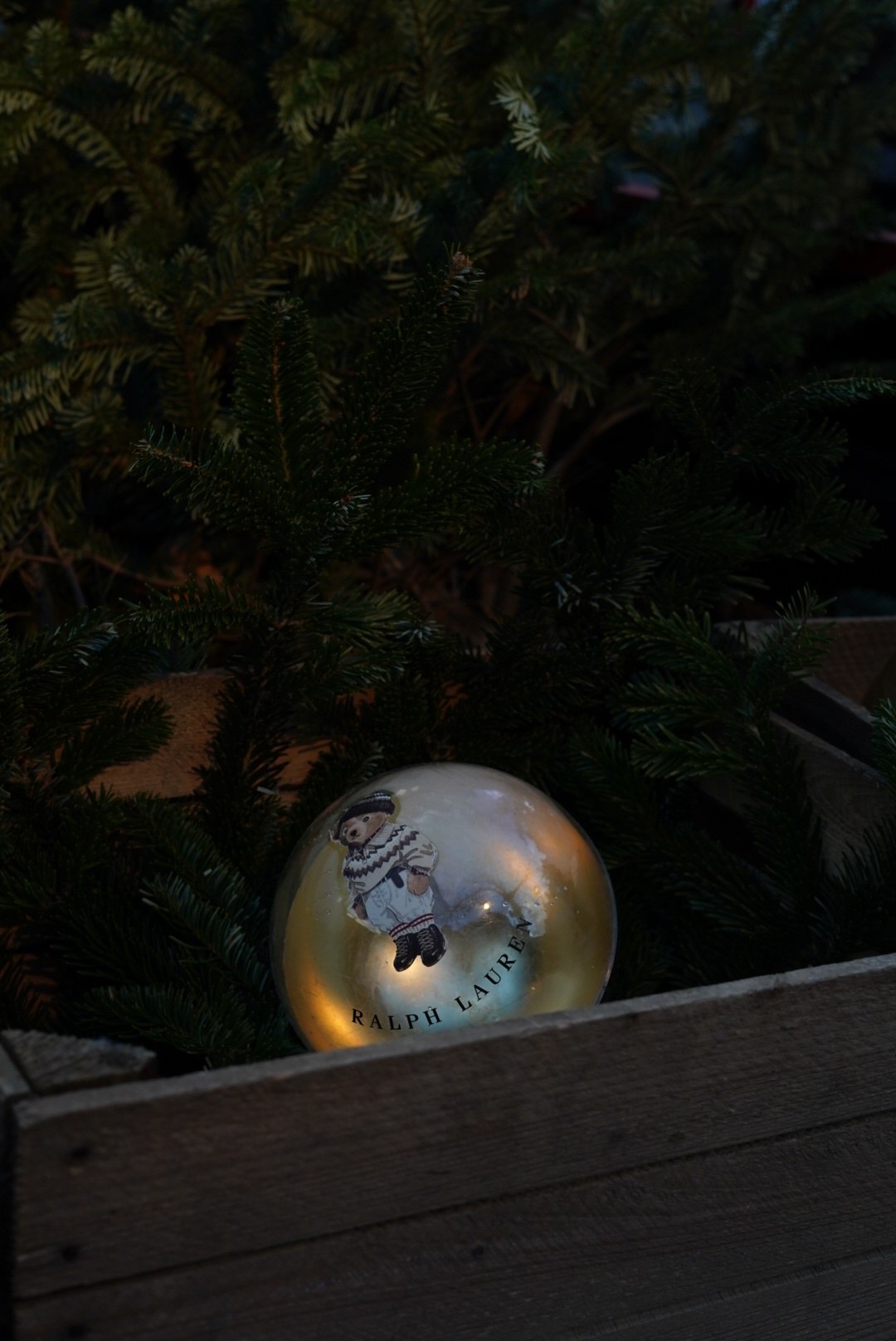
Ralph's, London
Temporary traditions in central London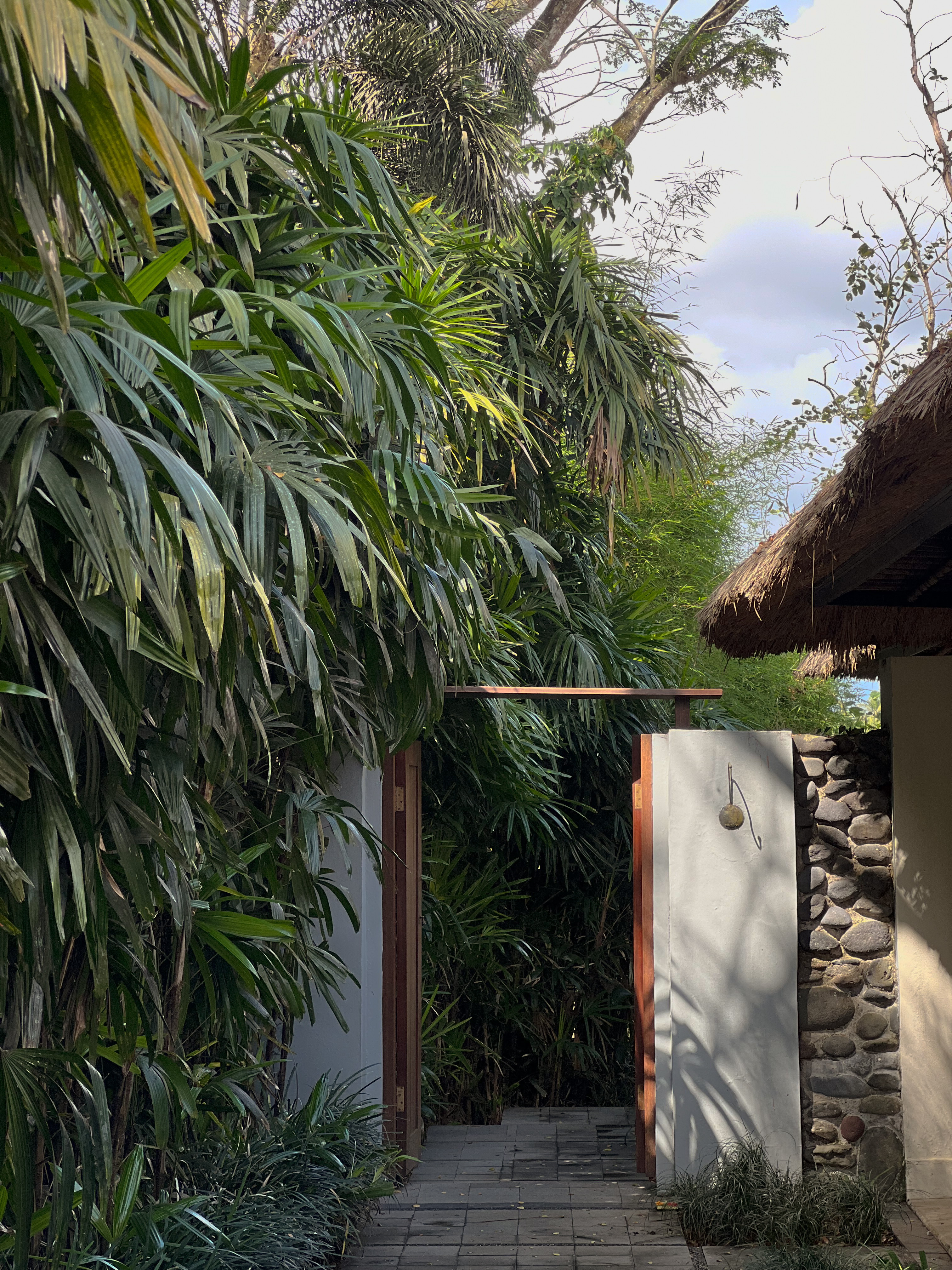
Alila Ubud
Ubud, Bali / Hospitality shaped by landscape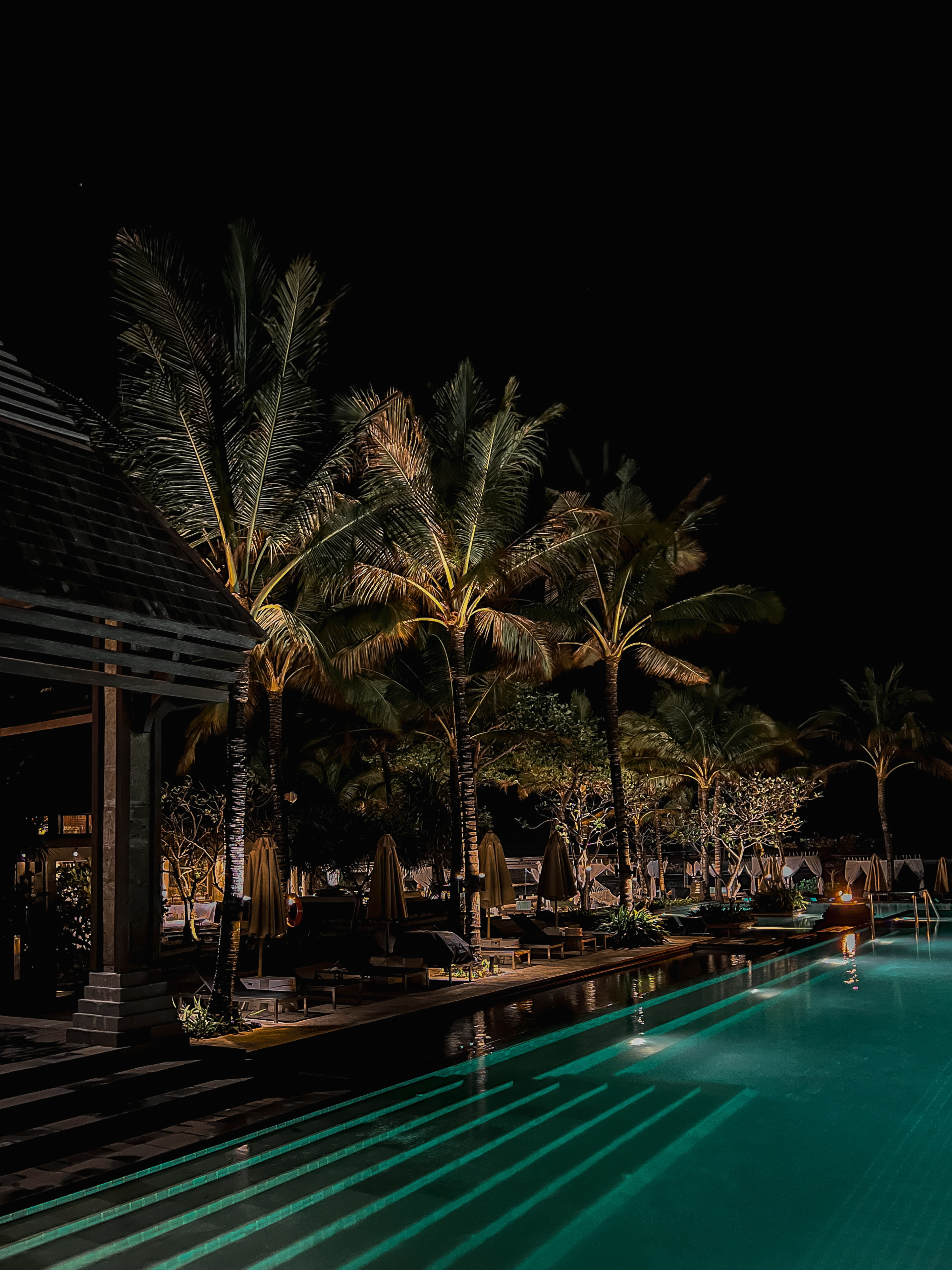
The Ritz-Carlton, Bali
Nusa Dua, Bali / A study of light after sunset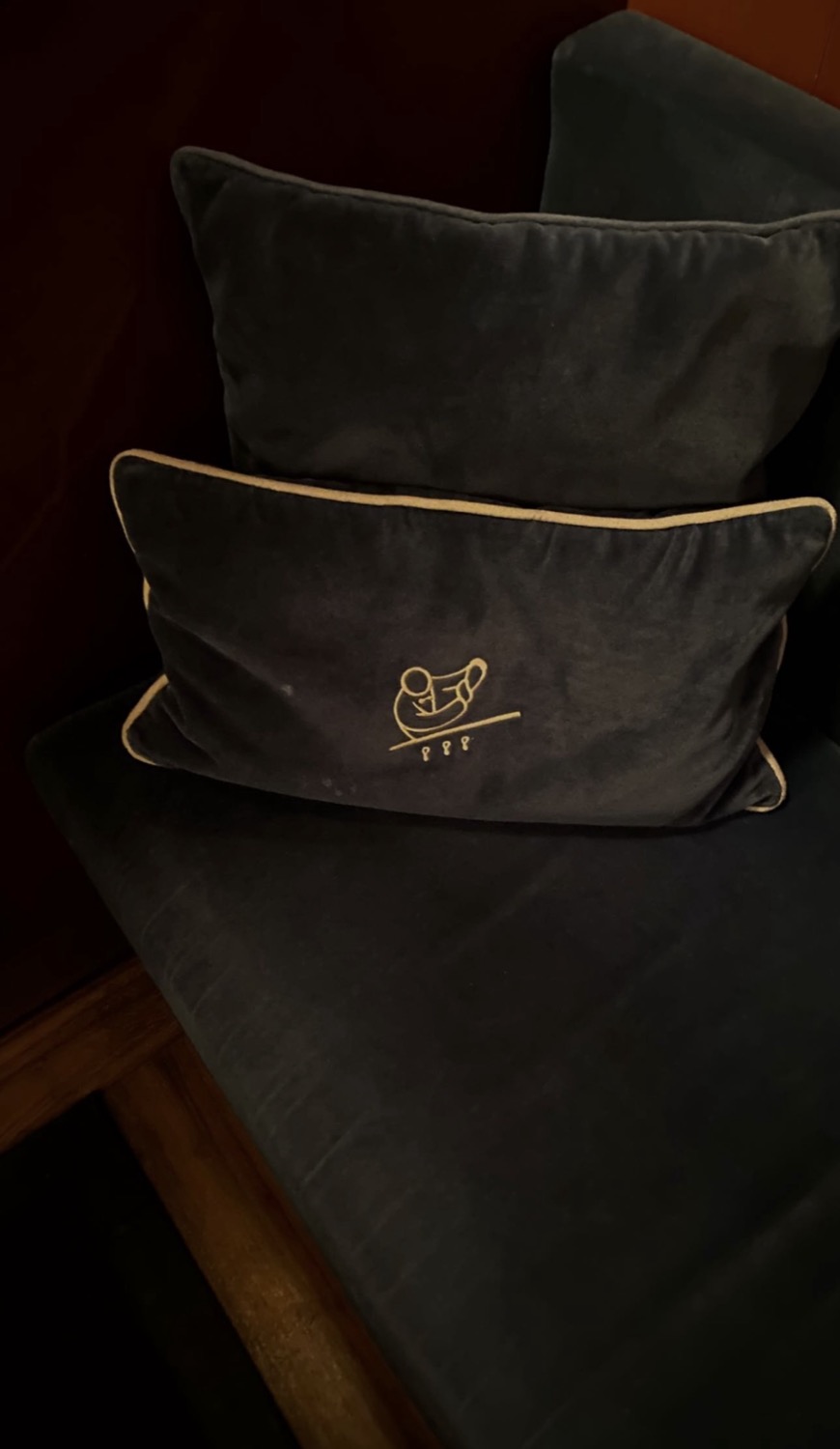
Cipriani Dolci
Cipriani Dolci, Doha / Polished restraint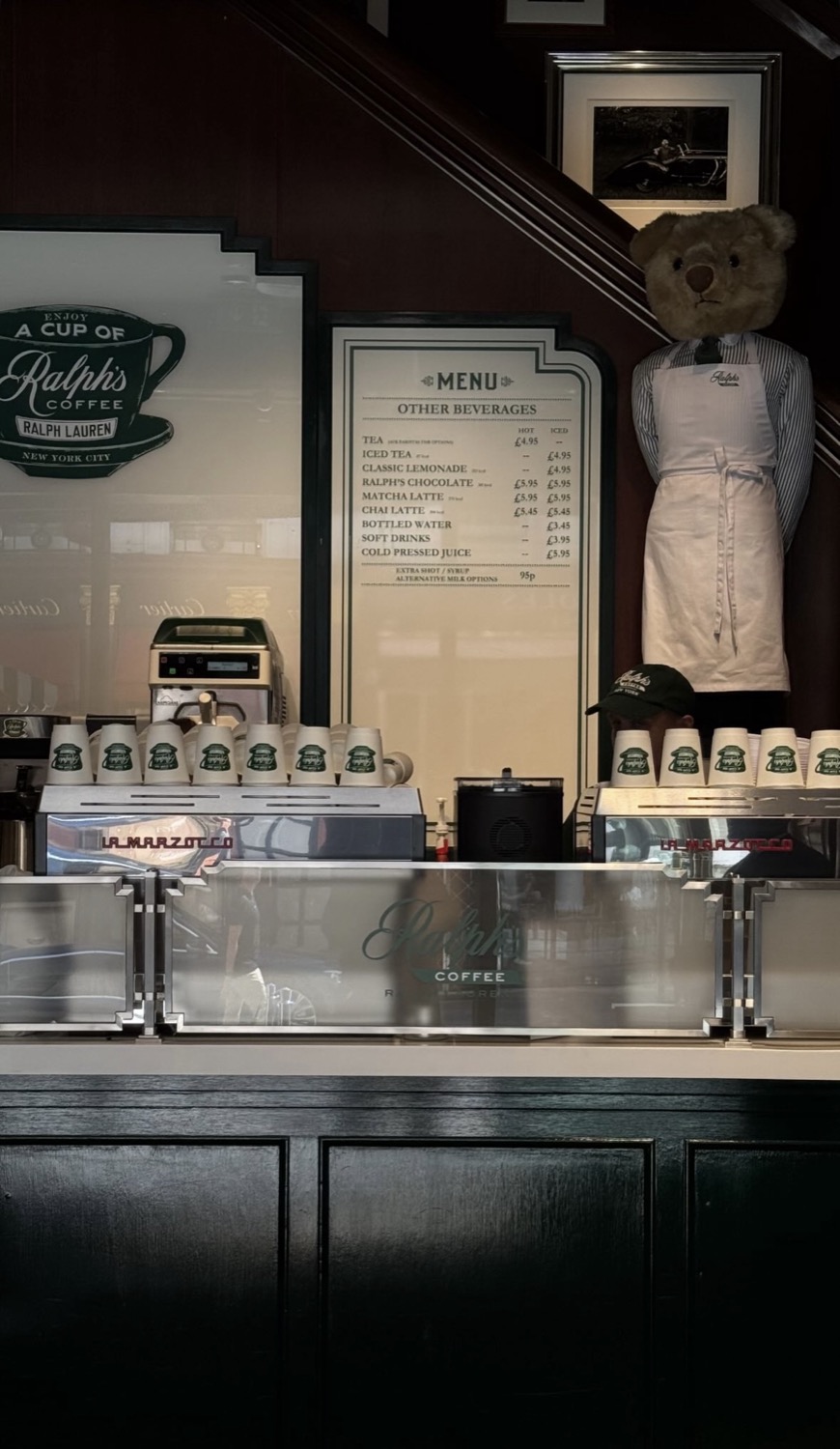
Ralph's Coffee
London, Doha, Singapore / A recognisable ritual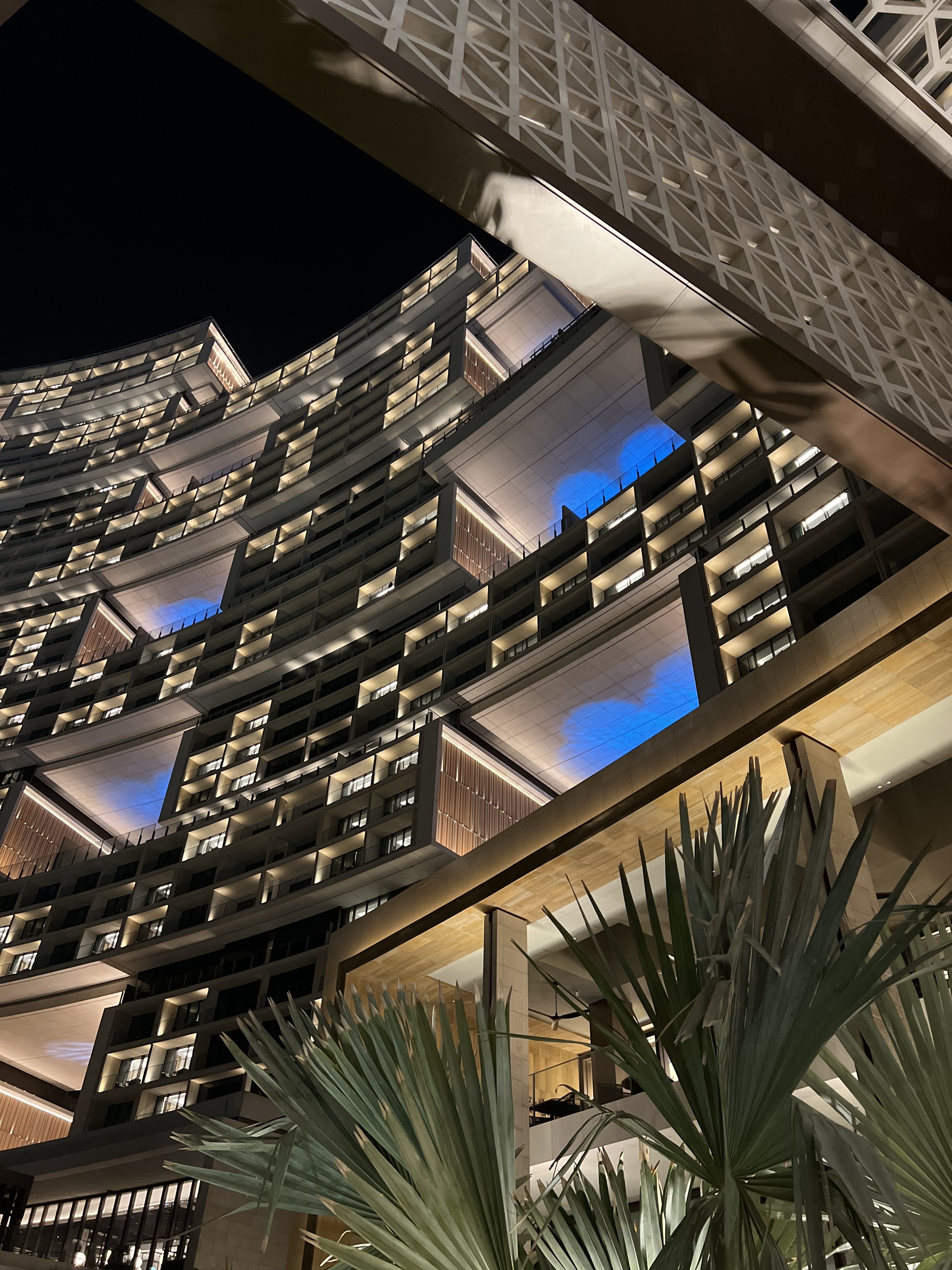
Atlantis The Royal
Palm Jumeirah, Dubai / Spectacle at scalePlaces
Cities reveal themselves gradually.
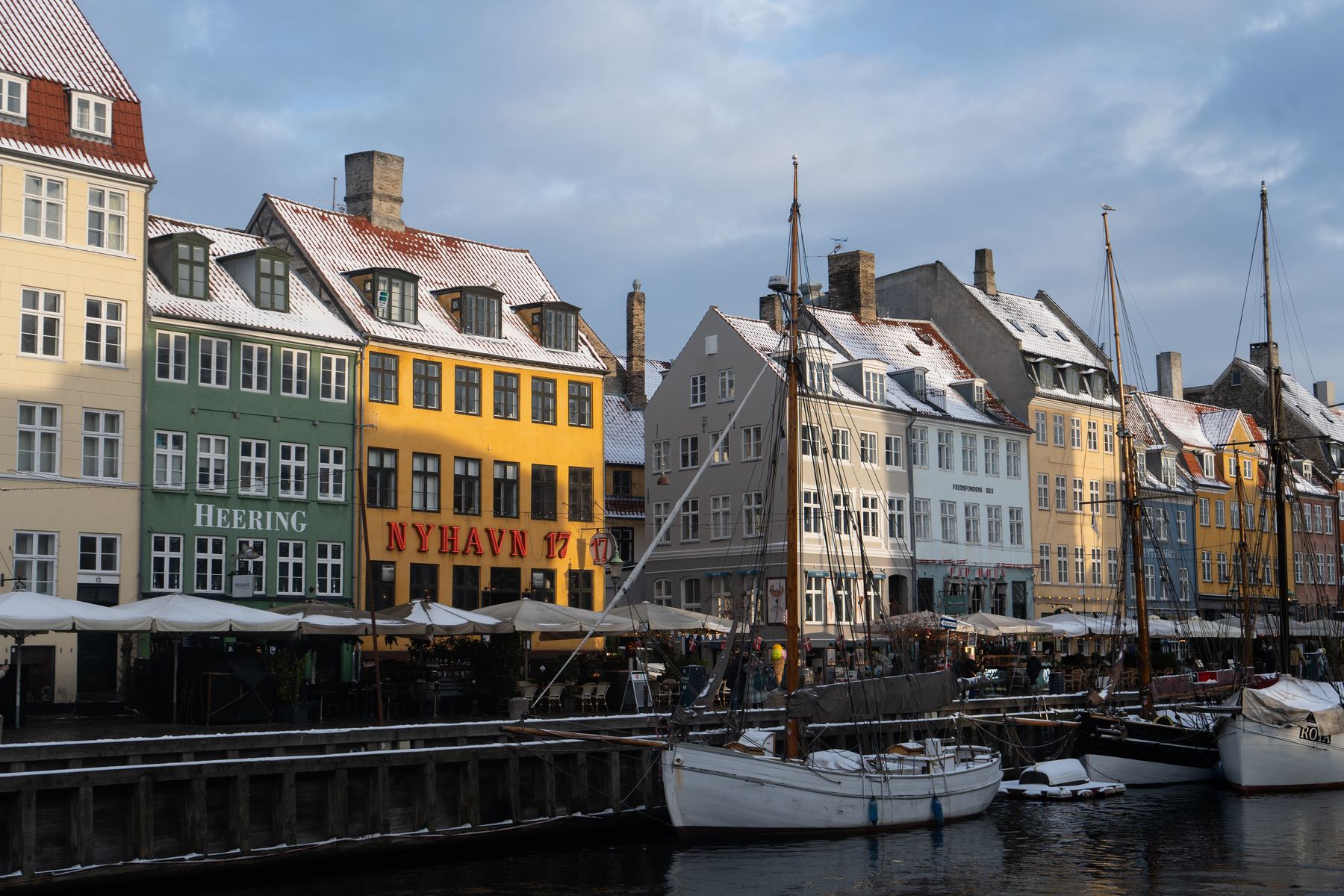
Copenhagen
The rhythm of an ordinary dayEvery city has an official version of itself. The landmark, the itinerary, the photograph that already exists on a thousand other cameras. These studies begin where that version runs out.
What a place actually feels like is rarely found in its headline attractions. It is found in the peripheral streets, the hour before things open, the interior that tourists walk past on the way to somewhere else. The atmosphere that a place has when it is not performing for anyone in particular.
A city also changes depending on how slowly you move through it. The things that reveal themselves over an hour are different from the things visible in an afternoon. Most travel photography is made at pace, between one destination and the next. These studies were made differently. Extended time in a single place, returning to the same streets at different hours, learning what a city looks like when nothing particular is happening.
Studies across four continents. Each one looking for what distinguishes a place from photographs of it.
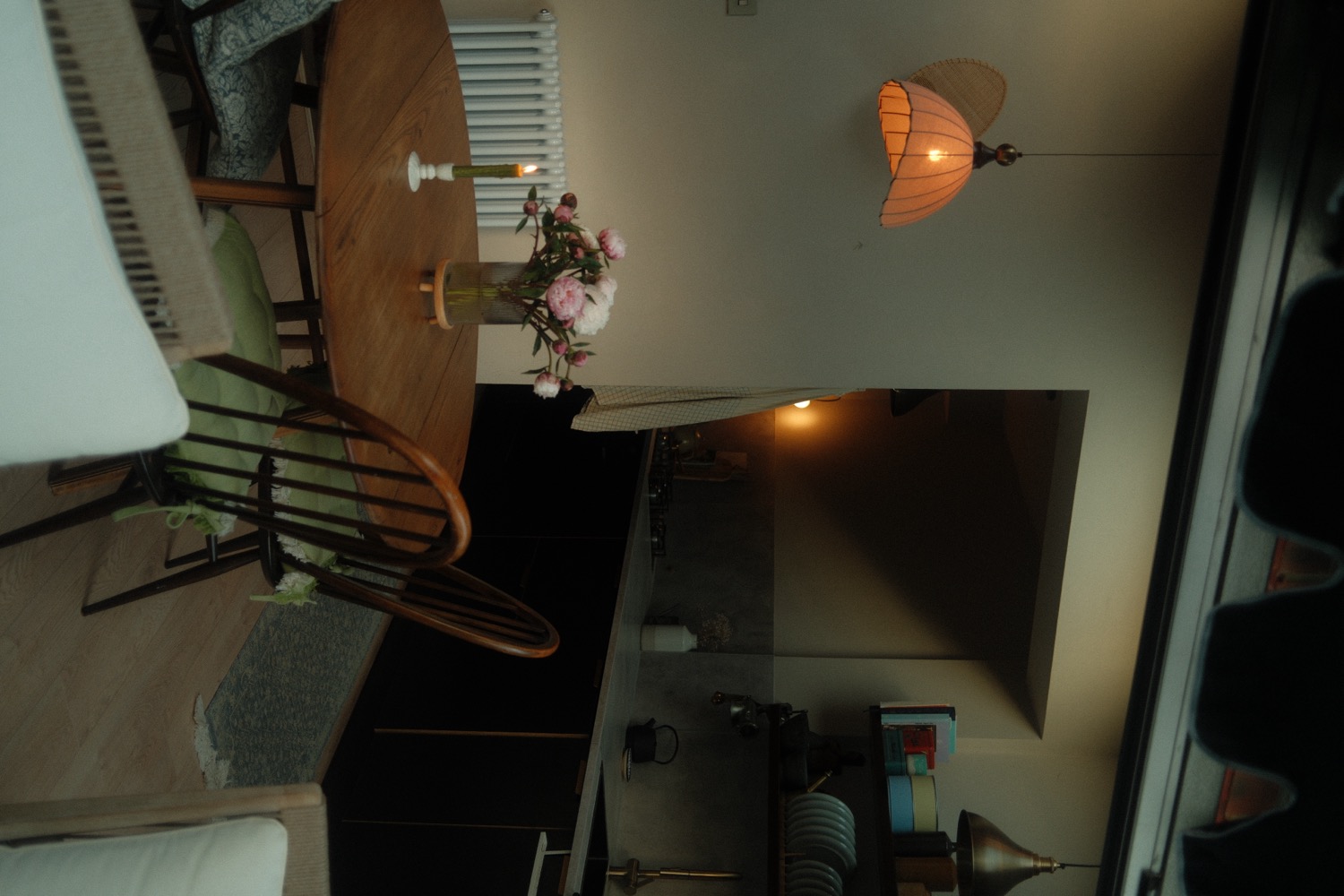
mkd Home
Domestic light, stillness, quiet ritual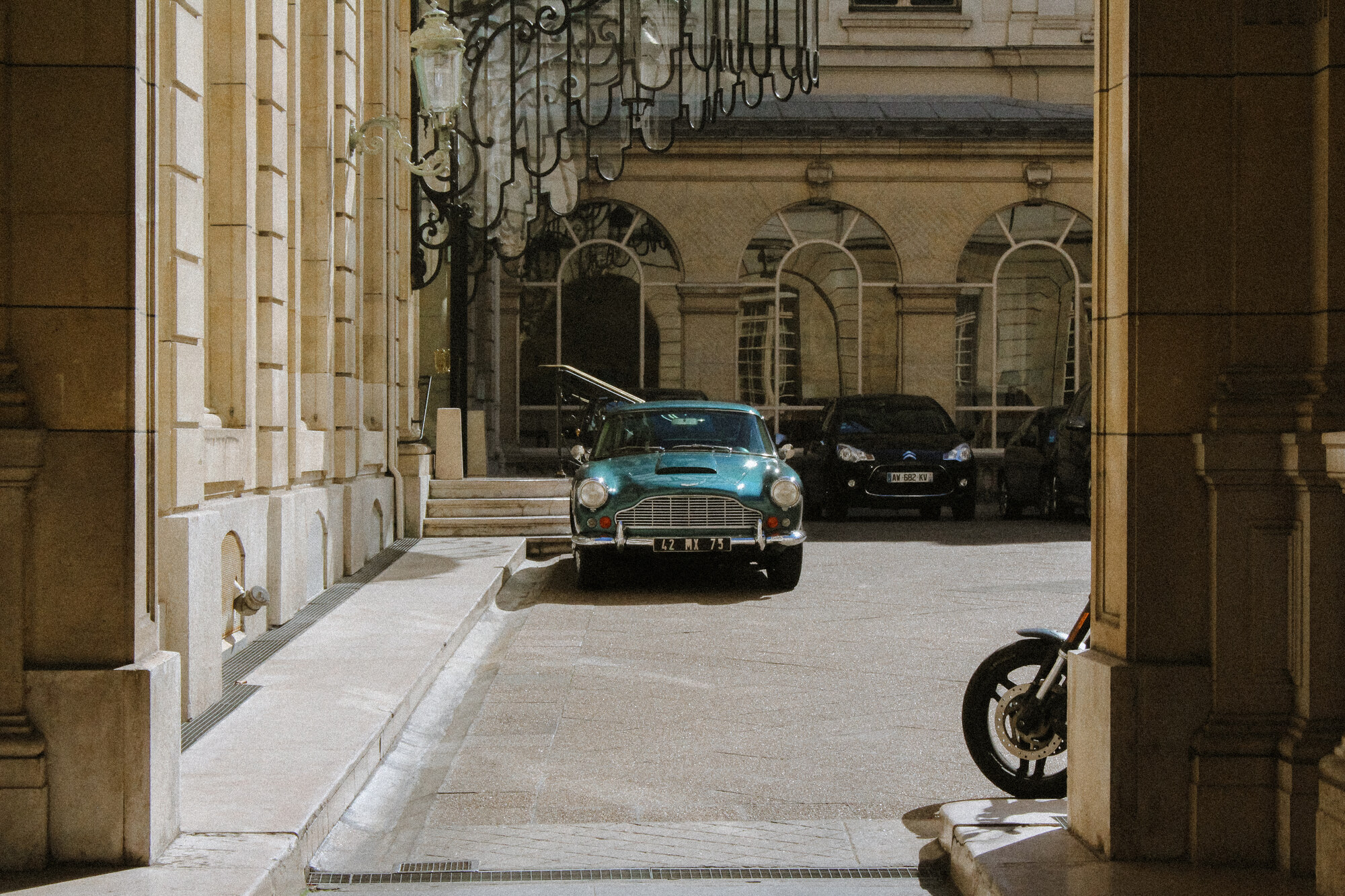
Paris
Permanence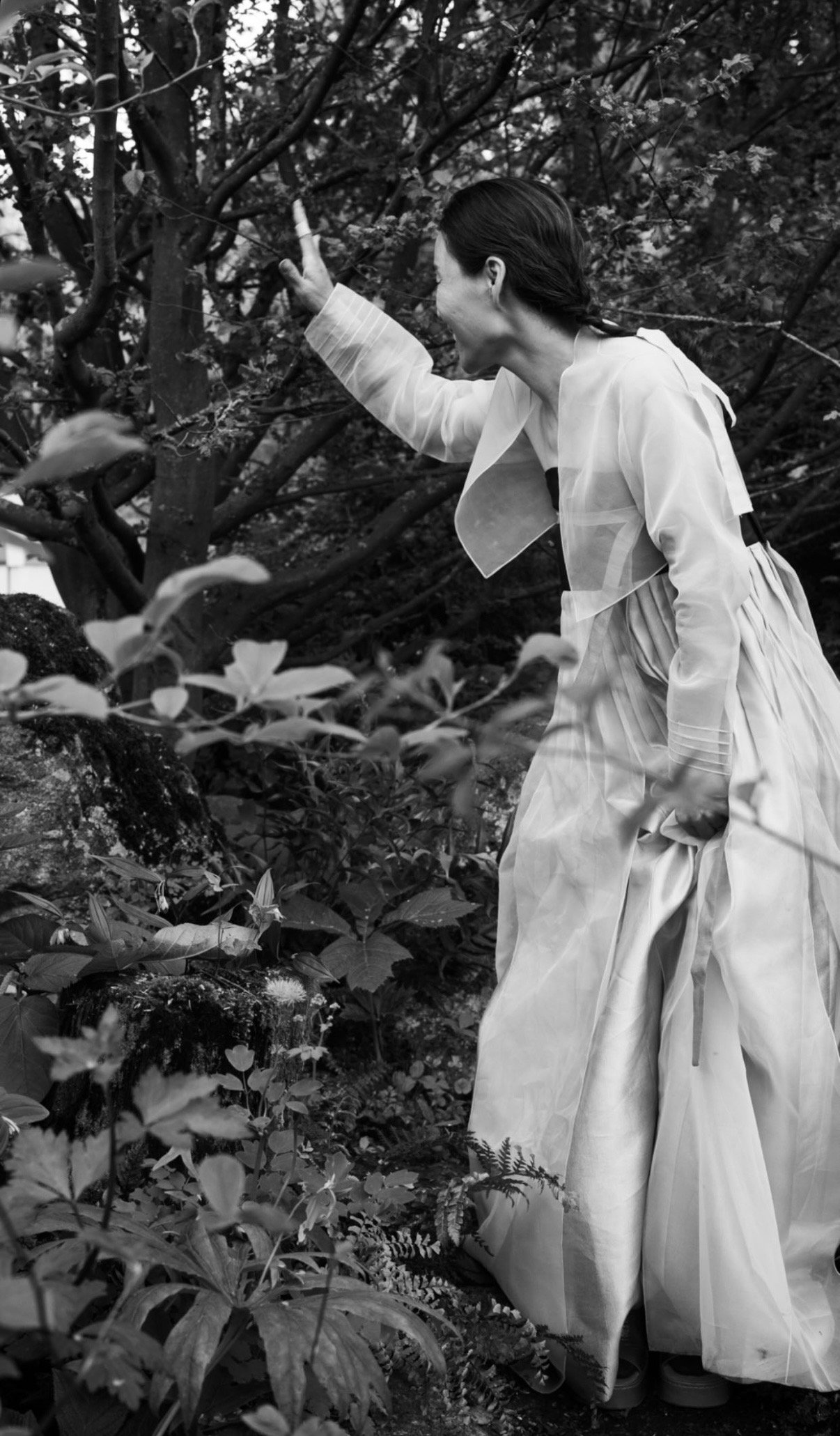
Jihae Hwang
A Letter From A Million Years Past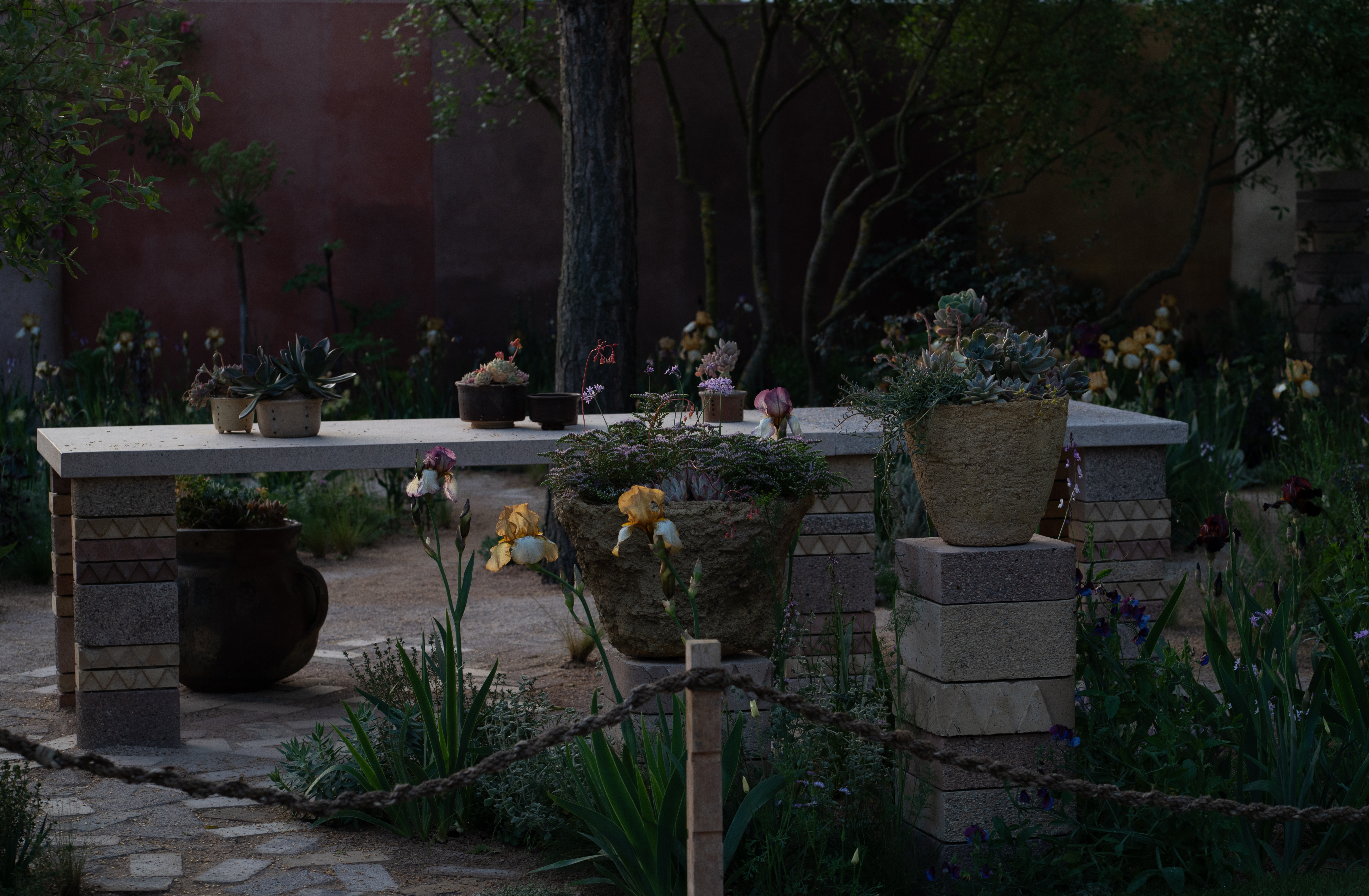
Sarah Price
RHS Chelsea, London / Seen from the edge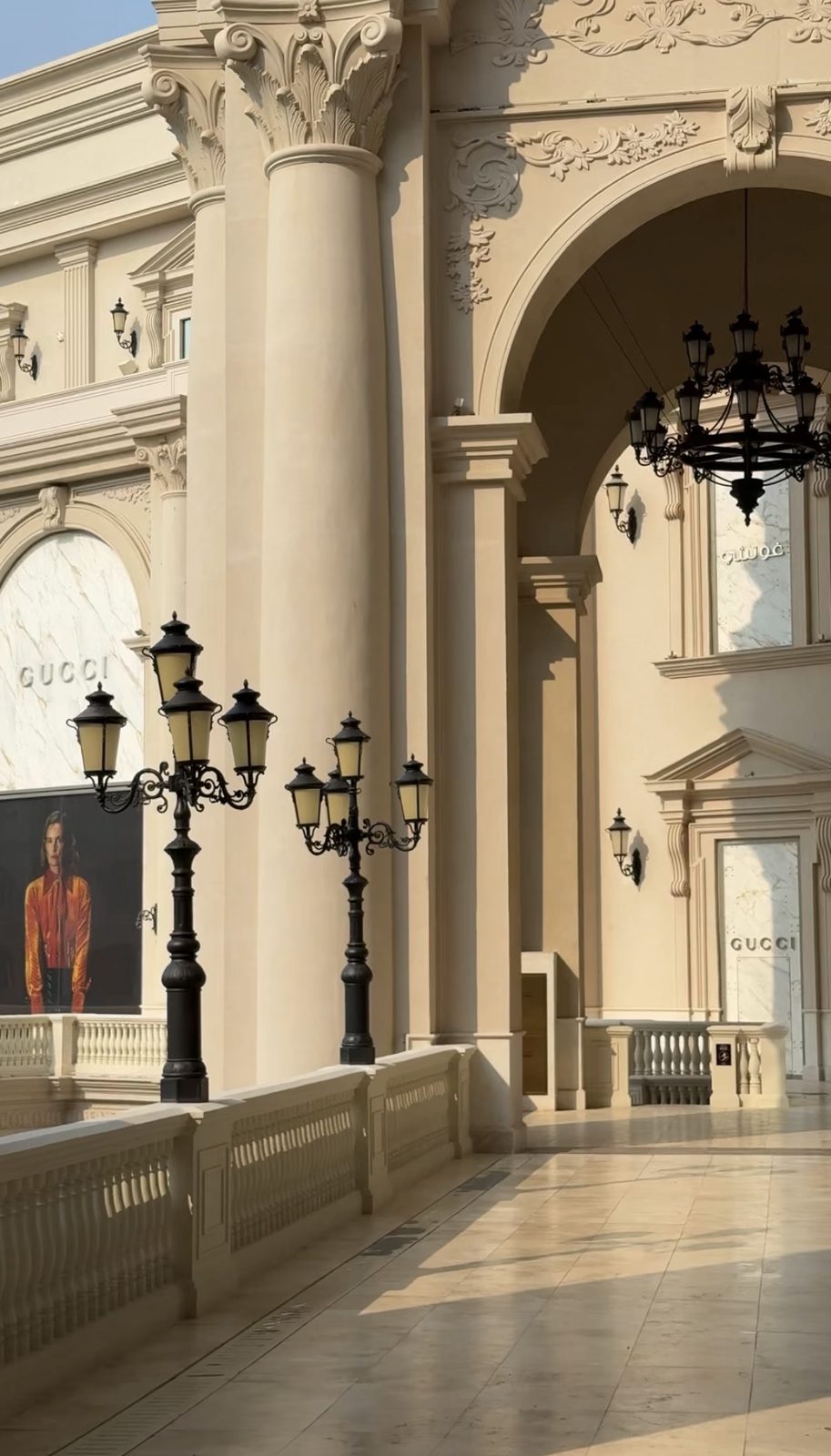
Place Vendôme, Doha
A theatre of luxury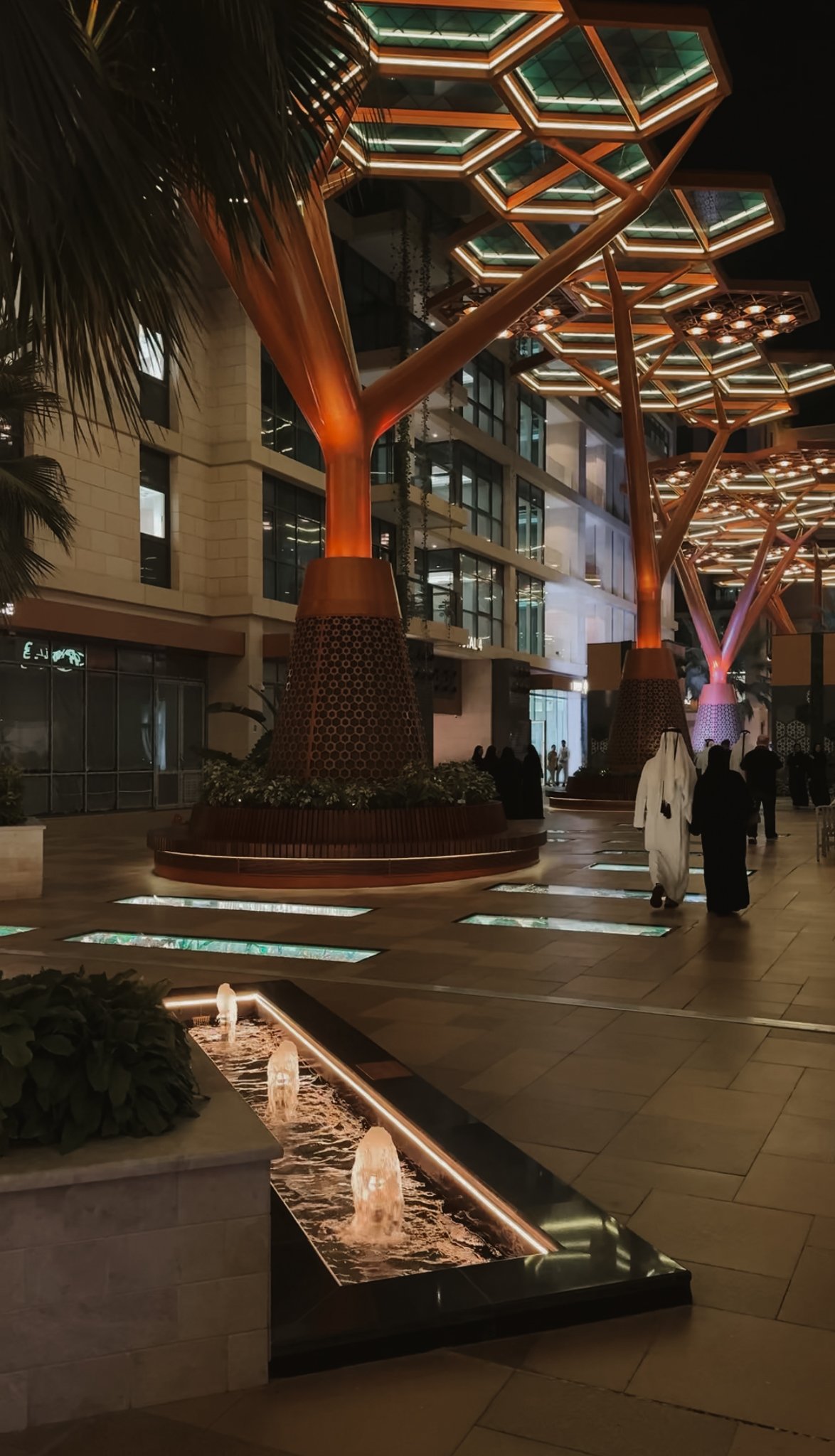
Gewan Island
Doha, Qatar / The island after dark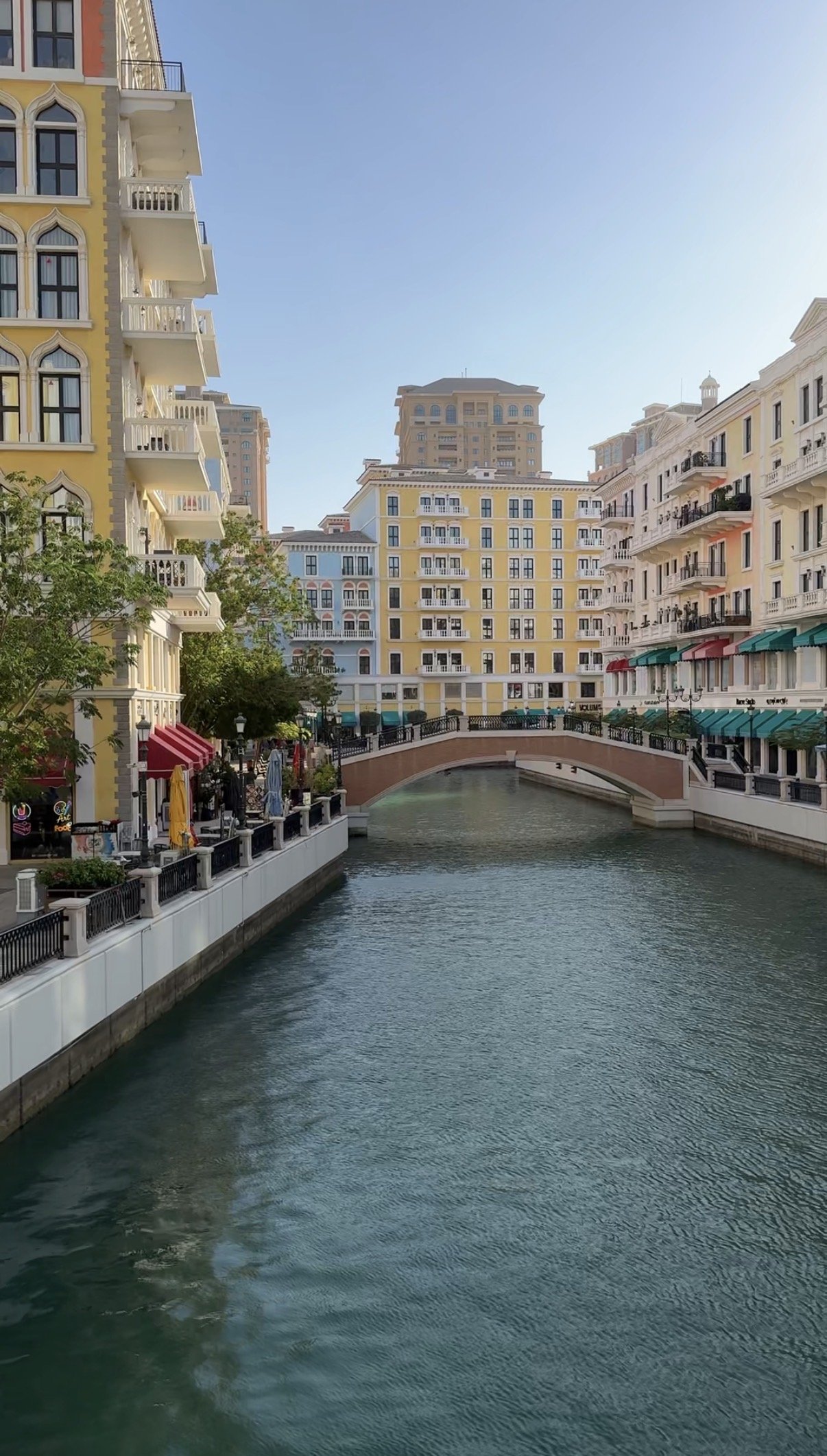
Qanat Quartier
The Pearl, Doha / A borrowed Venice in Gulf light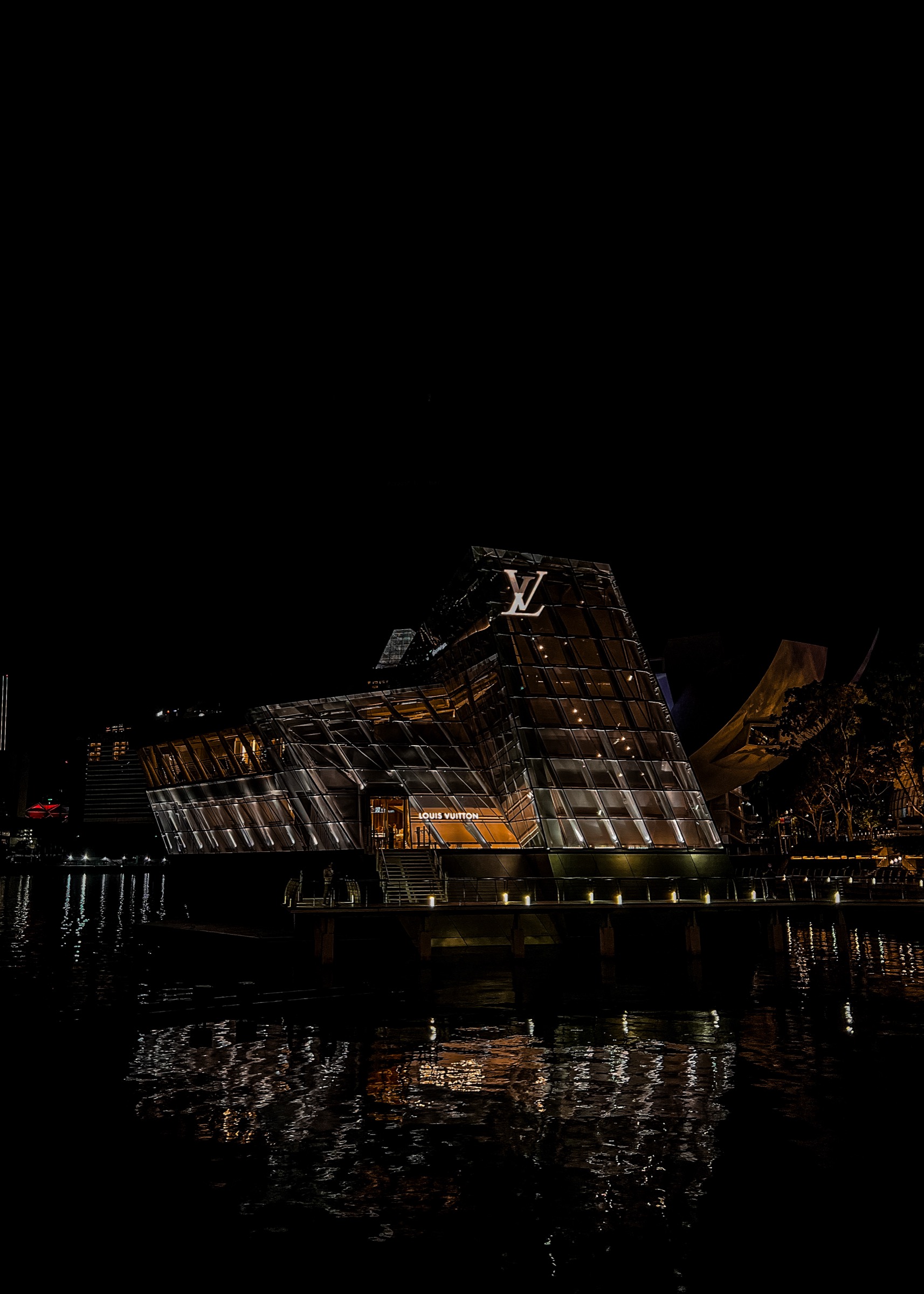
Singapore
Singapore / Glass, gardens and the city after dark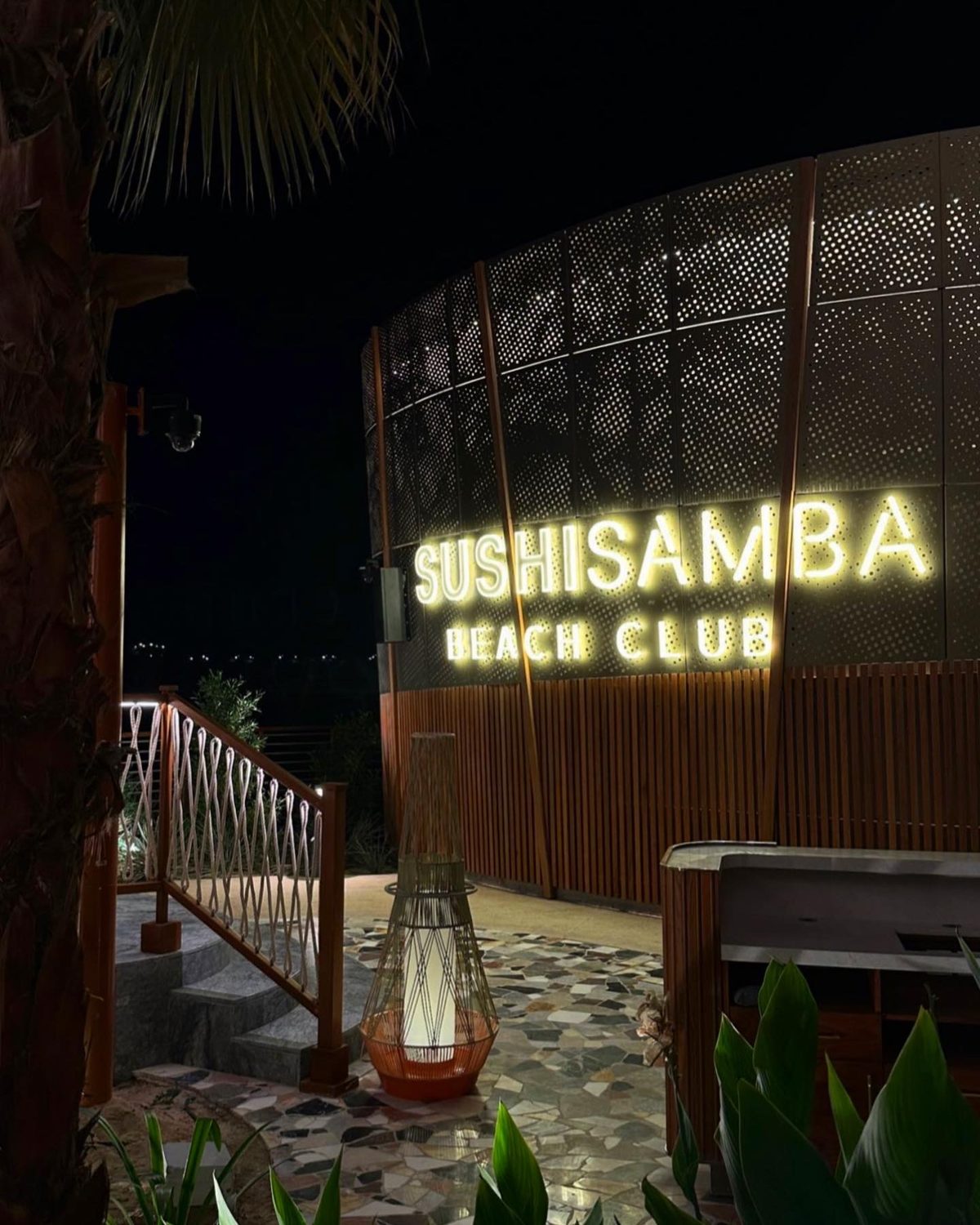
Doha at Night
The city after midnight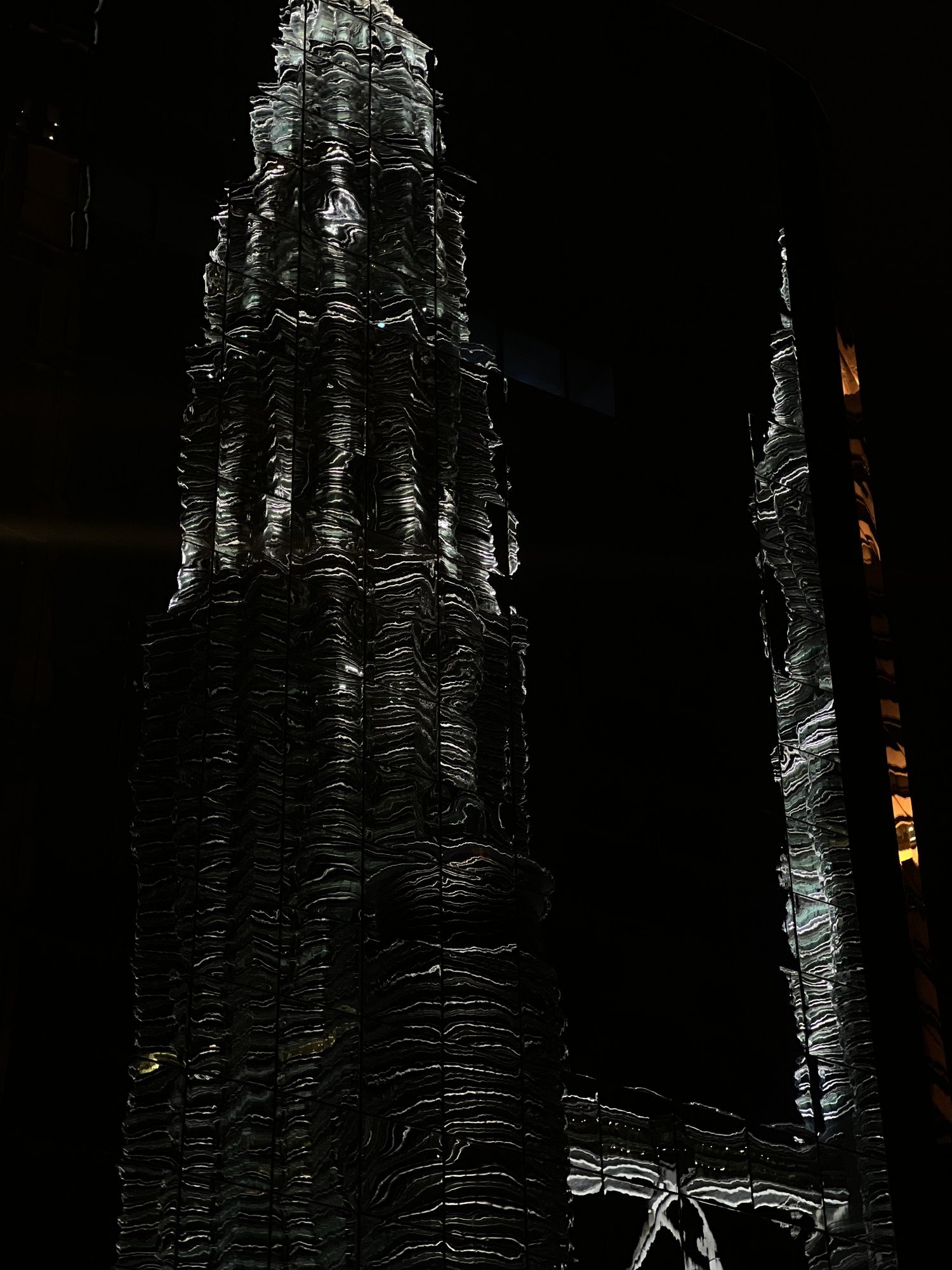
Kuala Lumpur
Between worlds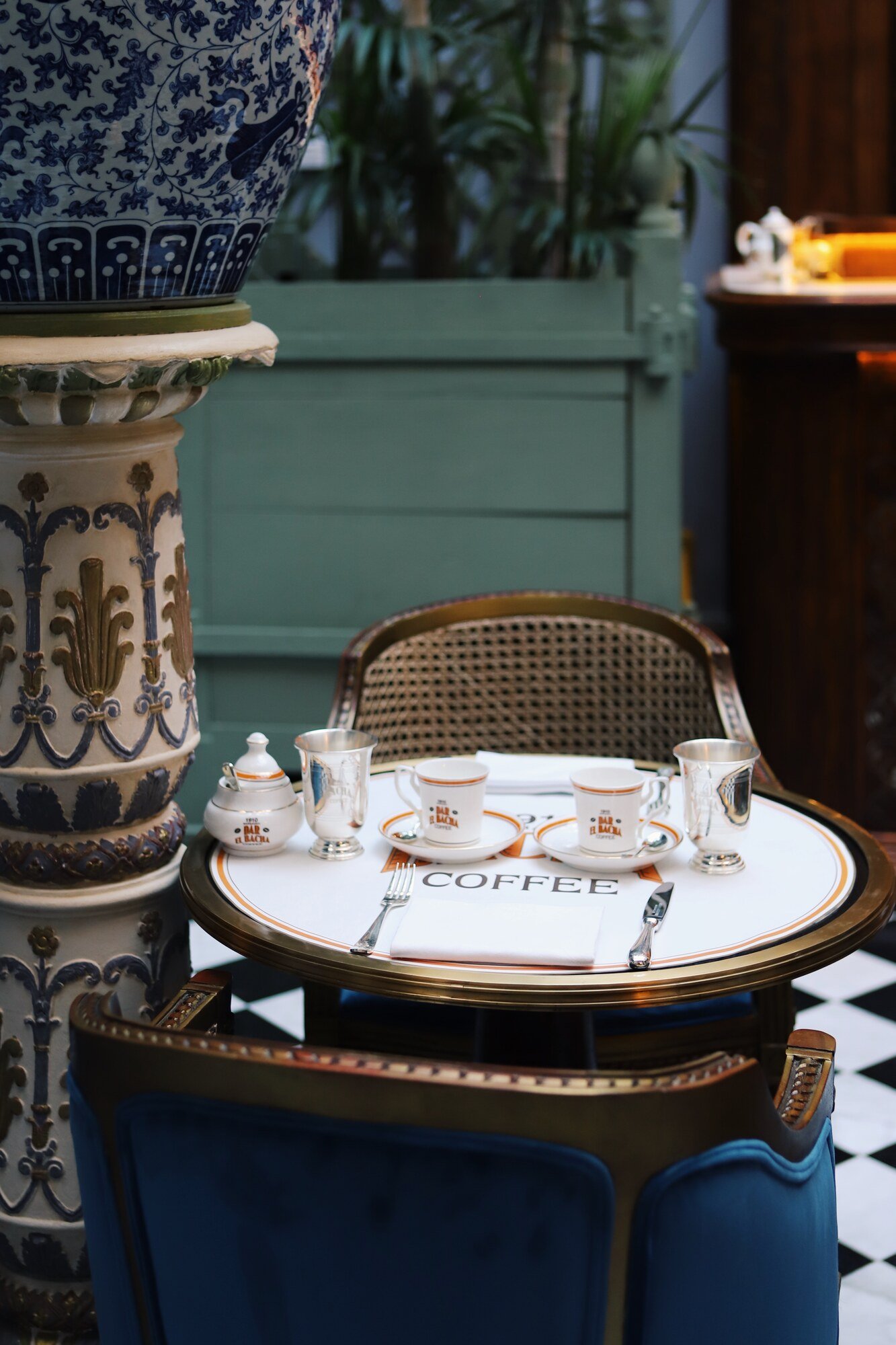
Dar El Bacha
A slower inheritance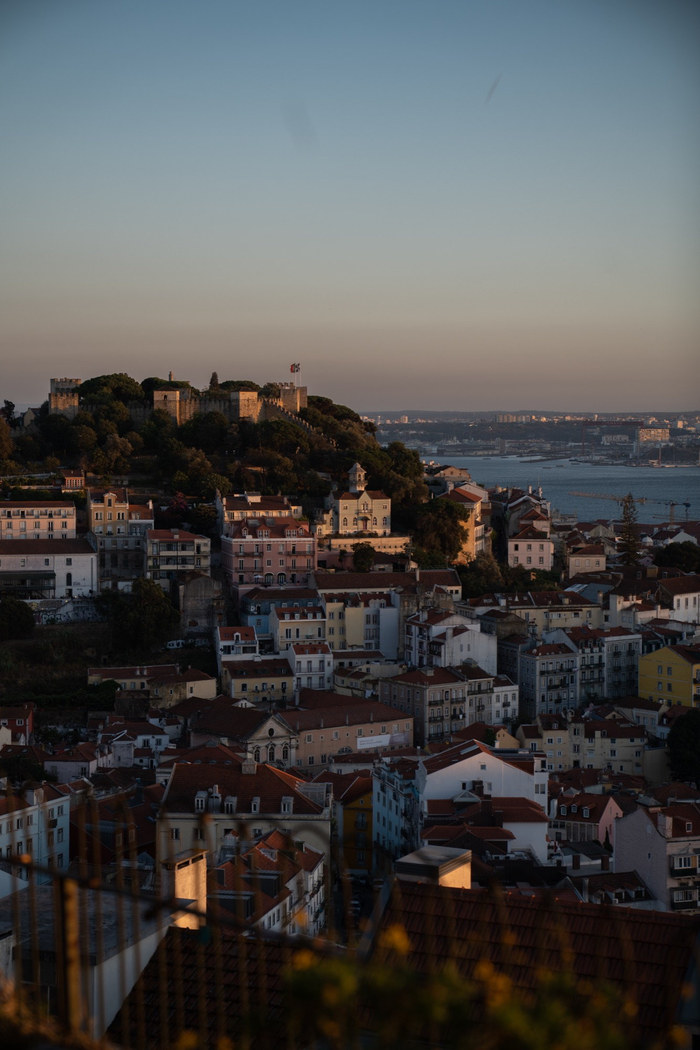
Lisbon
Stone and Tide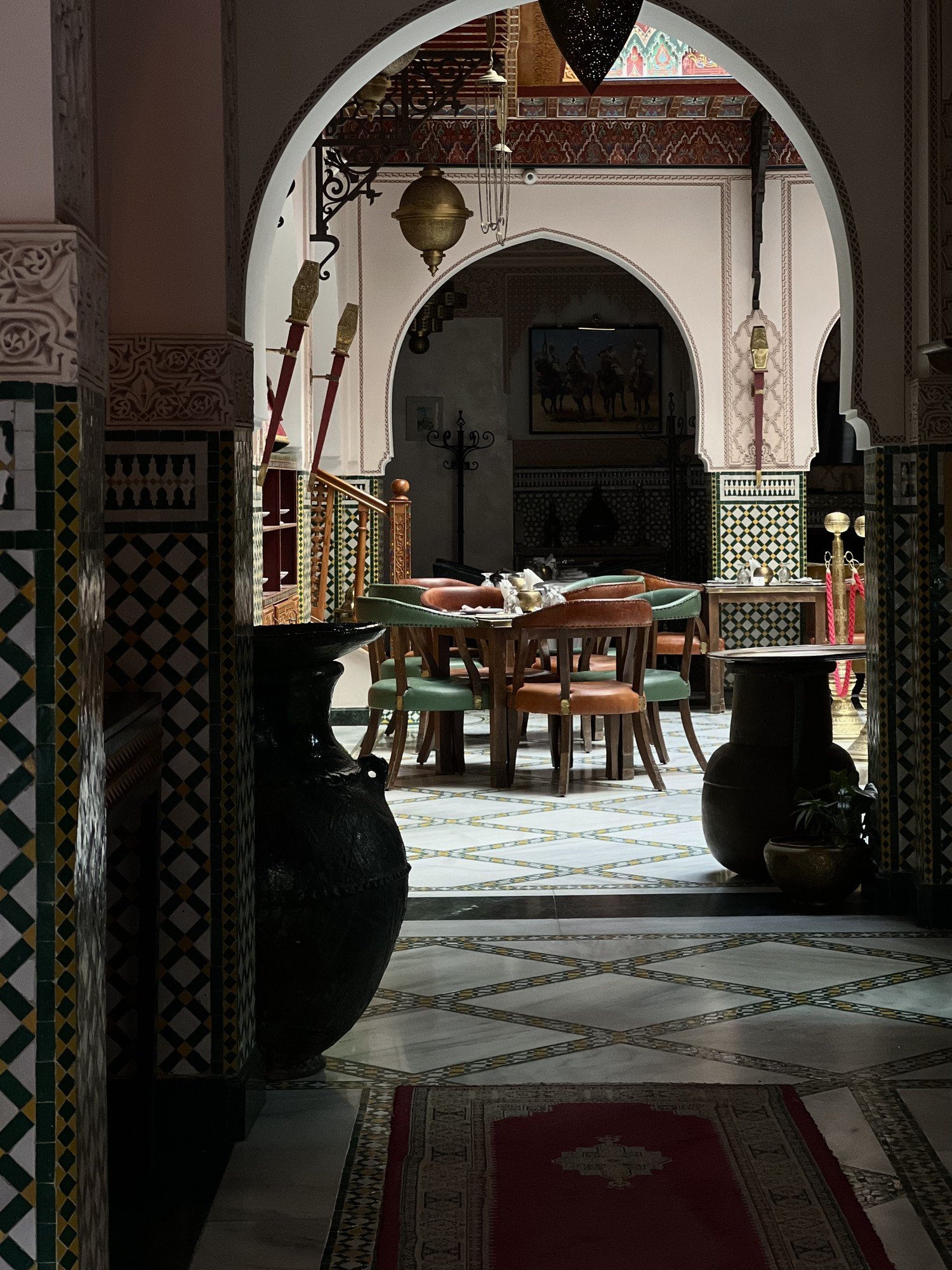
Tangier
In conversation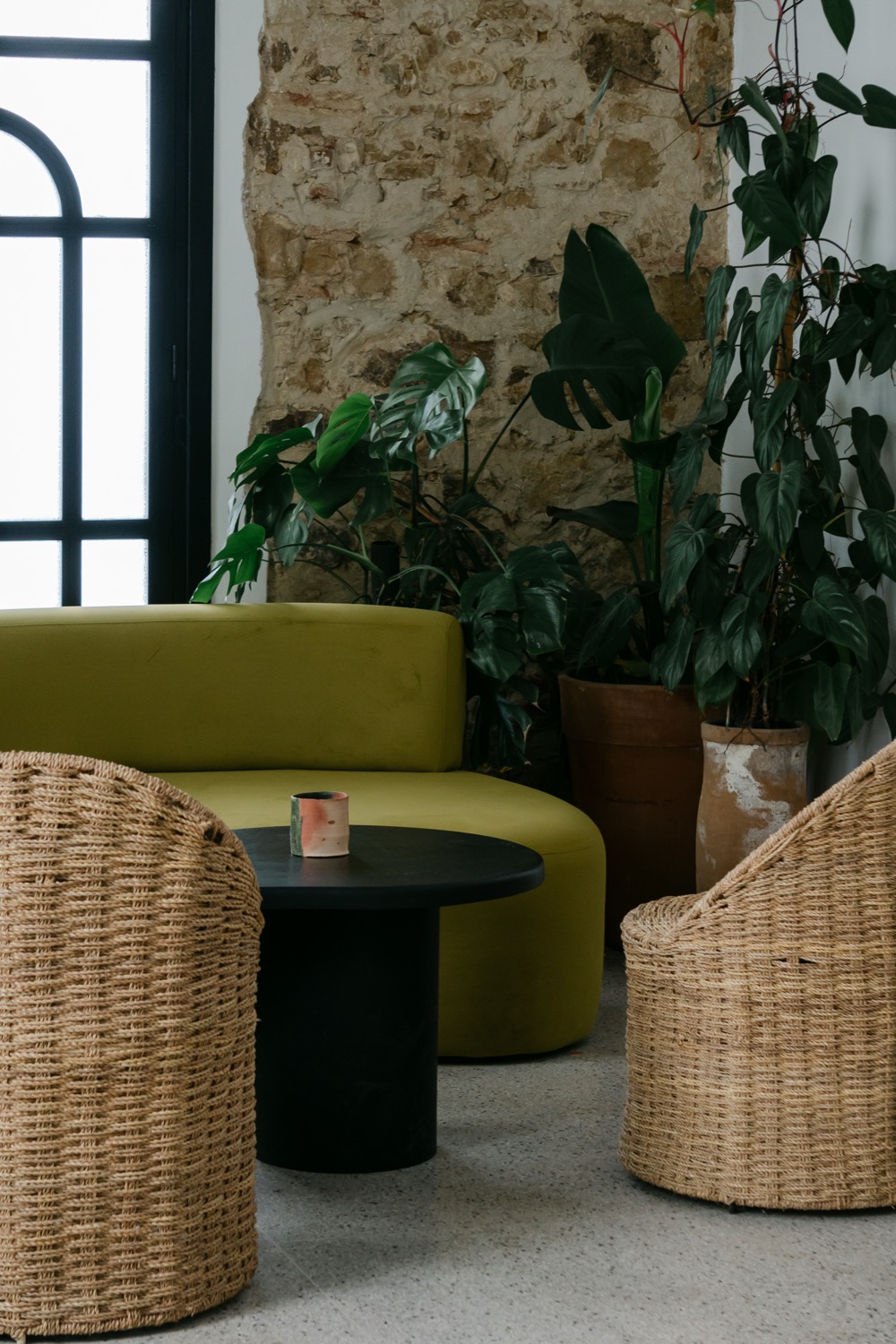
The inside of a place
Tangier, Morocco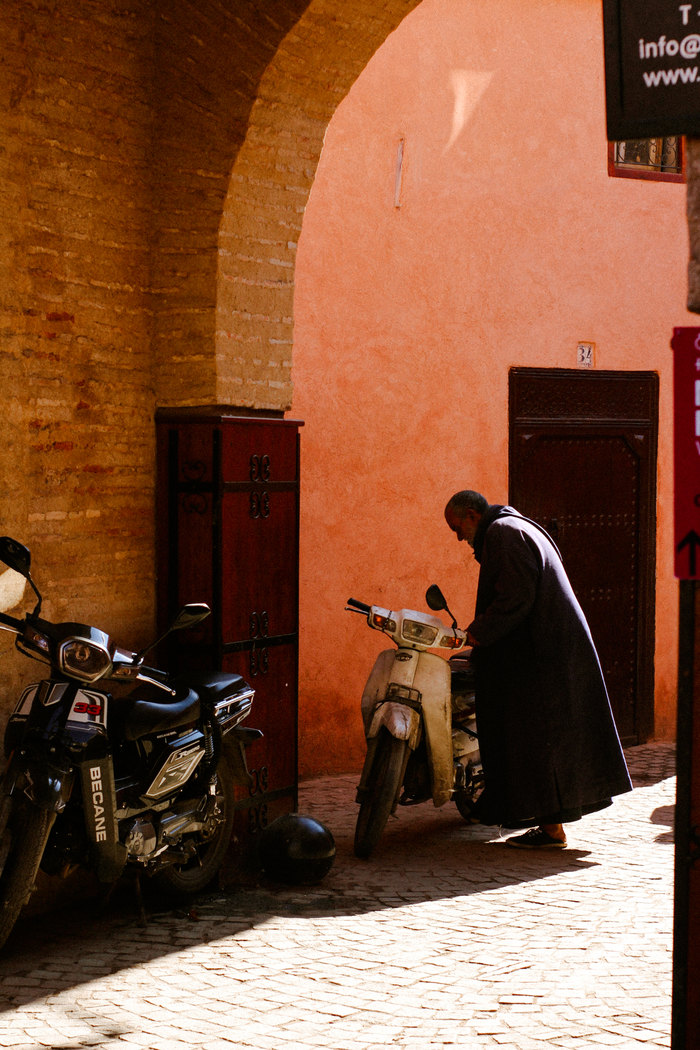
Marrakech, on film
Marrakech, Morocco / Colour, trade and the medina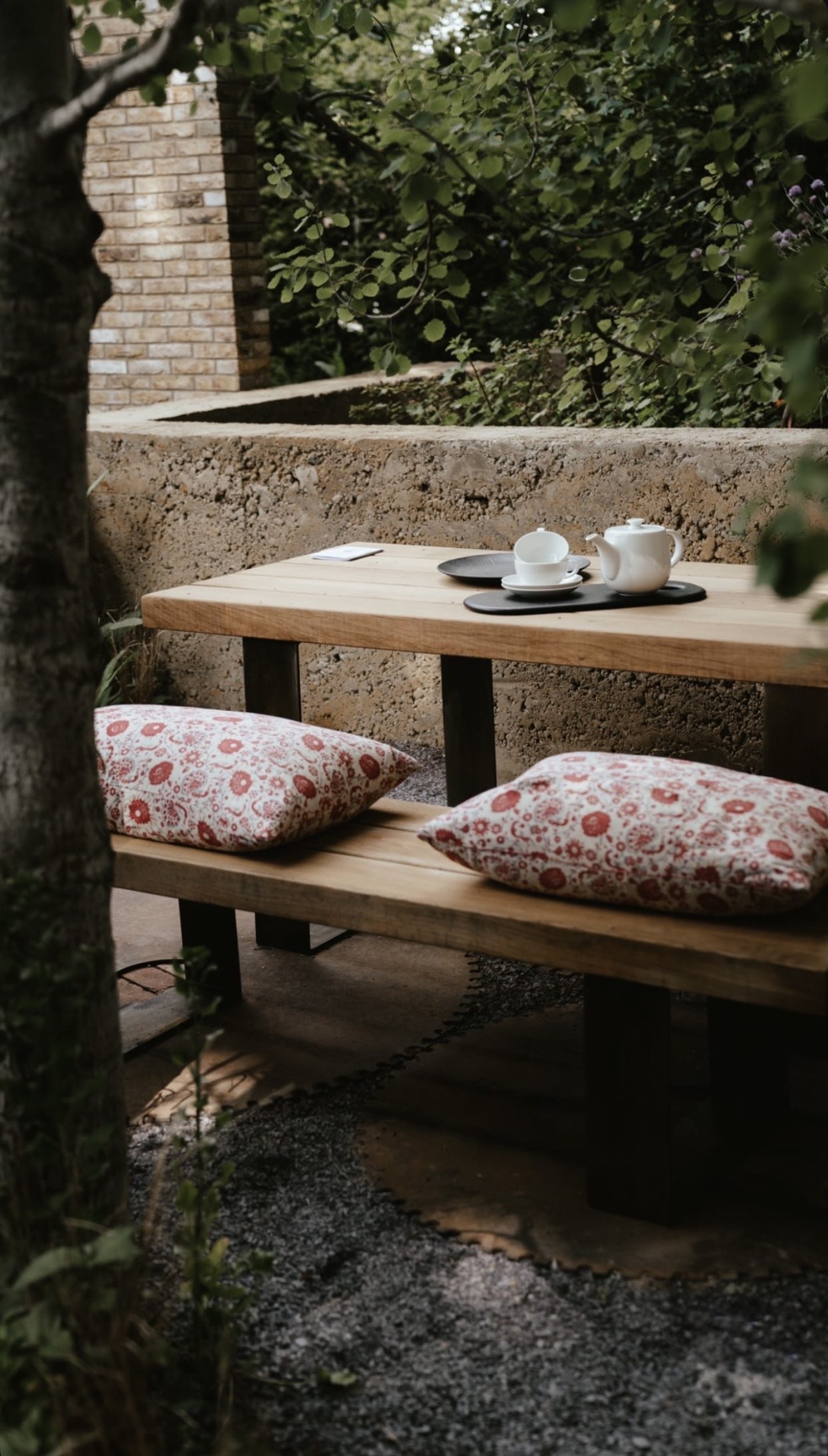
RHS Chelsea Flower Show 2022
London / Landscapes built to disappear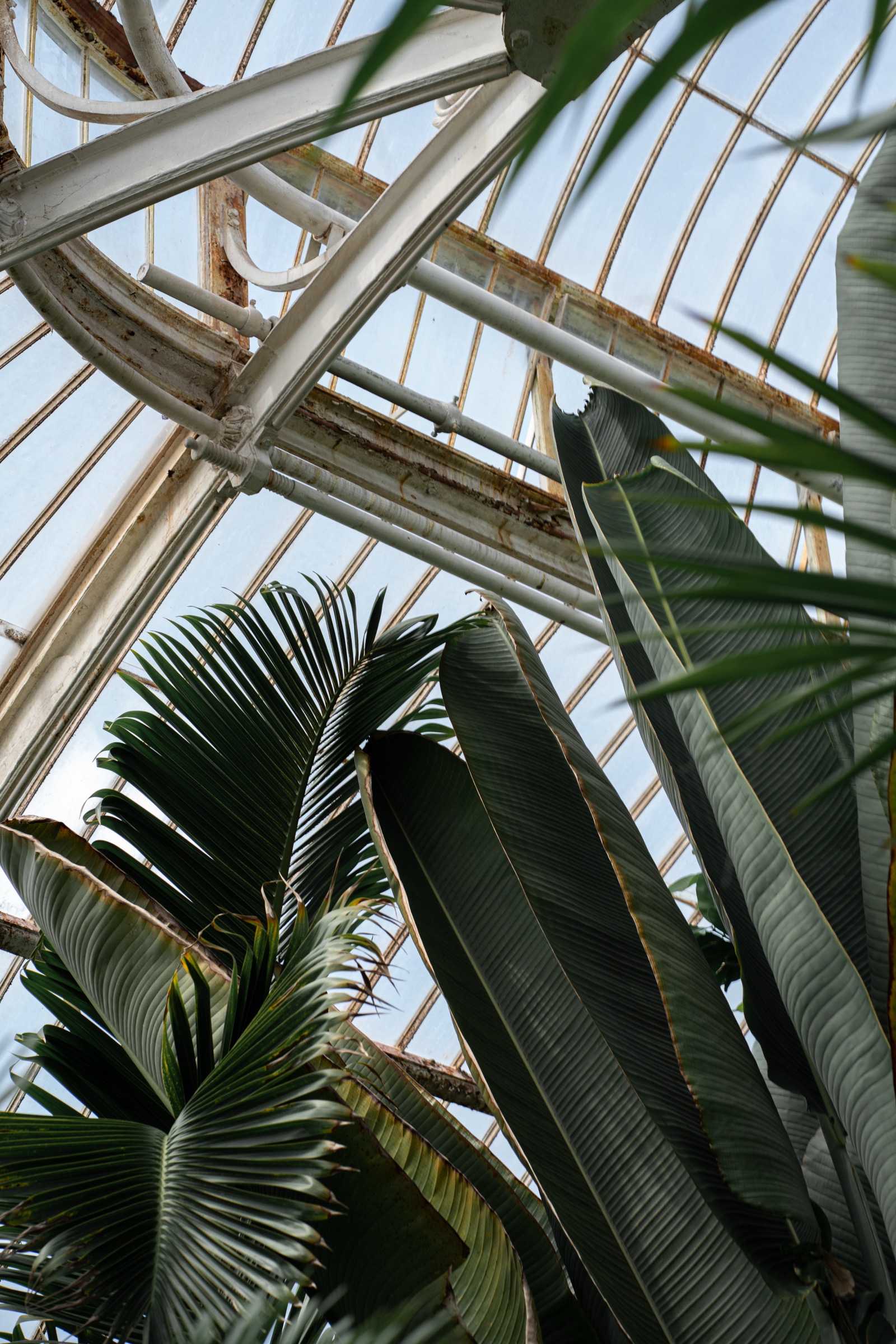
Kew, under glass
Royal Botanic Gardens, London / Glass, water and cultivated stillness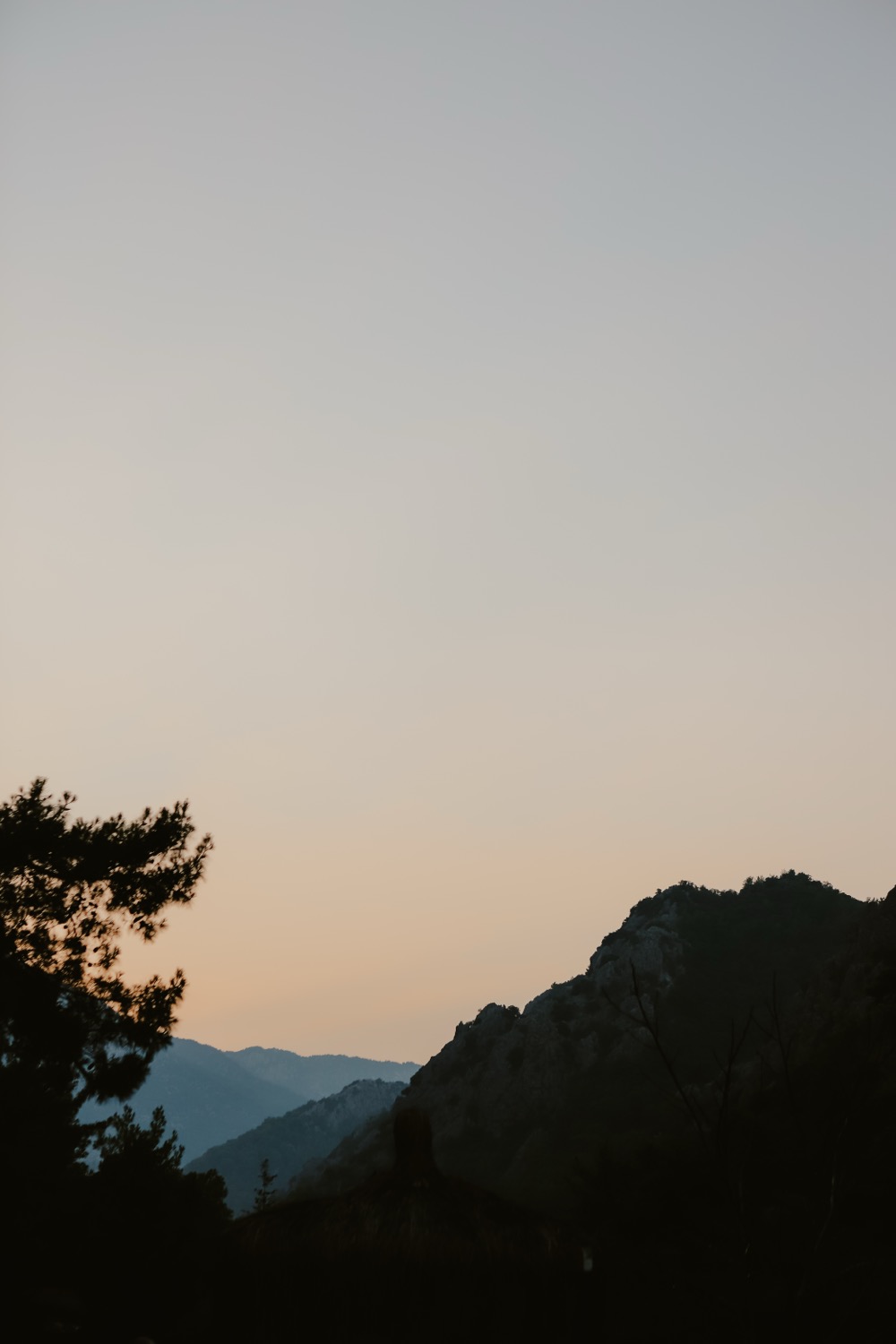
The mountains arrive at the sea
Çıralı, Turkey
After the Image
Europe / A study of looking again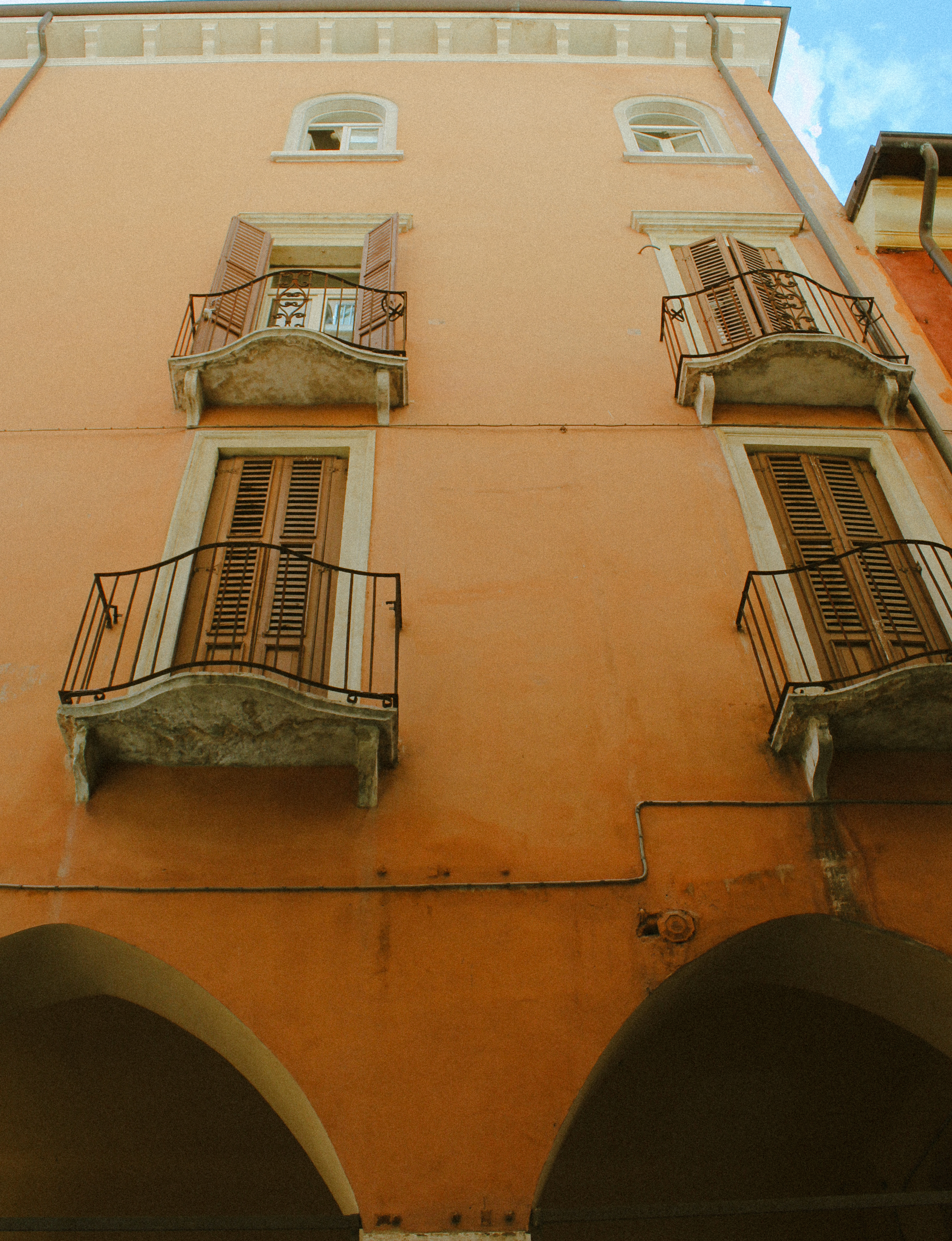
Italia, after the heat
Italy / Facades, water and evening distance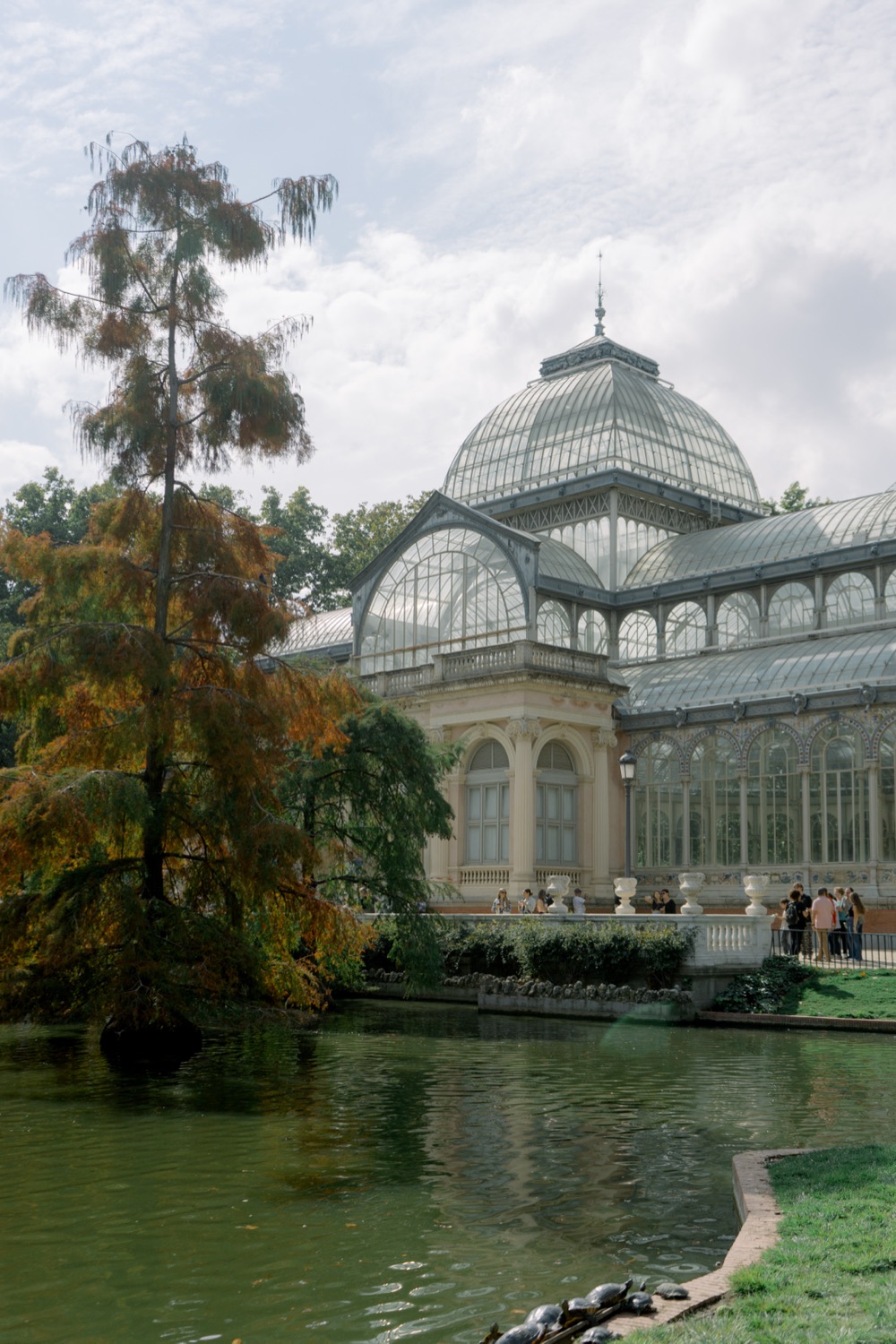
Madrid, held in light
Madrid, Spain / Stone, glass and afternoon distance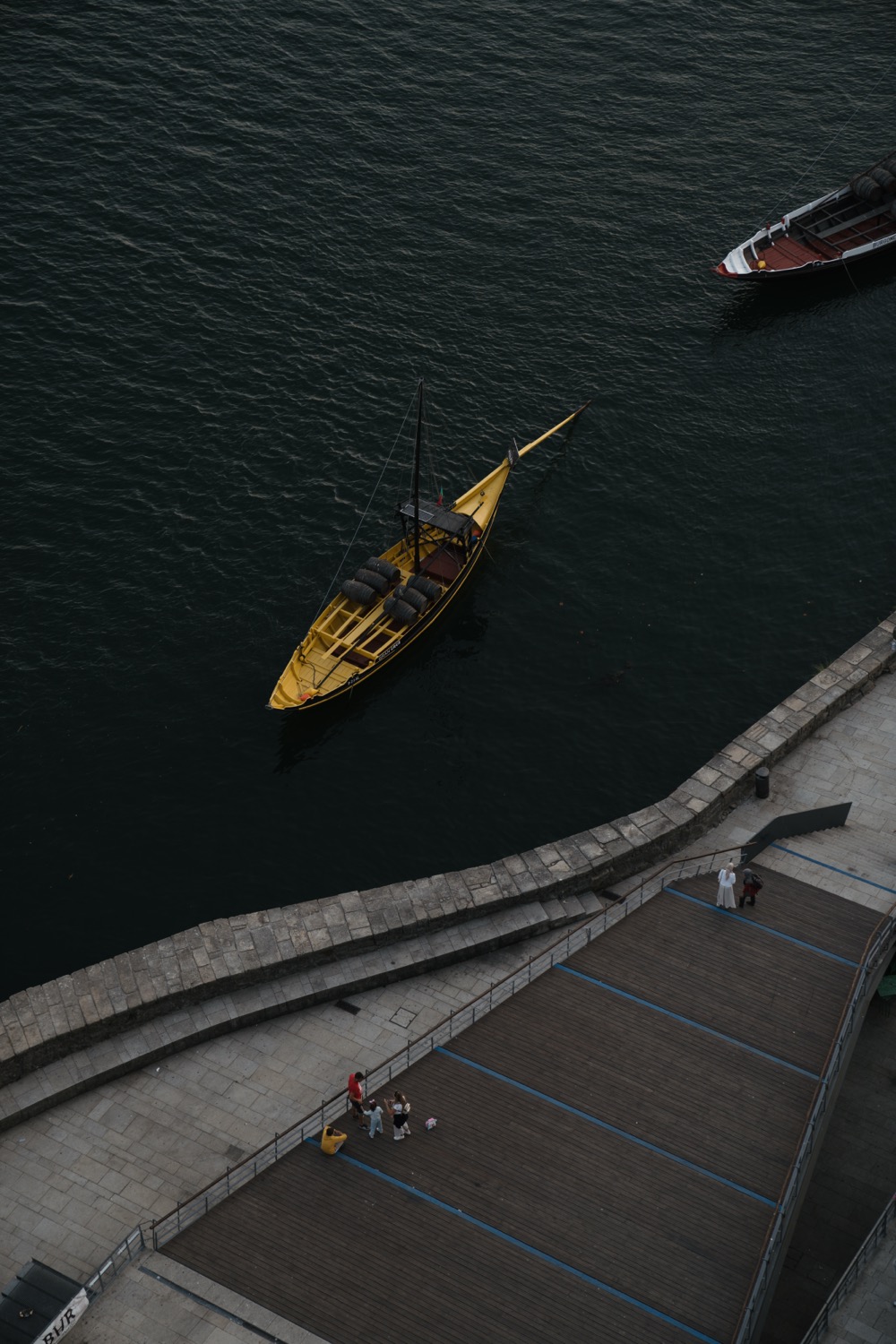
Porto, after the river
Porto, Portugal / Glass, water and evening movement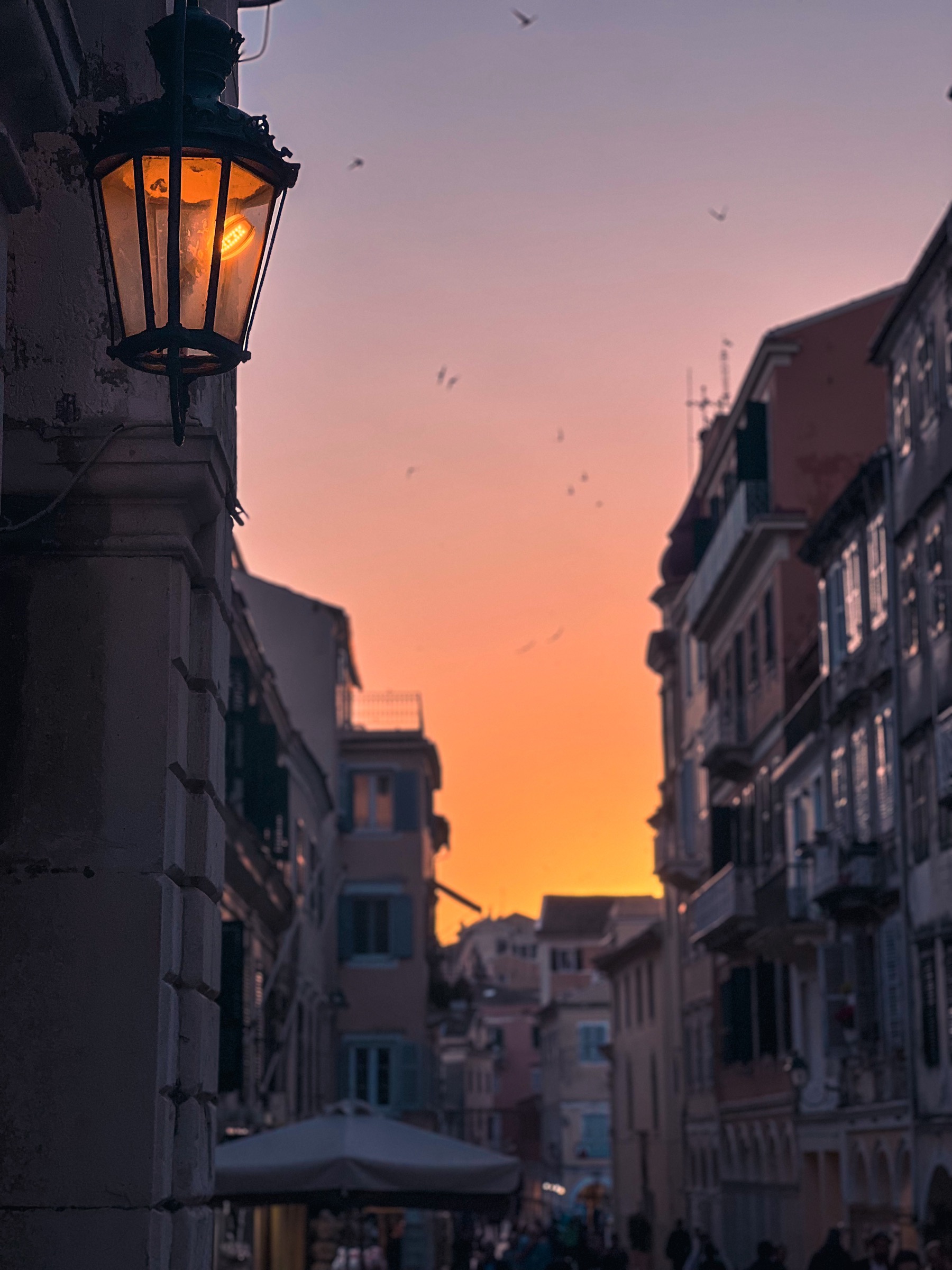
Corfu, after arrival
Corfu, Greece / Arches, interiors and evening light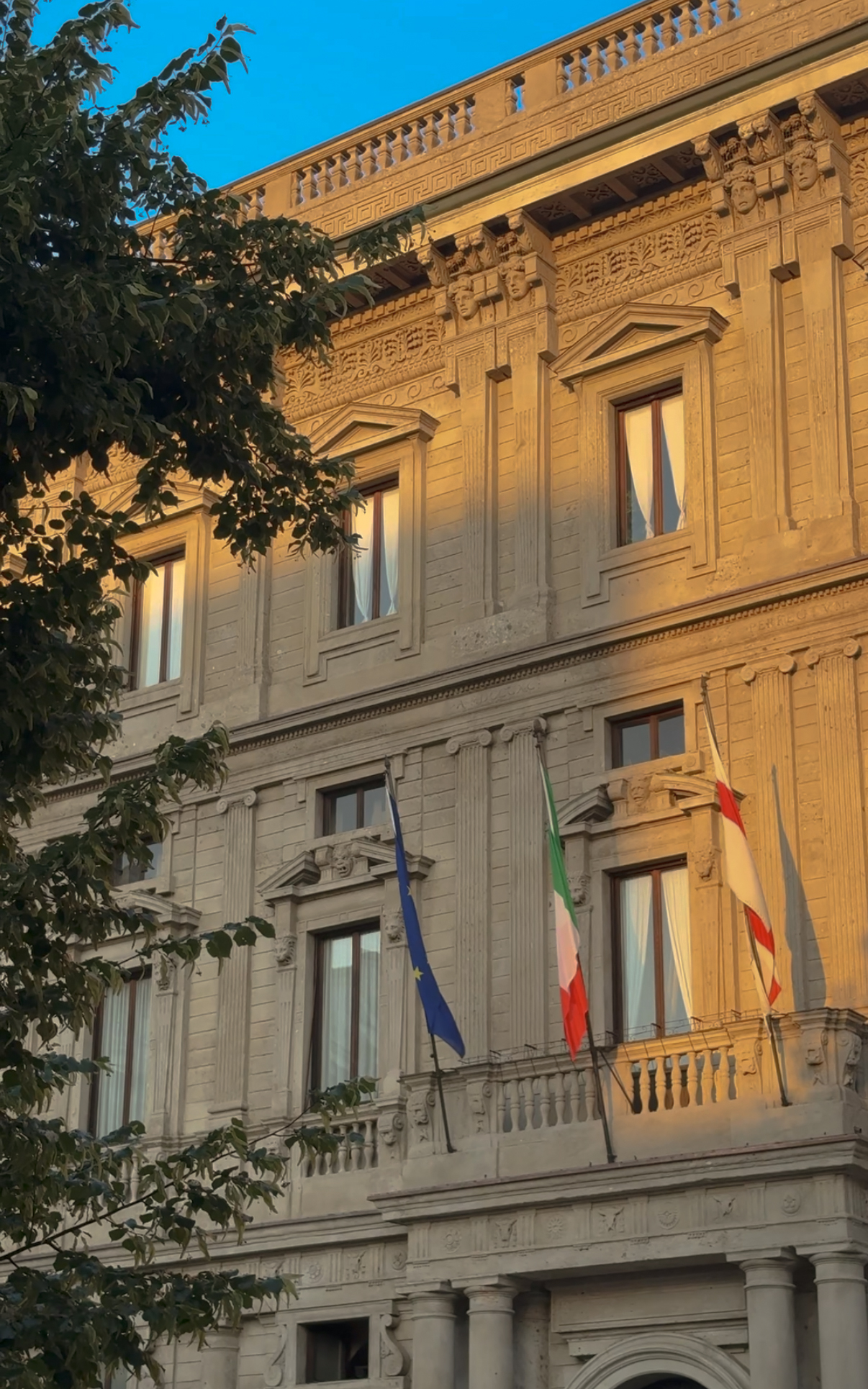
Milan
Milan, Italy / Stone, ornament and evening light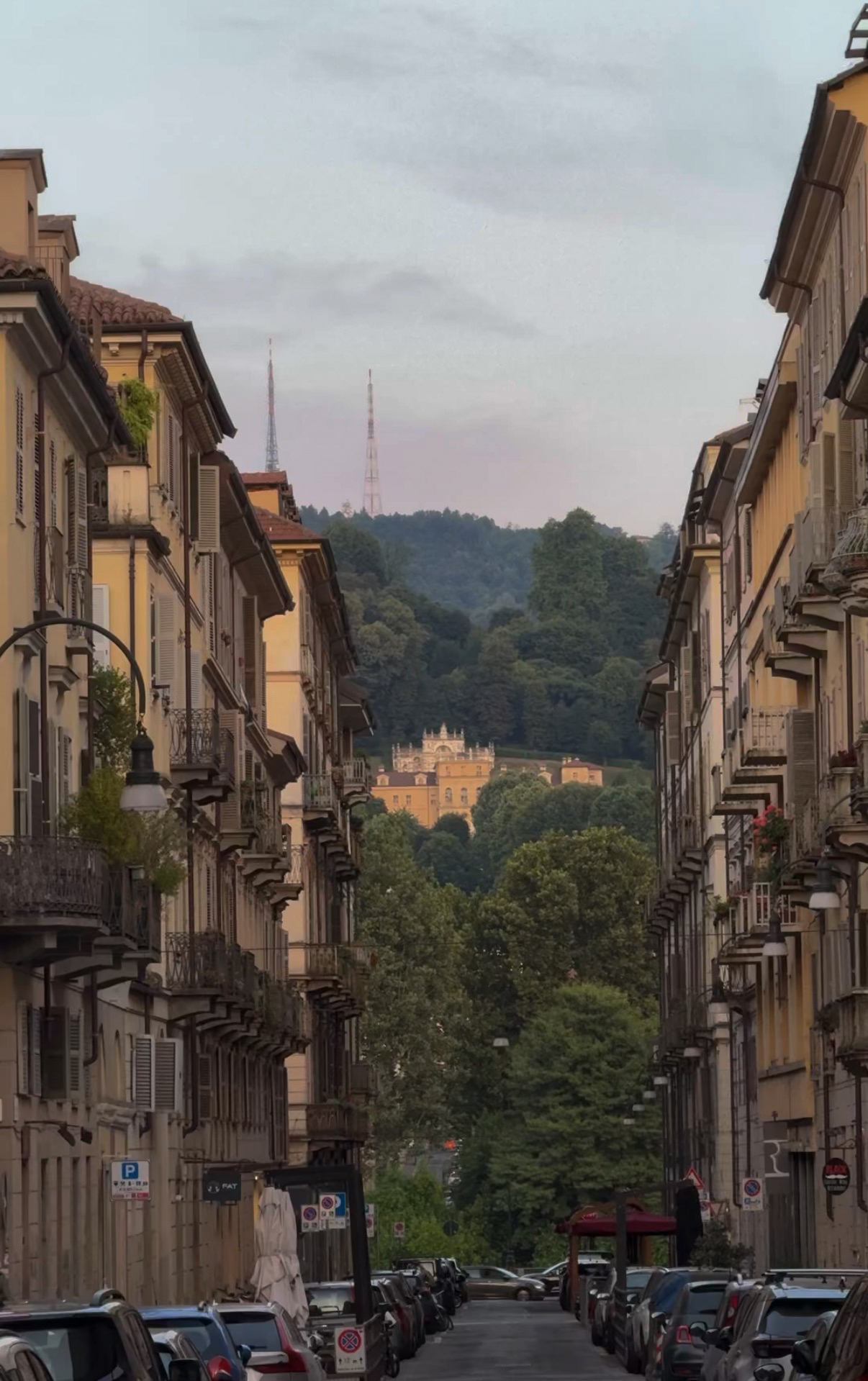
Turin
Turin, Italy / Perspective, alignment and evening light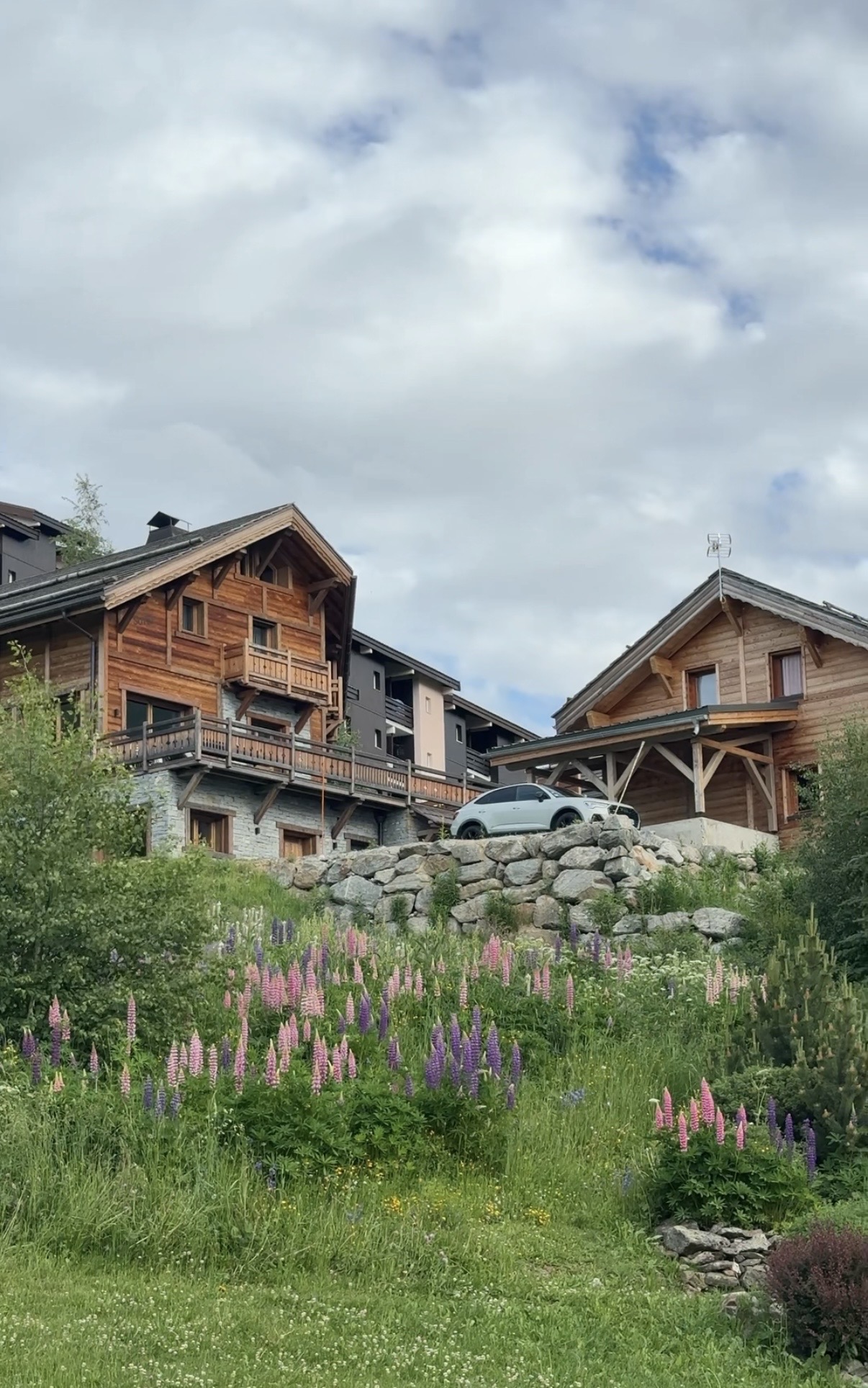
French Alps
French Alps, France / Shelter, terrain and mountain weather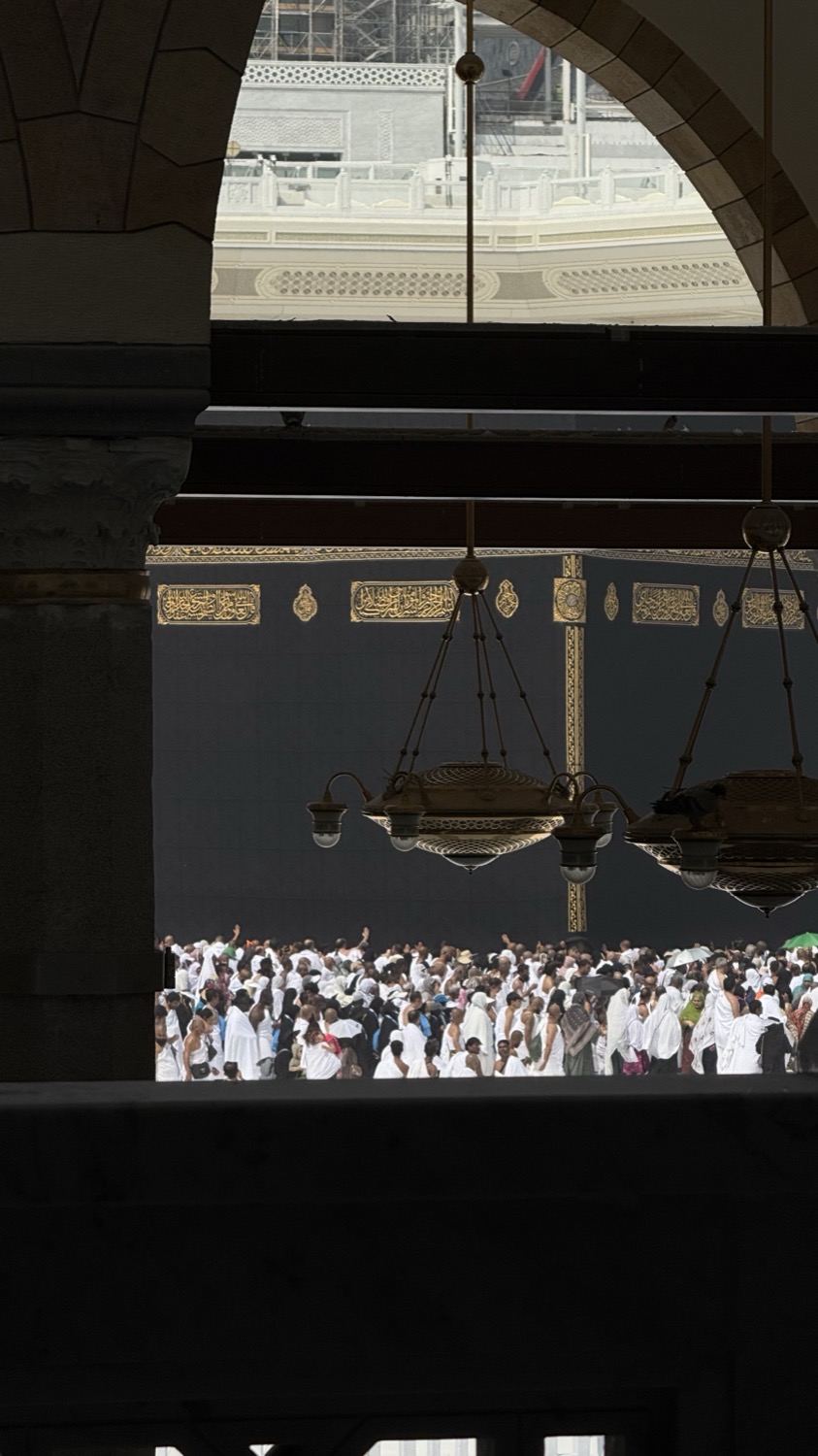
Makkah al-Mukarramah
Gravity and nearness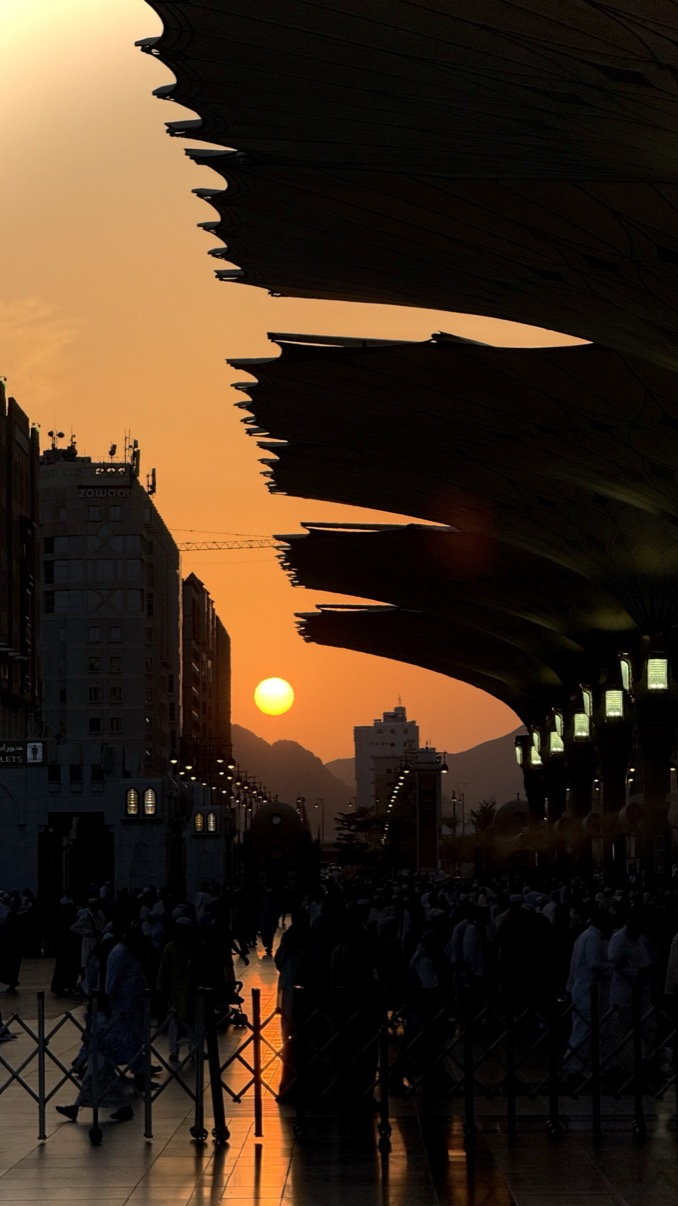
Madinah al-Munawwarah
Peace and the green dome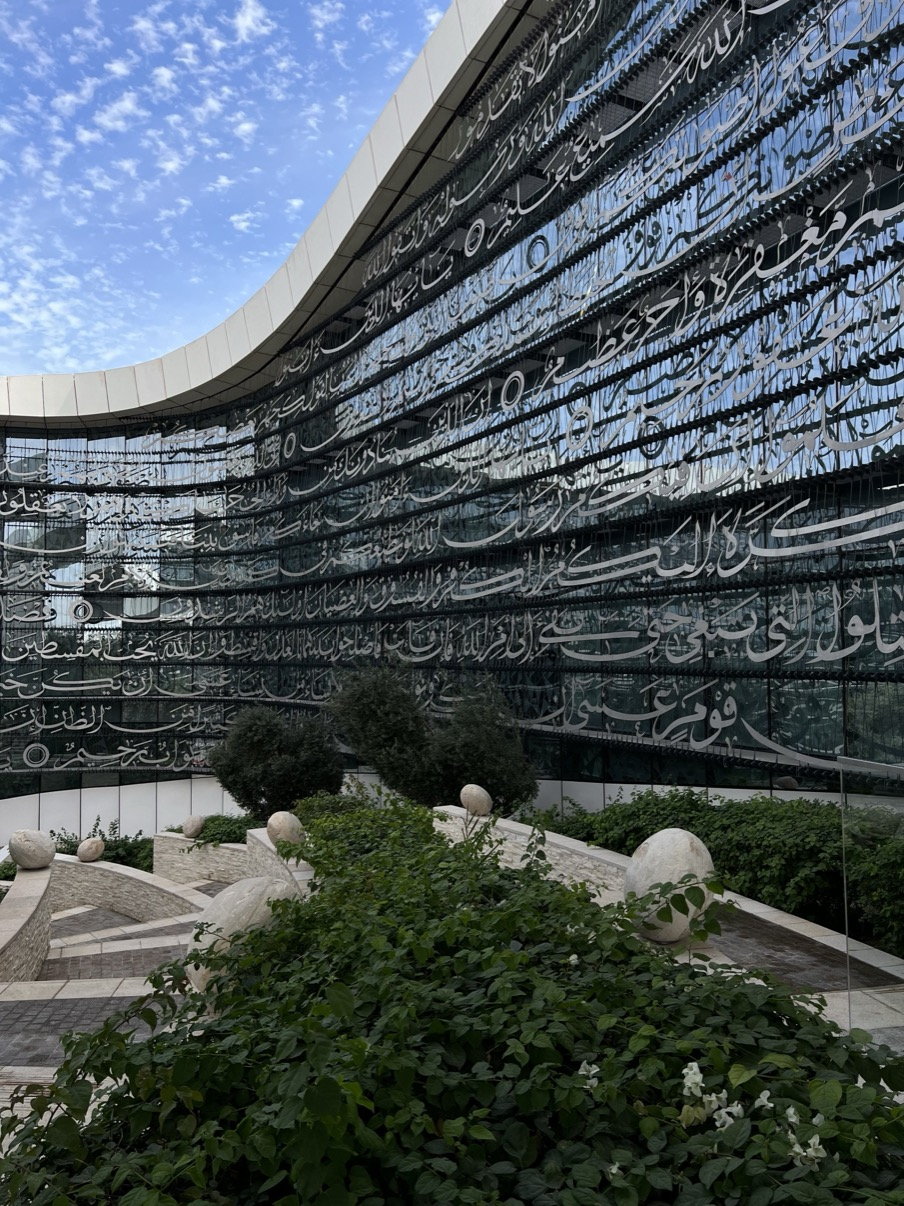
Education City Mosque
Geometry, calligraphy and light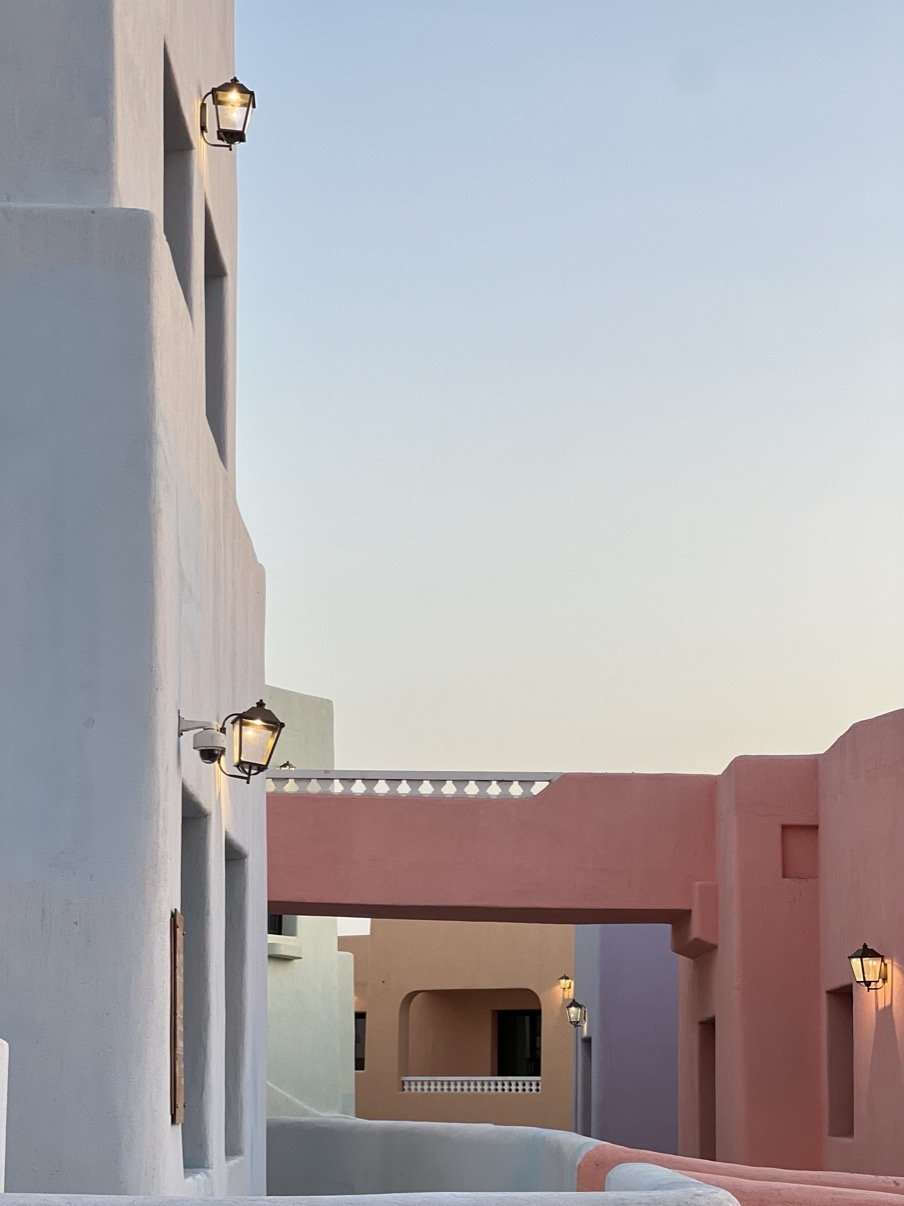
Mina District
Colour as atmosphere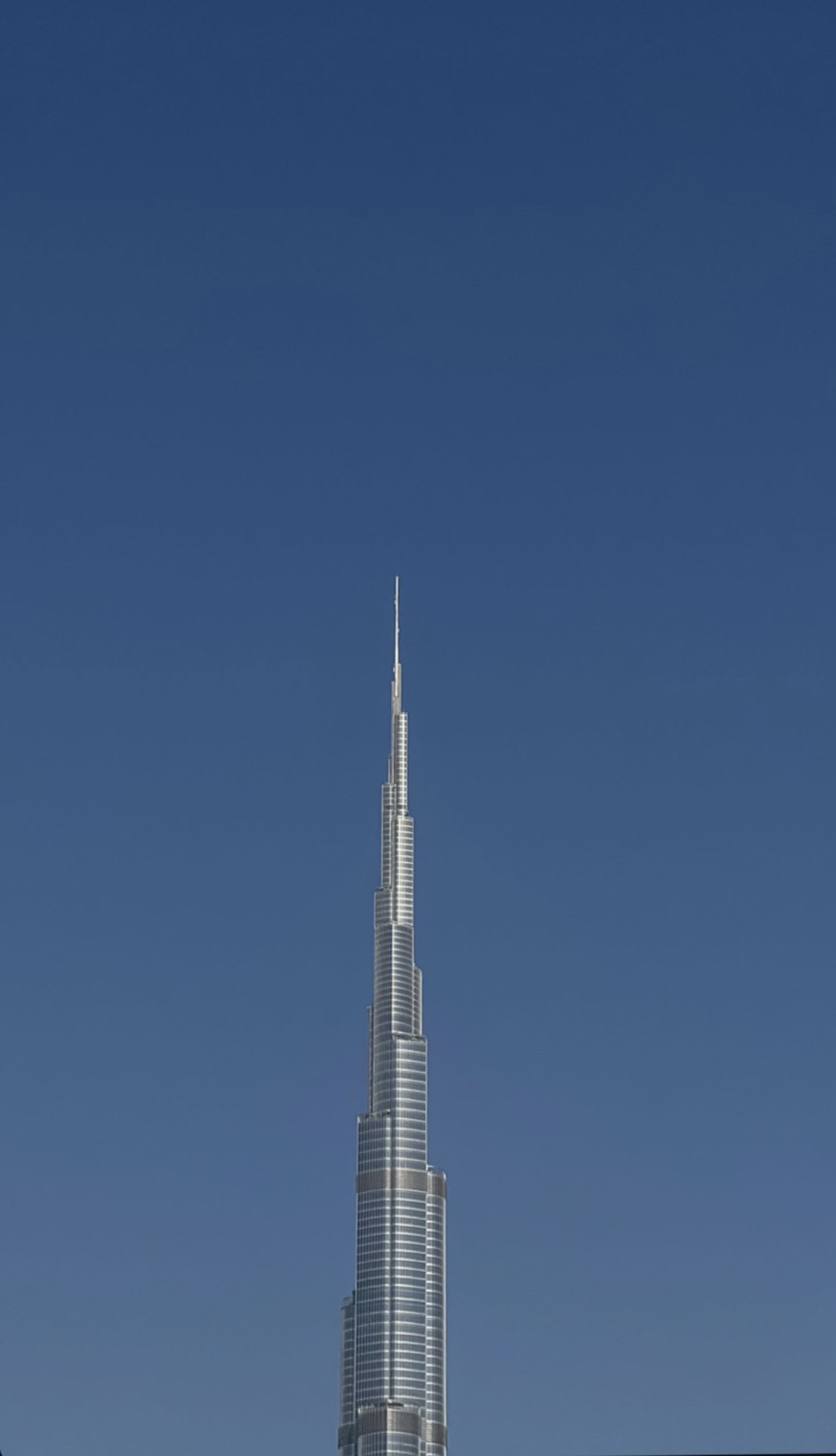
Dubai
Vertical light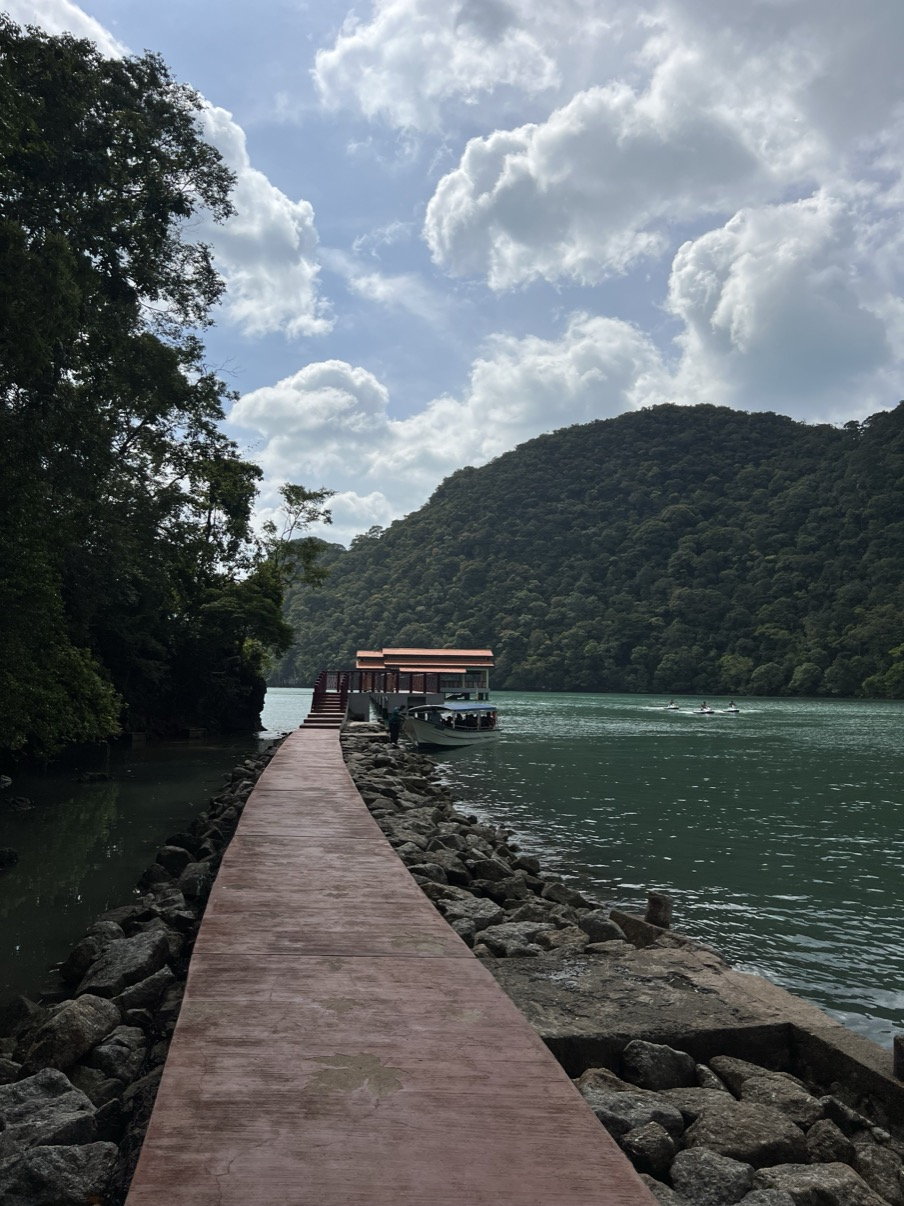
Langkawi
Between forest and seaCraft
Objects become meaningful through attention.
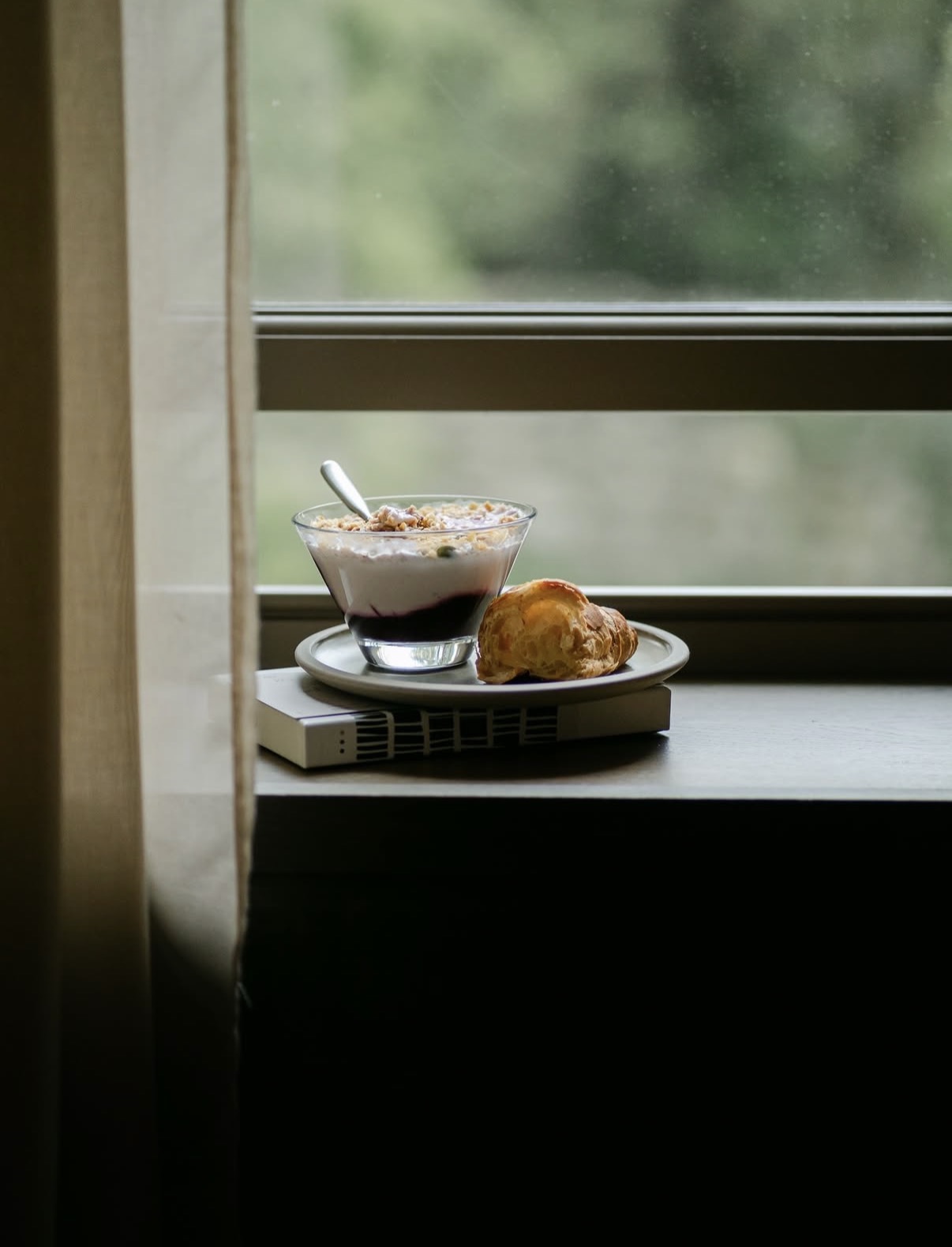
The Penny Bun, Askwith
A restored inn and the pace of a Yorkshire morningThe most considered spaces rarely ask for your attention directly. They earn it through accumulation. The material chosen for a surface. The proportion of a shelf. The way light moves through a room at a particular hour. These are decisions that most people will not consciously notice, and that is precisely the point.
Craft, in this context, is not about price or heritage. It is about the degree of thought built into a space. The fragrance house photographed through its objects and spaces rather than its bottles. The café that was once a palace and treats the room accordingly. The retail interior built to be inhabited rather than displayed.
There is a category of brand that understands its physical space as an argument. Not a backdrop for the product, but an extension of it. The room makes a claim about what the brand believes, and that claim either holds or it does not. These studies are interested in the ones that hold, and in what it actually looks like when a space is built from conviction rather than budget.
These studies look for the point of view built into the object and the space around it.
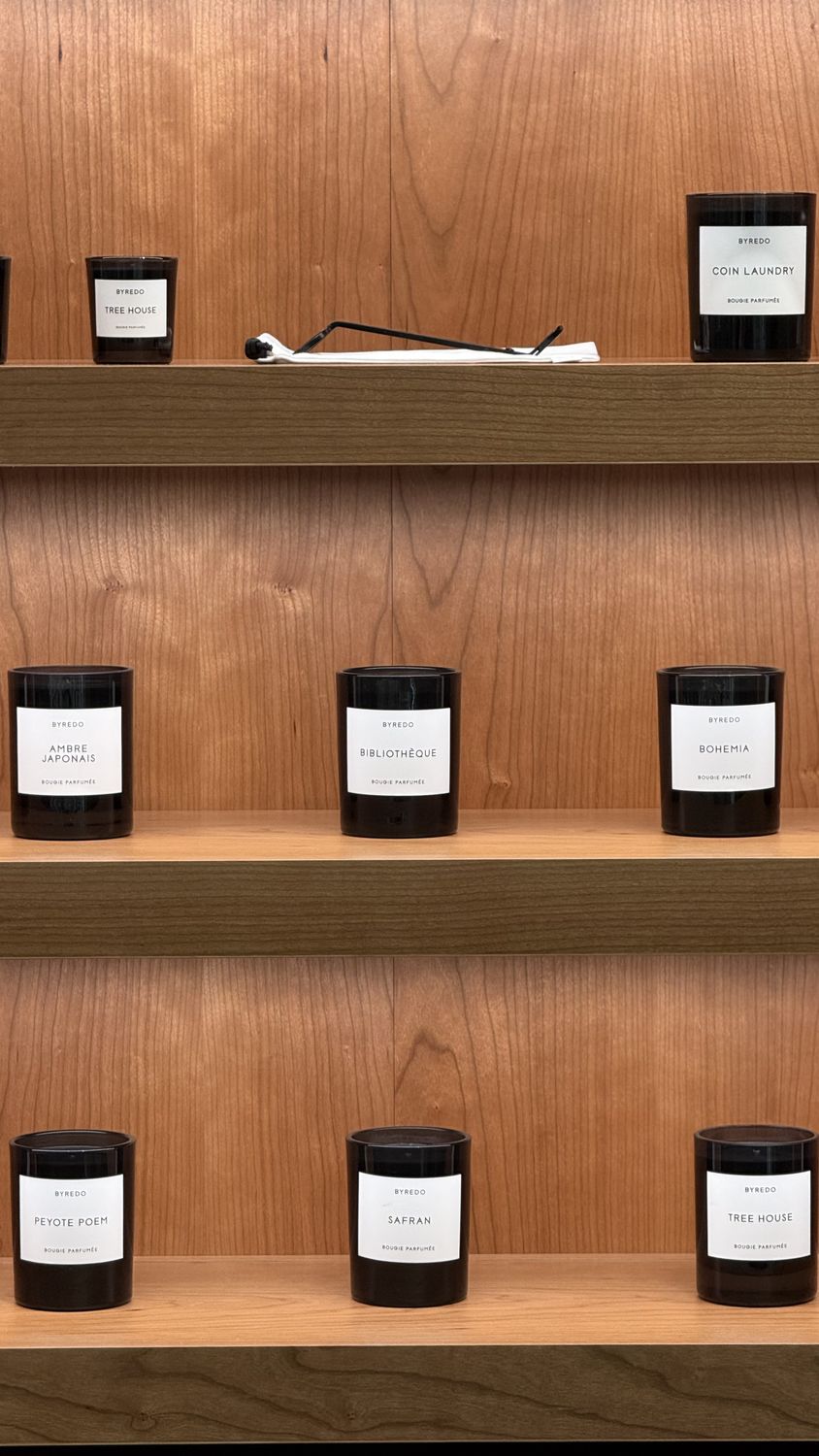
BYREDO, Leeds
The luxury of restraint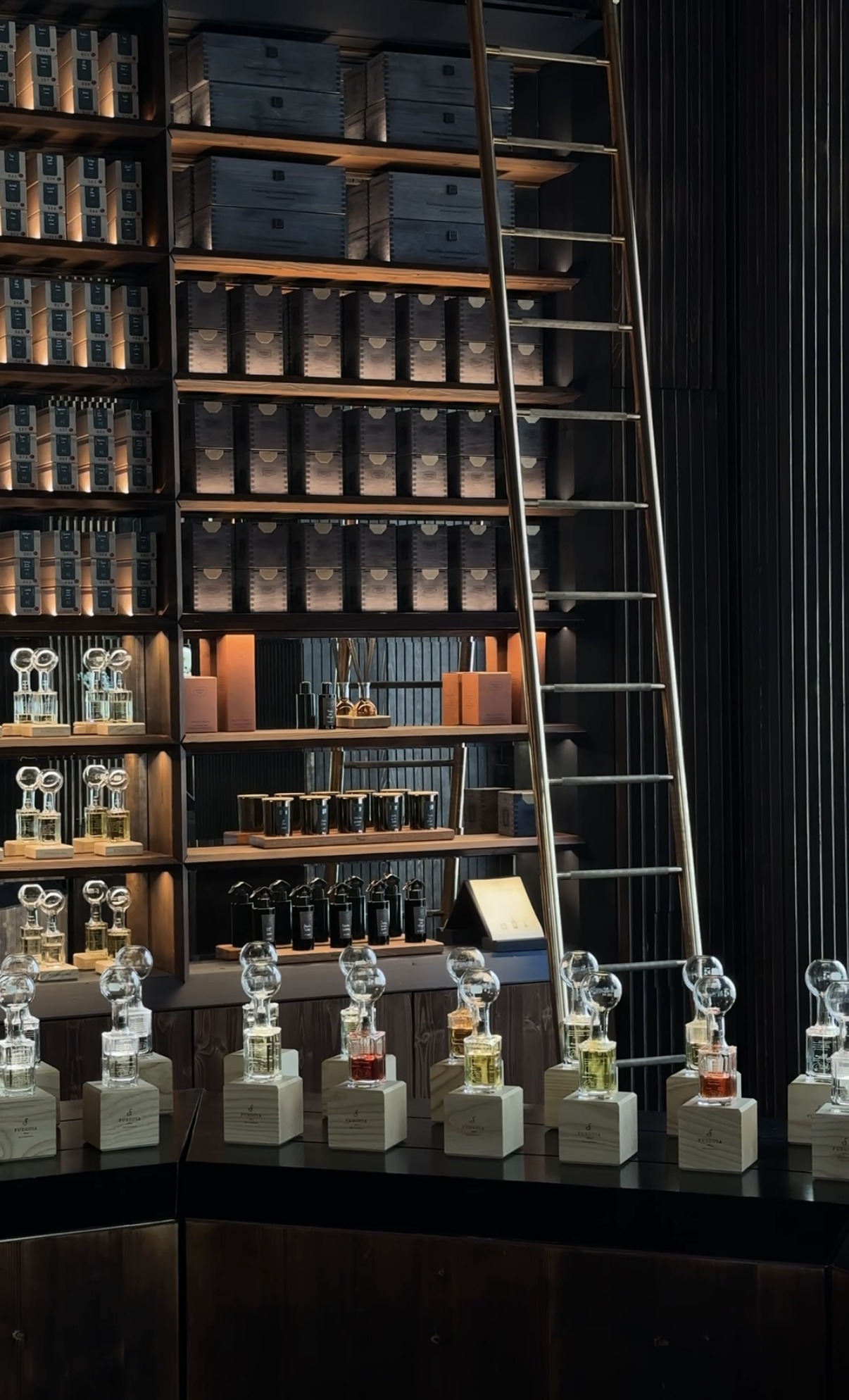
FUEGUIA 1833, Milan
A collection built slowly.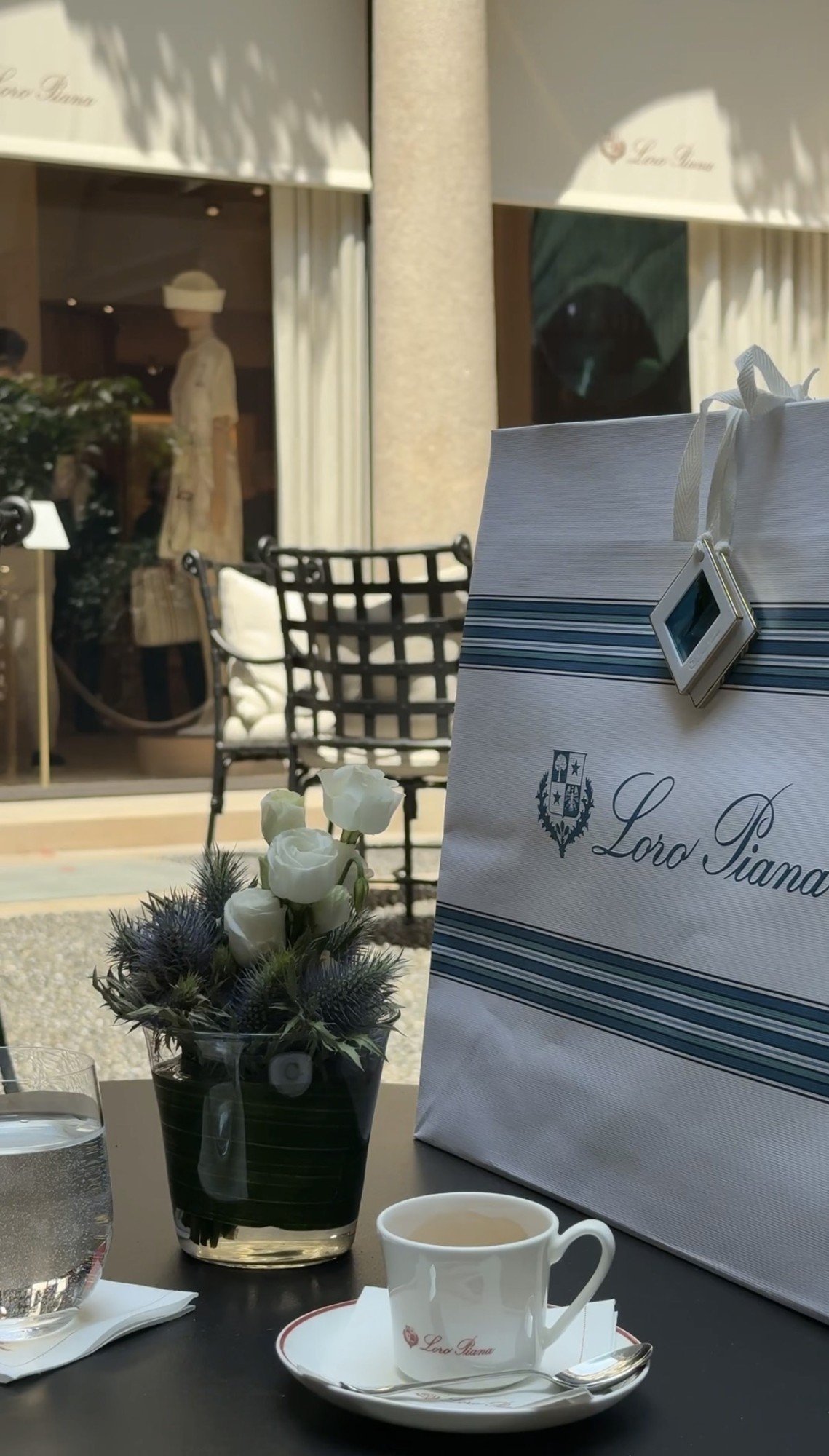
Loro Piana, Milan
Afternoon light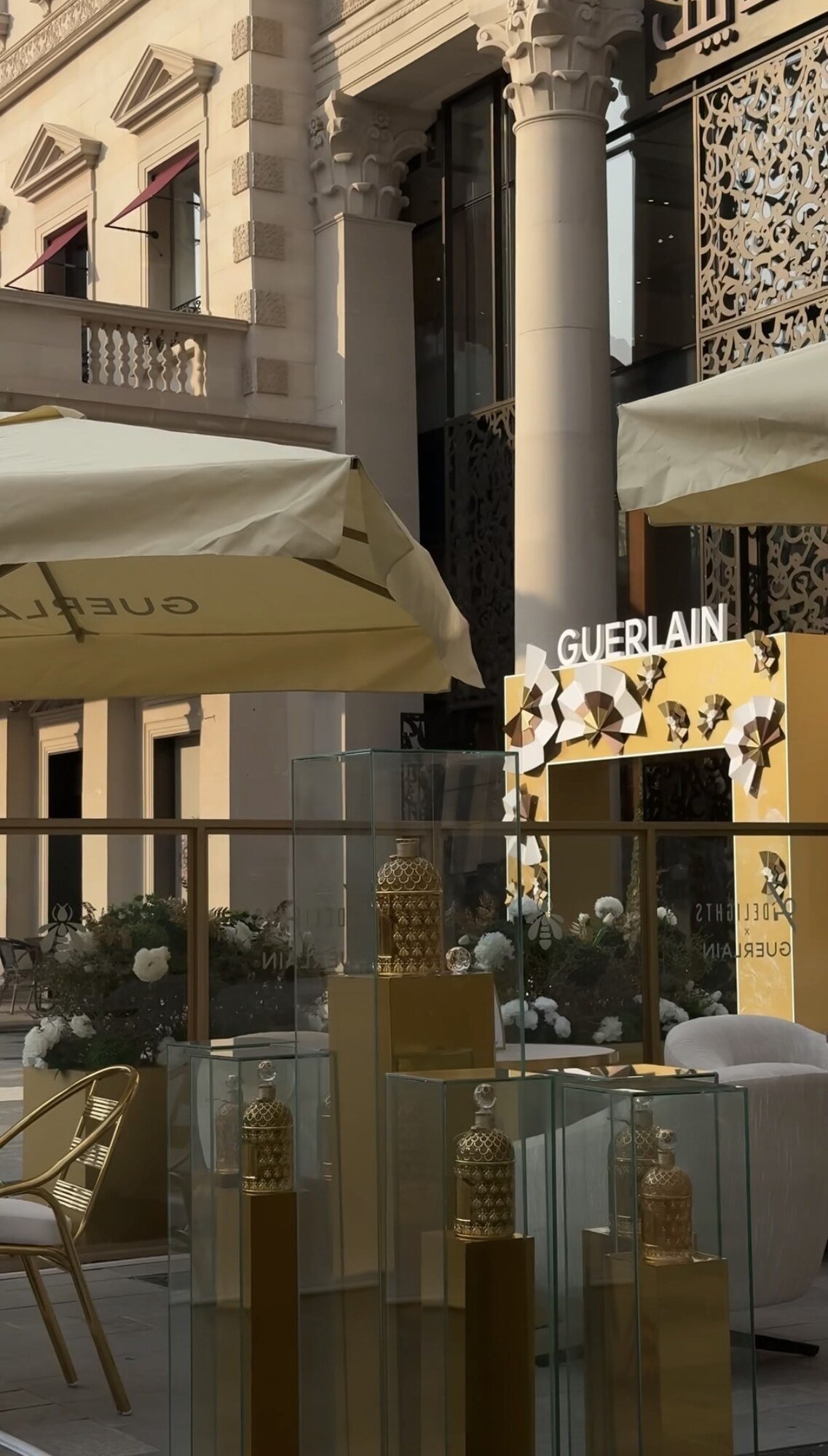
Guerlain at Katara
When perfume becomes hospitality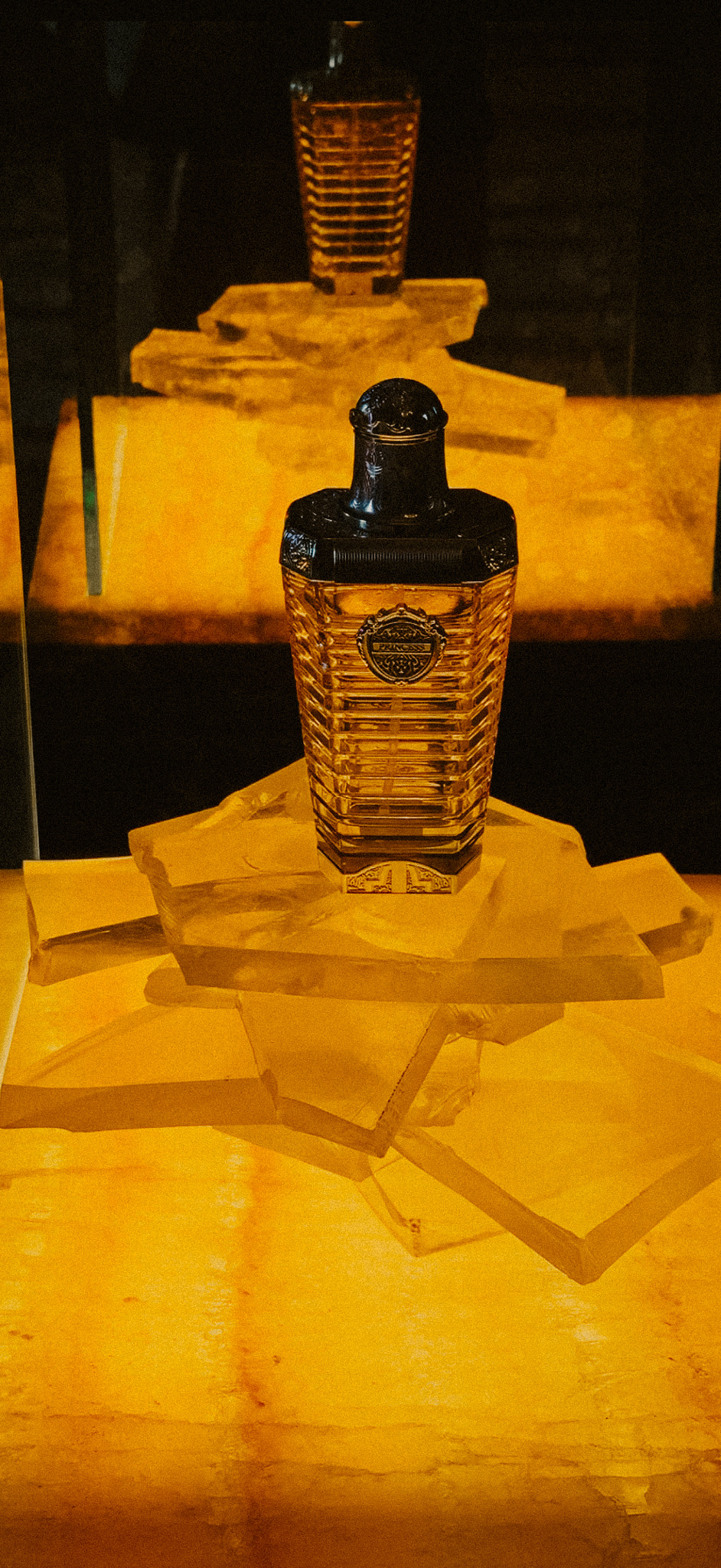
Dar Al Teeb
Doha / A perfume store built like a cathedral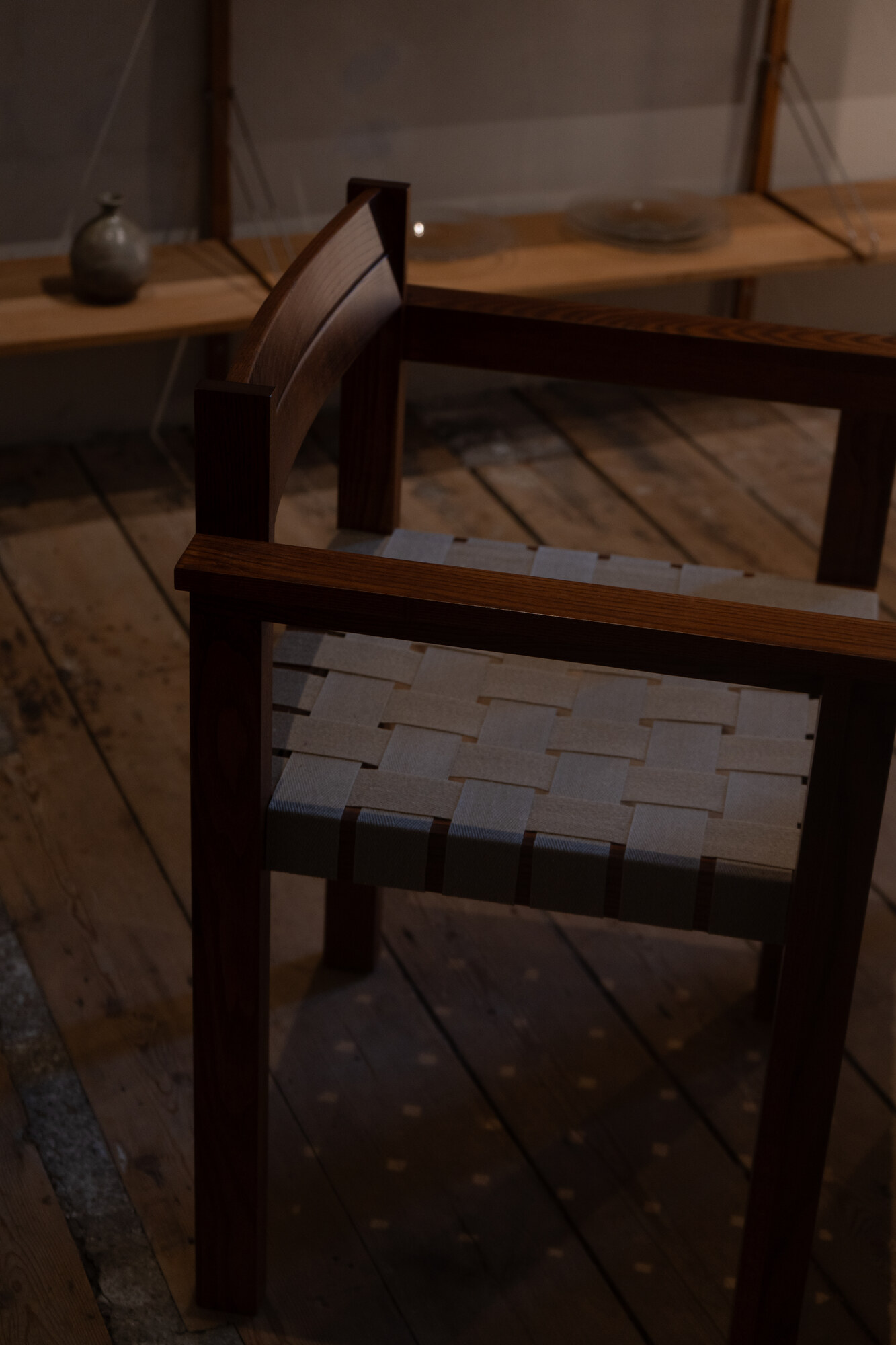
Apotek 57
Copenhagen / A place that refuses categories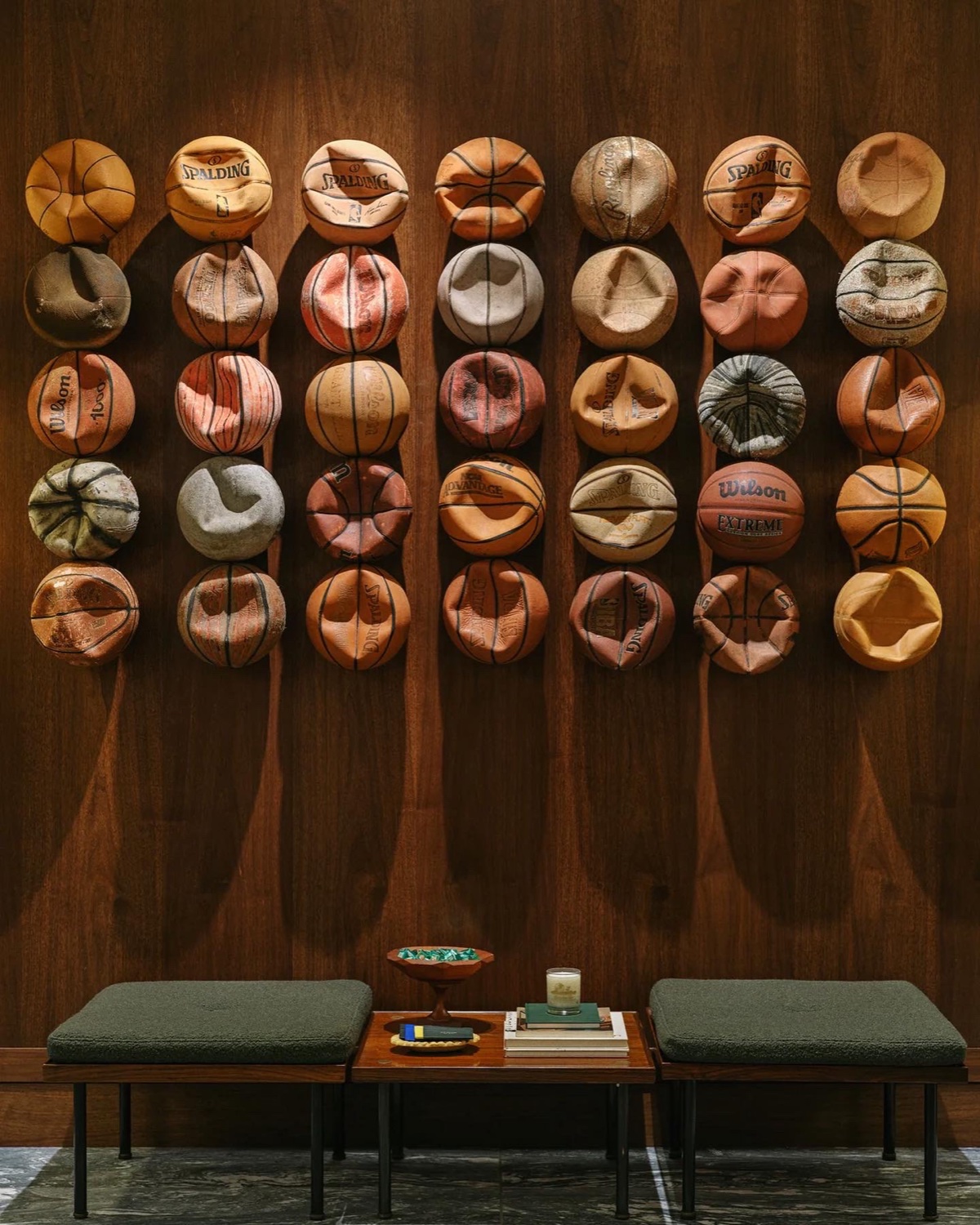
Aimé Leon Dore, London
Retail as a room of memory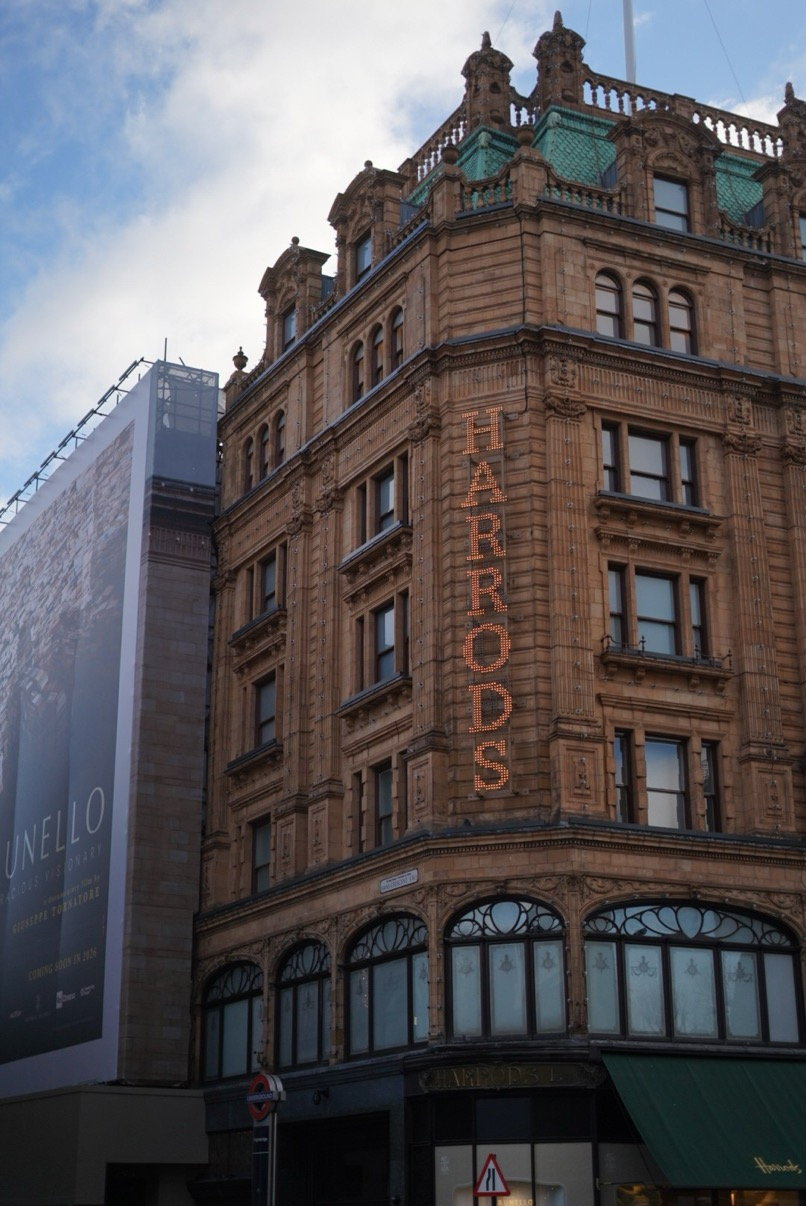
Harrods
Seasonal display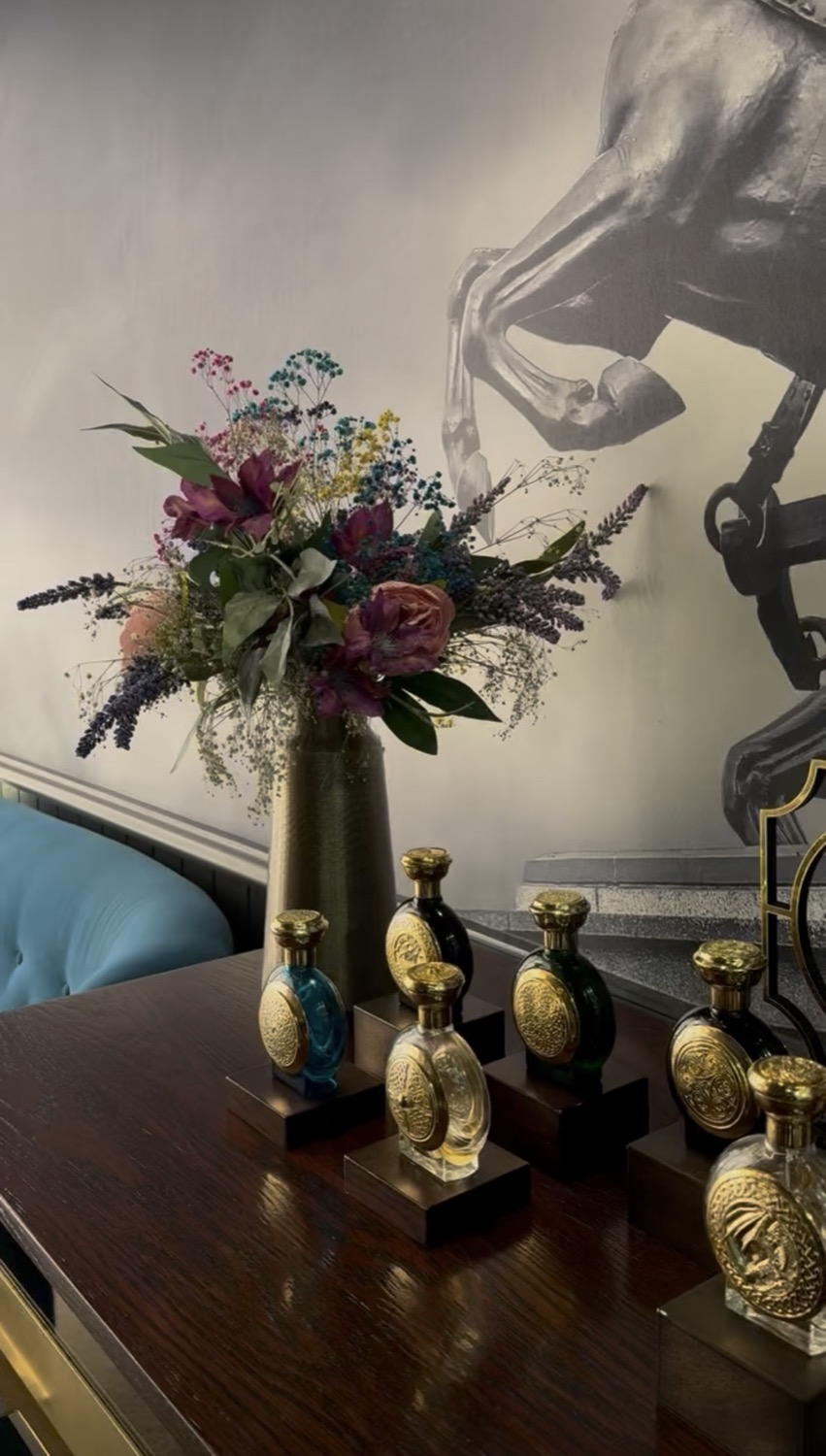
Salon de Parfums
Sixth floor, Harrods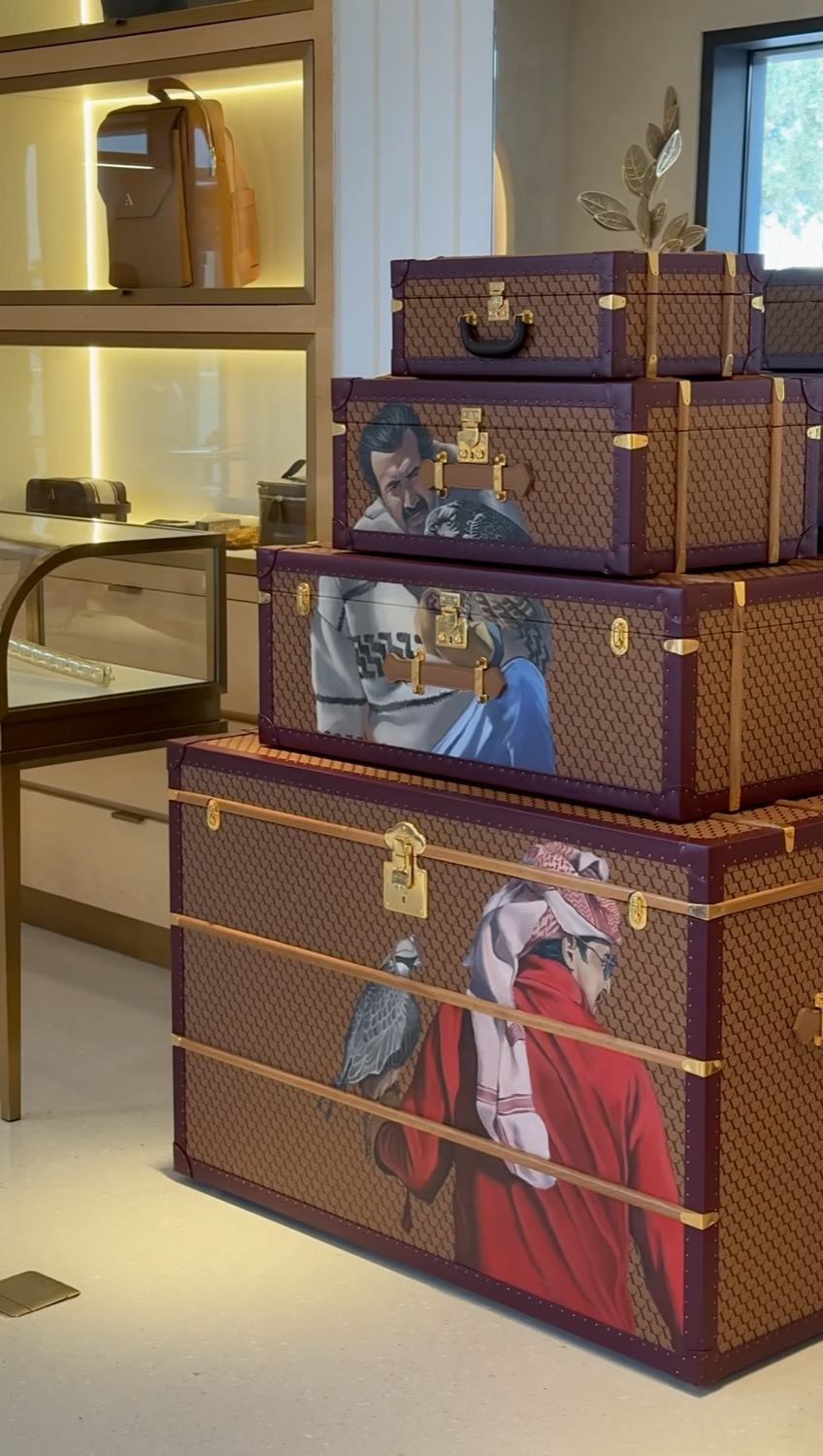
Al Bidaa
Objects in order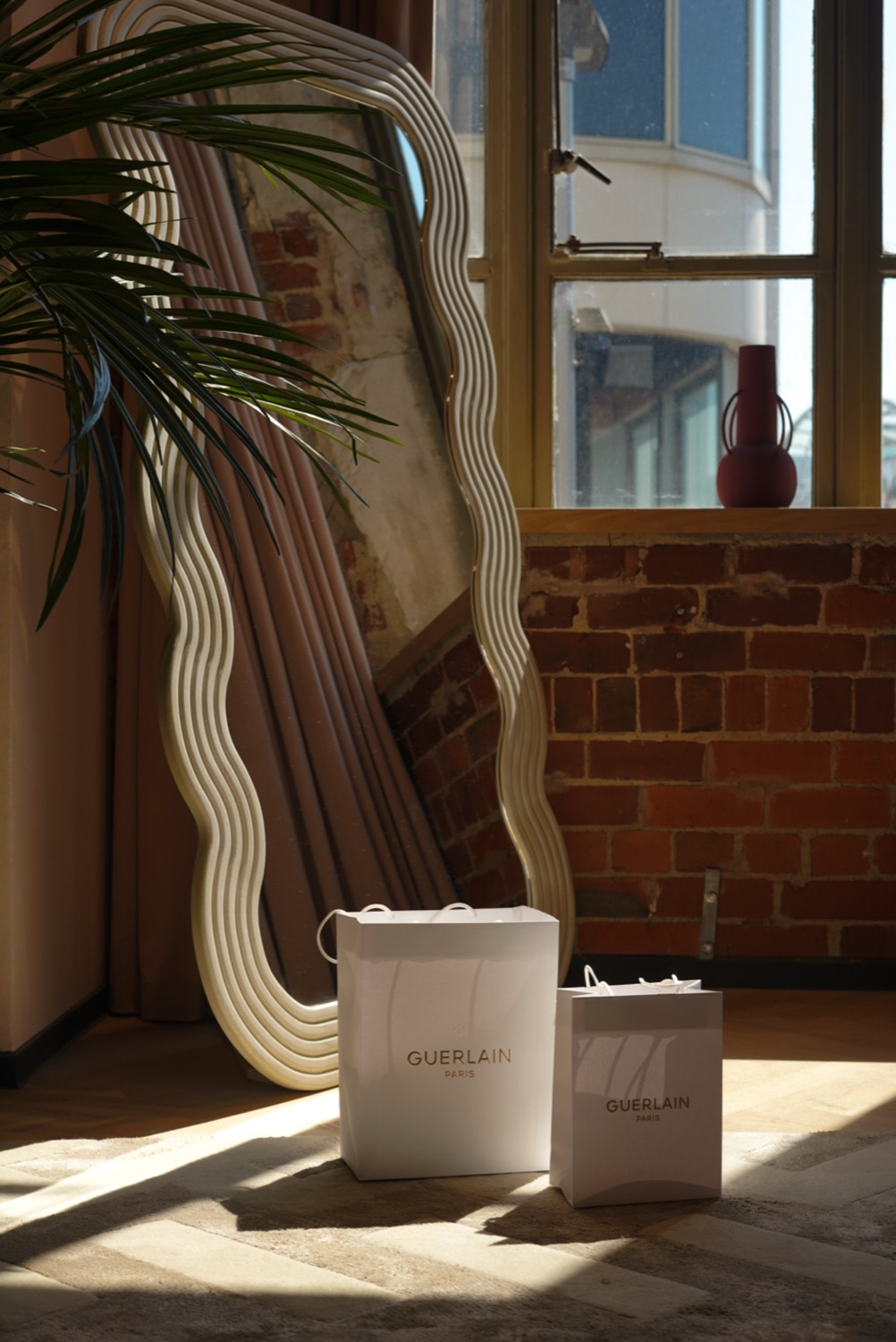
Guerlain Leeds
Leeds, United Kingdom / An olfactory masterclass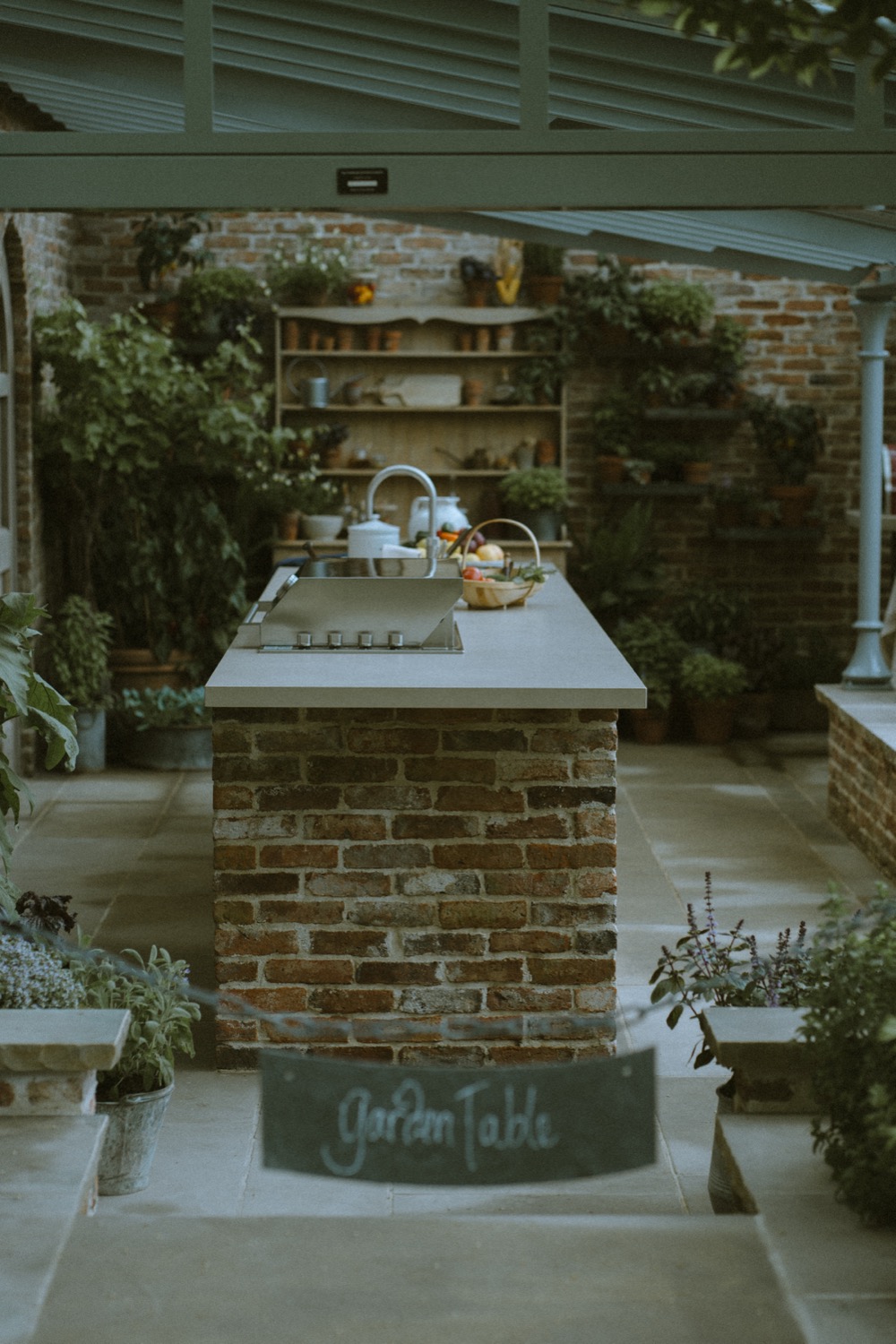
Mark Gregory
RHS Chelsea, London / A kitchen built in a gardenExperience
Atmosphere begins before the event itself.
HOST
Qatar, 2022The event itself takes up most of the frame. The result, the performance, the moment that everyone came to see. These studies look at what surrounds it, which is where most of the atmosphere actually lives.
The hour before the gates open. The paddock at the point when the machinery has not yet started. The grandstand filling from the outside in. The hospitality tent where the conversation is still about everything except what is about to happen. Spectacle at scale has a particular texture to it, and it is almost never the obvious one.
Large events share a quality that is hard to describe from the outside. The sense that something is about to happen, distributed across thousands of people waiting for the same thing at the same time. That collective anticipation has its own atmosphere. It shows up in the way people move, the way they position themselves, the things they photograph before the main event begins.
These studies document the feeling of being inside something large, from the edges of the frame inward.
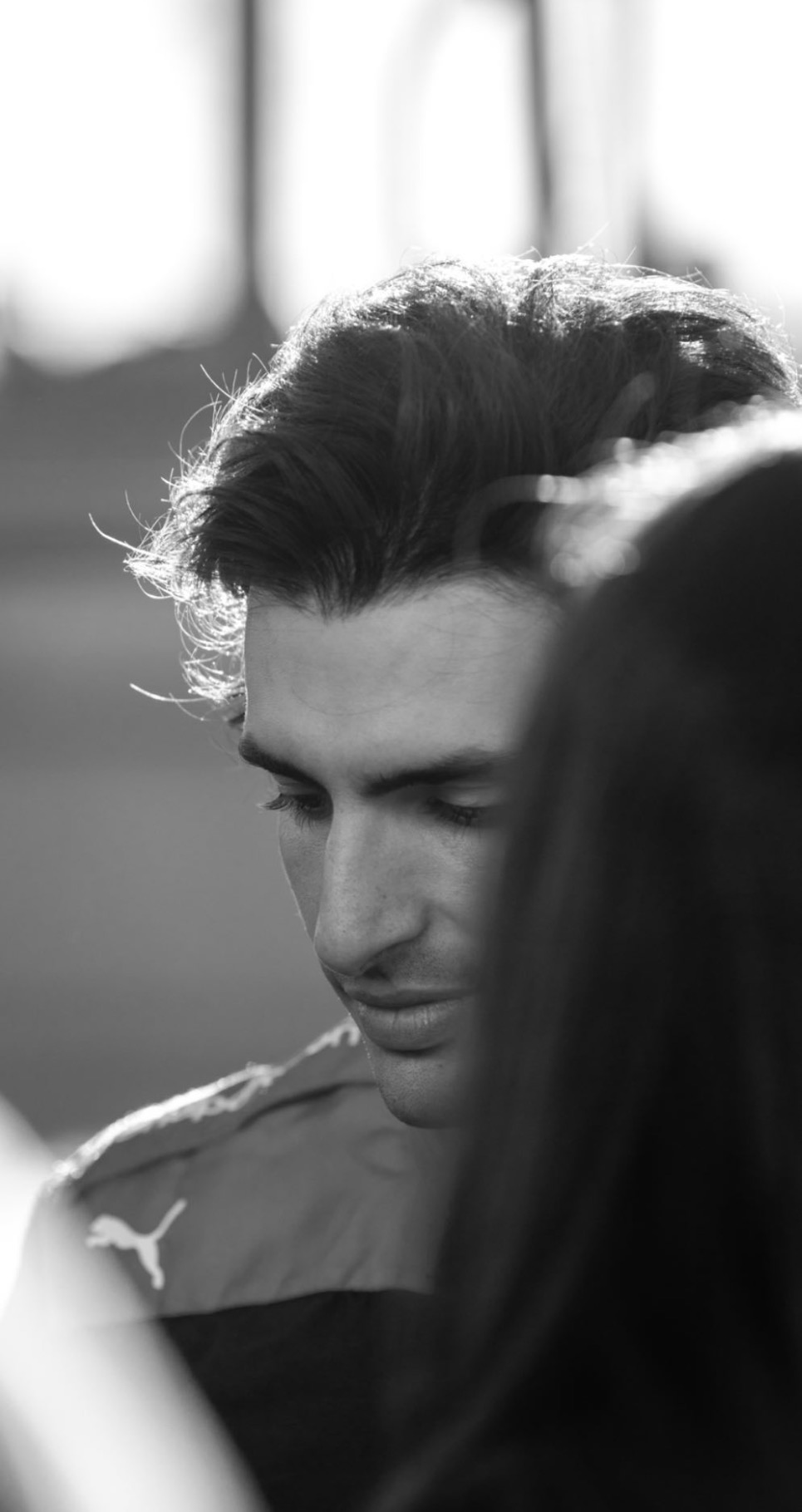
PADDOCK
Access to a world normally unseen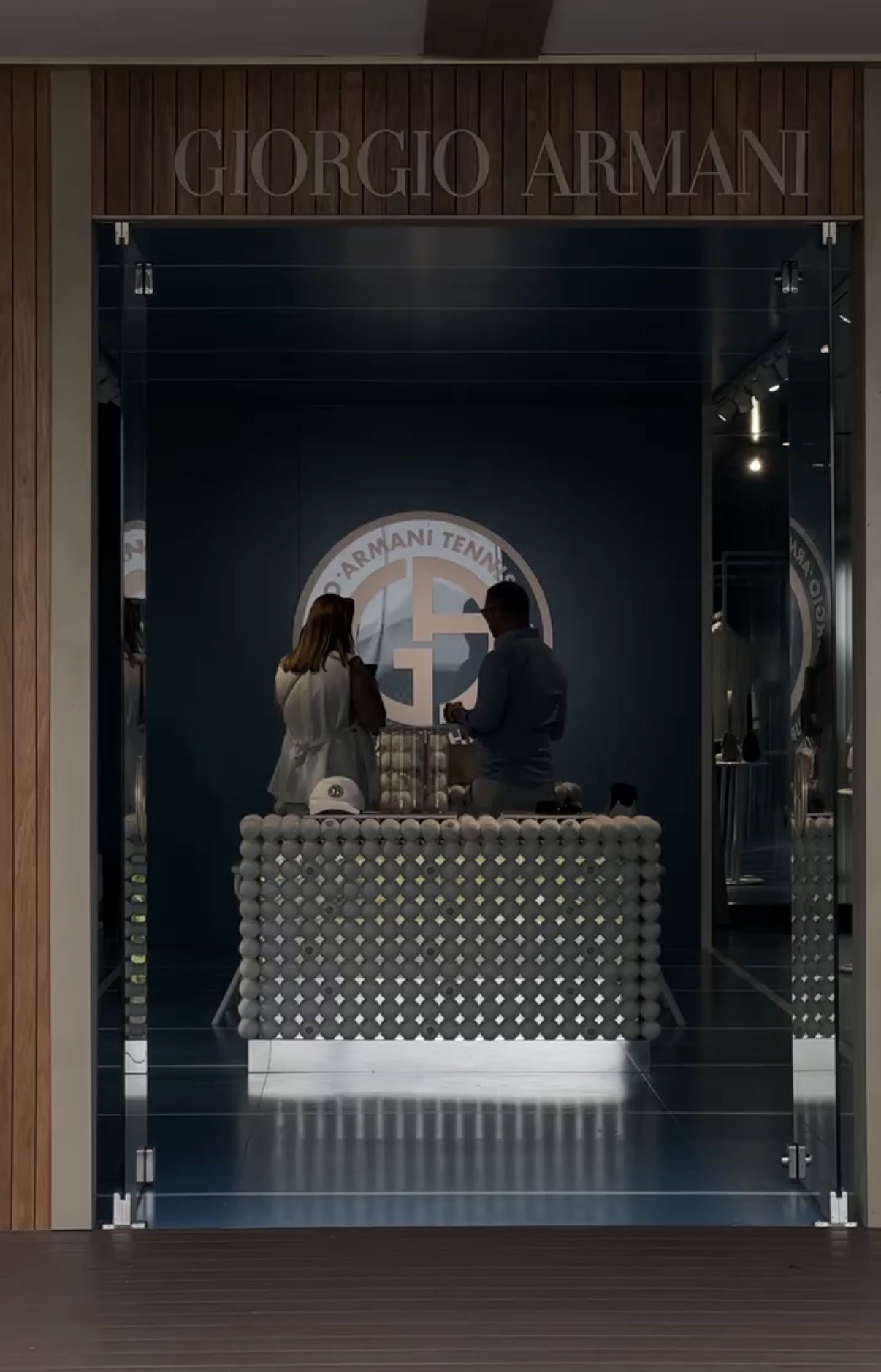
Giorgio Armani Tennis Classic
Hurlingham Club, London / A temporary residence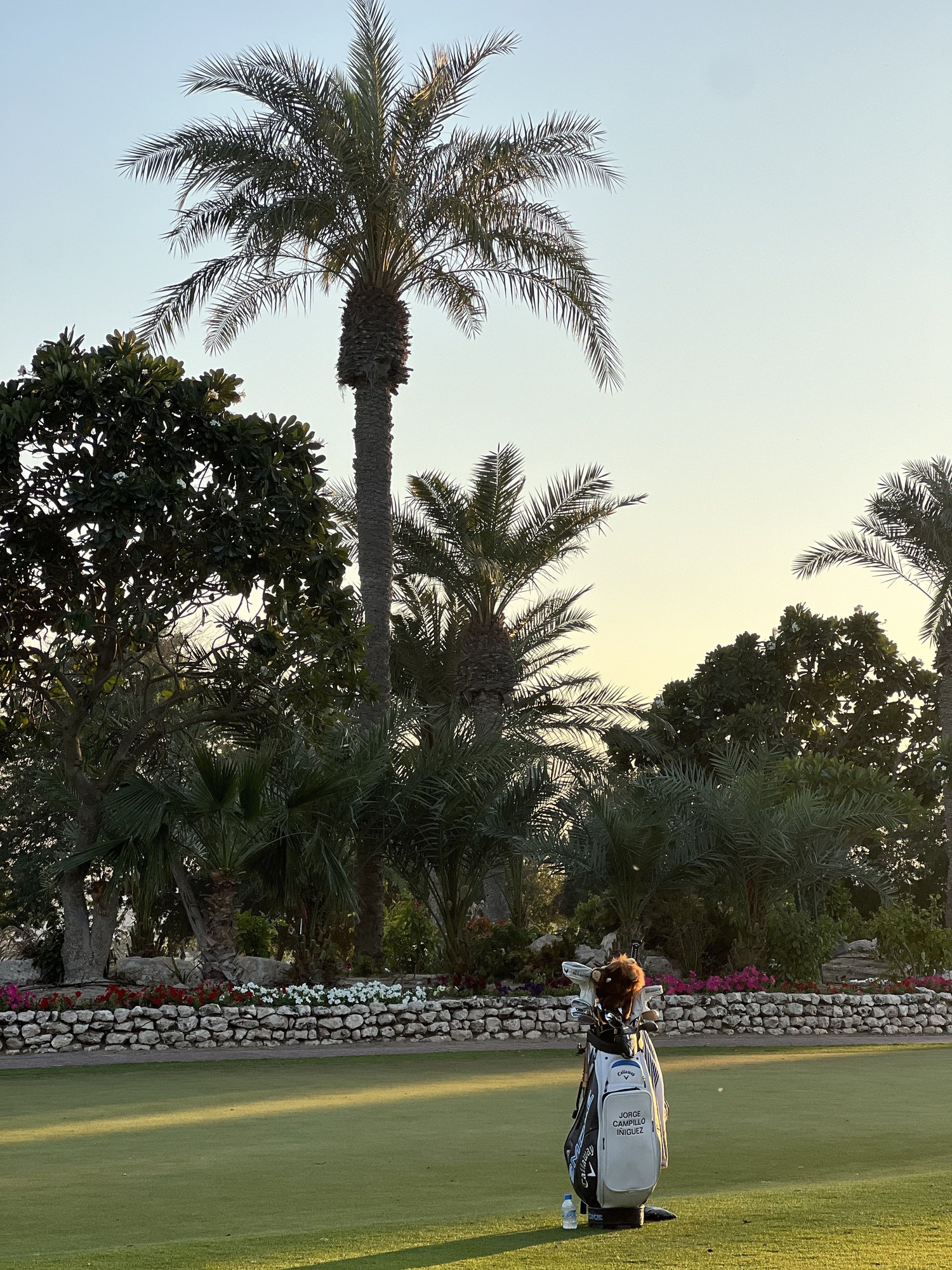
Waiting for Dusk
Doha Golf Club, Qatar / The day measured through light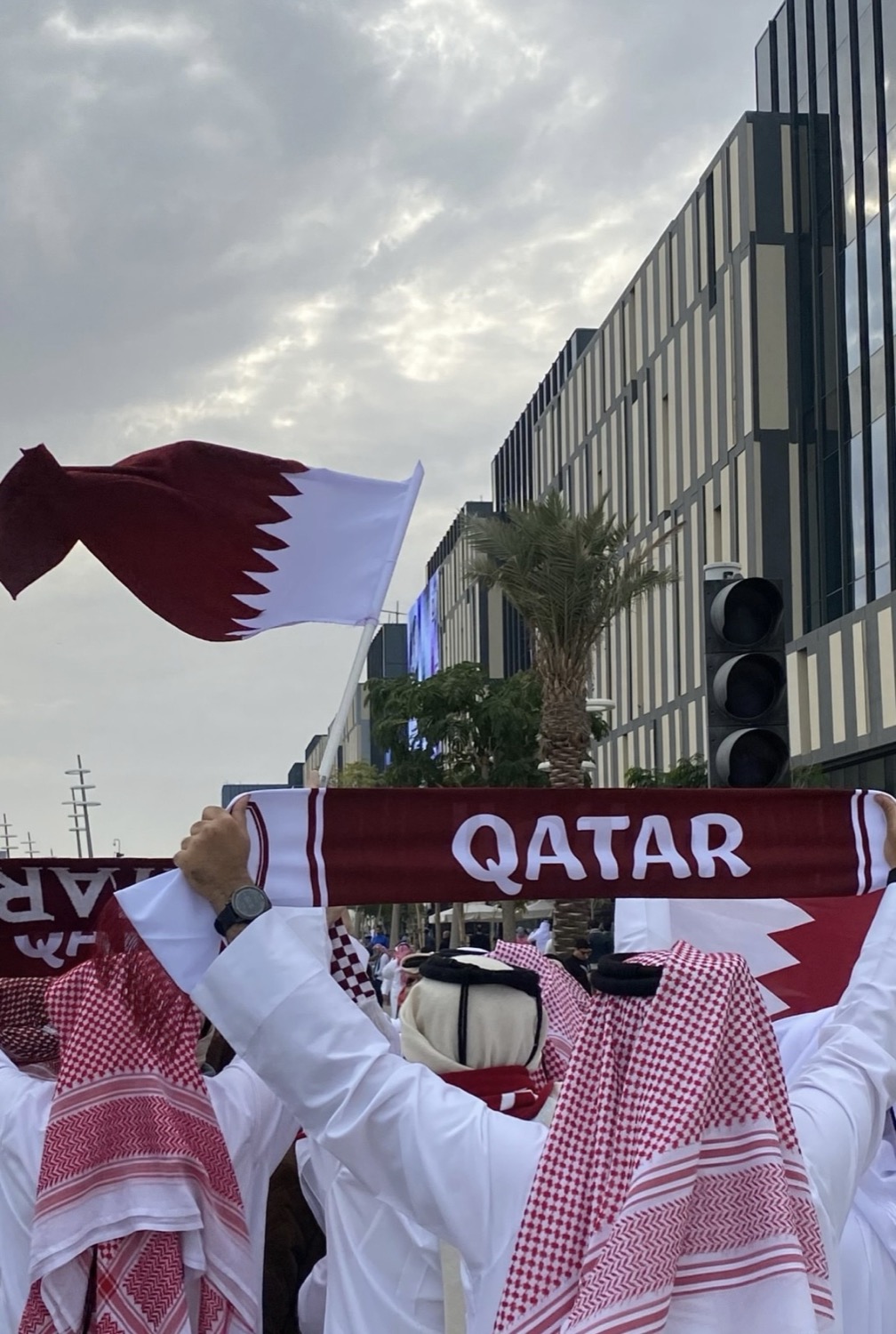
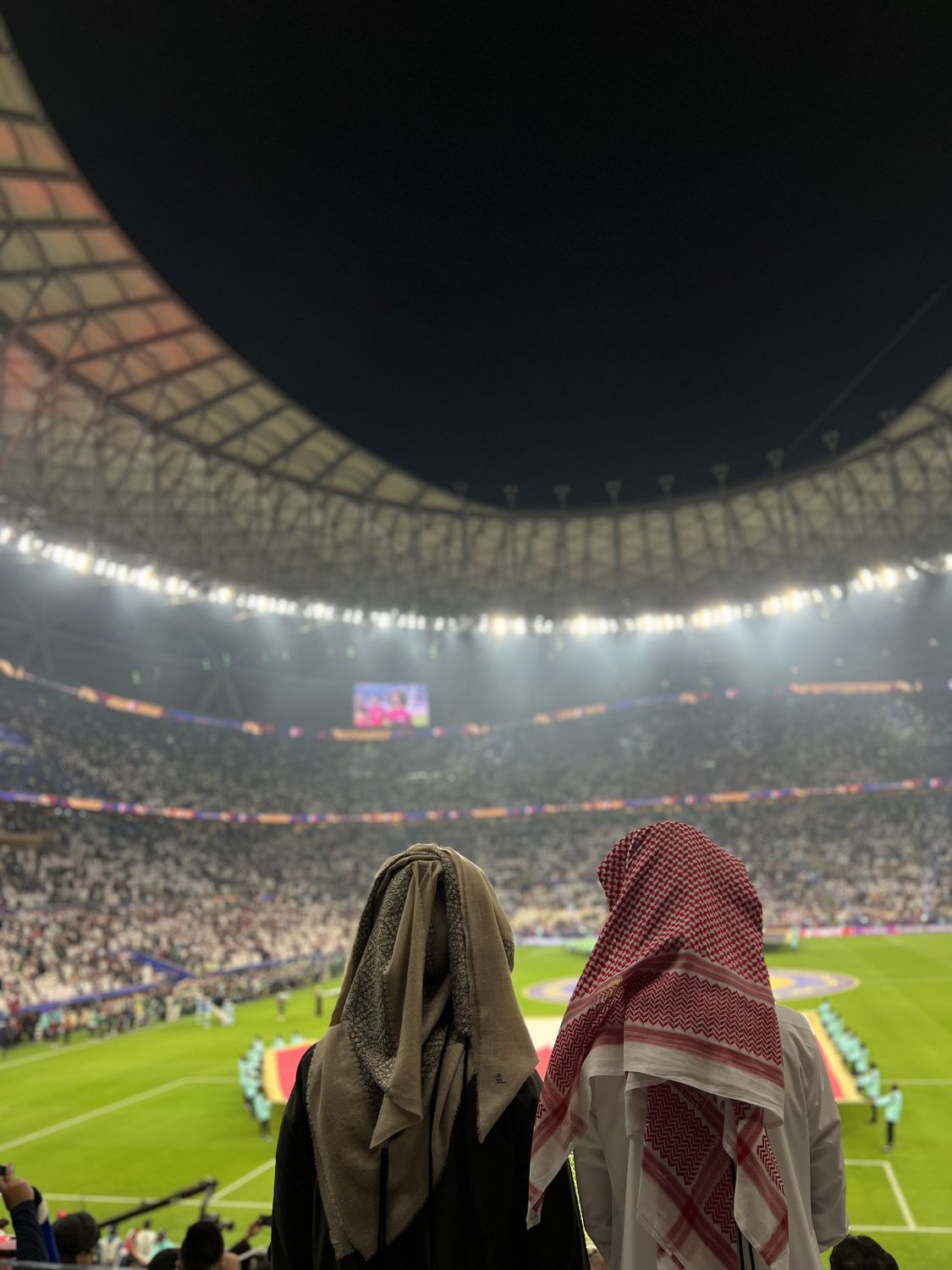
AFC Asian Cup
Doha, Qatar / Under tournament light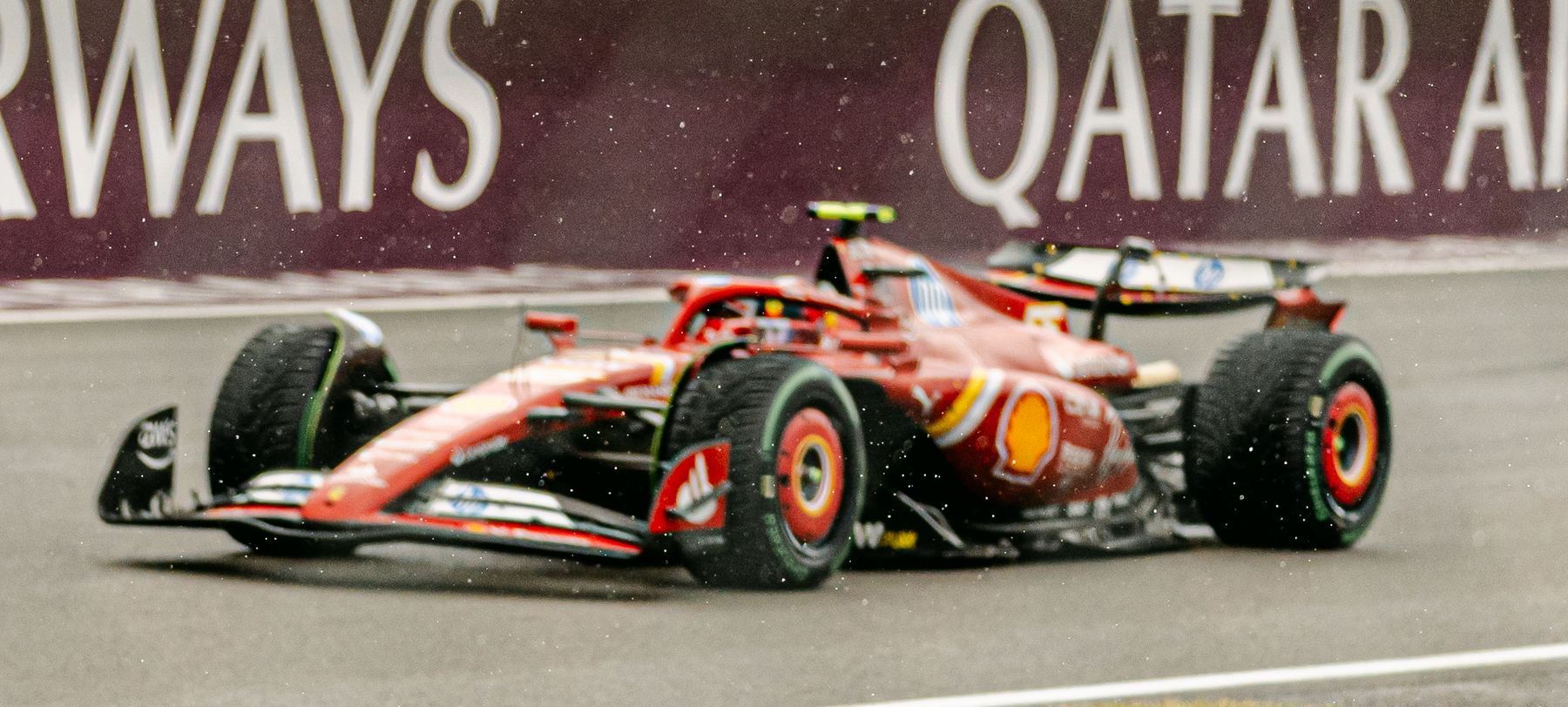
Qatar Grand Prix
Lusail, under the lights
The Spaces Between
Formula One, Silverstone / Away from the racing line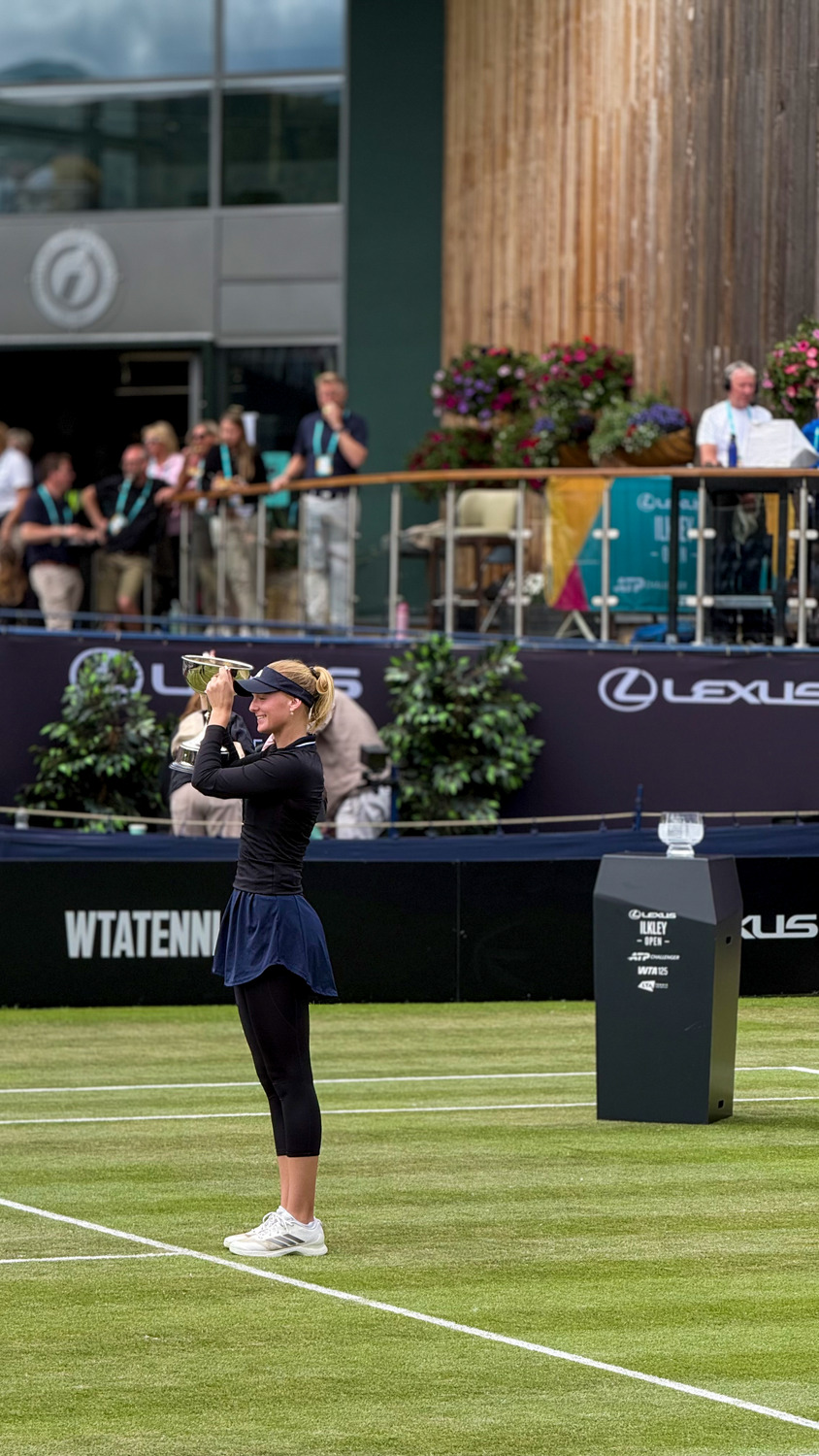
The Lexus Ilkley Open
Where hospitality, partnership and tennis meet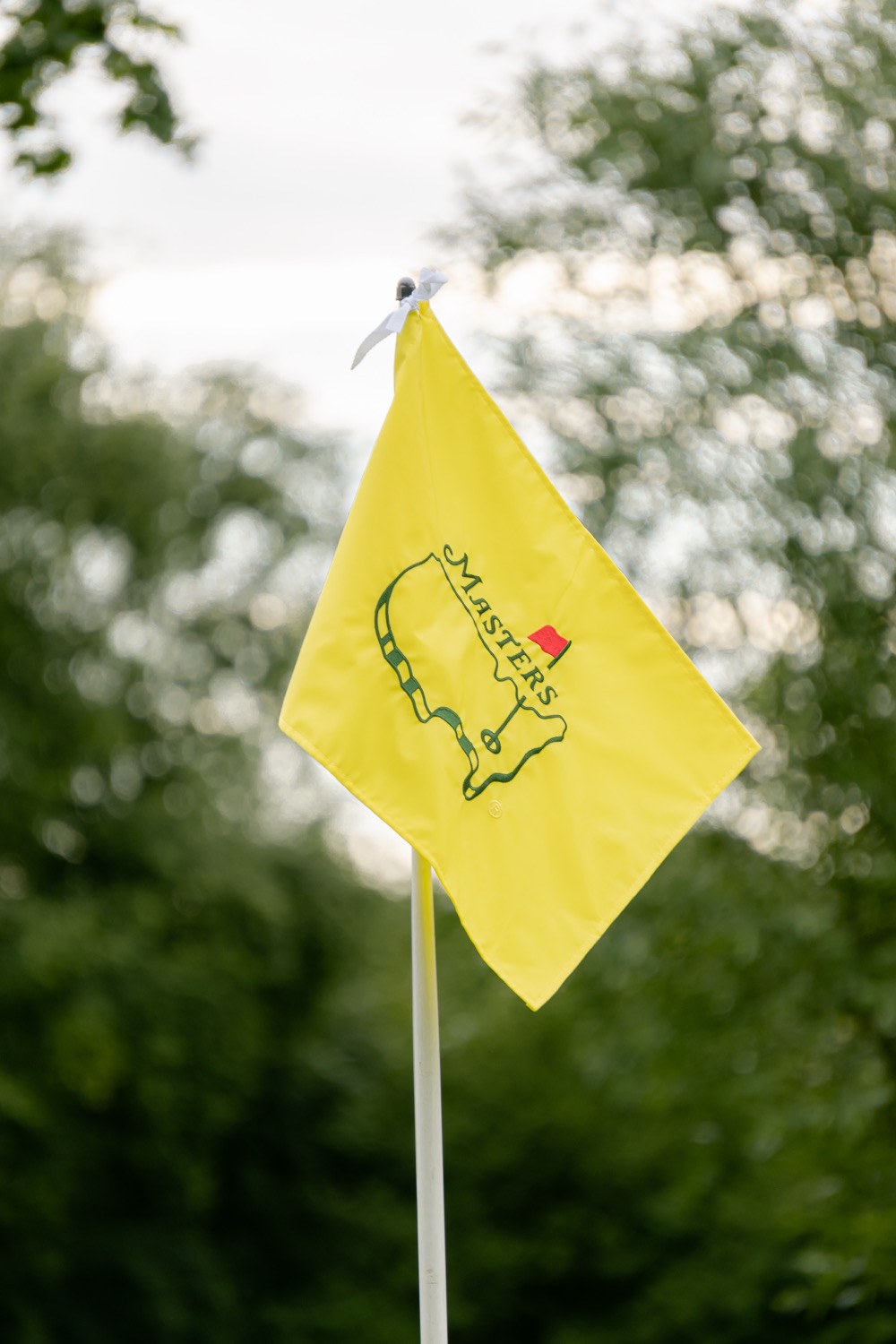
The Ritual
Leeds, United Kingdom / Sporting hospitality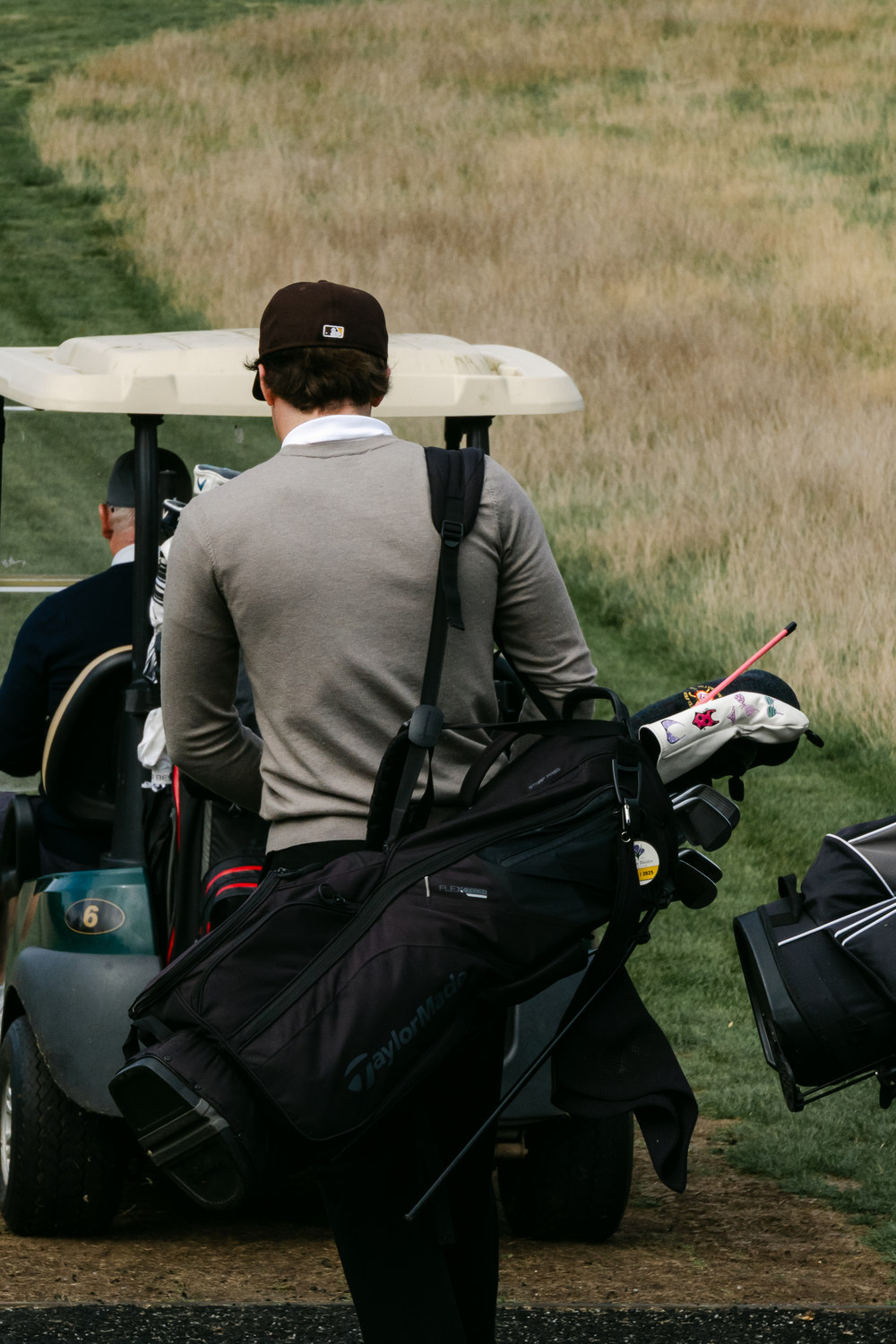
The Fourball
Kent, United Kingdom / Sporting hospitality