Tangier
Some cities feel self-contained, their character settled within their own boundaries. Tangier has always felt different. Standing at the edge of the continent, facing another shore, the city exists in permanent dialogue. Across the water, Europe. Behind it, Africa.
It does not present itself as one thing. It reveals itself through accumulation.
Not Tangier as a destination. The city has been photographed and interpreted countless times.
For centuries it has attracted people who arrived from somewhere else and left changed by the encounter. Some stayed. Most moved on. Yet the city seems shaped as much by these crossings as by permanence.
Not a city defined by identity. A city defined by exchange.
Again and again the photographs found themselves looking through something rather than directly at it. An arch opening into another room. A door left slightly open. A window framing a second space beyond. The city rarely announces itself outright. It prefers introduction through layers.
The lighthouse stands at the edge of land and water, facing outward. Languages appear beside one another. Histories coexist rather than replace one another.
Tangier absorbs. It accumulates. It allows things to sit beside one another until the boundary between them matters less than their coexistence.
Leaving, the strongest memory is not a landmark. It is a feeling of proximity. A coastline facing another continent. A courtyard hidden behind a busy street. Nothing in the city seems entirely on one side of anything.
Perhaps that is why people keep arriving in search of something difficult to name. Not because the city provides answers.
Because it continues the conversation.
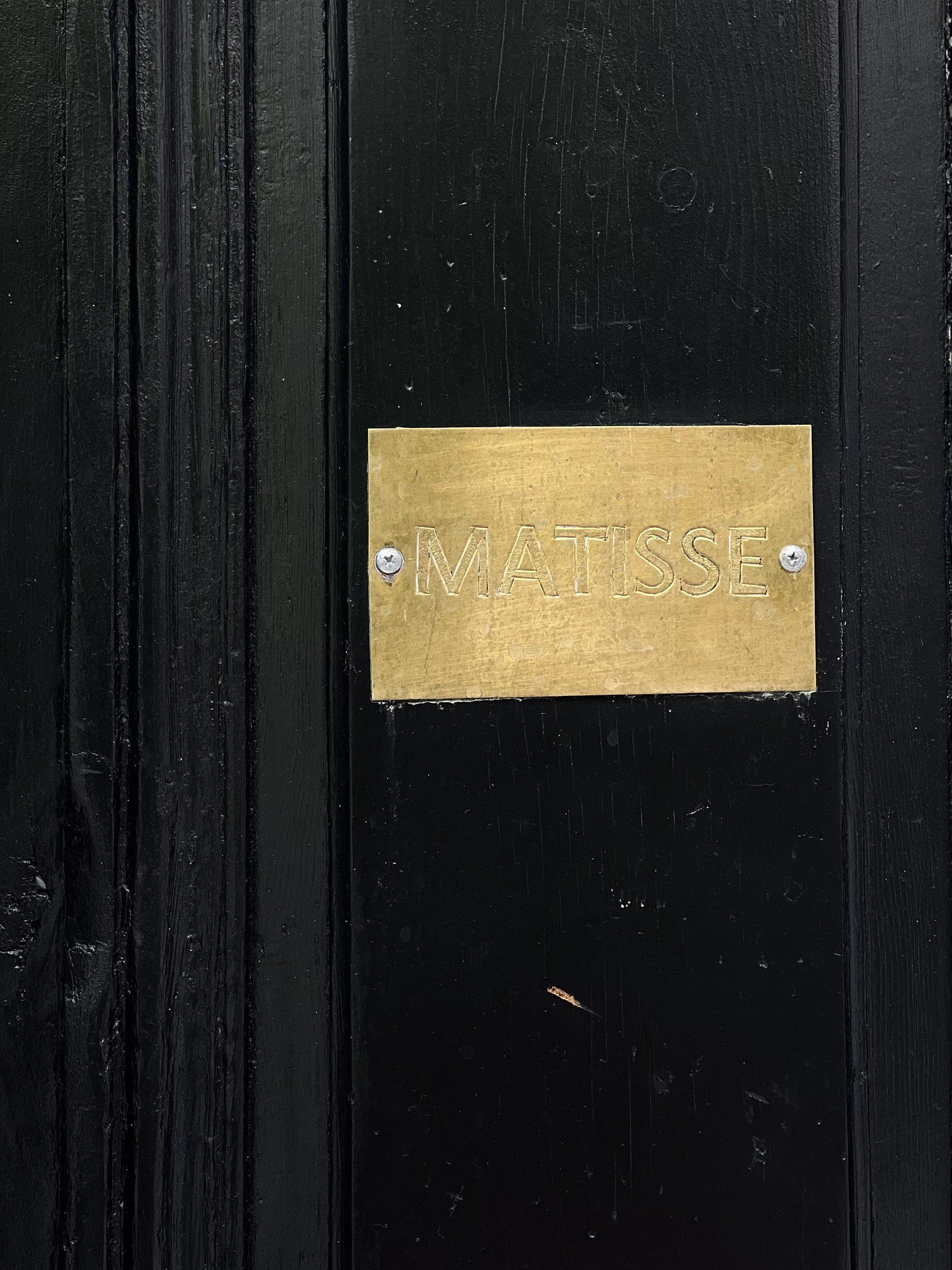
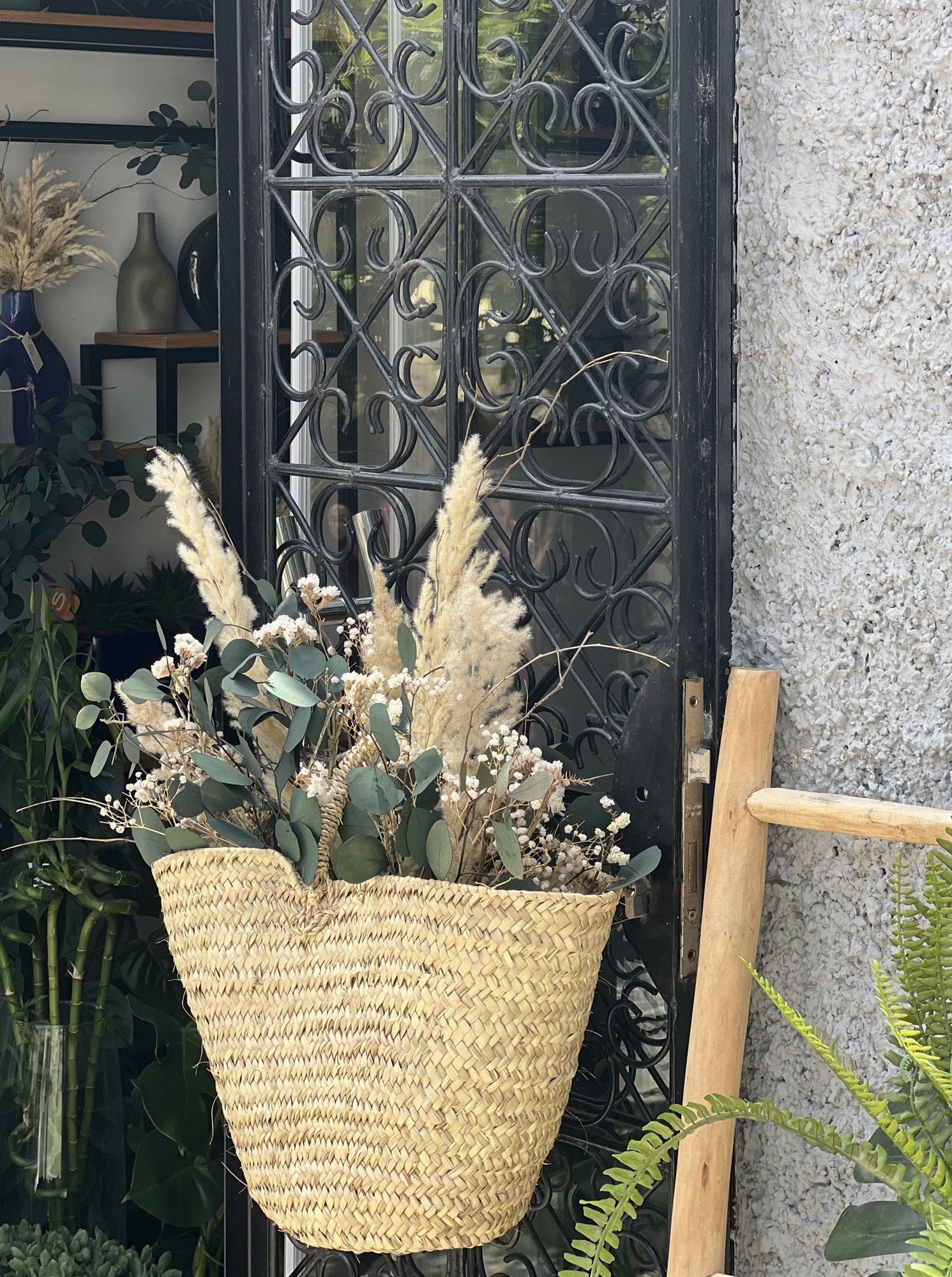
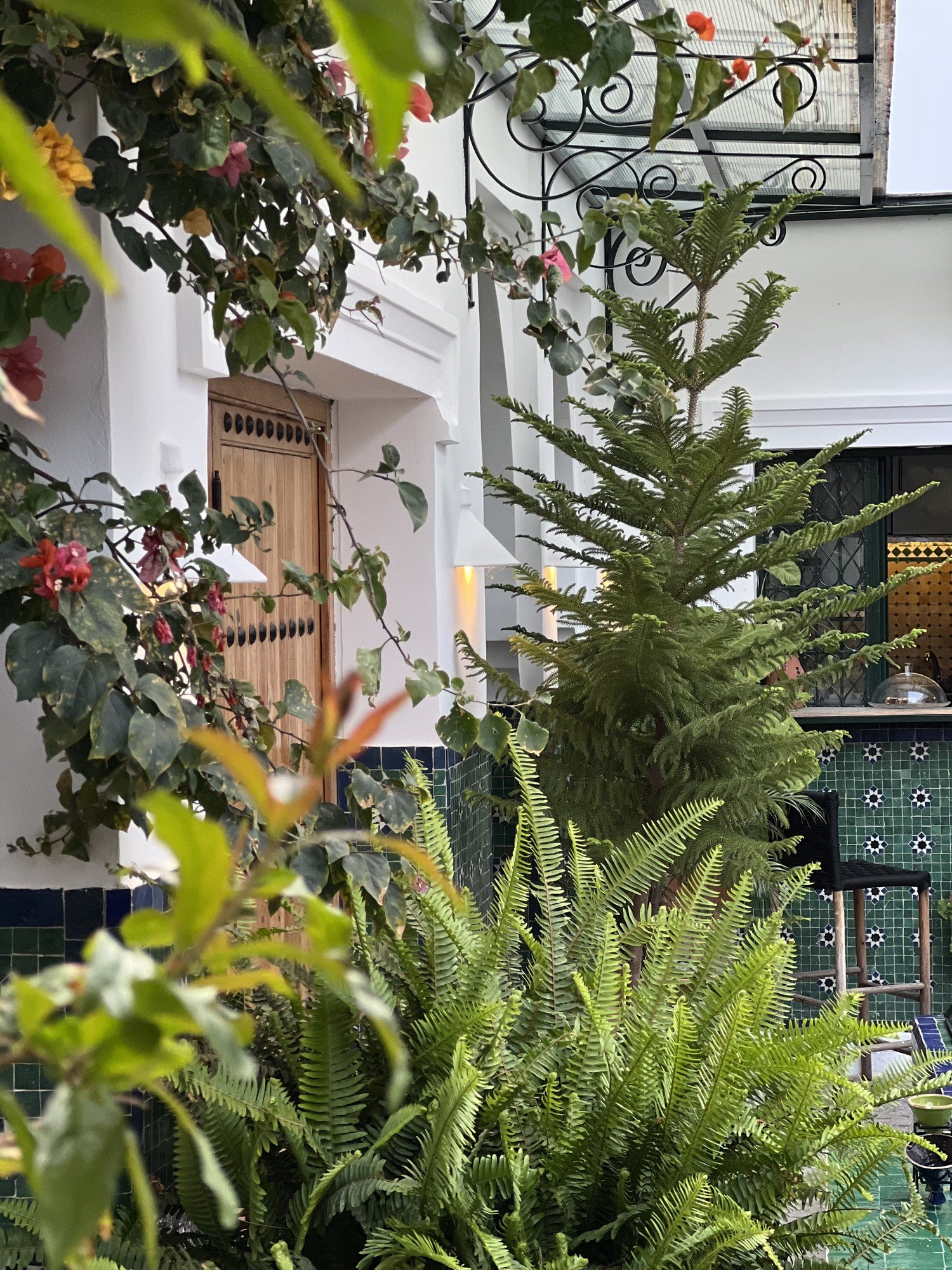
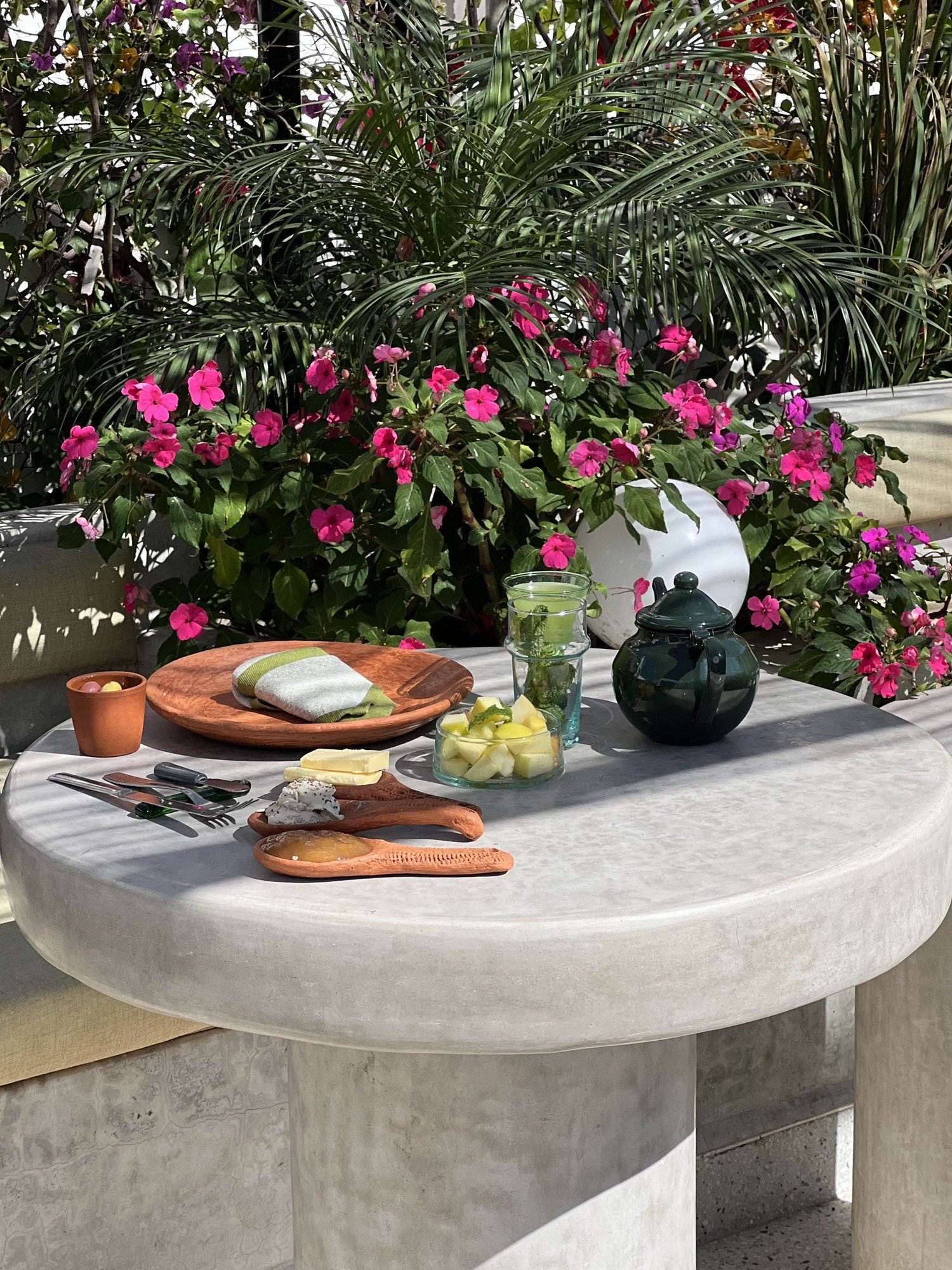
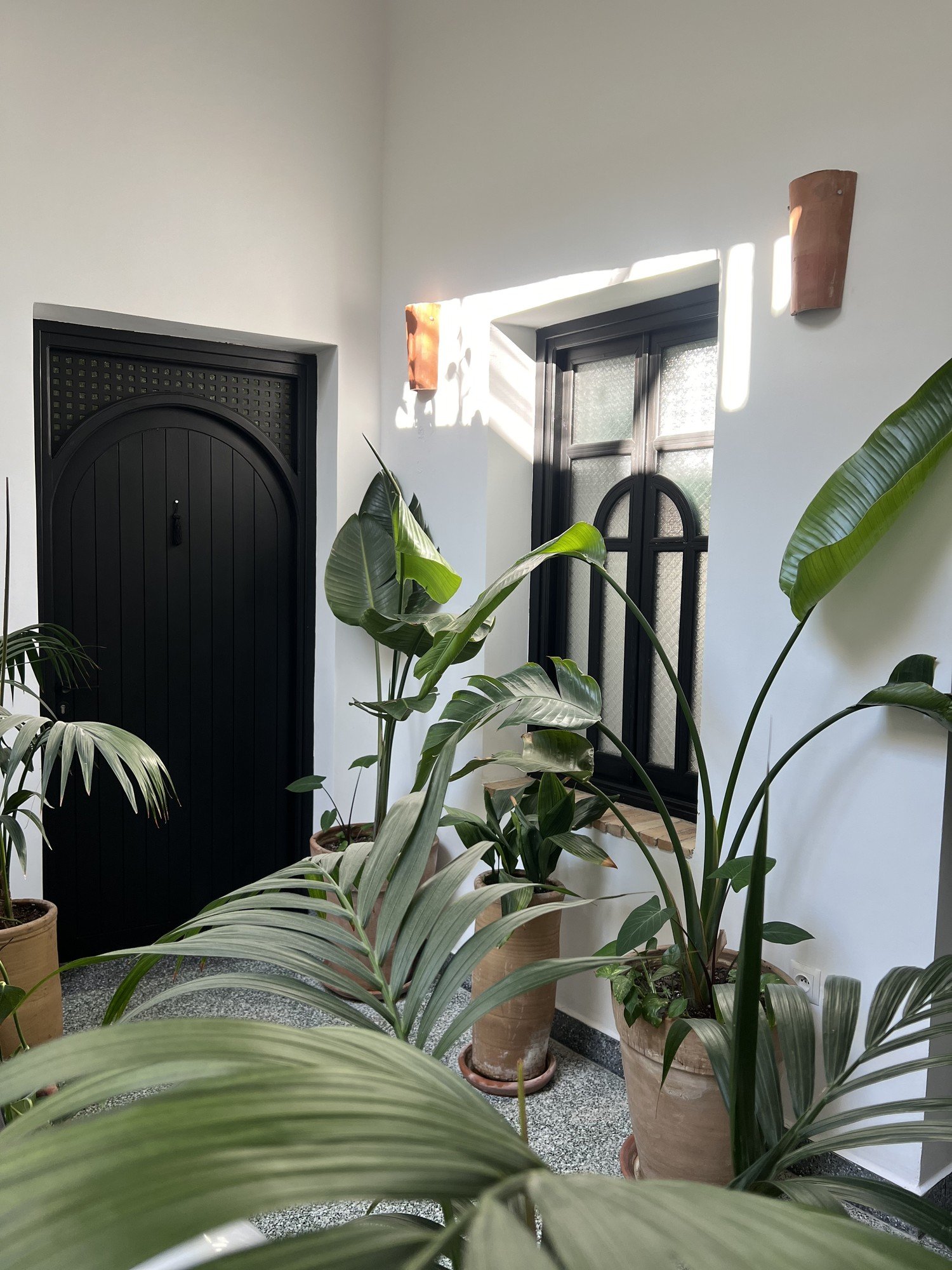
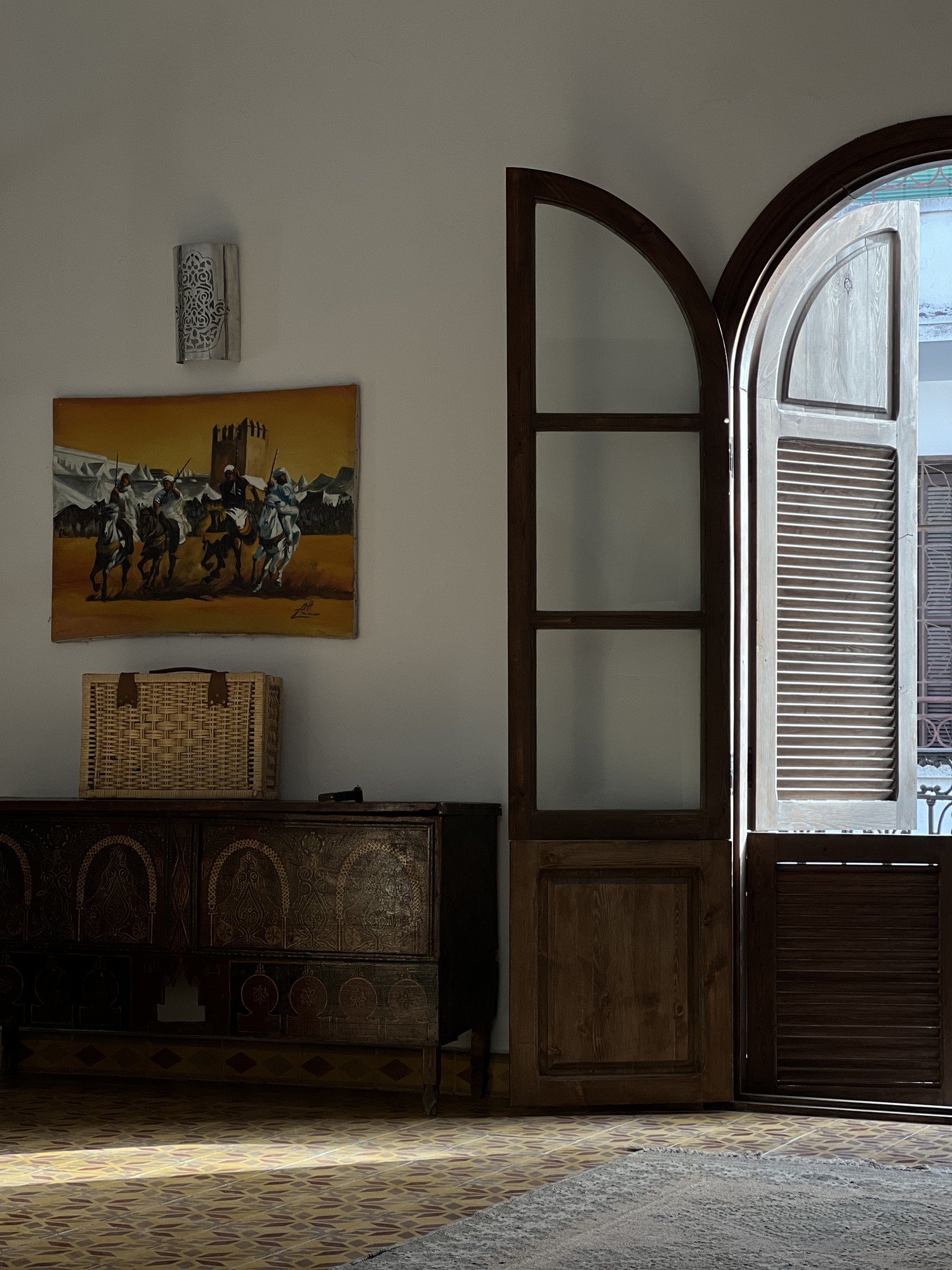
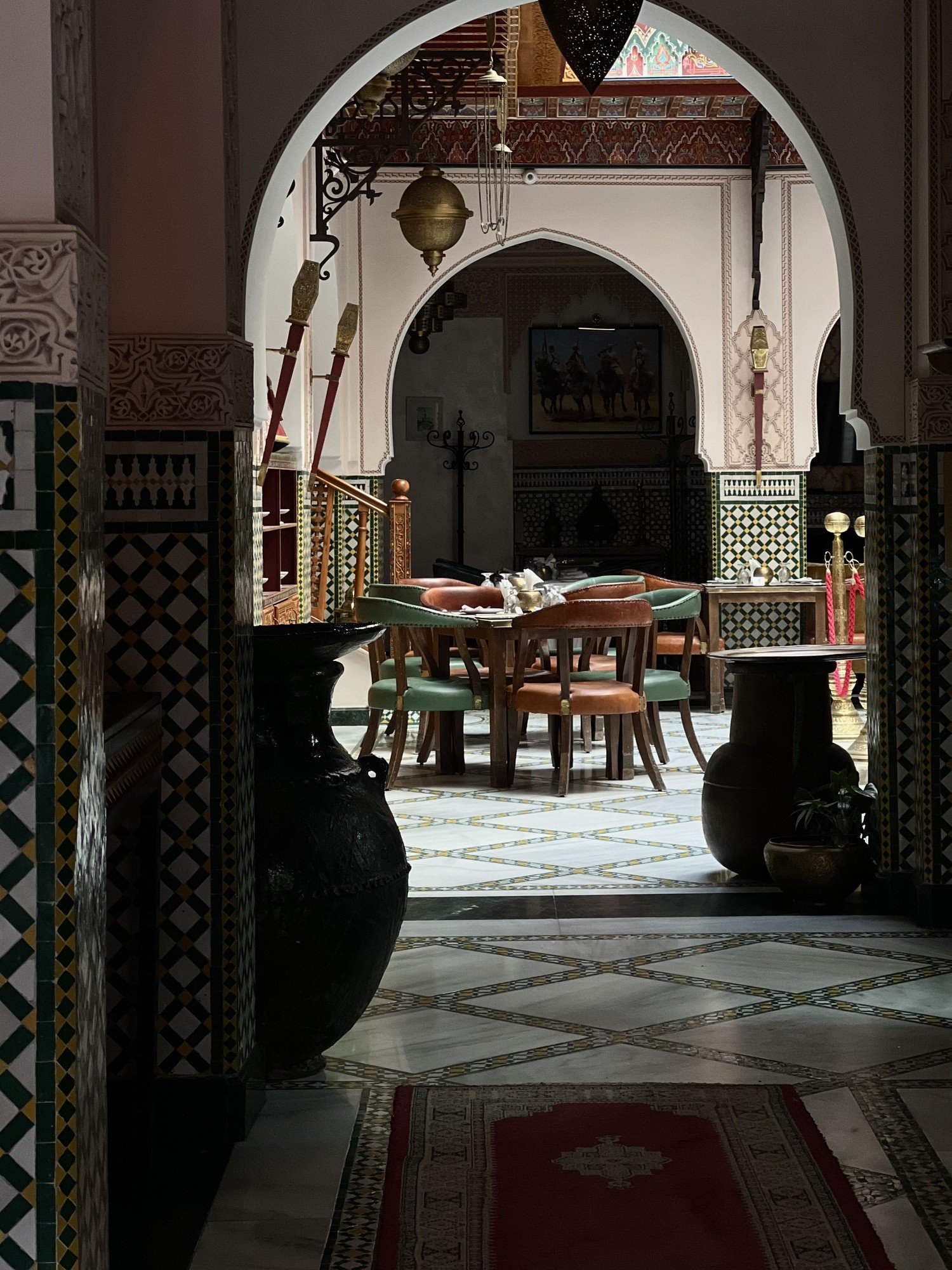
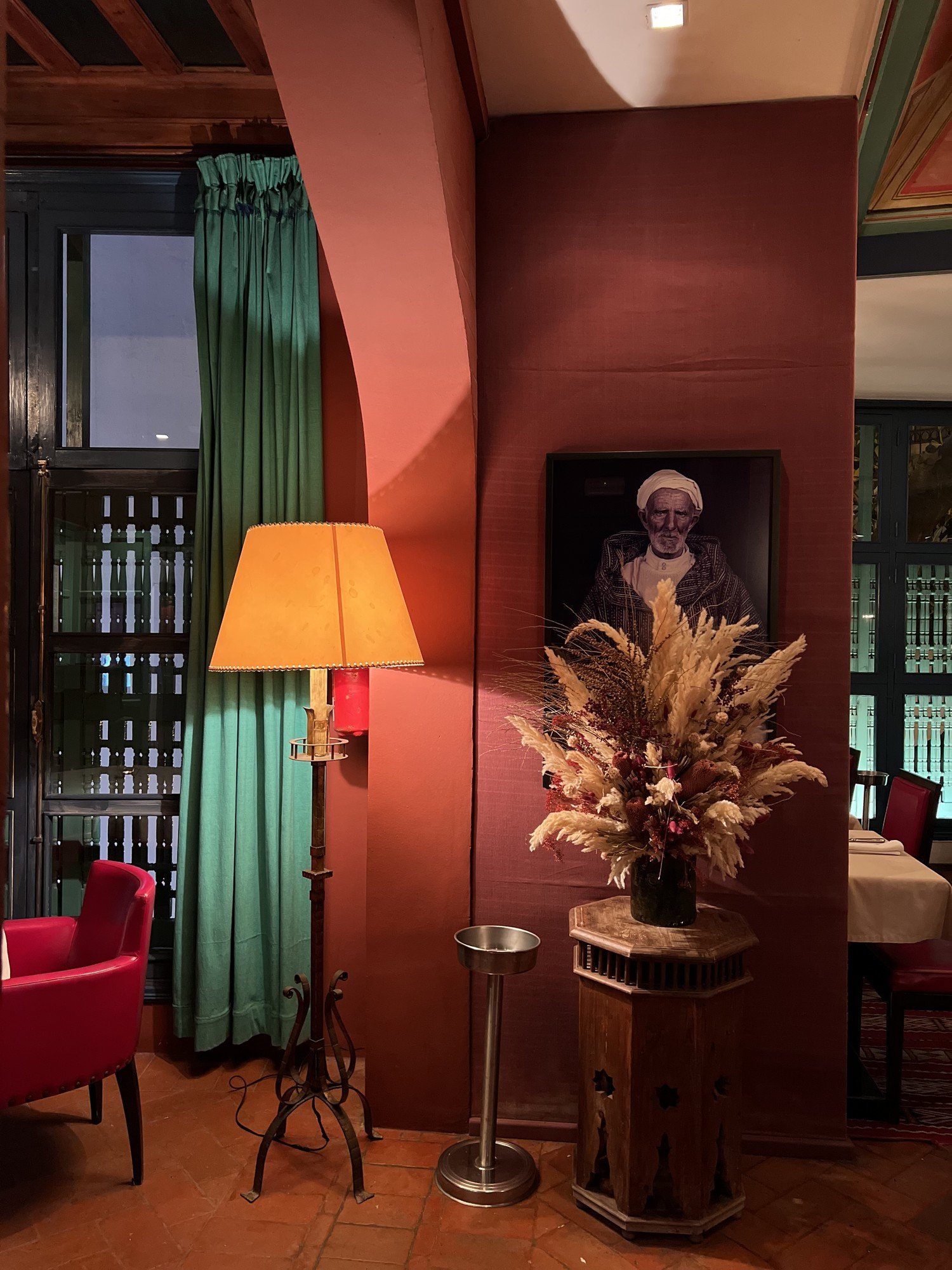
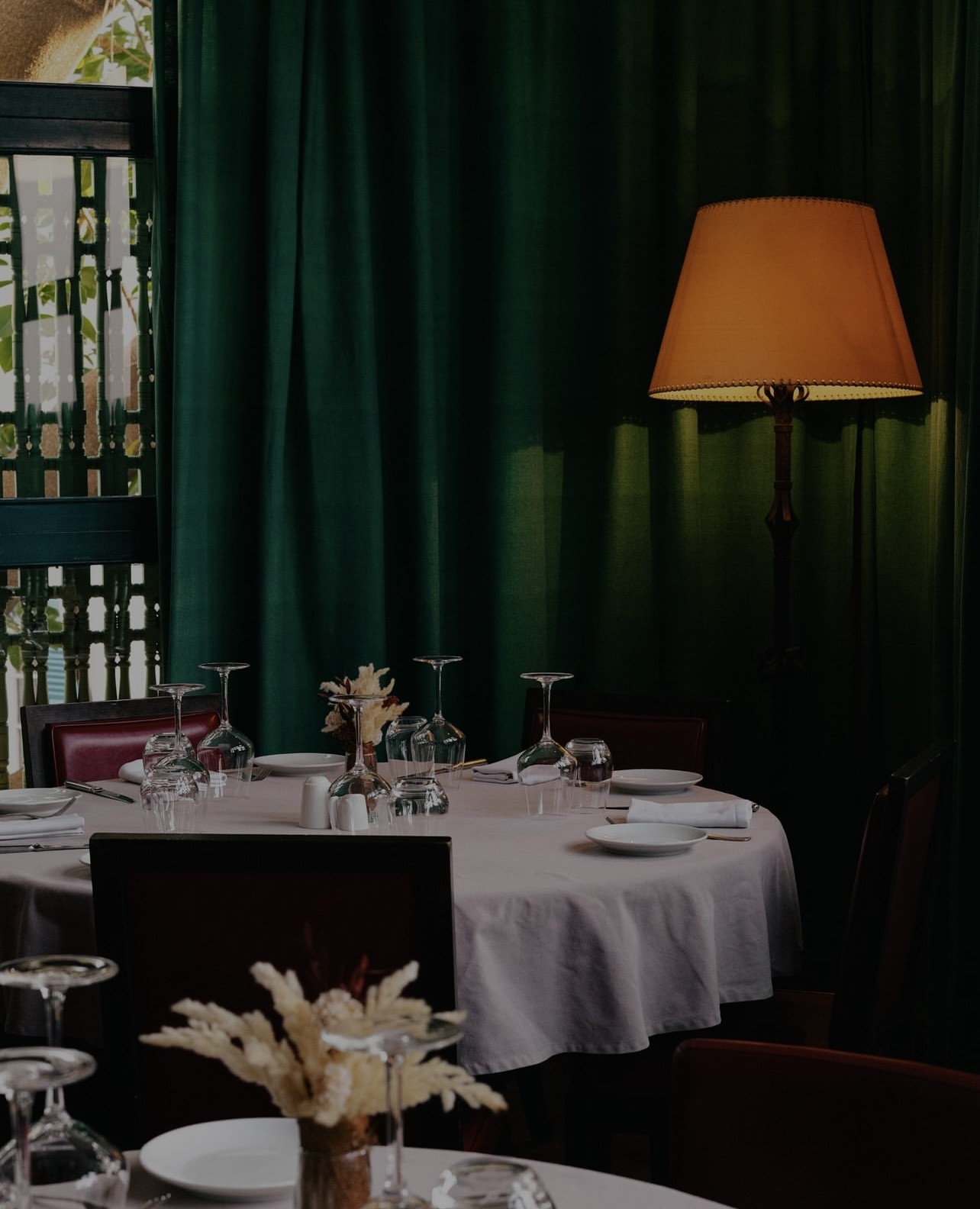
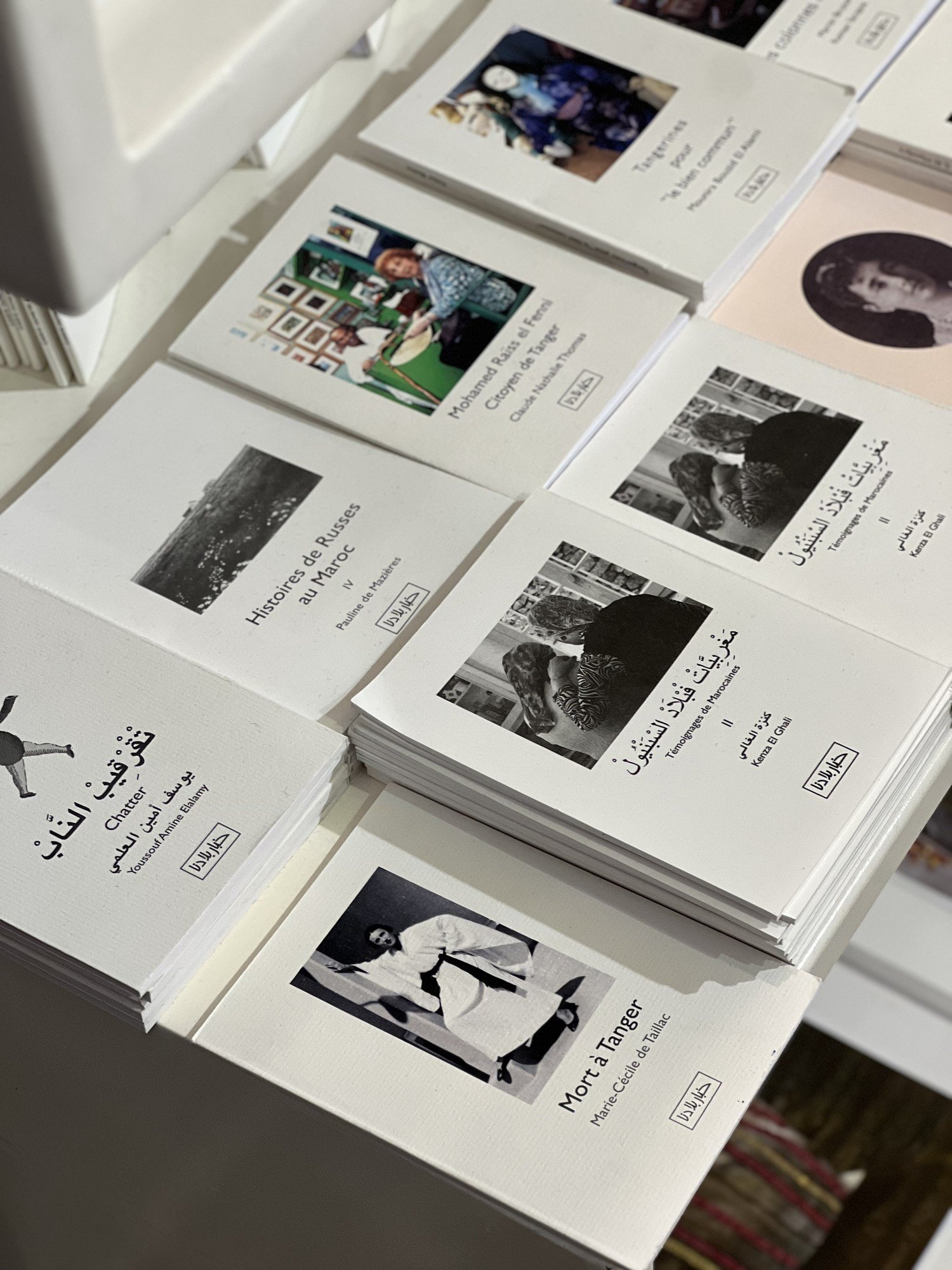
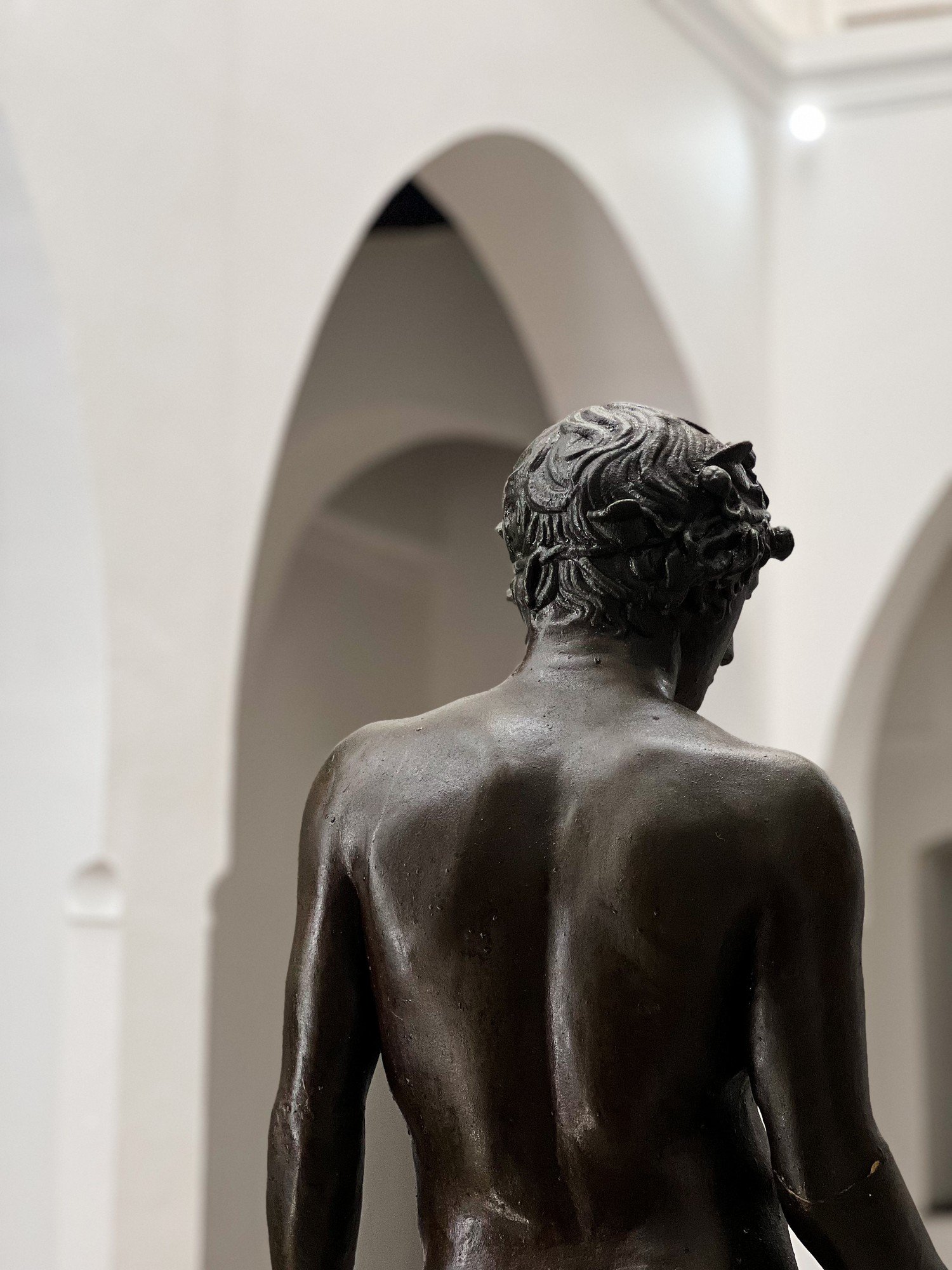
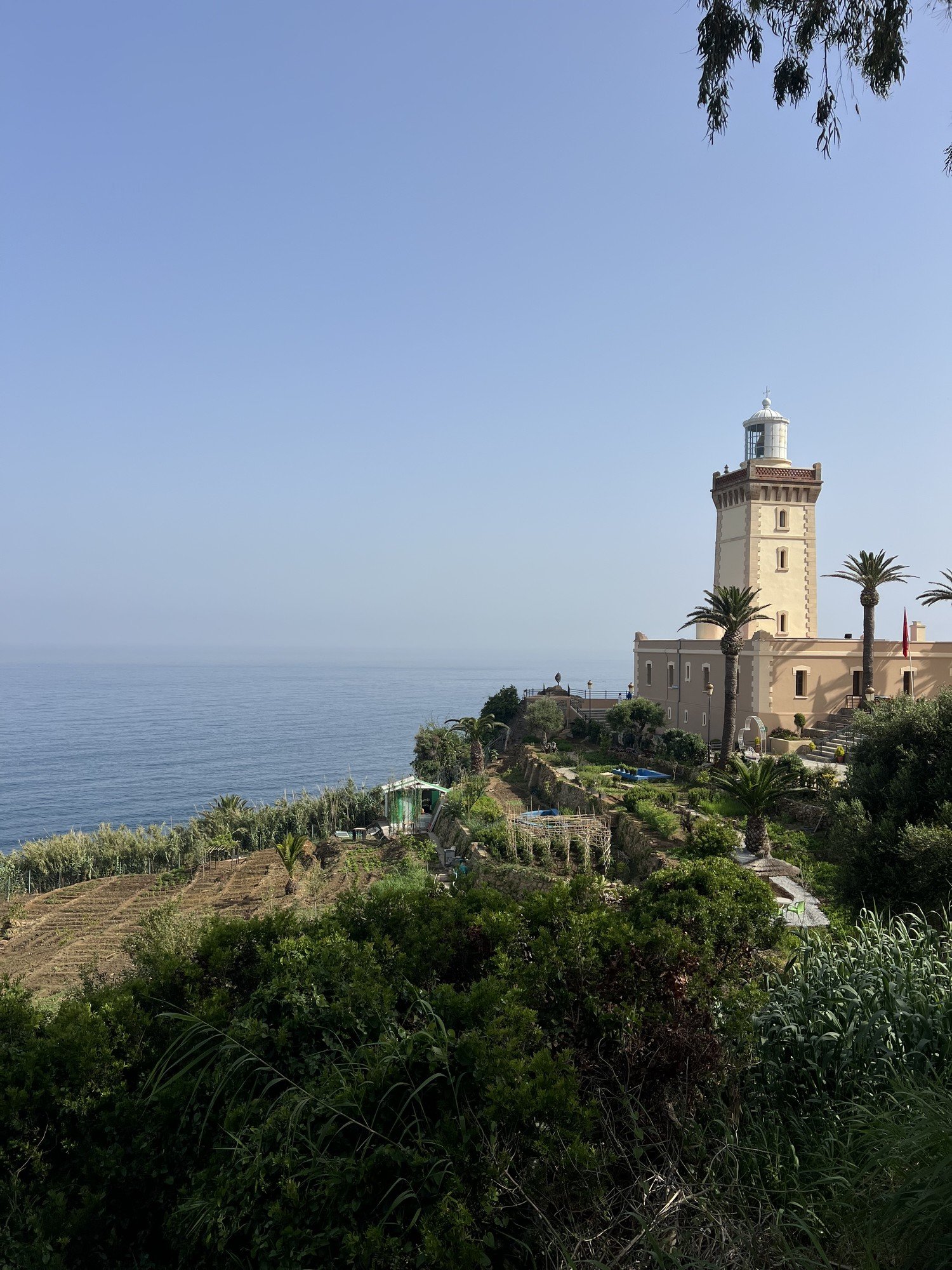
Tangier stands at Africa's north-western corner, facing Spain across fourteen kilometres of strait, and the city's whole character is that facing: a port that has spent three millennia in conversation with the shore opposite. The study was made in the medina and along the waterfront, in the walking, bargaining, coffee-drinking registers where the city actually conducts itself.
The photographs attend to the dialogue the city holds with light and elevation, streets that climb until the strait appears between buildings, café terraces angled toward Europe, the white and blue of walls that answer the Andalusian towns opposite. Tangier photographs best in the late afternoon, when the light arrives from the direction of Spain and the city seems to lean into it.
The study opened what became the studio's Morocco material: with Tangier II and Dar El Bacha it forms Publication 006, and its frames front the publication across the site. In the archive it also carries a distinction: the first study of the collection's most photographed country, made before the studio quite knew the archive it was starting.