French Alps
The Alps are usually described from a distance, as spectacle. The closer account is different.
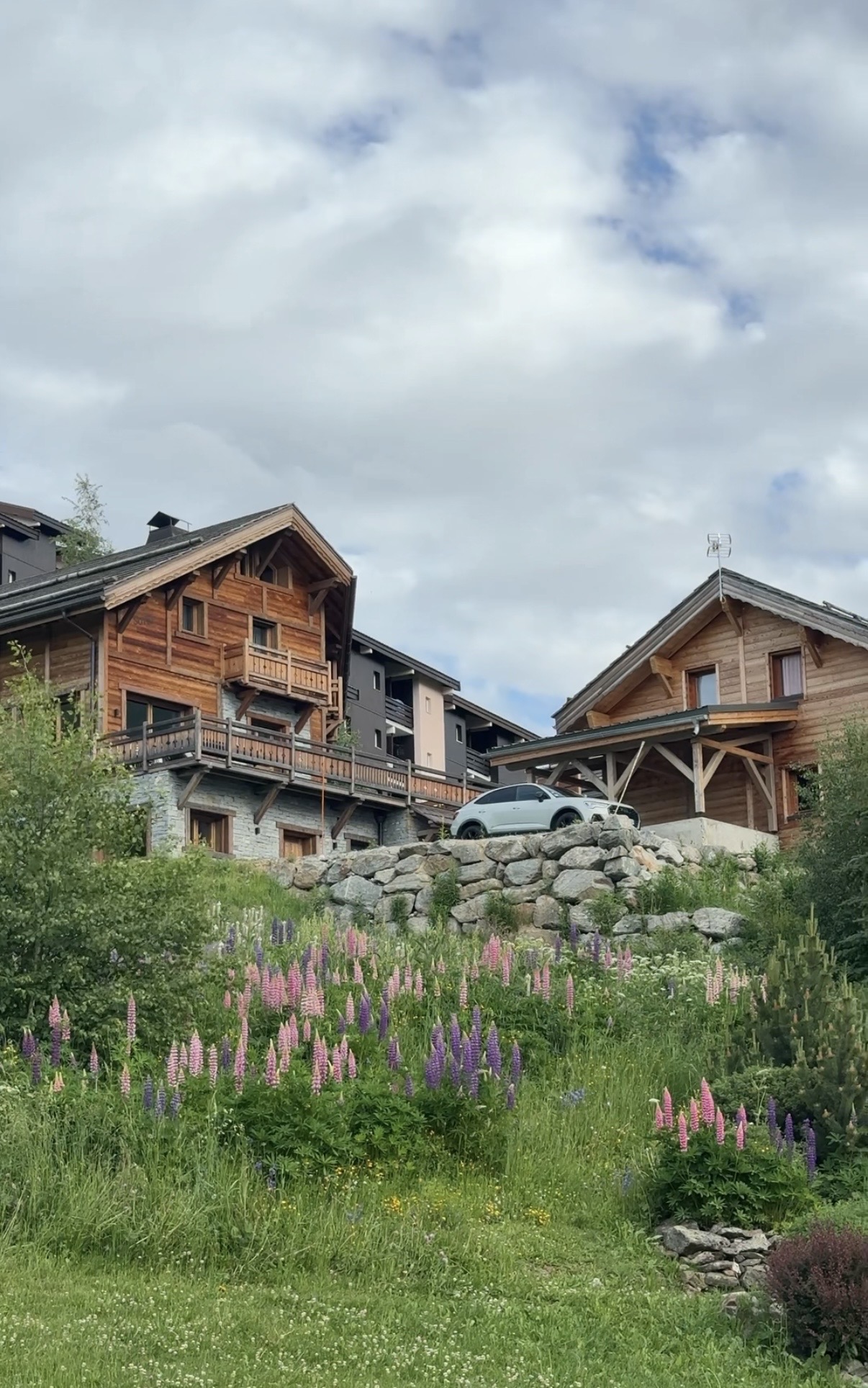
Settlement sits close against the hillside. Timber frames rest on stone foundations. Rooflines are pitched at angles that answer the weight of winter. The landscape is not merely a backdrop to these structures; it is the condition that produced them.
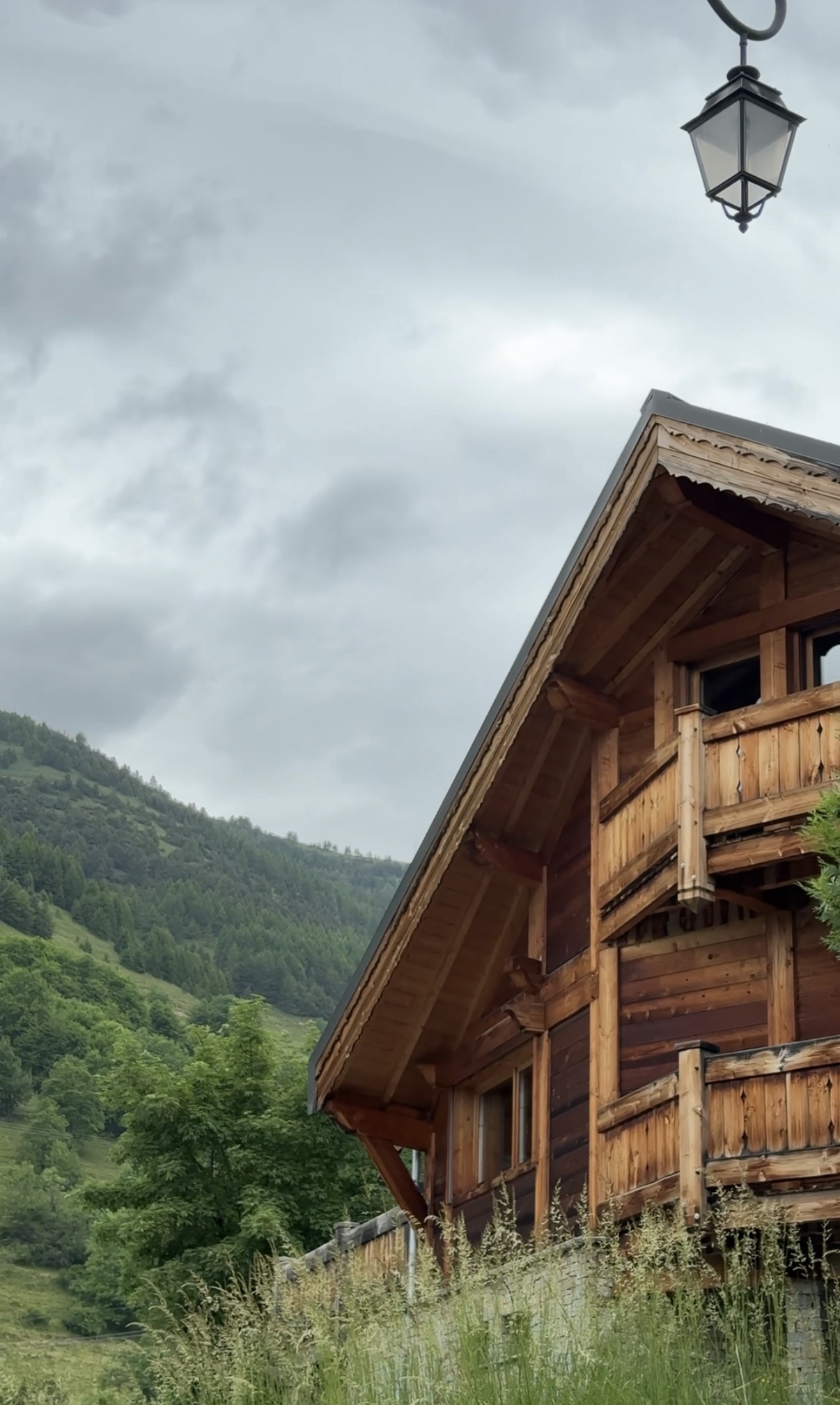
What distinguishes Alpine architecture from other vernacular traditions is the degree to which it records weather and necessity. The choice of material, the pitch of a roof, the placement of a window: each carries a practical logic shaped over generations by the particular demands of altitude and snow. The buildings do not resist the landscape. They accommodate it.
What you find in the French Alps, beneath the peaks and cloud cover, is not scenery but settlement. A long conversation between people and terrain.
The chalet form is one of the most efficient responses to mountain conditions that building has produced.
Timber is the primary material: stacked horizontally, weathered into shades of brown and grey, the grain deepened by decades of exposure. Stone appears at the base, where the building meets the ground, drawn from the same hillside on which it stands. The roof extends outward to protect the walls from meltwater and to allow firewood and equipment to be stored under cover.
Around the buildings, the summer growth is dense and deliberate in its disregard for order. Wildflowers occupy the margins where cultivation has not reached: lupins in pink and violet alongside the stone walls, tall grasses in the verges. The buildings and the ground around them exist in a relationship that is not quite managed and not quite wild, but somewhere between the two.
A lamp extends from one gable on an iron bracket, oriented toward the road below. The practical and the incidental sit together without ceremony.
The valleys of the French Alps carry water, road and settlement in parallel.
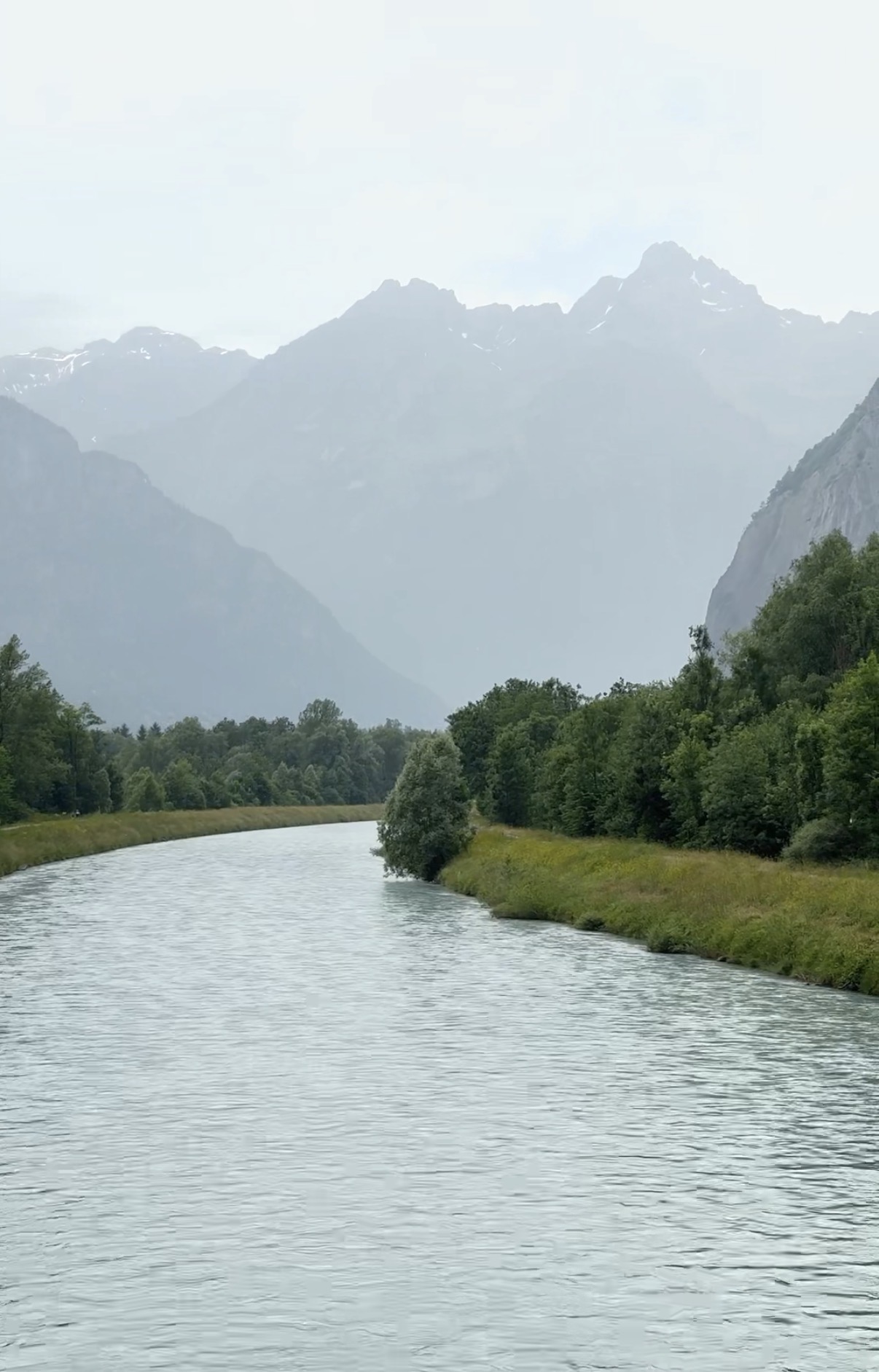
A river runs grey-green through the valley floor, fed by snowmelt higher up. On either side, the ground rises sharply through forest and into bare rock above the treeline. The road follows the valley rather than crossing it, bending through the contours of the landscape rather than asserting a line against them.
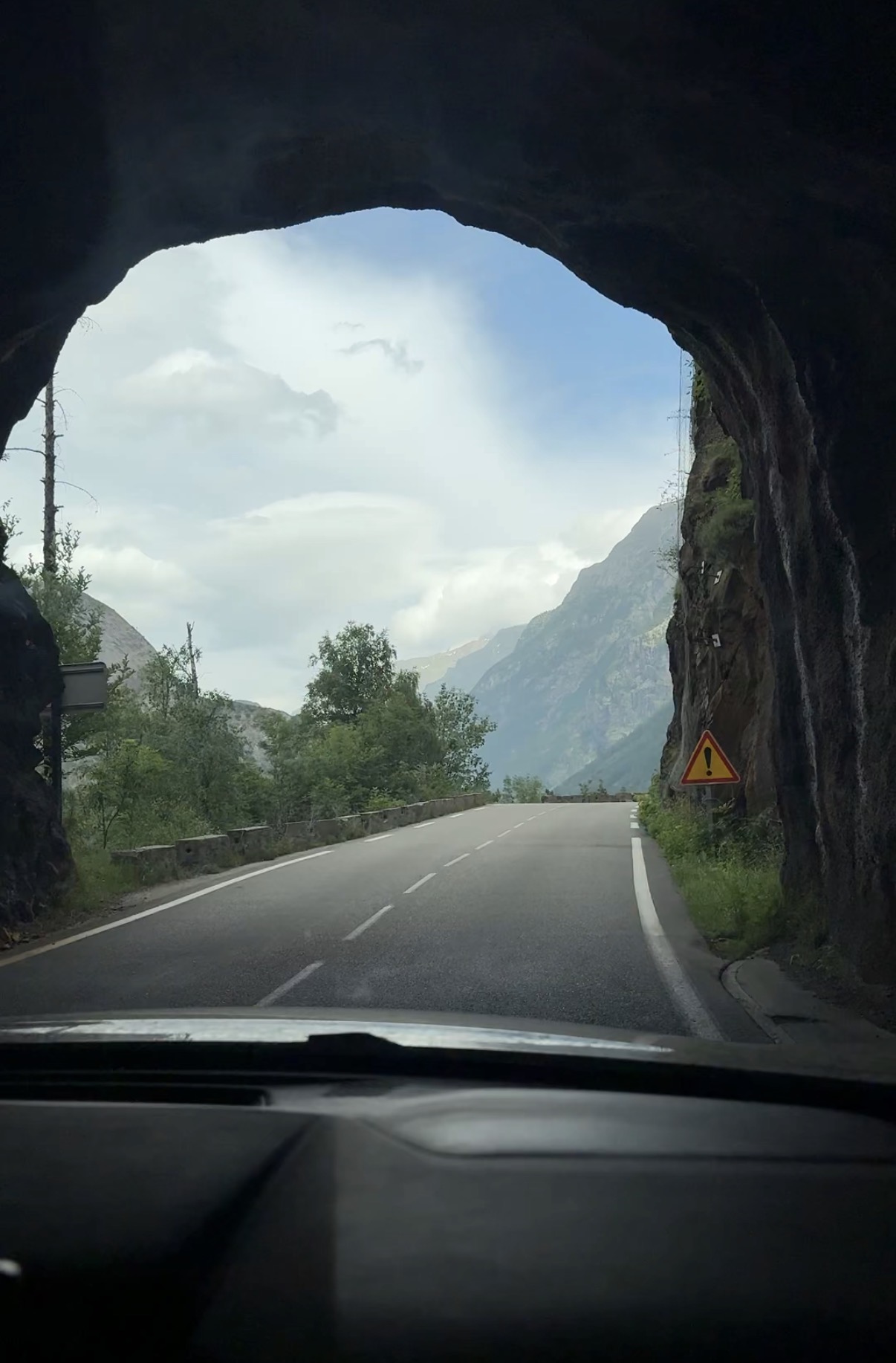
Where the rock is too close to permit a road, a tunnel takes over. The mountain continues above and the light reappears on the other side: a framed view of the valley opening out, the peaks beyond, a warning sign at the entrance. The tunnel is the most unambiguous statement the infrastructure makes about the landscape it moves through. The mountain does not yield. The road goes through it.
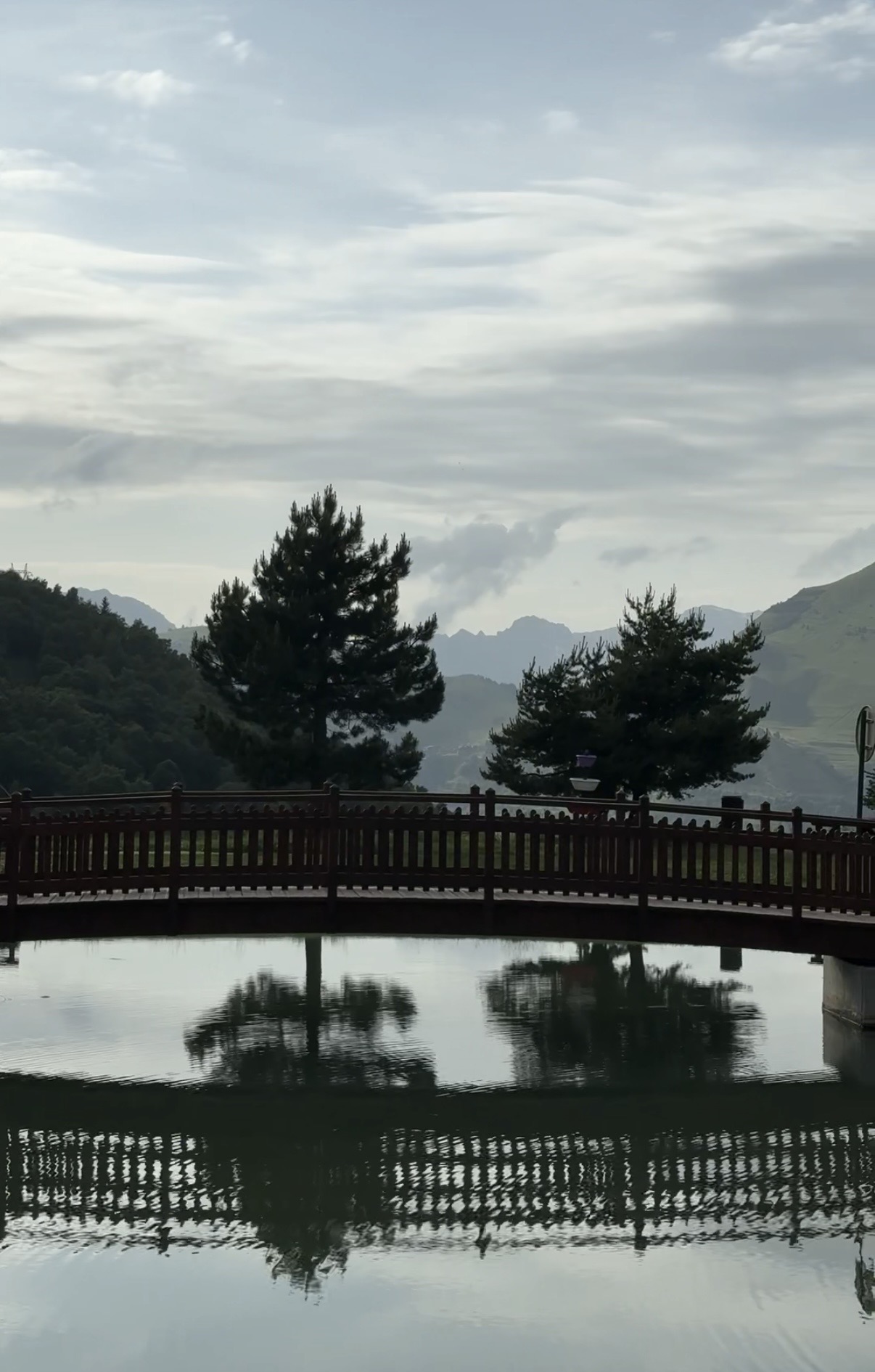
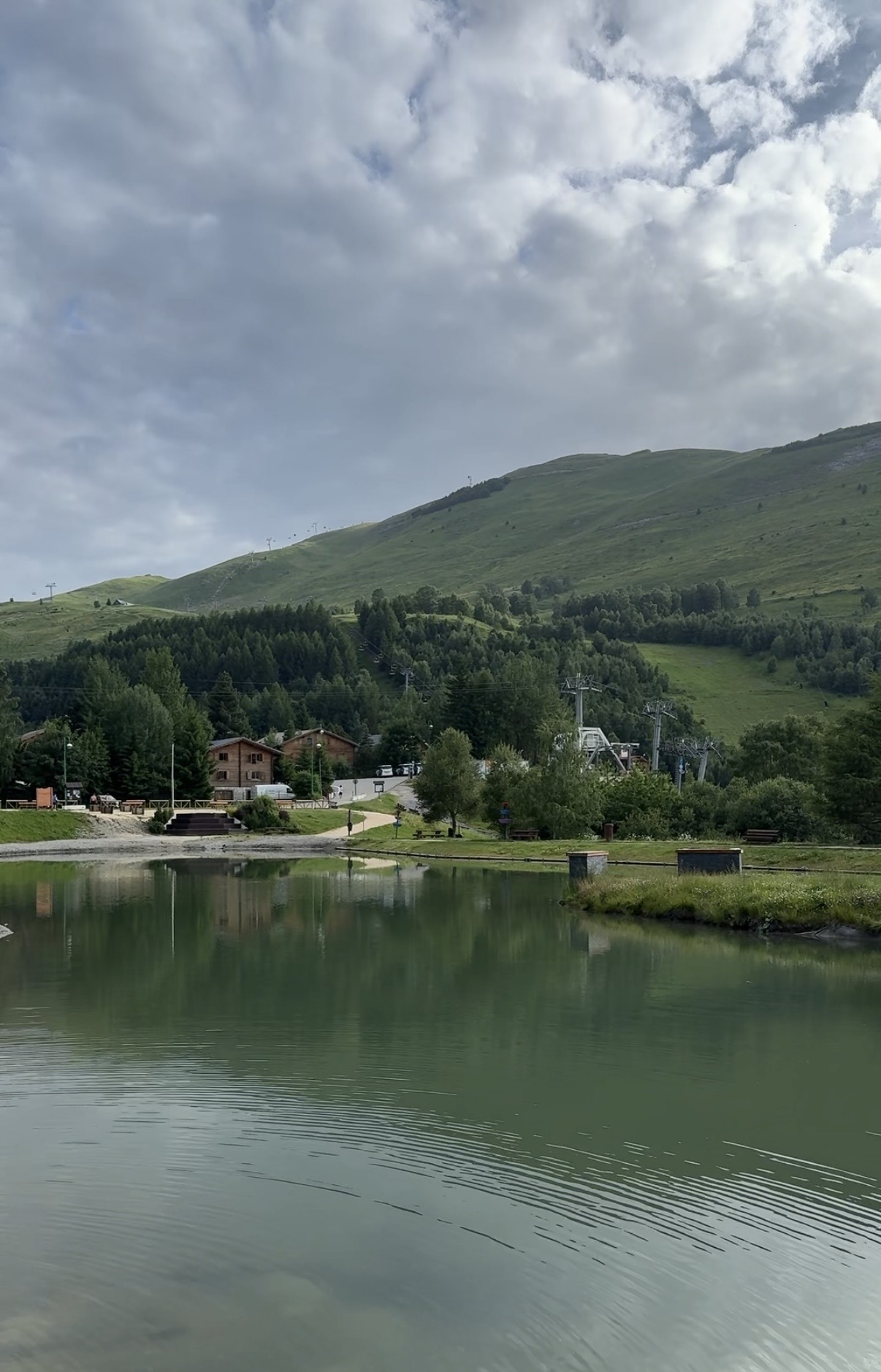
Lakes occupy the wider sections of the valley, still and reflective in the cloud. Timber buildings sit at the water's edge with the hillside behind them. The settlement does not spread further than the ground permits.
The mountains generate their own weather, and the relationship between the two is not stable.
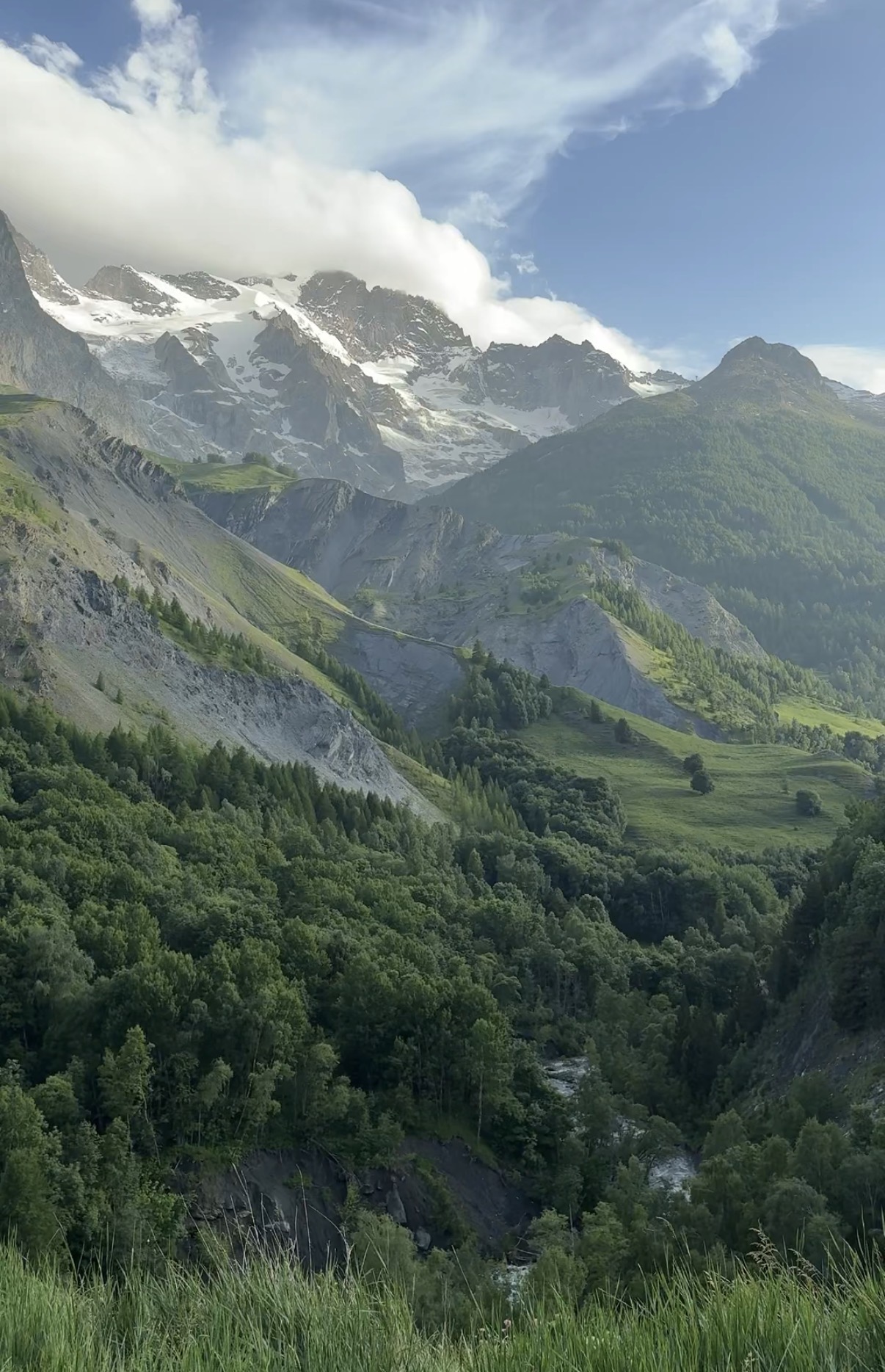
Cloud moves through the valleys at speeds that the view from the valley floor does not prepare you for. What was a clear line of peaks in the morning becomes a series of partial impressions by afternoon: rock visible through one gap in the cloud, a glacier half-obscured by another. The light changes with the cloud, and the landscape changes with the light.
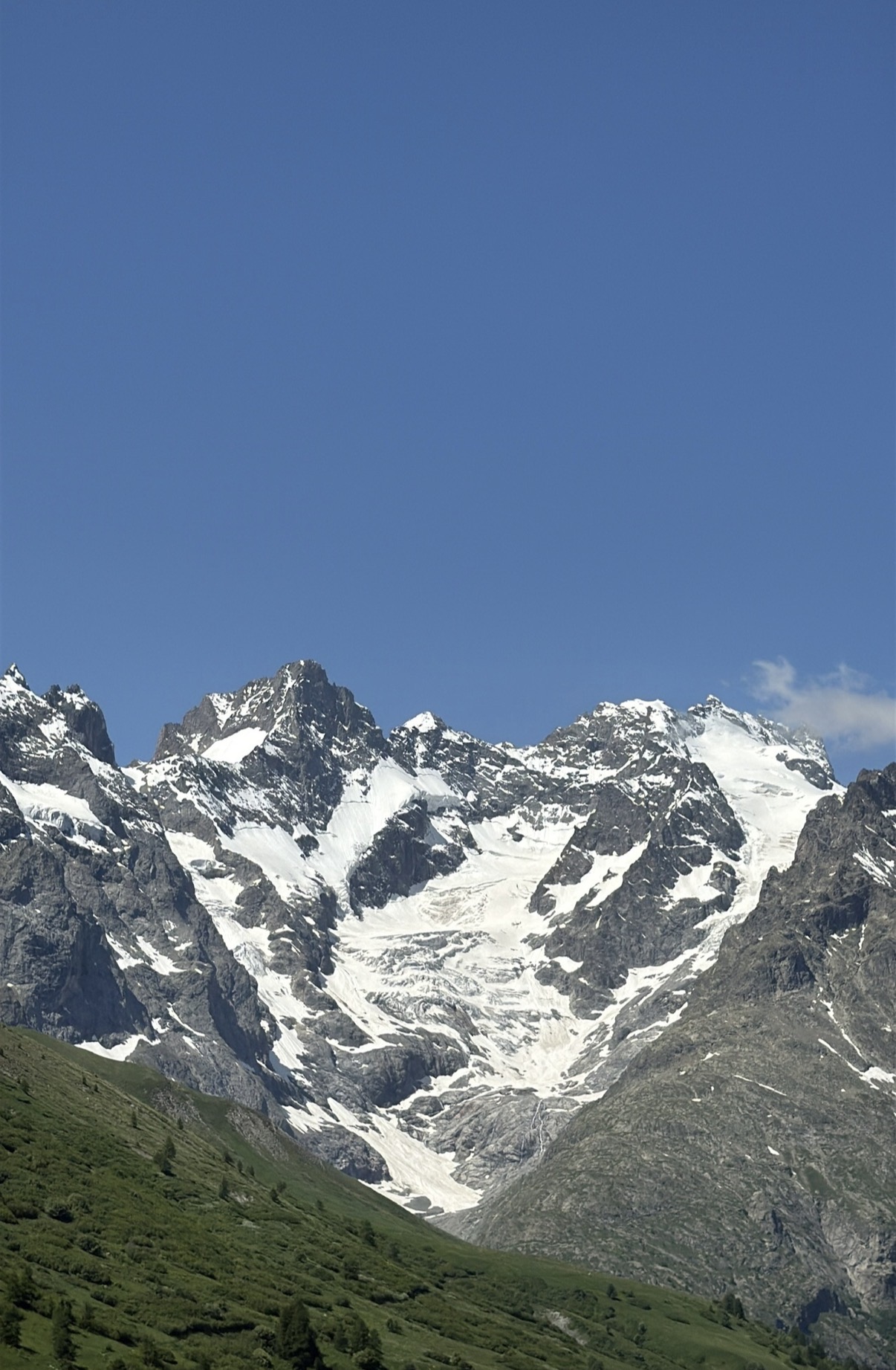
At altitude, the scale becomes harder to read. Snow covers the upper flanks of the peaks in high summer, and the rock below it is scored and fractured by the conditions that placed it there. The mountains are not permanent in the way that stone elsewhere tends to feel. They are, in geological terms, still in process.
The water below runs pale against dark rock. The peaks recede into cloud. The distance between the valley floor and the summit is not measurable in a single view.
The buildings exist here on the landscape's terms, not their own.
The Alps are usually rendered as spectacle, peaks from a distance, and the study deliberately works closer: settlement against hillside, timber on stone foundations, rooflines pitched to answer snow the valley has not yet received. It was made in a French Alpine valley in the working season between summers, when the villages belong to their own logic rather than the ski calendar's.
The photographs concern alpine building as accumulated intelligence: the depth of eaves, the weathering of larch, wood stacked as both fuel and architecture, the way paths and walls negotiate gradients that flat-country building never considers. The mountains appear as context rather than subject, which is how the villages themselves treat them.
In the archive the French Alps study extends the collection's material thread into vernacular territory, no architects, only answers, and provides the counter-case to the archive's designed interiors: rooms and structures whose every decision was made by weather over centuries. The Journal's essays on material draw on it, and it stands as the collection's reminder that the oldest hospitality infrastructure in Europe is a pitched roof.