Kew, under glass
Kew is held between garden and archive, and the glasshouses are where that tension is most visible.
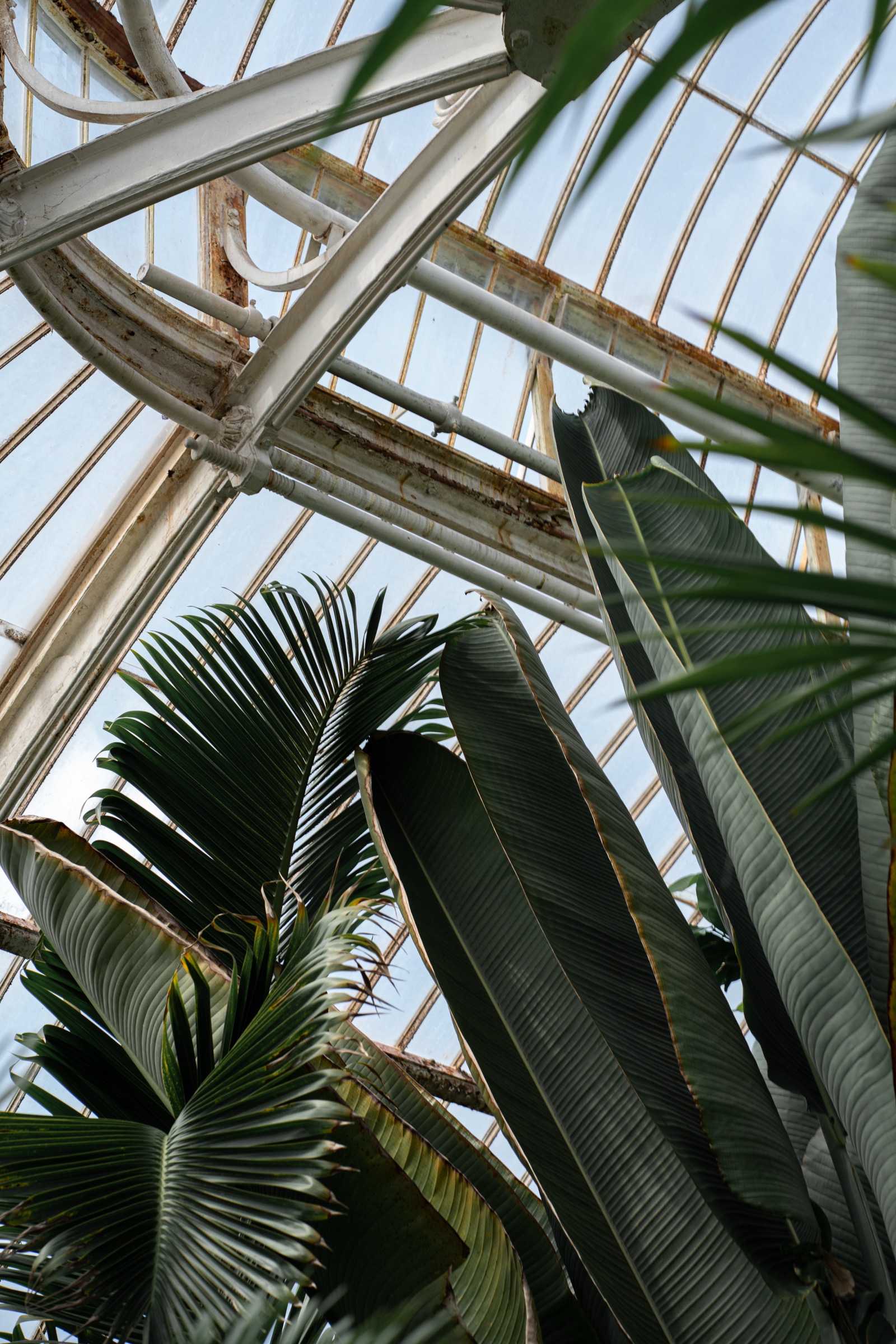
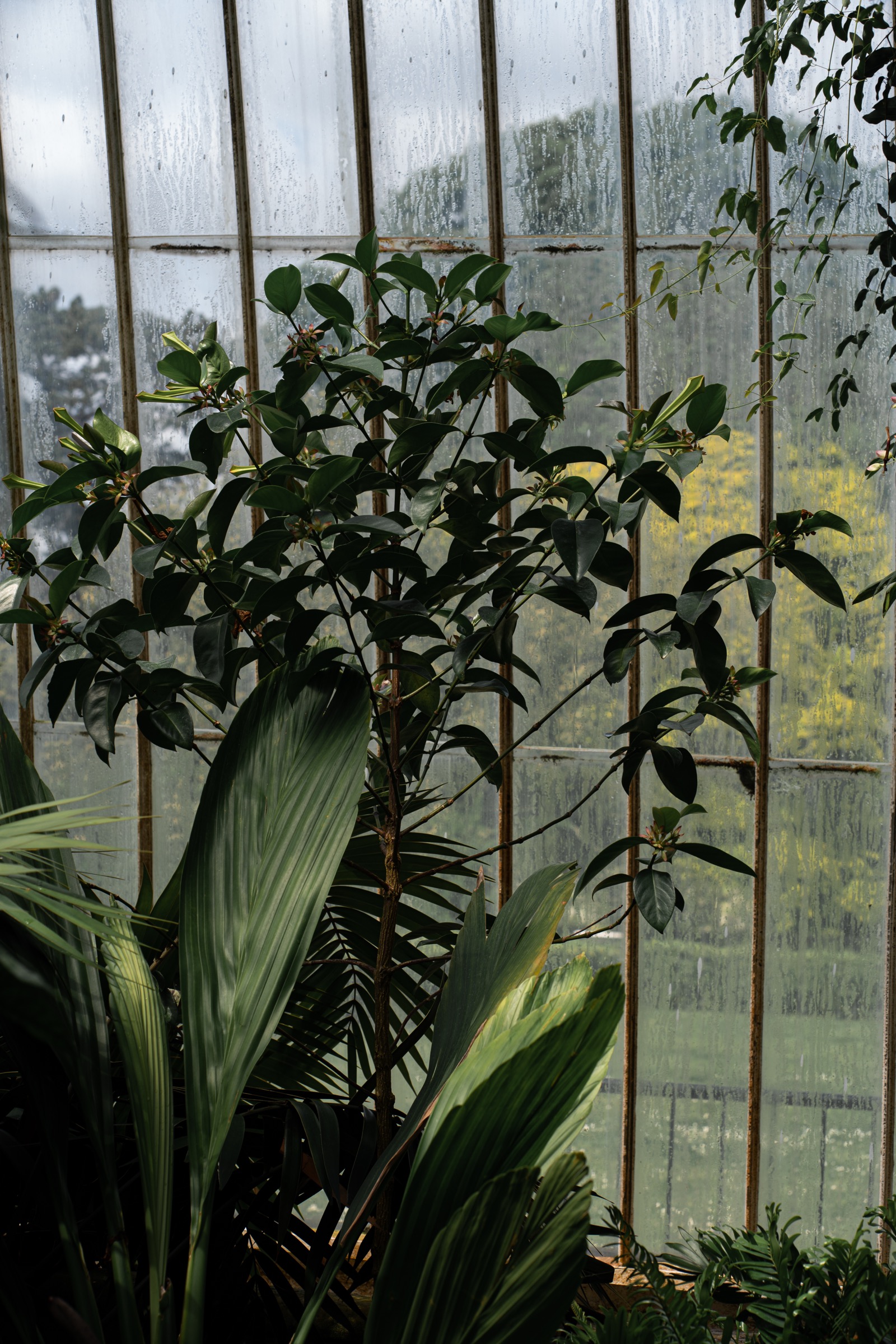
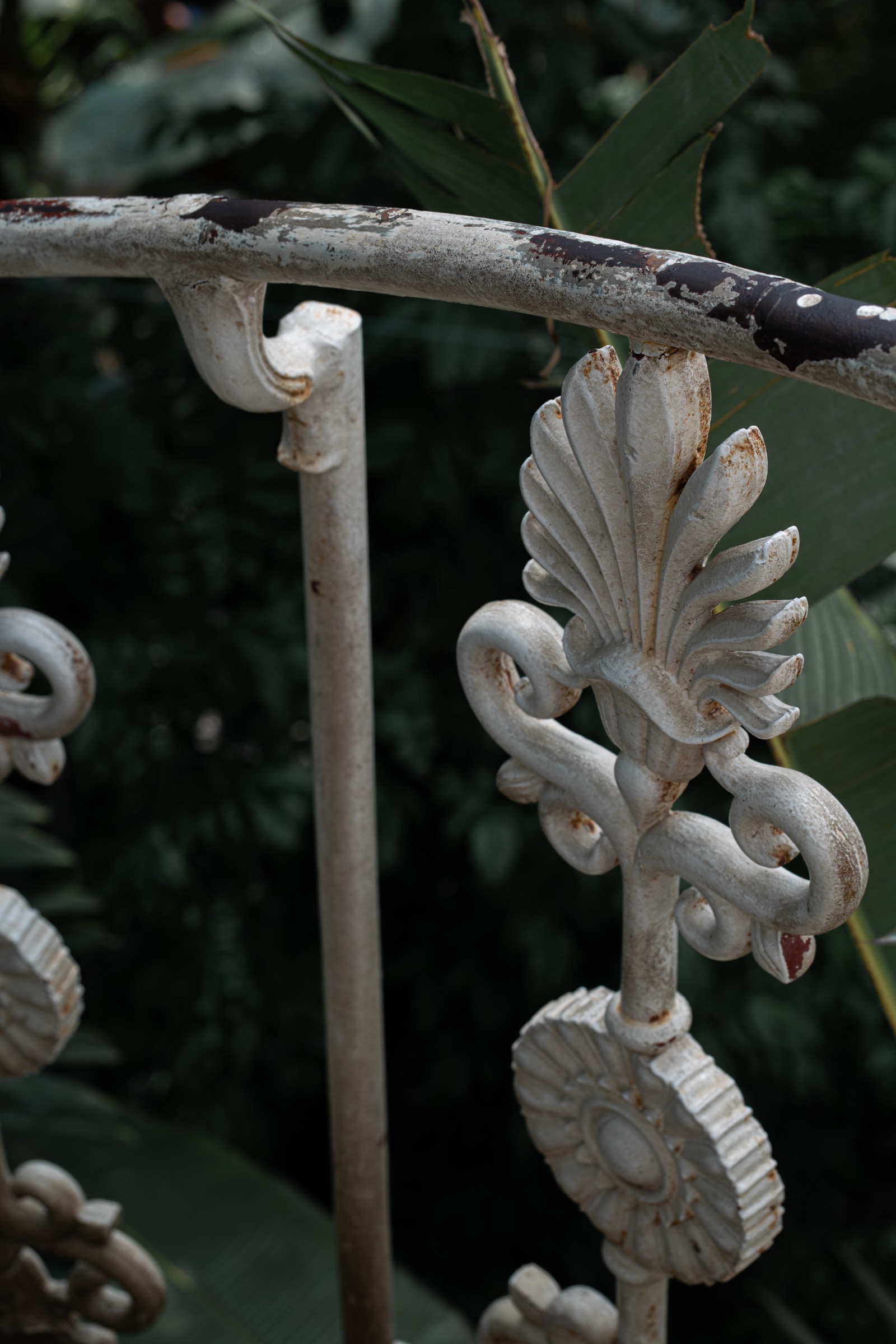
They do not feel incidental to the place. They are the point. Inside them, climate is managed rather than received. The palms and tree ferns exist in conditions maintained against whatever the season is doing outside. Iron carries the structure. Glass holds the sky above it. The light arrives here differently: softer, diffuse, reaching through layers of glass and leaf rather than directly.
The grounds move through sequence, and the sequence is the experience.
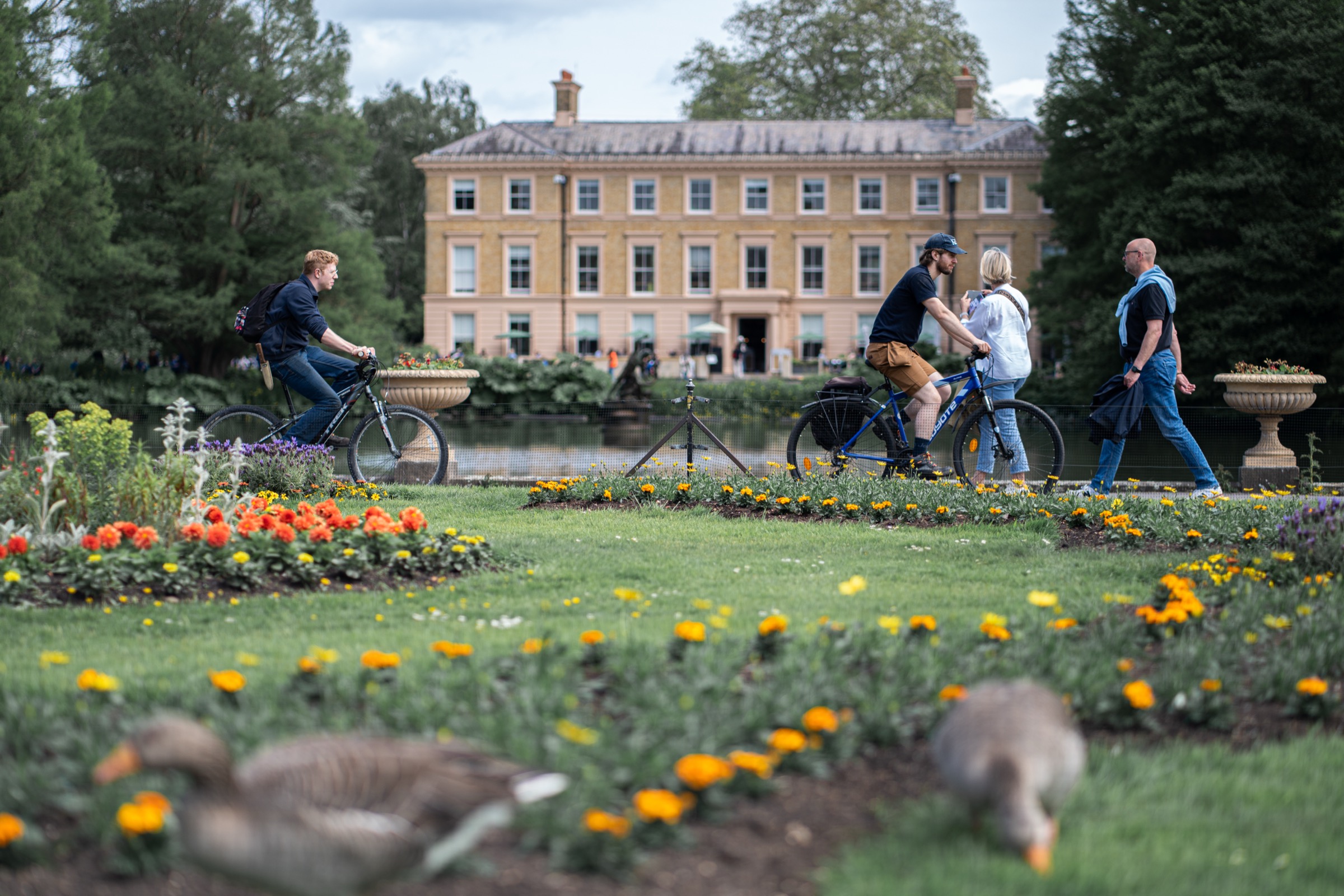
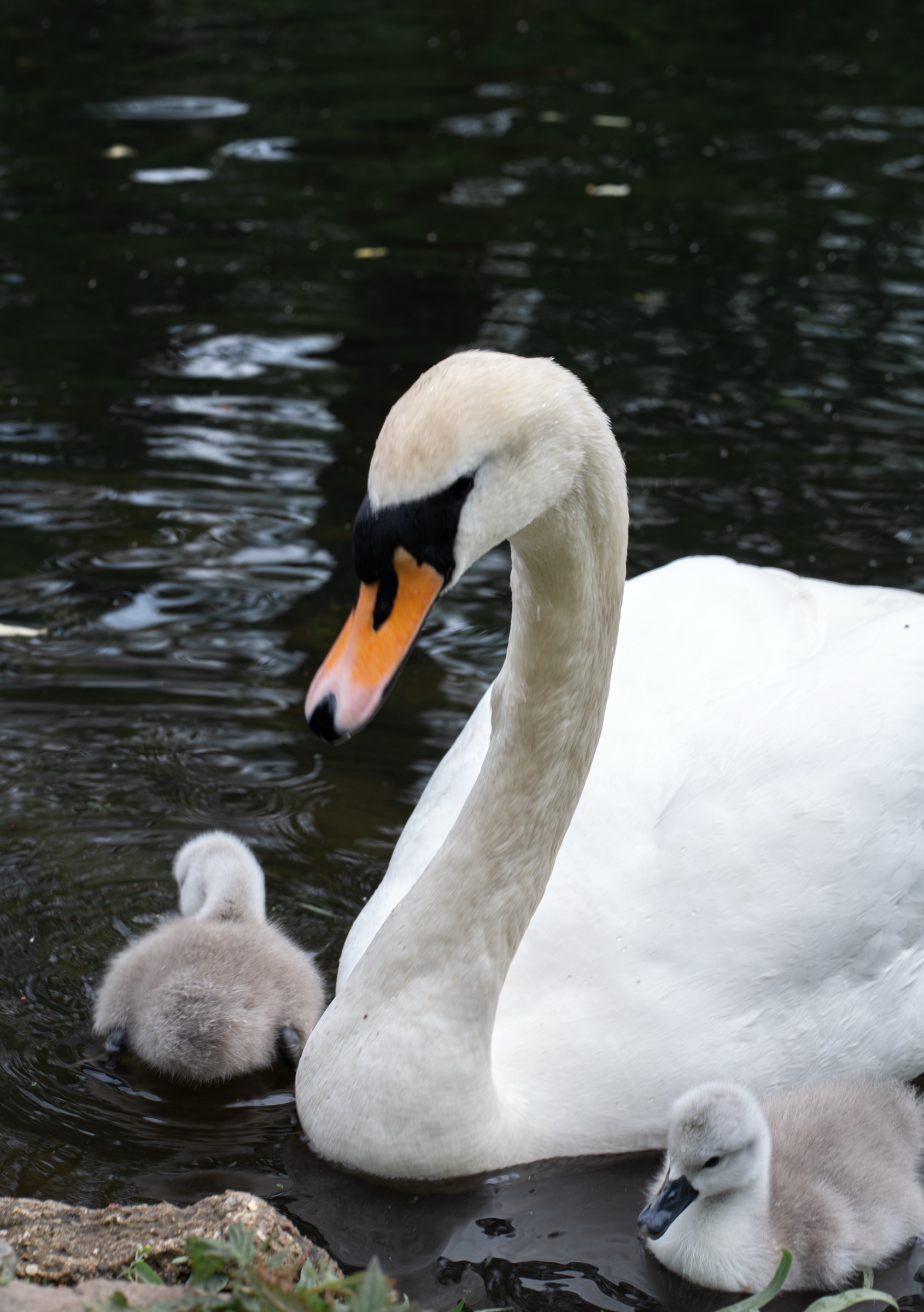
Formal planting gives way to water. Water gives way to tree cover and shade. Public movement follows the paths without urgency. There is no single thing to look at, and so you look at all of it: the proportion of a lawn against a treeline, the geometry of a planted border, the way a vista opens at the end of a path that seemed to lead nowhere. Geese settle near the edges of things. A family of swans holds position on the pond. The garden accommodates a great deal of life without appearing to manage any of it, which is of course the whole achievement.
What remains is not any single image but a sense of controlled patience held across an enormous amount of ground.
The temperature in the glasshouses, the pruning, the careful positioning of plants against light. The labelling of everything, the long maintenance of things that will outlast anyone currently tending them. All of it proceeds without announcement. Kew does not perform its own cultivation. It simply continues, season after season, at its own quiet pace, doing exactly what it has always done.
The glasshouses are the clearest expression of what Kew is: not a garden in the passive sense but an act of sustained intention. Climate maintained, specimens arranged, conditions monitored. The iron and glass structures hold a world that would not survive outside them, and they have been doing so for longer than most institutions of any kind have existed.
What the visit produces is not a collection of images but a recalibration of scale. The plants inside the Palm House predate everyone currently looking at them. The grounds will continue after the current season's visitors have gone. Kew moves at a pace that has nothing to do with the calendar of whoever is walking through it.
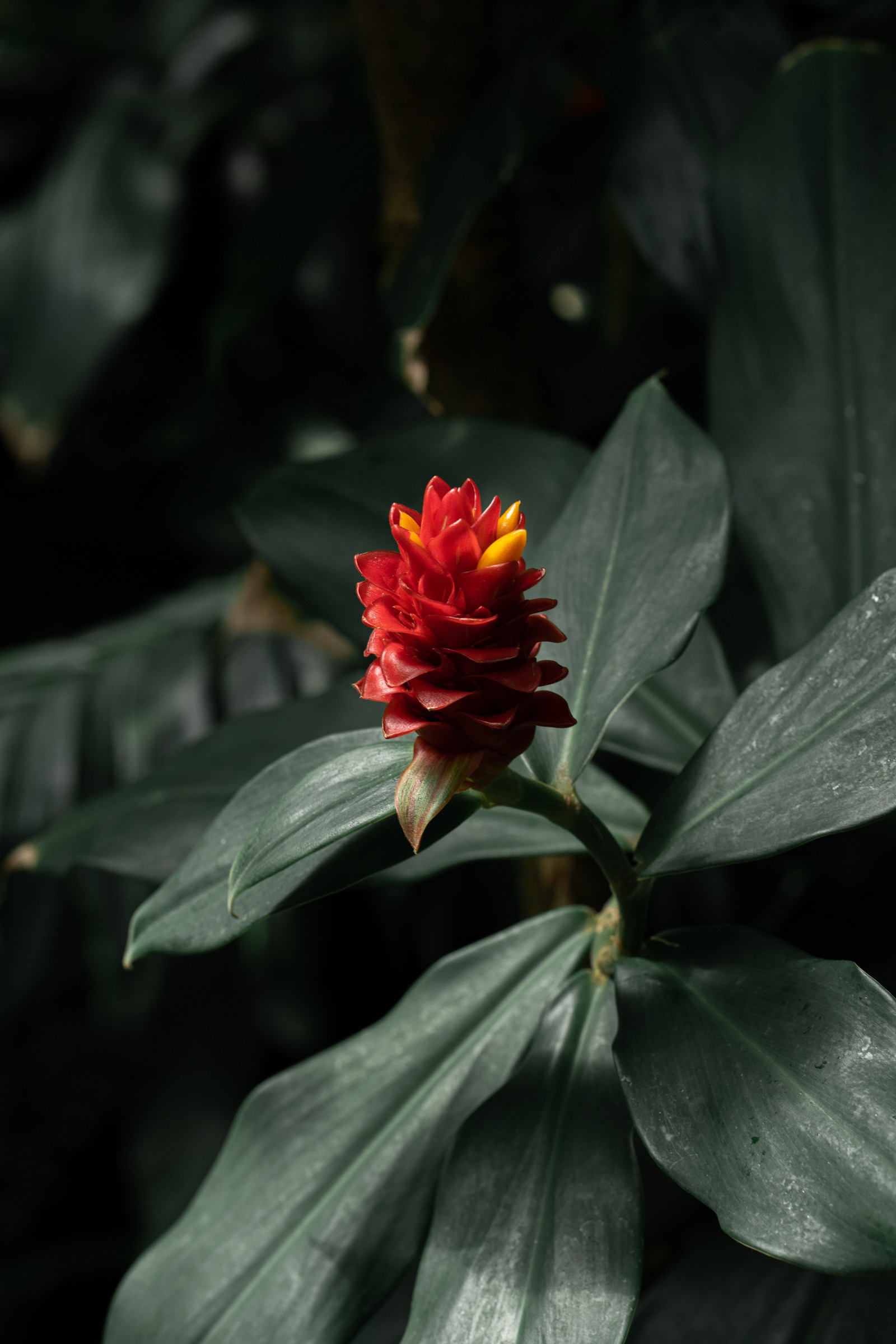
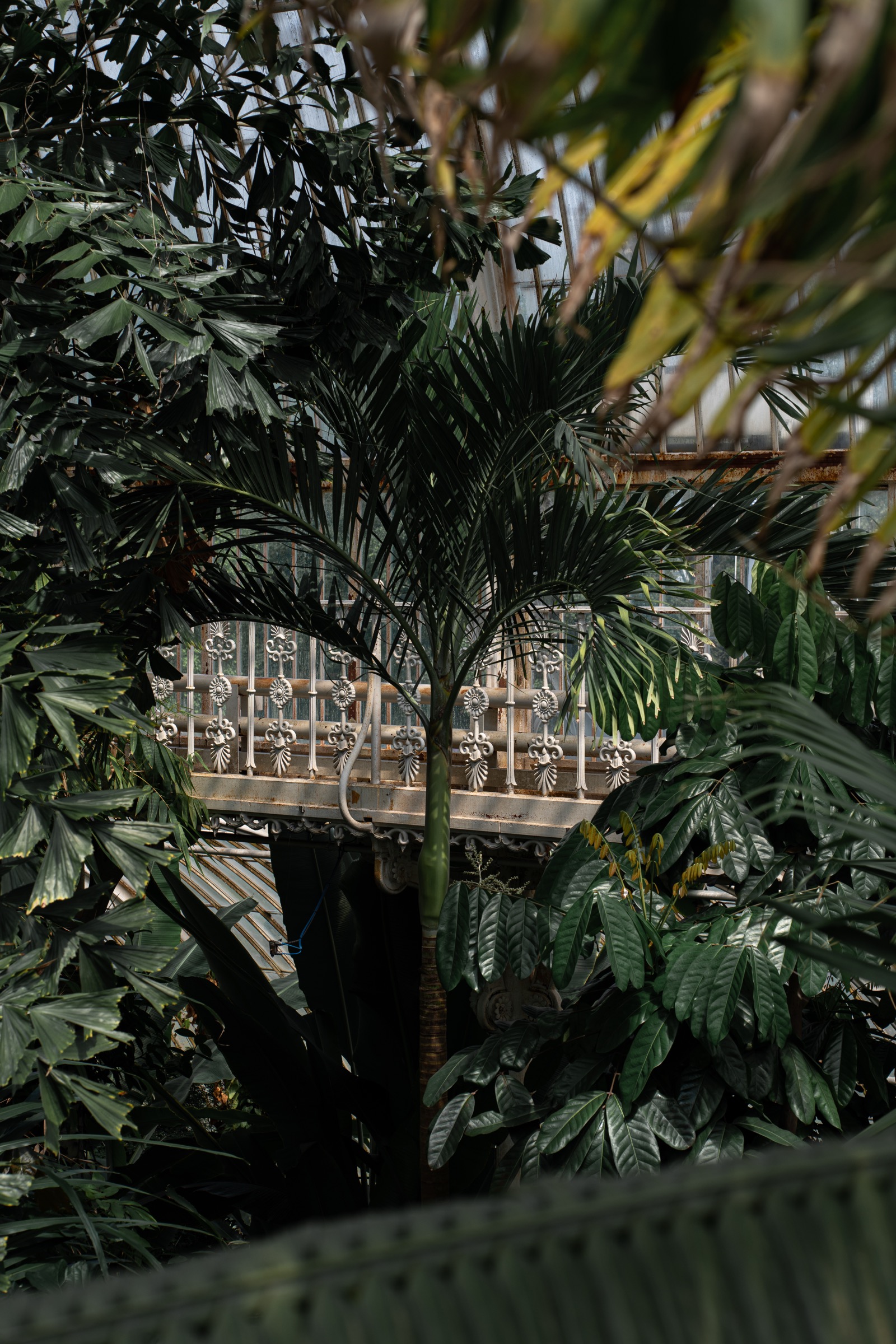
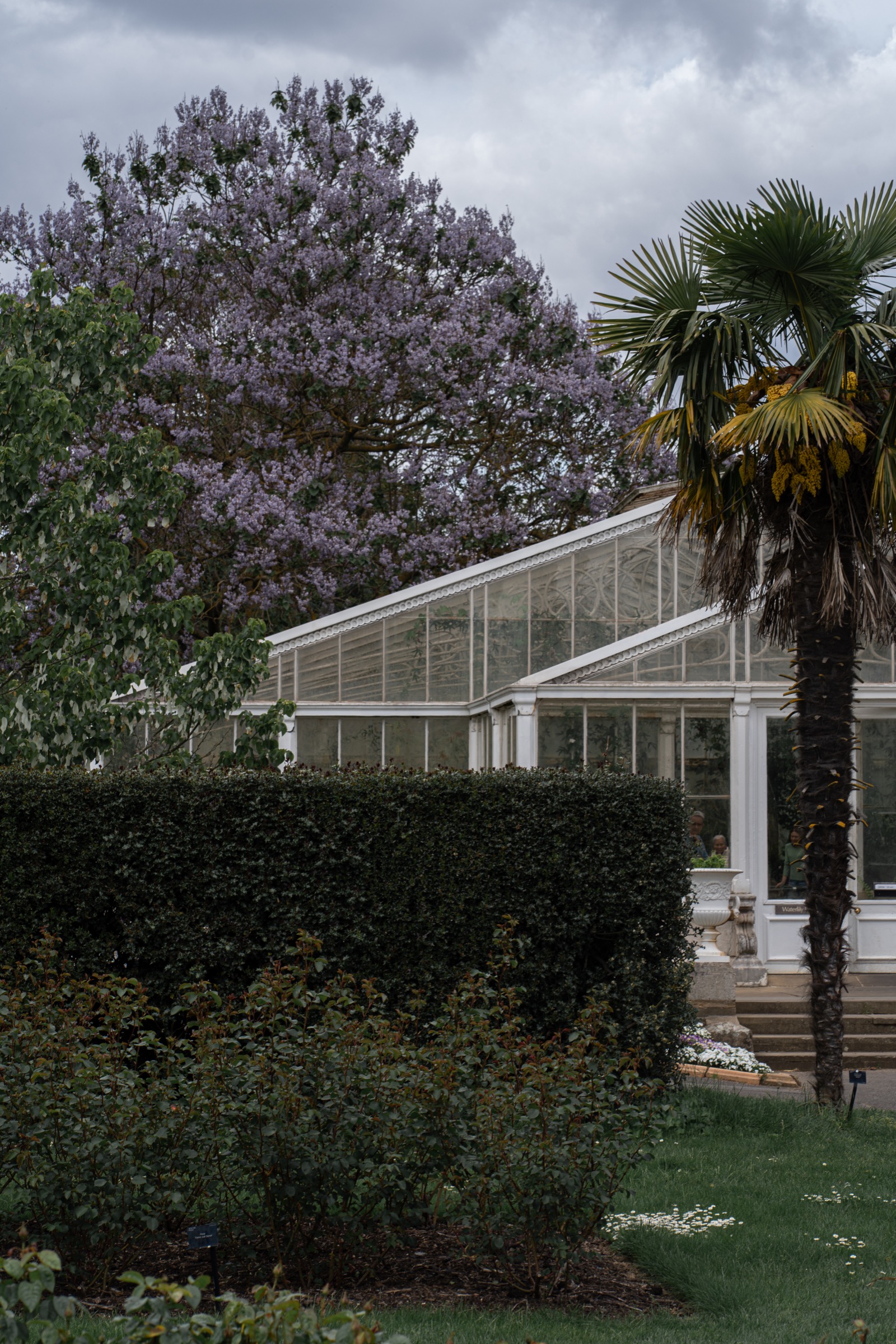
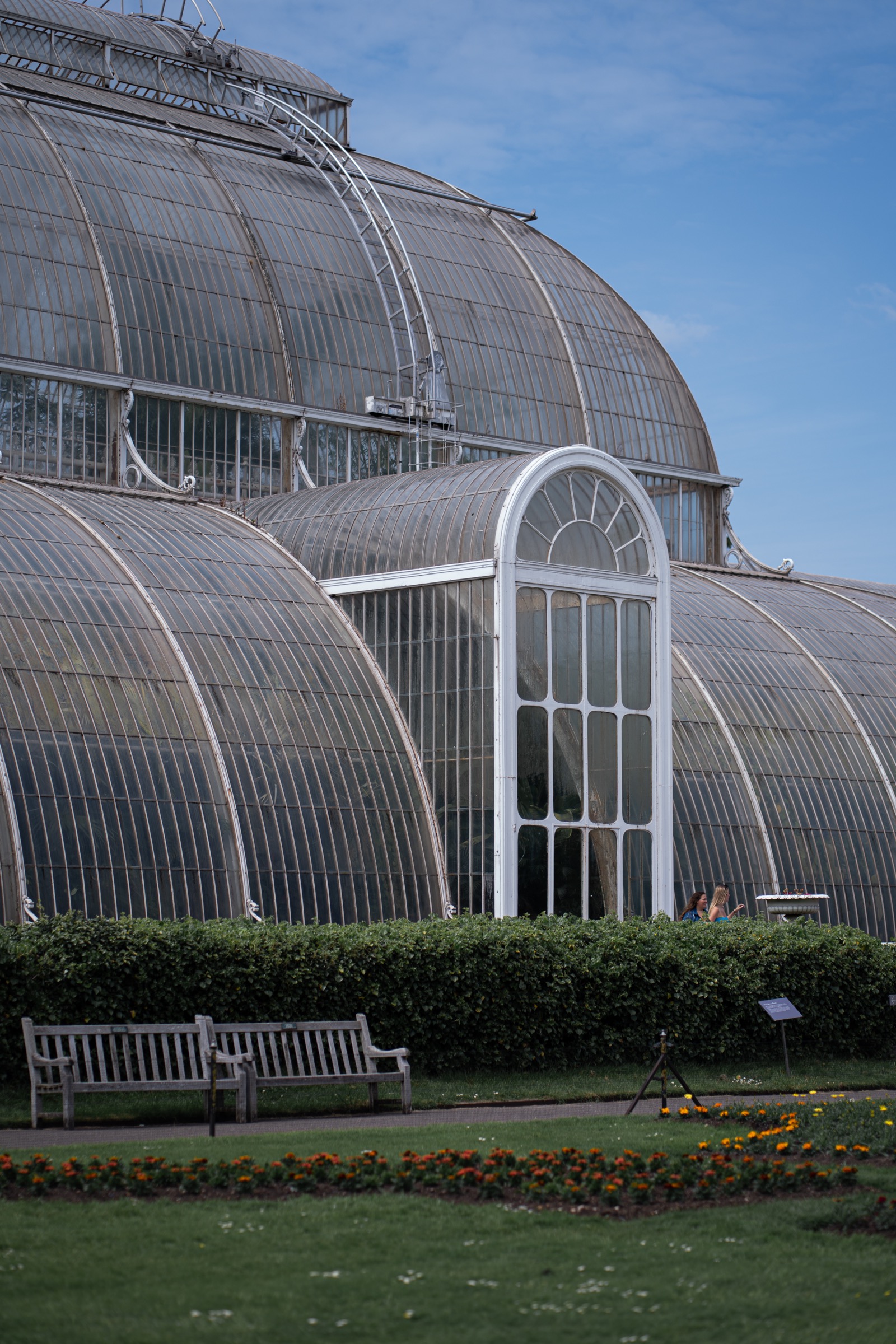
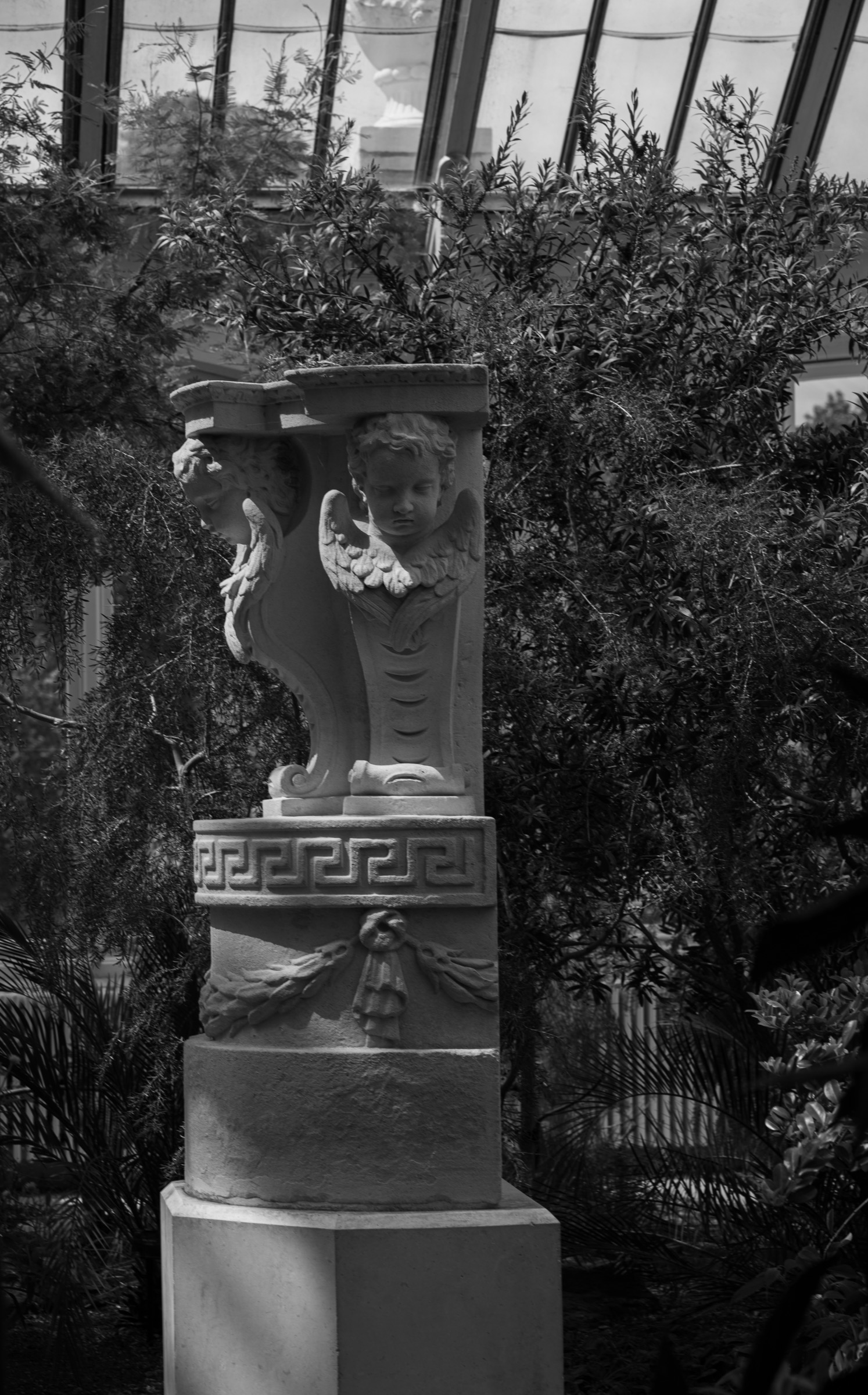
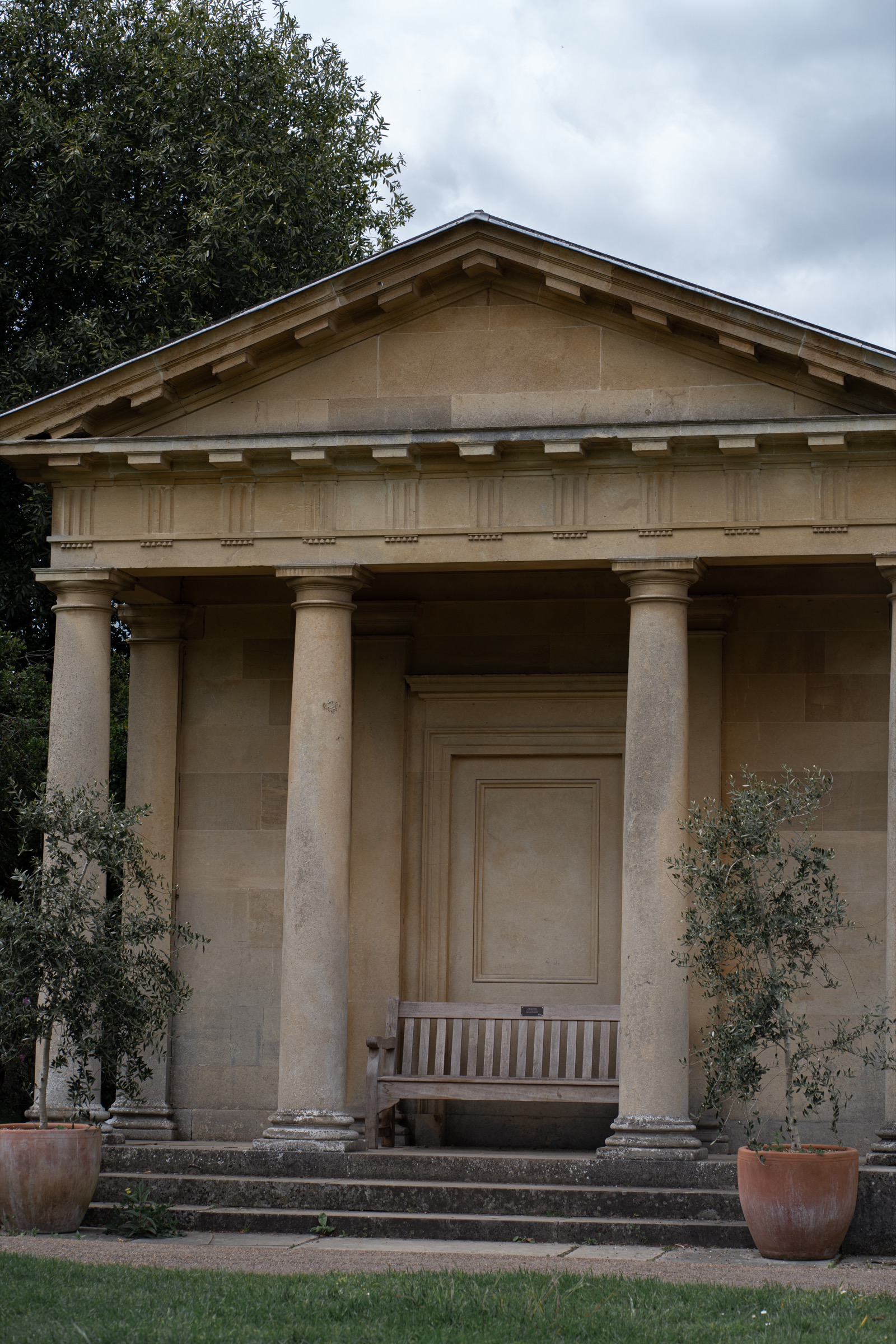
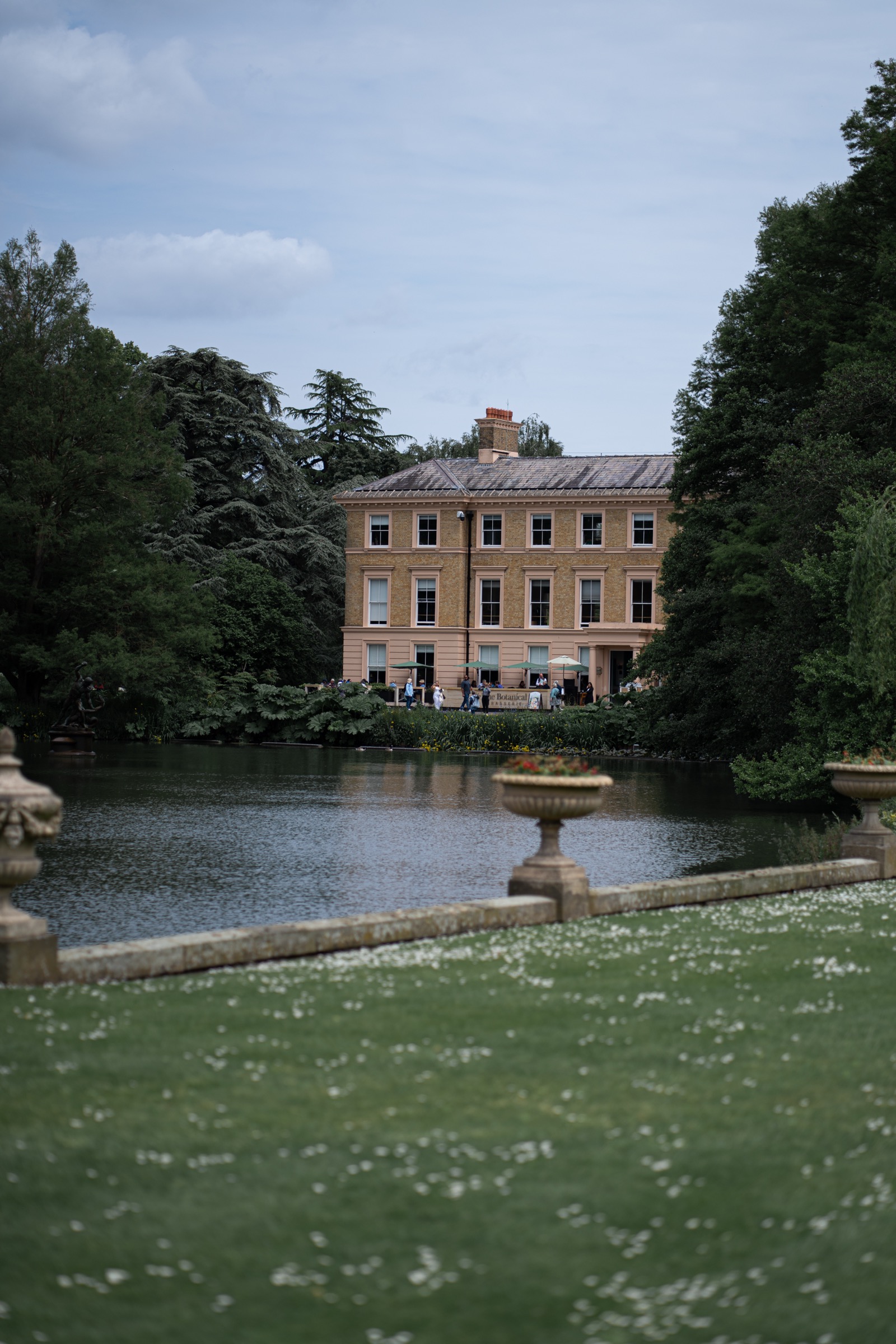
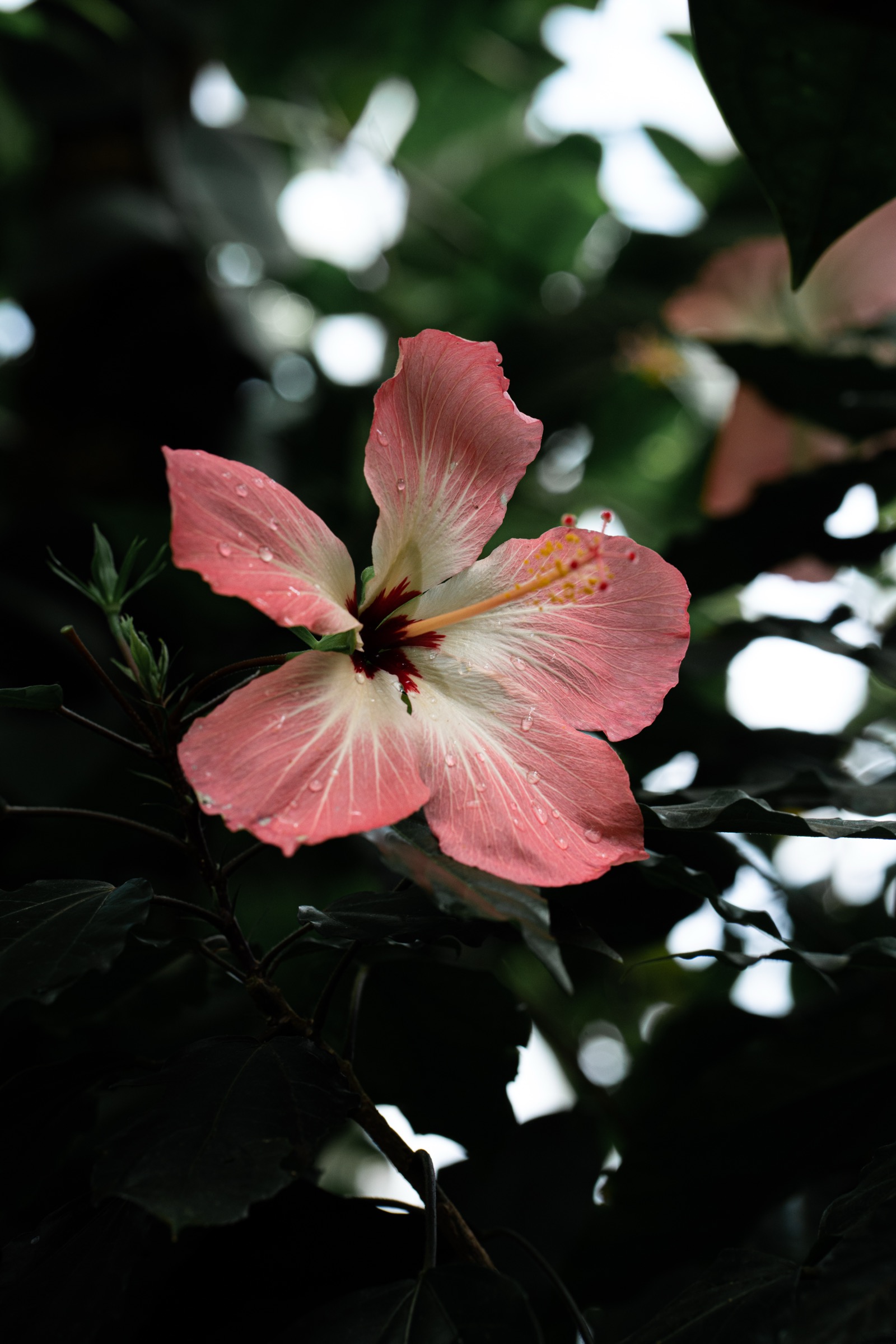
The Royal Botanic Gardens at Kew hold the world's most important glasshouse ensemble, the Palm House and Temperate House above all, Victorian structures where iron and glass were first made to hold climates. The study concerns that holding: buildings whose function is weather, maintaining equatorial and temperate atmospheres in south-west London since the 1840s.
The photographs work both readings of the glasshouses, as architecture, ribs and panes composing light into structure, and as archive, the collections inside existing in managed exile from their latitudes. Condensation, filtered sun and painted iron give the interiors a light found nowhere else in Britain, and the study treats that light as the buildings' true collection.
In the archive Kew connects the garden studies to the climate thread that runs through Singapore and the Gulf's conditioned interiors, the long human project of curating weather, and its frames carry the Journal's essays on seasons and on light that cannot be specified. Within the London material it is the counterweight to retail's staged rooms: glass architecture in the service of patience rather than desire.