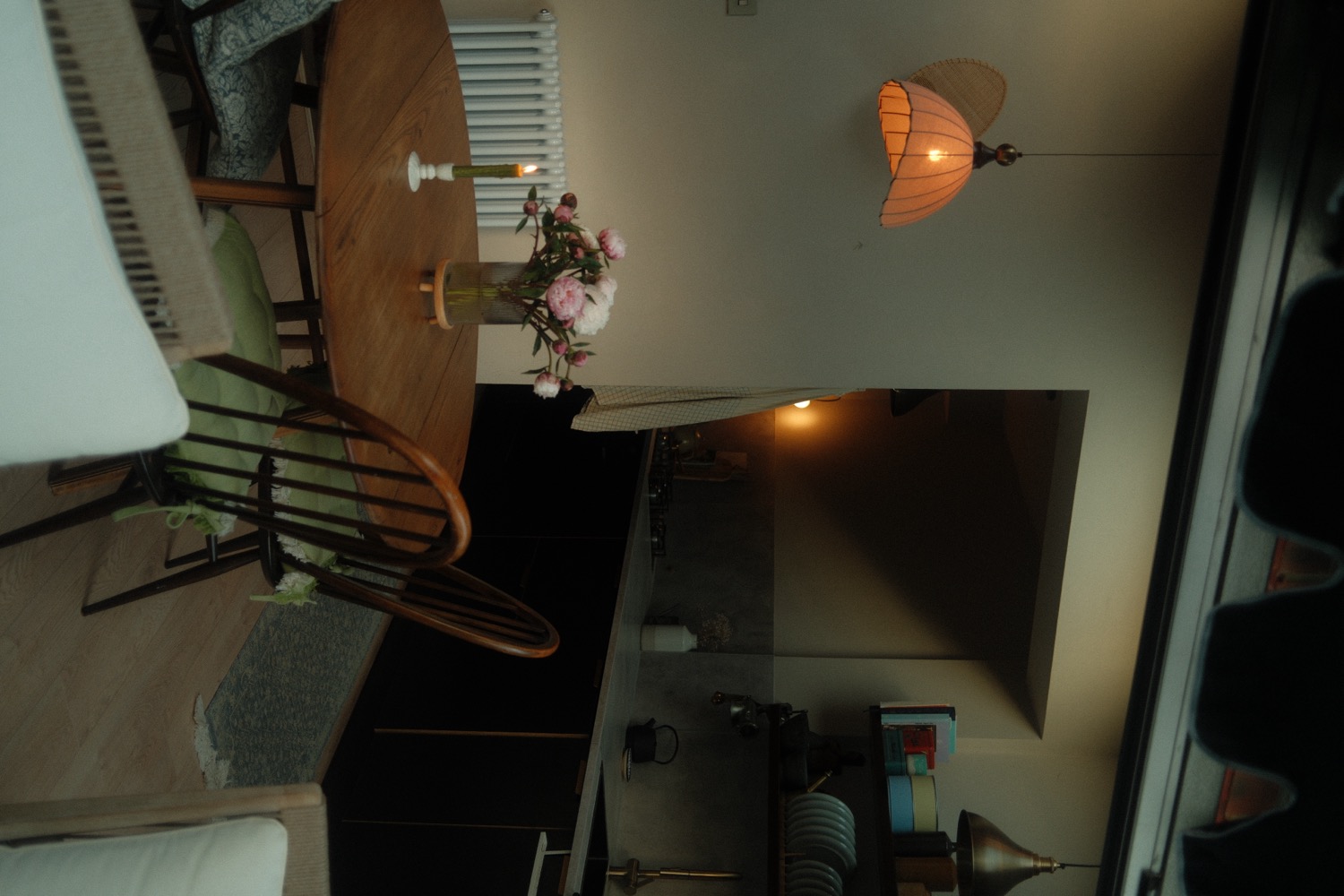
The European studies keep returning to the same subject wearing different cities: old material in late light. Lisbon and Porto at either end of Portugal, Madrid and Paris in their afternoons, the north of Italy in its evenings, Copenhagen in the rhythm of an ordinary day.
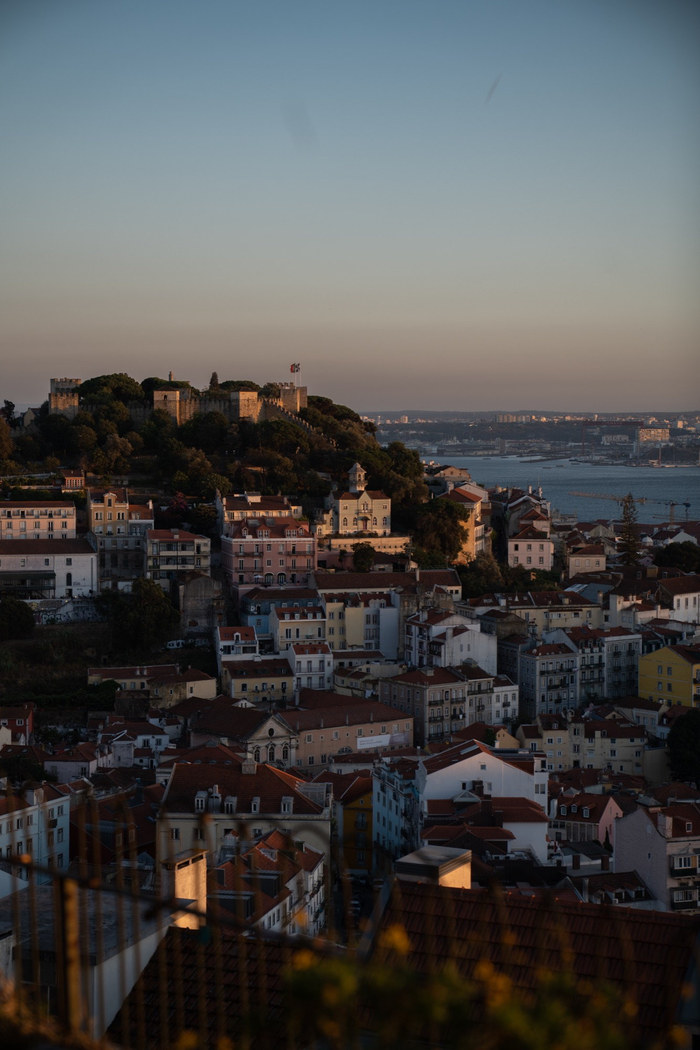
Lisbon
Stone and Tide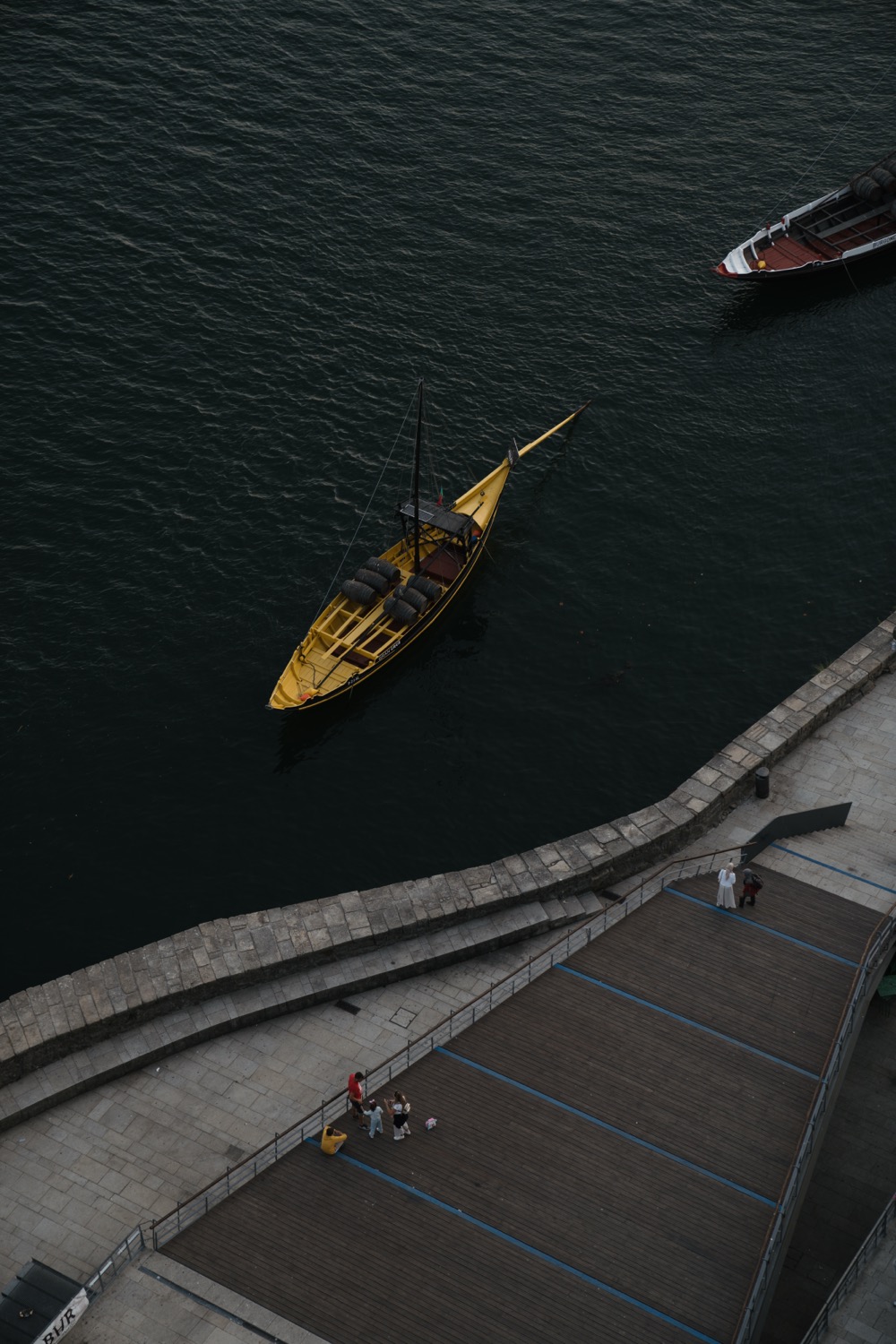
Porto, after the river
Porto, Portugal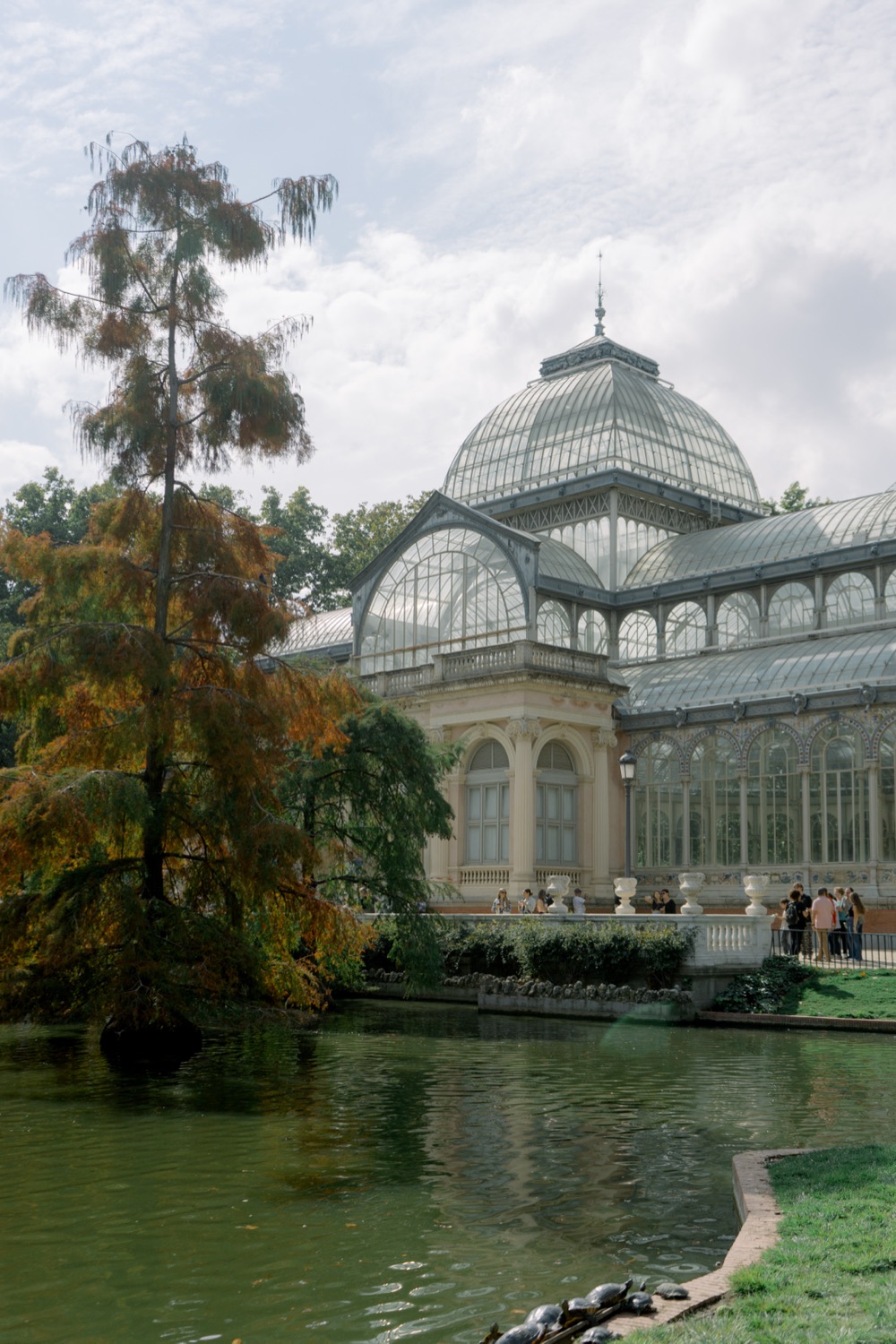
Madrid, held in light
Madrid, Spain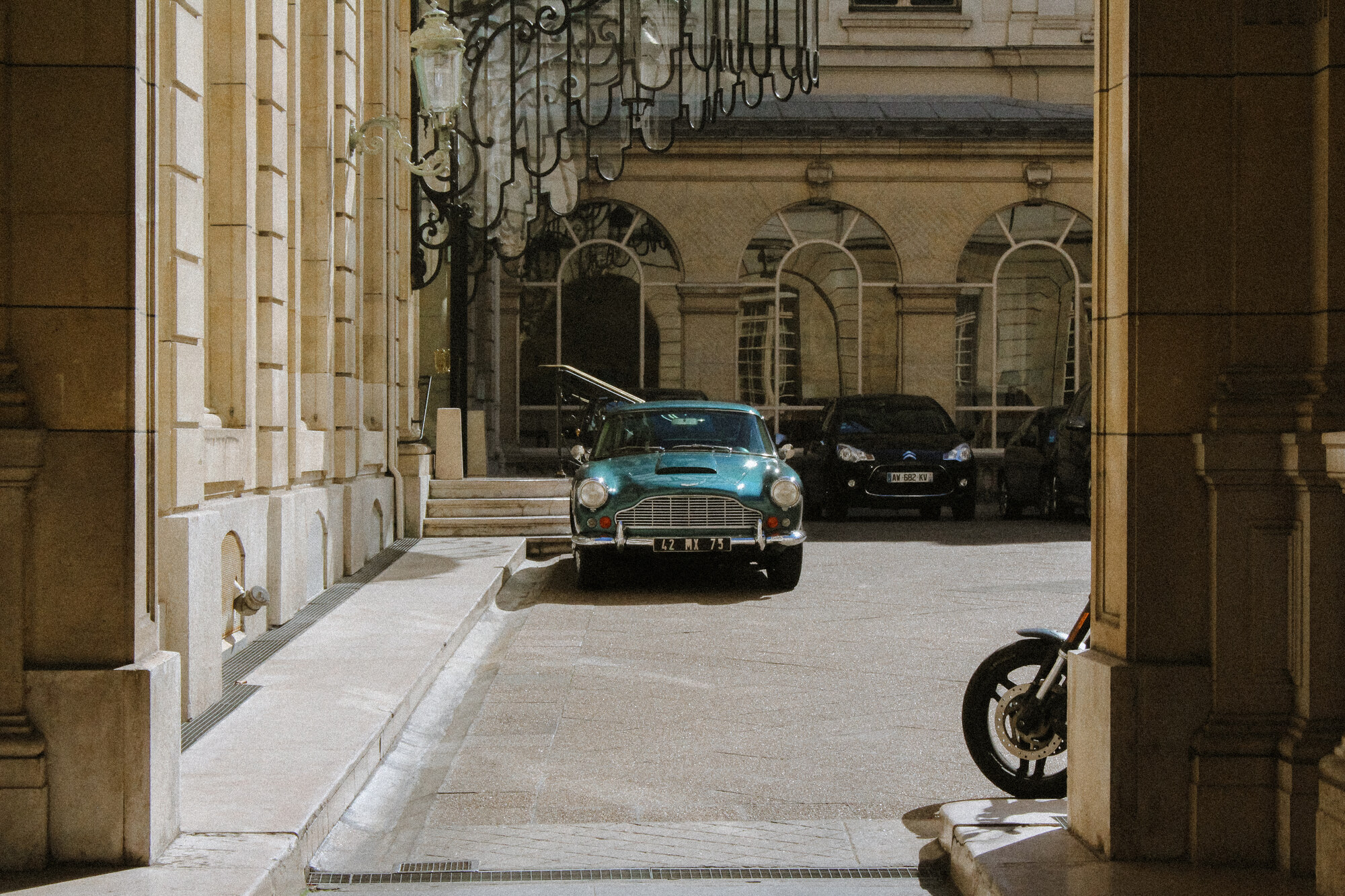
Paris
Permanence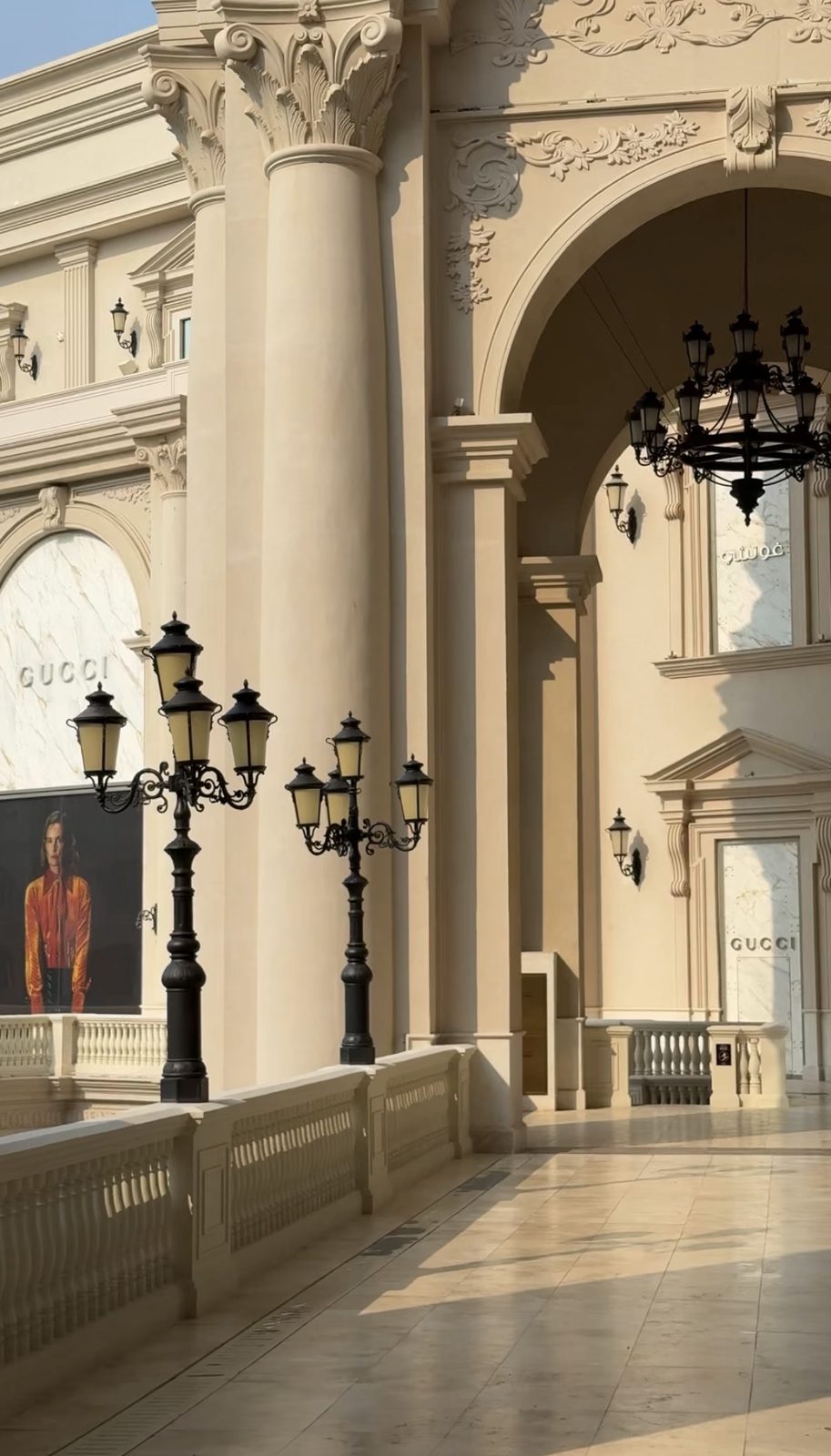
Place Vendôme, Doha
A theatre of luxury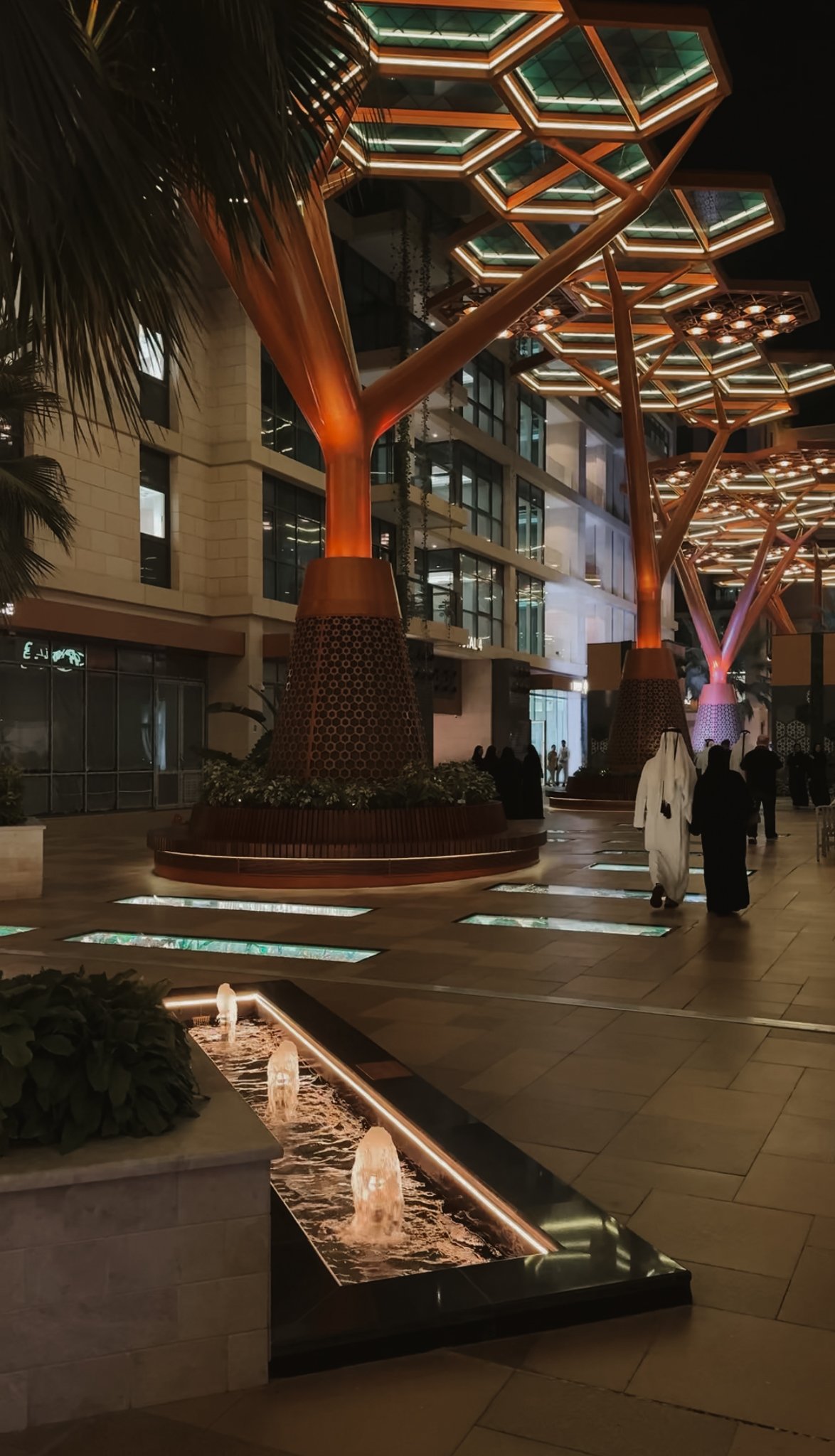
Gewan Island
Doha, Qatar / The island after dark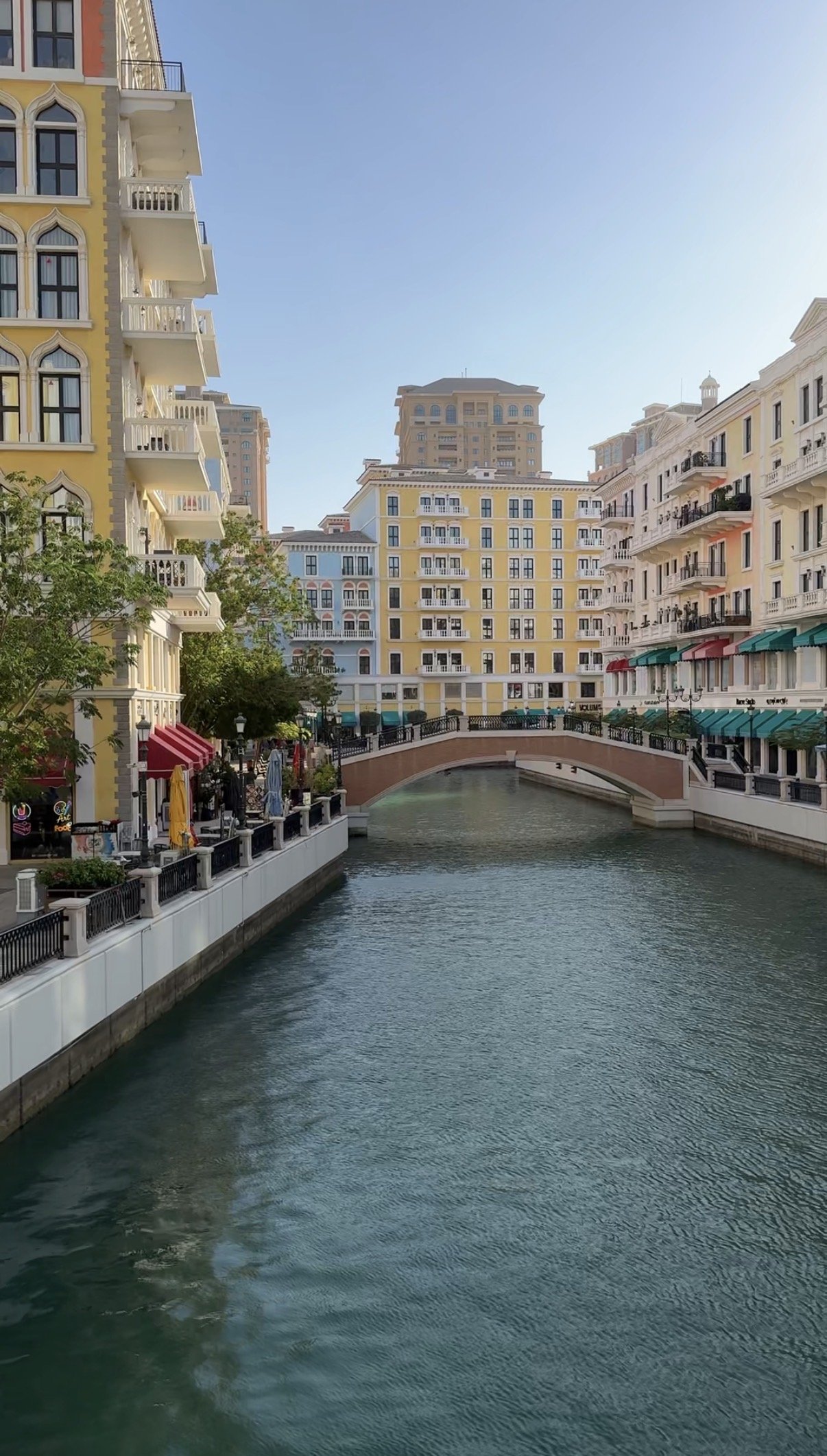
Qanat Quartier
The Pearl, Doha / A borrowed Venice in Gulf light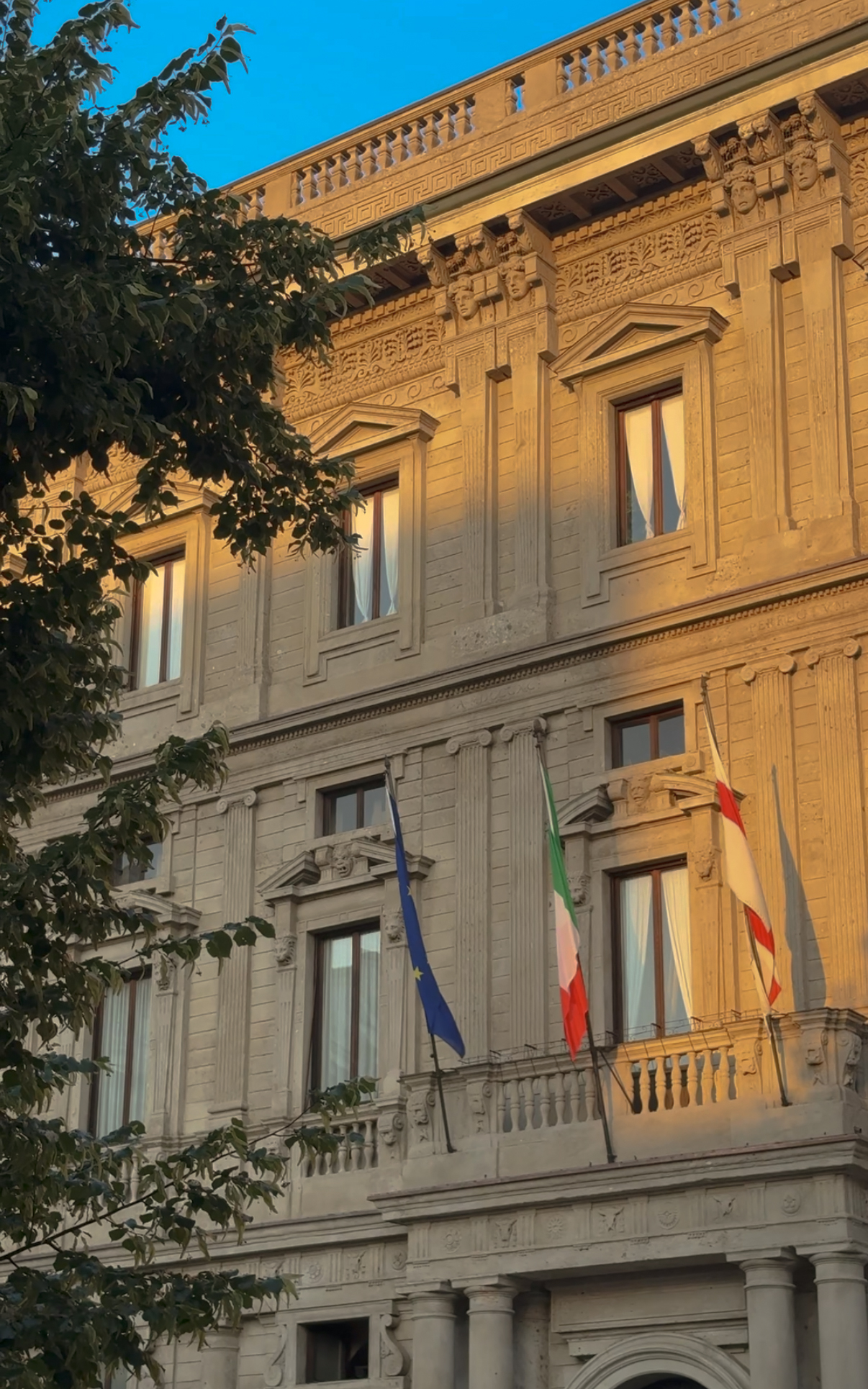
Milan
Milan, Italy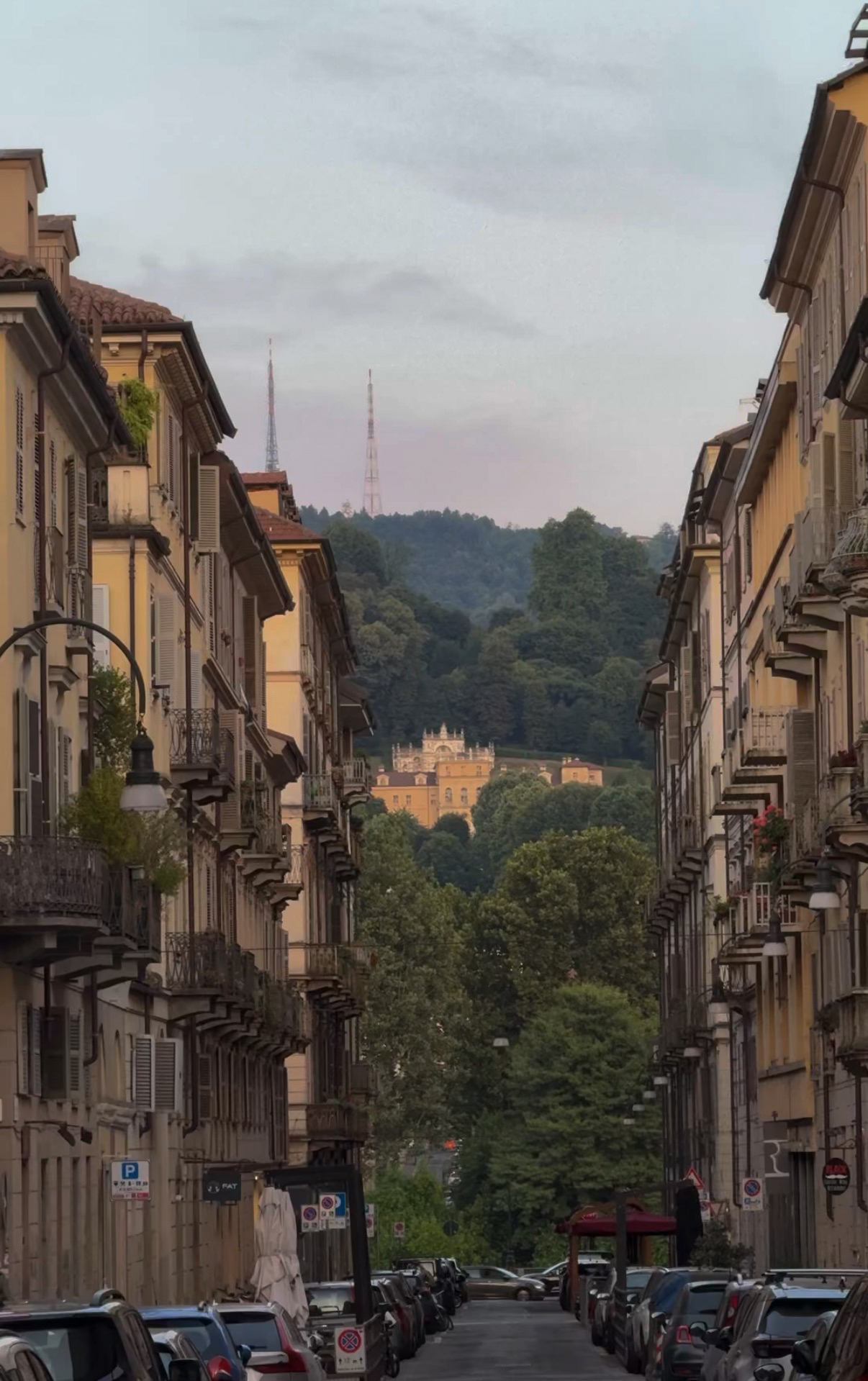
Turin
Turin, Italy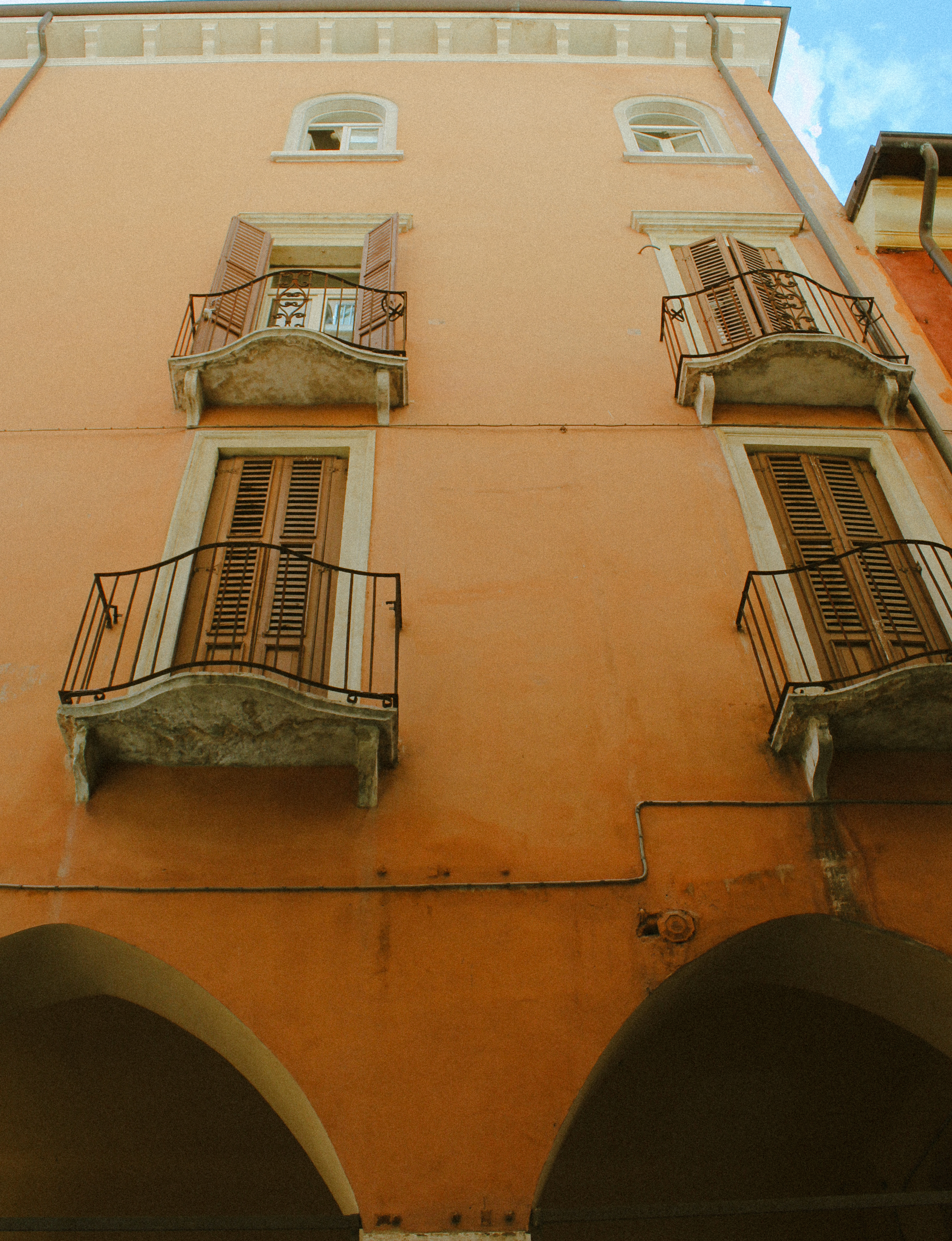
Italia, after the heat
Facades, water and evening distance
After the Image
Europe / A study of looking again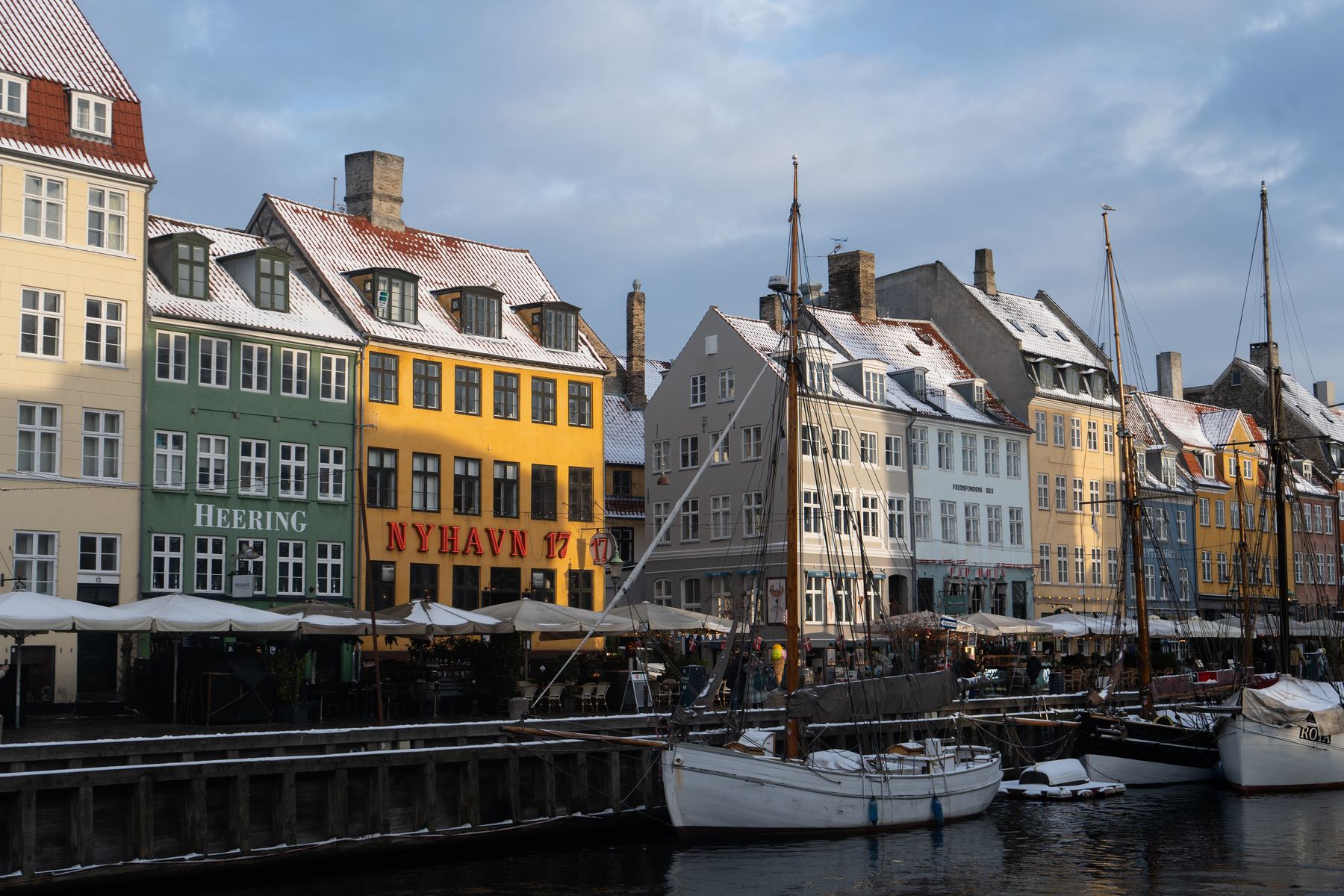
Copenhagen
The rhythm of an ordinary dayFour studies from one country: Tangier at street level and in conversation, a Marrakech palace where the ritual of coffee was placed inside something already beautiful, and the Marrakech medina itself, on film, at the pace of a working day.
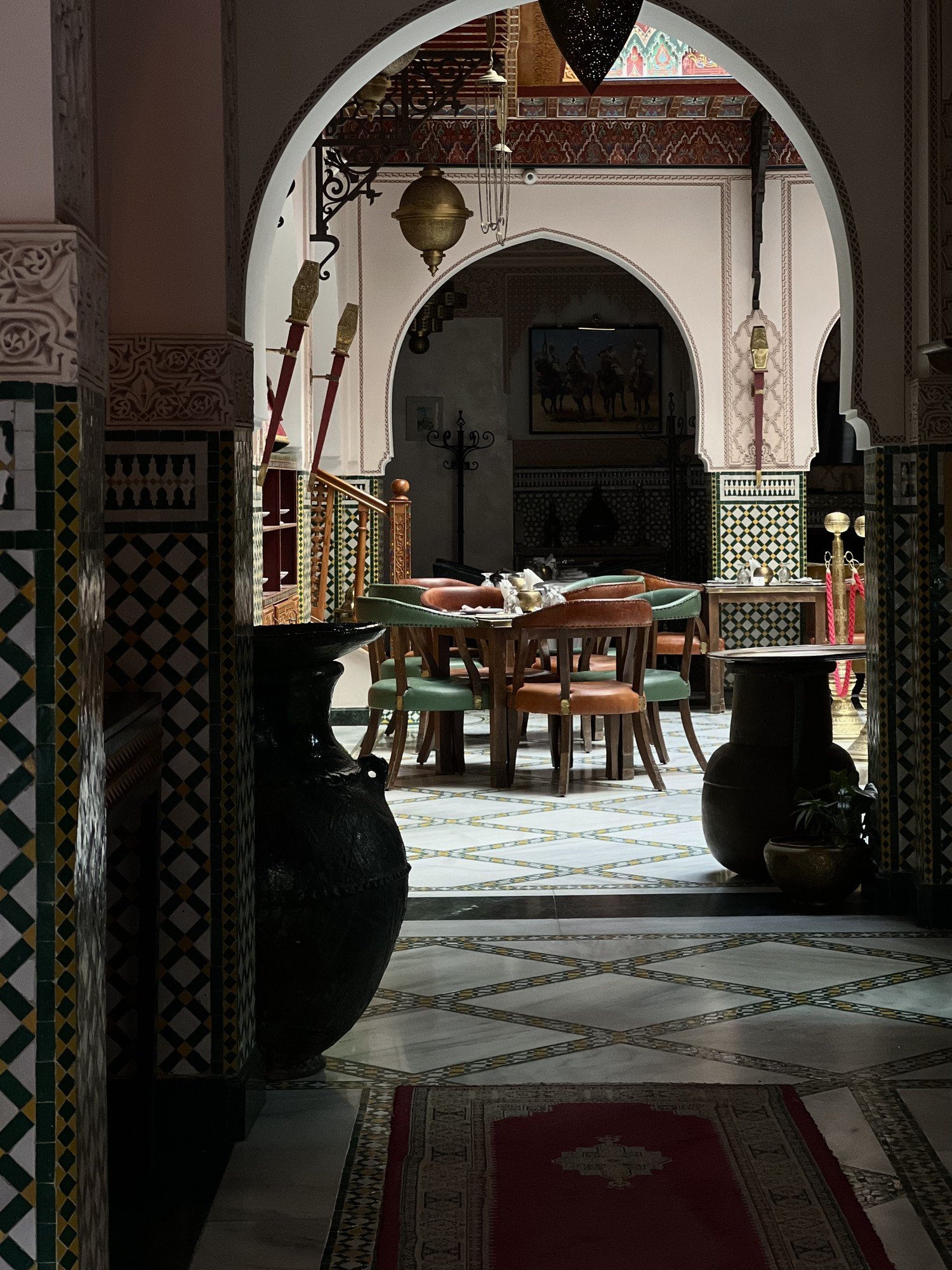
Tangier
In conversation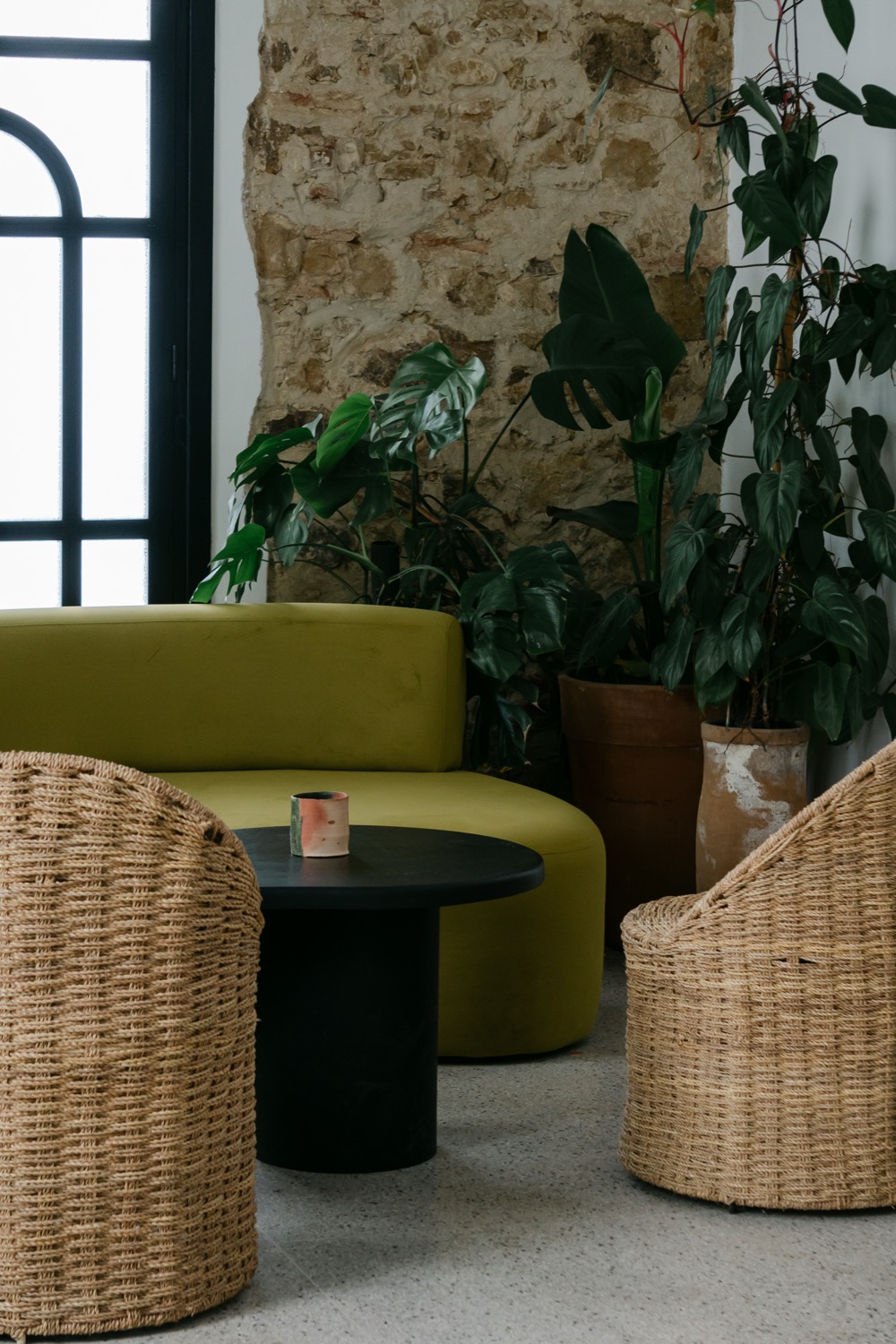
The inside of a place
Tangier, Morocco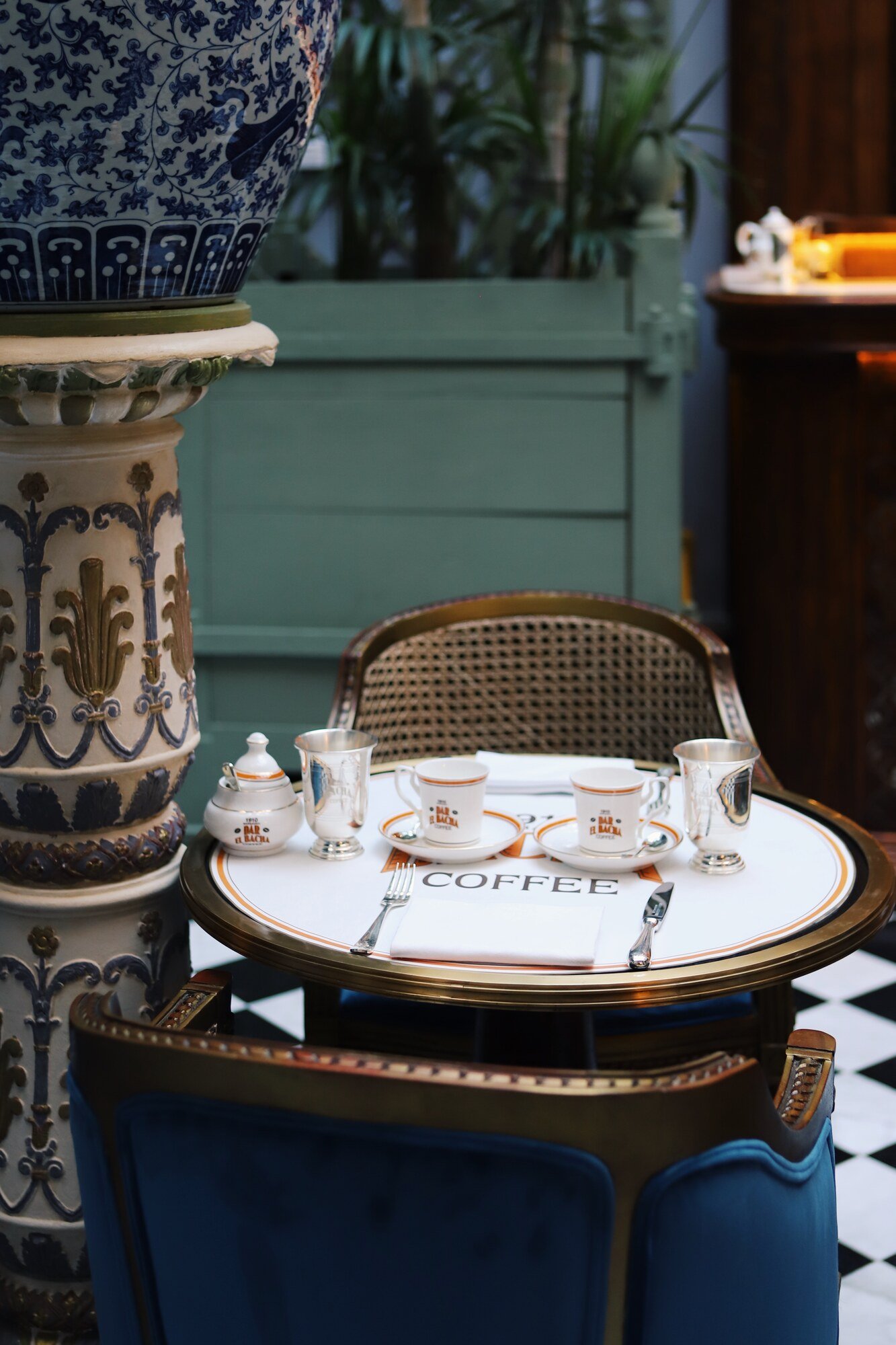
Dar El Bacha
A slower inheritance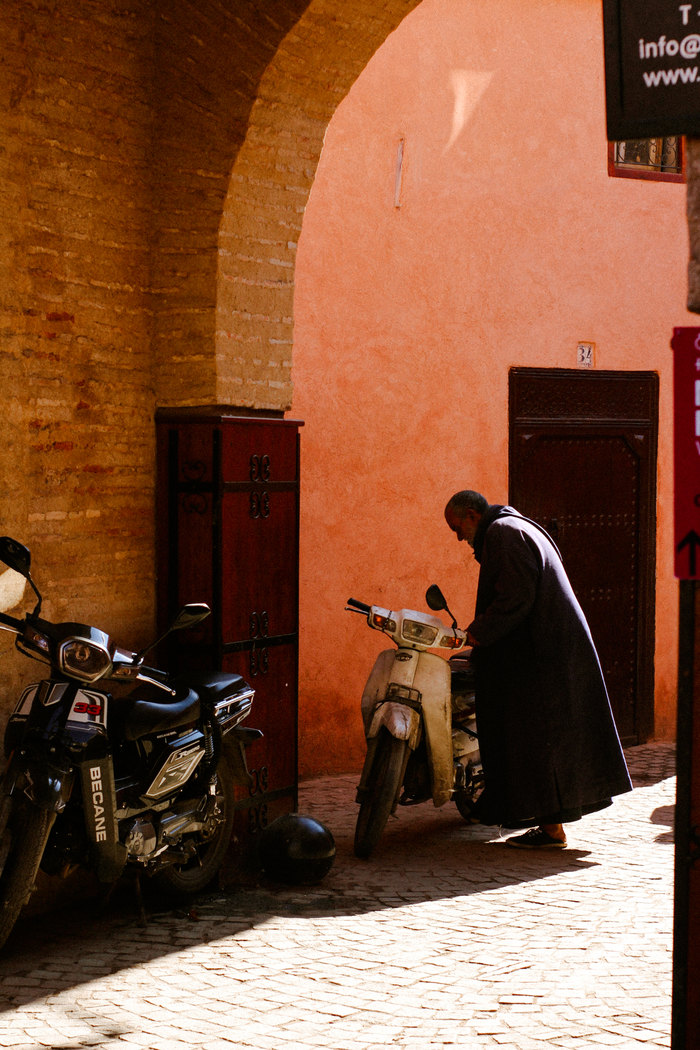
Marrakech, on film
The red city, in colourCities that built themselves at speed and are now learning to hold still. Doha after midnight, the old port painted in colour, a mosque of geometry and light, and Dubai’s vertical afternoons.
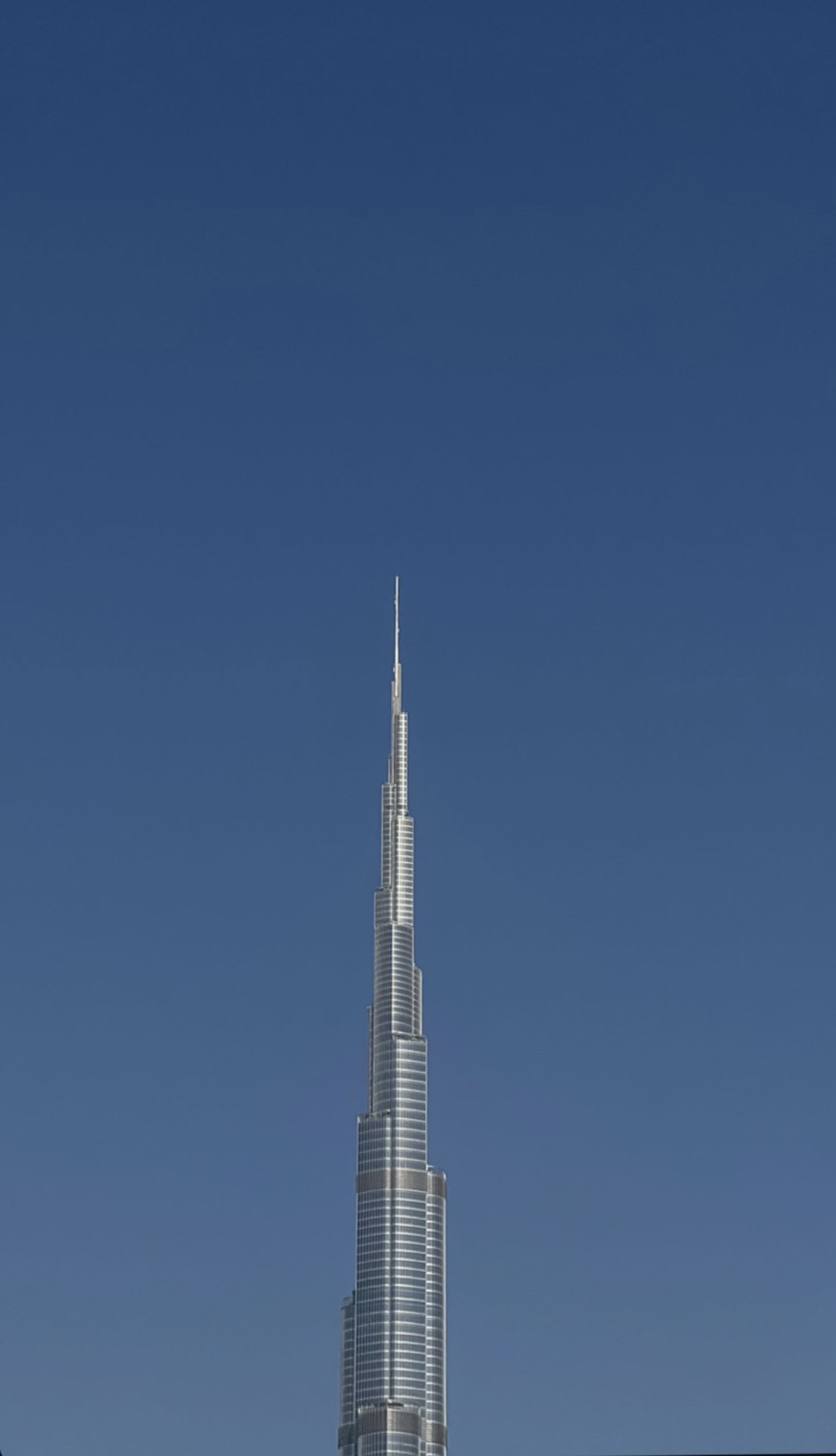
Dubai
Vertical light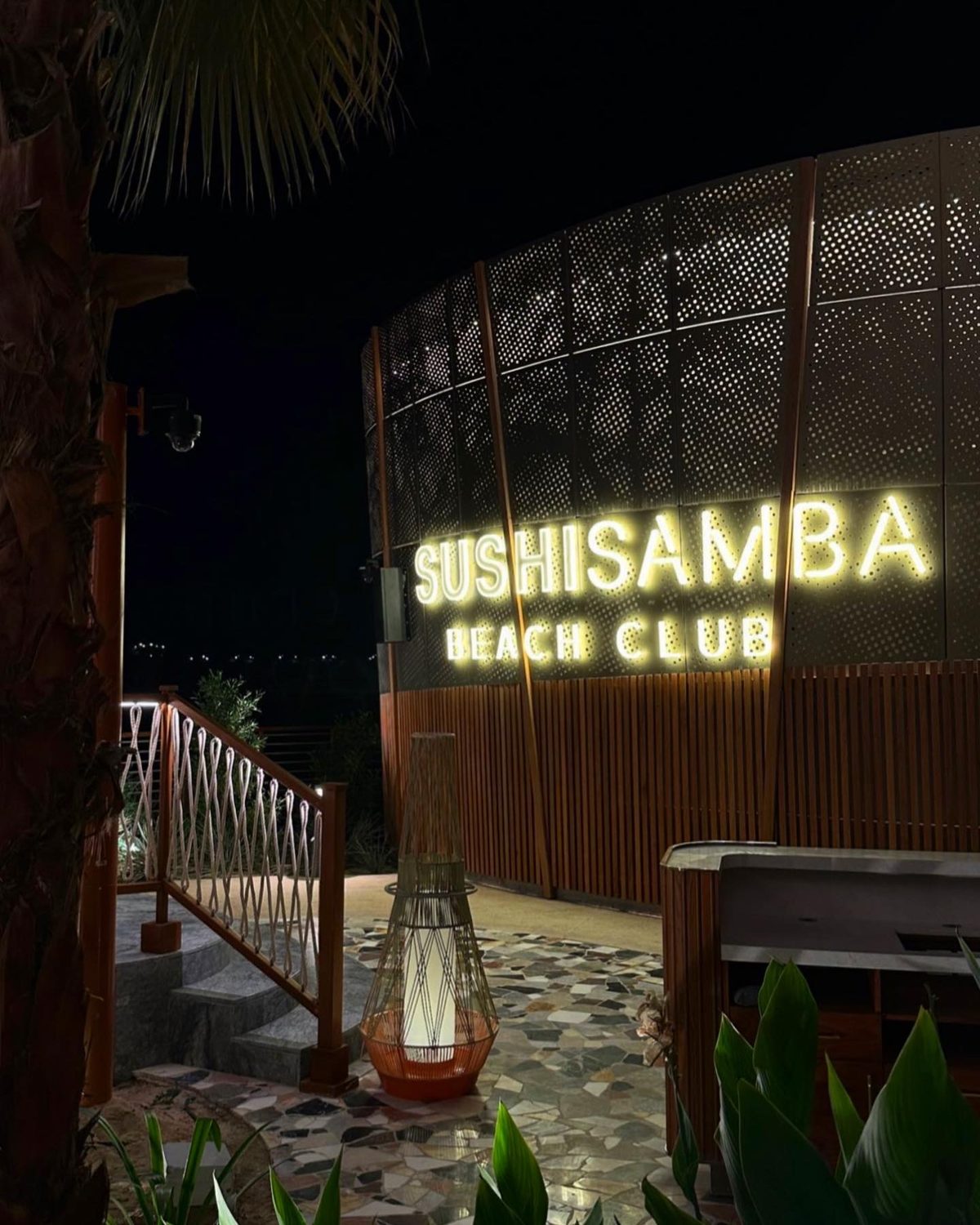
Doha at Night
The city after midnight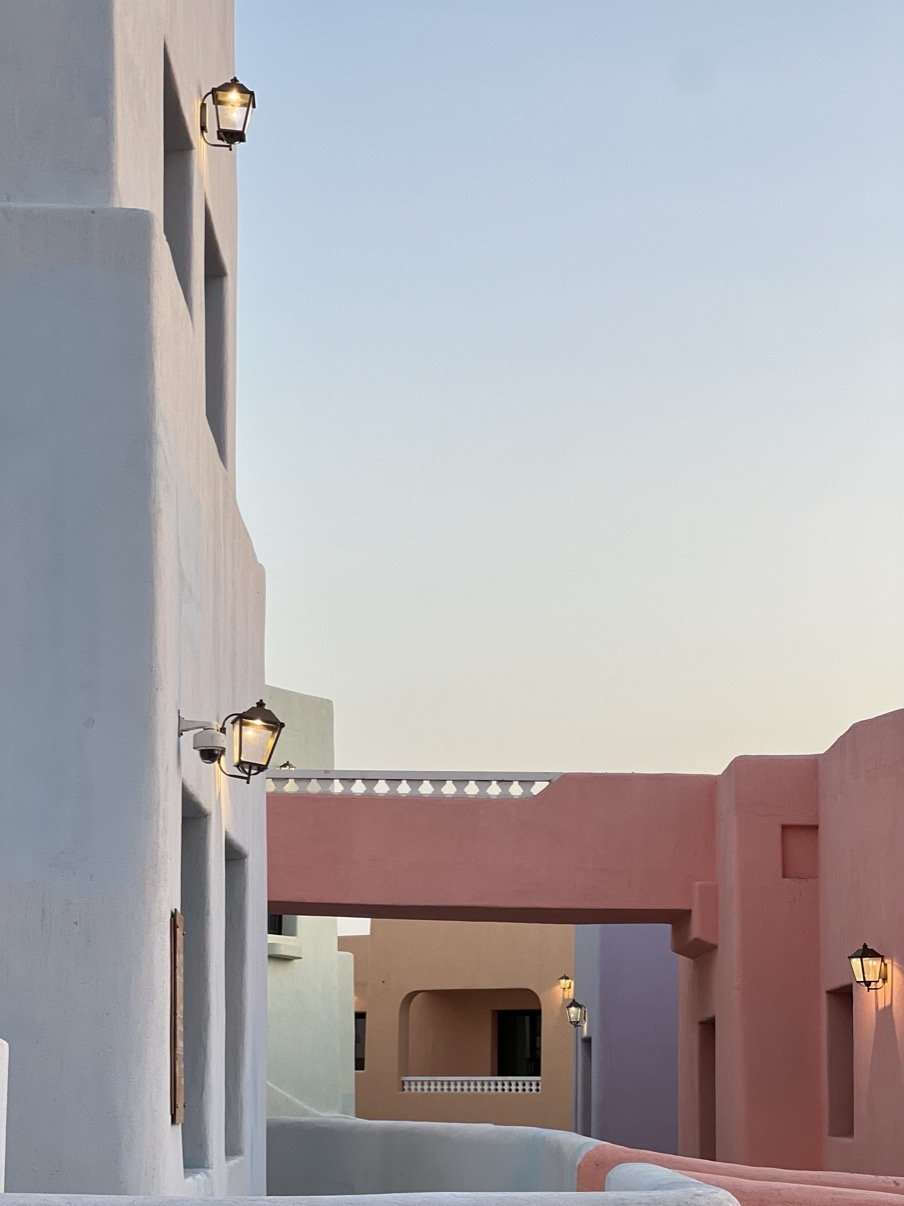
Mina District
Colour as atmosphere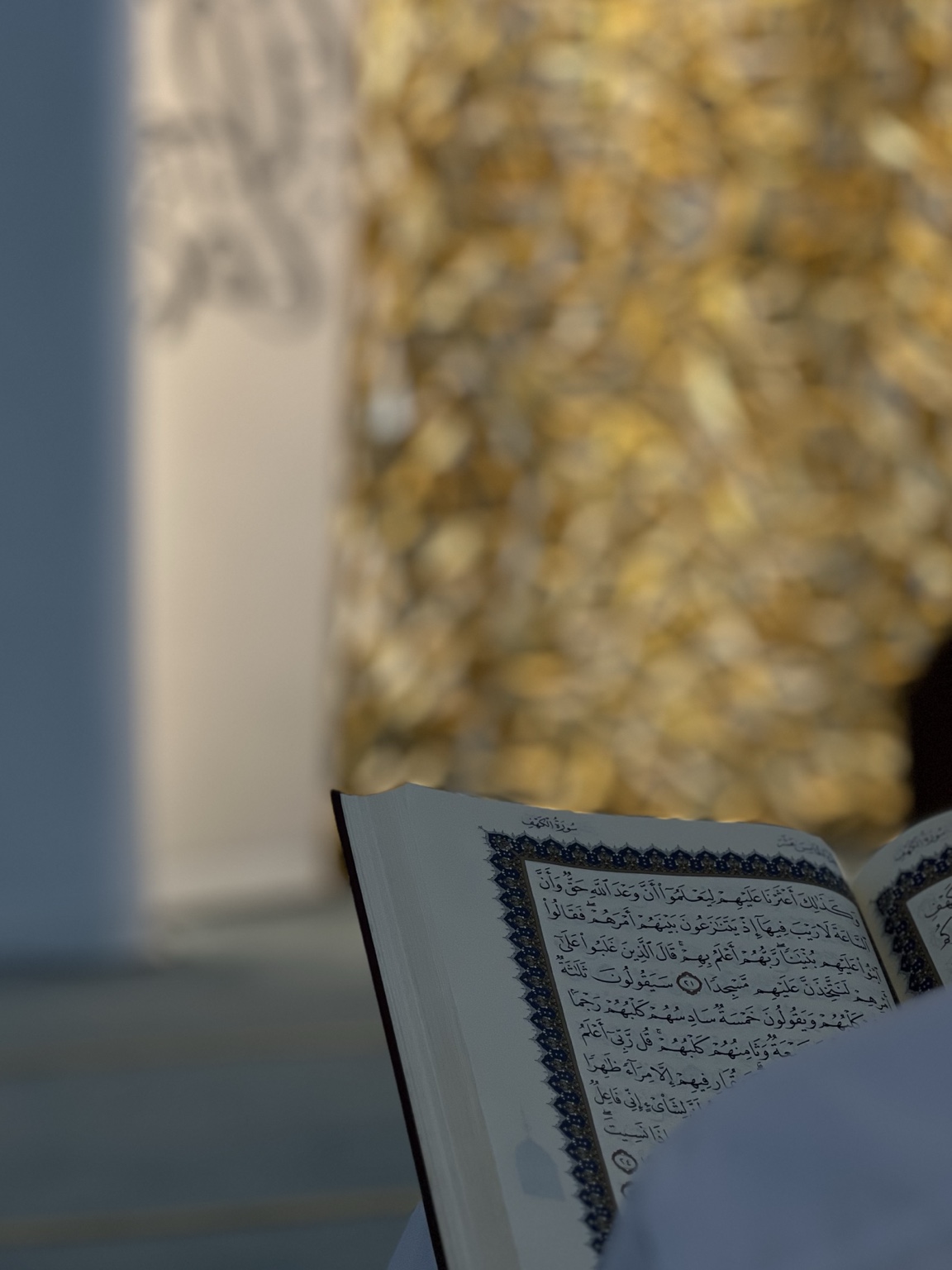
Education City
Education City, DohaMakkah and Madinah are unlike anything else in this archive: cities that are not visited but received. These two studies became Nearness, the studio’s first Pilgrimage volume.
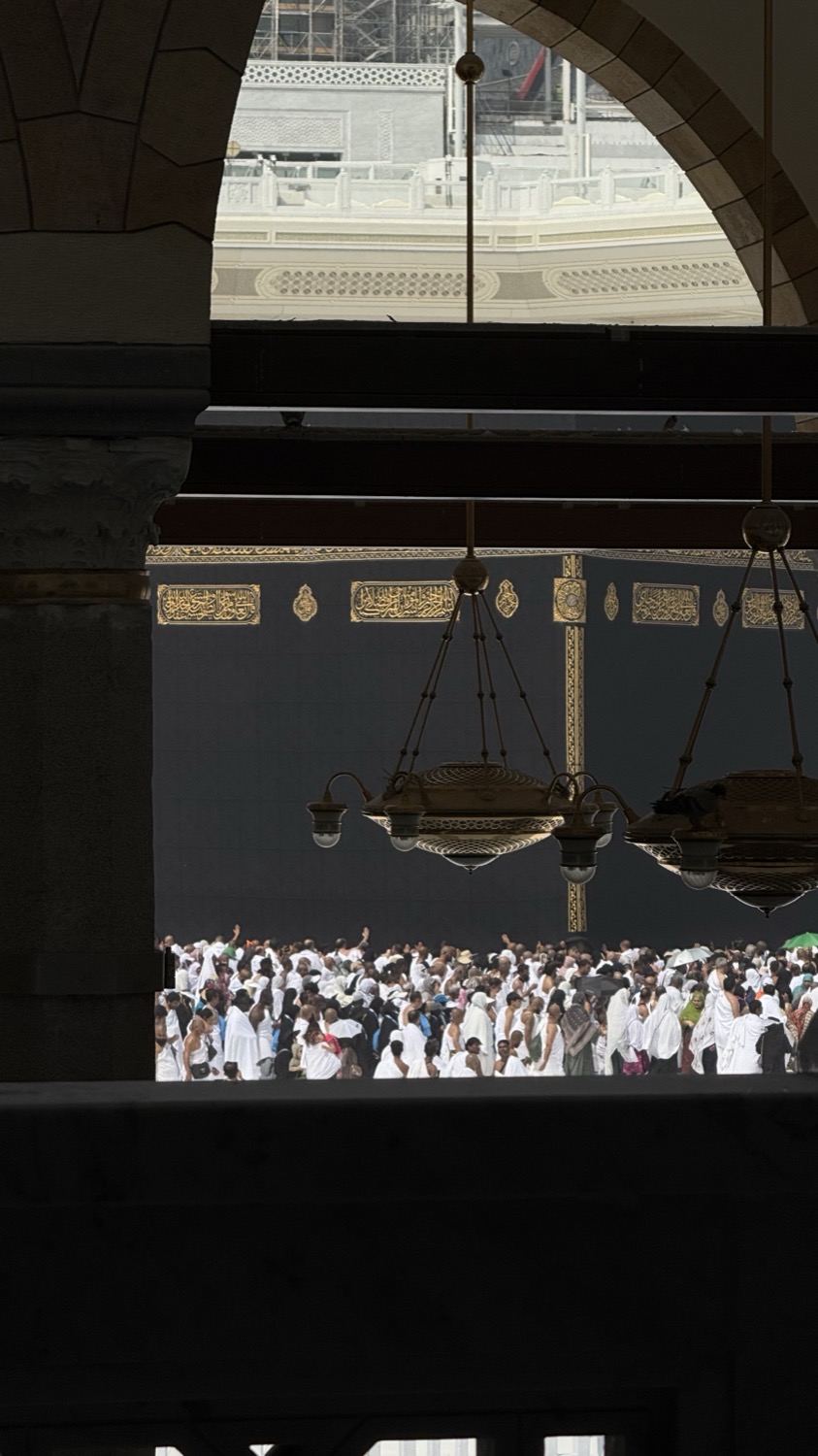
Makkah al-Mukarramah
Gravity and nearness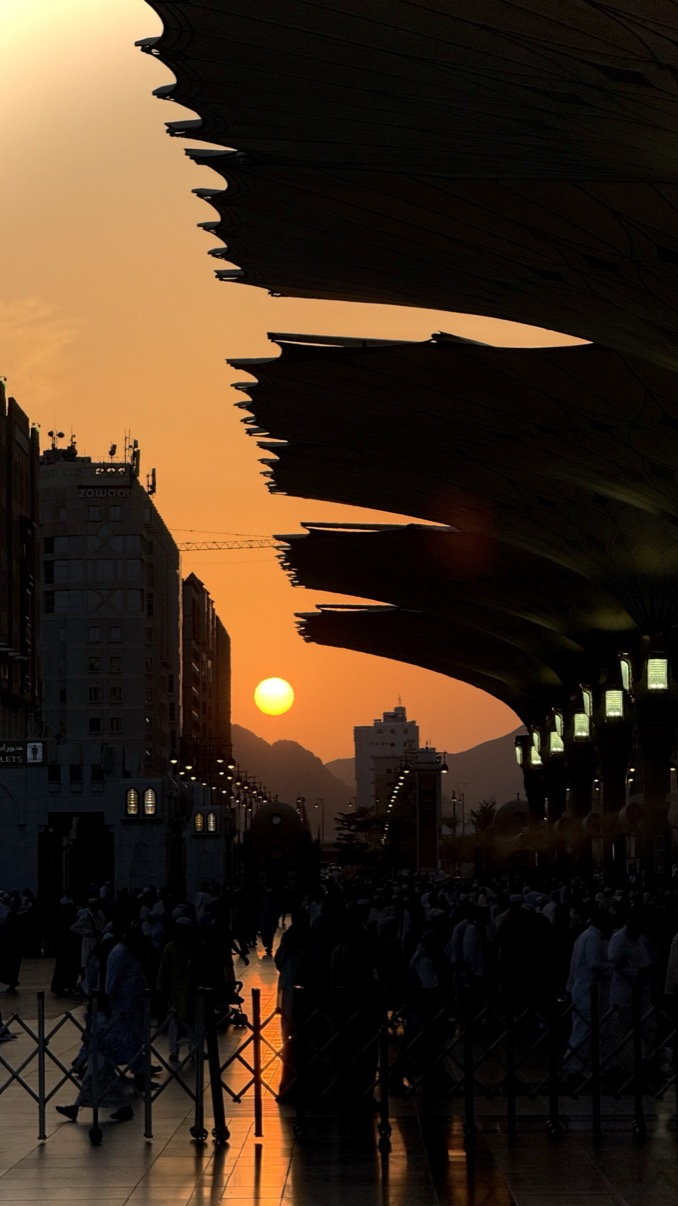
Madinah al-Munawwarah
Peace and the green domeThe long-haul studies: Singapore’s permanence, Kuala Lumpur between worlds, Langkawi between forest and sea, and the Mediterranean and Alpine interludes that sit between flights.
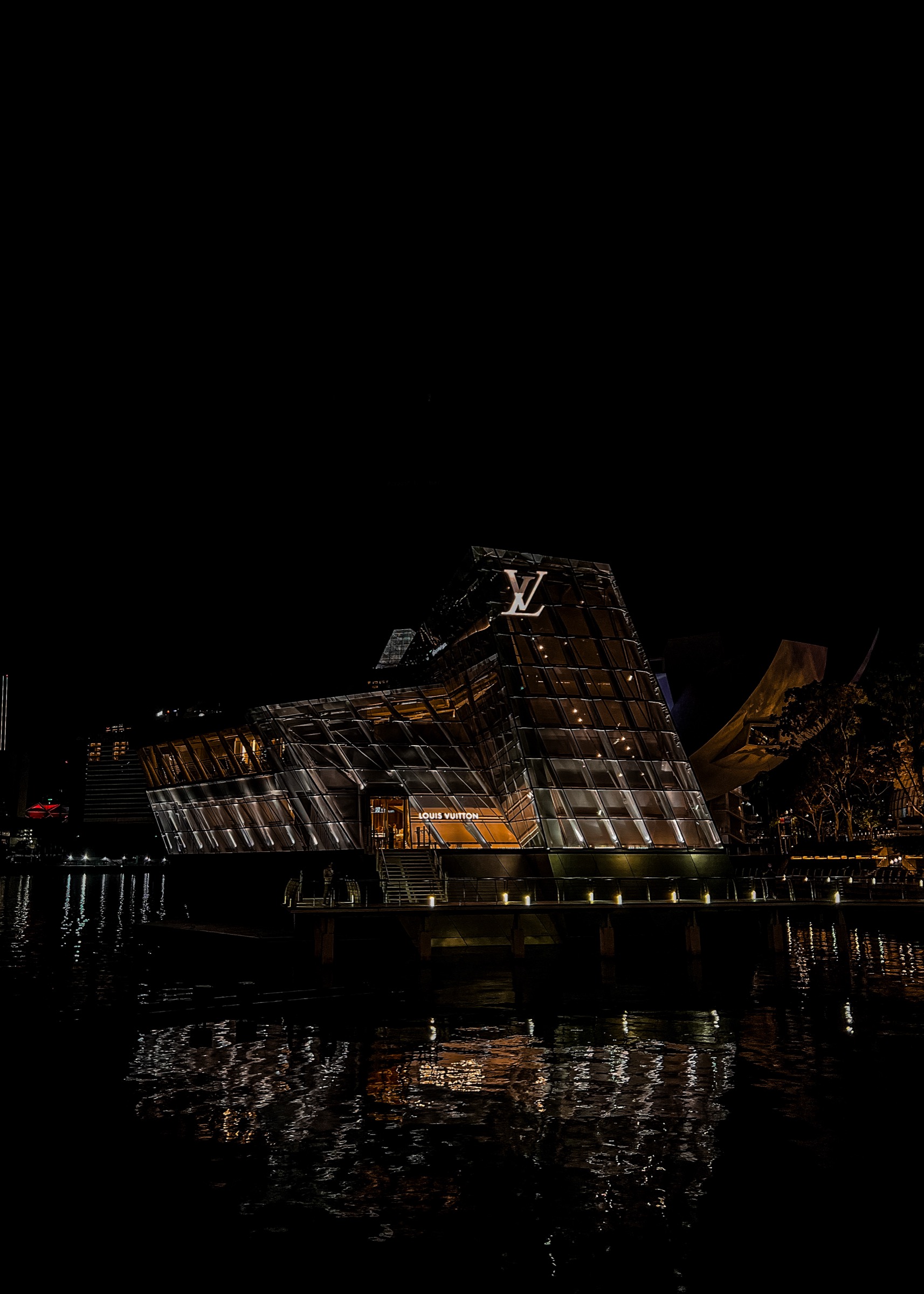
Singapore
Glass, gardens and the city after dark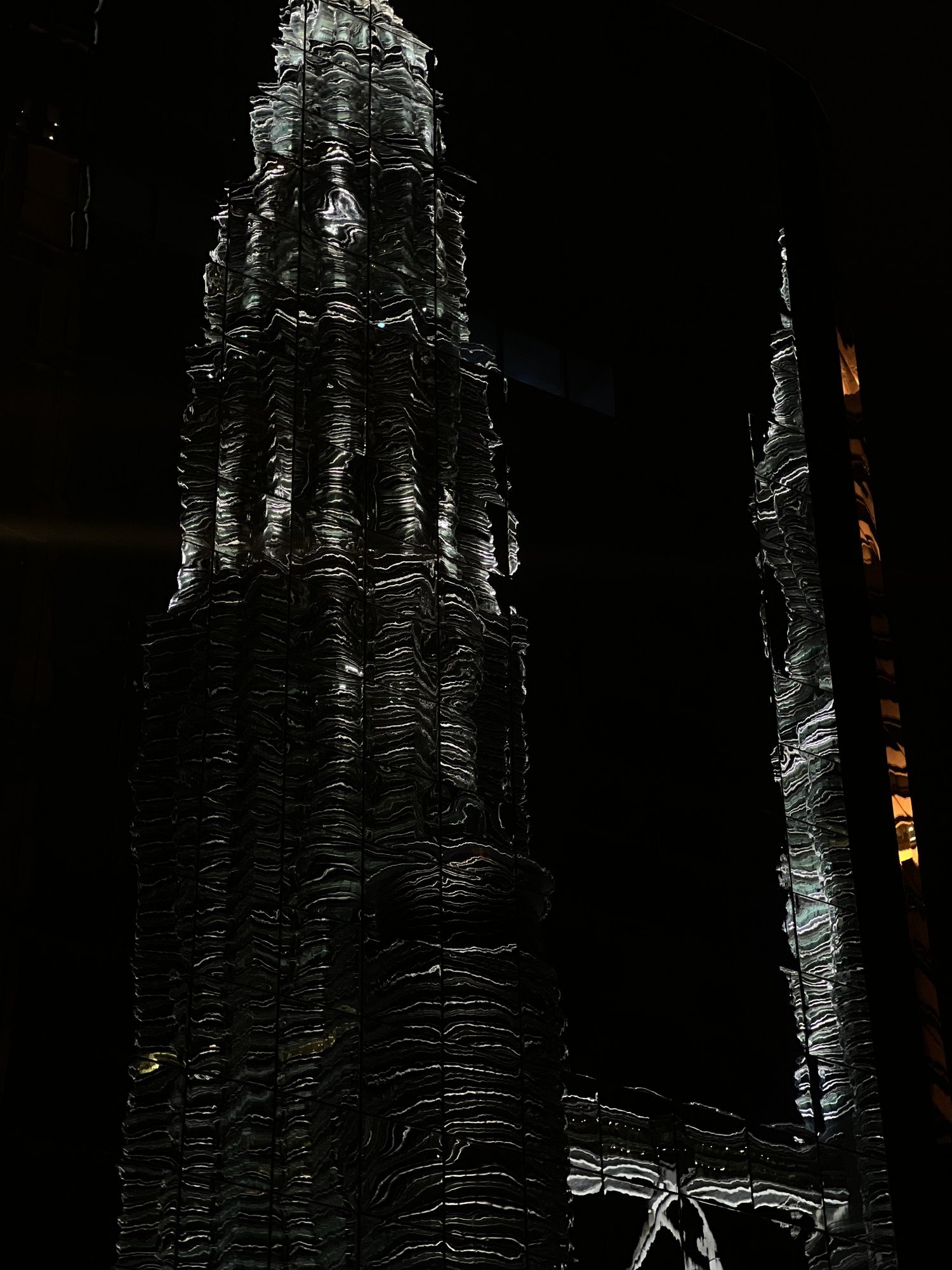
Kuala Lumpur
Between worlds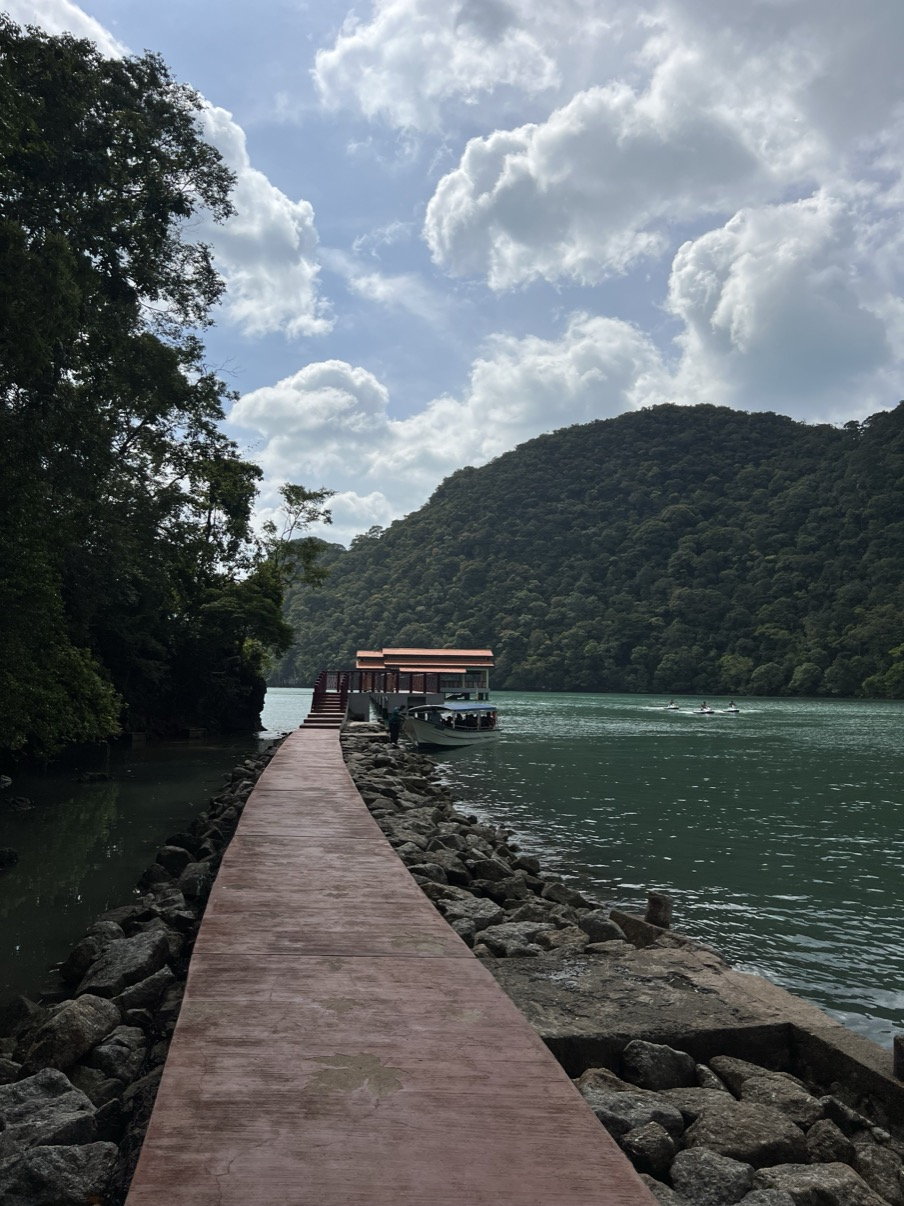
Langkawi
Between forest and sea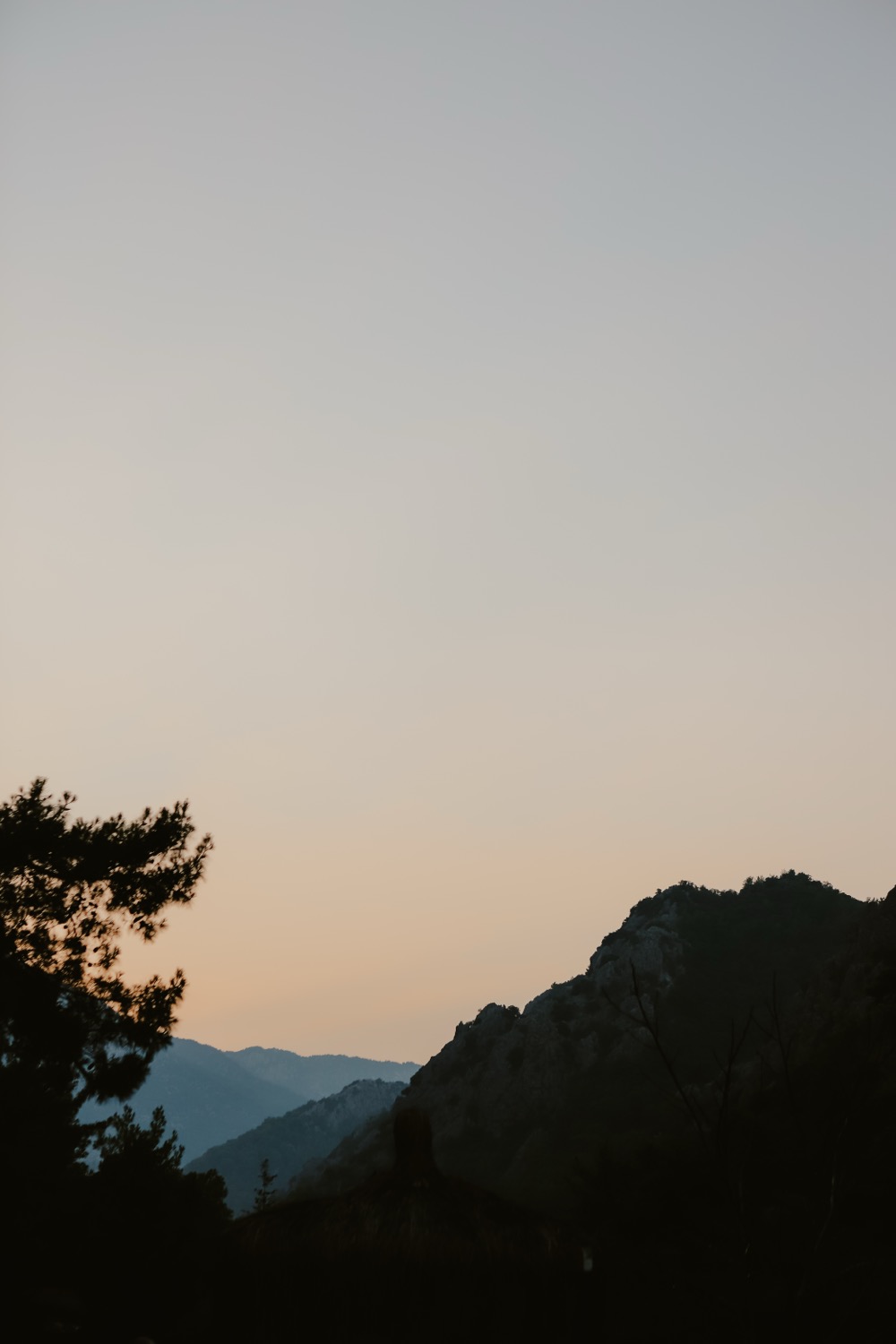
The mountains arrive at the sea
Çıralı, Turkey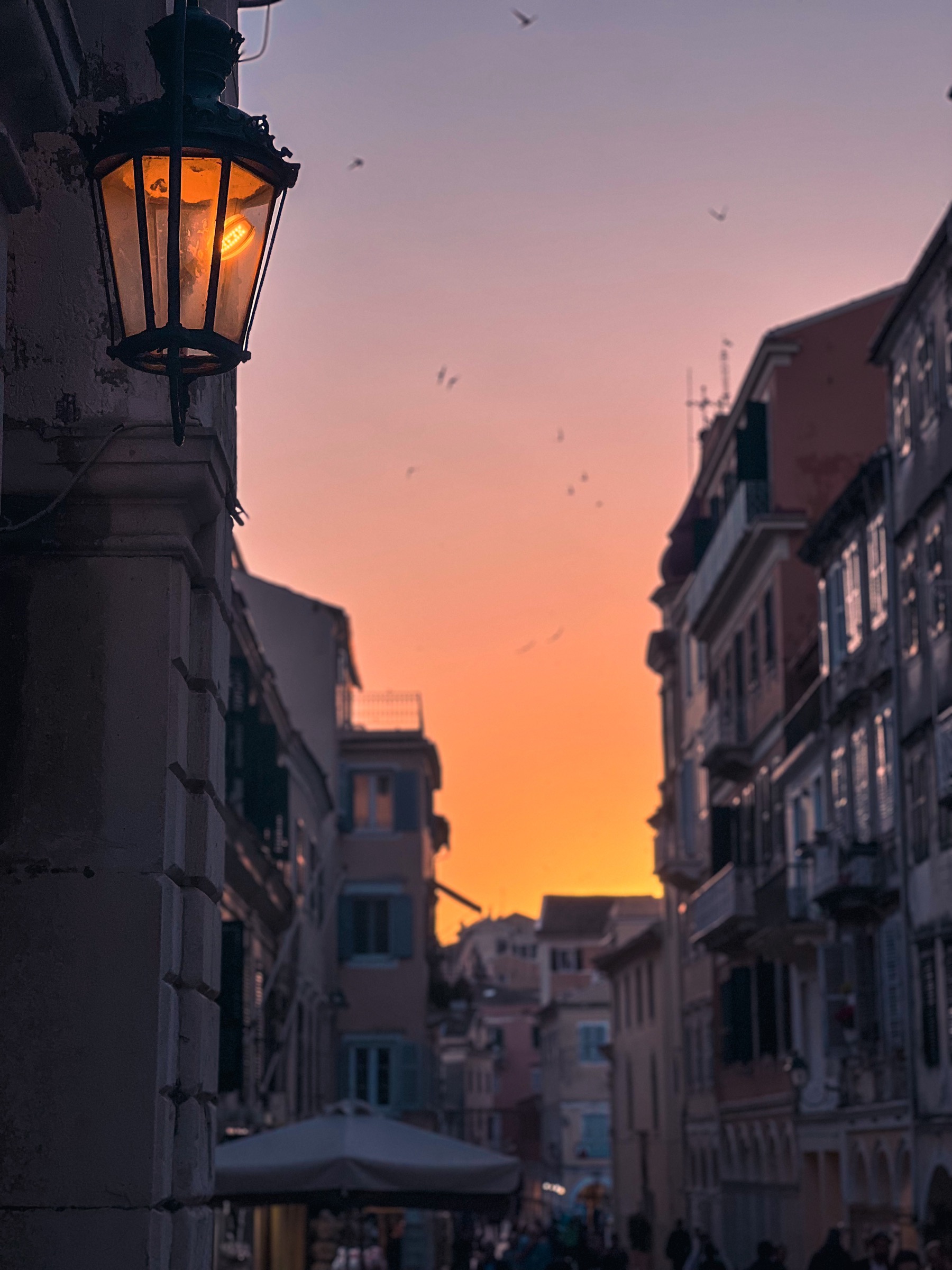
Corfu, after arrival
Arches, interiors and evening light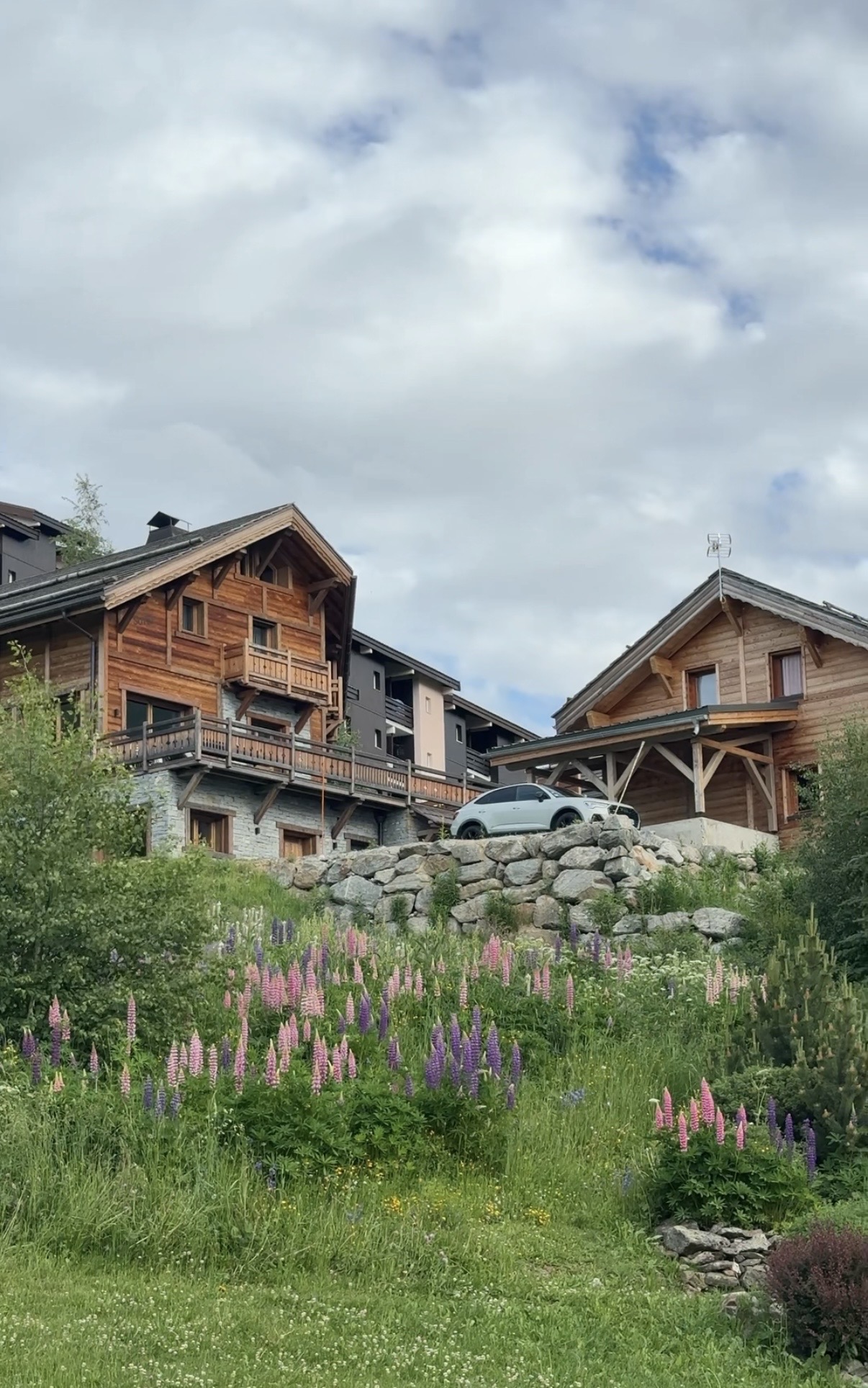
French Alps
Shelter, terrain and mountain weatherLandscapes built to disappear. Two Chelsea gardens studied through the frame of institutional attention, and the great glasshouses at Kew, where the weather itself is curated.
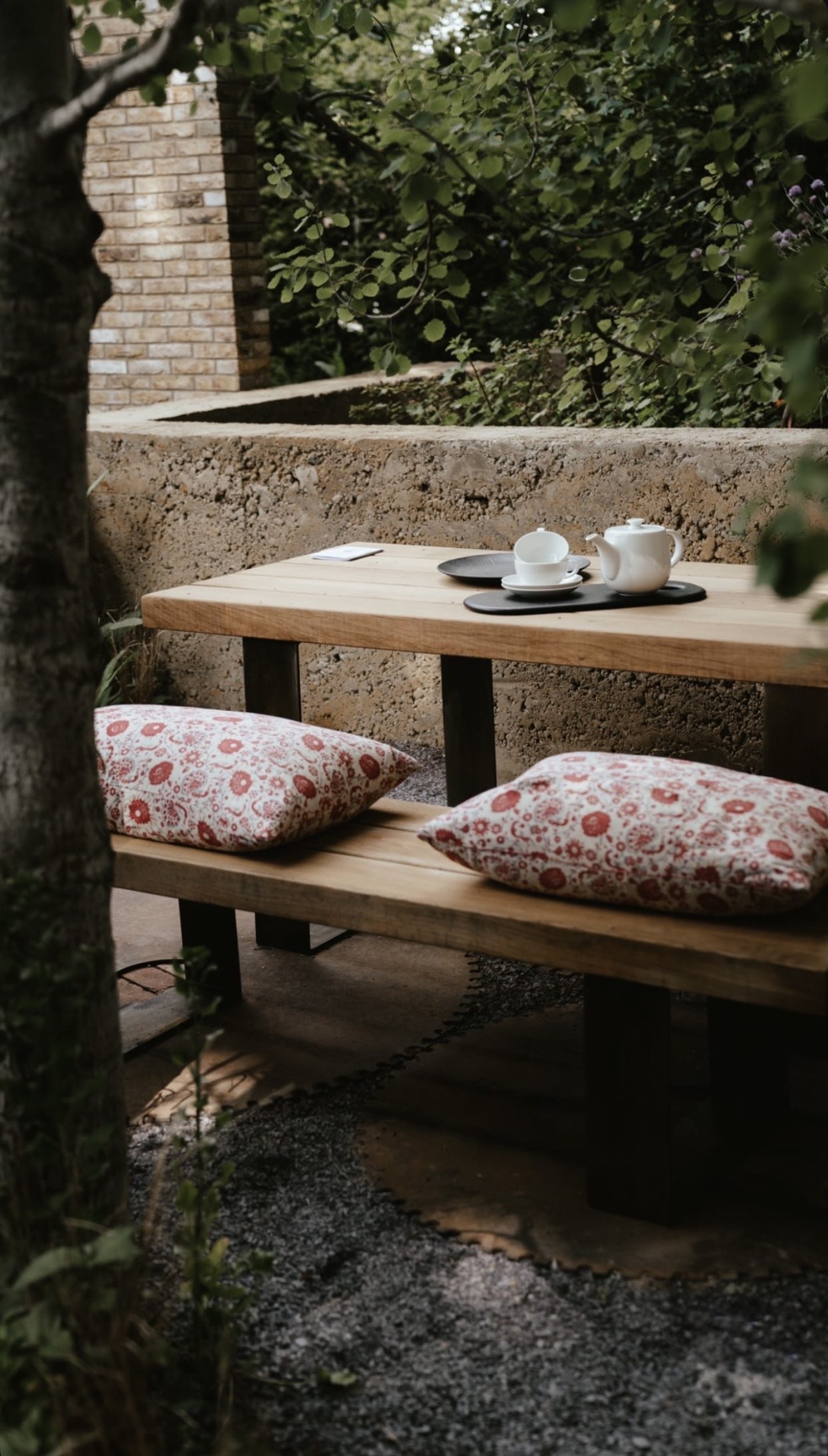
RHS Chelsea Flower Show 2022
Landscapes built to disappear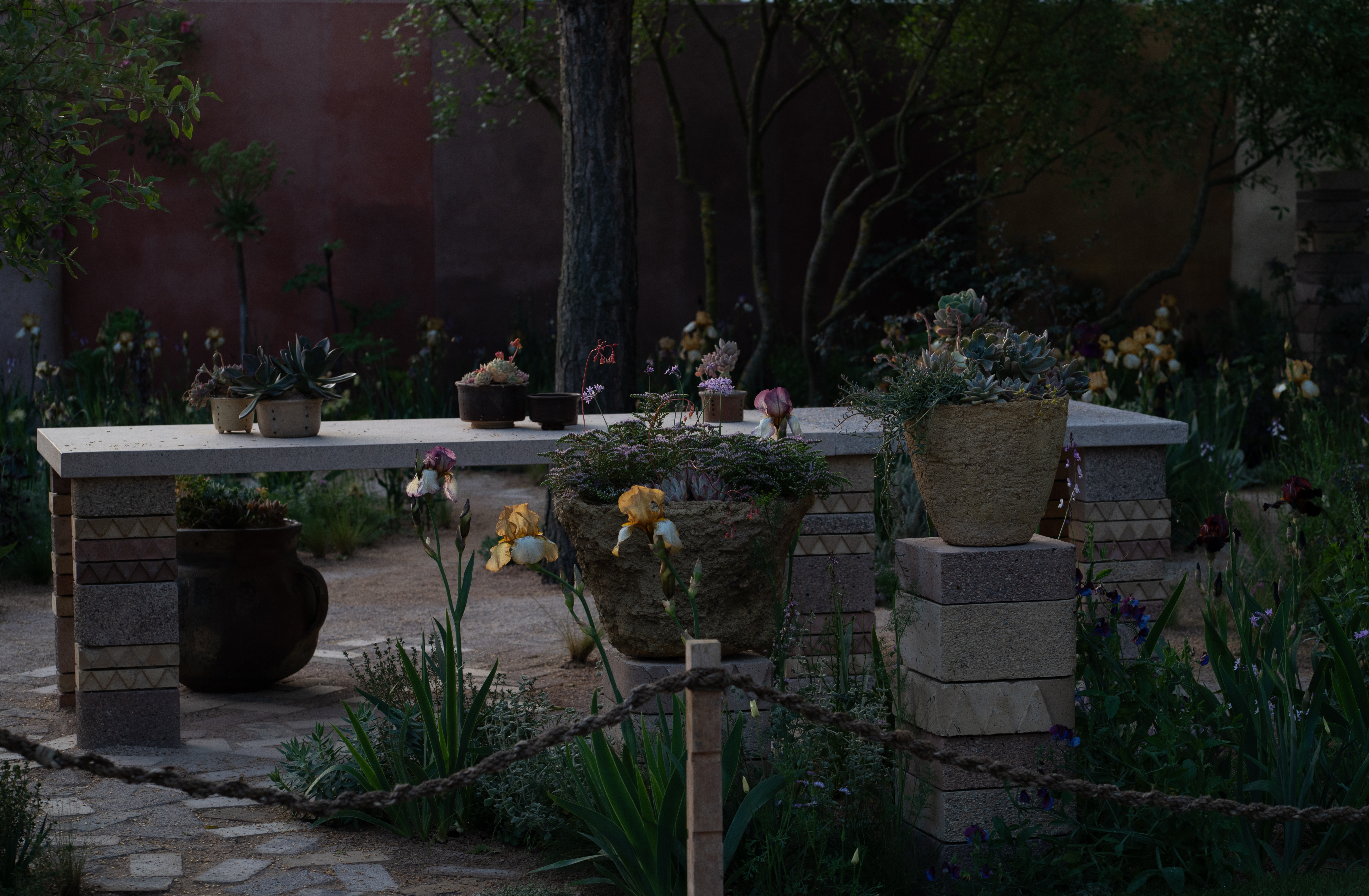
Sarah Price
RHS Chelsea, London / Seen from the edge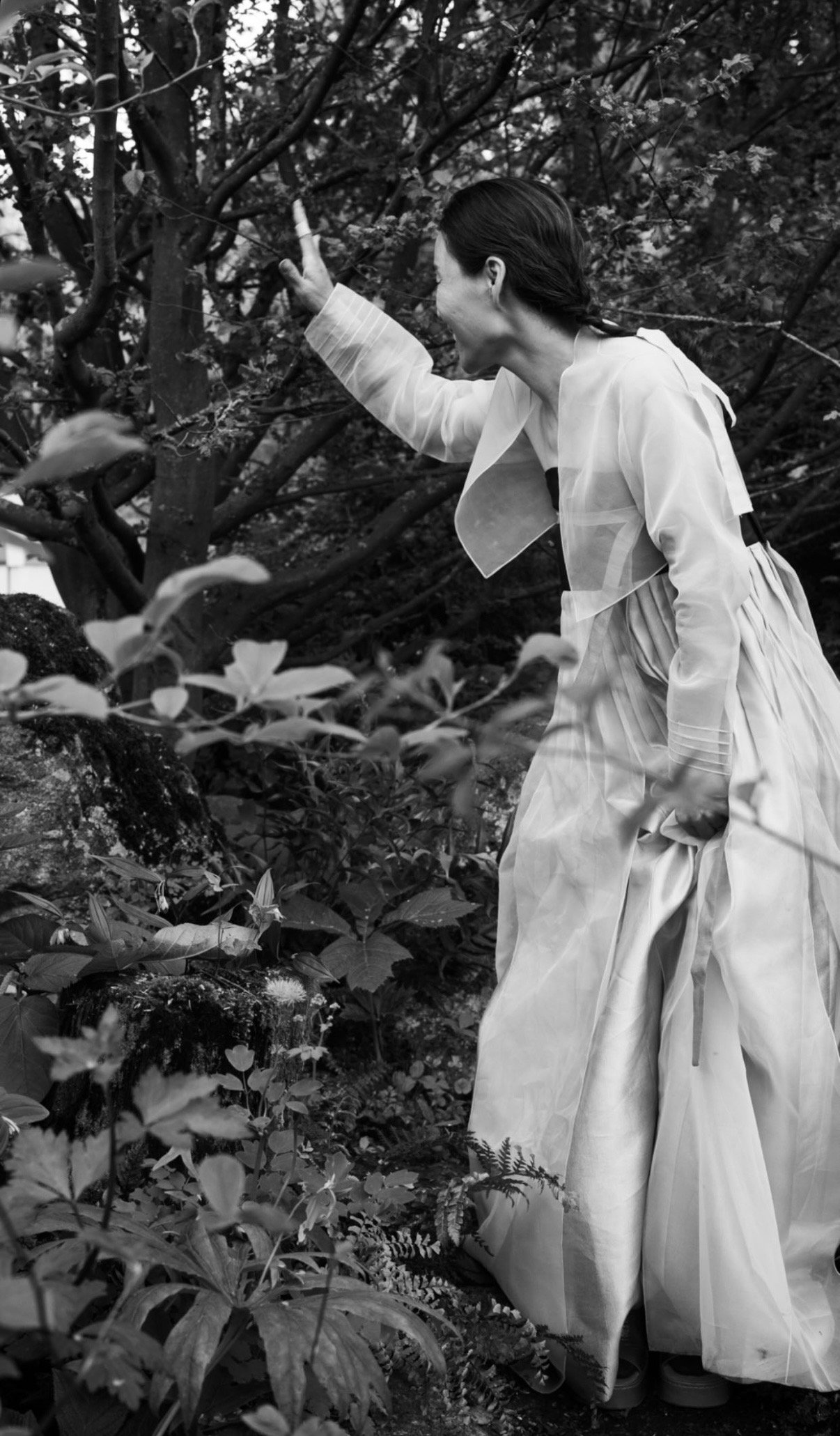
Jihae Hwang
A Letter From A Million Years Past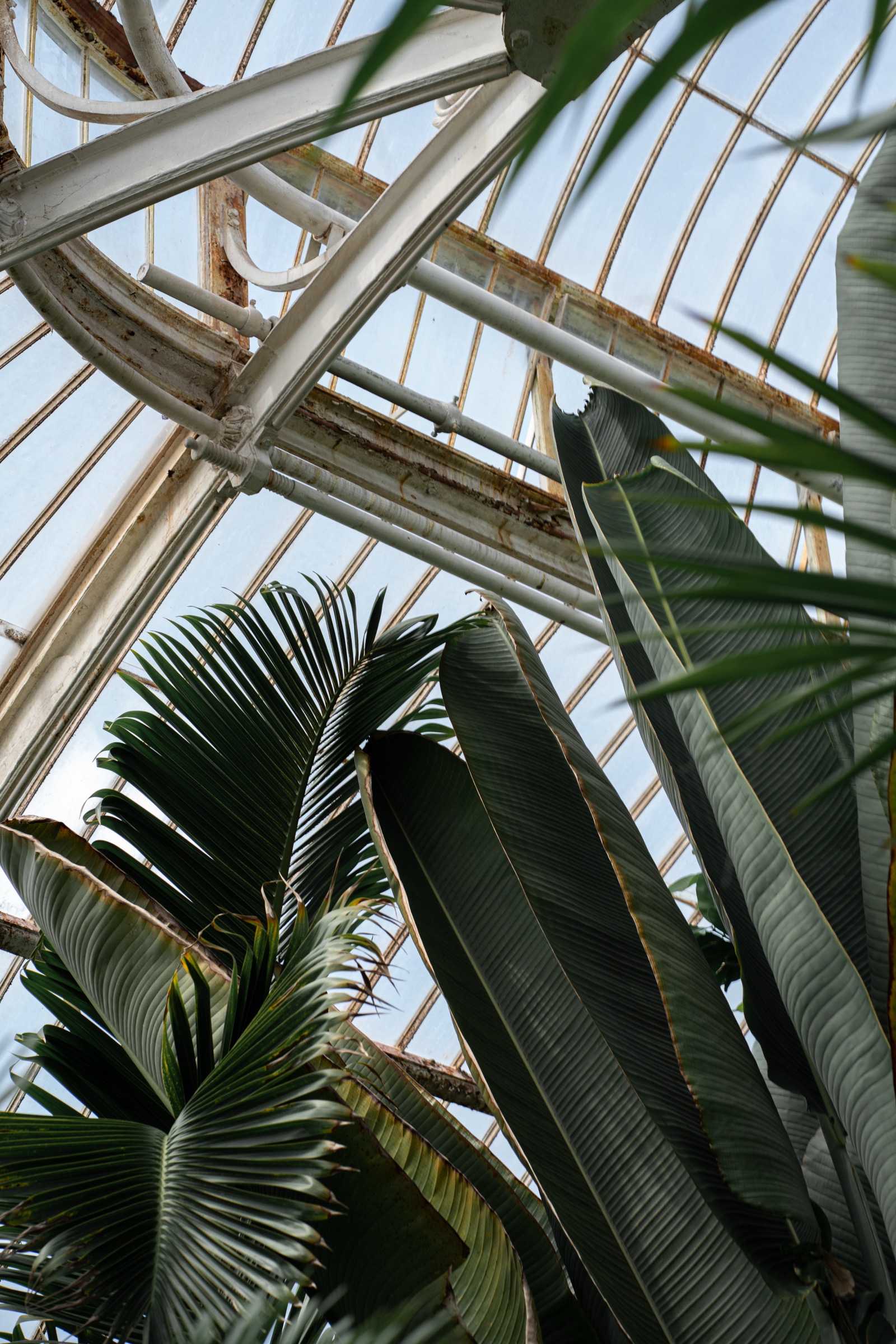
Kew, under glass
Royal Botanic Gardens, LondonAnd one study made without leaving: a home in Yorkshire, documented with the same attention the studio carries abroad, because stillness is also a place.