Qatar Grand Prix
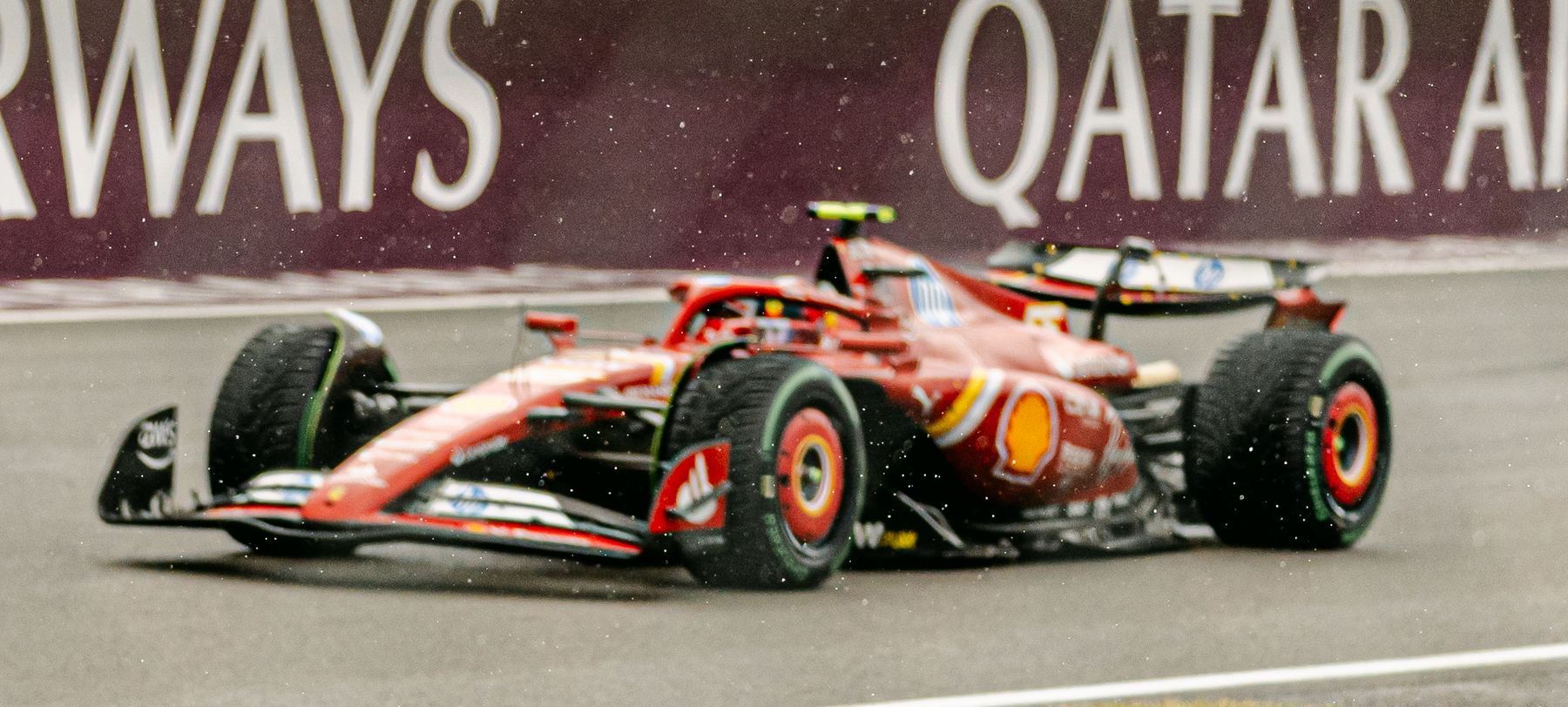
Lusail is designed for a single moment. A circuit waiting beneath the desert sky until the lights come on and the grandstands begin to fill. For one weekend the rhythm changes. The movement starts long before the race itself.
The cars were never the subject. The photographs found the edges of the event: the anticipation before a session, the movement of people through a space built for one weekend a year, the glow of hospitality suites after sunset, the way the circuit changed character as day became night. The race was only one part of the atmosphere.
The frames that hold are the ones from after dark, when the circuit came alive under the lights and the noise and the heat all arrived at once.
There is a version of a Grand Prix that is pure event coverage. This was not that. The interest was in what it feels like to be inside the machine: the passes, the paddock, the precision of a team preparing the car in the time between sessions. Formula One is a great deal of very controlled effort, rendered briefly visible.
The circuit holds 1.28 million people across a race weekend. The number is real, and it means nothing in the moment of being there.
What the photographs hold is not the scale but the texture: a particular hour of light, a quality of noise and heat and movement after dark, the way a temporary city assembles itself around a few hours of competition and then dissolves. Lusail, under the lights, is the clearest version of what Formula One has decided to be.
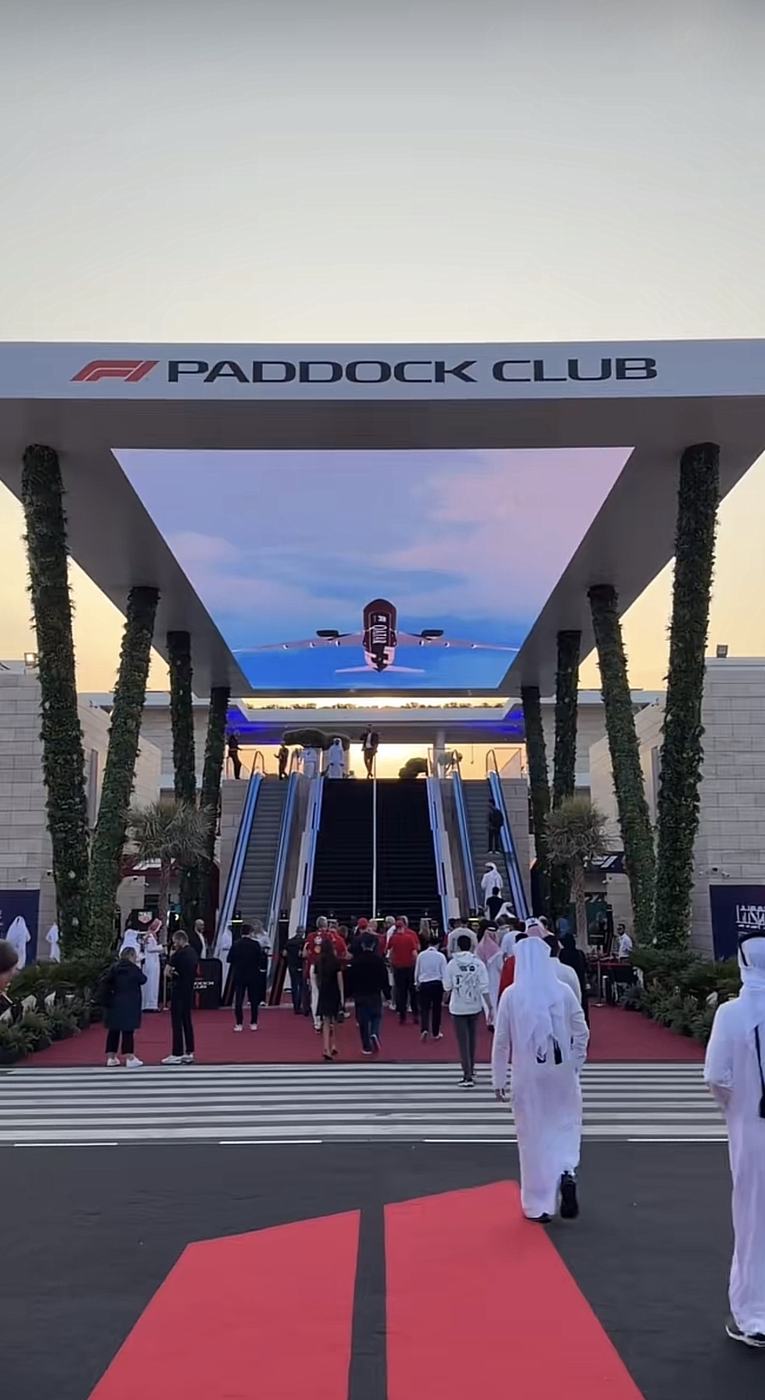
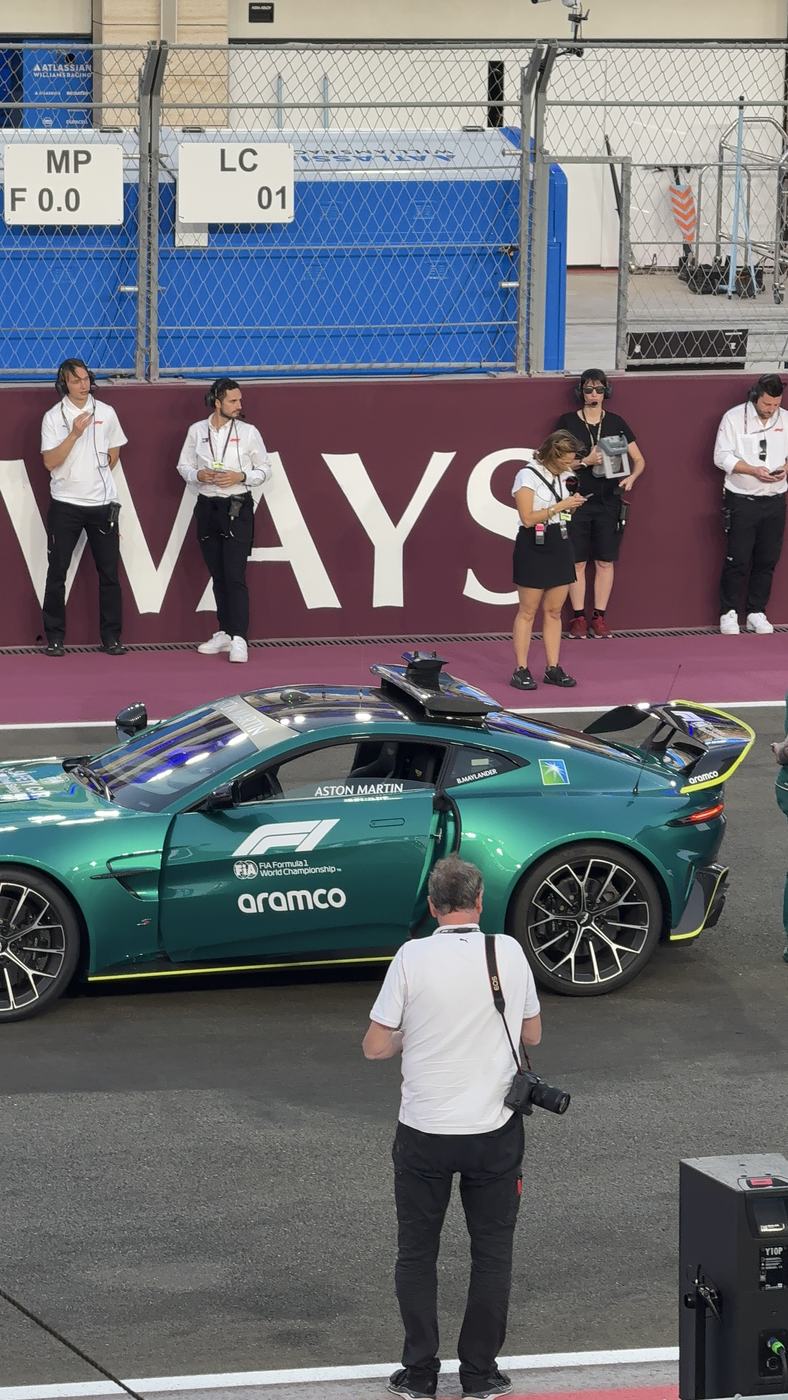
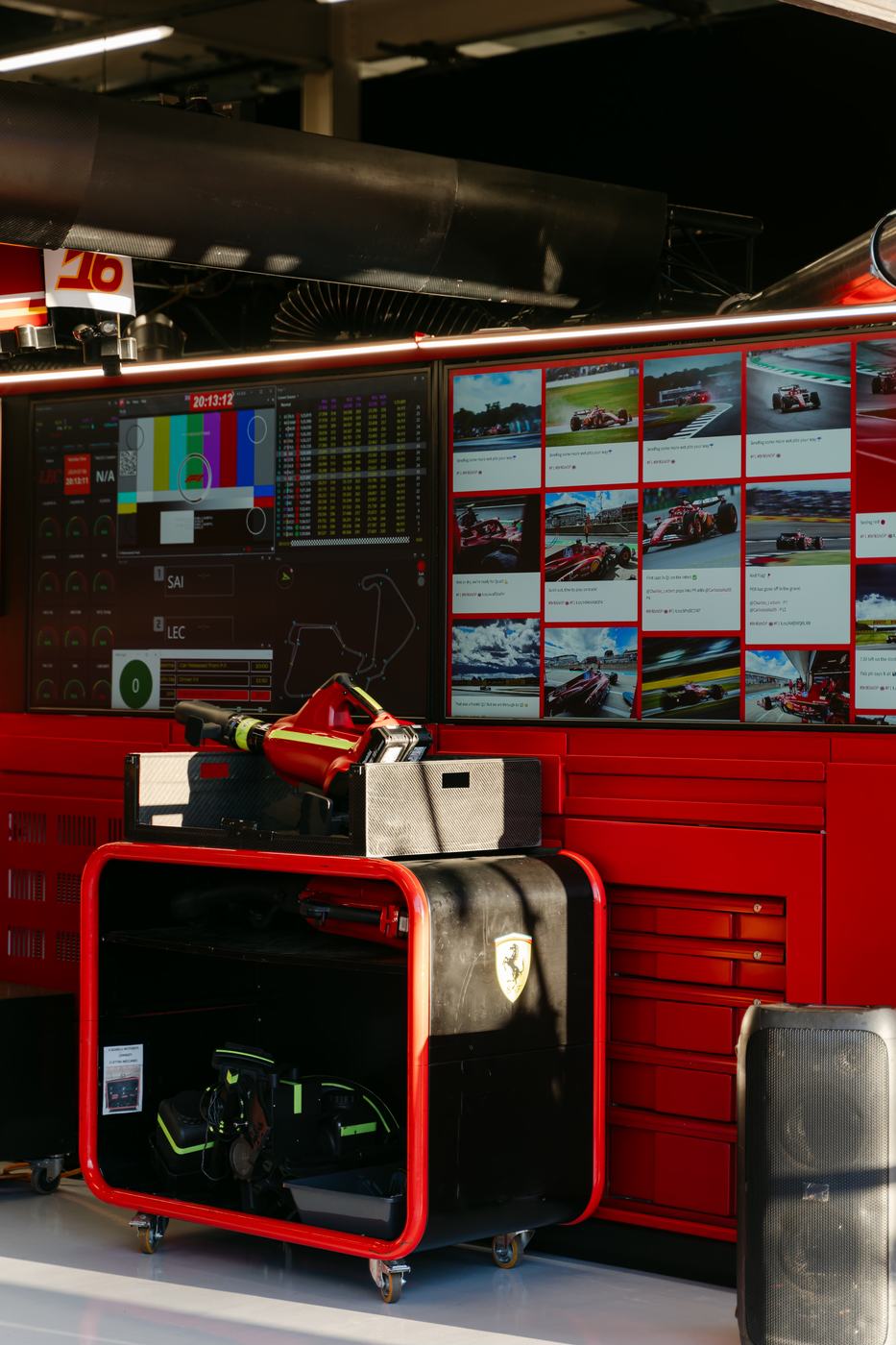
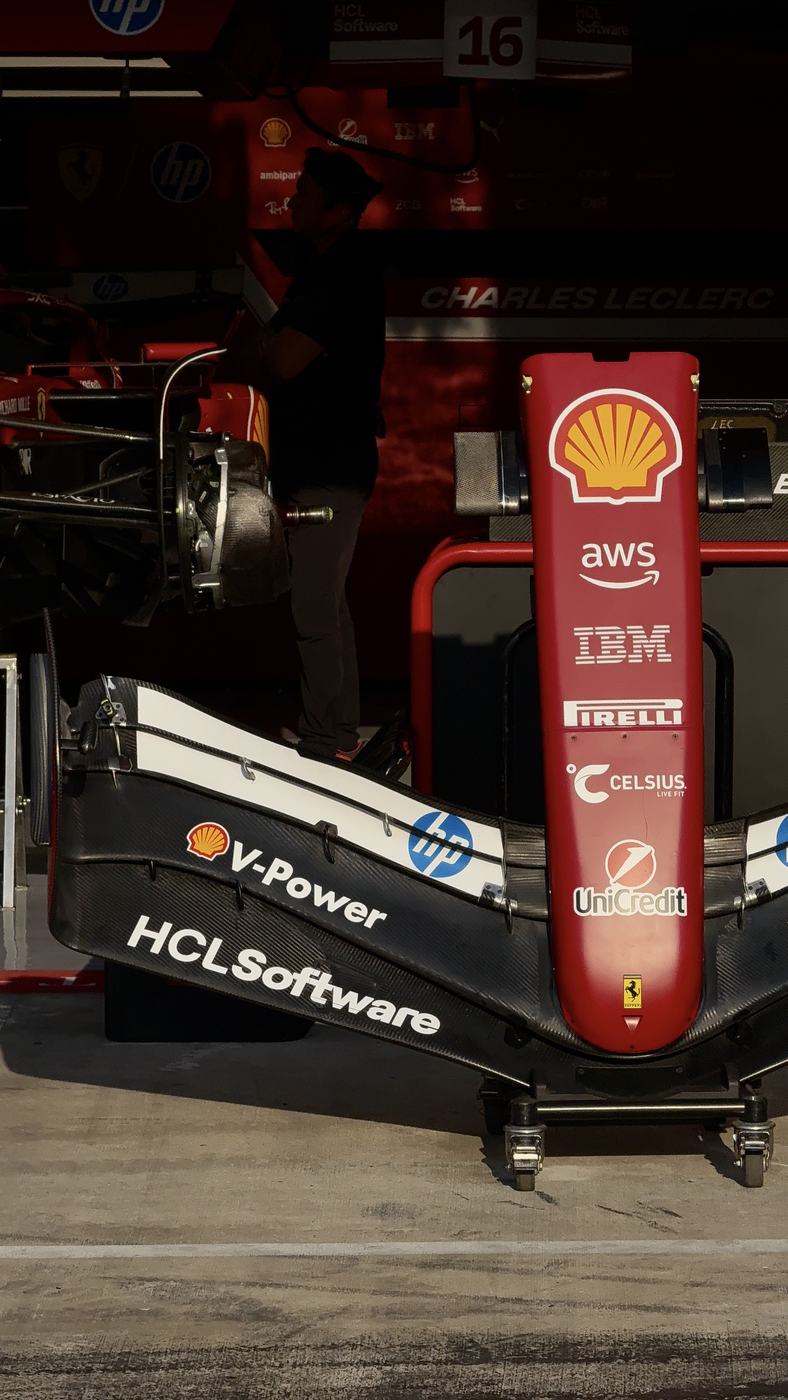
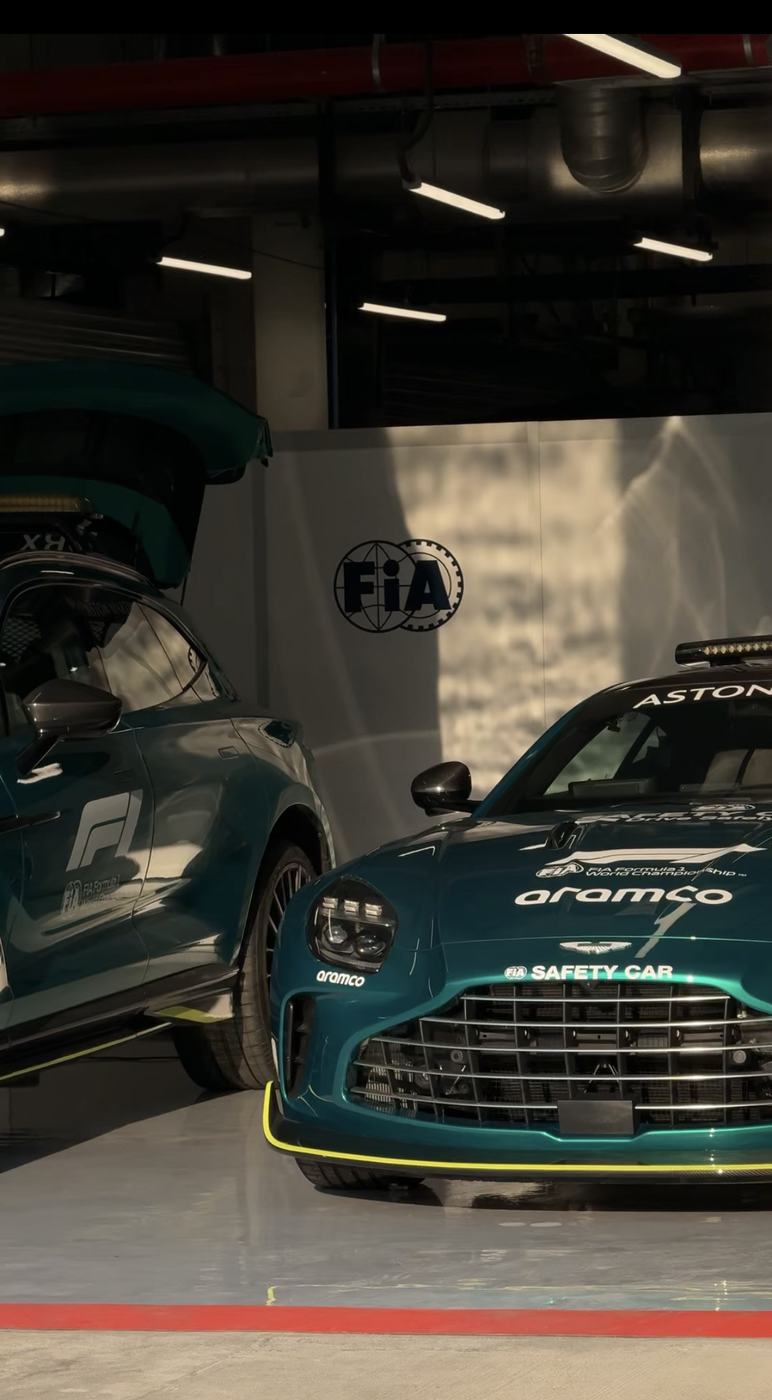
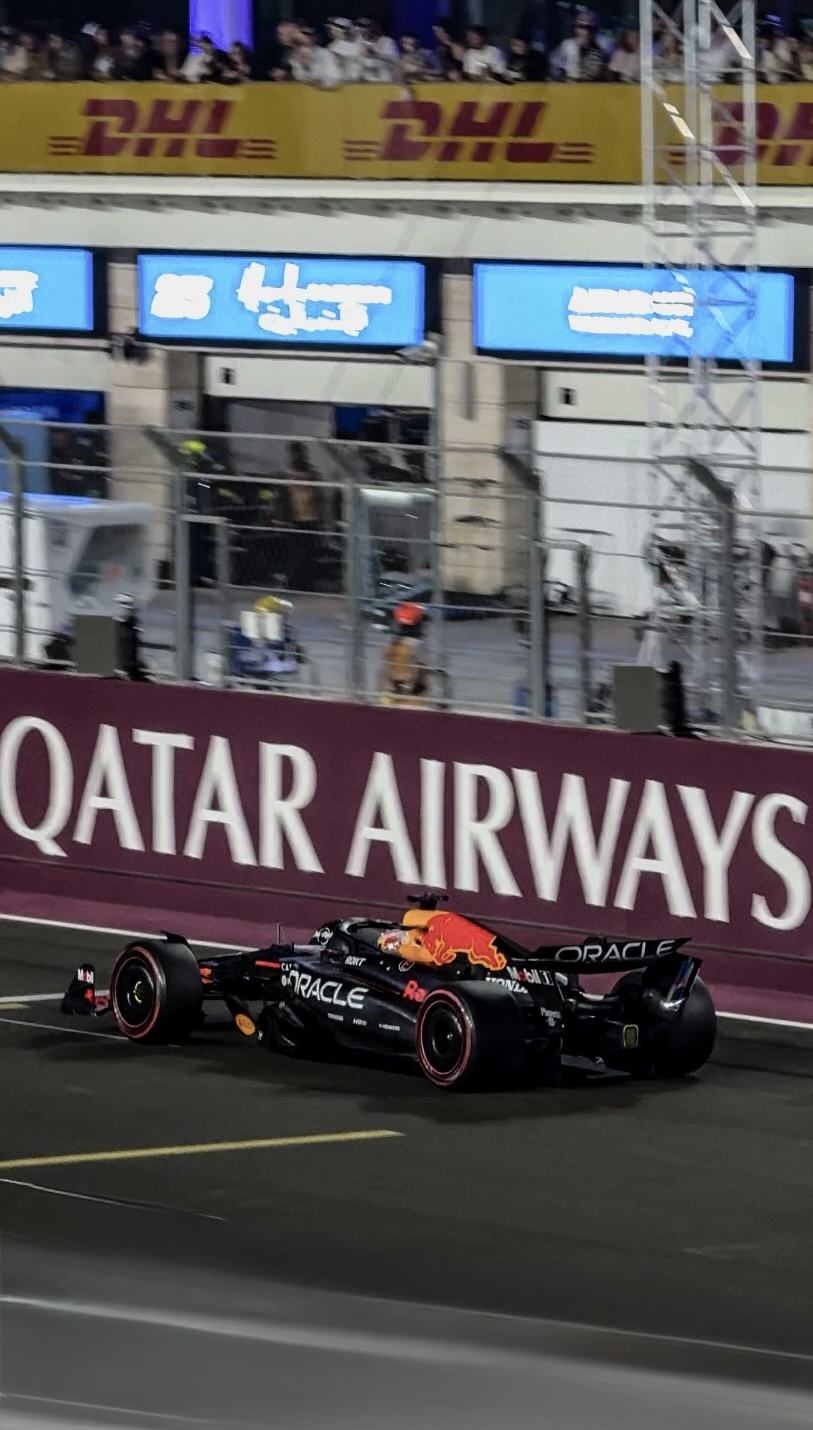
The Qatar Grand Prix runs at Lusail International Circuit, a track built in the desert north of Doha and raced almost entirely at night under one of the largest permanent floodlight installations in sport. Night racing was Lusail's founding gesture, the desert heat made it necessary and the spectacle made it a signature, and the study was made around that condition: a circuit that exists for darkness, photographed as the darkness assembles.
The sequence follows the hours before and around the race rather than the race itself: the grandstands filling under artificial daylight, the light towers standing over the desert like a second architecture, the machinery and movement that precede the twenty cars. Photographing a floodlit circuit is a study in manufactured light at landscape scale, and the frames treat the illumination itself as the subject, the way the Gulf night is pushed back for exactly one weekend.
In the archive the study forms the Lusail half of the Formula One work that became The Spaces Between, and it documents a fixture that continues to evolve with the sport's calendar. It also belongs to the archive's wider Doha chapter: the Grand Prix is one of the annual moments when the city performs for a global audience, and the study records what that performance looks like from inside the light.