Porto, after the river
Porto appears through movement rather than arrival.
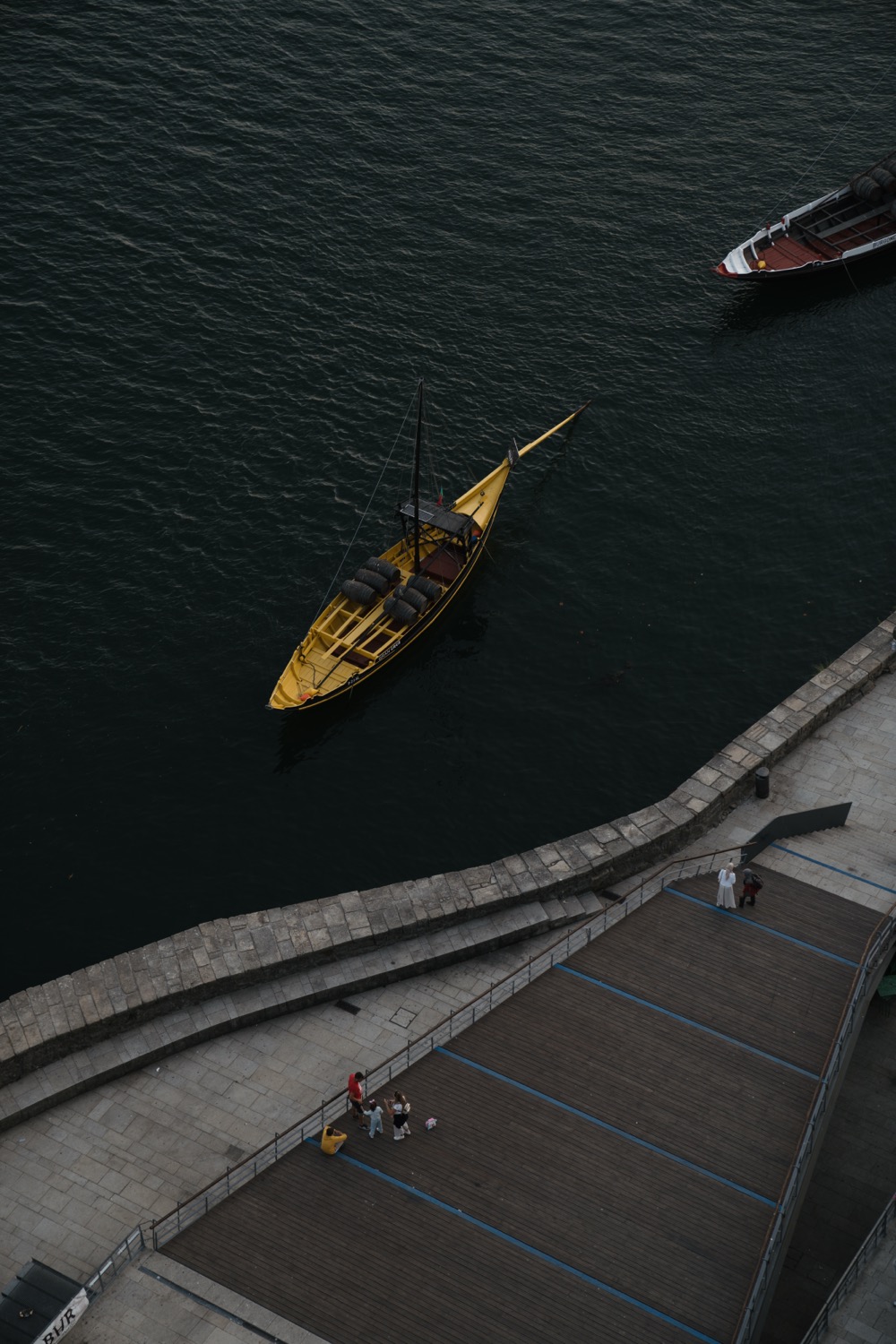
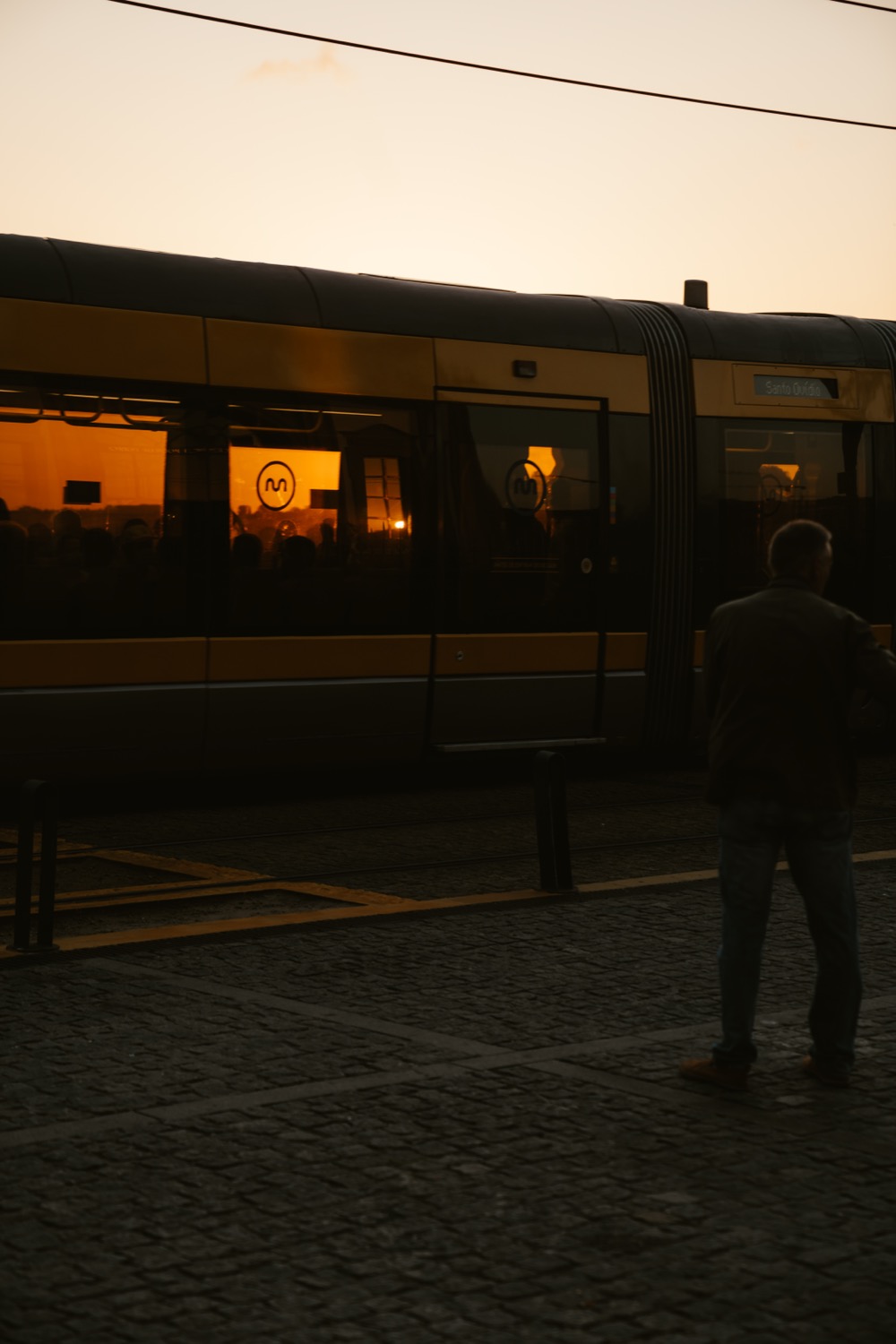
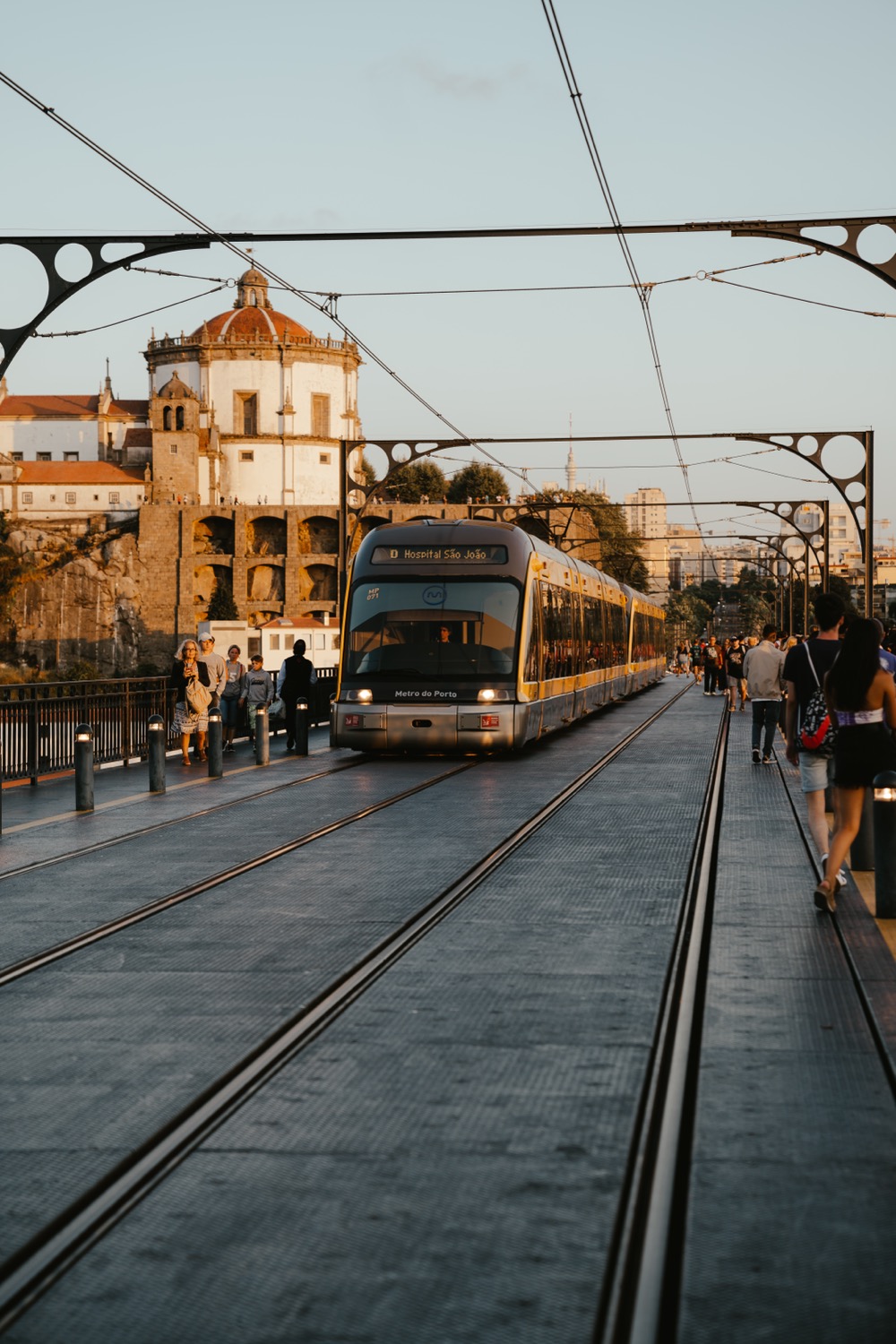
A boat held low against the city wall. A tram crossing in evening light, the sound of it carrying further than it should. The city does not announce itself with a single view or a clear centre. It gathers, slowly, through water, glass and the passage of people between them. You do not arrive at Porto so much as find yourself already inside it.
Inside the stations and shopfronts, the light changes register entirely.
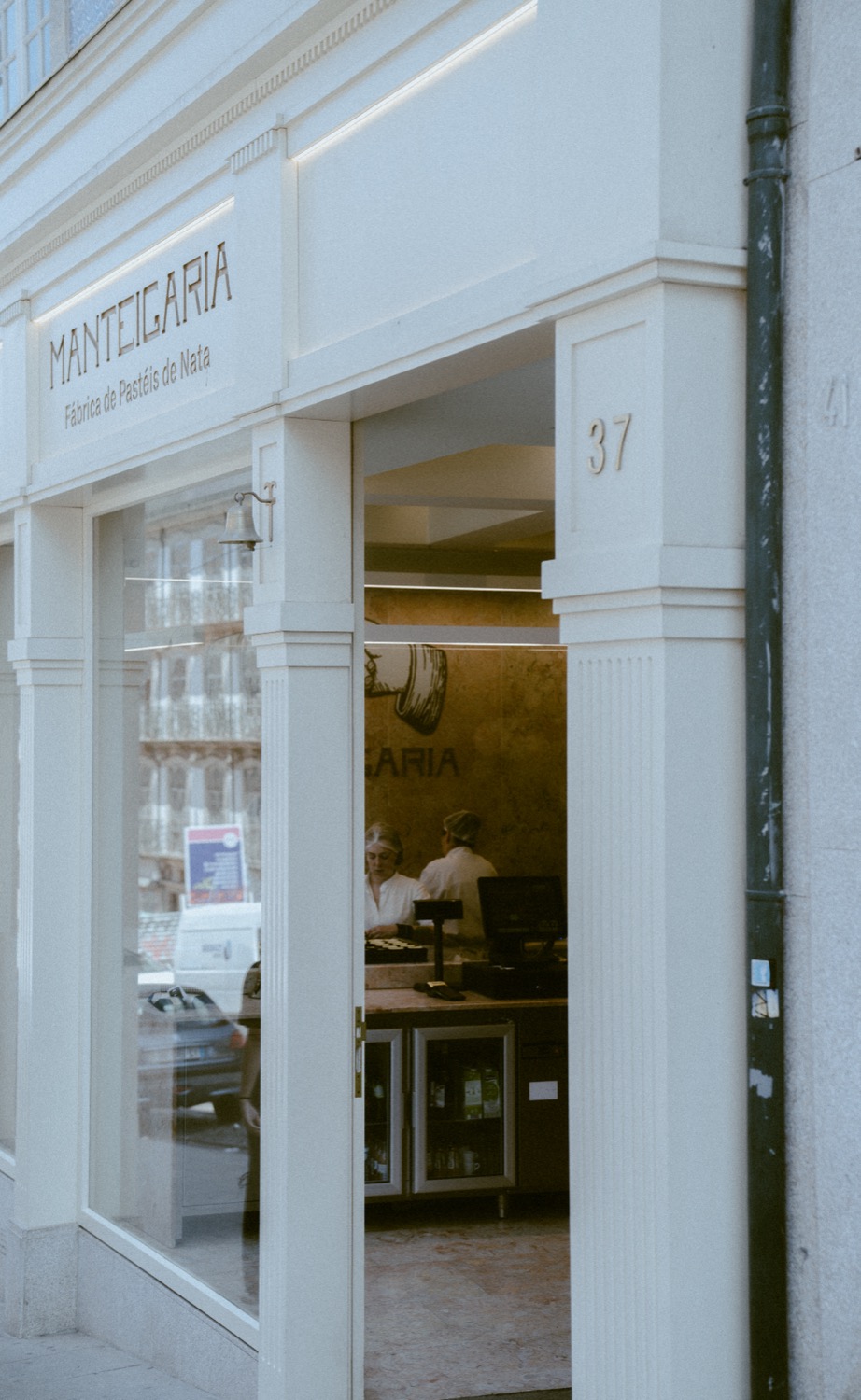
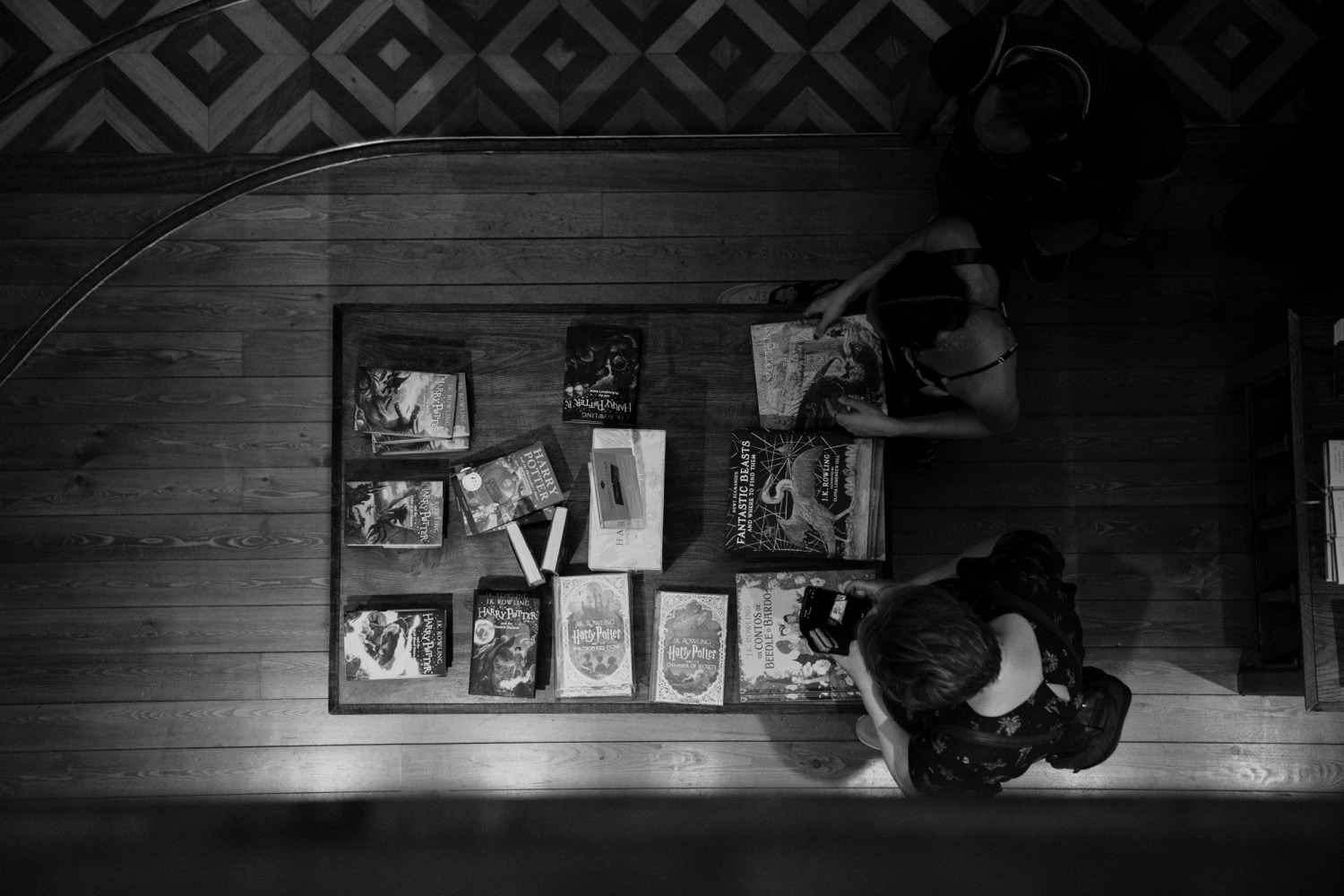
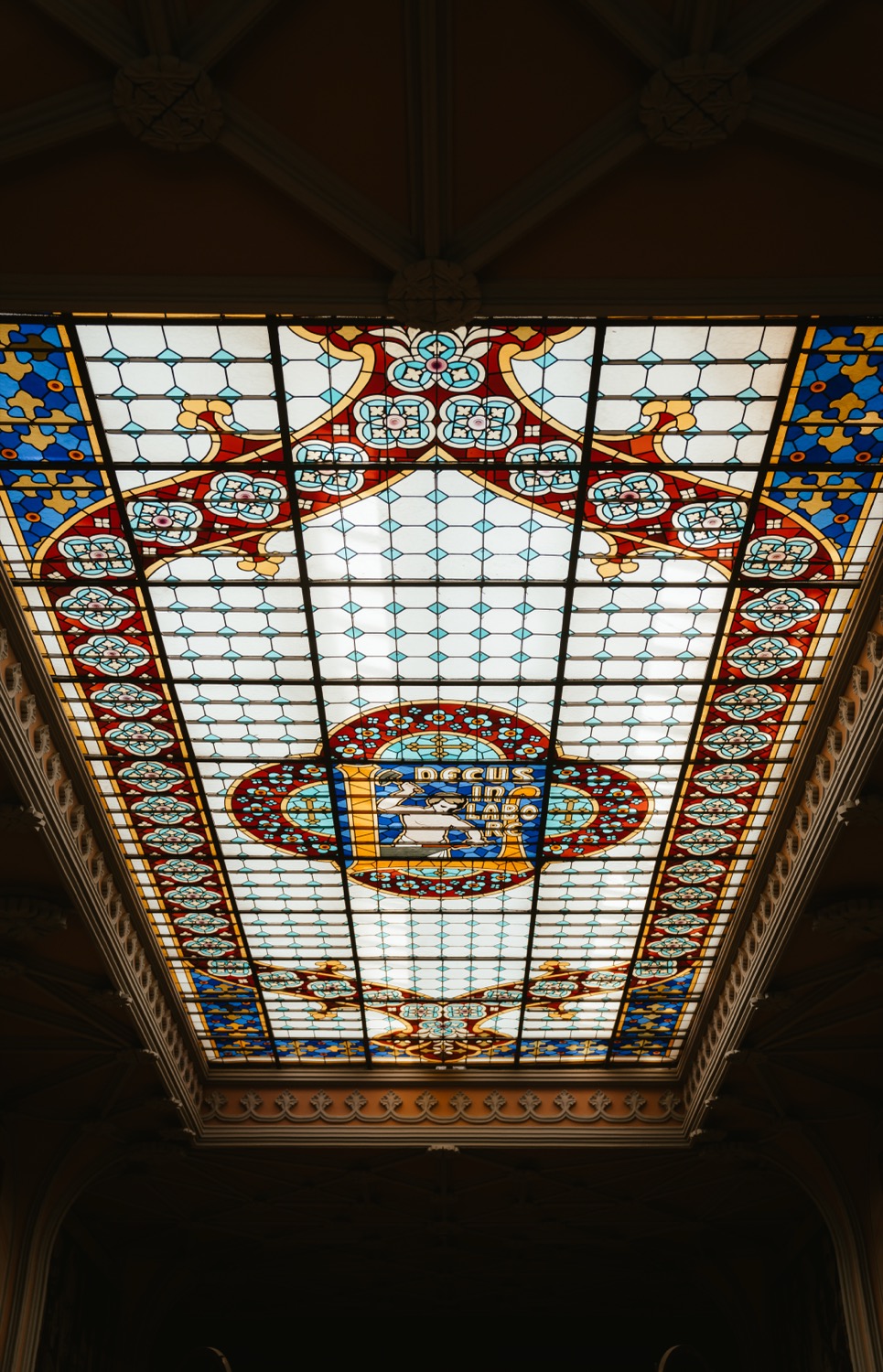
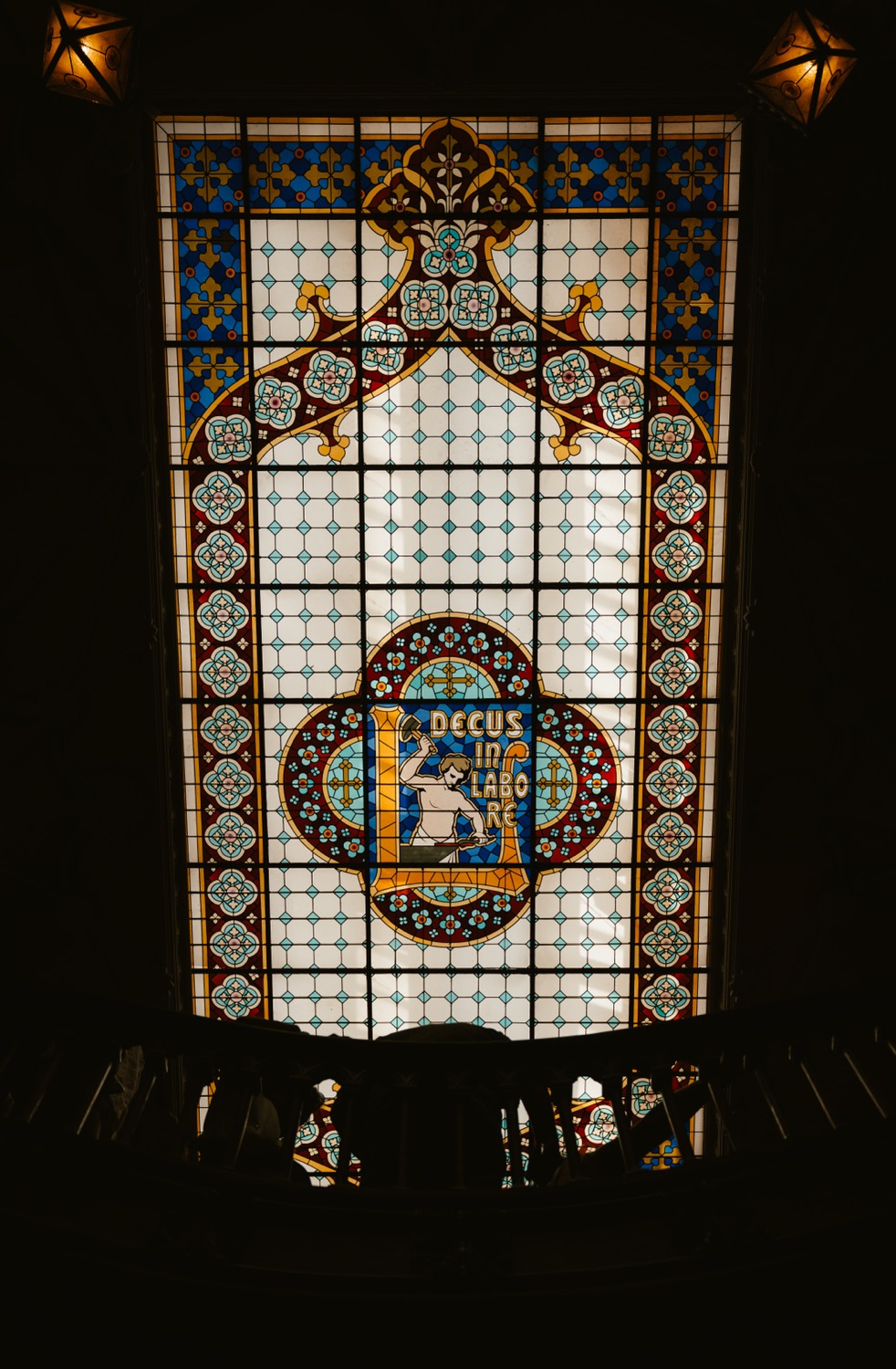
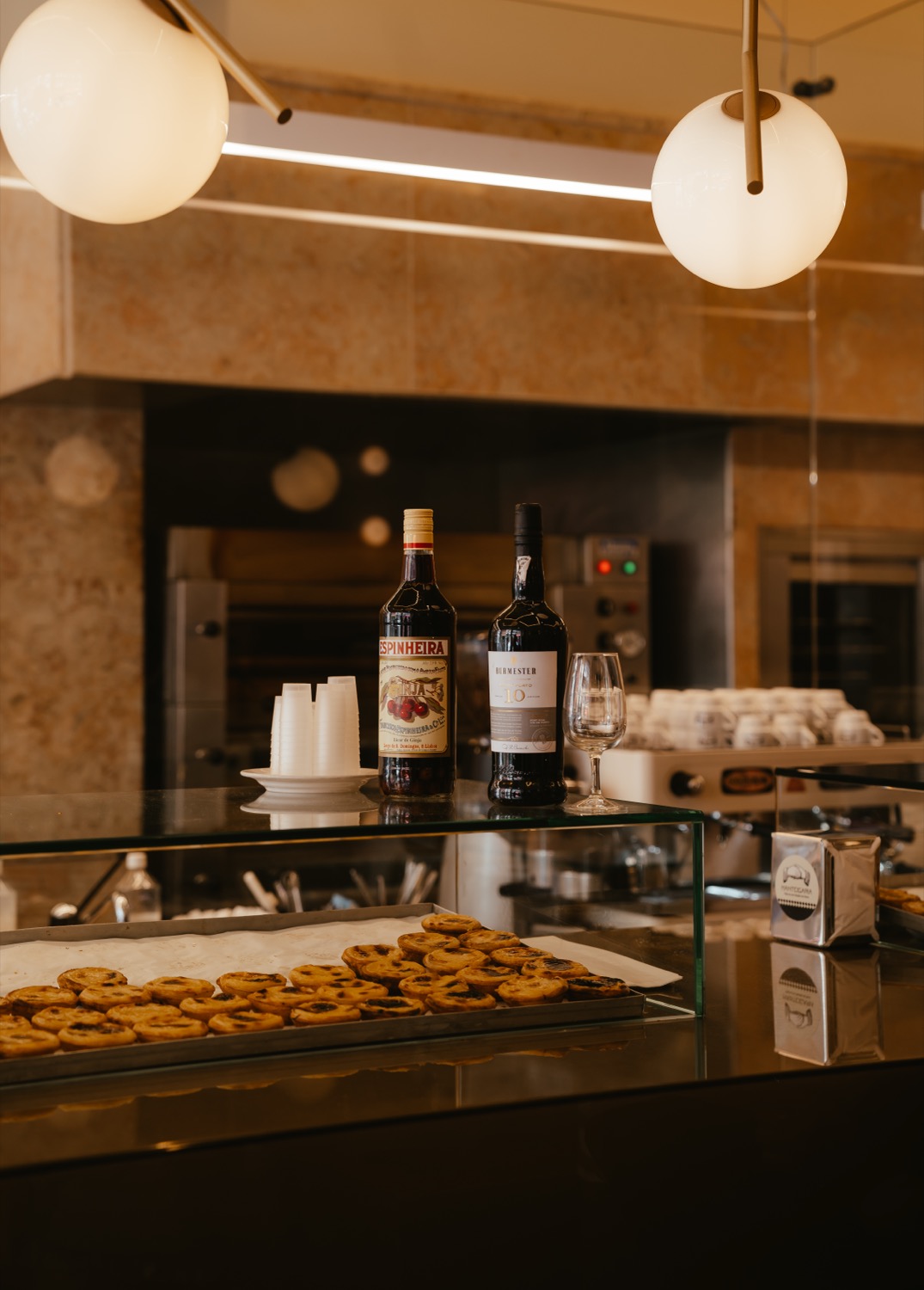
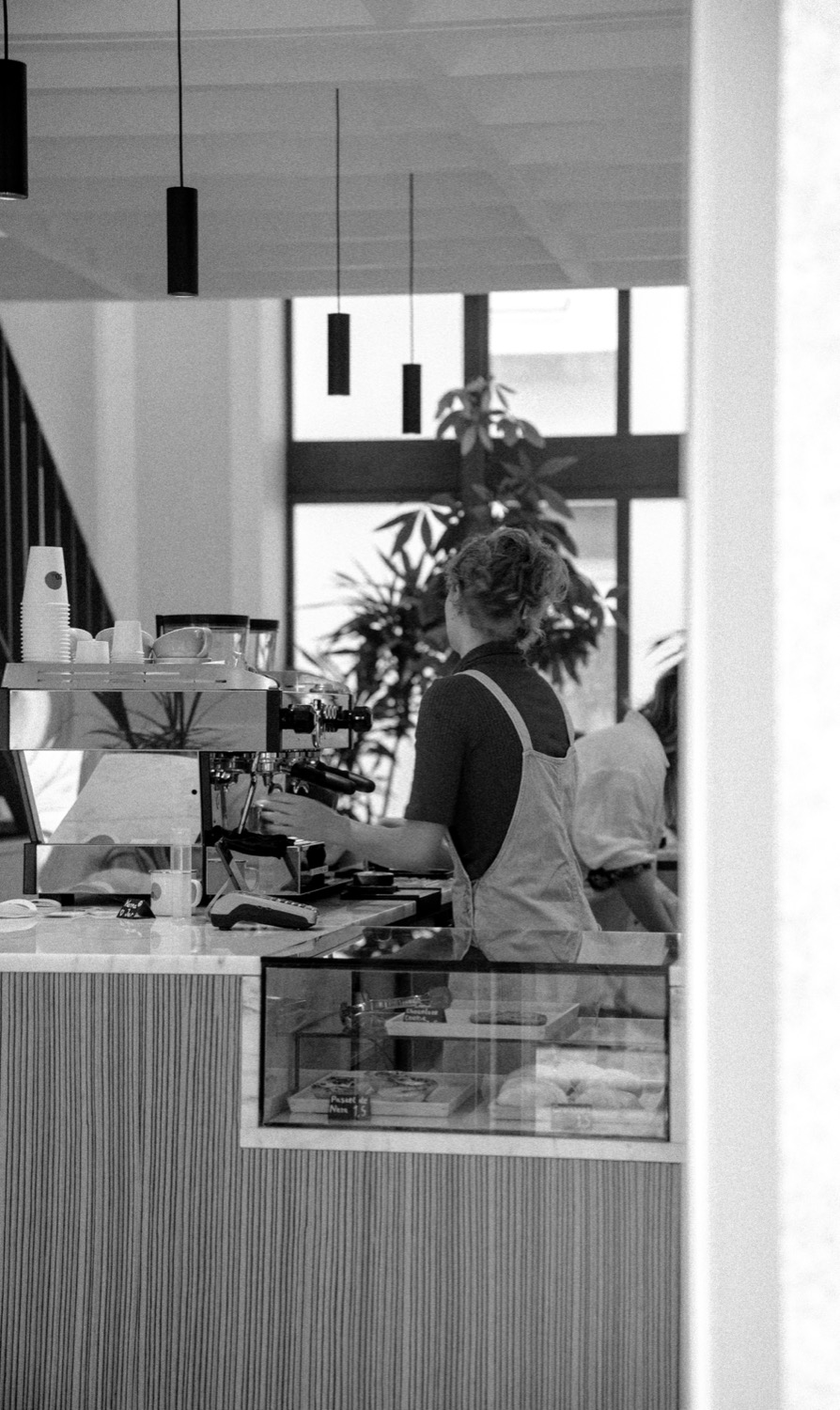
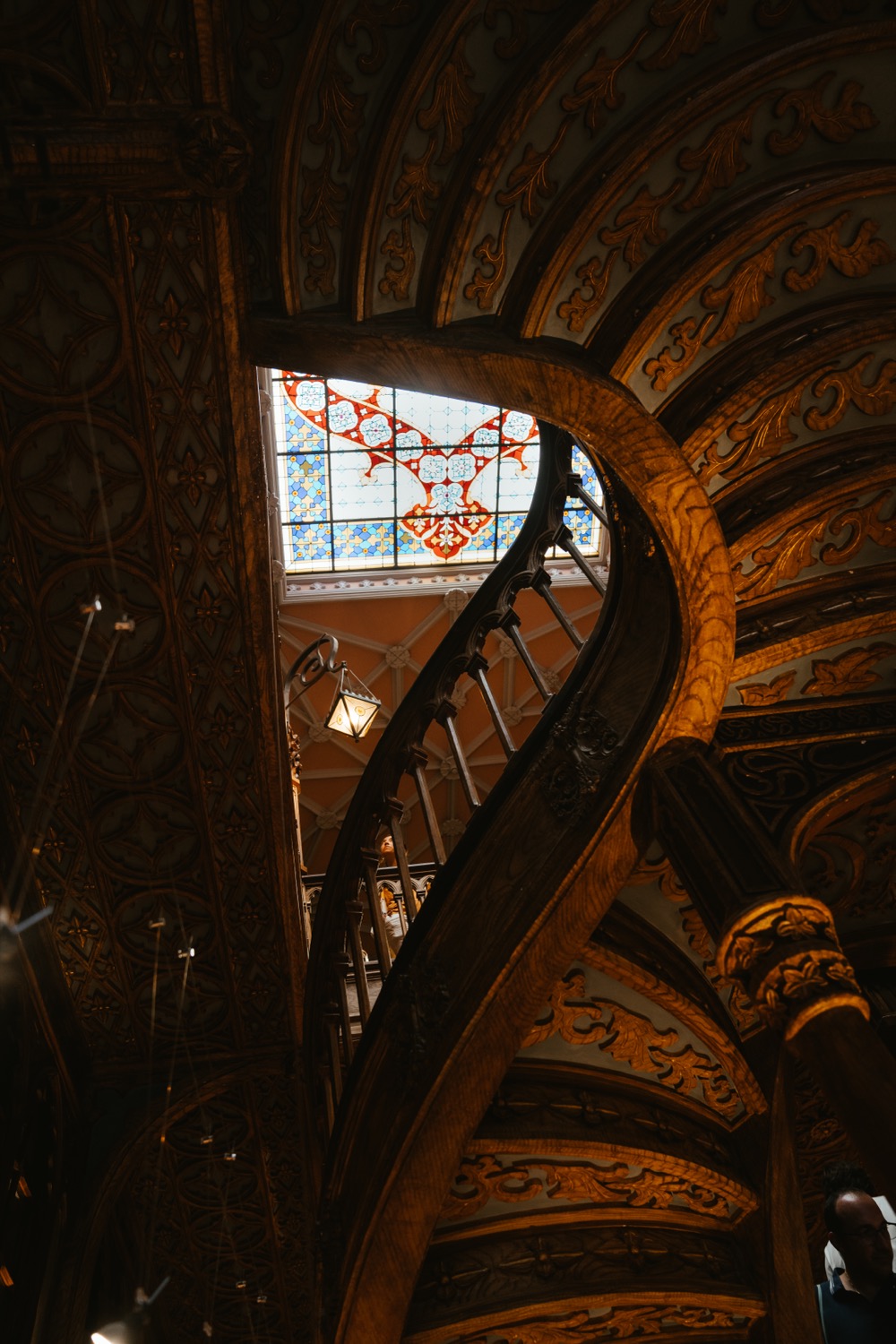
Stained glass above a staircase throws colour across the floor in the afternoon. A counter set before the morning order. The carved spiral of a bookshop rising toward a ceiling covered in coloured tiles. Porto's interiors carry more weight than the views from outside them, and it takes time to understand why. What the exterior withholds, the interior gives back.
The Douro receives the last of the sun at the end of the day.
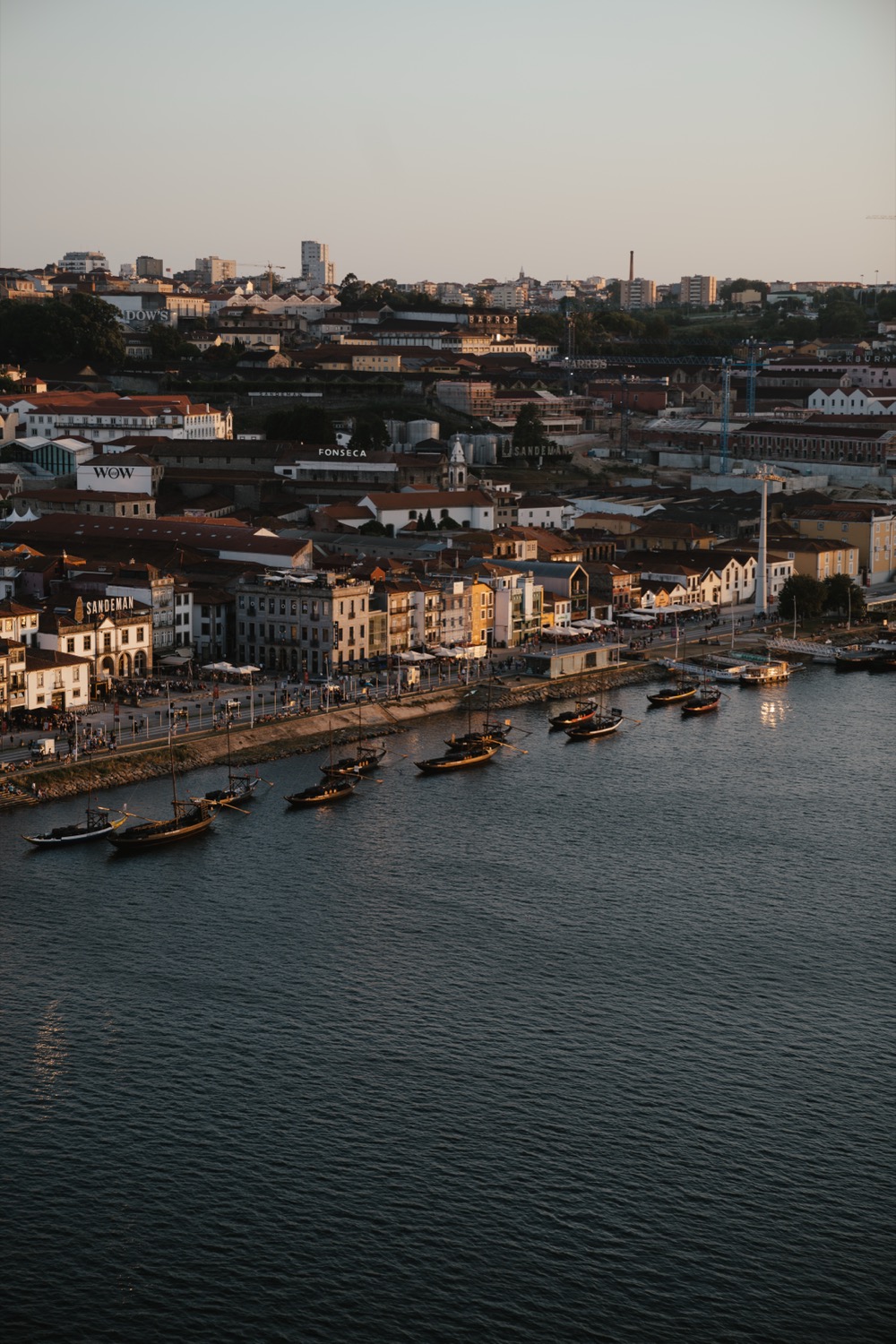
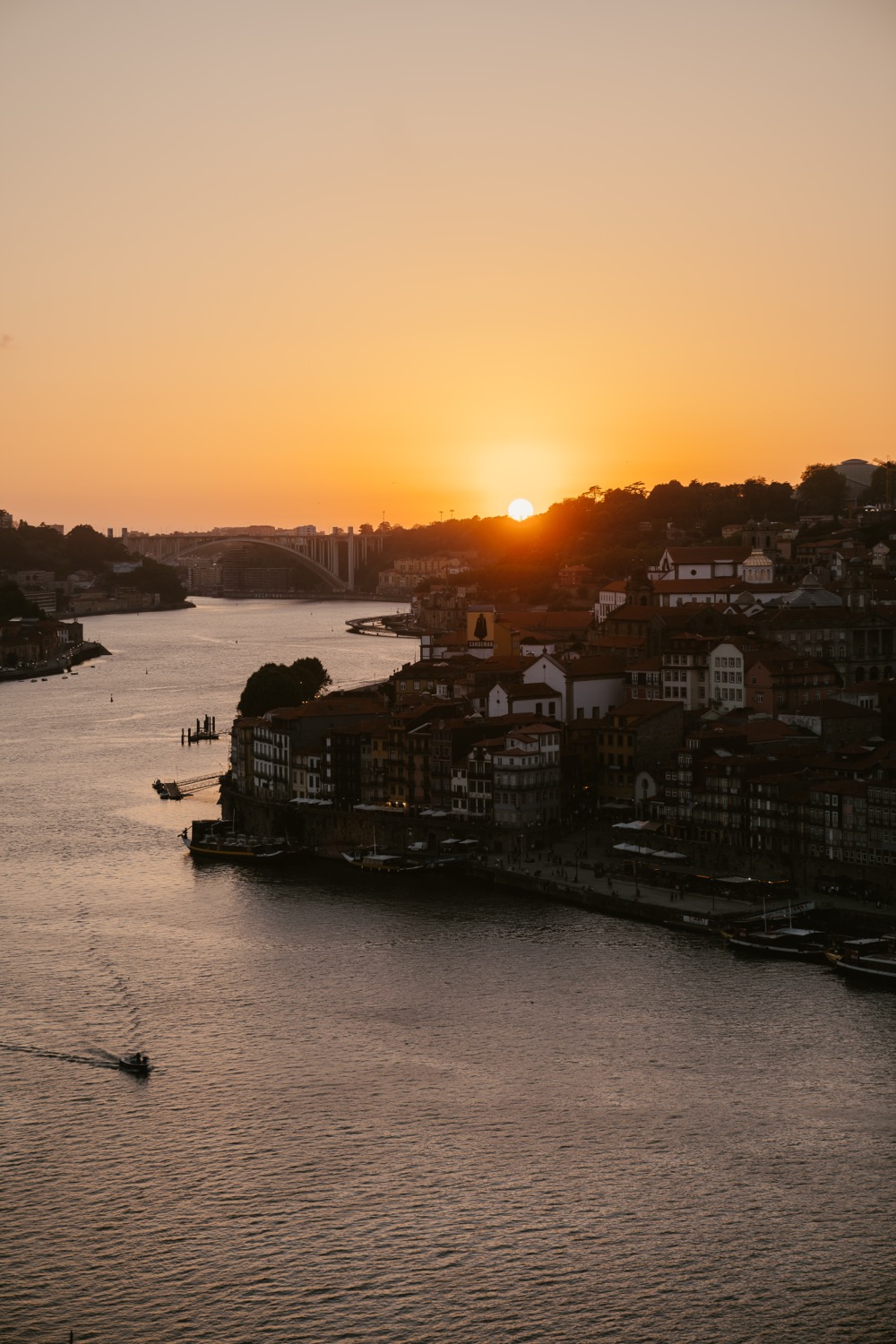
At the waterfront, the city lowers itself toward the water. Tracks cross the bridge in both directions, and the trams follow. A figure waits at the platform. The colour holds briefly, then the sky clears and the city settles into evening. What stays is not the river itself but the quality of the light above it in those few minutes before dark.
Porto does not give itself up easily. The city asks you to move through it before it makes sense: along the water, into the stations, up through the tiled interiors that hold more history than any single image can account for.
What it offers in return is specificity. A city that has not tried to become something else. The materials are the same as they were. The light falls the same way. The river is still the measure of everything.
Porto stands where the Douro reaches the Atlantic after five hundred kilometres from the Spanish interior, a city steeper, smaller and more inward than the capital it is always measured against. The study was made across its bridges, stations and interiors, and took its structure from the river: everything in Porto faces the water, works above it, or remembers when it did.
The photographs divide between the city's exteriors, trams in evening light, the rabelo boats moored below the Dom Luís bridge, the sunset the Douro holds longer than seems physical, and the interiors the tourist circuit undervalues: stained glass over a staircase, the carved ascent of Livraria Lello, a pastry counter mid-morning. Porto gives itself up indoors, and the study spends most of its attention there.
With Lisbon, the study forms Lisbon · Porto, Publication 007, and its golden-hour river frame became the publication's cover and one of the most used images on the site. In the archive it stands for a proposition the studio returns to often: the second city is usually the better subject, because it has spent less time rehearsing its own image.