After the Image
Photographs are rarely finished when they are taken.
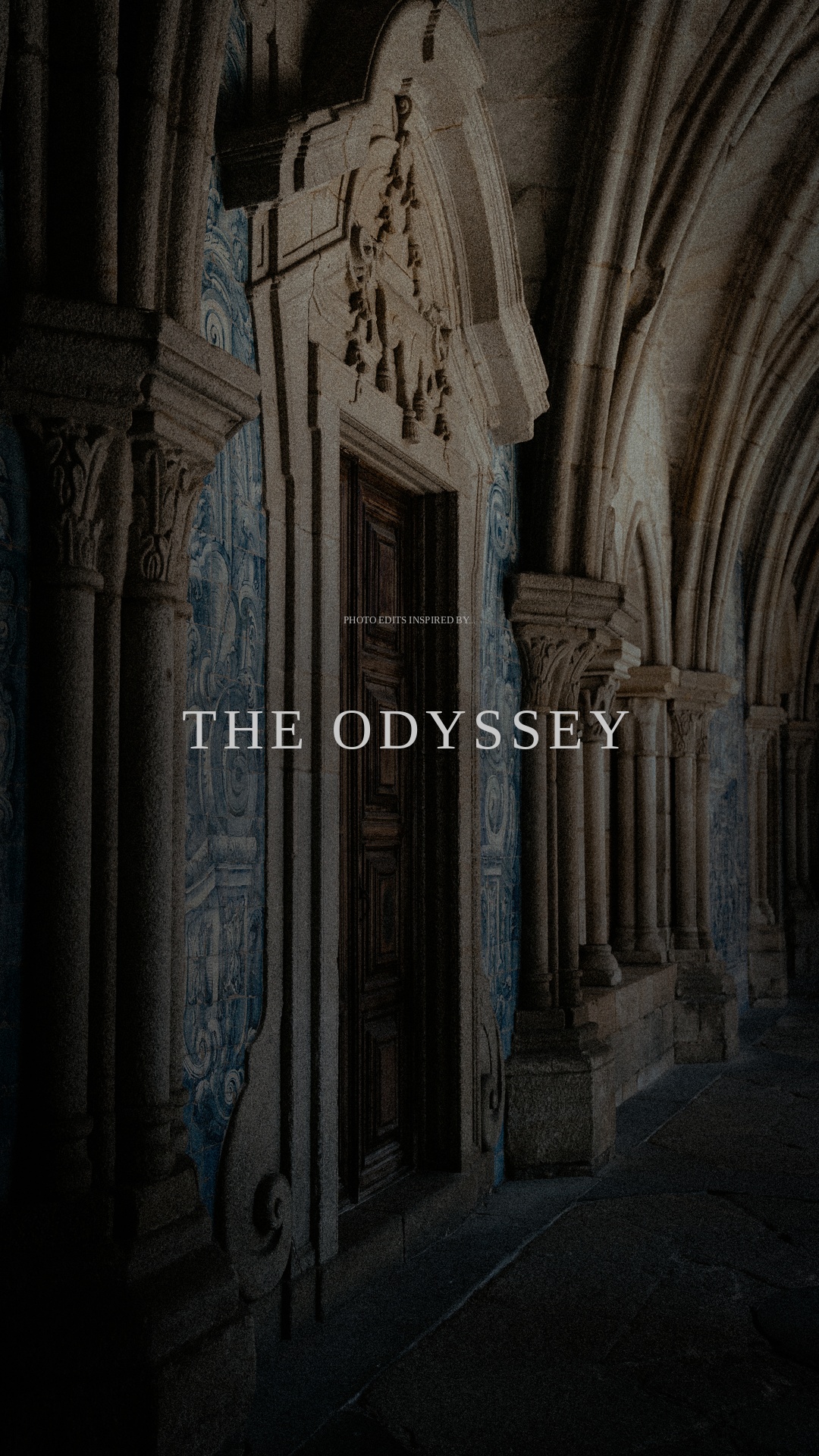
We return to them carrying what we did not know when we first made them. Another place. Another image. A film, a memory, a way of seeing acquired since. After Christopher Nolan's The Odyssey, watched in IMAX 70mm, this study went back to photographs made earlier across Europe and looked at them again through a different reference. None were made with the film in mind. The influence arrived afterwards, in the returning.
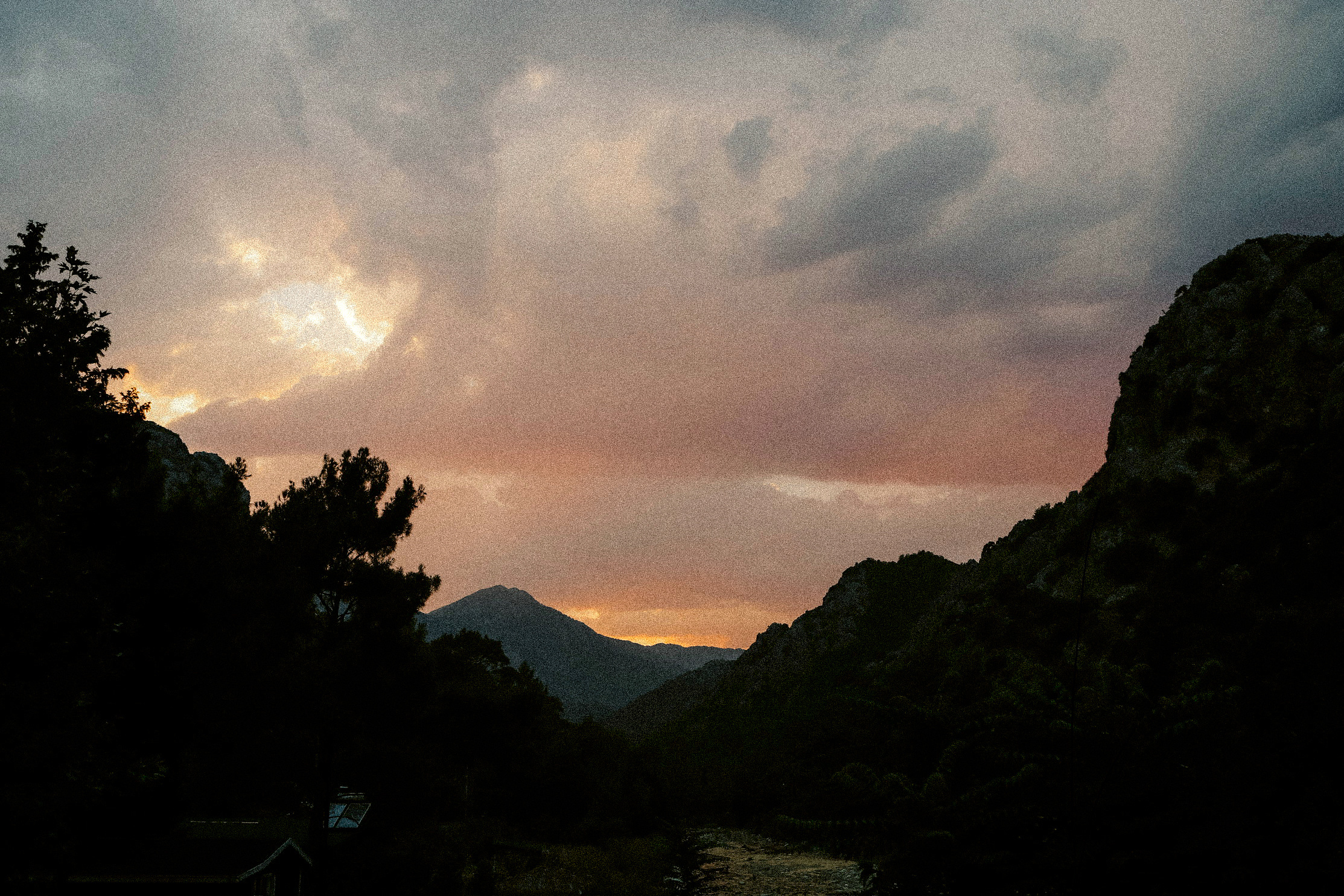
Nolan's films are built at a scale most cinema no longer attempts. Shot on large-format film, they give a landscape real mass and keep the human figure small and specific inside it. Light arrives from somewhere, warm and directional, and the shadow it leaves is allowed to stay dark. Stone reads as stone, water as water, distance as distance. The effect is not spectacle but weight, a sense that the place continues beyond the frame and does not depend on being watched.
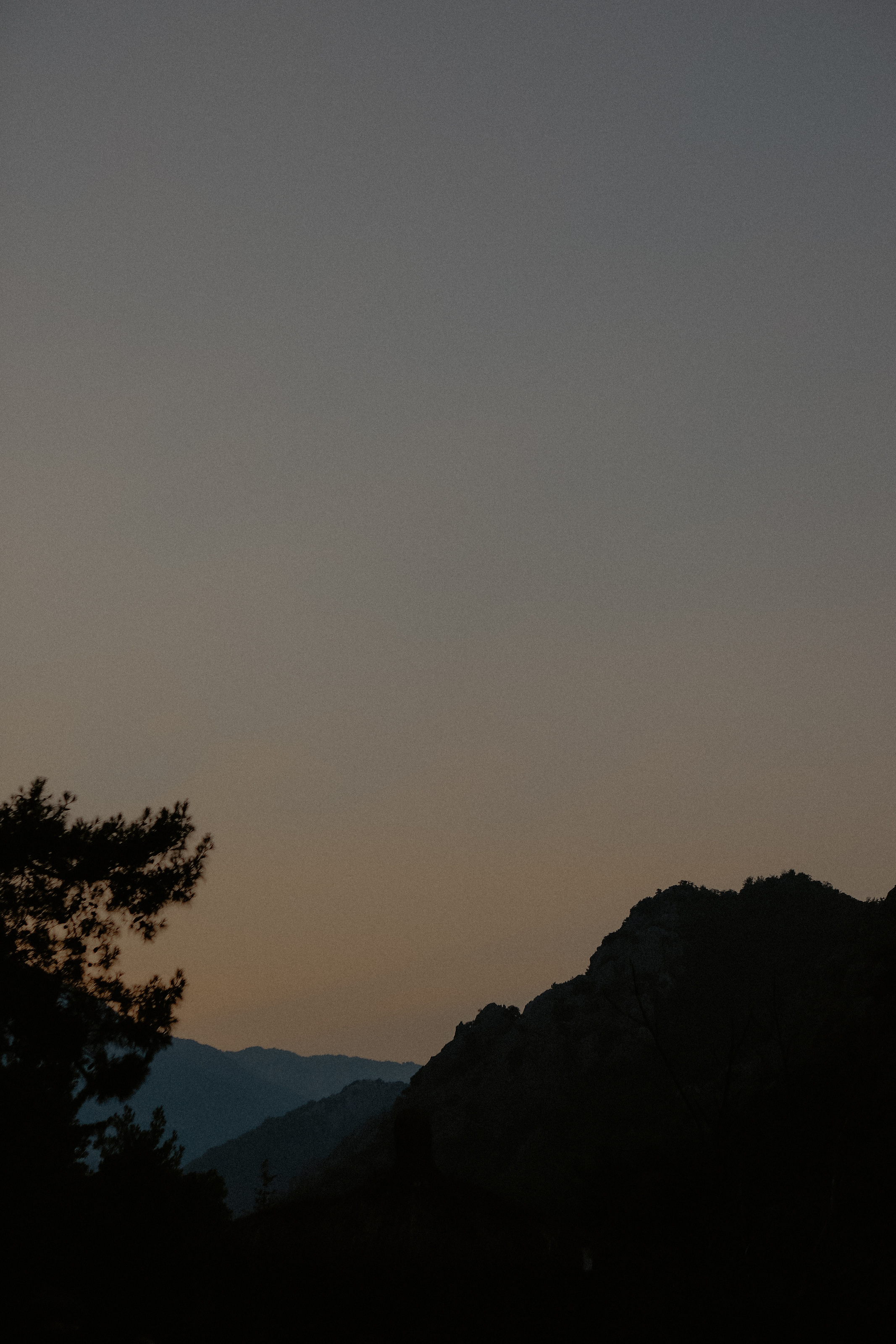
That was the vocabulary carried back to these photographs. Not a look to be copied, but a way of weighting an image: letting the darks fall, holding warmth against the cold of late light, giving the land its full size and letting a figure remain a figure. The files were the same raw material as before. What changed in the edit was where the attention went, and how much was allowed to disappear into shadow.
A photograph can change while the photograph stays exactly as it was. What moves is the eye in front of it. References shift. Memory reorders itself. The vocabulary we bring to an image grows without our noticing. Some of these photographs have appeared elsewhere in this archive. Here they are encountered differently.
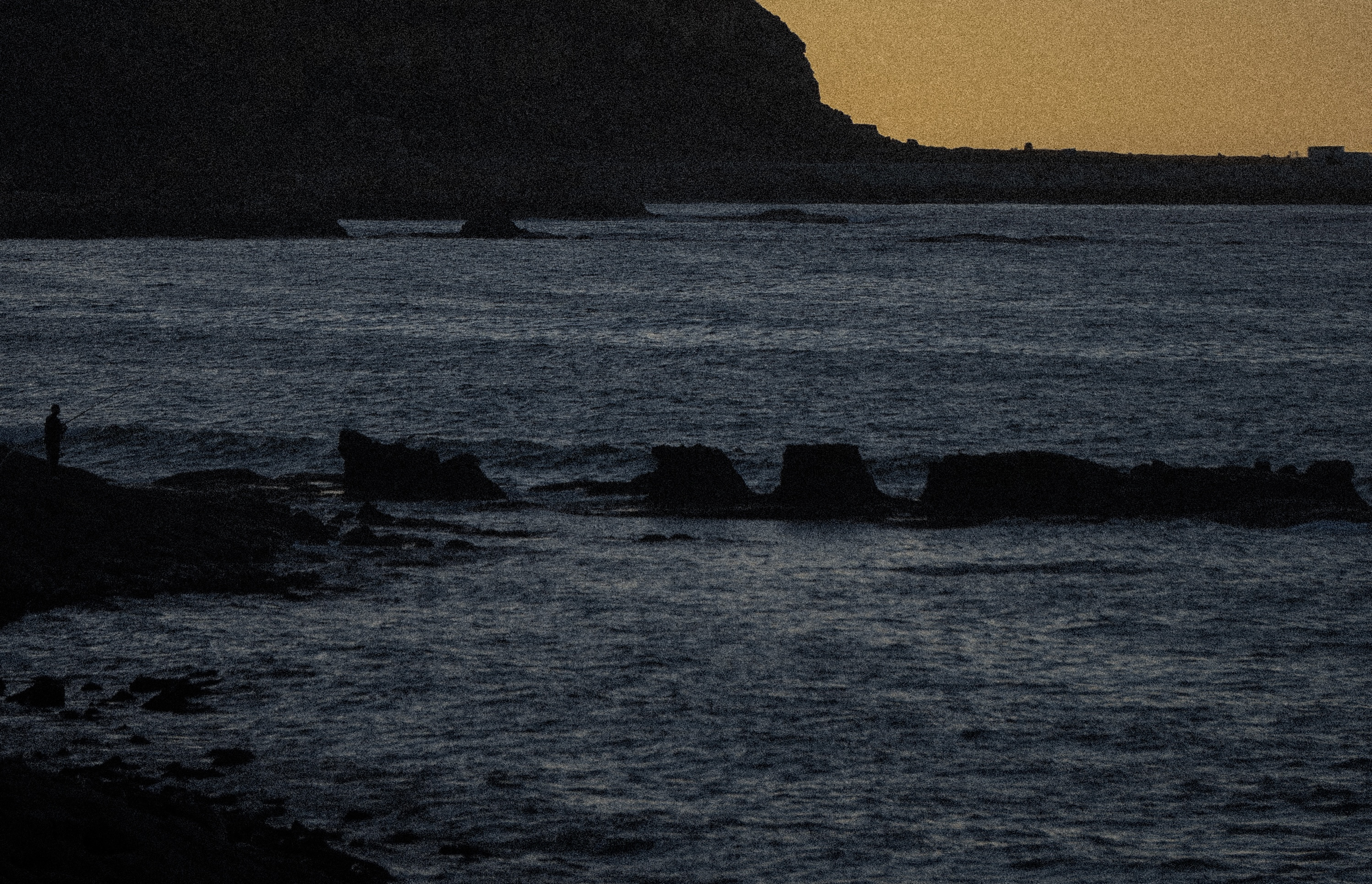
Scale changes the way a place is remembered.
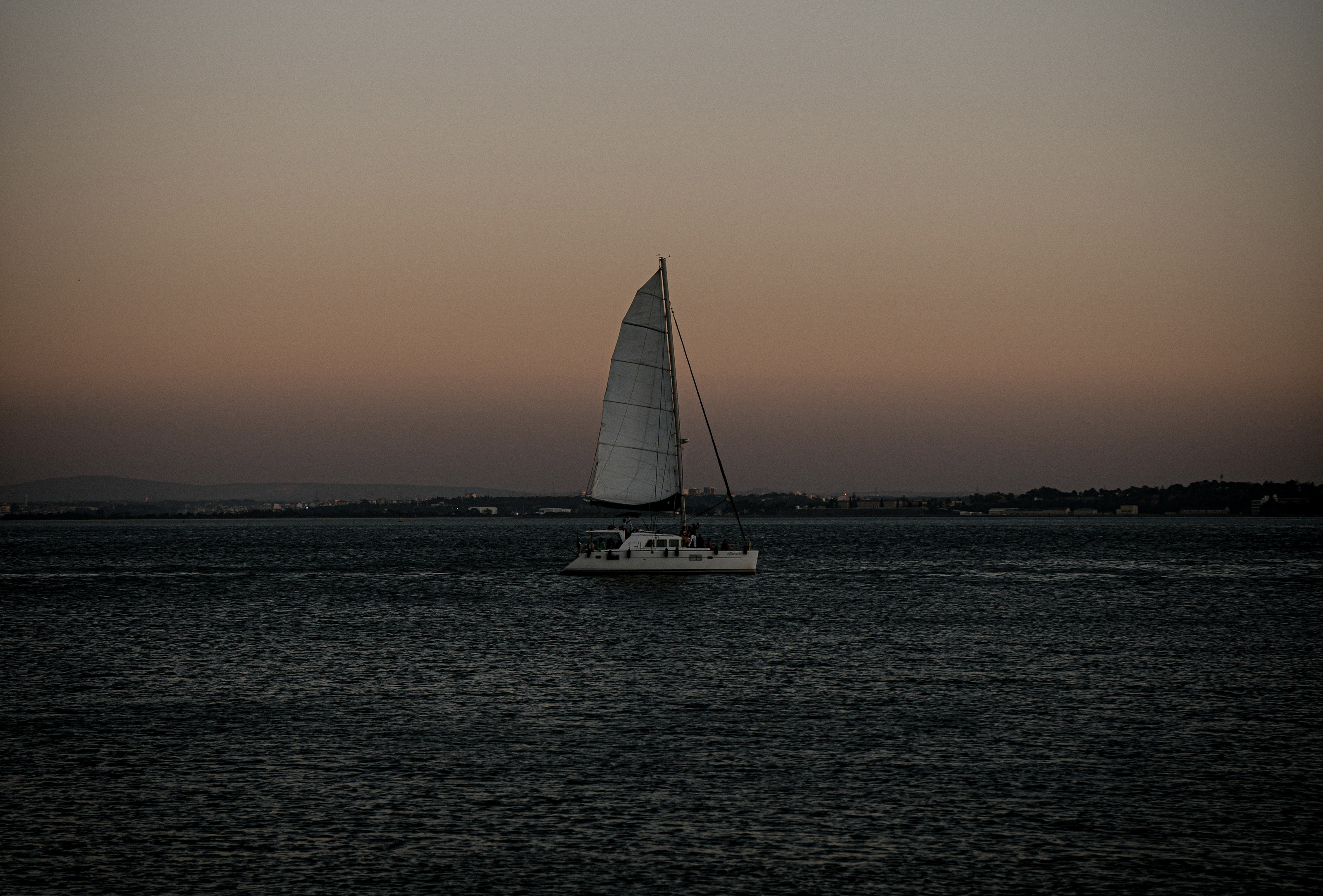
A figure at the shoreline. A single sail held against the last of the light. The land does not diminish the person so much as set them in proportion, and it is the proportion that stays. What returns later is seldom the detail. It is the size of the thing, and where you stood inside it.
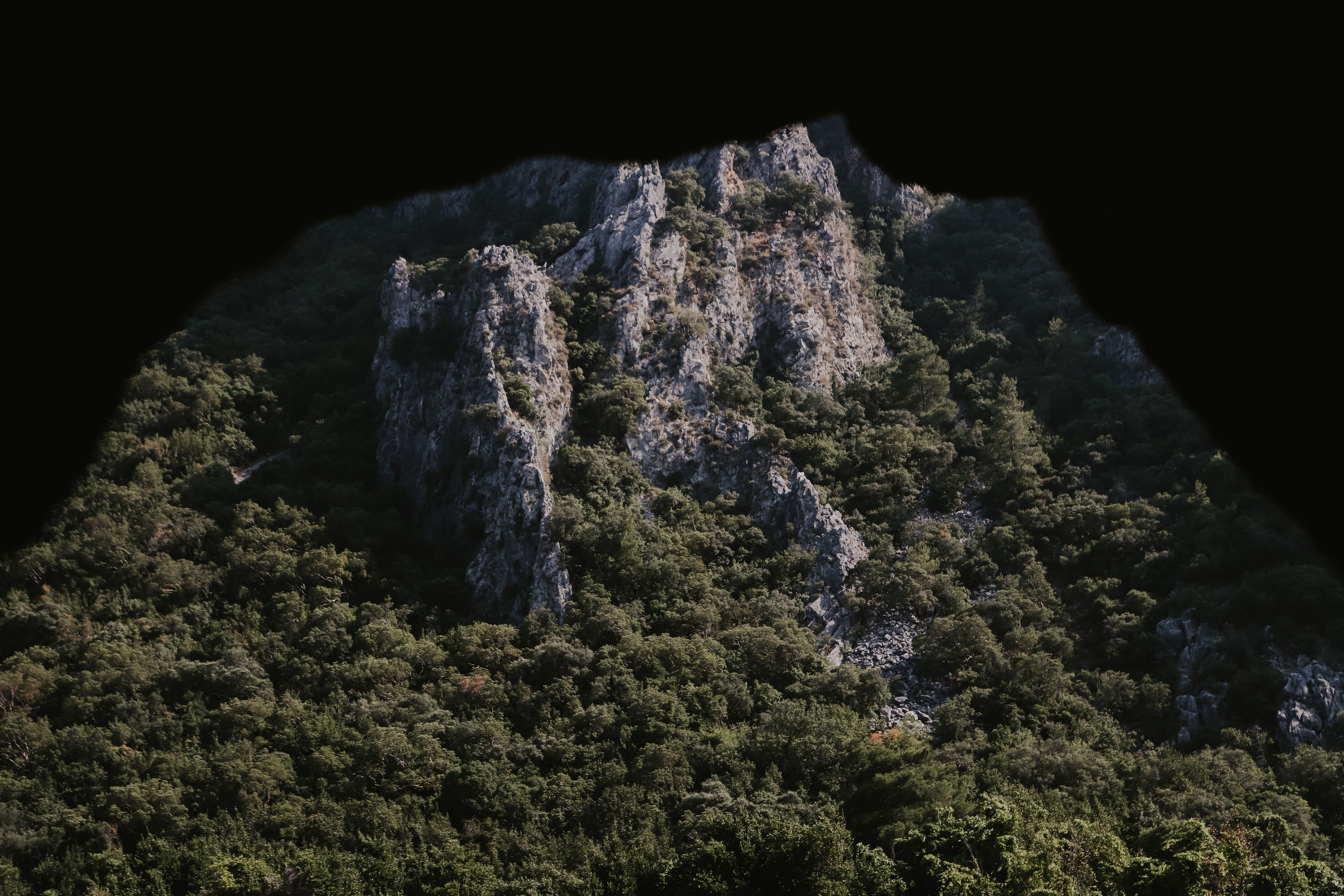
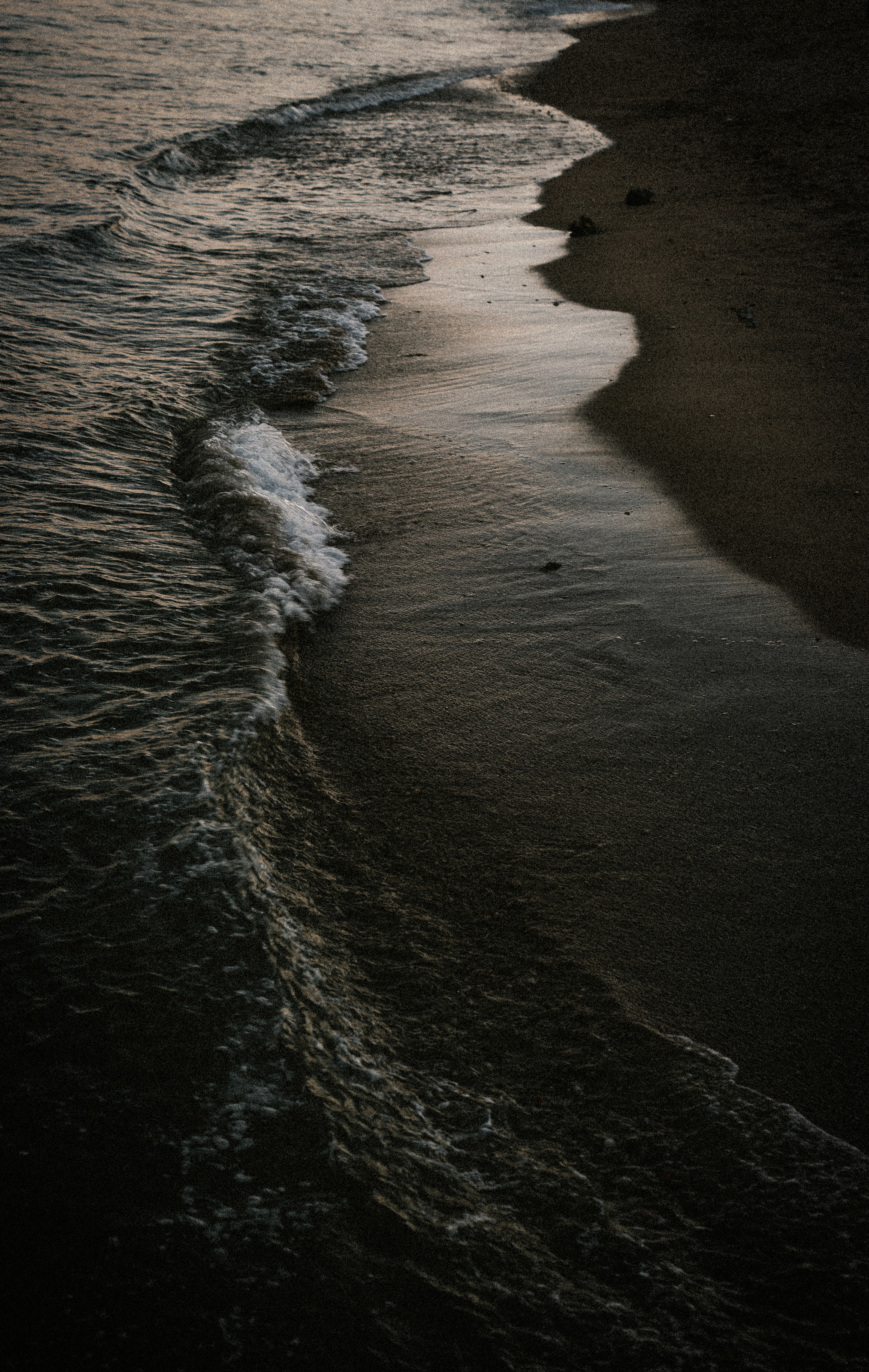
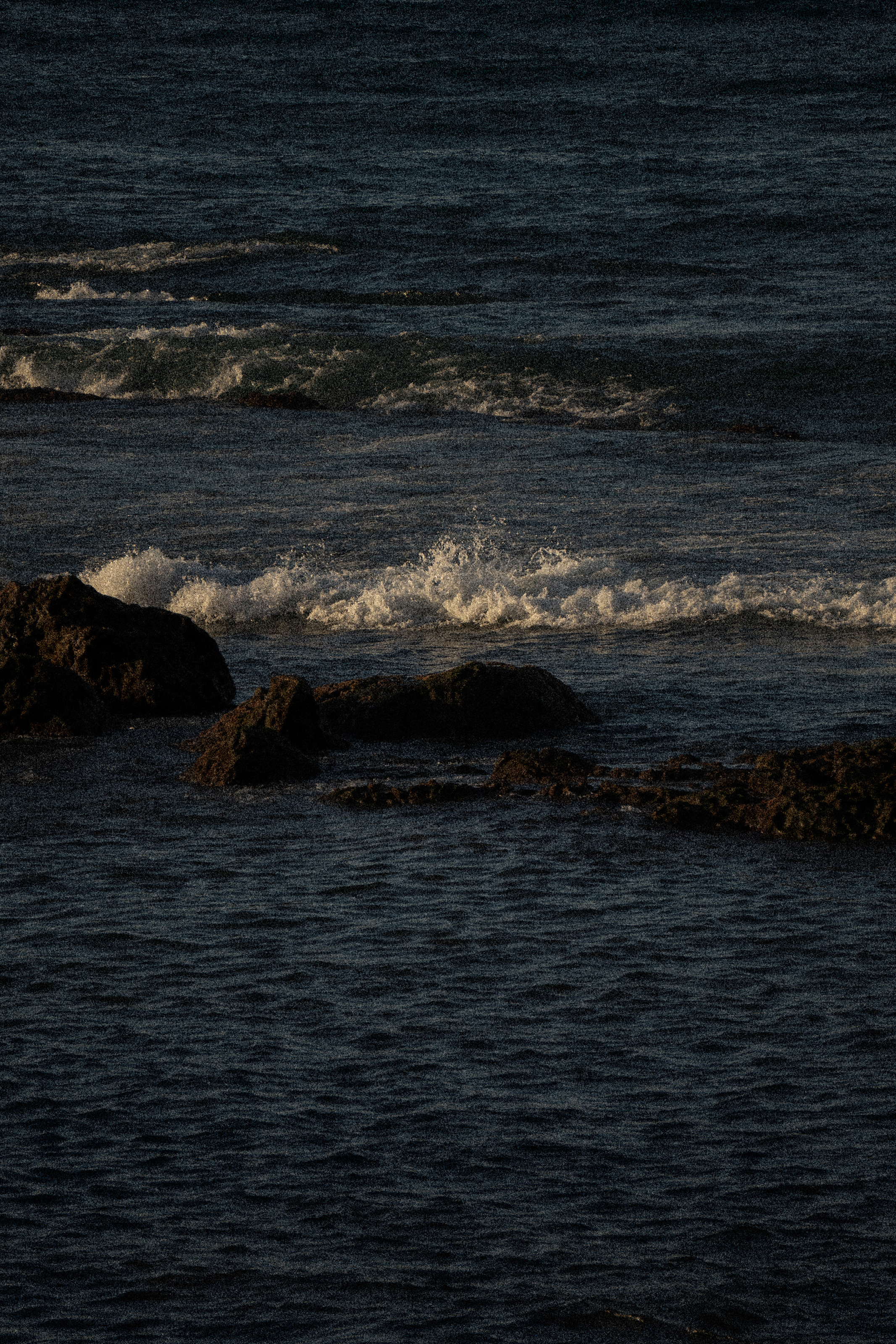
Closer. Stone, water, the grain of a surface holding light.
At this range a place stops being a location. The eye reads material before it reads geography: the weight of a shadow, the temperature of a wall, the way water keeps moving after the frame has stopped. You could no longer say with any certainty where this was. That is the point at which the looking becomes the subject.
None of these photographs were made with The Odyssey in mind.
That is precisely why they are here. They existed before the reference.
What changed was not the landscape, nor the moment in which it was photographed, but the eye returning to it.