Guerlain Leeds
Guerlain held a masterclass in Leeds built on a simple idea: that fragrance is easier to understand when it is allowed to reach the other senses.
The session was small and unhurried. It moved between bottles and their histories, a table of edible references, a pot of jasmine tea and, eventually, the skin itself. The afternoon behaved less like a launch and more like a lesson, the fragrances treated as material to be studied rather than stock to be sold.
This study follows that structure. It looks at how a house with nearly two centuries of perfumery behind it chooses to teach: through taste, through texture, and through the quiet act of building a scent in layers.
On the table were Turkish delight, fudge, vanilla biscuits and jasmine tea. They looked like refreshments. They were the curriculum.
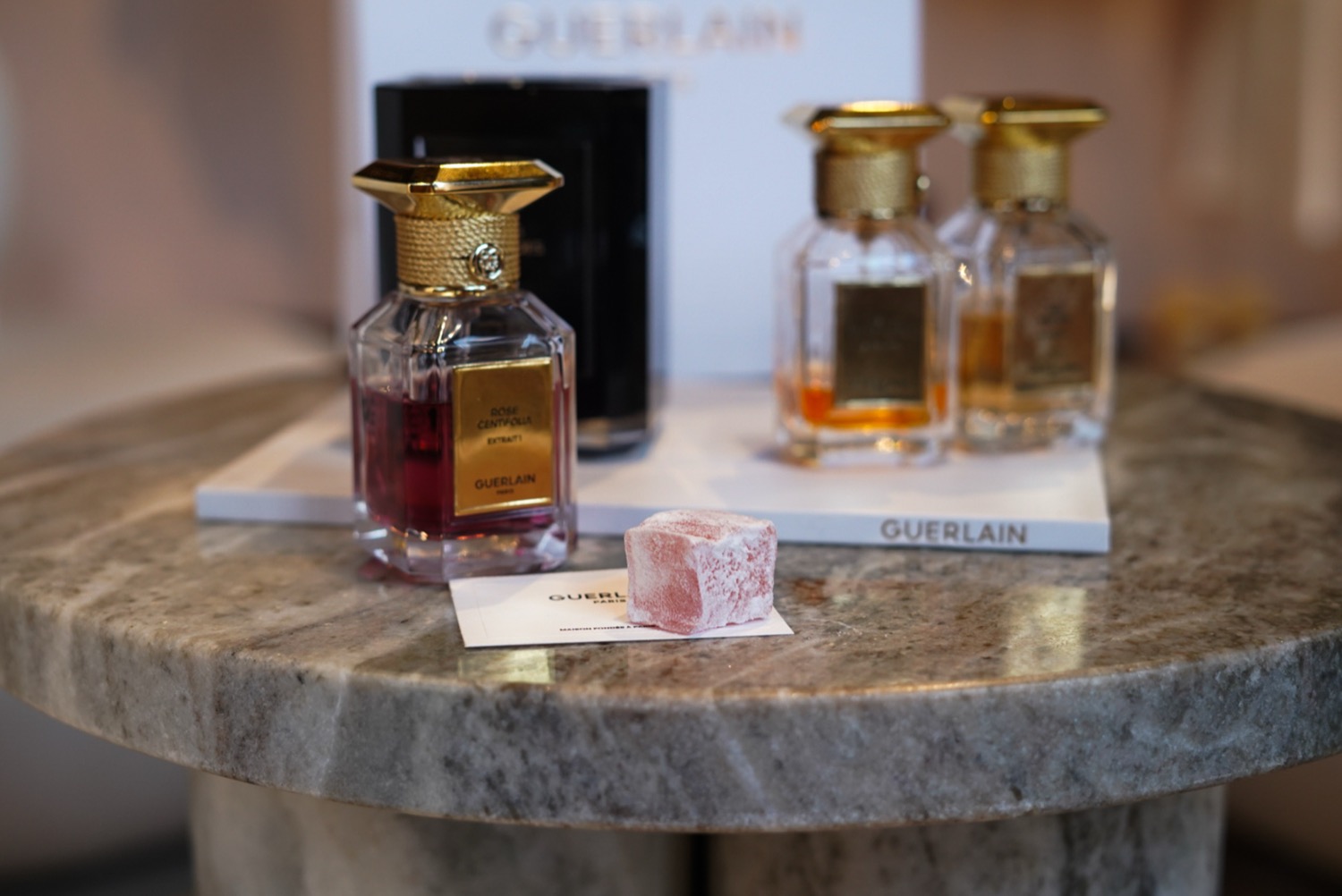
Each one stood in for a note. The delight carried rose and powdered sugar. The fudge carried warmth and butter. The biscuits held vanilla, and the tea held jasmine, floral and faintly green. Tasted before the fragrances were smelled, each gave a note somewhere to land, so that when it appeared again in a bottle it arrived already familiar.
Scent is difficult to talk about because it comes without language. Flavour and texture lend it some. A note that means little printed on a card becomes precise the moment it matches something eaten and remembered. The masterclass understood that most of the vocabulary of perfume is formed at the table, long before it is formed at the counter.
The second half of the session turned to layering, and with it the idea that a fragrance is not simply chosen but built.
One scent worn over another stops being two separate things. Warmth deepens a floral. Sweetness rounds off smoke. A sheer fragrance can lift something dense, and a drop of vanilla can slow a composition down. Each layer alters the behaviour of the one beneath it, and the interest lies in the proportions: how much contrast a skin can hold, where depth ends and heaviness begins.
Applied this way, scent becomes composition rather than selection. The wearer makes a small set of decisions about balance and sequence, and the result belongs to them rather than to the shelf. It is the closest most people will come to the perfumer's own work, and the masterclass presented it as exactly that: a craft, taught by hand, one layer at a time.
The masterclass showed Guerlain's craft at the scale of a table rather than a maison.
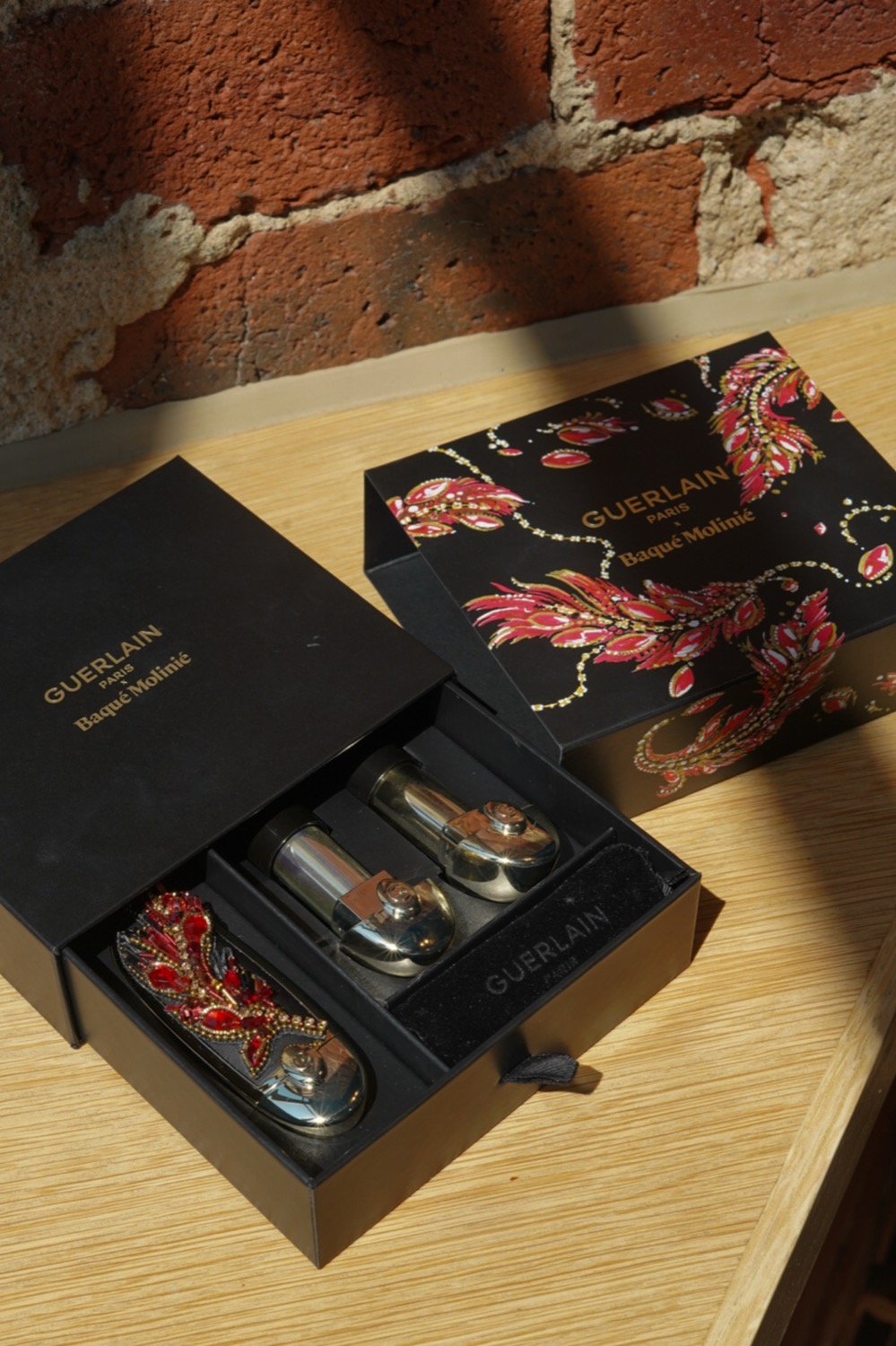
Nothing about the afternoon depended on spectacle. Its value sat in detail: a cube of Turkish delight placed in front of an extrait, a lipstick case chosen from a panel of colours, tea poured while a note was found on the skin. The history was present, but it was carried in material and gesture rather than told as a story.
What remained afterwards was the ritual. Scent applied slowly, in layers, with attention, holds a memory in a way that scent bought in passing does not. The lesson in Leeds was that this attention is the product, and the bottle is simply how it is kept.
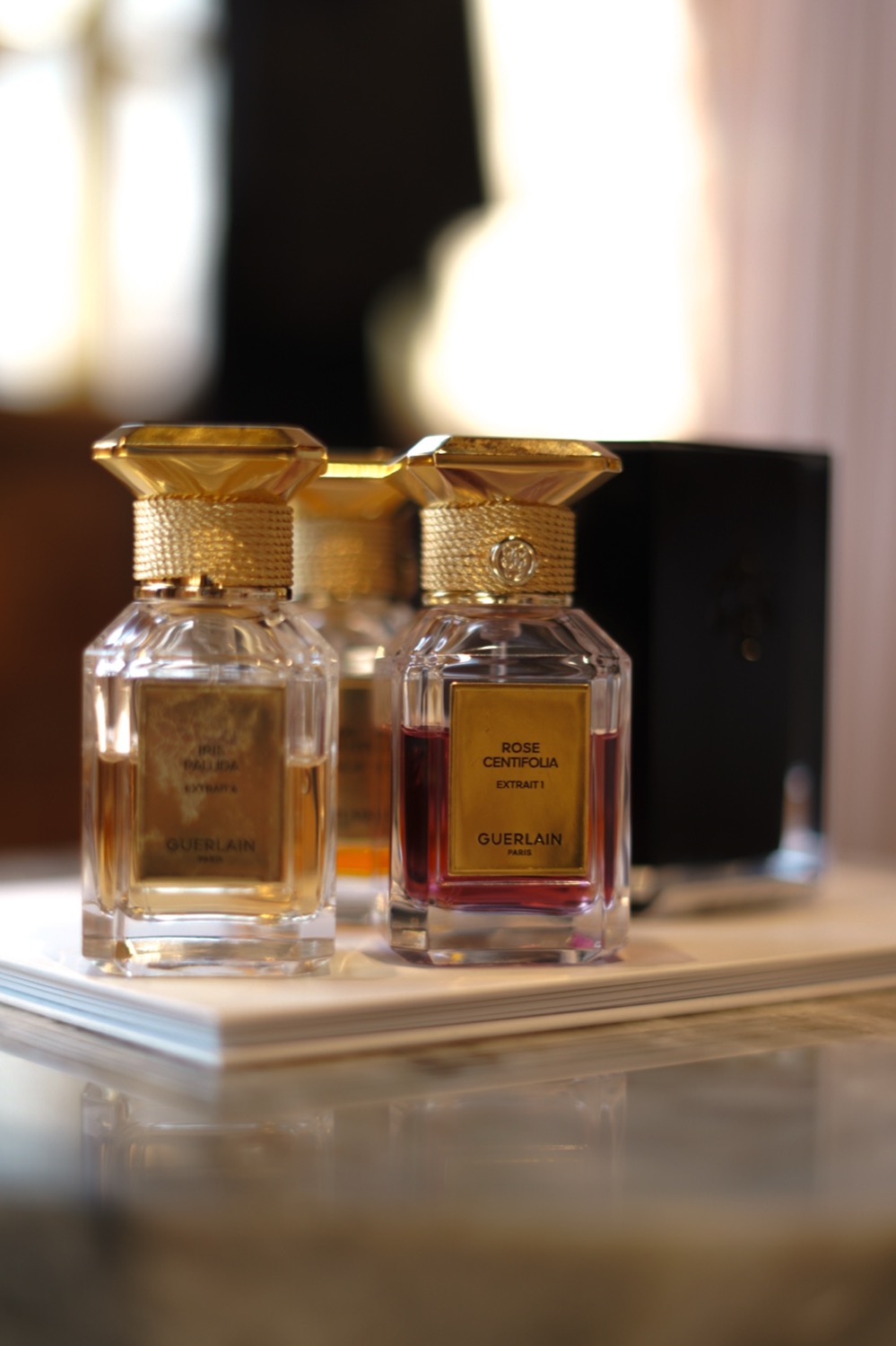
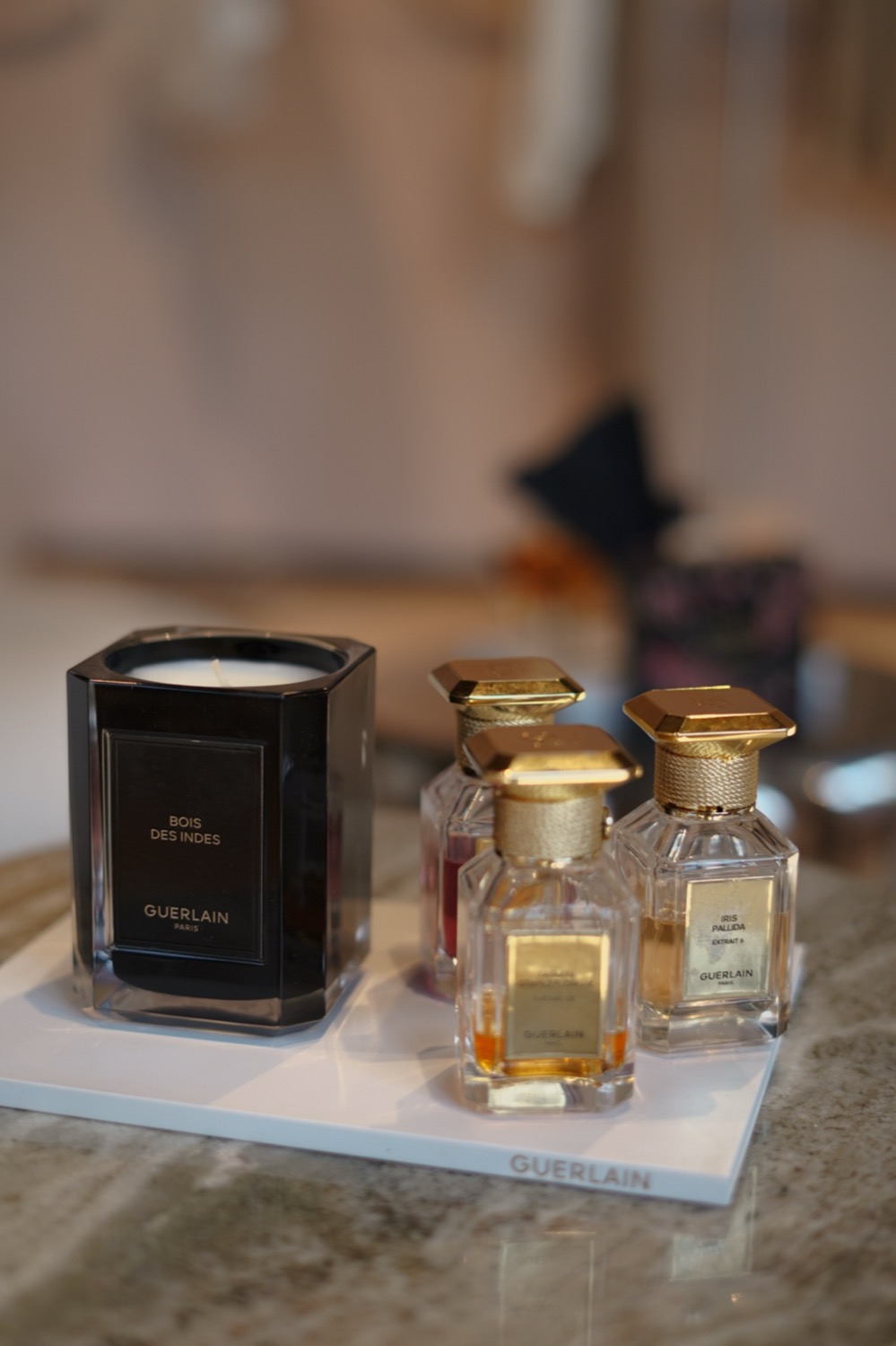
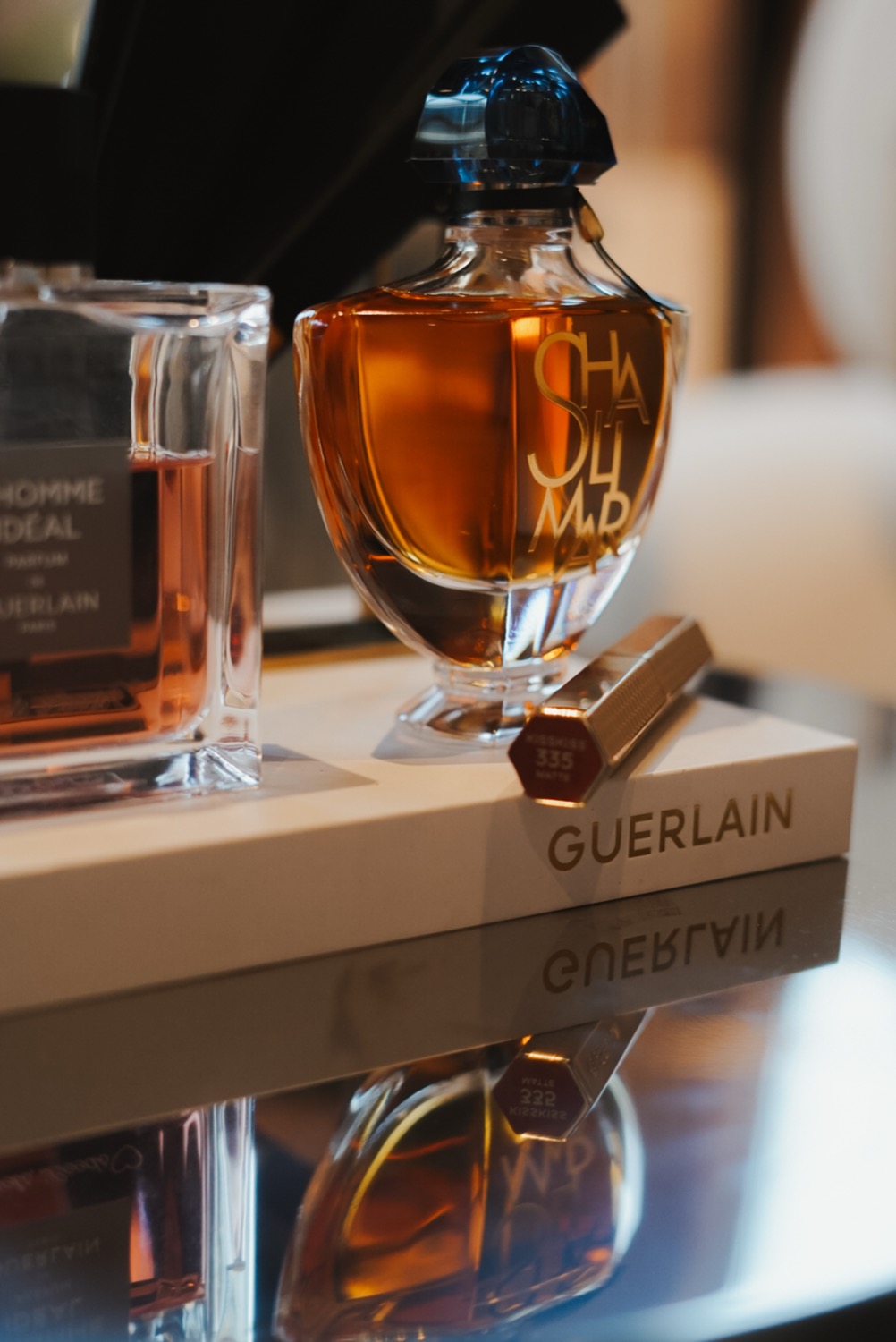
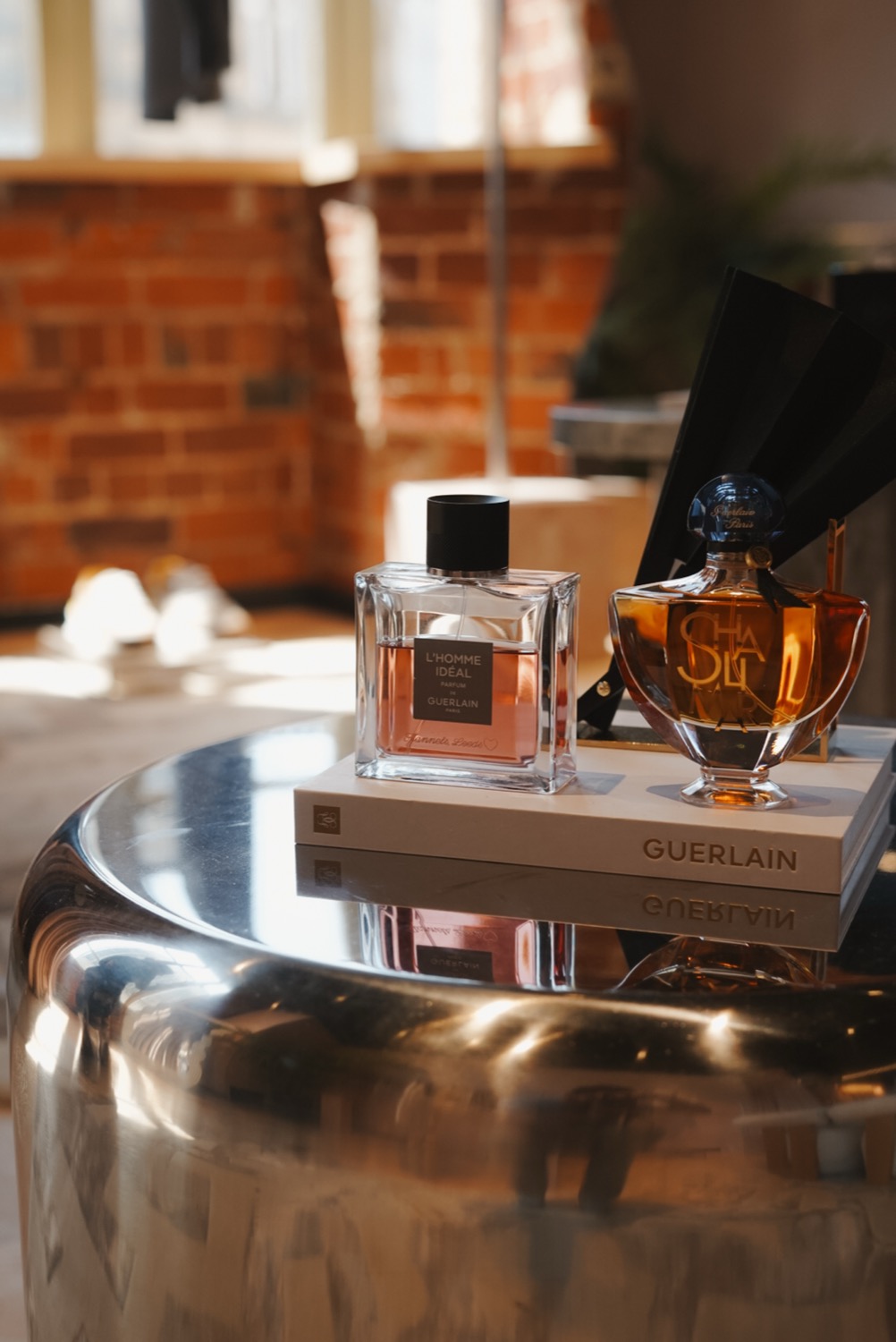
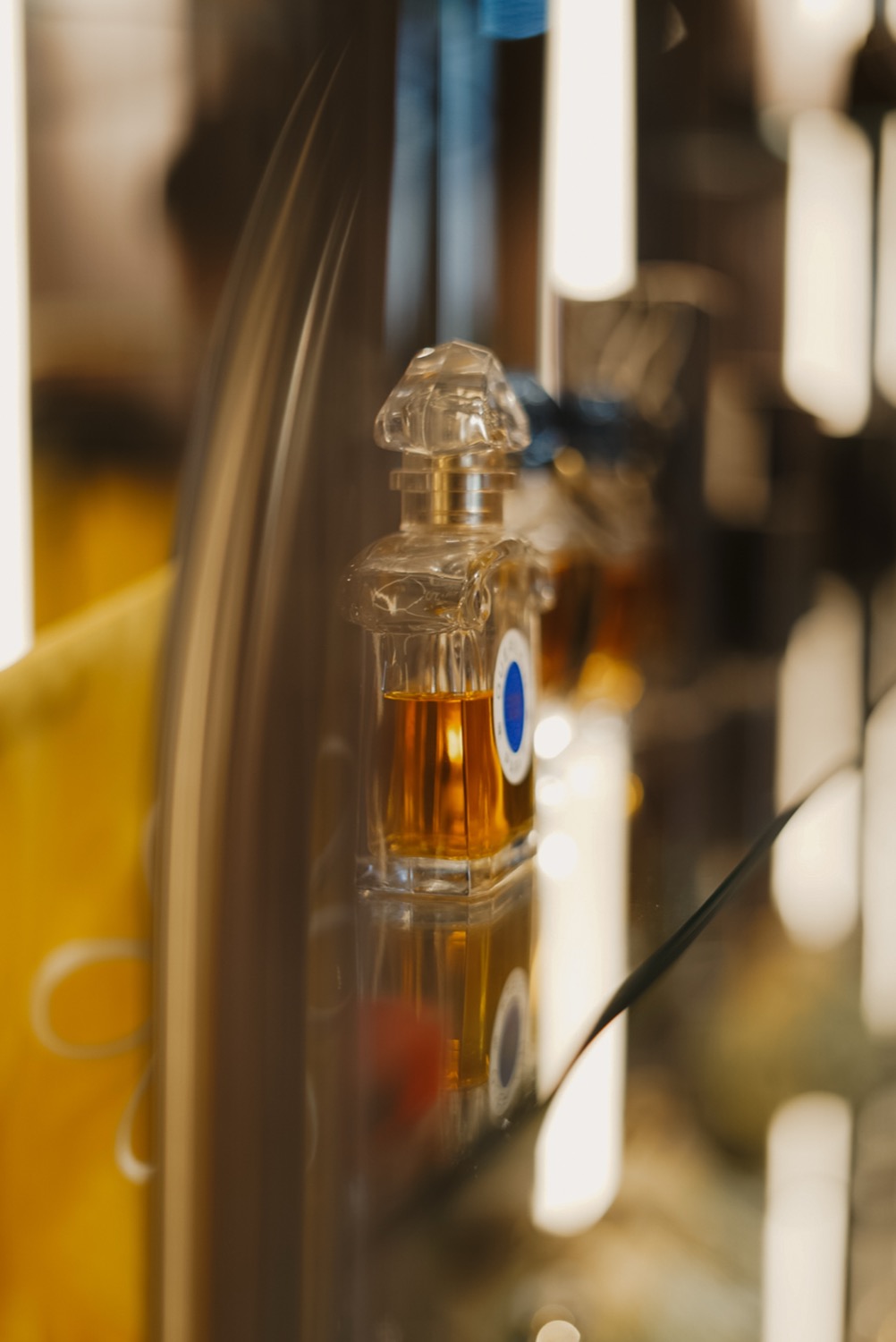
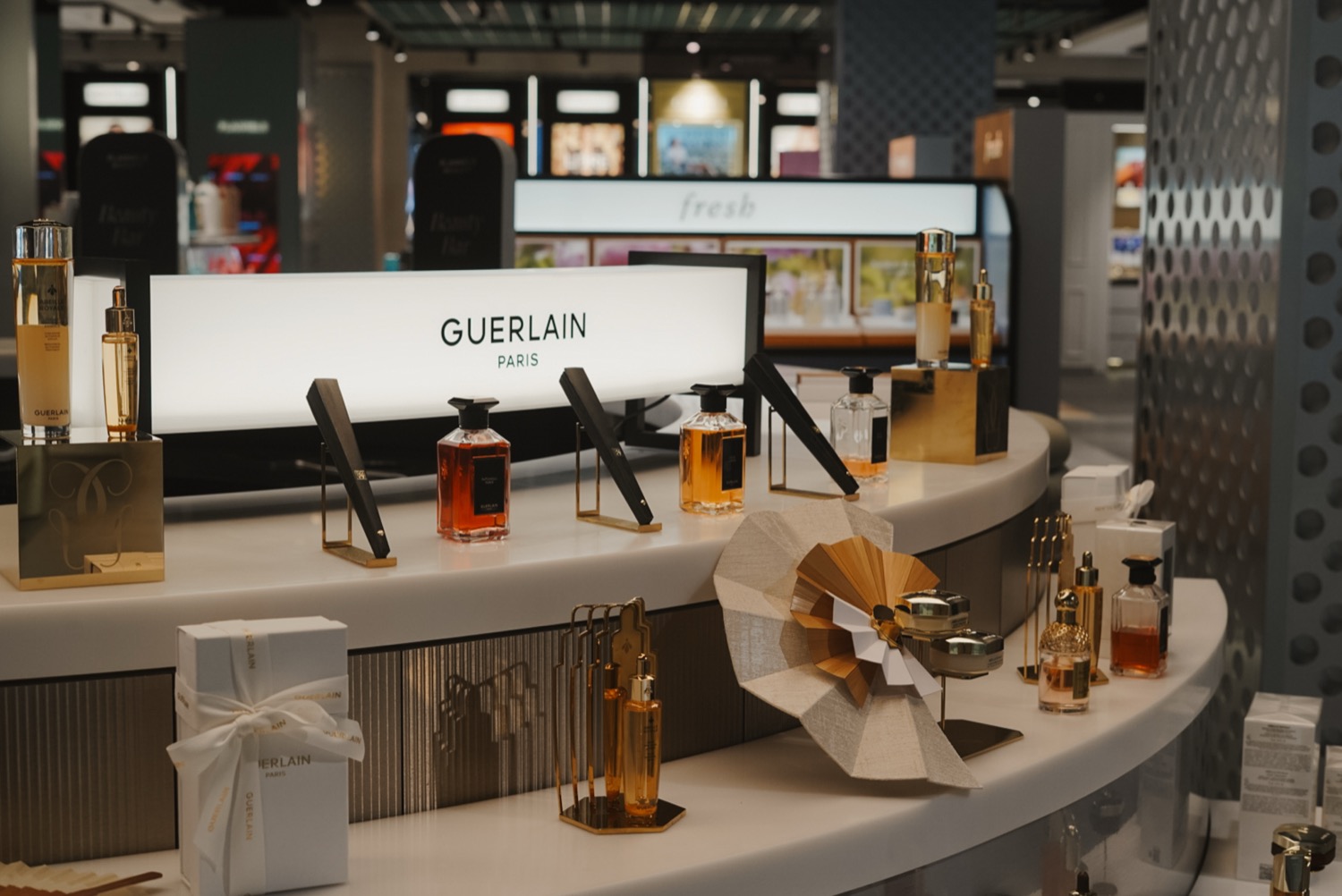
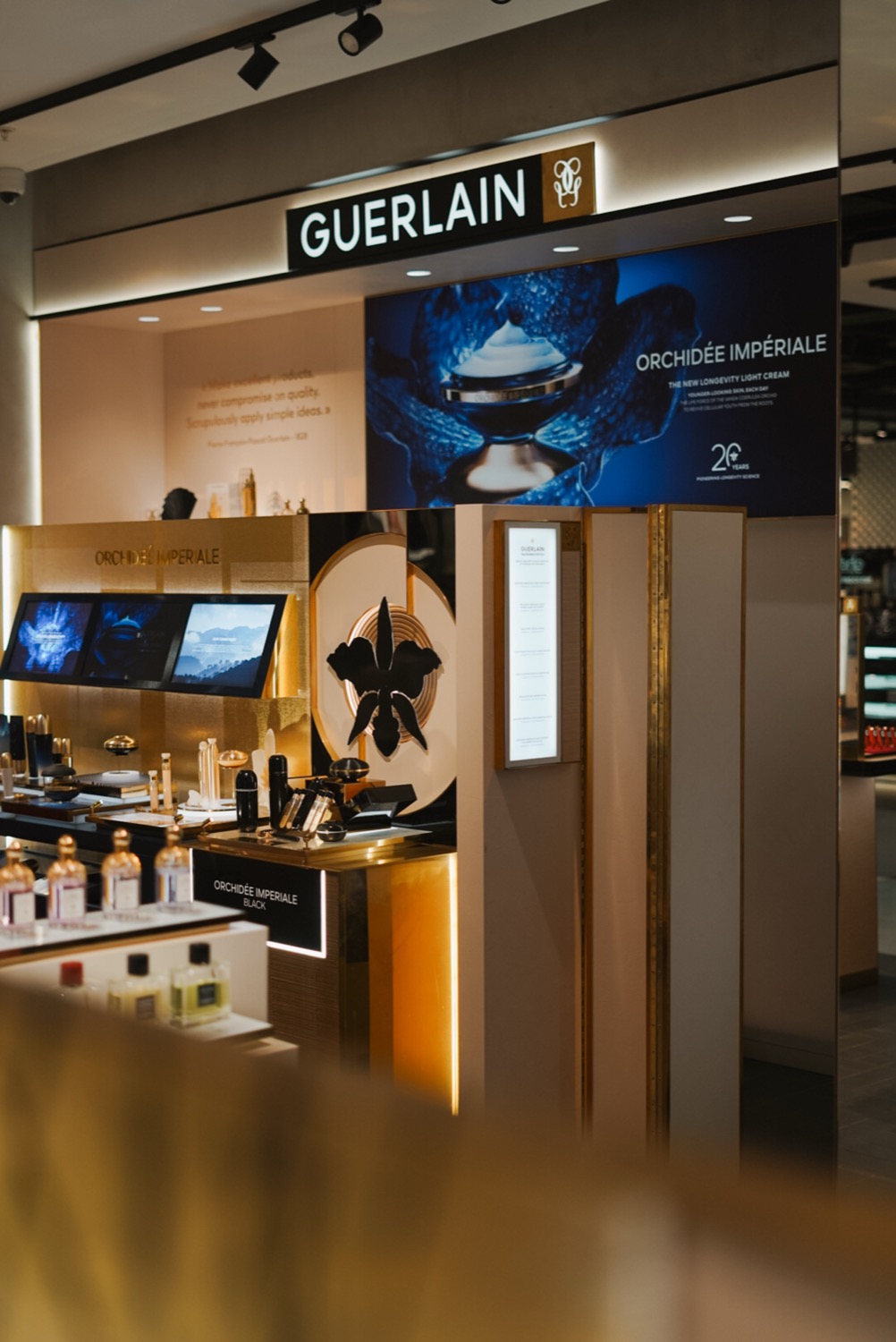
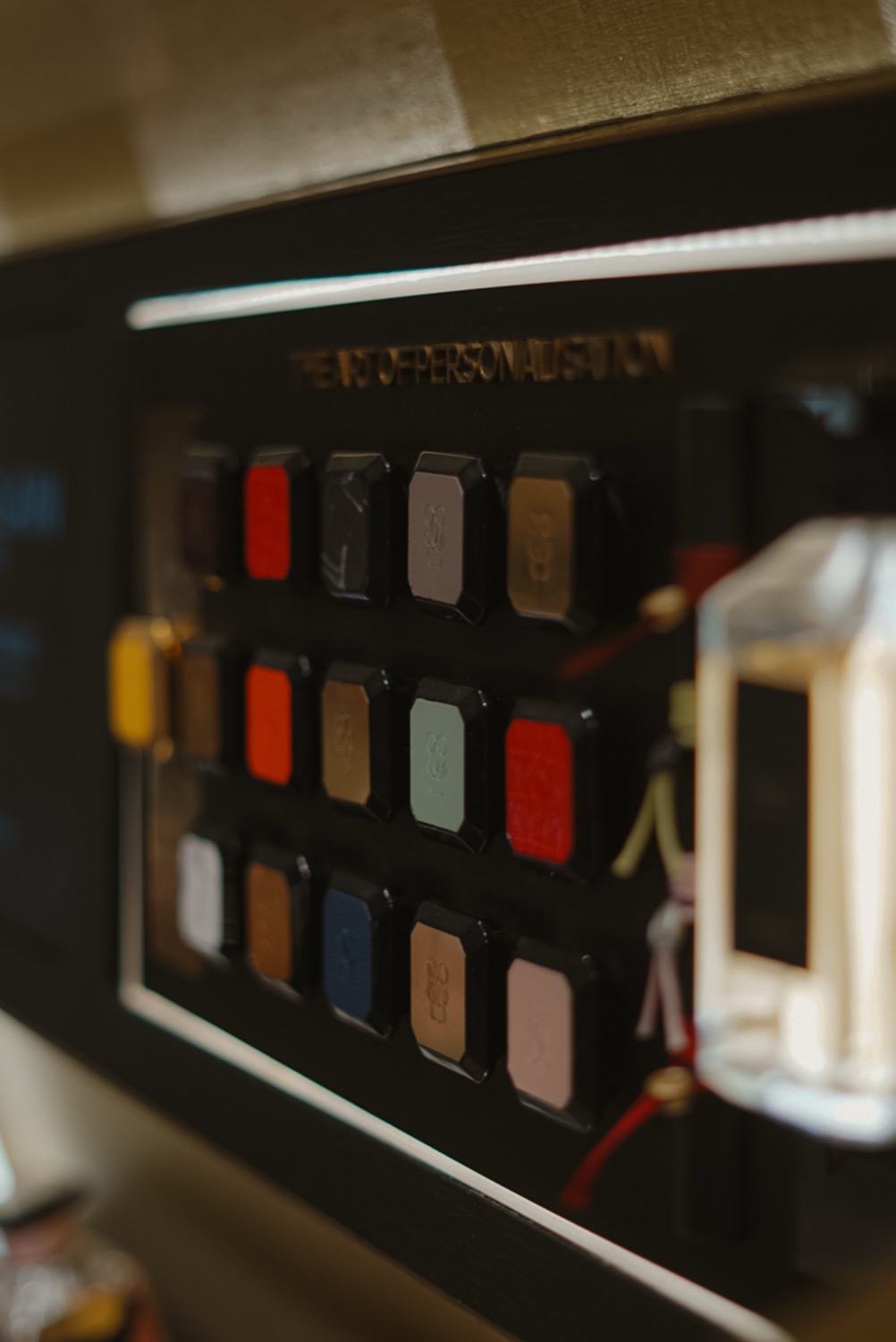
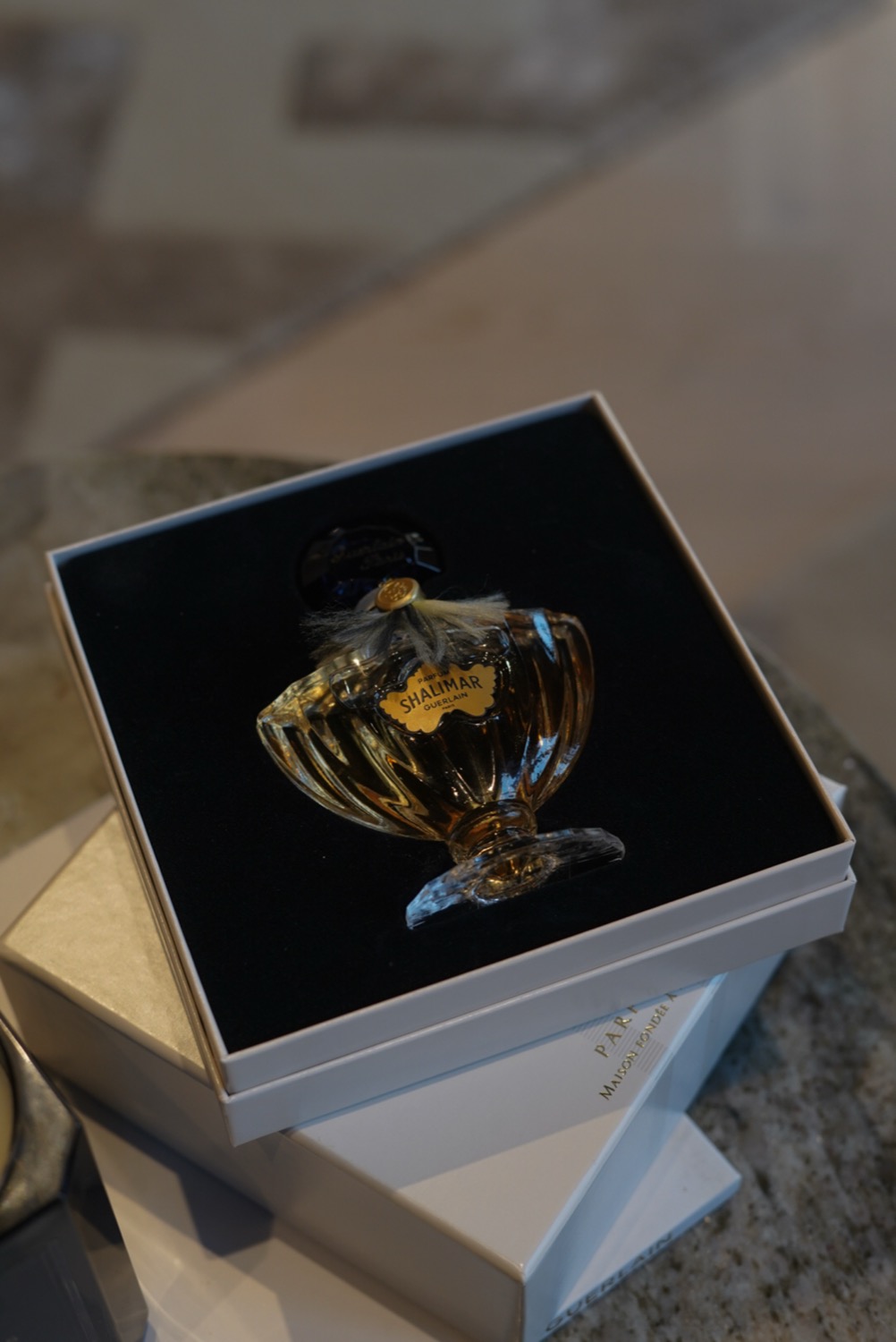
Guerlain has been making perfume since 1828, and the masterclass in Leeds carried that history lightly. Rather than presenting the house through its dates and its bottles, the session taught fragrance through the senses that support it: Turkish delight for rose and sugar, fudge for warmth, vanilla biscuits and jasmine tea for the notes most people already know without knowing their names. The second half moved to layering, the practice of wearing one fragrance over another so that the result is composed rather than chosen.
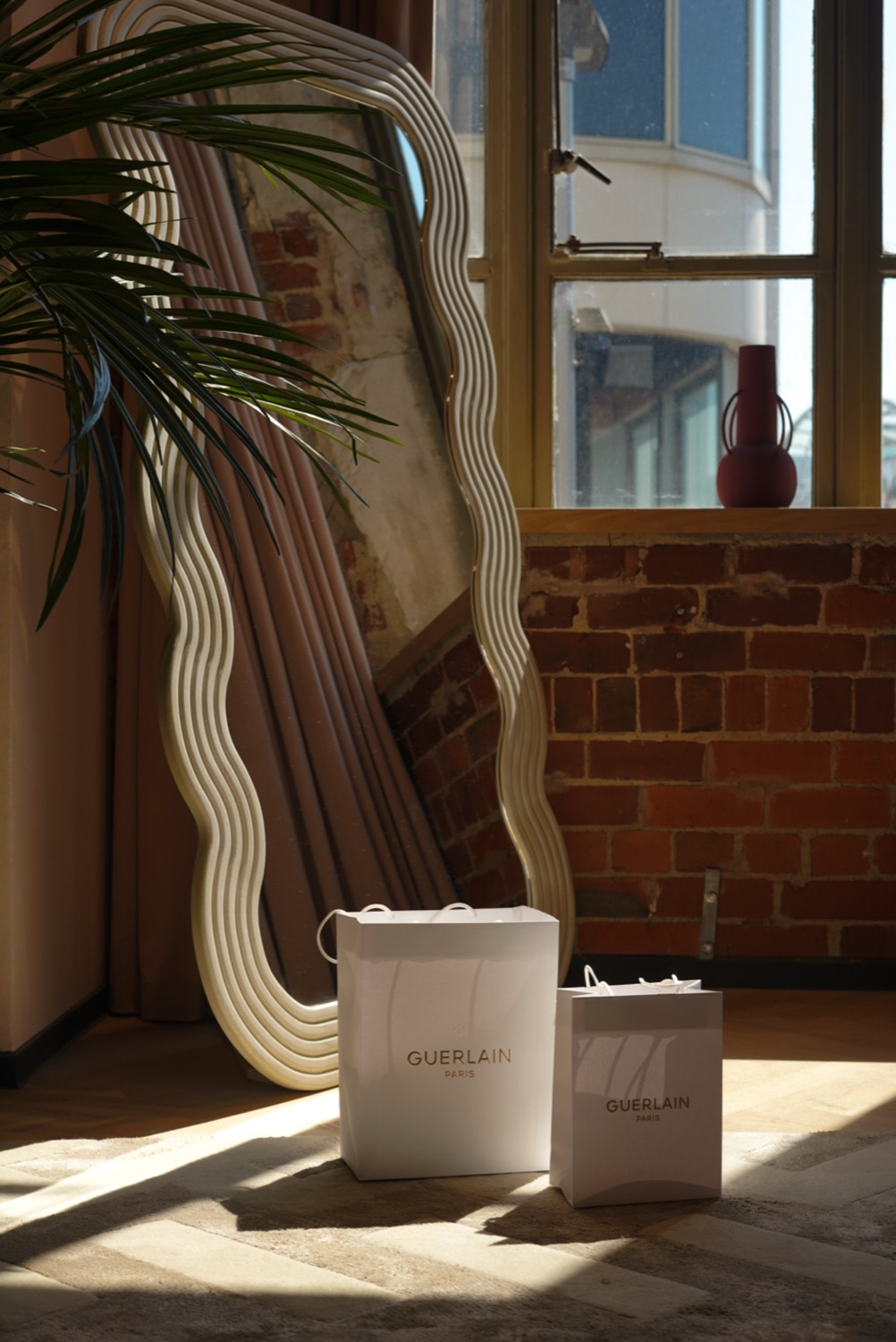
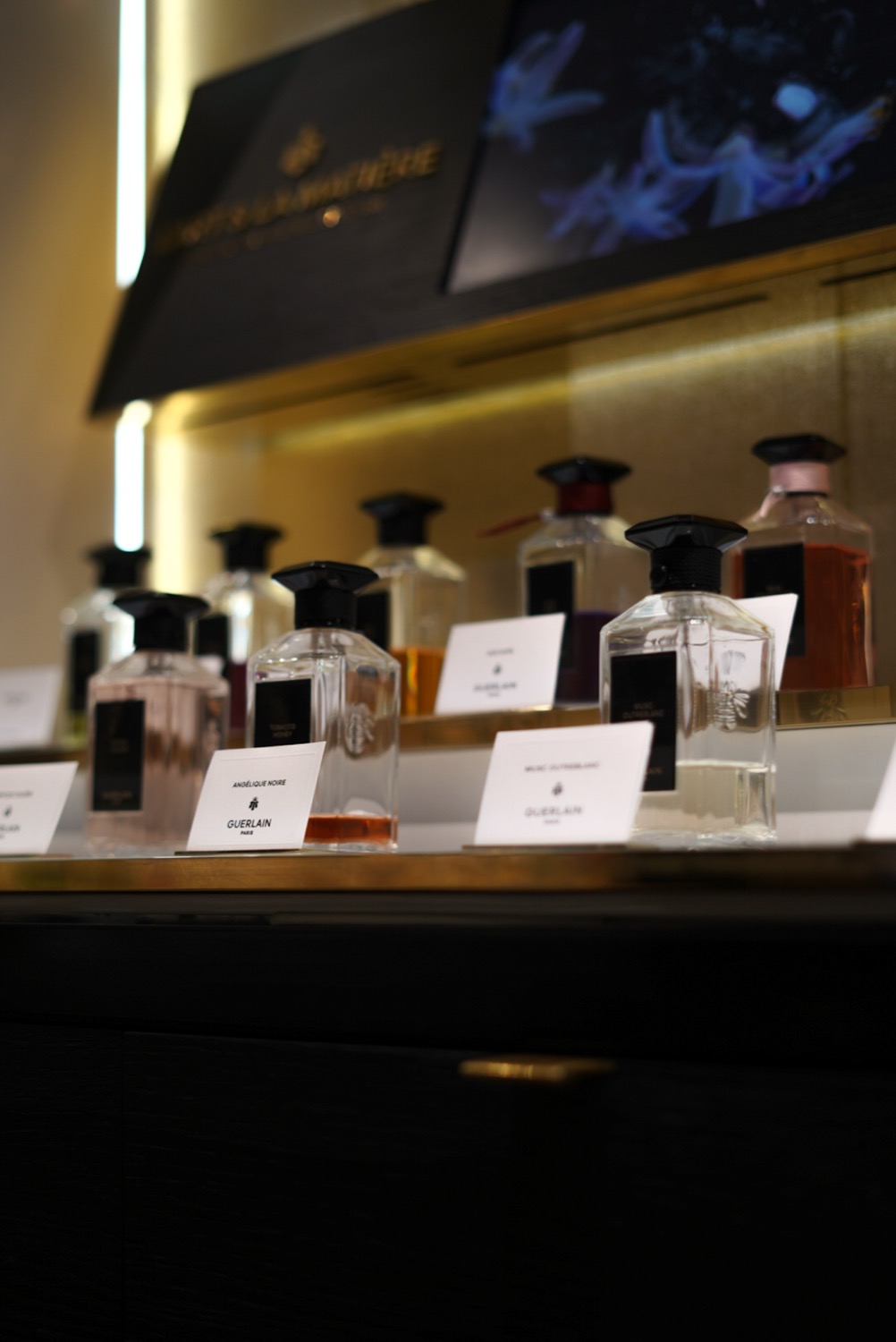
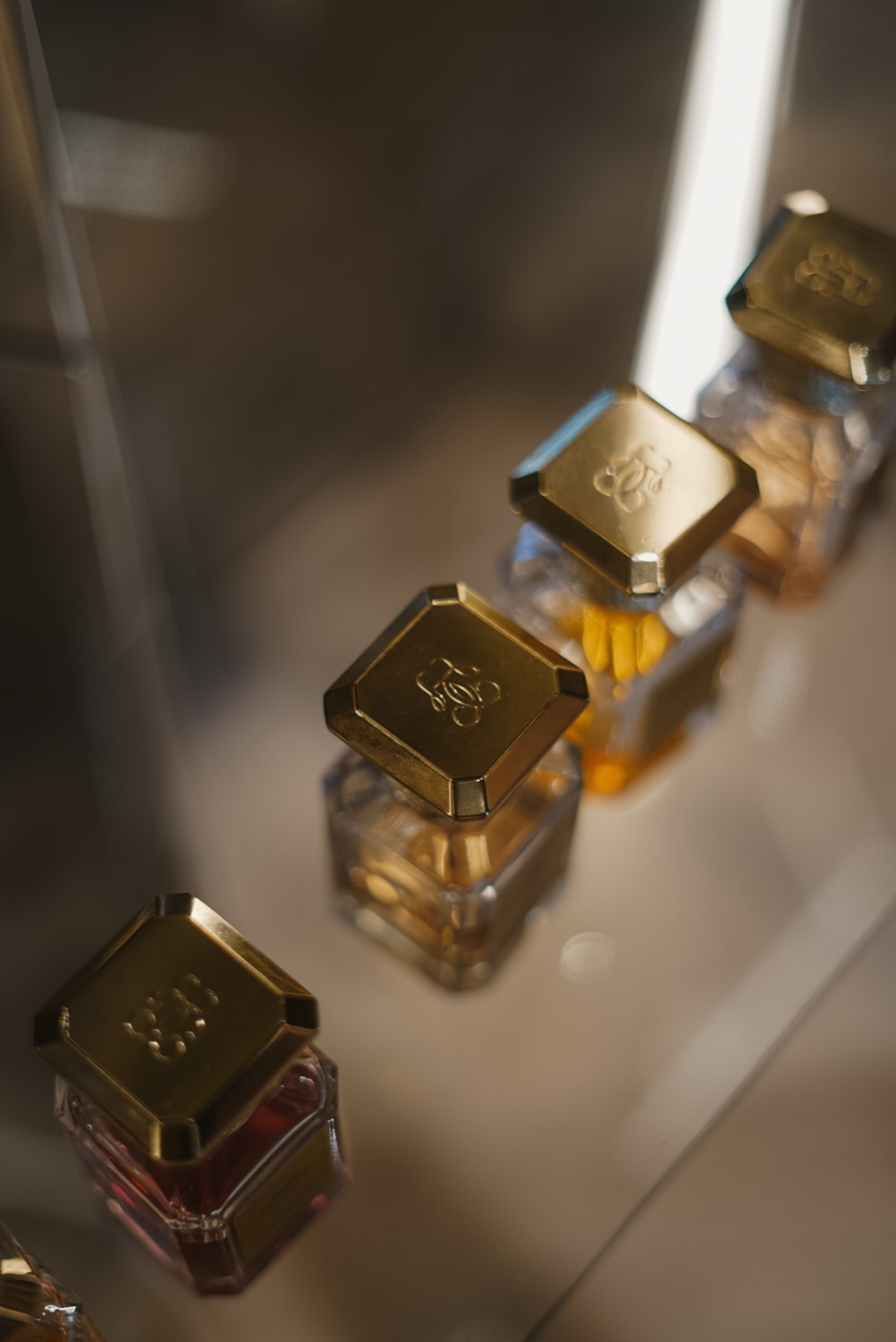
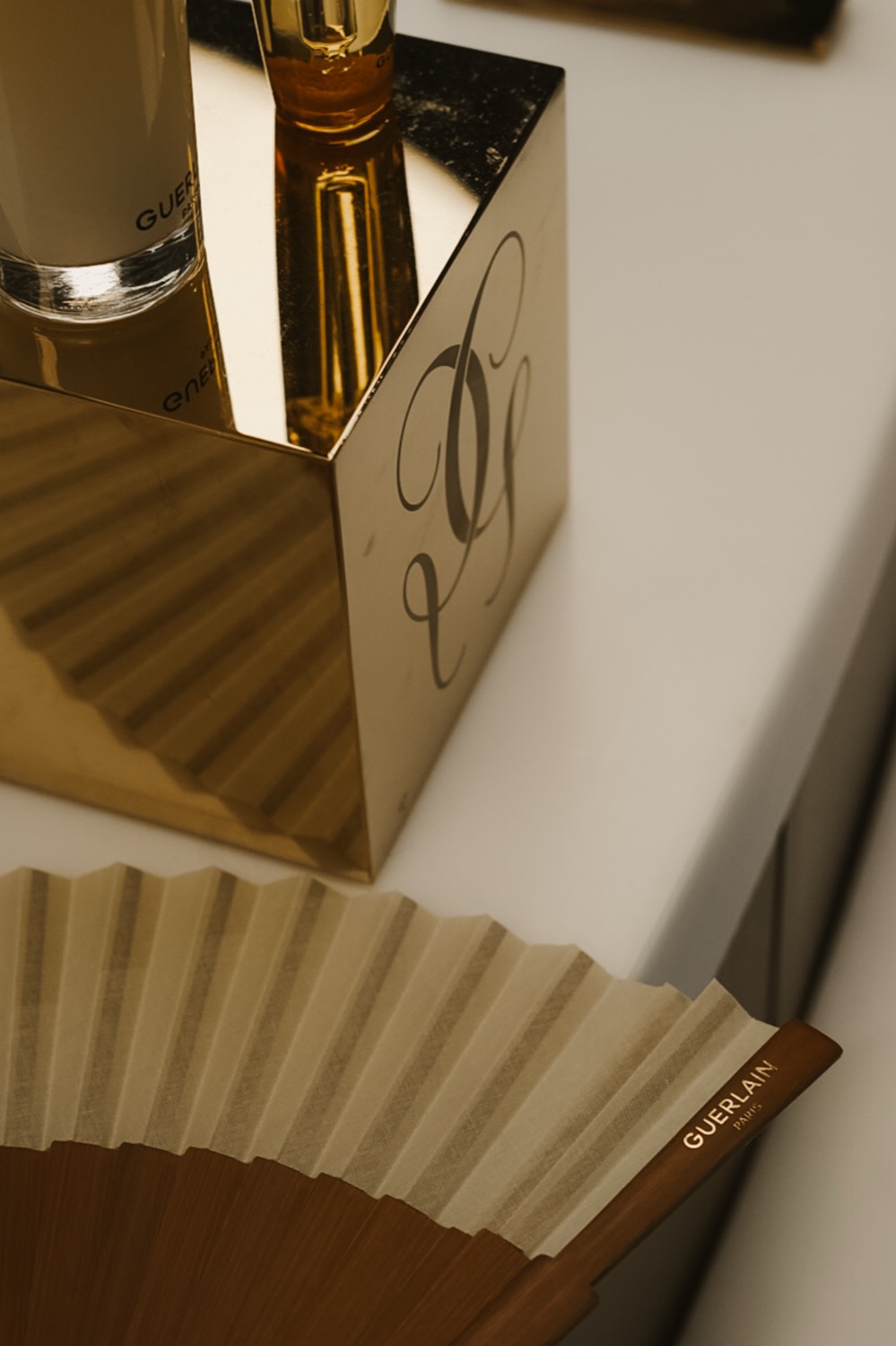
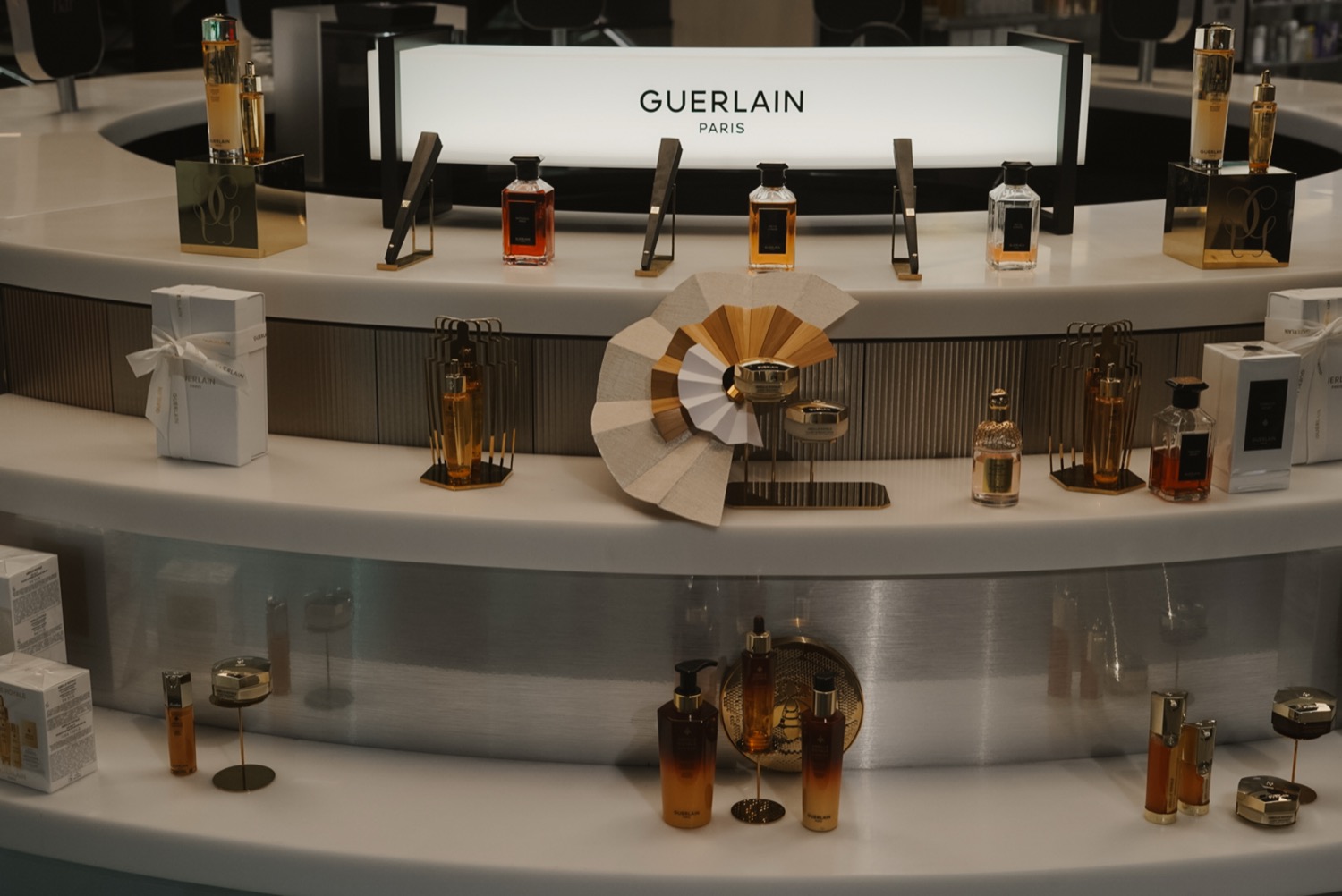
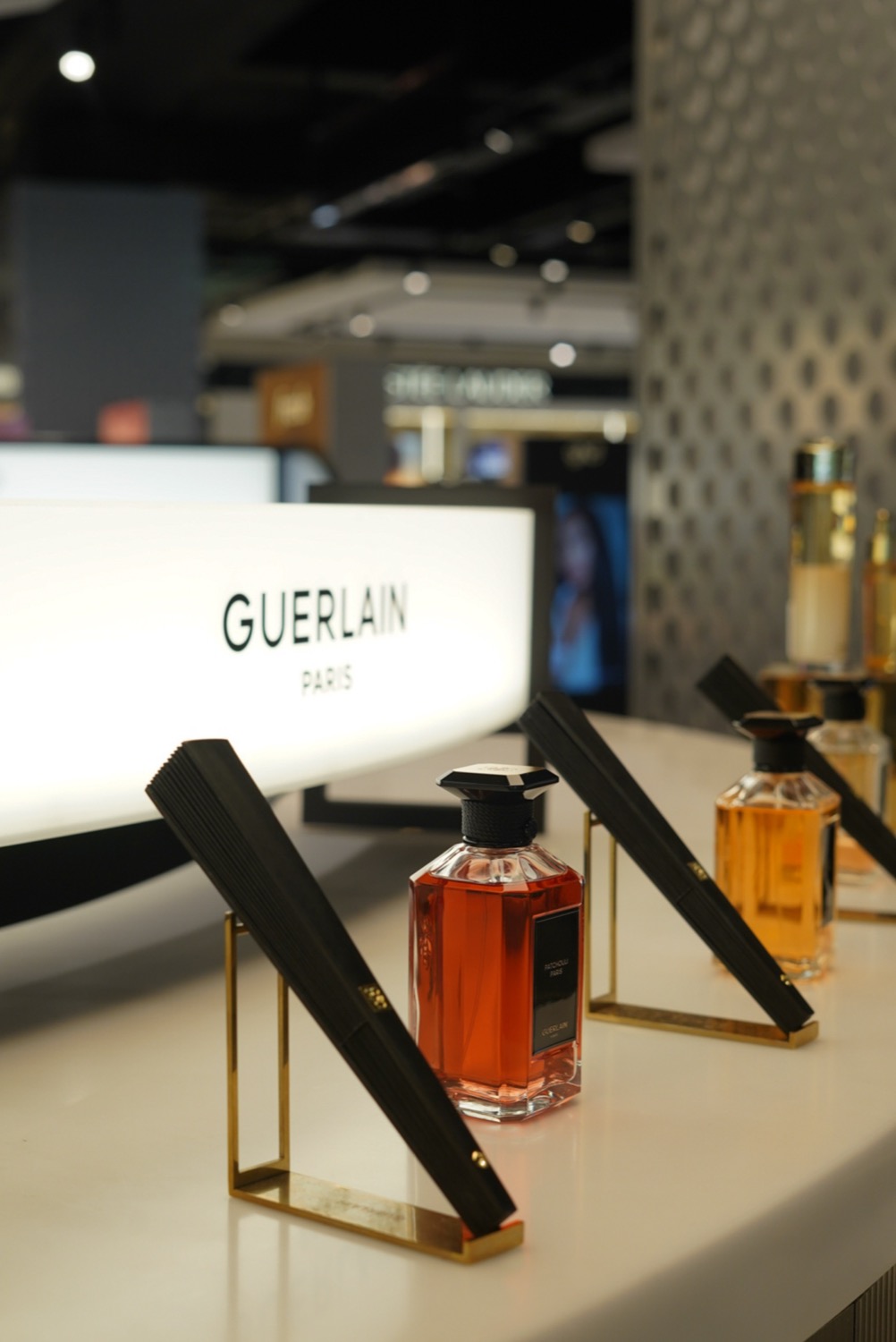
The photographs were made during the session and around its edges, staying close to the objects through which the teaching happened. A cube of delight set in front of an extrait. Bottles gathered in window light. The counter arranged with the symmetry of a set table. The study avoids the crowd and the occasion and keeps to the material, because the material was where the instruction actually lived.
The house appears once before in these studies, at Katara in Doha, where its boutique behaves like hospitality. Leeds shows the other half of the same conviction: that perfume is taught, not just sold, and that an afternoon of tea and attention can carry a brand further than any campaign. For commissions, this study stands as the studio's reference for documenting brand education quietly, through detail rather than event coverage.