Langkawi
Langkawi is shaped by edges.
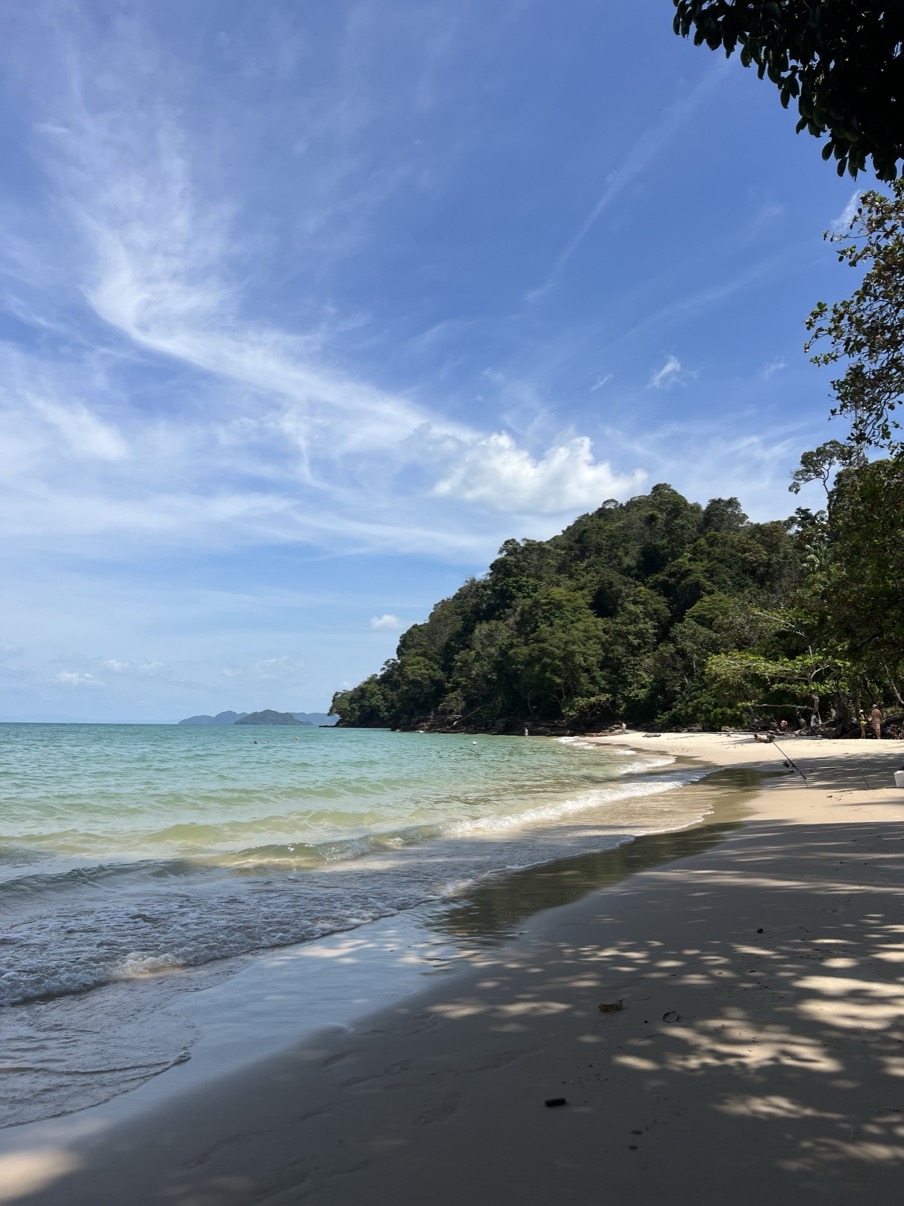
Forest meets water. Mountain falls into sea. Paths lead towards jetties, beaches disappear into shade, and the horizon keeps returning through gaps in the trees. The island is not experienced as one continuous view, but as a series of thresholds between land and water.
This study looks at Langkawi through that meeting point. Not as escape, and not as tropical spectacle, but as an observation of the atmosphere held between rainforest, shoreline and open sea.
The forest gives the island its weight.
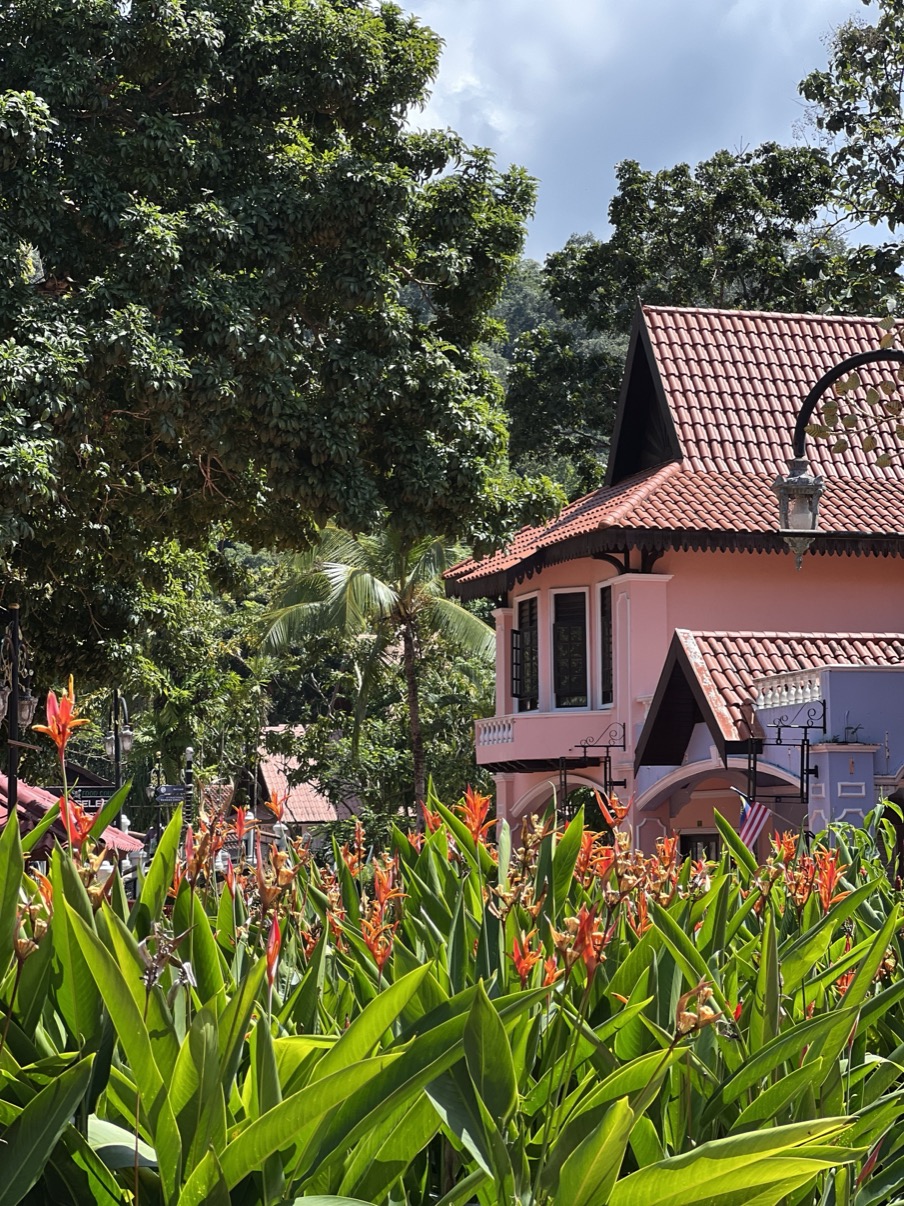
It rises behind buildings, gathers around paths, and presses softly against the edge of the water. Even when the sea is visible, the canopy remains close. It gives shade to the photographs, depth to the colour, and a sense that the built world is always temporary beside it.
Houses, villas and walkways sit within that green rather than apart from it. Their colour appears through leaves. Their roofs break the surface of the trees. The island does not hide its buildings, but it lets the landscape remain larger than them.
The sea changes the scale of the place.
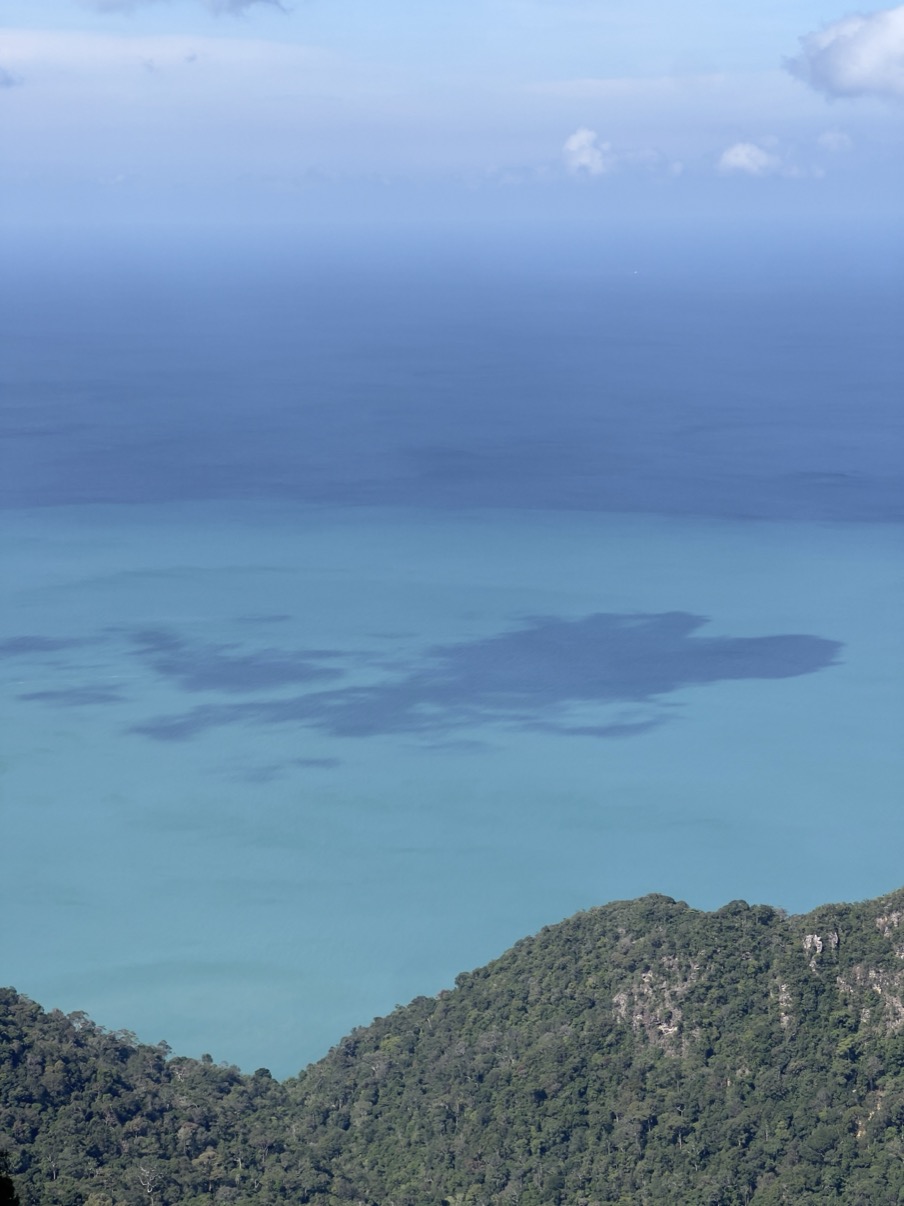
Seen from the shore, it is calm and immediate, a surface crossed by light. Seen from above, it becomes distance, with islands and darker patches of reef held beneath the blue. The water opens the frame, pulling the eye away from the density of the forest and towards the horizon.
There is a quietness in that shift. The island feels enclosed by trees, then suddenly released by water.
The strongest softness arrives later in the day.
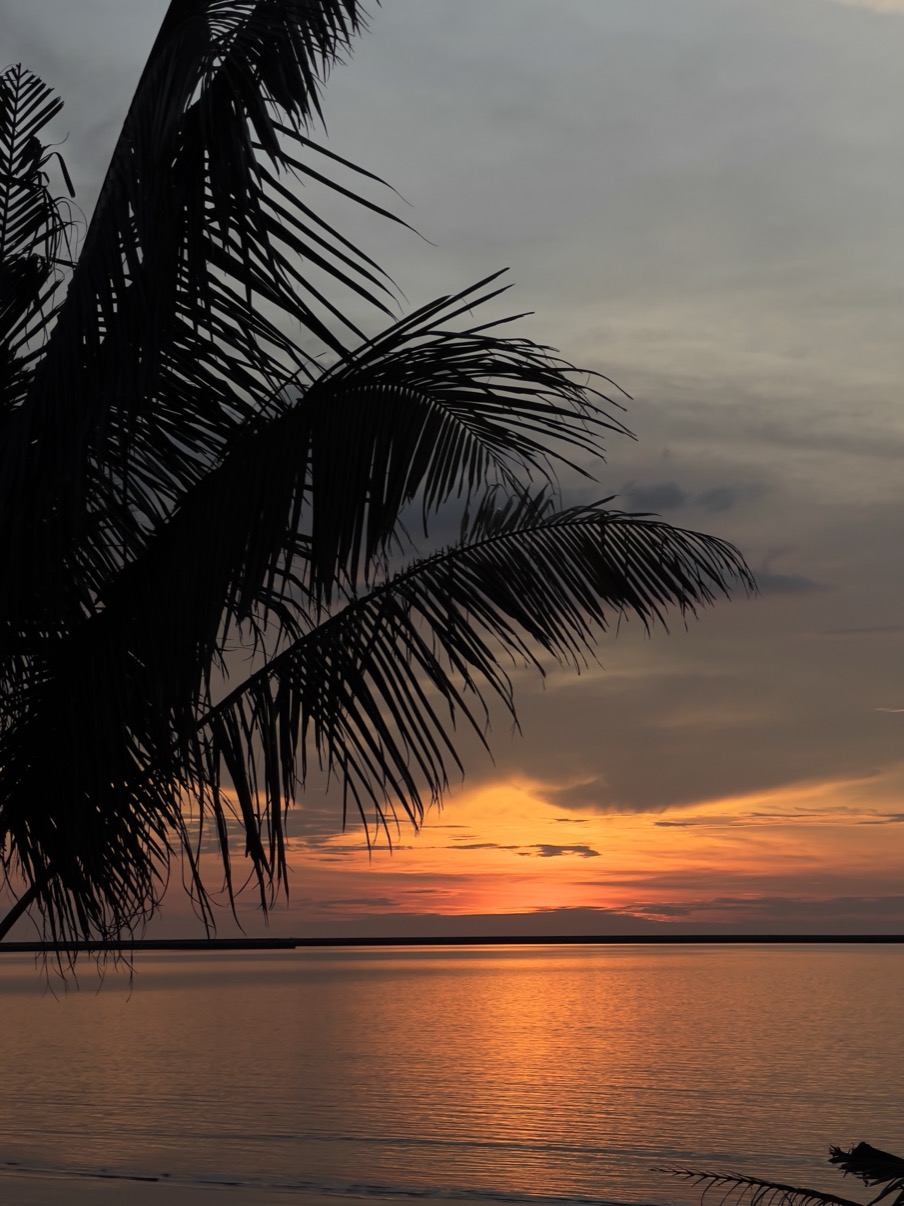
The sun lowers behind palms. The sea turns reflective. The sky becomes warmer, and the island begins to lose its sharpness. Details become silhouettes: a frond, a shoreline, a distant hill, a line of light held across the water.
In these moments Langkawi feels less like a destination and more like a pause. A place where movement slows because the landscape has already gathered enough.
This study is about the island edge.
Langkawi holds its atmosphere between two forces: the density of rainforest and the openness of sea. One encloses, the other releases. Together they give the place its rhythm, moving the eye from shade to horizon, from path to water, from detail to distance.
For mkd STUDIO, Langkawi becomes a study of balance. A place where the landscape is not background, but the structure through which everything else is seen.
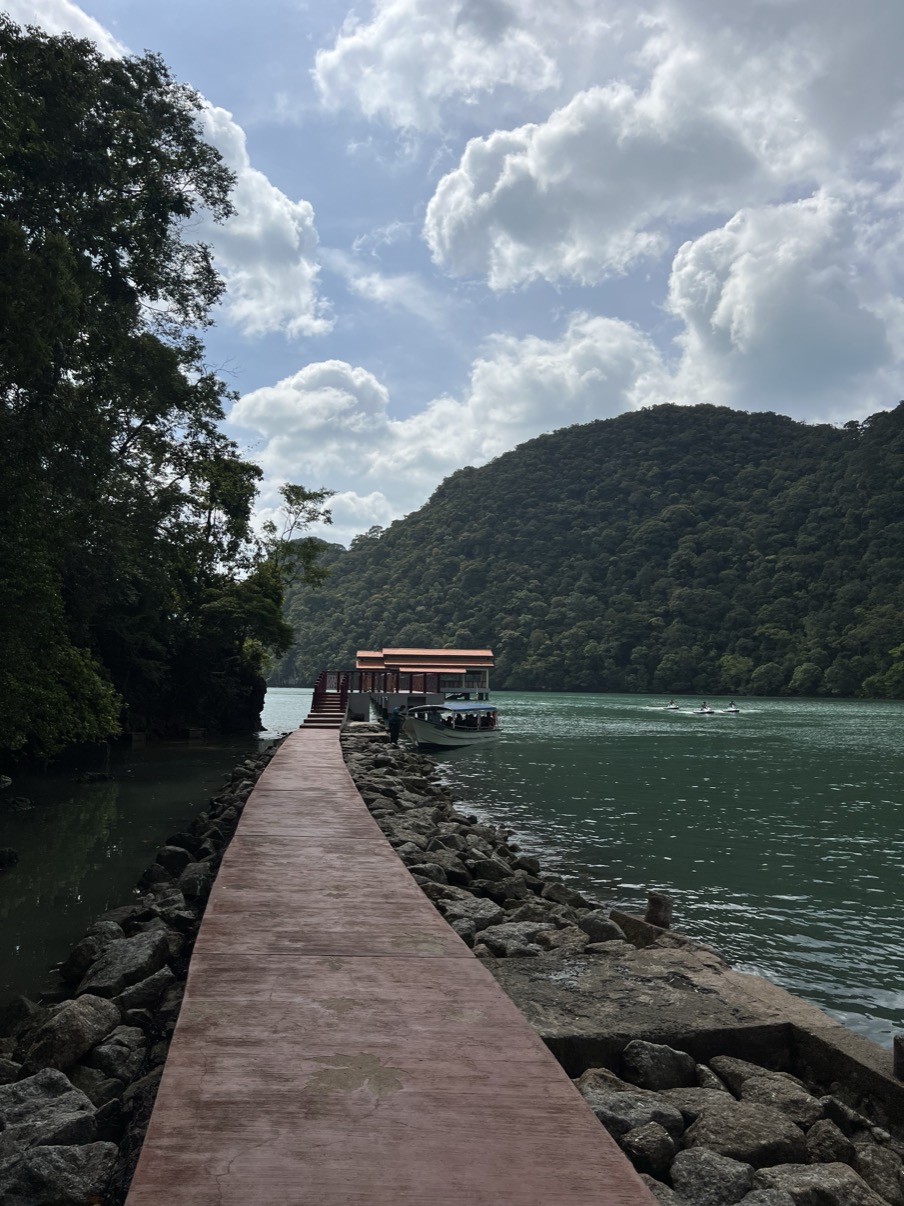
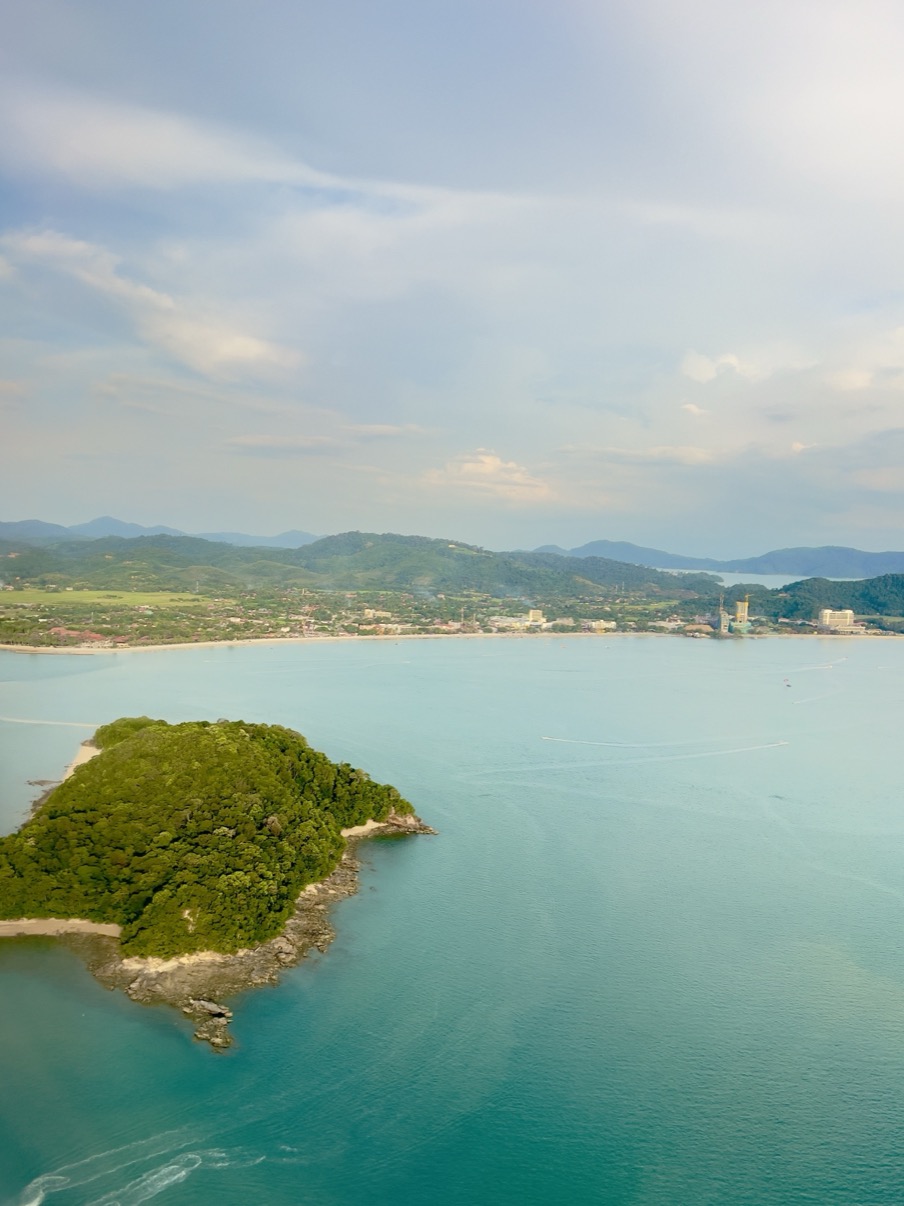
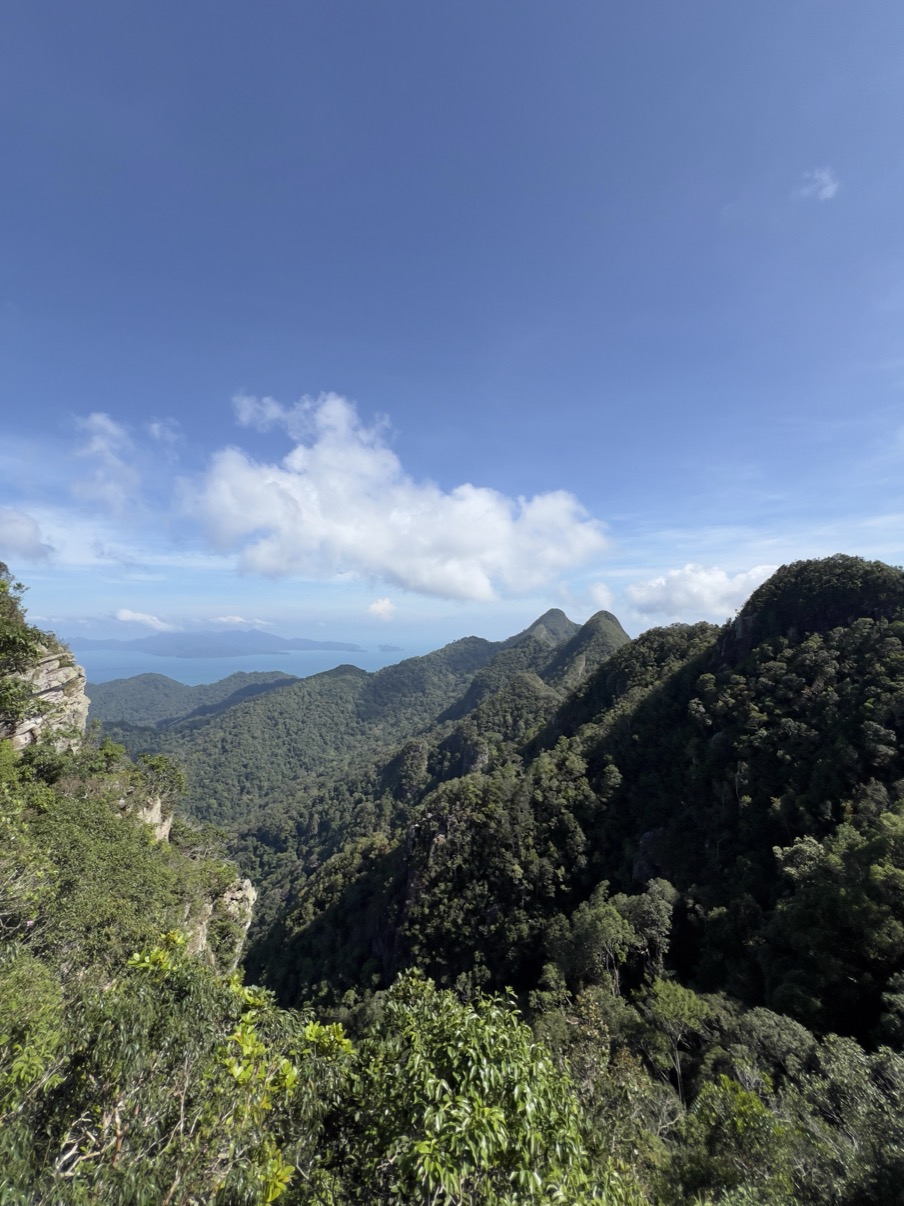
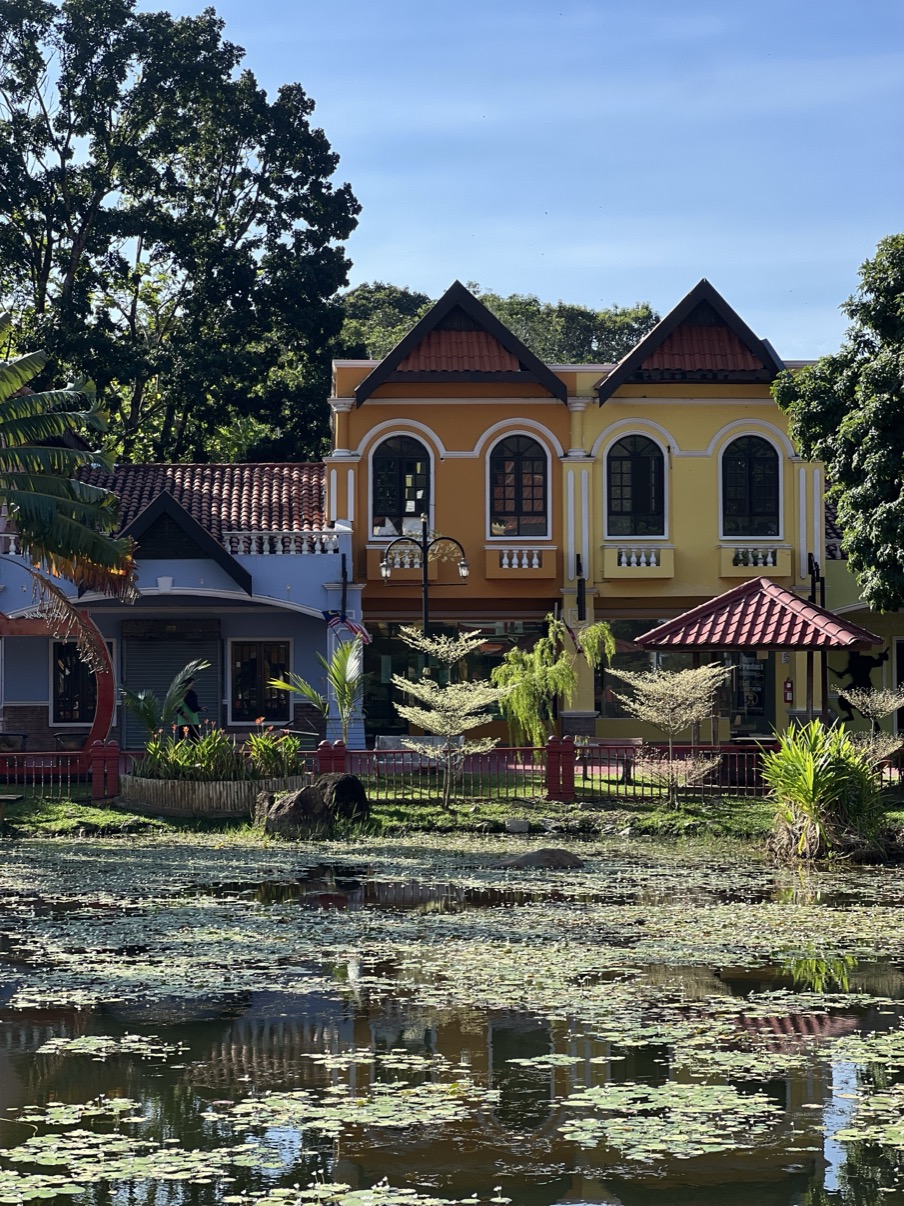
Langkawi lies off Malaysia's north-western coast, an archipelago of ninety-nine islands whose main island holds rainforest, limestone and beaches in unusually close negotiation. The study takes the island's structure as its subject: edges. Forest meeting water, mountain falling into sea, paths resolving into jetties, the horizon returning through gaps in the canopy.
The photographs follow the island as it is actually experienced, not as one continuous view but as a sequence of reveals: shade opening onto shore, a jetty extending the land's last argument into the Andaman Sea, the vegetation's constant negotiation with the buildings that borrow its ground. Tropical light here is either filtered or total, and the study works mostly in the filtered registers where the island's layering shows.
In the archive Langkawi completes the Southeast Asian trio with Singapore and Kuala Lumpur, the engineered, the layered and the elemental, and it supplies the collection's clearest case of landscape as host: an island whose hospitality industry exists entirely inside the scenery's permission. The study's edge-by-edge structure later informed how the studio approached other threshold subjects, from Atlantic Lisbon to the Gulf's made islands.