Lisbon
The photographs kept returning to the same question. Not what the city looks like, but what it is made of.
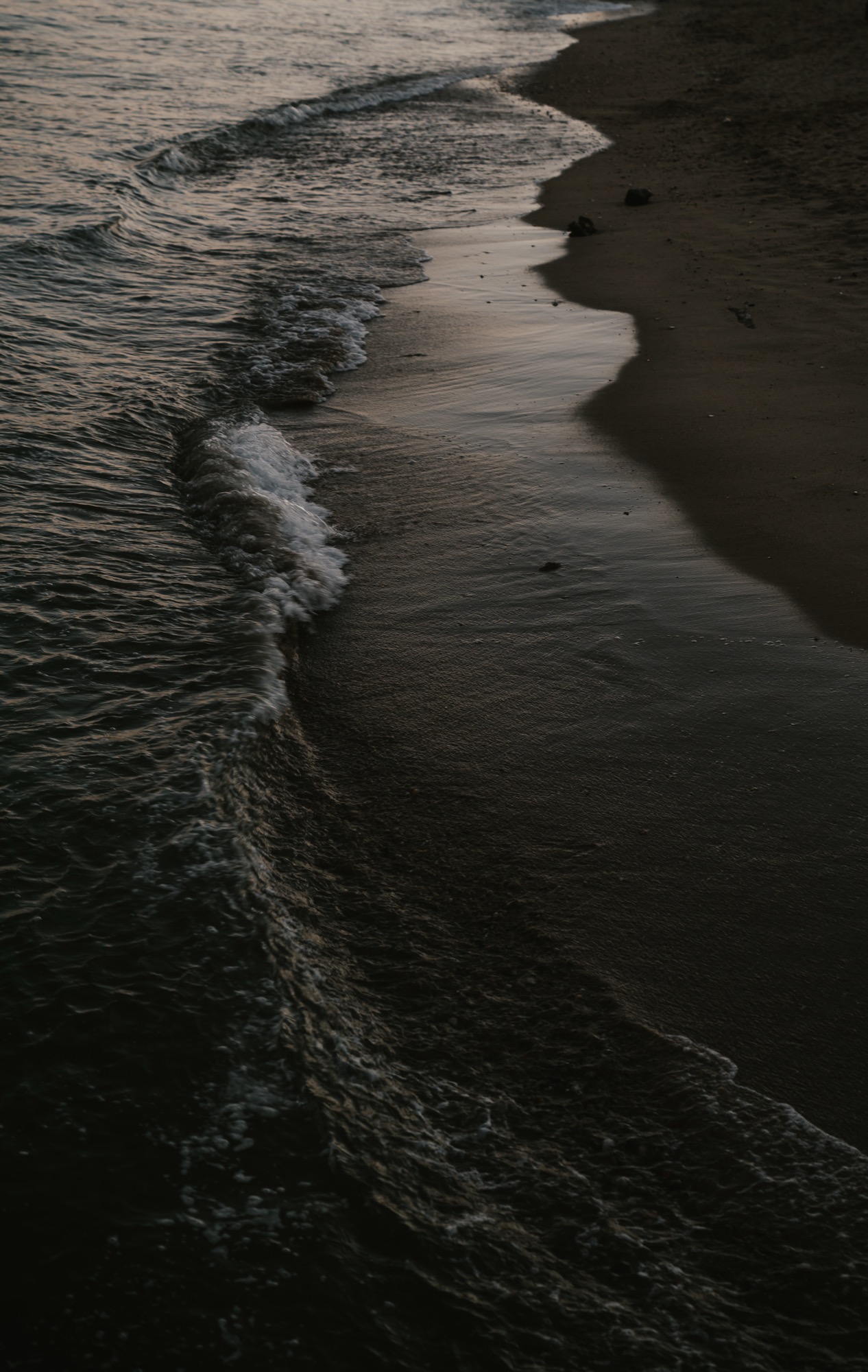
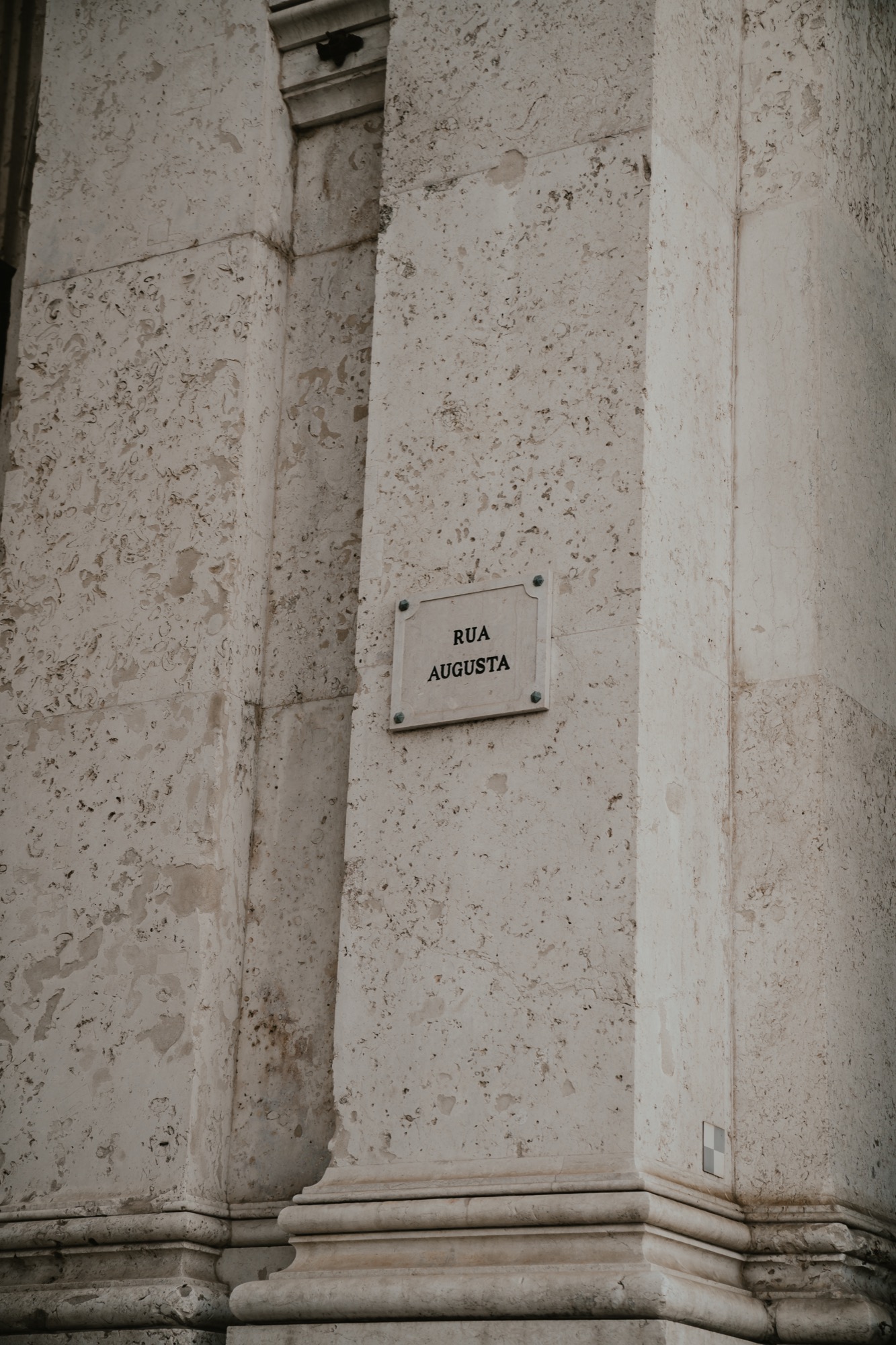
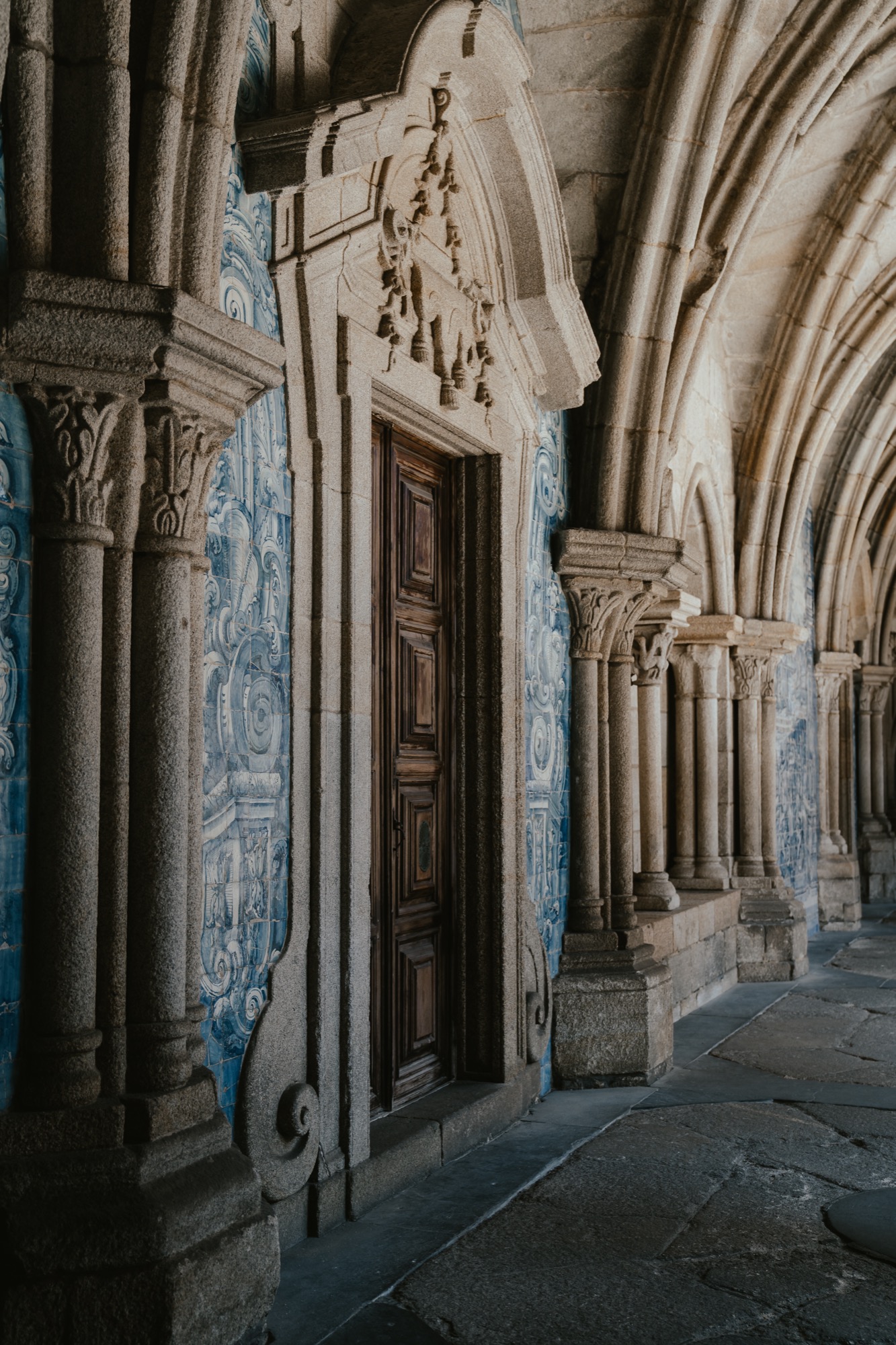
Limestone worn by centuries of weather. Azulejo tile pressed into walls that have stood longer than most countries. Water that has no end. The river wide and grey at dusk, the Atlantic arriving against dark sand.
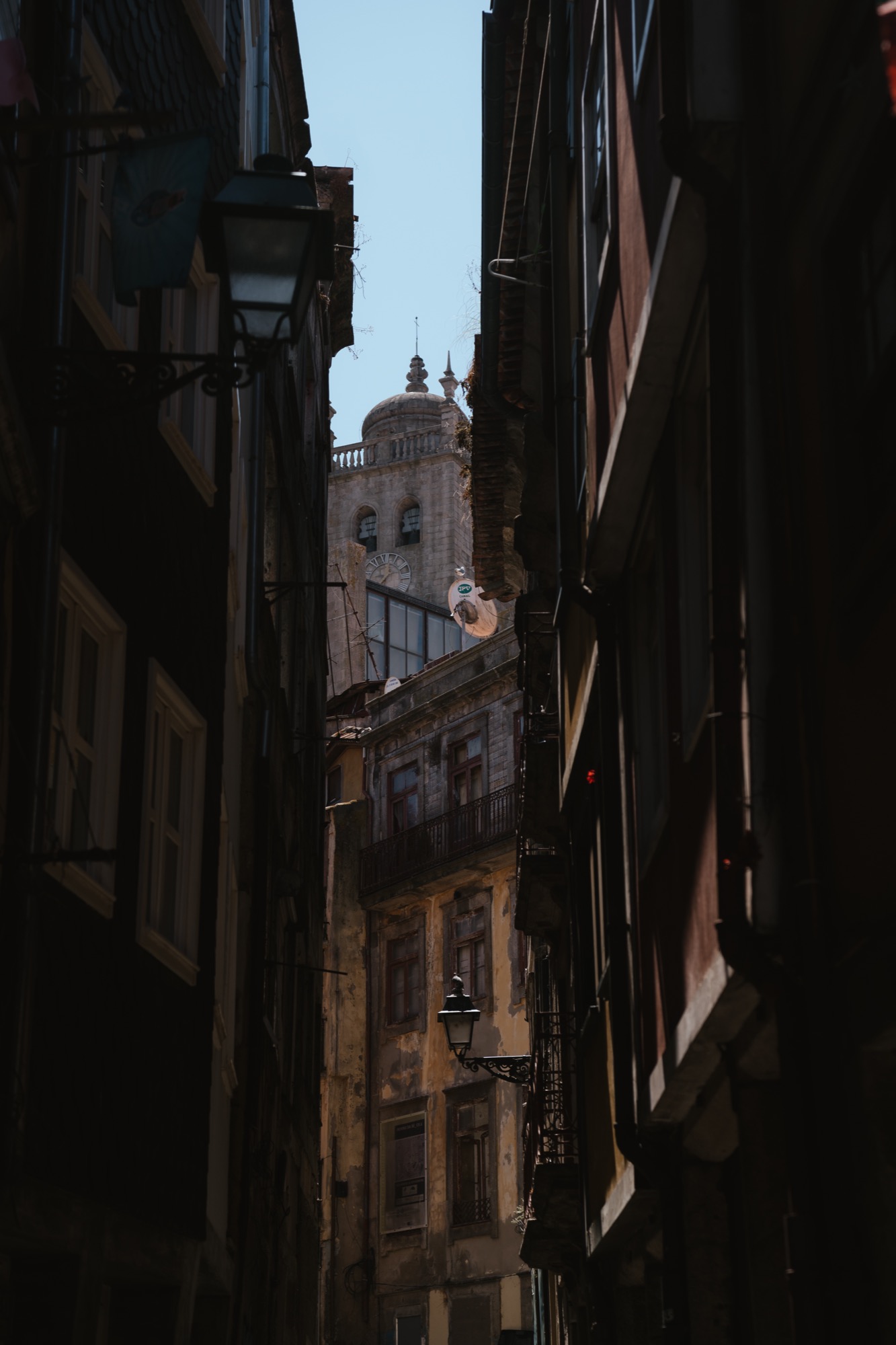
Again and again the camera found itself at edges. The gap between two buildings with a dome just visible above. A cloister doorway where blue tile gives way to dark wood gives way to shadow. A shoreline where water loses its momentum against the sand.
No image is fully inside a space or fully outside it. Each is caught at the moment of crossing.
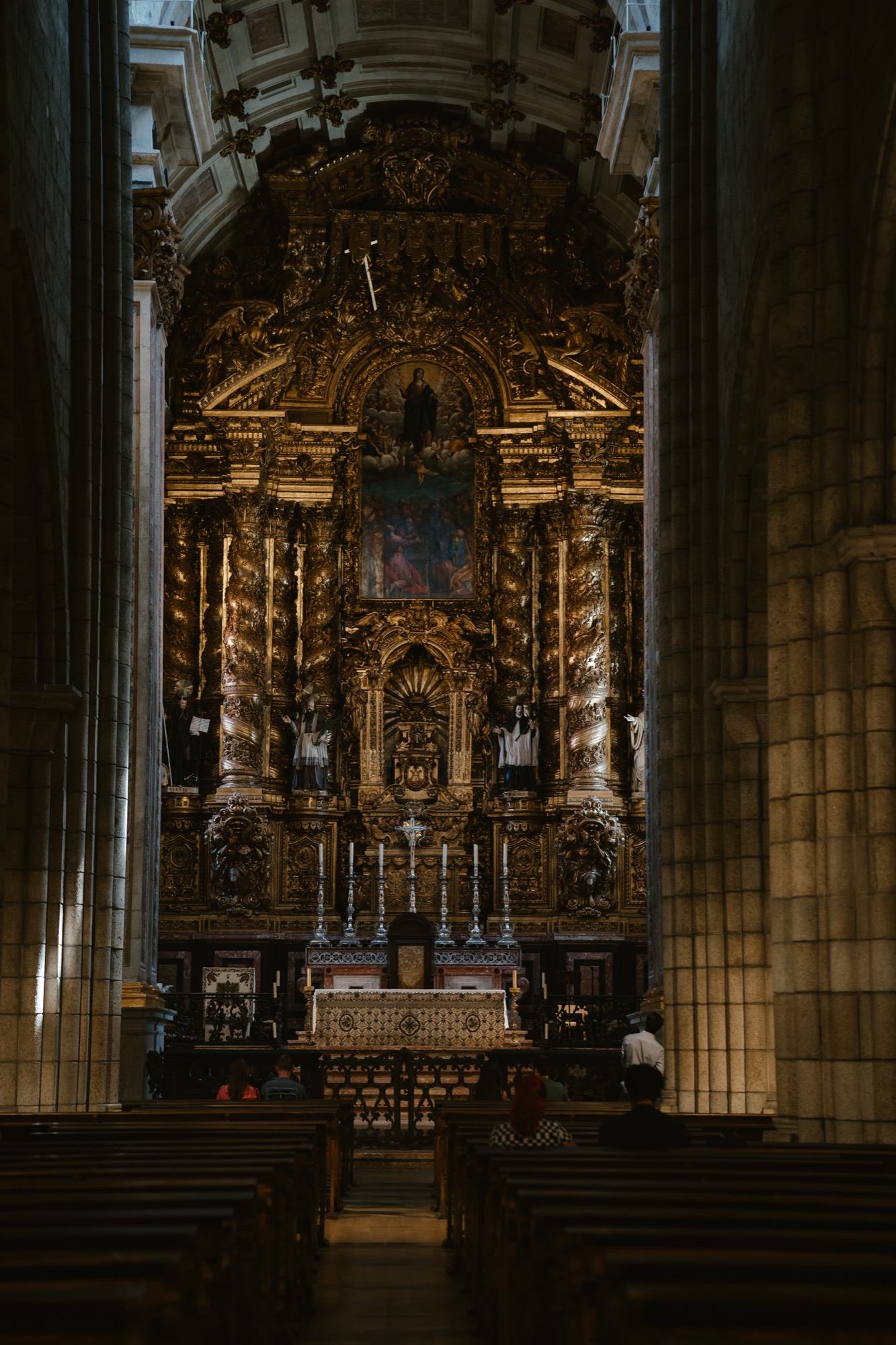
The best light arrived at the margins of the day. Late enough that the stone had absorbed the warmth and was beginning to give it back. The city lit not from above but horizontally, raking across surfaces, finding texture in everything it touched.
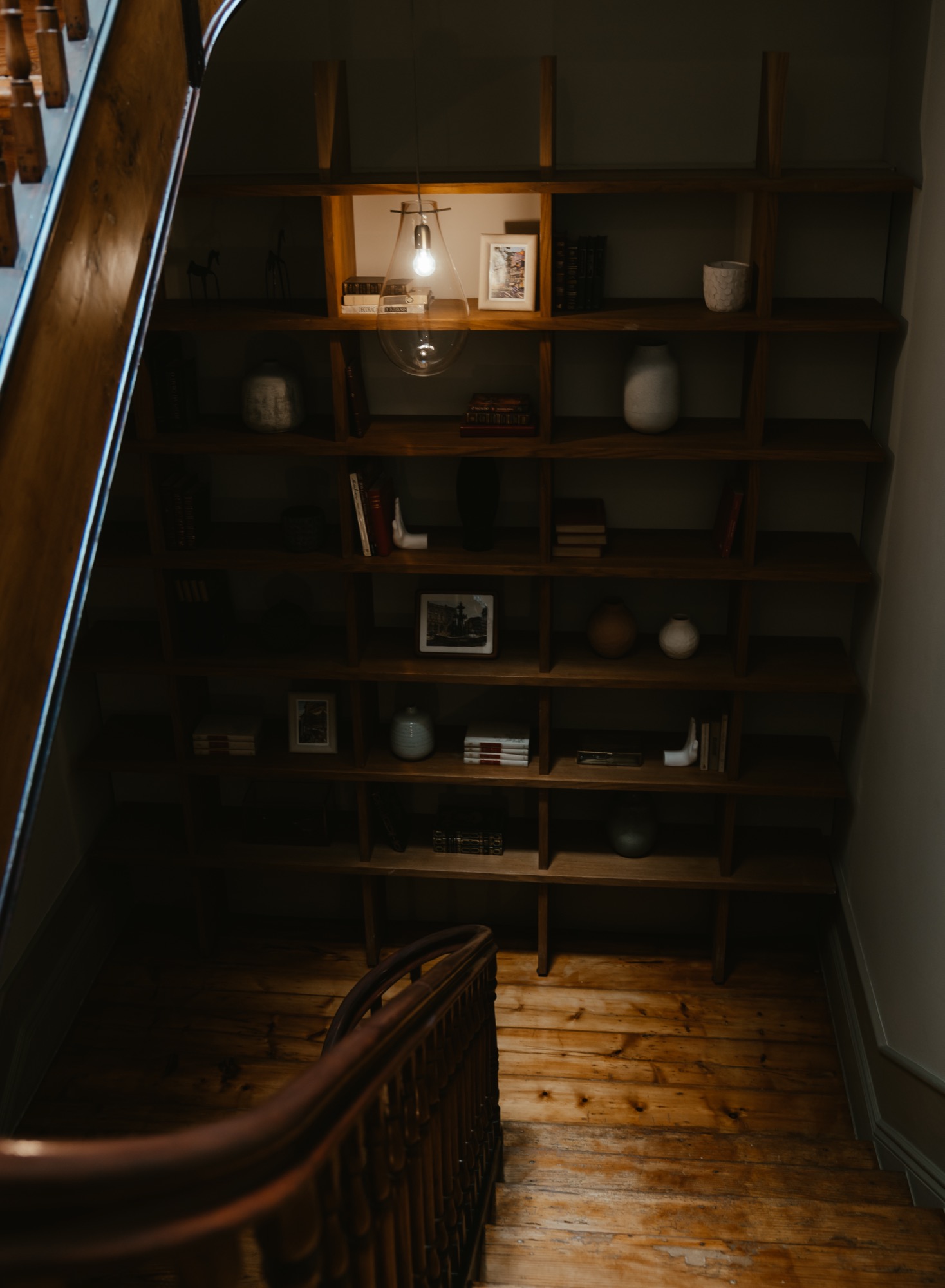
Inside, a single bulb. Outside, the last of the sky.
What stays is not a view. It is the weight of old material in a particular quality of light. The sense that every surface has been touched many times before, and will be again.
The tide comes in regardless of what has been built on the shore.
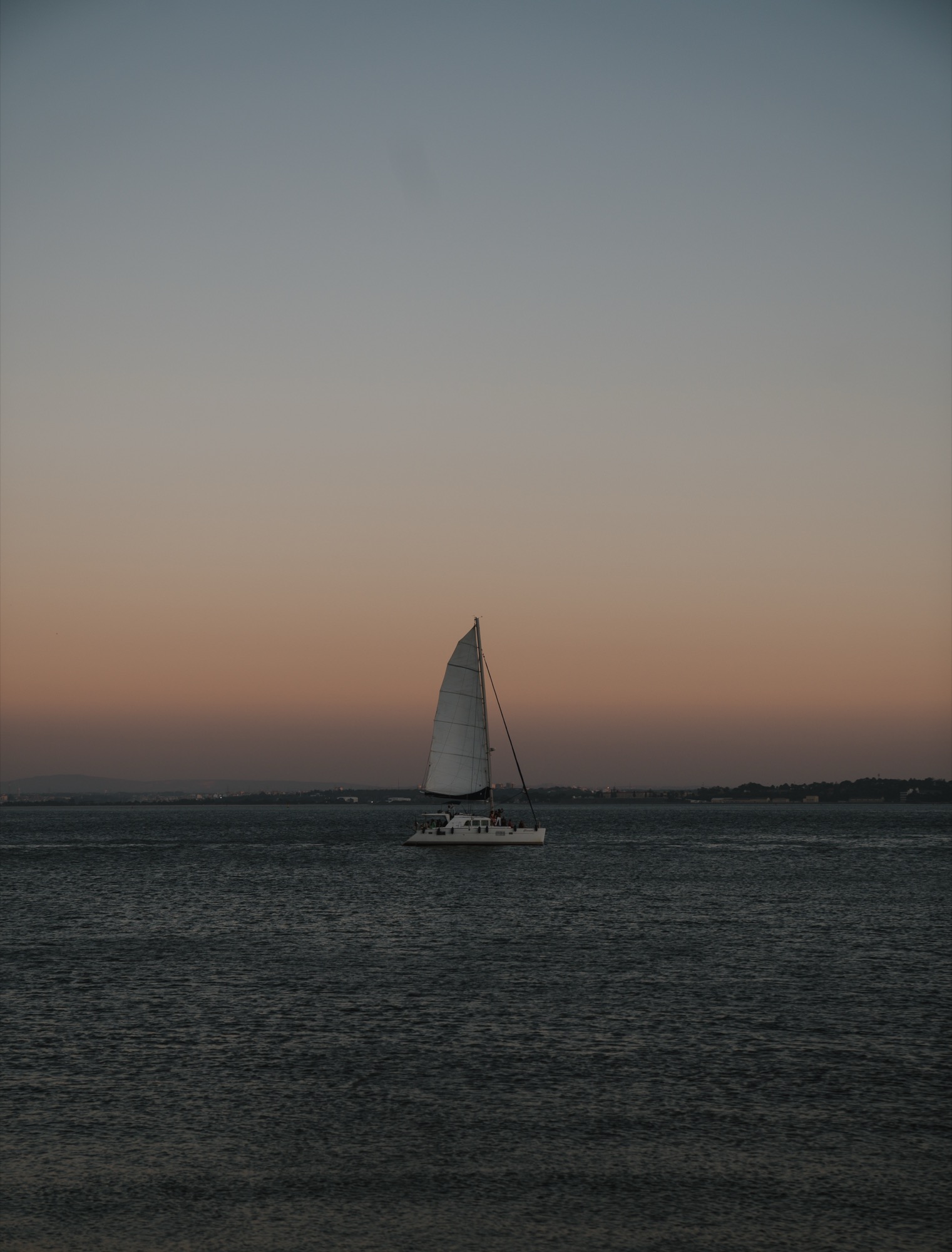
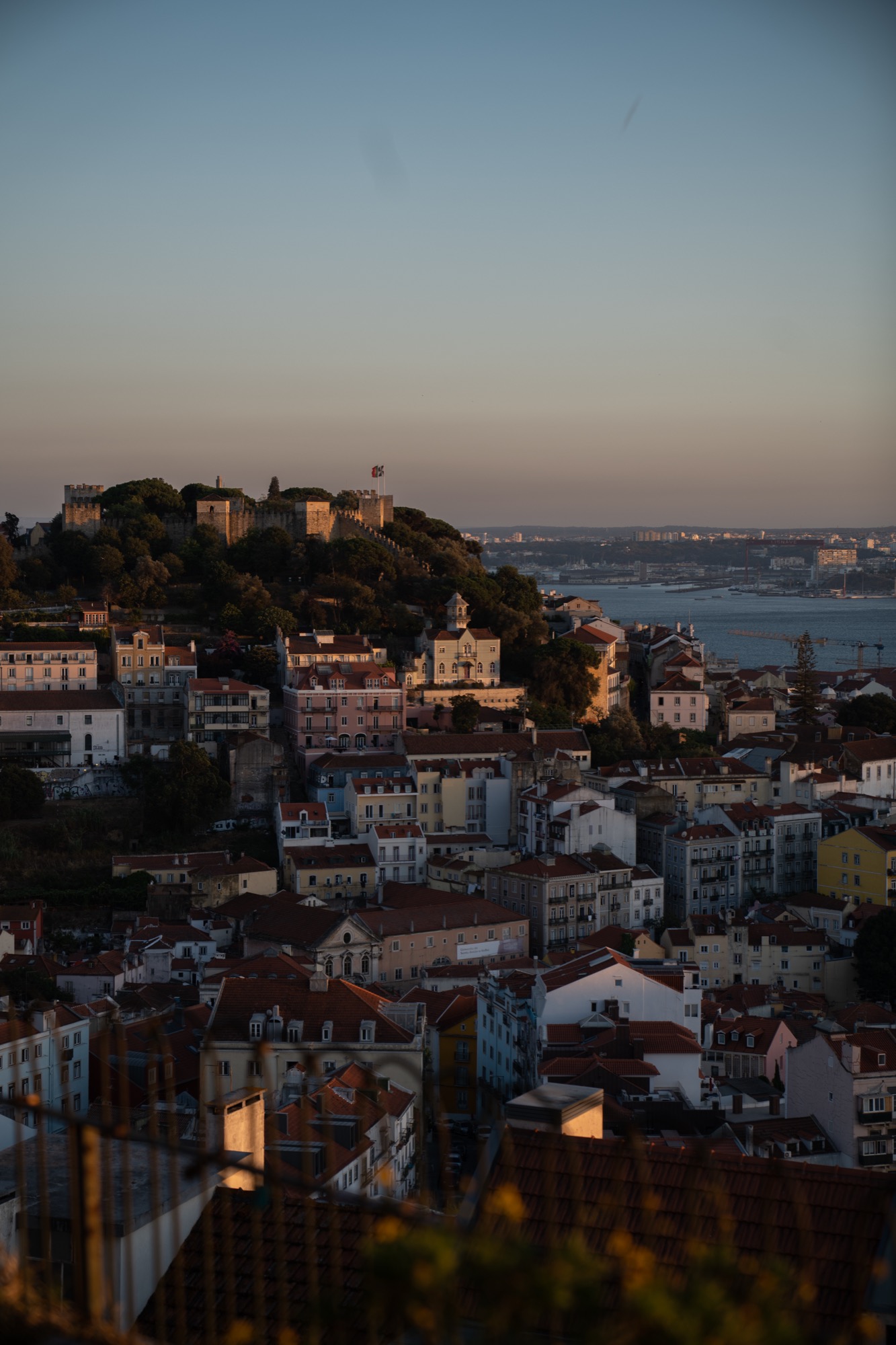
Lisbon spreads across its hills at the mouth of the Tagus, the river so wide at the city's edge that first-time visitors routinely mistake it for open sea. The study was made on foot across several days, and organised itself around a material question rather than an itinerary: what the city is made of. The answer, limestone, azulejo tile, water, and light raking across all three, became the study's structure.
The photographs keep returning to thresholds and edges: the alley with the dome above it, the cloister where blue tile gives way to shadow, the shoreline where the Atlantic finishes its journey against dark sand. Lisbon in the late afternoon lights itself horizontally, warmth coming off stone that has stored the day, and most of the sequence was made in that hour, when the city's age reads as temperature rather than fact.
The study became half of Lisbon · Porto, the studio's seventh publication, pairing the capital with its northern counterpart along the length of Portugal. Within the archive it anchors the European chapter's material register, and its frames circulate widely, one carried the About page for a period, another opens the publication's Atlantic section. Few studies in the collection have travelled further from their own pages.