The Ritual
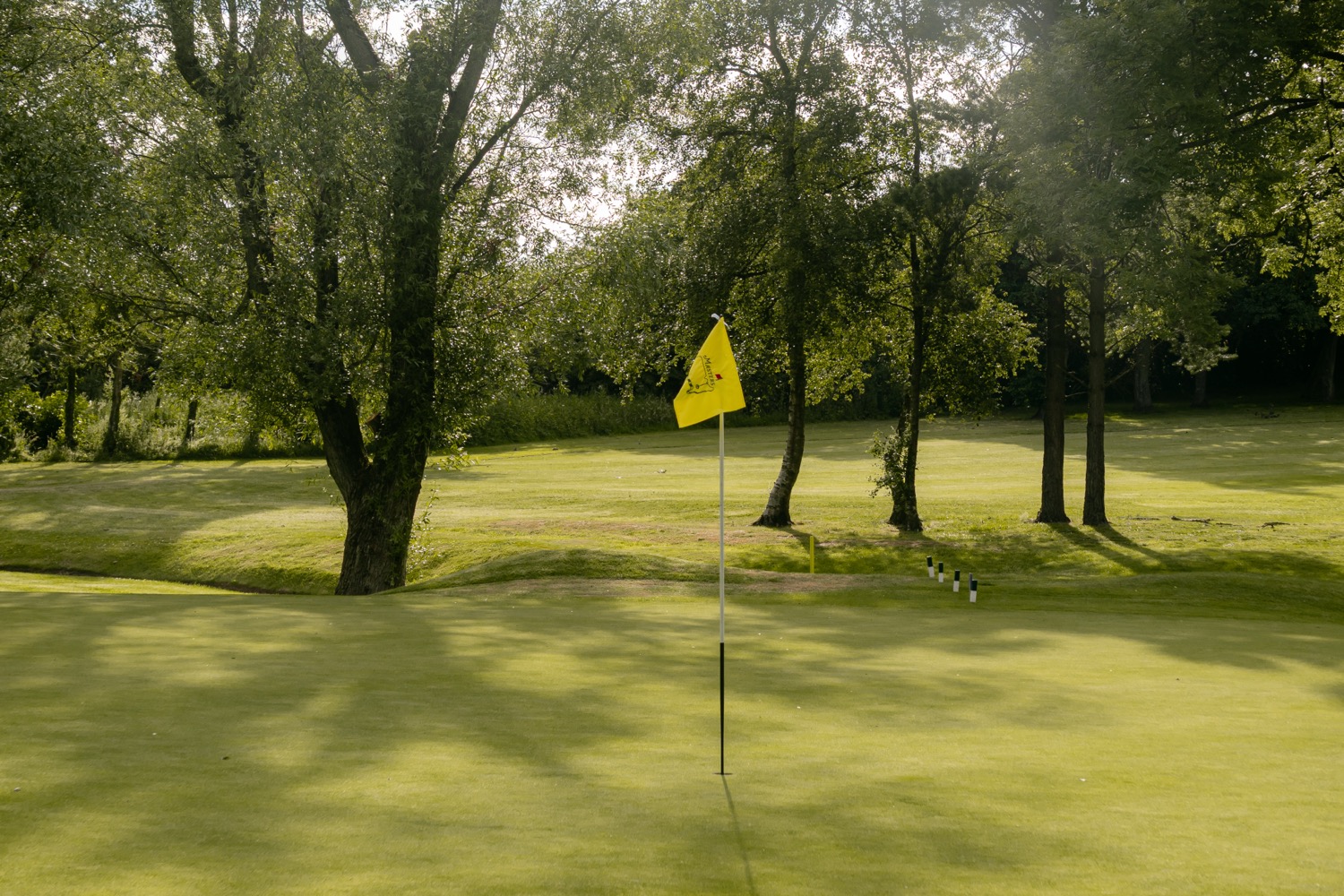
Golf hospitality often presents itself through competition. Scores are recorded, trophies awarded and photographs taken at the end of the day. Yet much of what defines the experience happens before any result is known.
This study follows those quieter moments. The objects carried, the habits repeated, the gestures exchanged and the spaces that hold them. The course becomes less a sporting venue than a place where relationships are maintained through familiar routines.
Nothing here exists by accident.
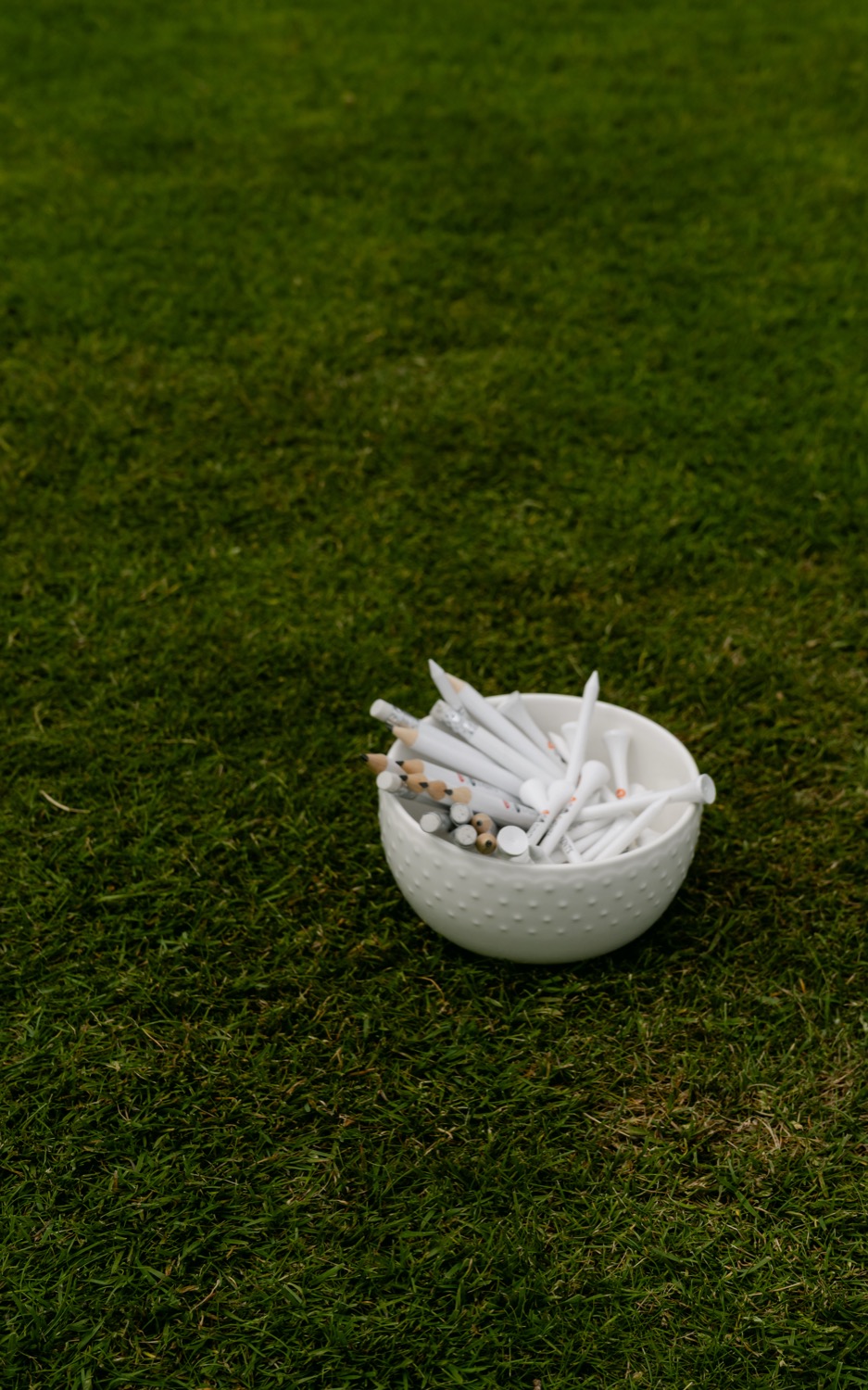
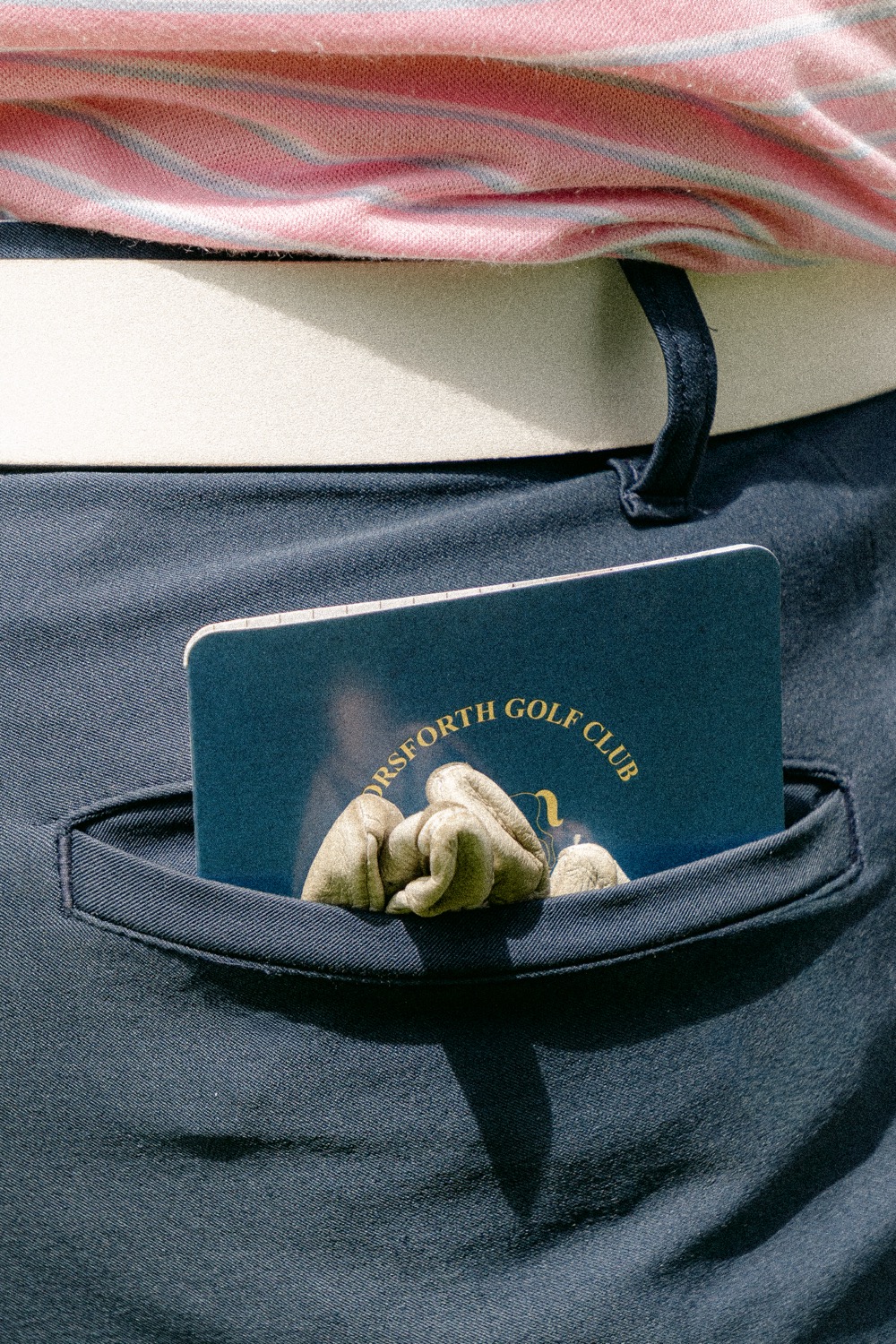
A glove folded into a back pocket. A scorecard creased after several holes. A handful of tees waiting on the grass. A passport carried unexpectedly through a day that never leaves Yorkshire.
Each object speaks quietly about preparation, memory and belonging.
Golf moves slowly enough that attention shifts away from the swing.
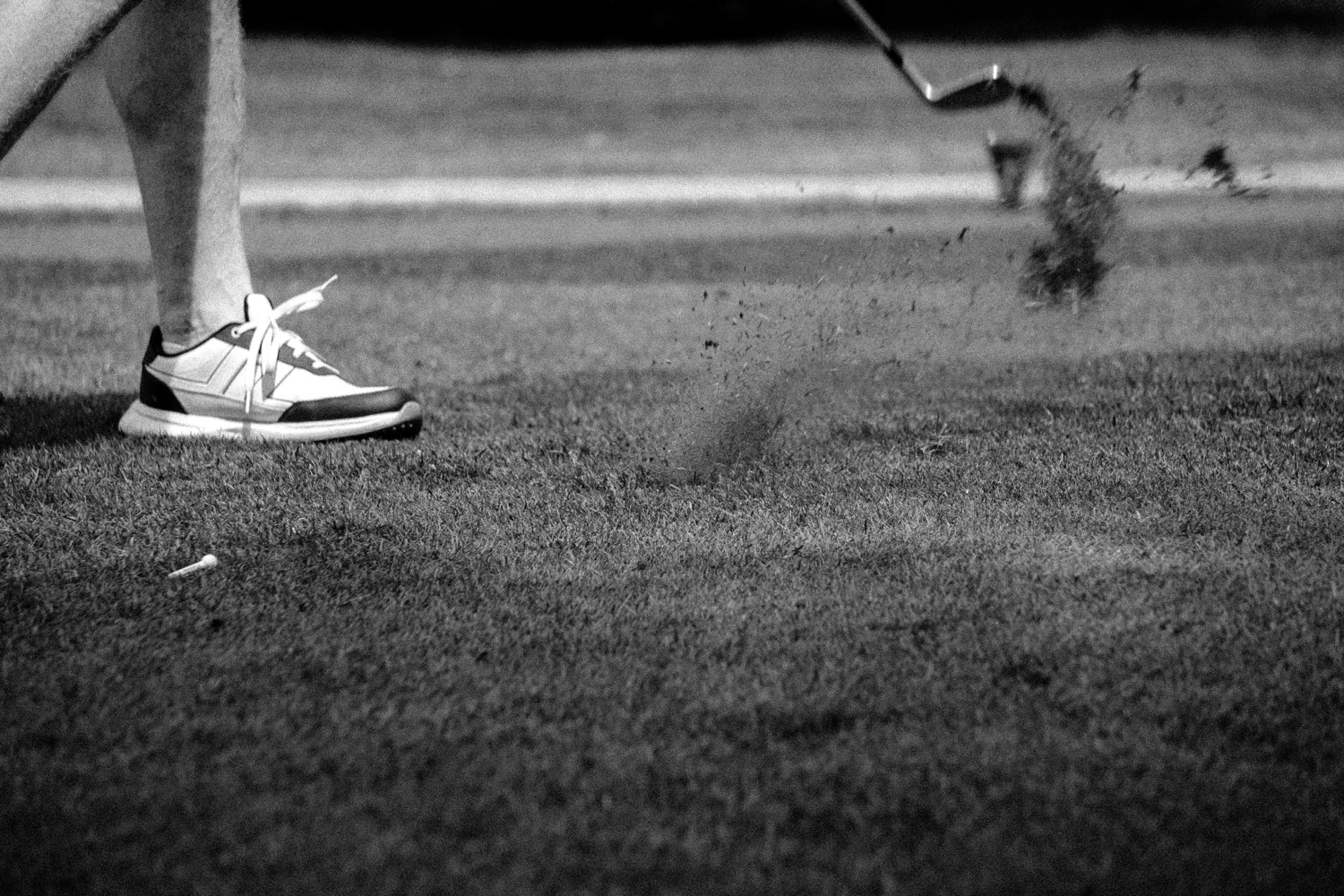
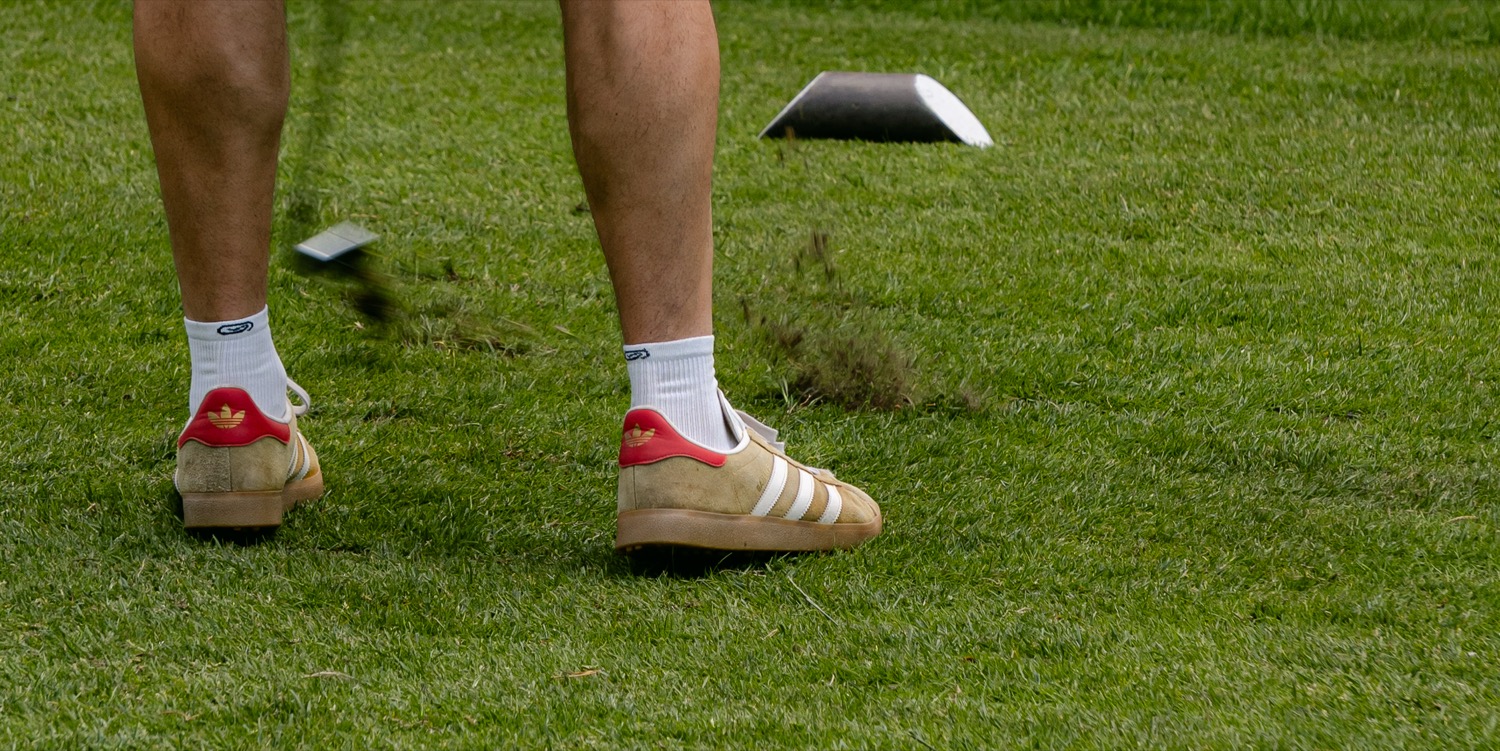
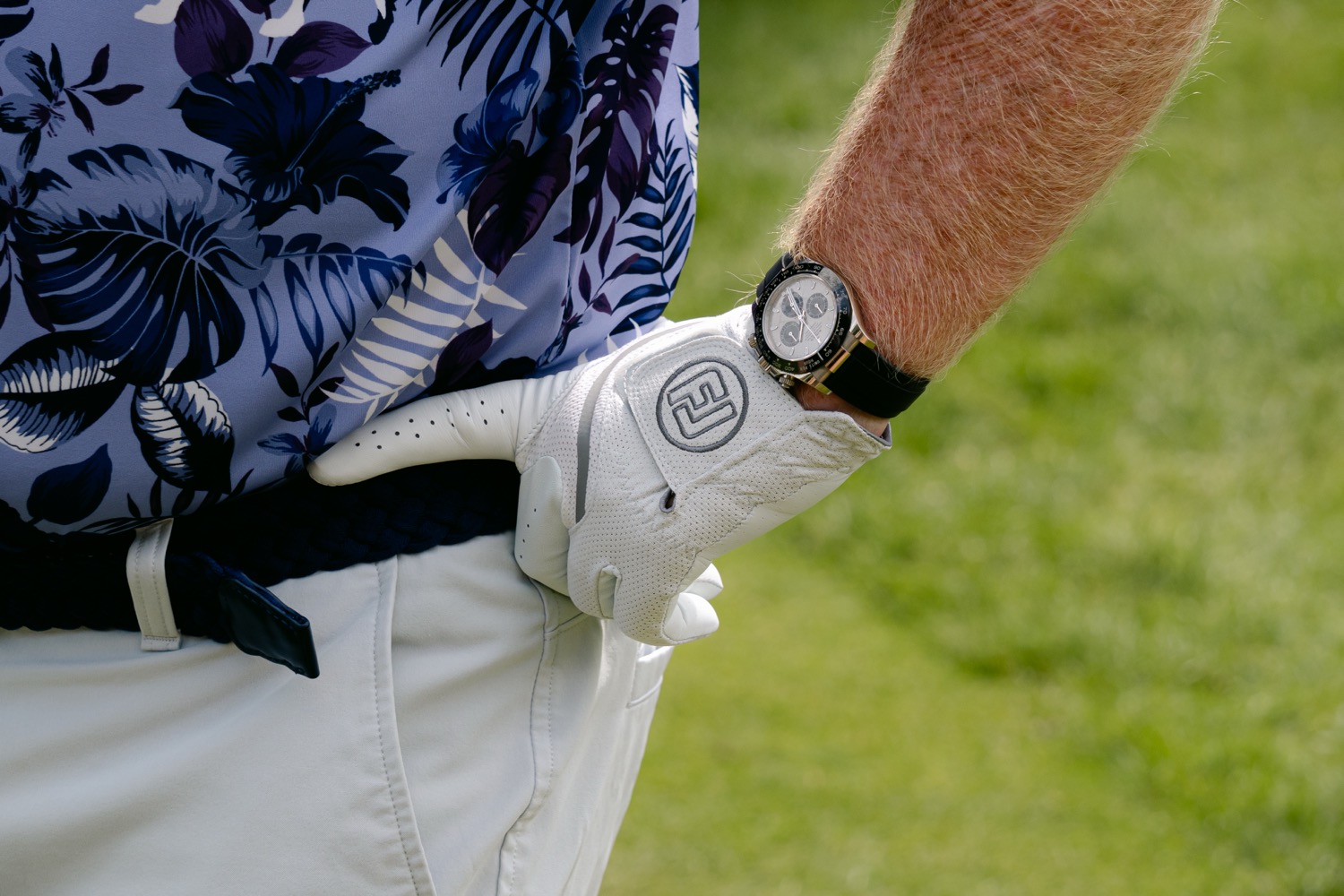
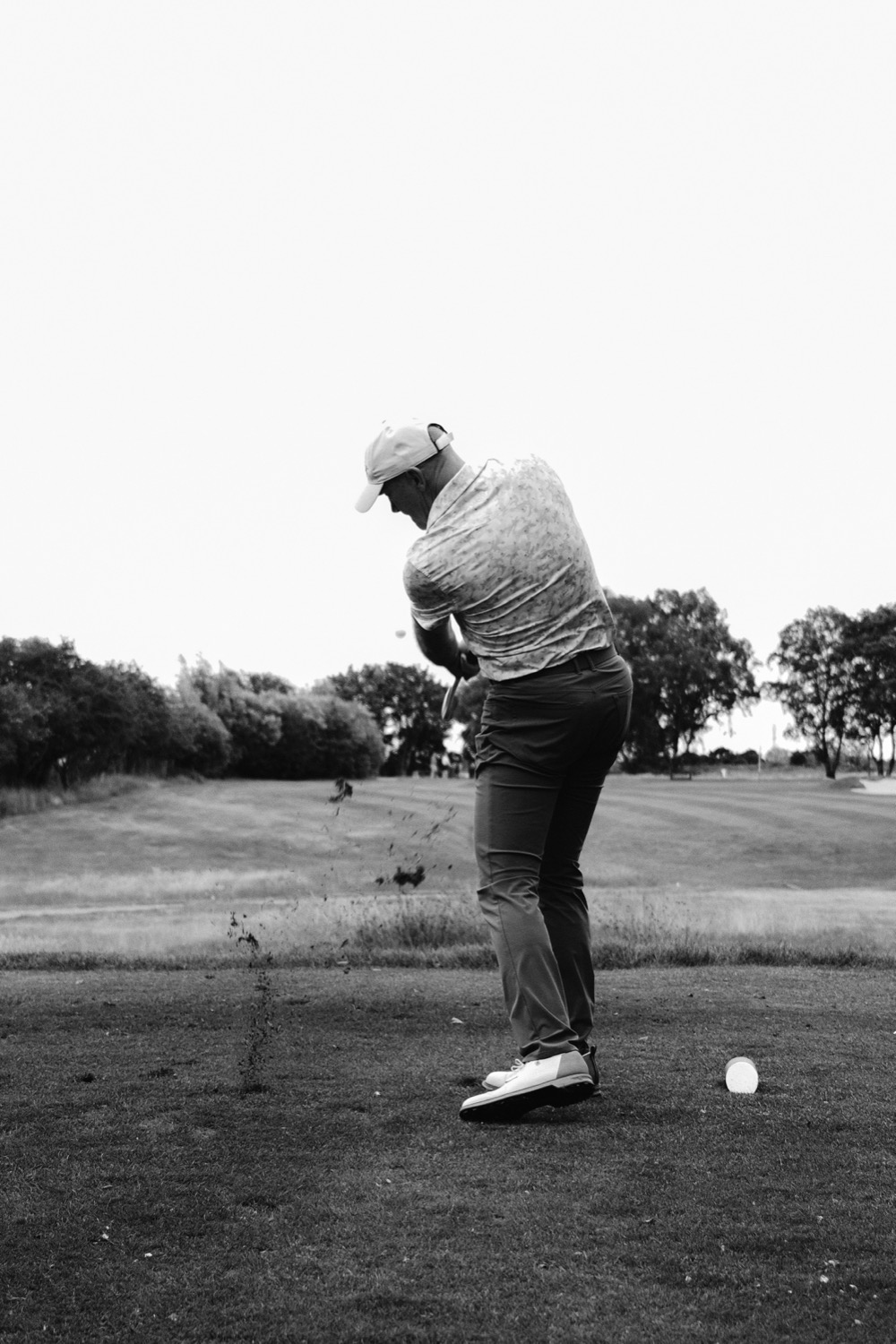
Hands point across fairways. Watches are checked. Friends wait while another player reads a putt. A divot rises from the turf before settling back into the course.
The game is measured not only by distance but by patience.
Around the course, sponsors become part of the landscape rather than interruptions to it.
A BMW waits beside the first tee. Flags move in the wind. Branded markers appear and disappear between trees.
They are not simply advertisements. They become landmarks within the day.
Long after the final putt, the course begins to empty.
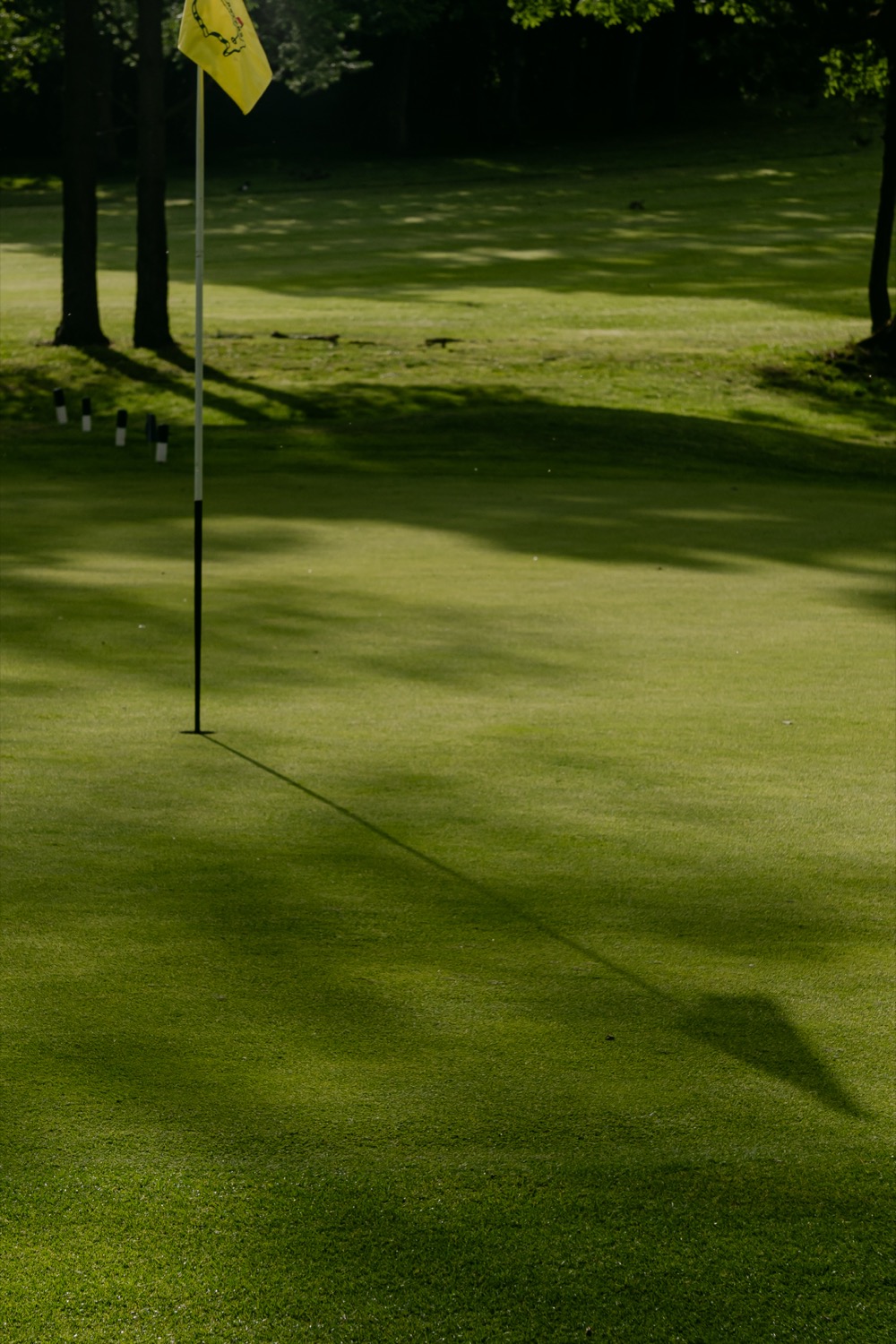
The flag remains. The cart waits. Equipment returns to bags.
The rituals conclude quietly, ready to begin again elsewhere.
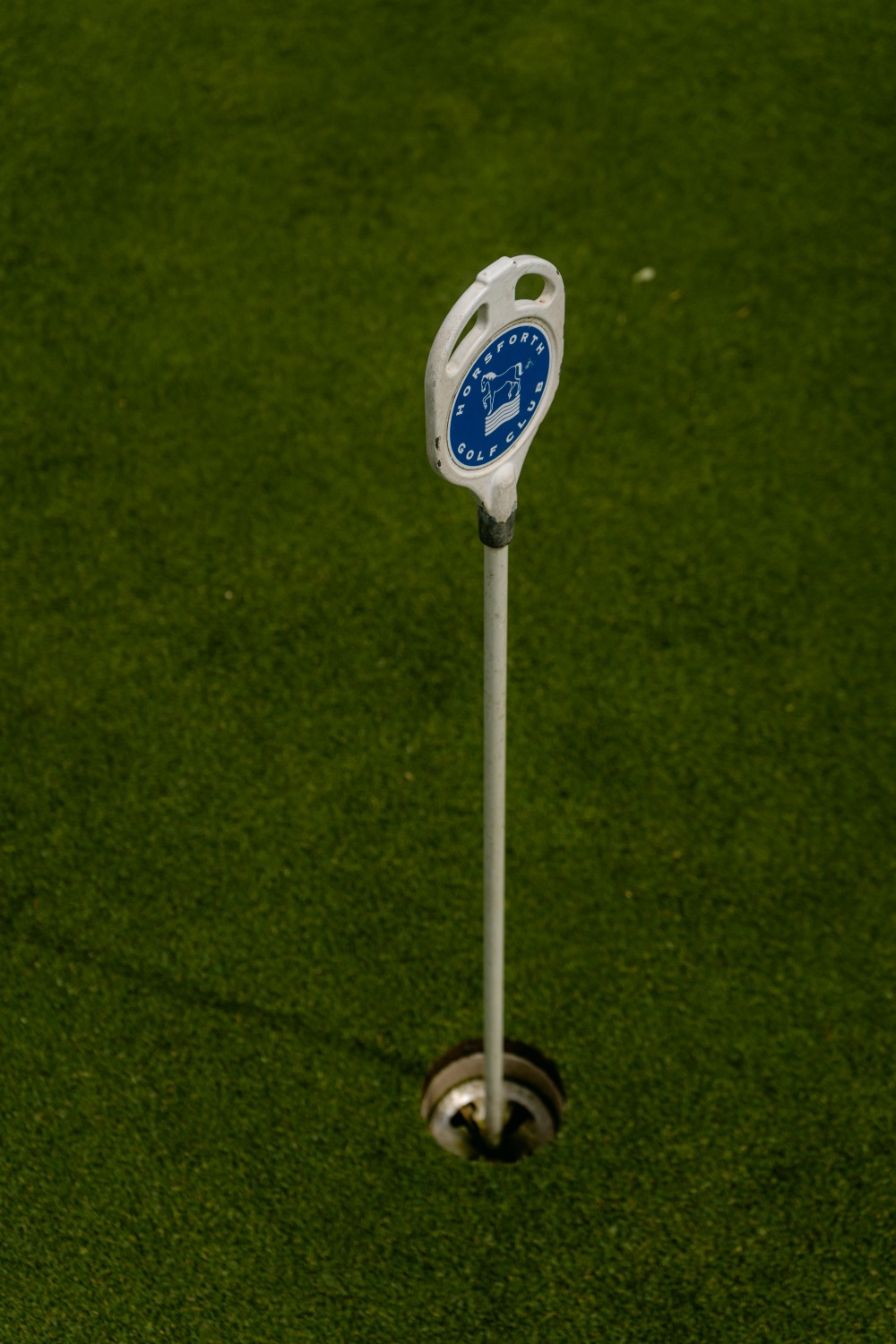
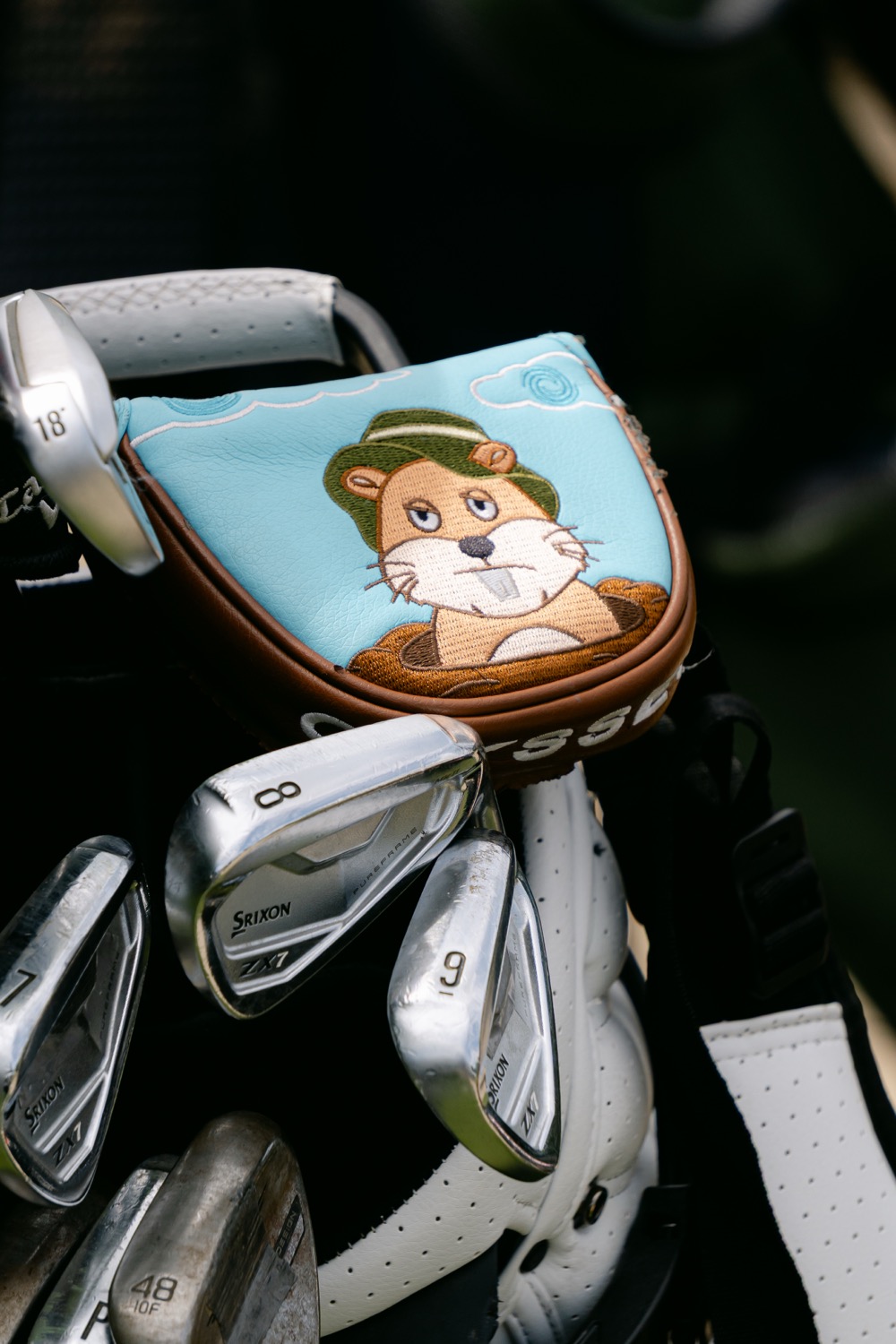
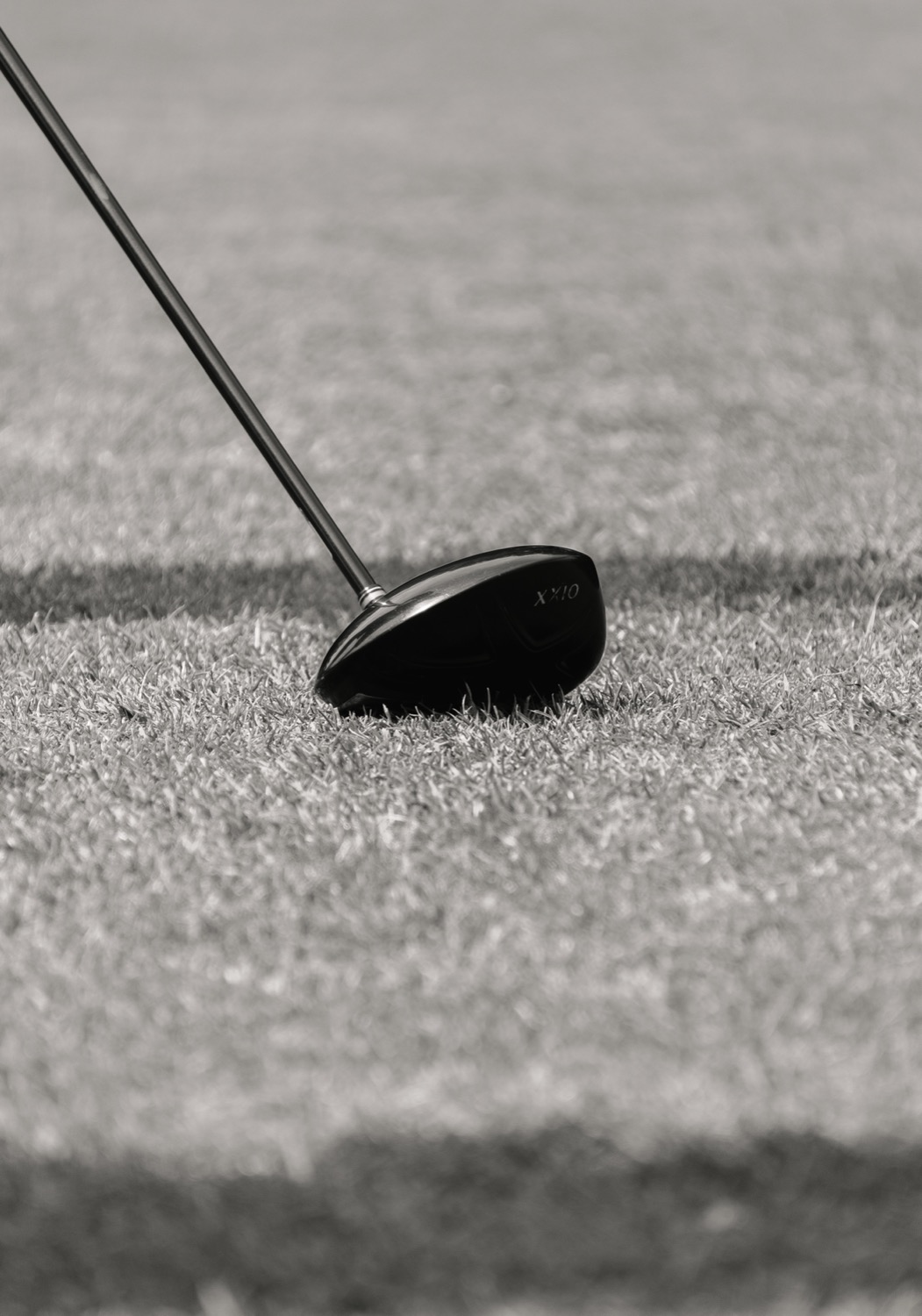

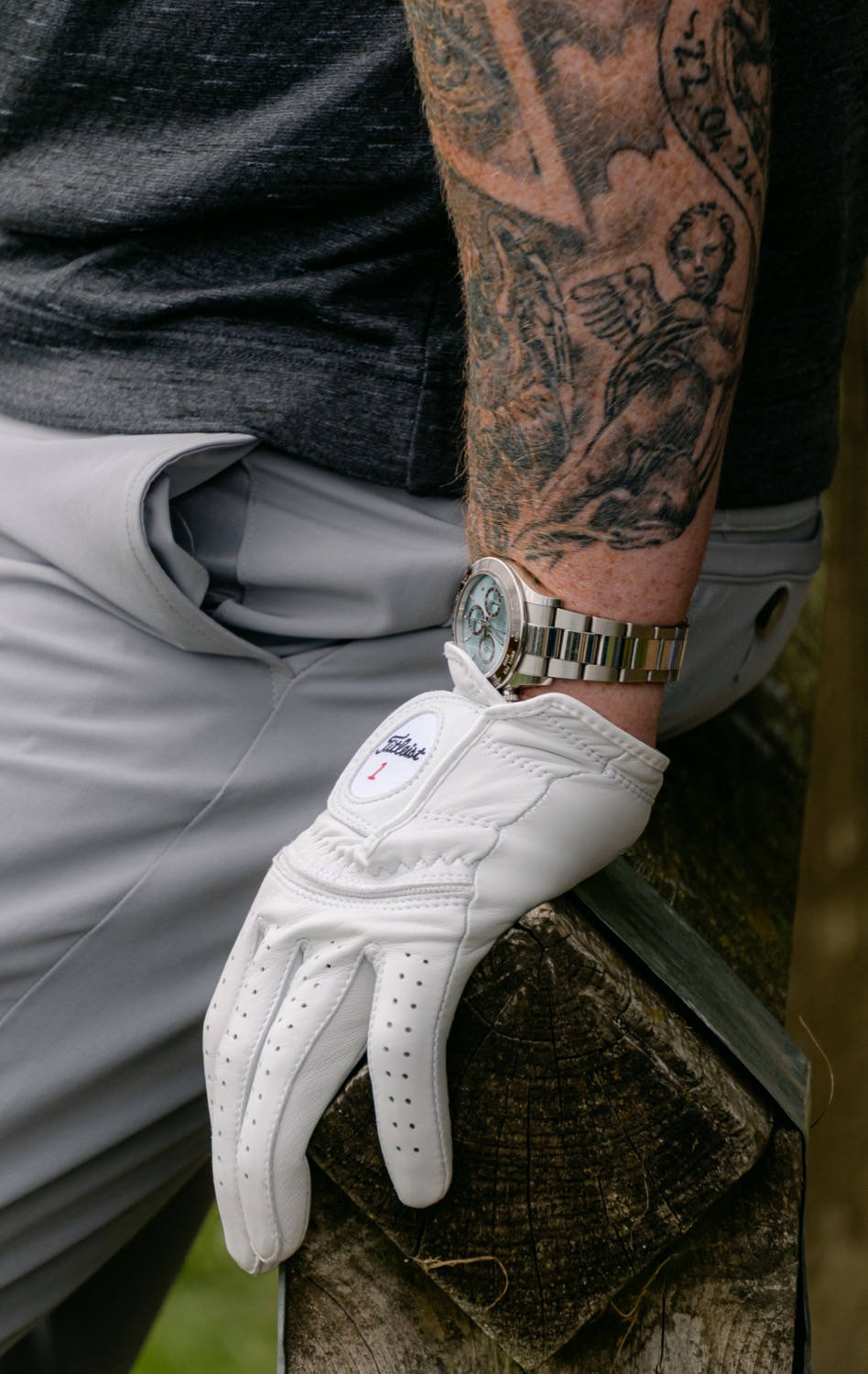
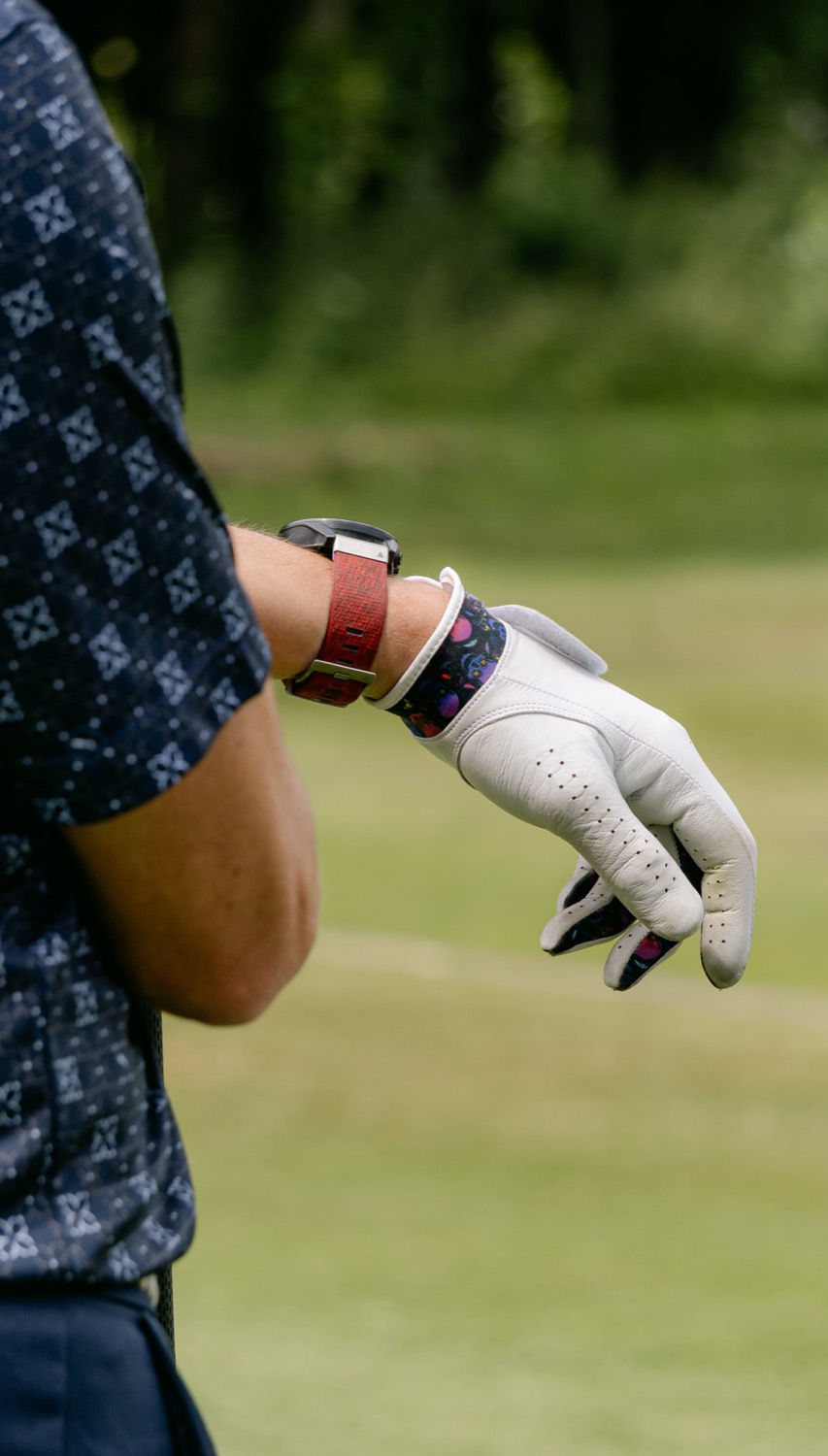
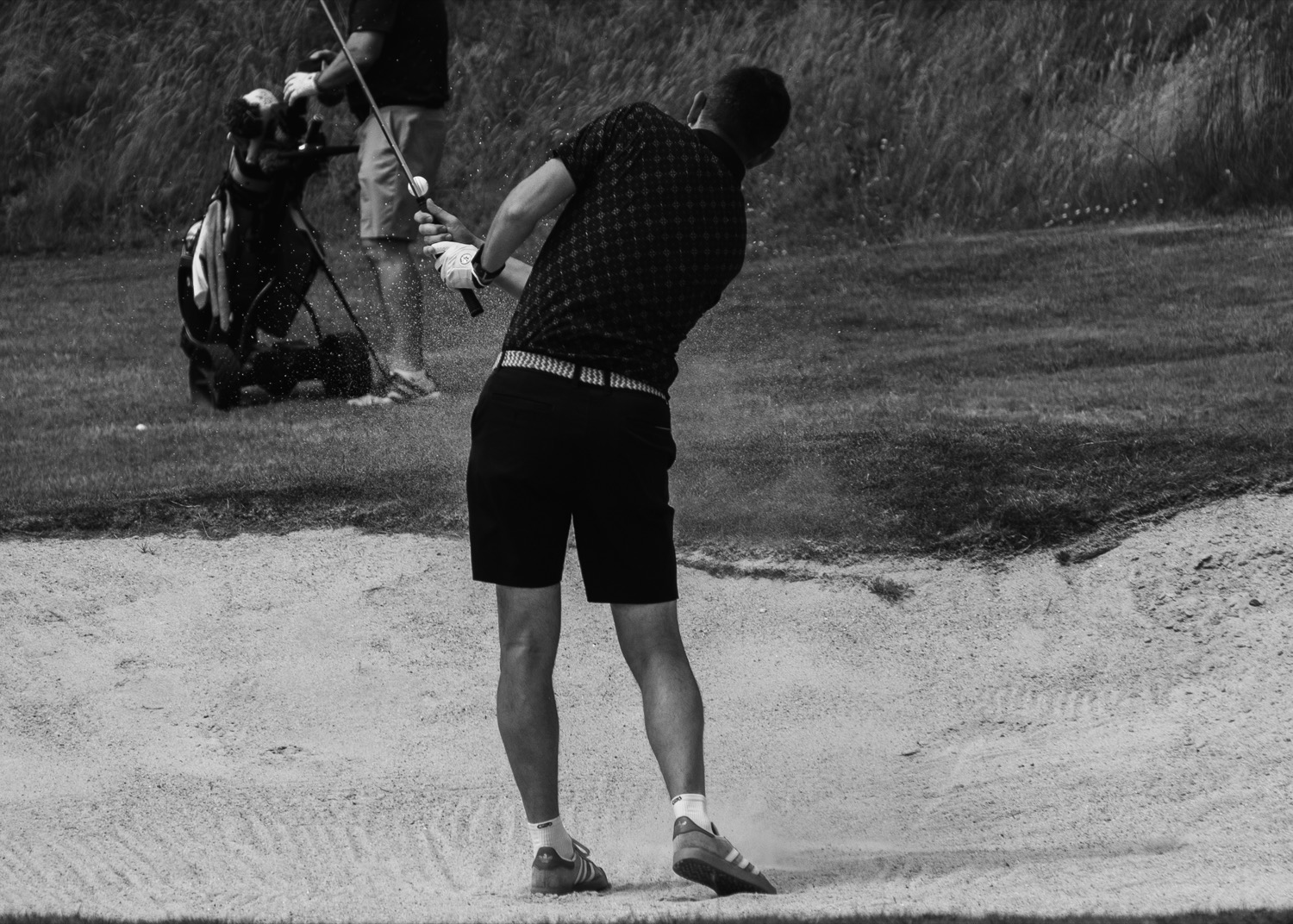
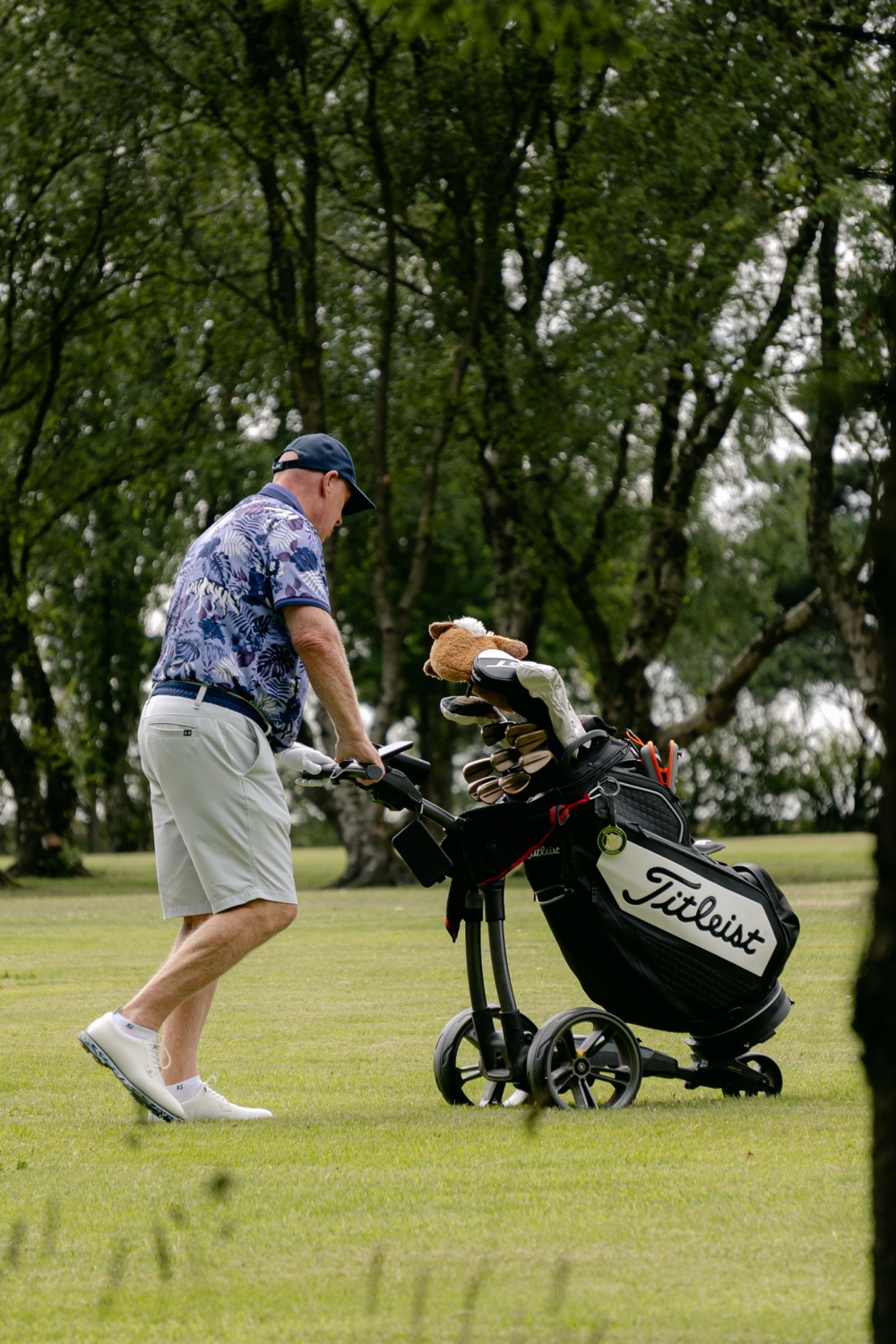
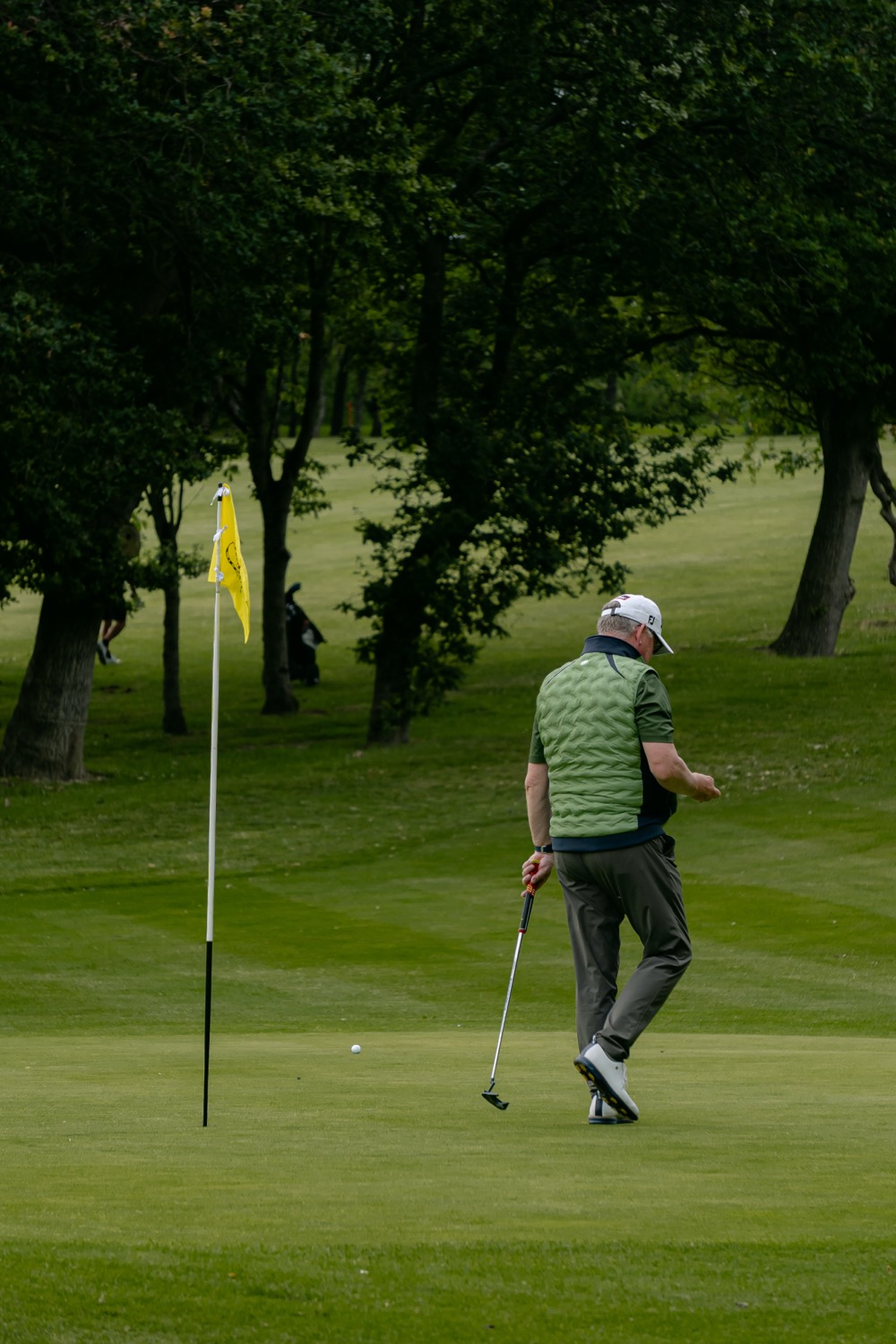
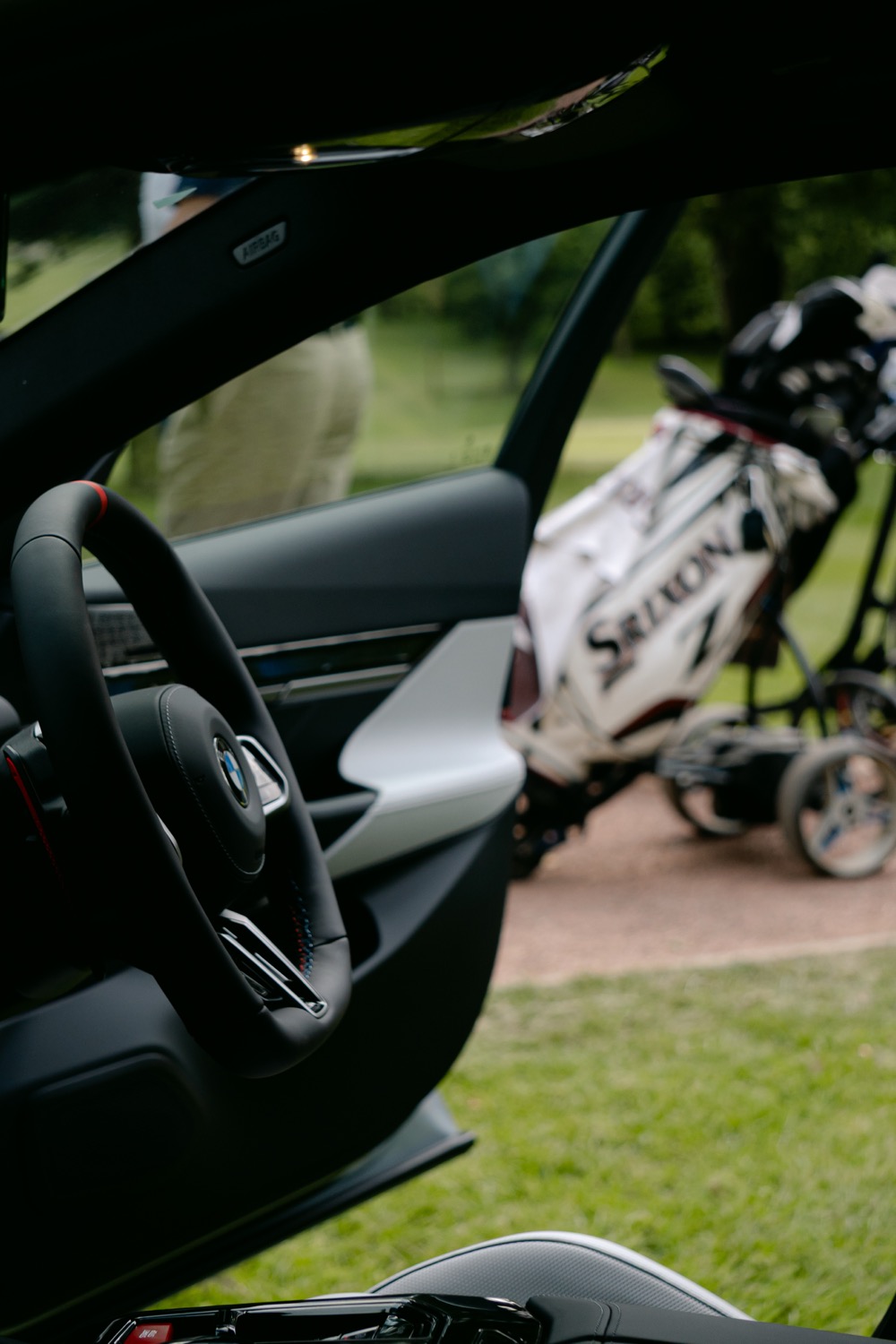
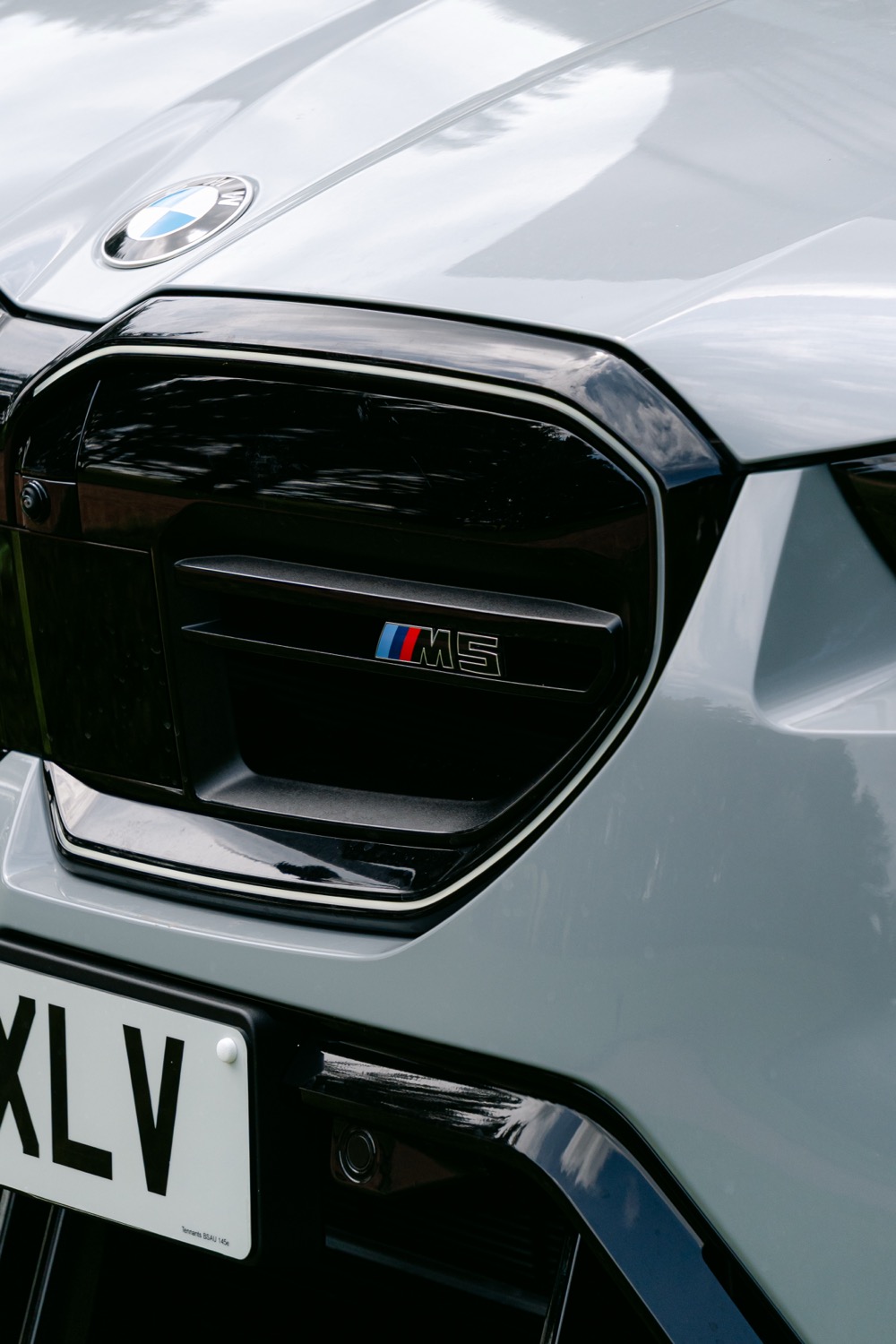
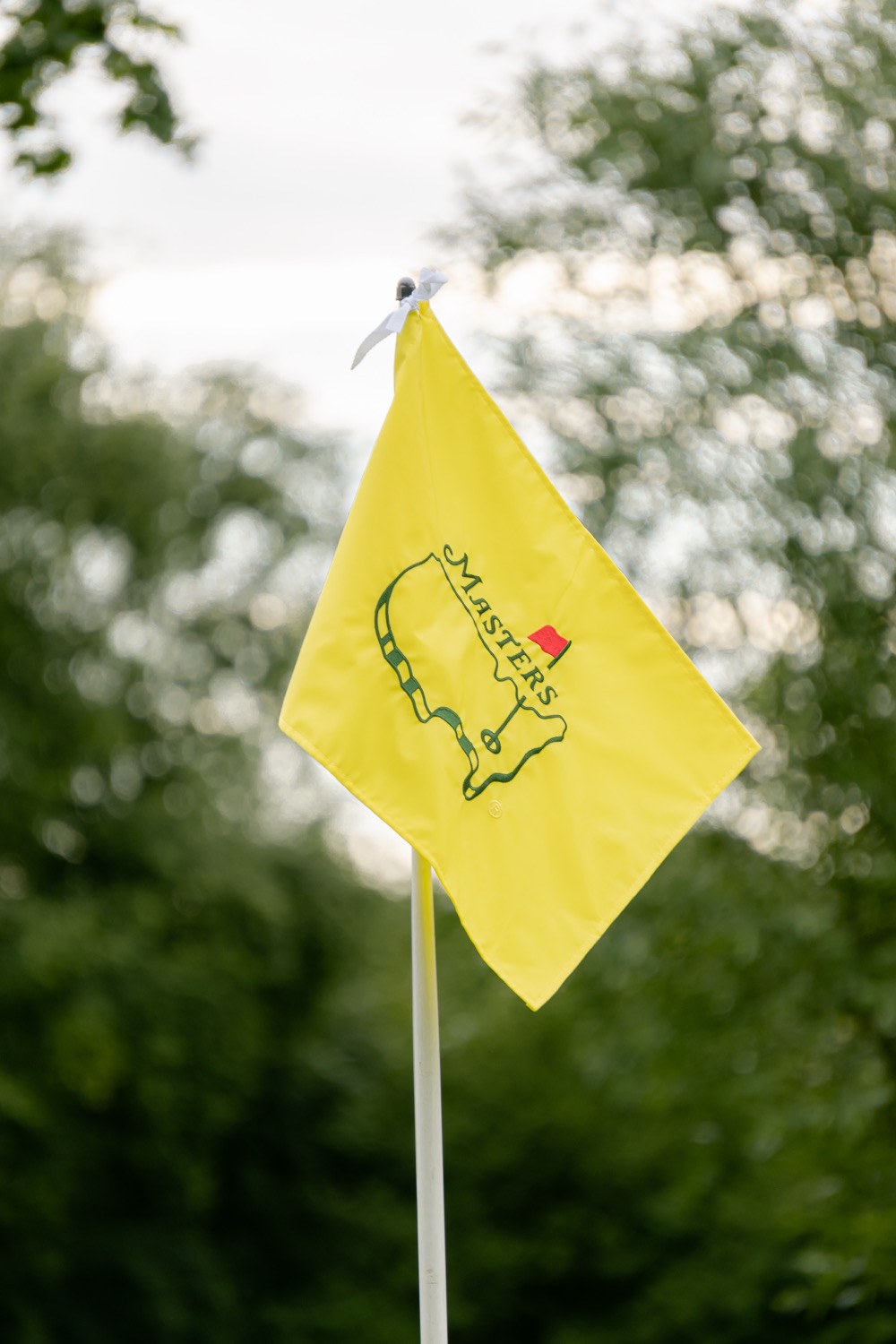
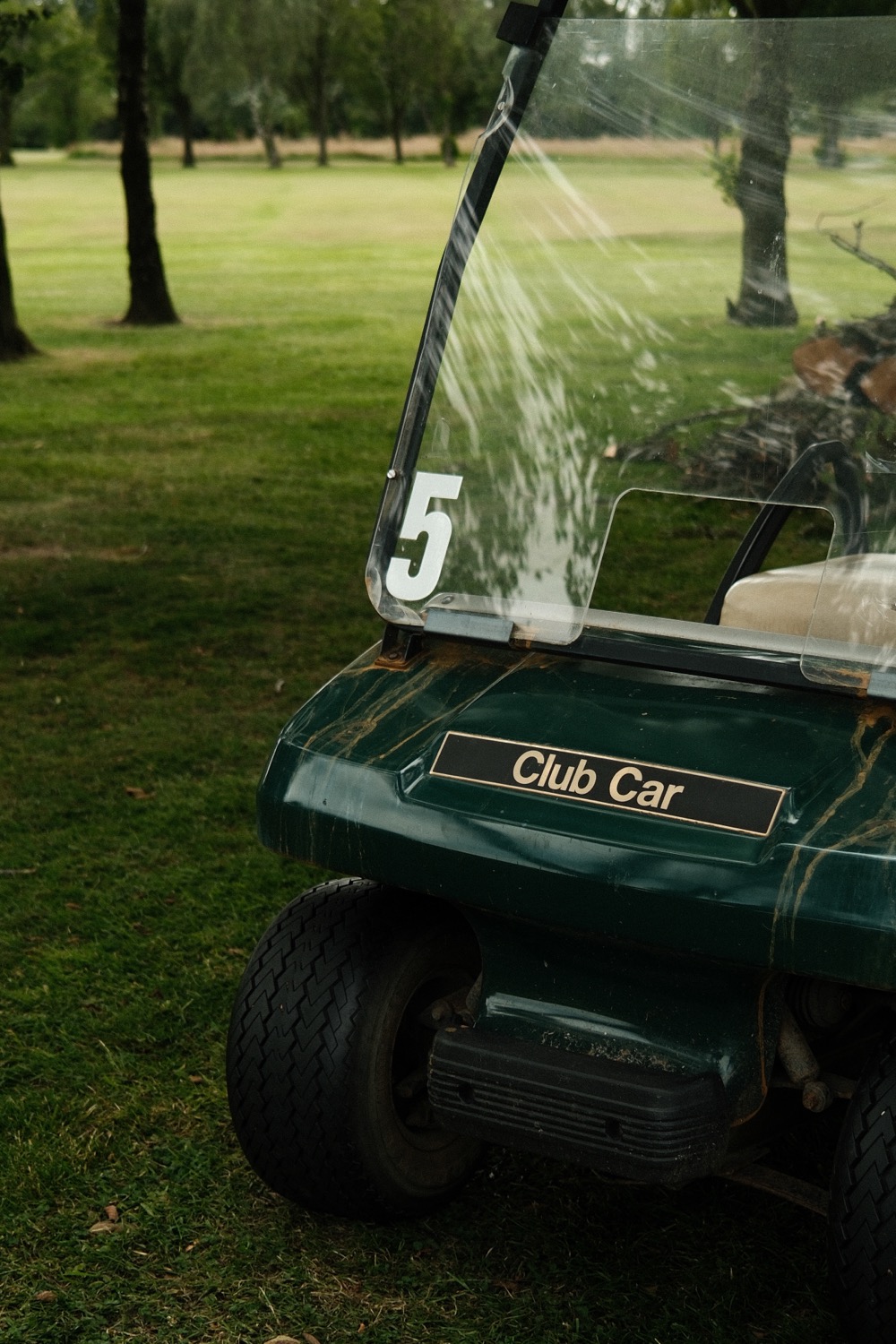
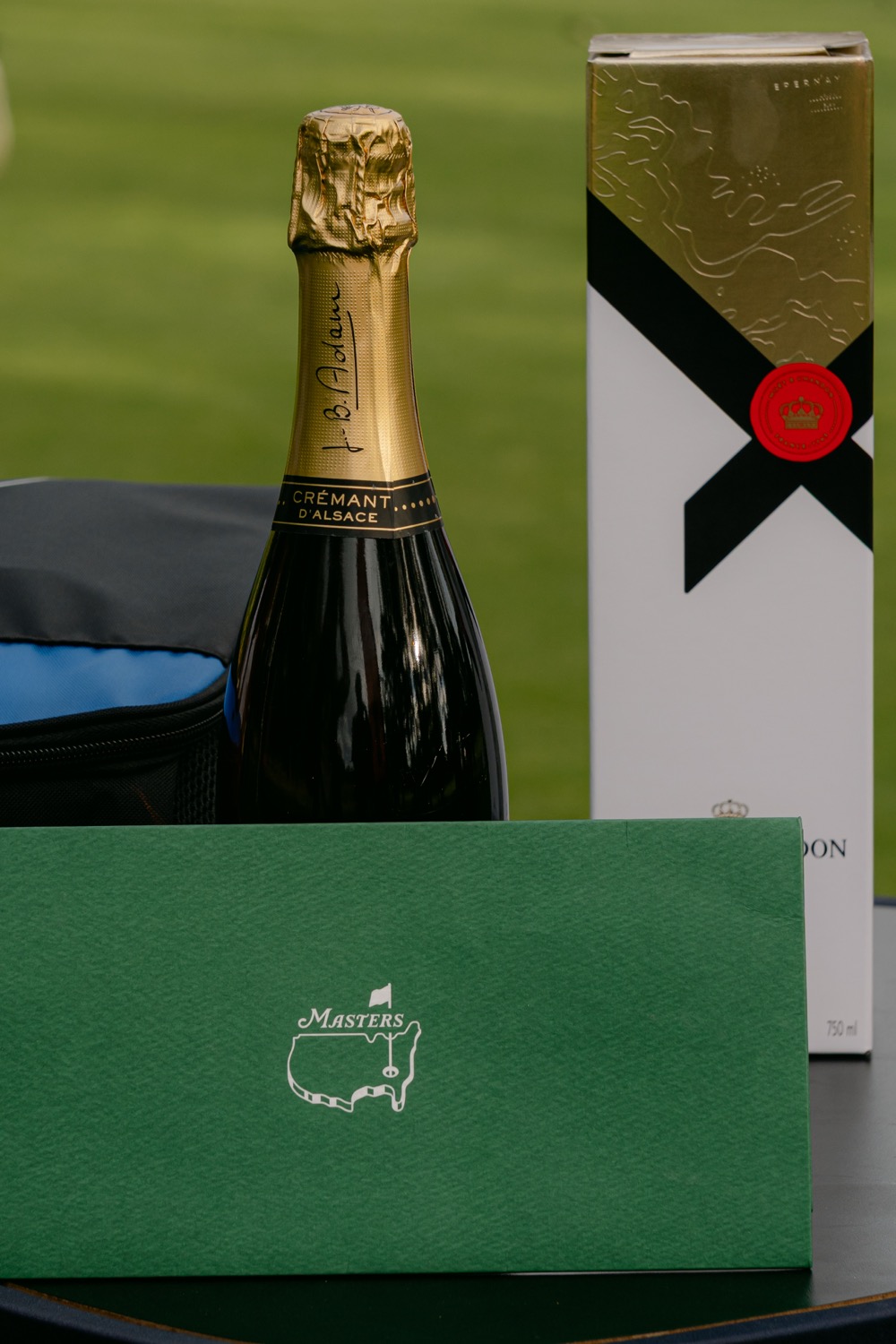
The Magnolia Classic is a golf day organised by SGH Events at Horsforth Golf Club, on the wooded northern edge of Leeds. It is a members’ course rather than a tour venue: parkland holes threaded between mature trees, a clubhouse that empties and fills to the rhythm of tee times, and for one day in July an event assembled inside that ordinary setting, with sponsor cars by the first tee and an envelope in Masters green waiting at the end.
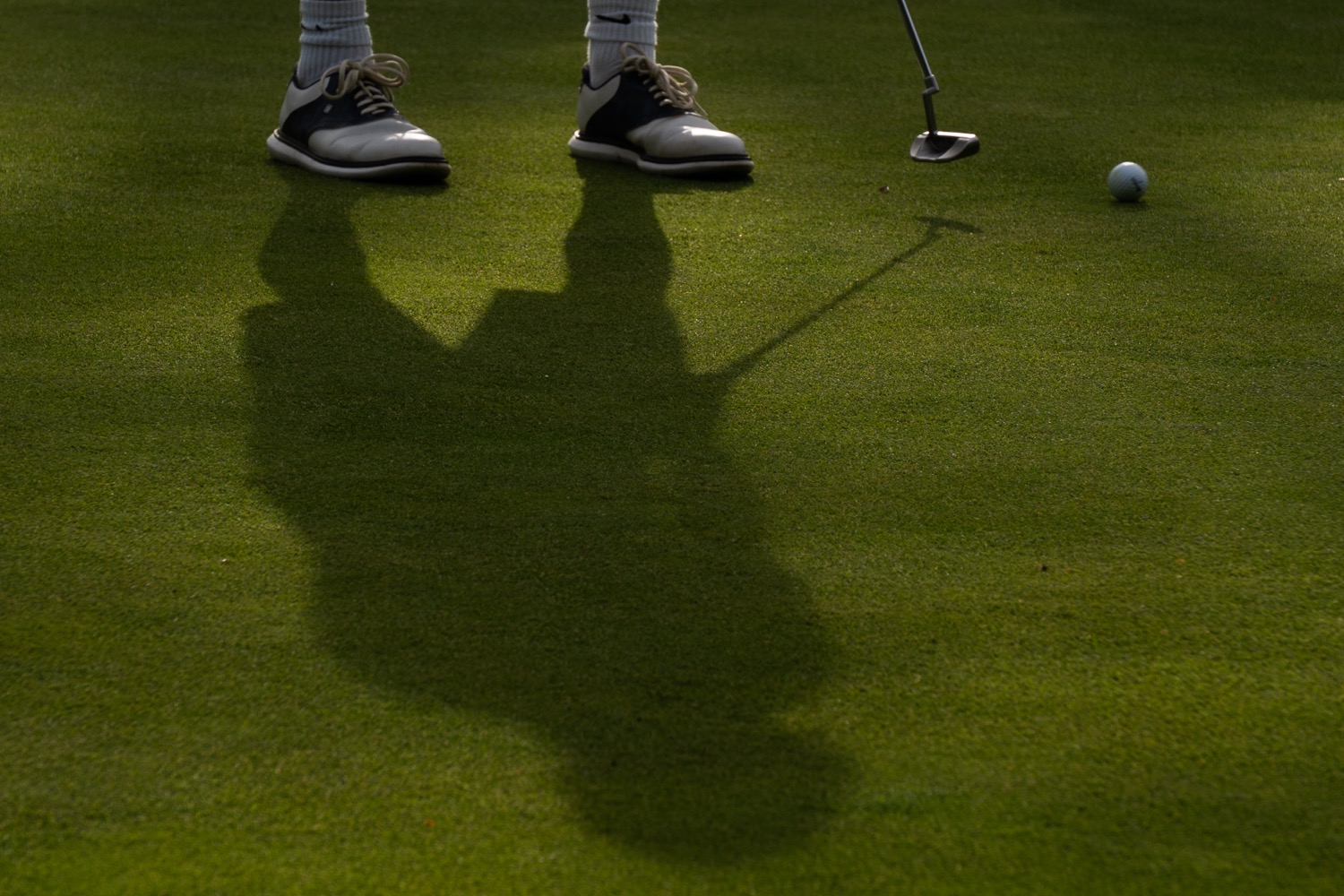
The photographs were made walking the course during play, and almost none of them show a face. Attention kept settling on what the day carried rather than who was winning it: tees in a bowl, a glove drying on a post, the club passport folded into a back pocket, the shadows lengthening across a green as the last groups came in. Golf turned out to be the one sport slow enough to photograph this way, its pace leaving long stretches in which the objects and gestures around the game become the subject.
The day itself is published in full as Magnolia Classic, sixty-nine photographs arranged in the day’s own sequence from arrival to recognition. This study keeps what is universal in it: the rituals that would look the same at any course, on any morning, wherever the game is played.