Dar Al Teeb, Doha
Al Hazm Mall, Doha. A shopping centre that could have built a shop and instead built a room modelled on Milan's great arcades: gold arches carried up into a vaulted, painted ceiling, marble underfoot in bands of black and cream.
Dar Al Teeb has traded in oud and attar since 2001, out of Kuwait. Here it does not sit behind a counter. It occupies the architecture.
Nothing in the room asks to be overlooked. Chandeliers hung beneath chandeliers, ceiling medallions painted with figures from another century, a niche given entirely to a single statue holding flowers. Excess deployed with the same discipline most brands reserve for restraint.
The perfume is almost beside the point, until it isn't.
Each bottle stands alone on its own marble pedestal, behind glass, lit like an object under conservation rather than something for sale. The distance between visitor and bottle does the same work a price tag performs elsewhere.
A collection arranged this way is not being sold so much as presented for consideration.
It is easy to call a room like this theatre. It is harder to admit the theatre works, that gold and marble and distance can make a bottle of oud feel worth the walk to reach it.
The mall closes at the same hour as any other. This room does not appear to know that.
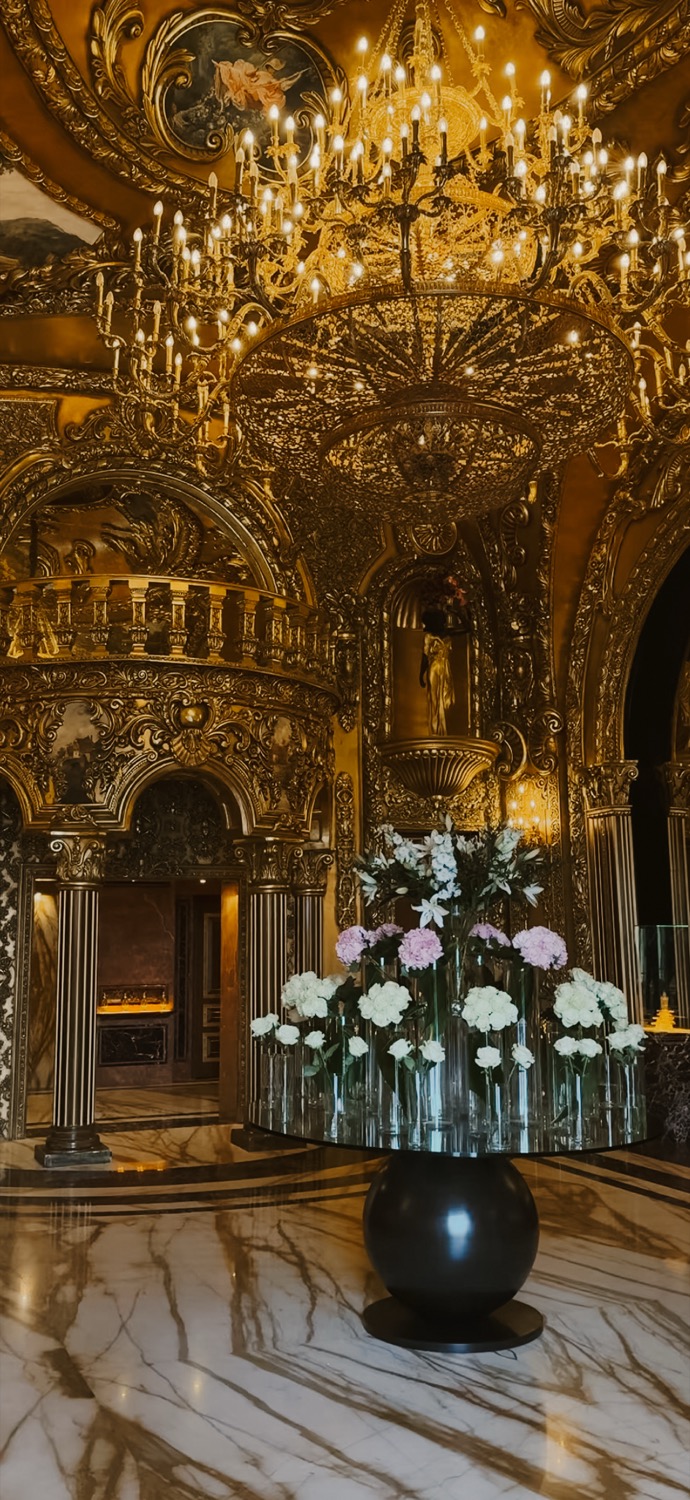
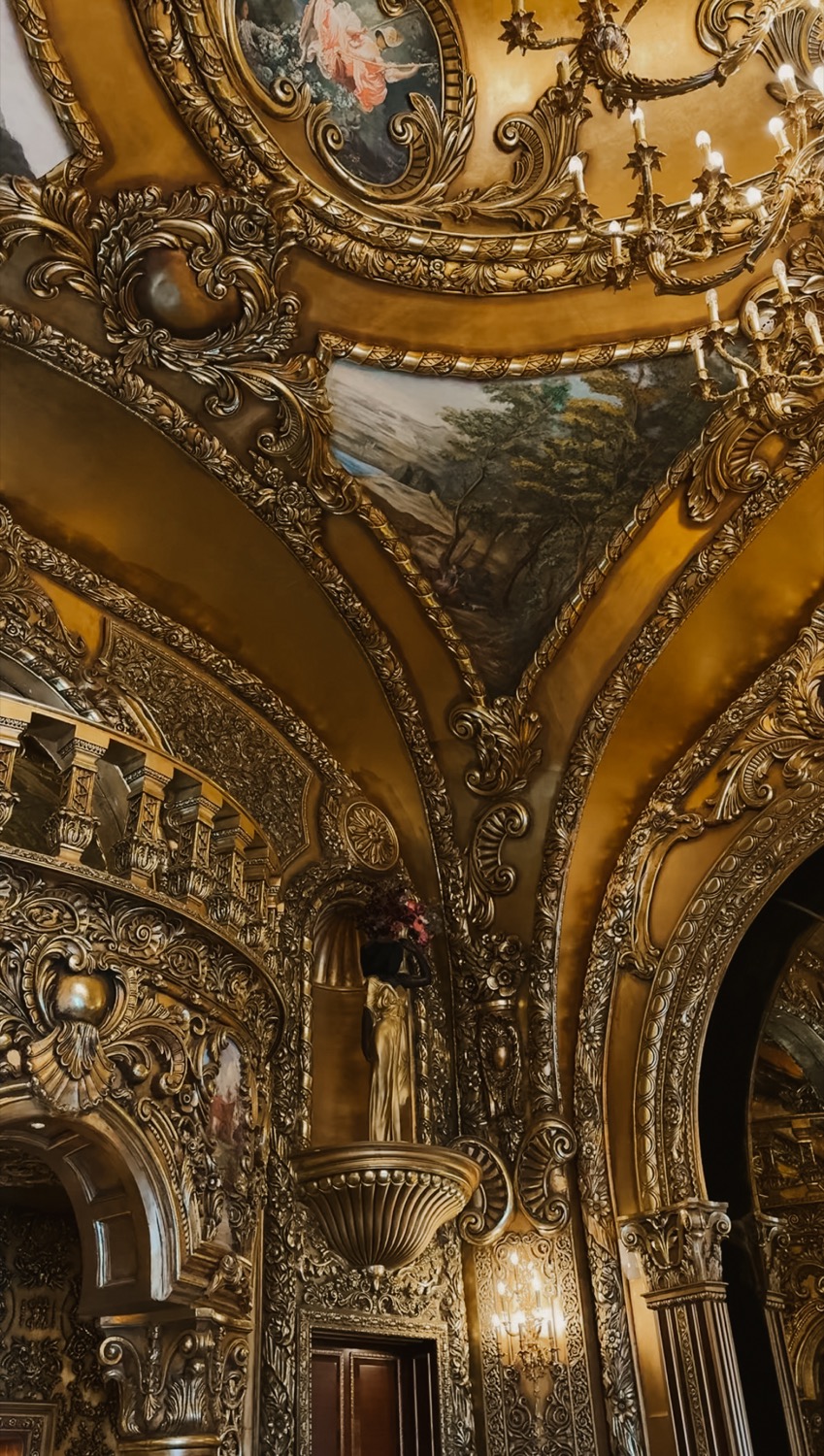
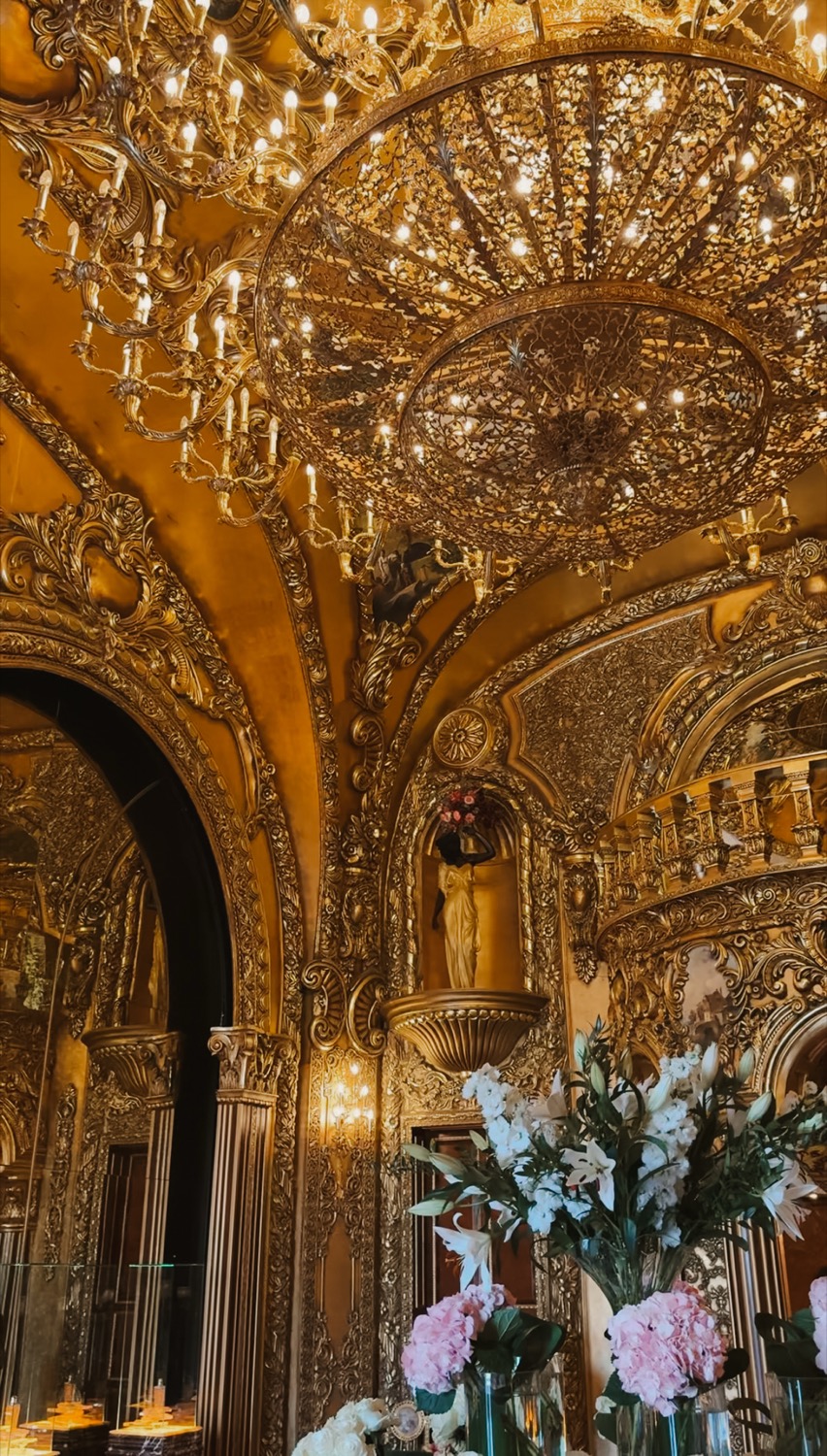
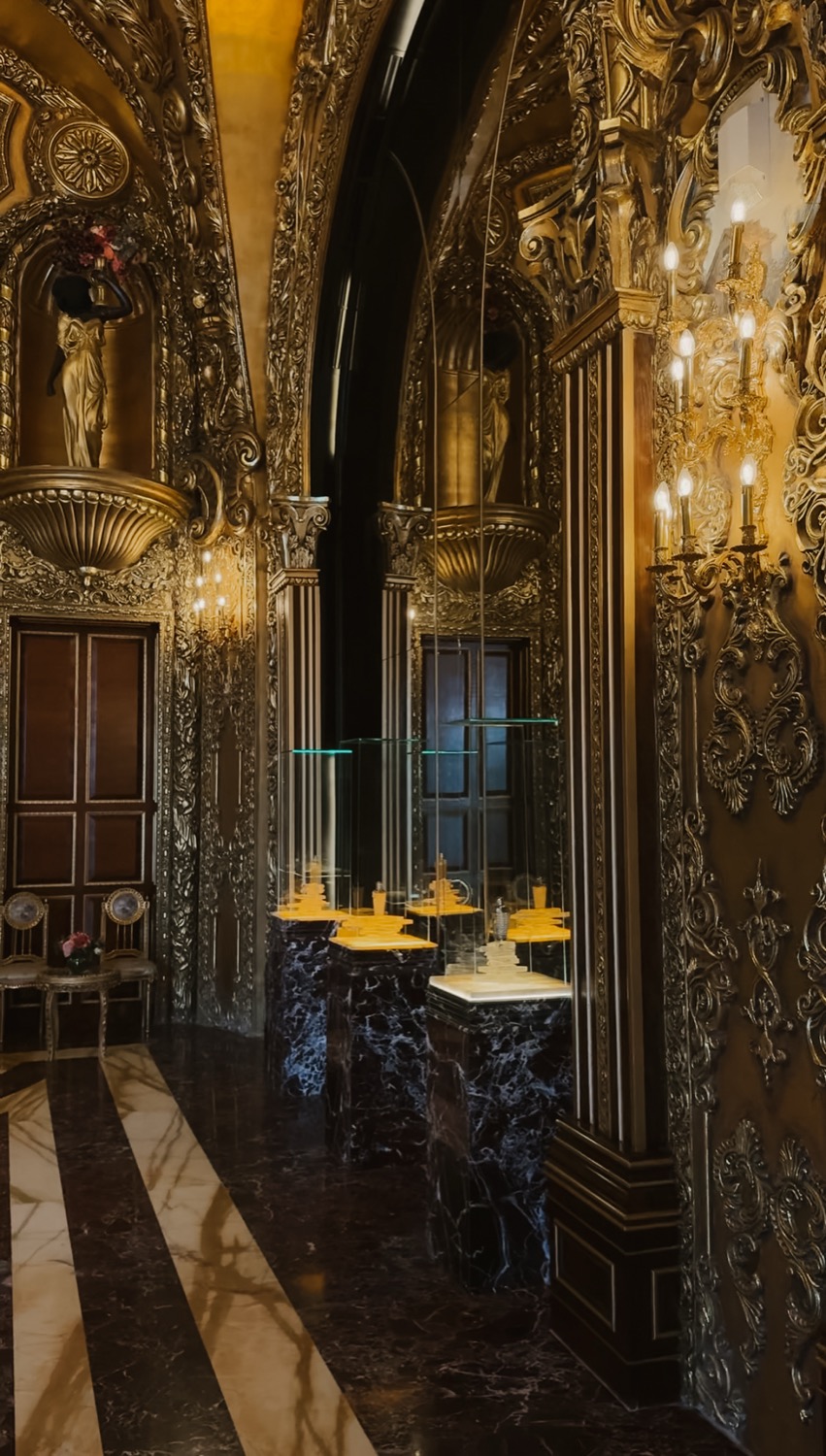
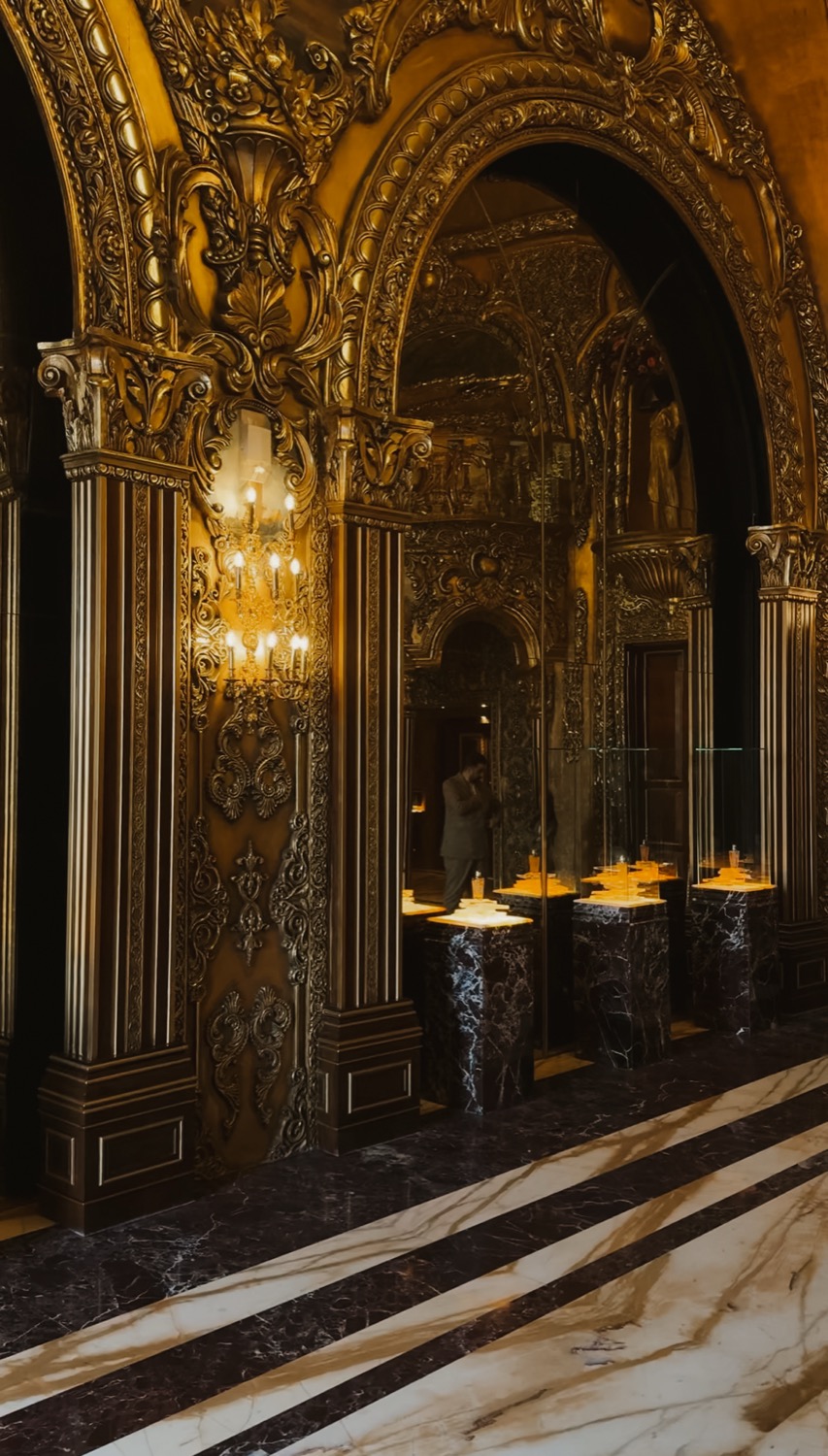
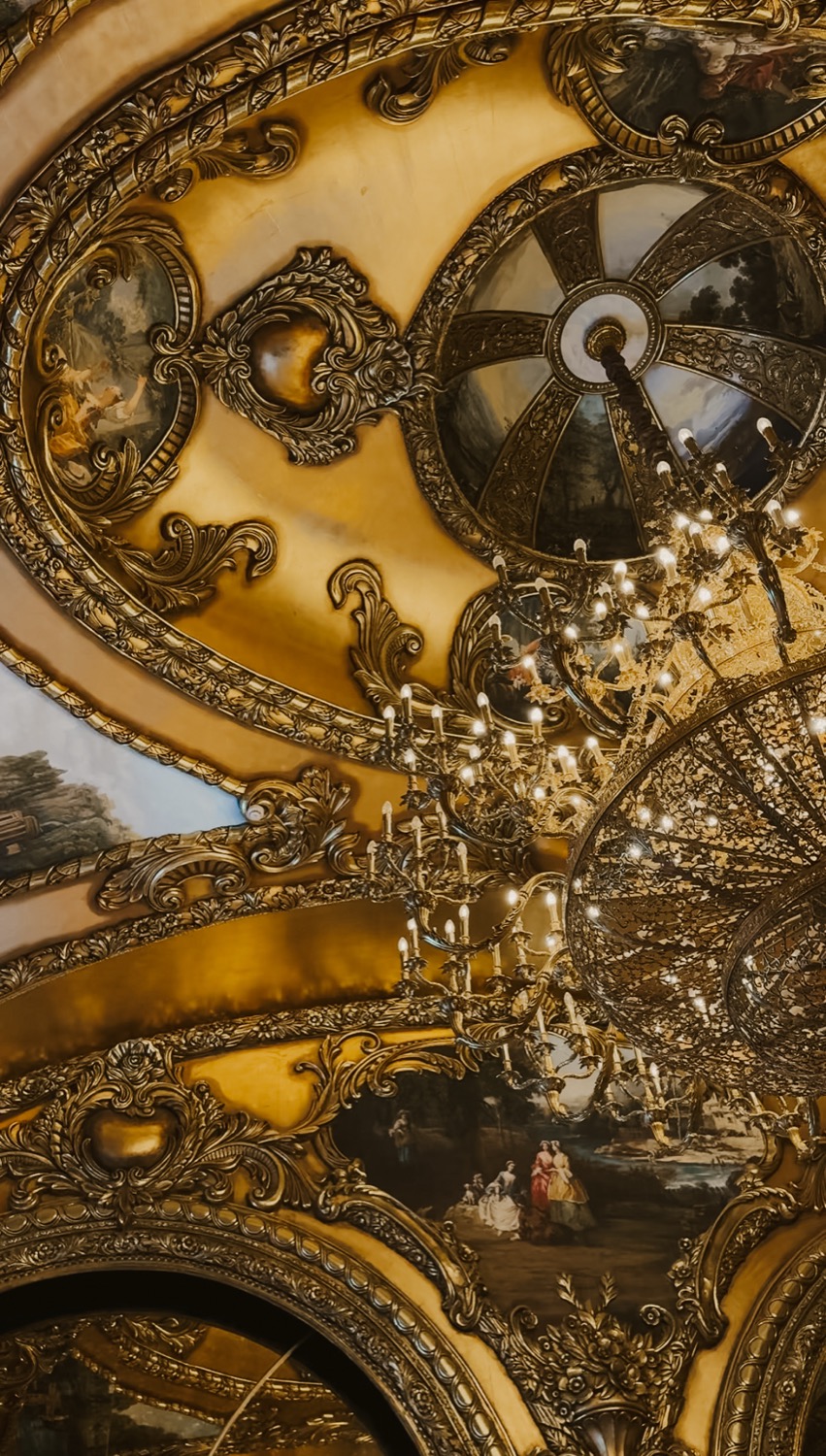
Dar Al Teeb is a Kuwaiti perfume house founded in 2001, working chiefly in oud, musk, rose and amber across a core collection supplemented by editions made for particular markets. Its store at Al Hazm Mall in Doha does not read as a shop so much as a small cathedral built for scent: marble in dark and pale bands, gold-leafed arches and mouldings rising into a vaulted, painted ceiling, the room more often compared to Milan's great nineteenth-century arcades than to any conventional retail interior.
The study follows the room rather than the counter. Each perfume sits alone on its own marble pedestal inside glass, spaced like an object in a museum case, so photographing the collection meant photographing the distance the house has built around it as much as the bottles themselves. The camera worked upward as often as it worked at eye level, since the architecture, not the shelf, is doing most of the persuading.
In the archive the study sits inside Craft beside Guerlain at Katara, another Doha fragrance house making a related argument through space rather than product, and beside Salon de Parfums at Harrods, where the same instinct is dressed in English rather than Gulf grandeur. It also extends the Journal's writing on scent, particularly the essays on why fragrance houses build rooms and on what oud communicates.