Aimé Leon Dore, London
Aimé Leon Dore is built through the language of rooms.
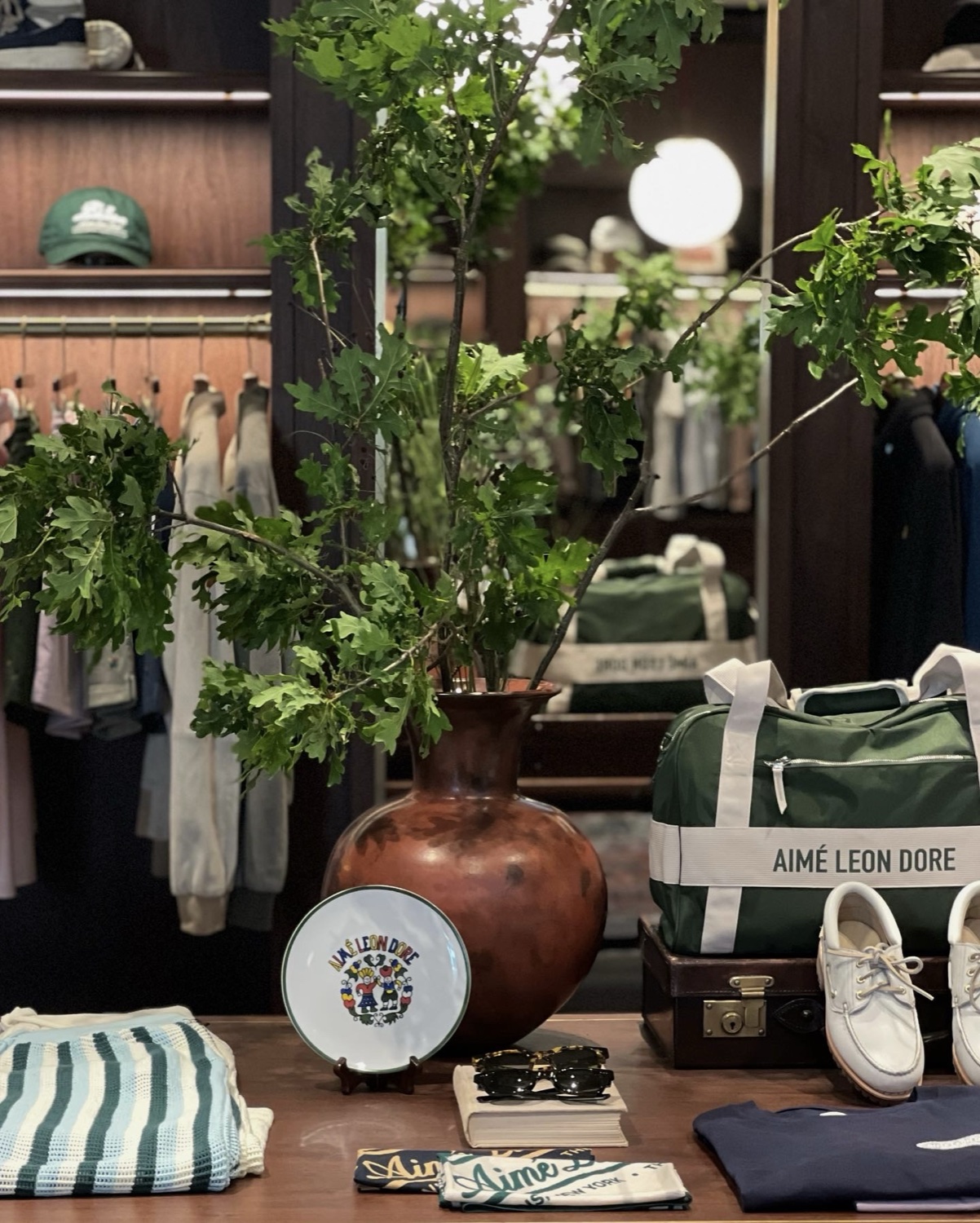
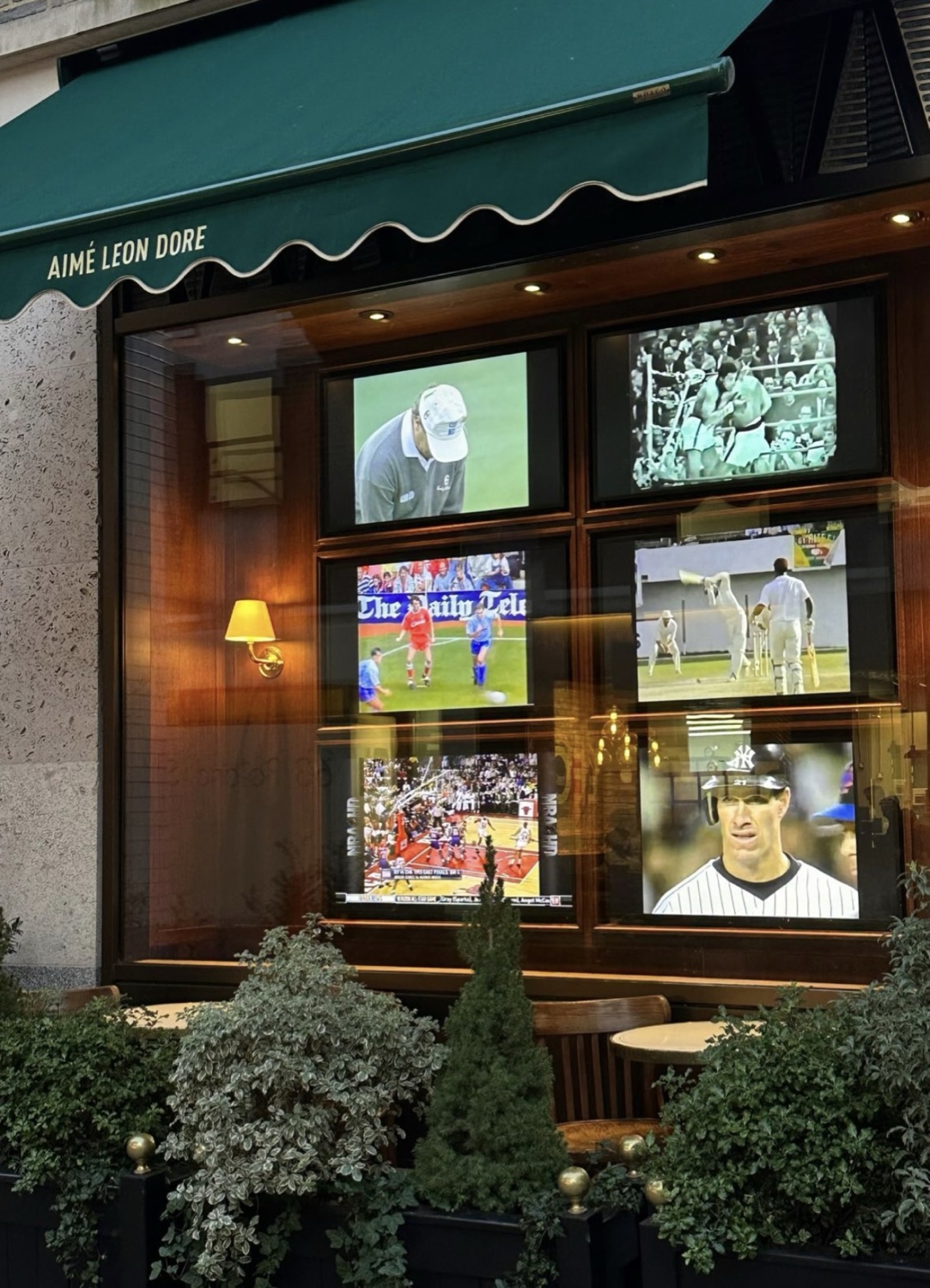
Timber holds the walls. Green canvas softens the street. Brass lettering catches the light without asking for it. Inside, clothing sits beside books, ceramics, sports objects and café cups, arranged with the quiet confidence of a space that understands memory as material.
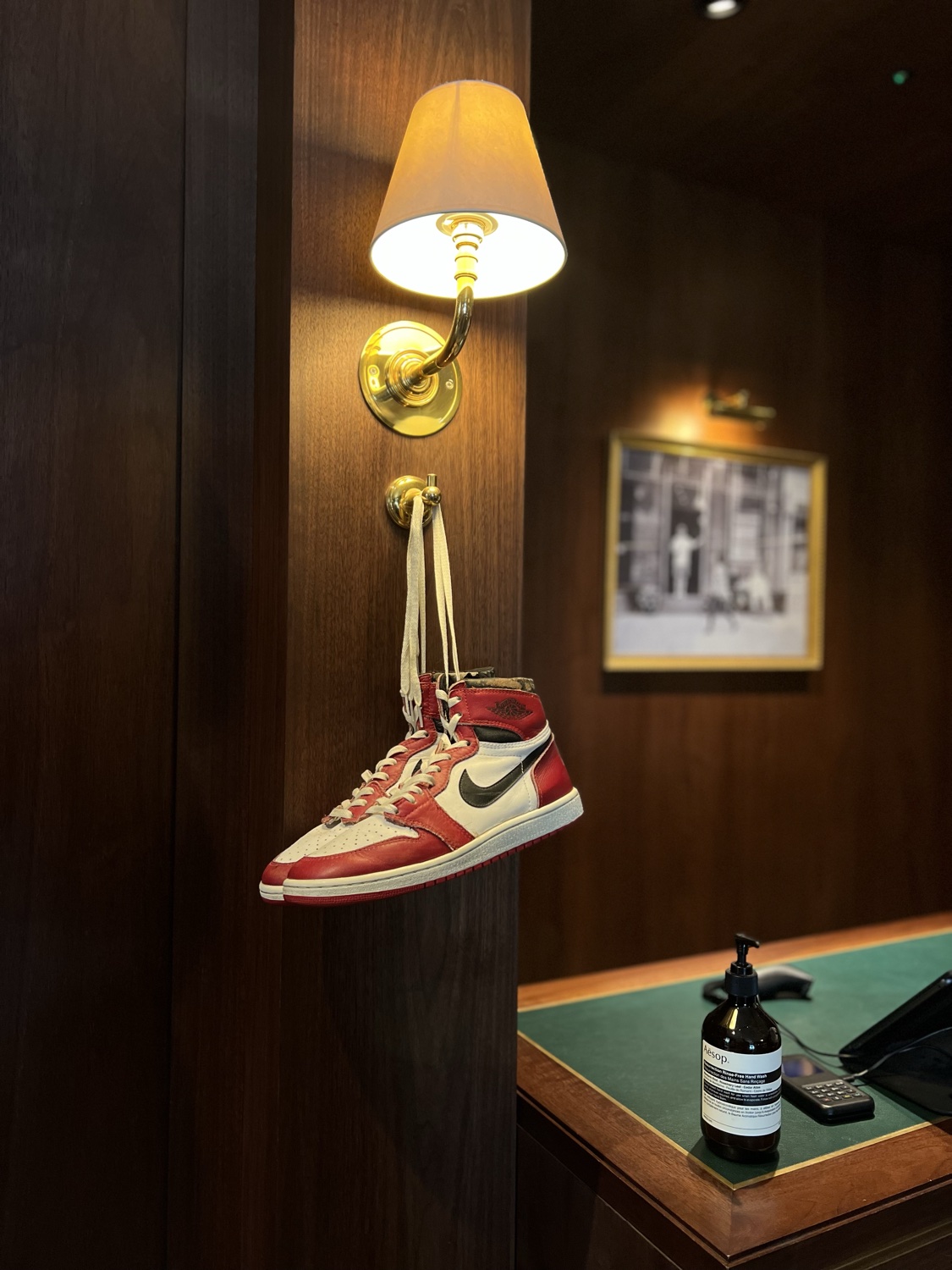
The store does not depend on spectacle. It works through accumulation: old basketballs pressed into shape, shoes held like artefacts, garments folded into rhythm, screens carrying sport in the background. Everything feels placed, but not over-declared.
A photographic study of surface, arrangement and atmosphere inside and around the space. Timber, green canvas, polished brass, sports objects and café ritual examined as a single language of reference.
What remains is less a shop floor than a room of references. A place where retail, café culture, sport and domestic warmth fold into one another until the act of looking becomes the real subject.
A store that makes retail secondary to the room it happens in.
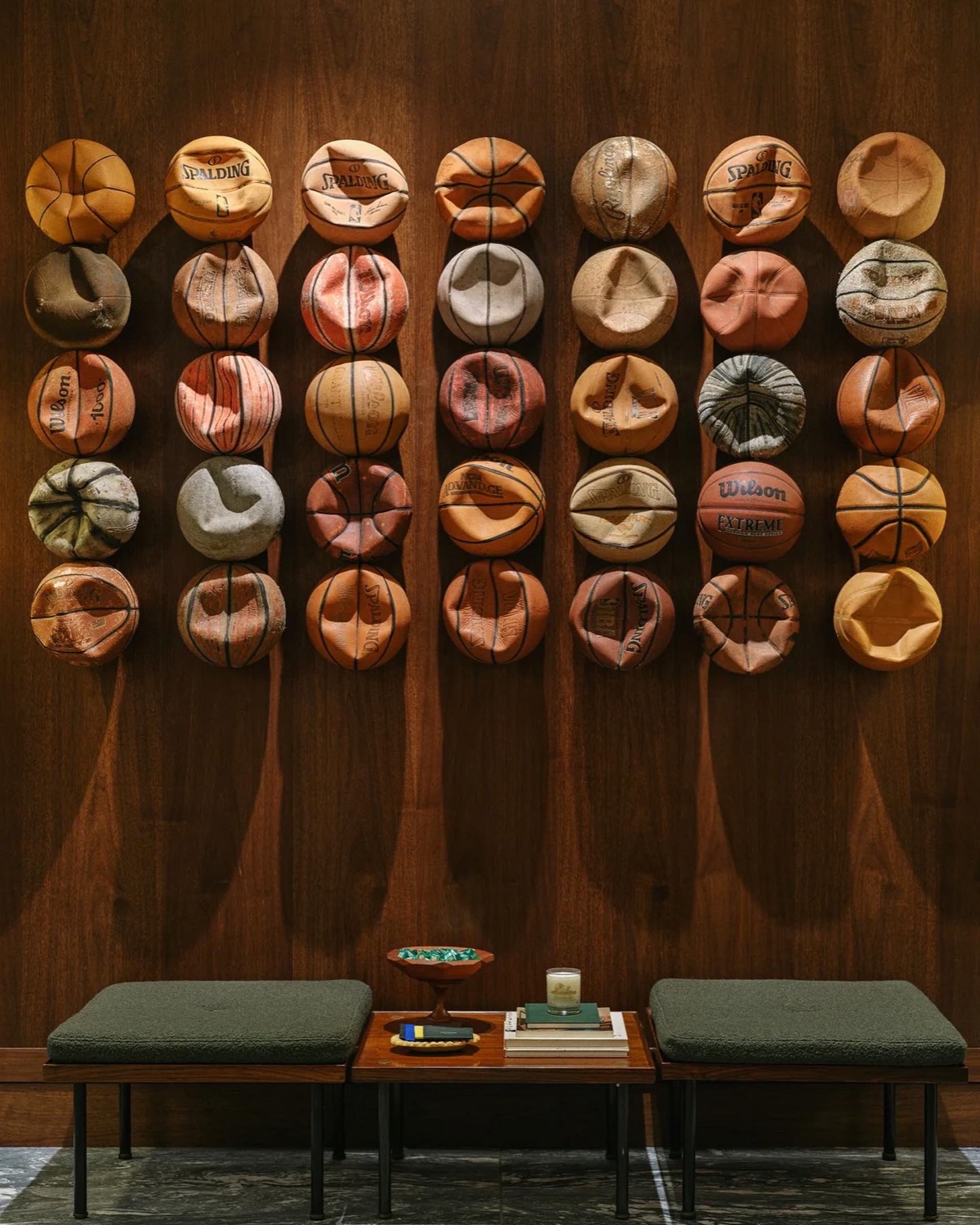
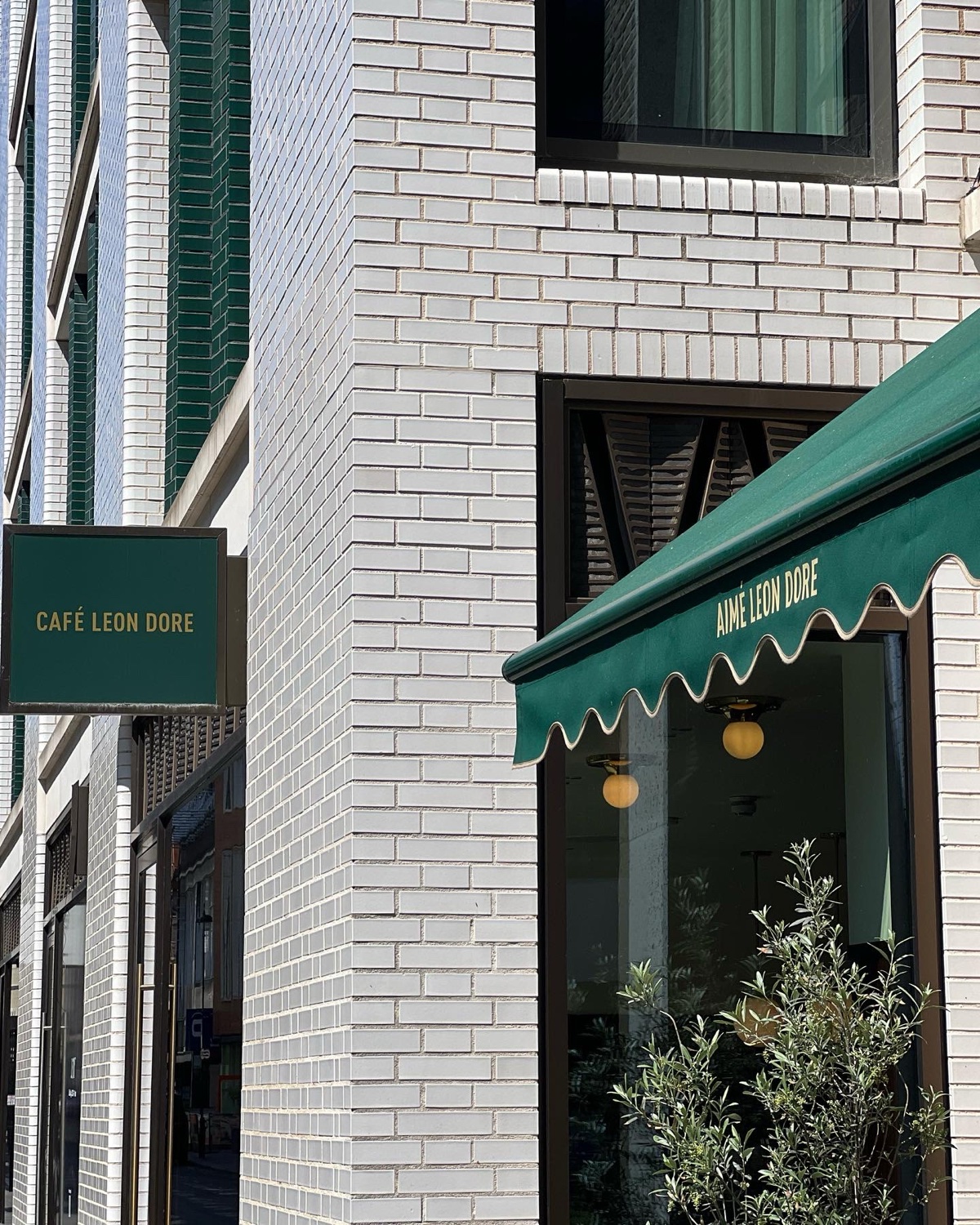
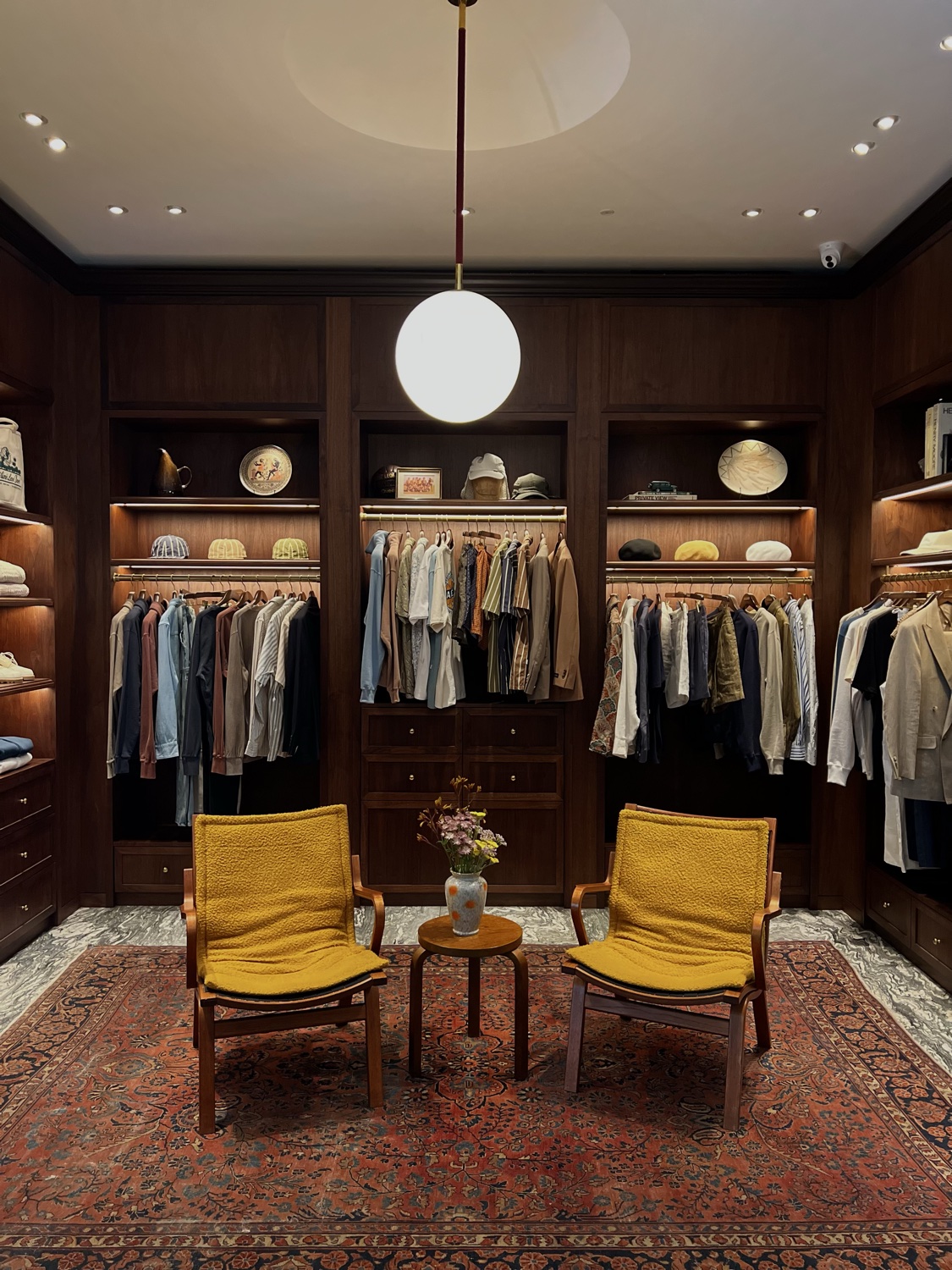
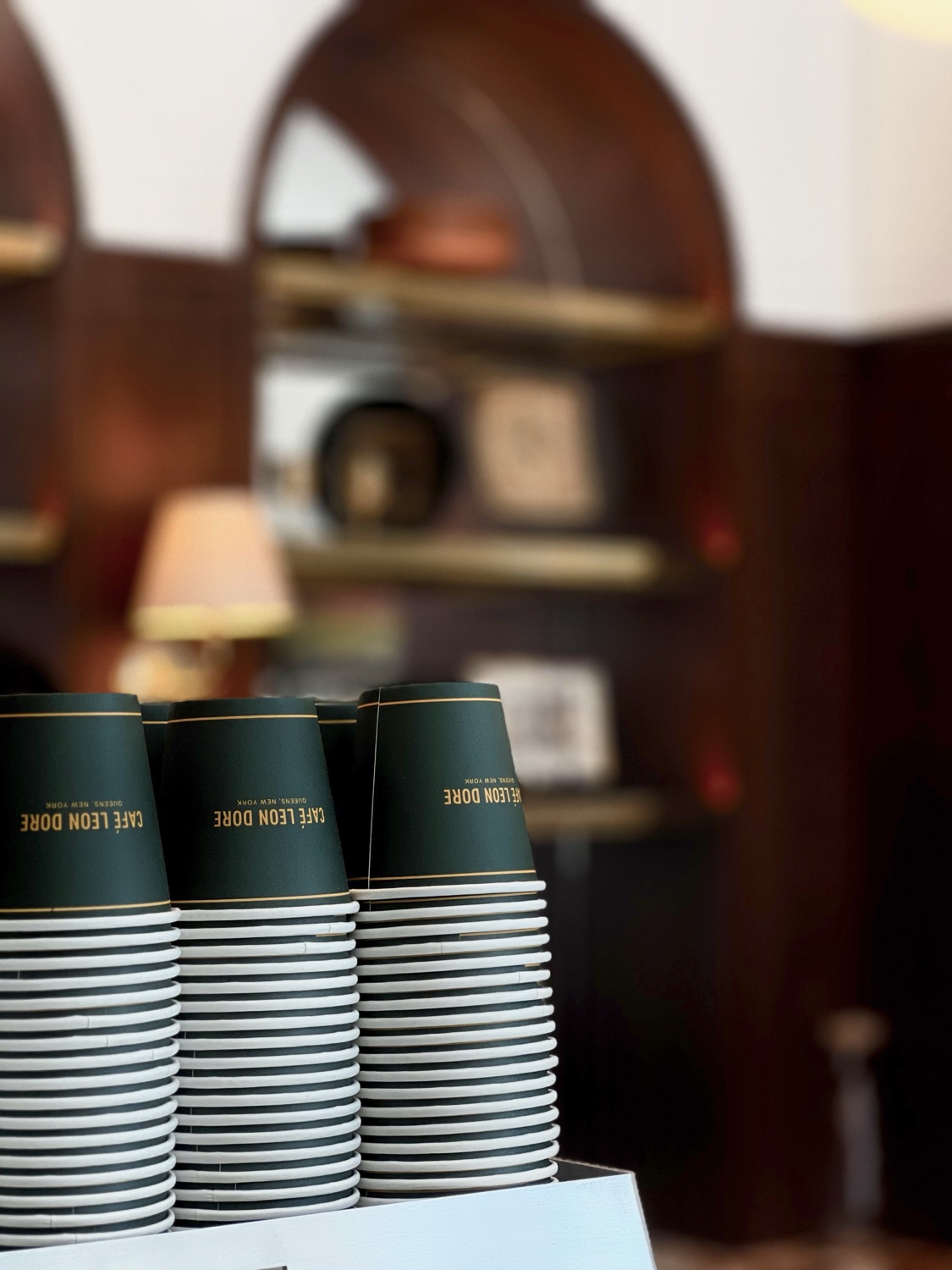
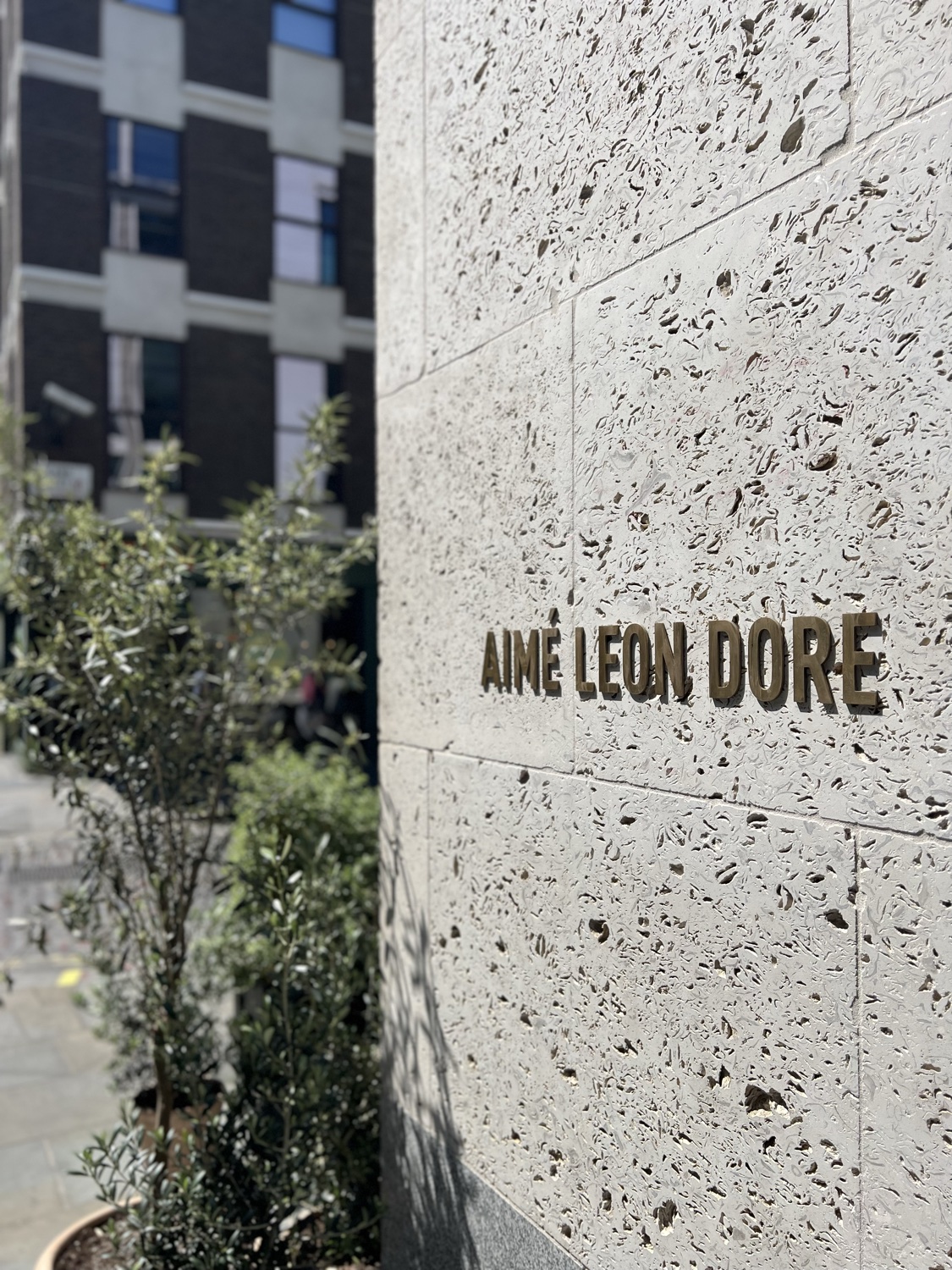
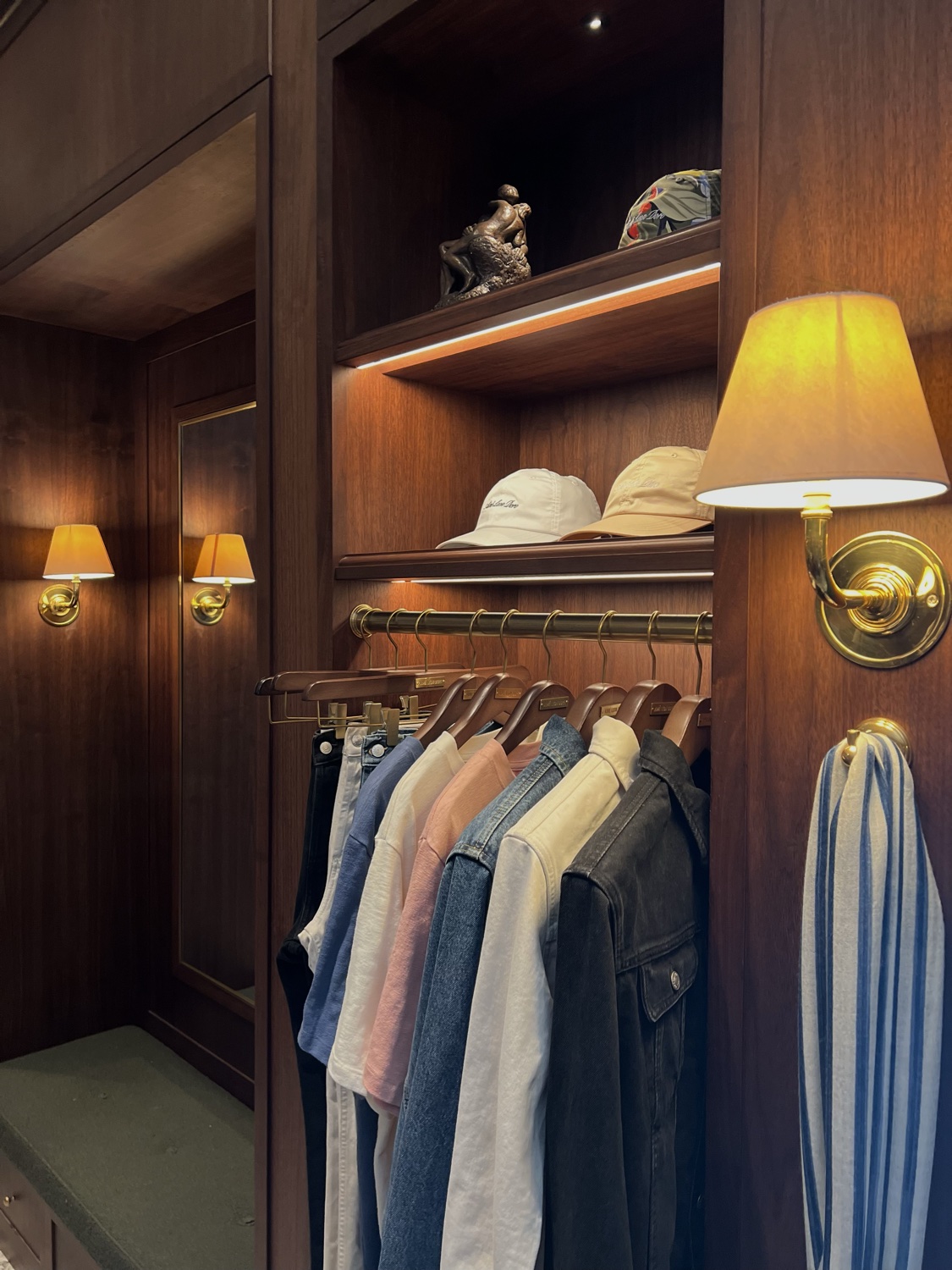
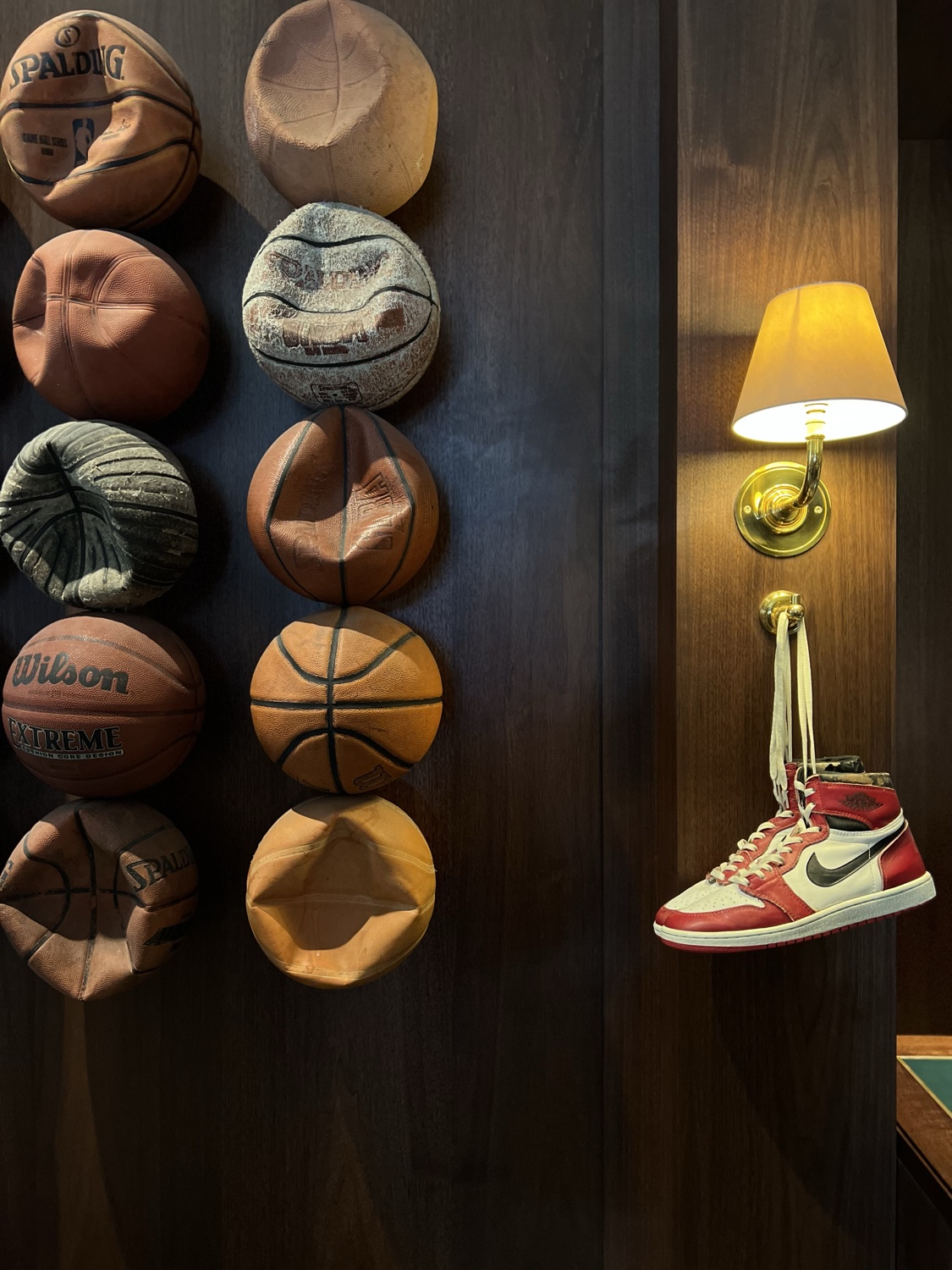
Aimé Leon Dore arrived in London by building a room that behaves like a memory: timber, green canvas, brass lettering, clothing shelved among books, ceramics and the trophies of mid-century sport. The New York label, founded in Queens in 2014 and now among the most watched names in menswear, retails nostalgia as much as garments, and its flagship spaces are the argument made physical. The study reads the London store as exactly that: retail as a furnished autobiography.
The photographs treat the merchandise as one object class among many, which is how the room itself treats it. A jacket hangs beside a rowing print; café cups carry the monogram; the basketball sits on the shelf like a first edition. The study's interest is the technique, how objects from different registers are curated into a single, ownable past, and the frames stay wide enough to show the arrangement doing its work.
Within the archive the study anchors the Craft category's central idea, the room as the brand's real product, and it circulates through the Journal's essays on memory and retail. For commissioning conversations it is the studio's cleanest example of documenting a brand world rather than an inventory: nothing in these photographs could be mistaken for e-commerce, which is precisely their value to the brand they describe.