Jihae Hwang
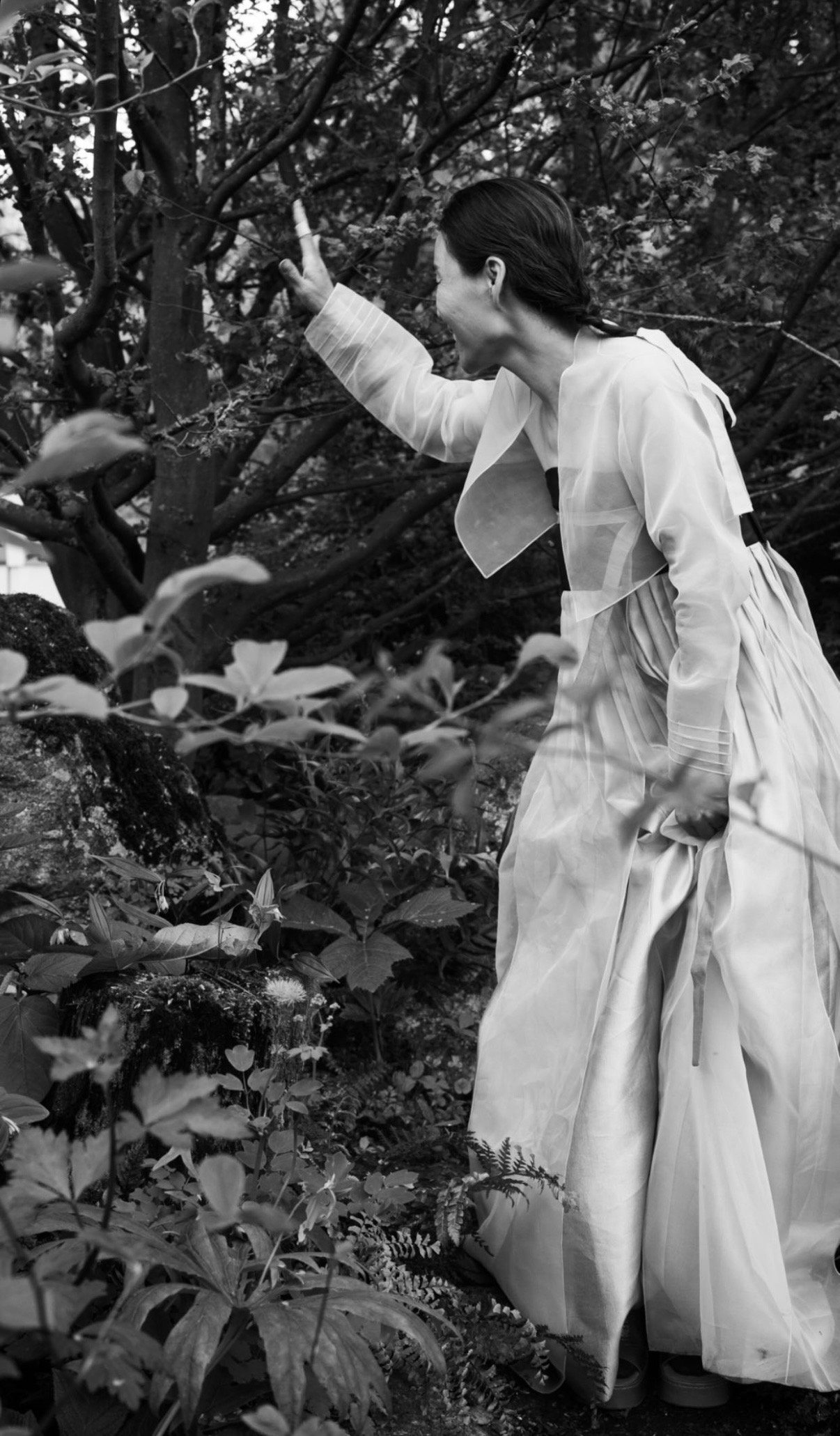
For a few days each May, Chelsea hosts temporary worlds. Gardens built to exist briefly and then disappear. Most are admired and then forgotten.
This one was different. Inspired by Jirisan, the mountain the Koreans call the Mother Mountain, designer Jihae Hwang brought fragments of a landscape thousands of miles away into the centre of London. Stone gathered from hillsides. Timber weathered into structure. Planting chosen not for spectacle but for memory.
You felt it before you understood it.
A show garden is usually a record of intention, design and execution. This one was interested in something else: what happens when people encounter a landscape that belongs to somewhere they have never been.
Jihae Hwang's garden was designed around the Korean concept of healing through nature, the idea that a landscape can hold something for you if you allow it to. The photographs were made in that spirit. Observational rather than declarative. Looking for the moments when the garden was doing what it was built to do.
The garden moved differently from its neighbours. There was less pressure to perform. Visitors slowed. Some stopped entirely and stayed longer than they had planned.
A musician in white silk sat on the ground and played a gayageum, the notes absorbed by the planting around her. An architect of stone walls and dried herbs stood quietly against the hillside structure. A single flower held itself above the ferns in the low morning light.
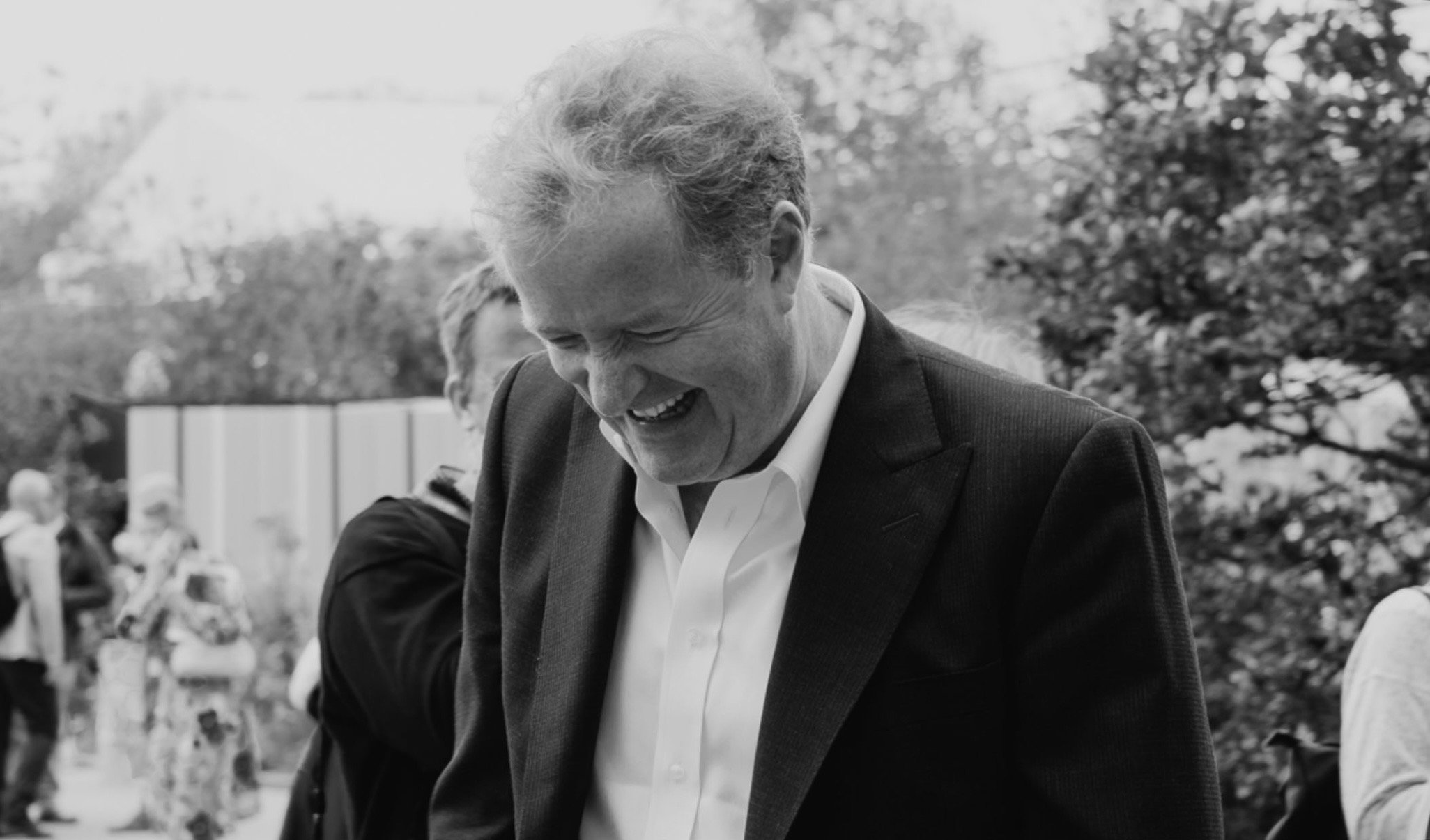
The people who moved through the garden became part of it. You could not separate the visitors from the landscape they were visiting. That felt like the point.
Some places are built to last. Others exist only briefly before disappearing.
For a few days in London, Jihae Hwang recreated fragments of a Korean mountain landscape and invited visitors into it. What remained was not simply a garden, but a reminder that landscape carries memory long after the structures themselves have gone.
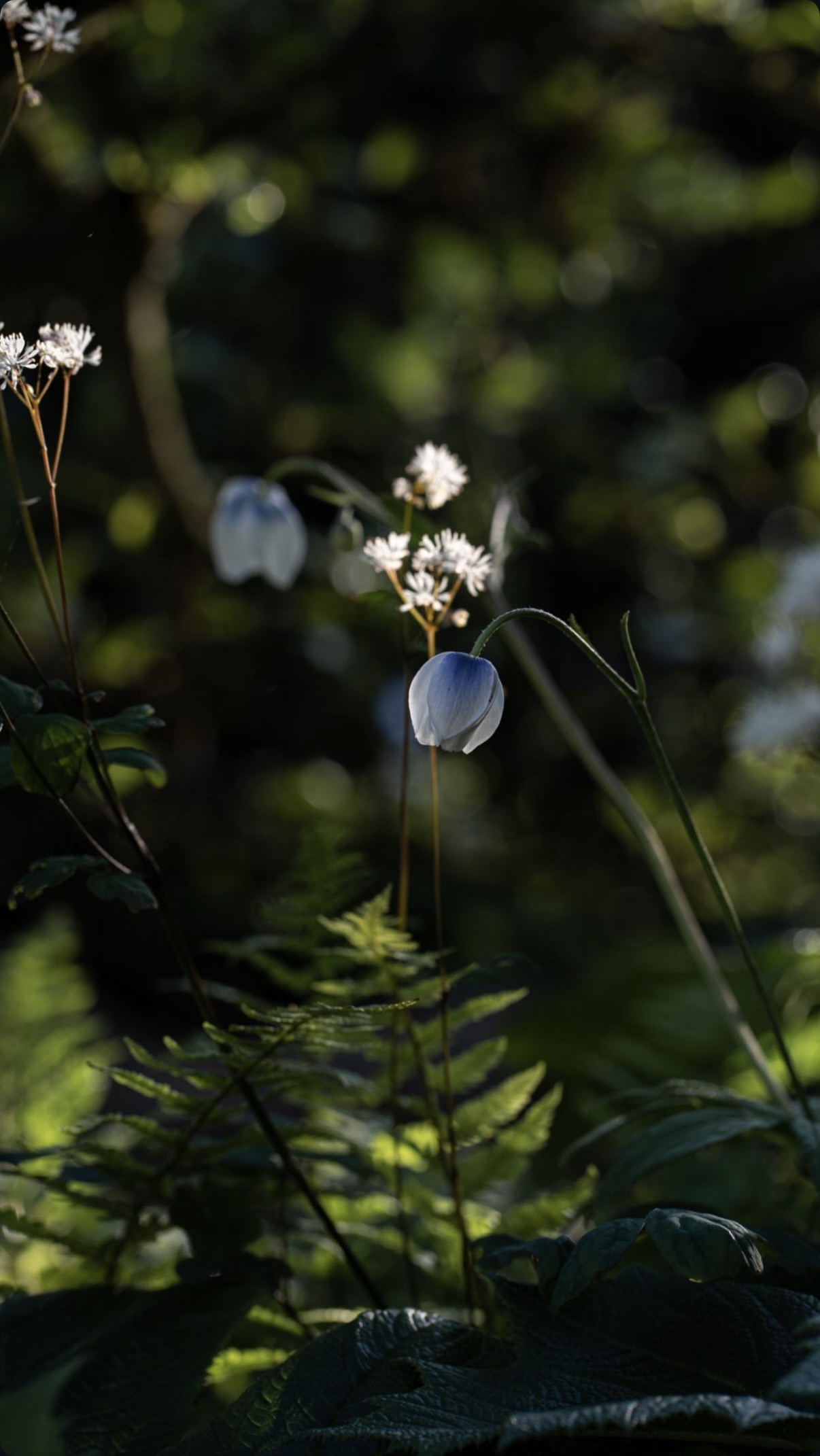
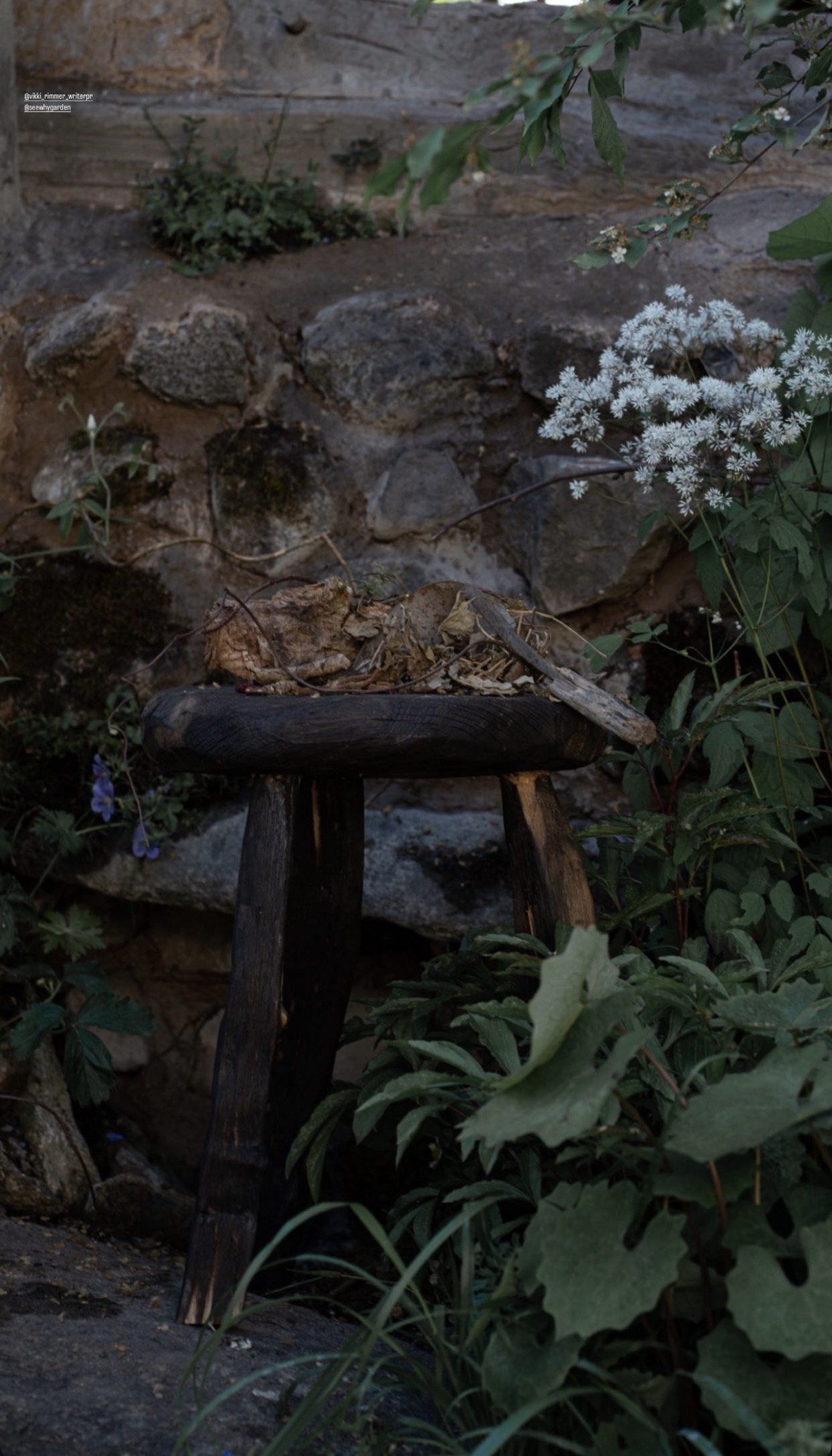
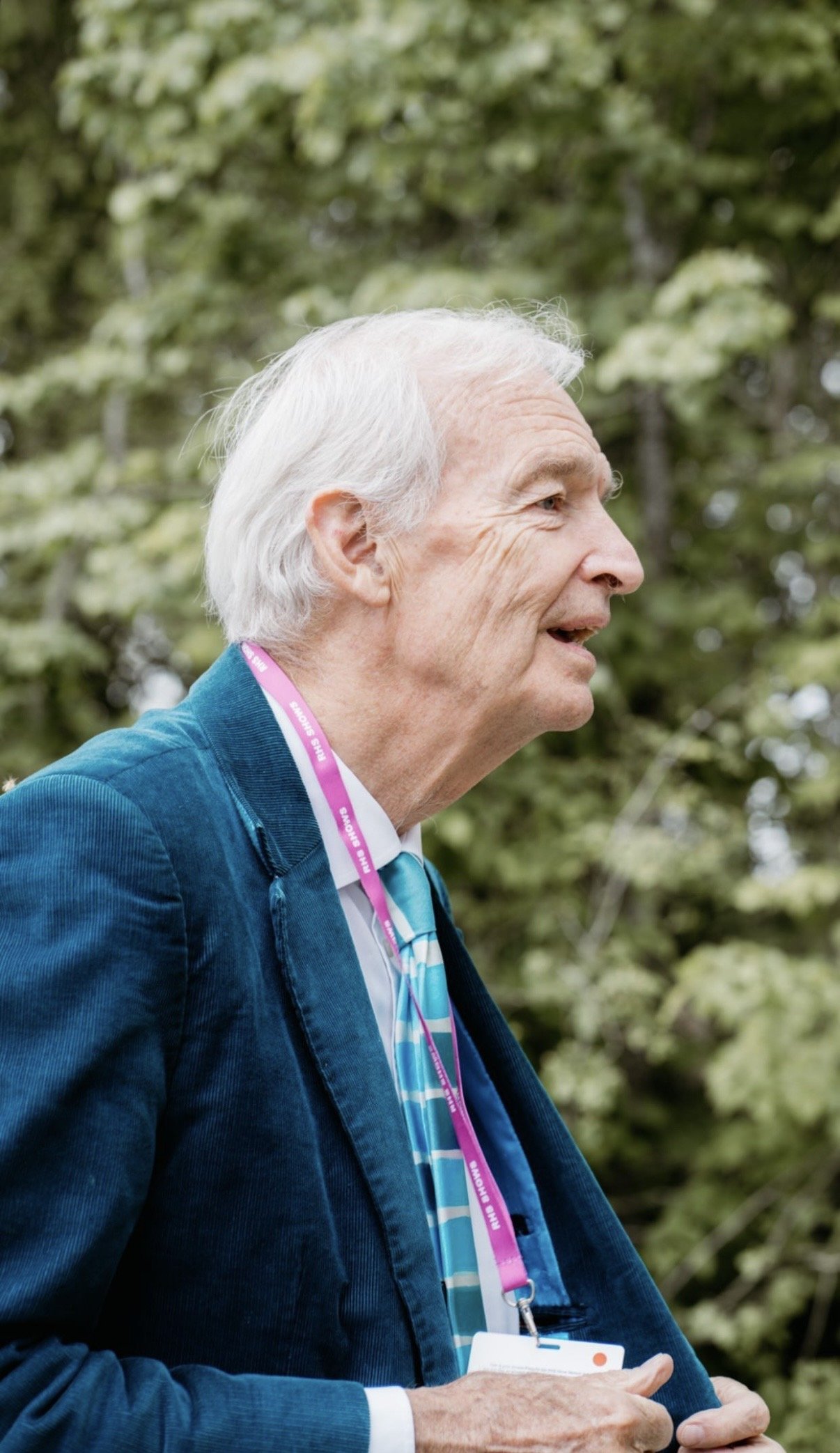
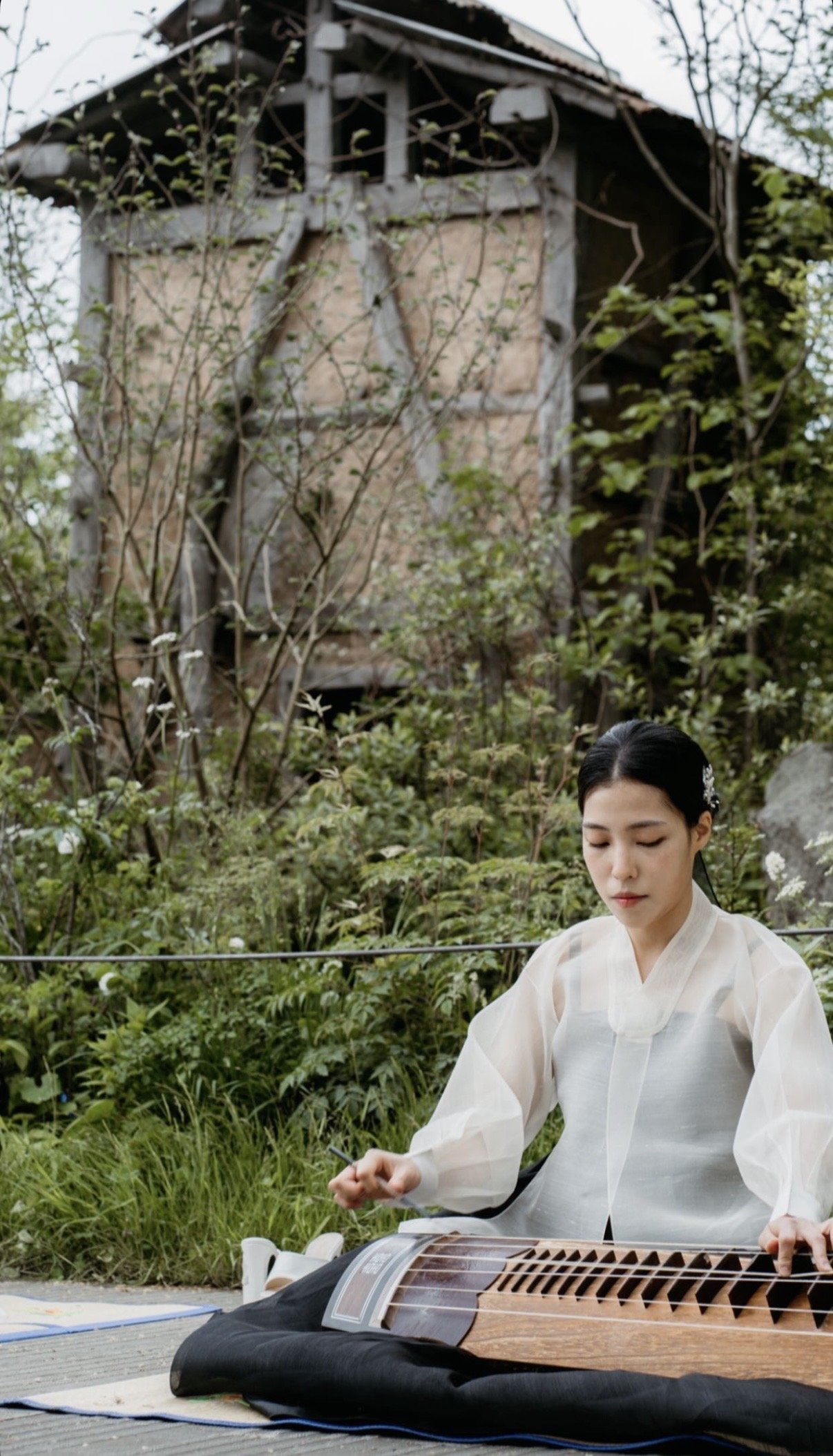
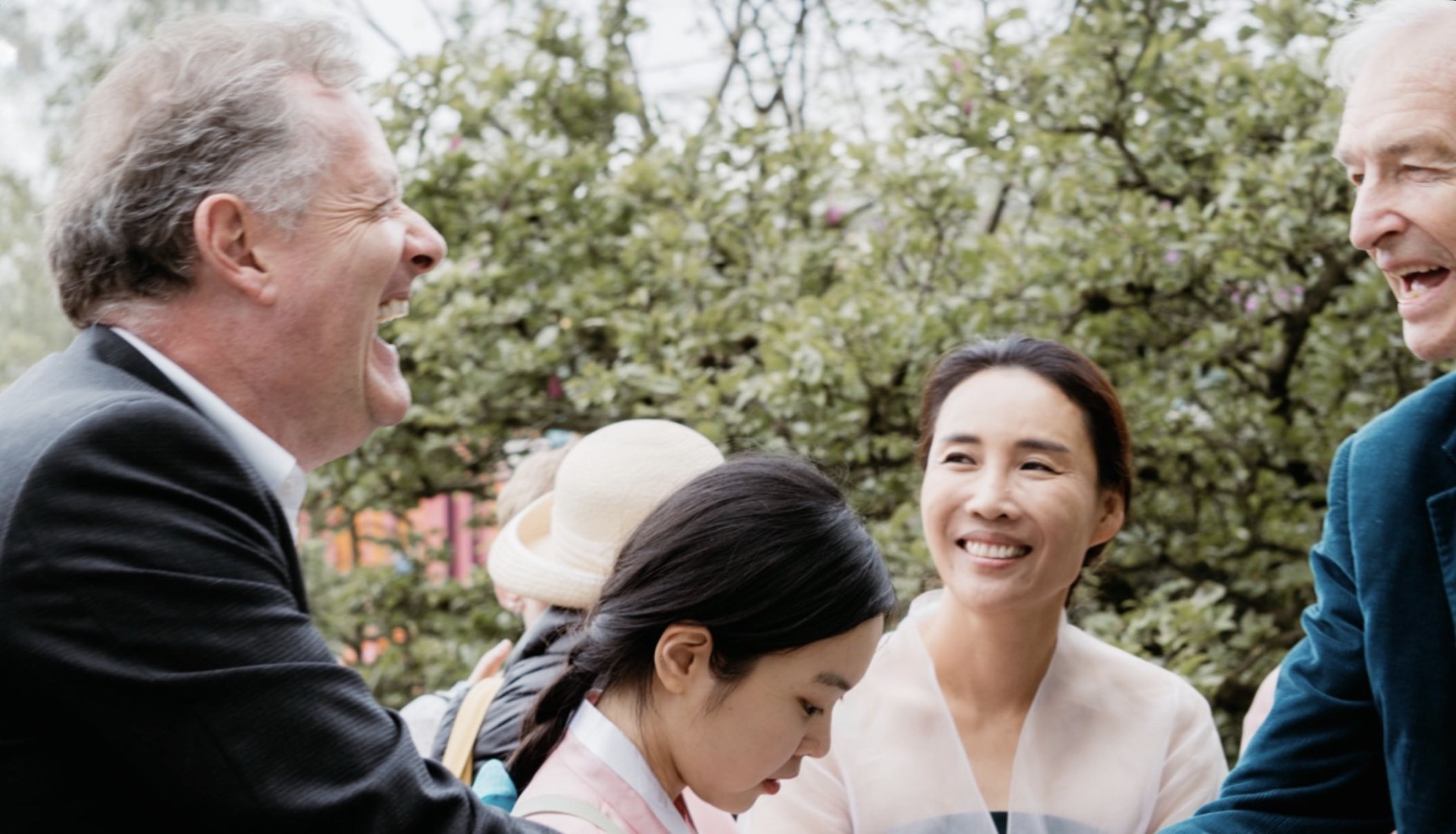
Jihae Hwang's A Letter From A Million Years Past was, for the studio, the garden of Chelsea 2023: a Korean mountainside carried to London, inspired by Jirisan, the mother mountain, built from weathered stone, medicinal planting and a patience that made its neighbours look decorative. Hwang builds gardens as acts of memory and repair, and this one read as a landscape that had simply always existed.
The photographs concern the garden's refusal of display: moss where medals expect flowers, timber structures that looked inherited rather than installed, the crowd's noticeable drop in volume at its frontage. The study worked the garden's own registers, close textures, held shade, the humility that was actually a form of authority.
In the archive Hwang's garden anchors Against the Display, Publication 005, it is the display being argued against, and her study pairs permanently with Sarah Price's as the publication's two languages of resistance. The wider lesson feeds the Journal's writing on rooms that do not perform: the strongest presence at the world's loudest flower show belonged to the garden that declined to raise its voice.