Al Bidaa
Al Bidaa is shaped by objects that carry identity.
Inside the boutique, garments, scent, leather, falconry pieces and carefully arranged accessories sit within a language of Qatari culture. The room is quiet, but the references are specific. Thobes, shemaghs, perfume, trunks and crafted details become more than display. They hold traces of ceremony, daily dress, hospitality, heritage and the codes of a place.
This study looks at Al Bidaa through those objects. Not as a shop, and not as a collection of products, but as a composed room where culture is expressed through material, order and restraint.
Clothing gives the space its first rhythm.
White fabric, folded cloth, hanging garments and the patterned presence of shemaghs carry a sense of formality without needing to announce it. They belong to daily life, but also to ceremony, public presence and the way identity is quietly held through dress.
The room does not treat clothing as excess. It gives each piece space. Fabric becomes line, colour becomes accent, and the act of display begins to feel close to the act of preservation.
Around the garments, smaller objects deepen the language of the room.
Perfume bottles, leather goods, trunks and falconry references sit within the same atmosphere of care. Falconry, in particular, brings another layer of Qatari heritage into the study: not as decoration, but as a sign of tradition, patience, skill and status carried through crafted objects.
The materials matter. Glass, leather, brass, textile, wood and stone each hold a different kind of weight. Together, they create a room where culture is not explained directly, but gathered through surfaces.
The display is controlled, but not empty.
Objects are given distance from one another. Shelves are not crowded. Counters are allowed to breathe. The boutique uses space to make each material feel considered, turning retail into a quieter form of cultural composition.
Nothing feels accidental. A bottle catches light. A shemagh folds into pattern. A trunk becomes architecture. The room asks the eye to move slowly, to read identity through detail rather than statement.
This study is about culture held through objects.
Al Bidaa does not need to describe Qatari heritage directly. It lets material do the work. Dress, scent, falconry, leather and display become ways of seeing how tradition can be carried quietly into a contemporary room.
For mkd STUDIO, Al Bidaa becomes a study of craft as identity. A place where objects are not simply arranged, but given the space to speak of culture, restraint and belonging.
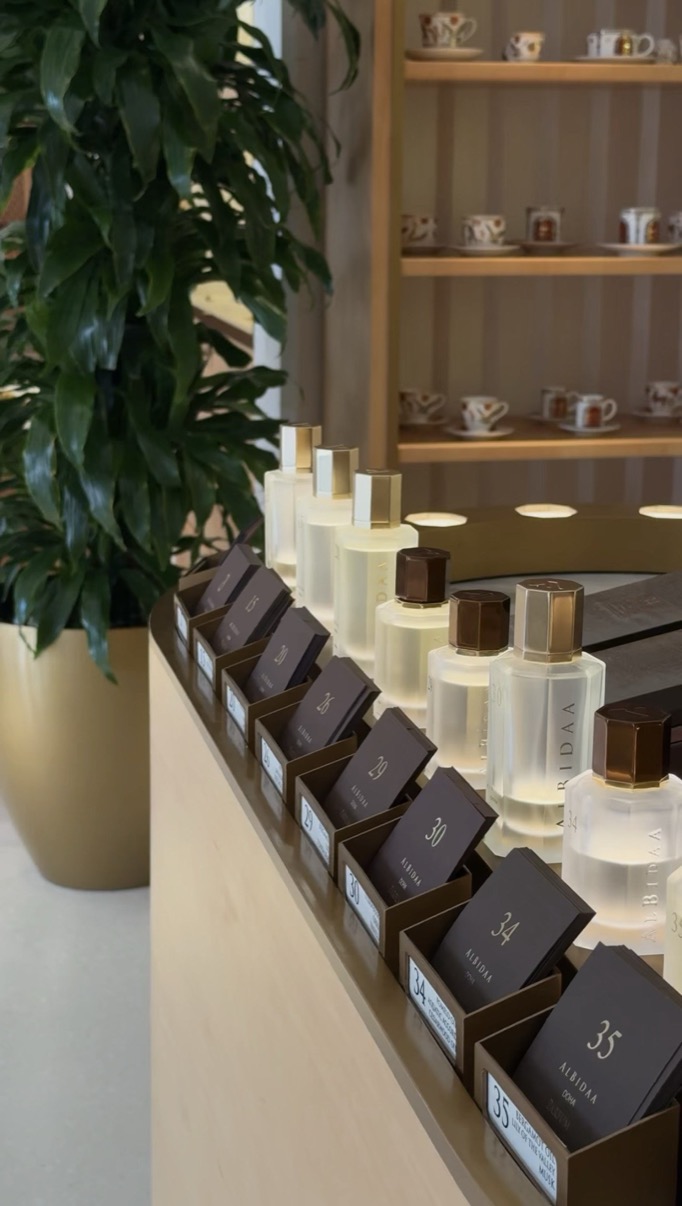
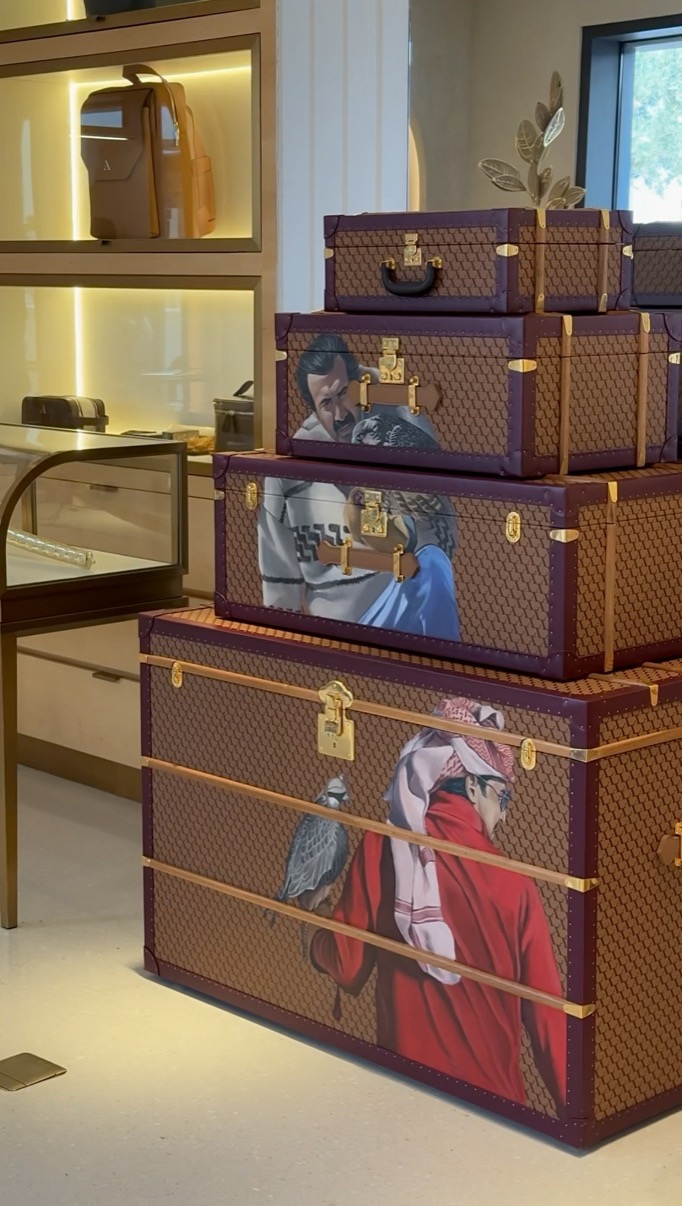
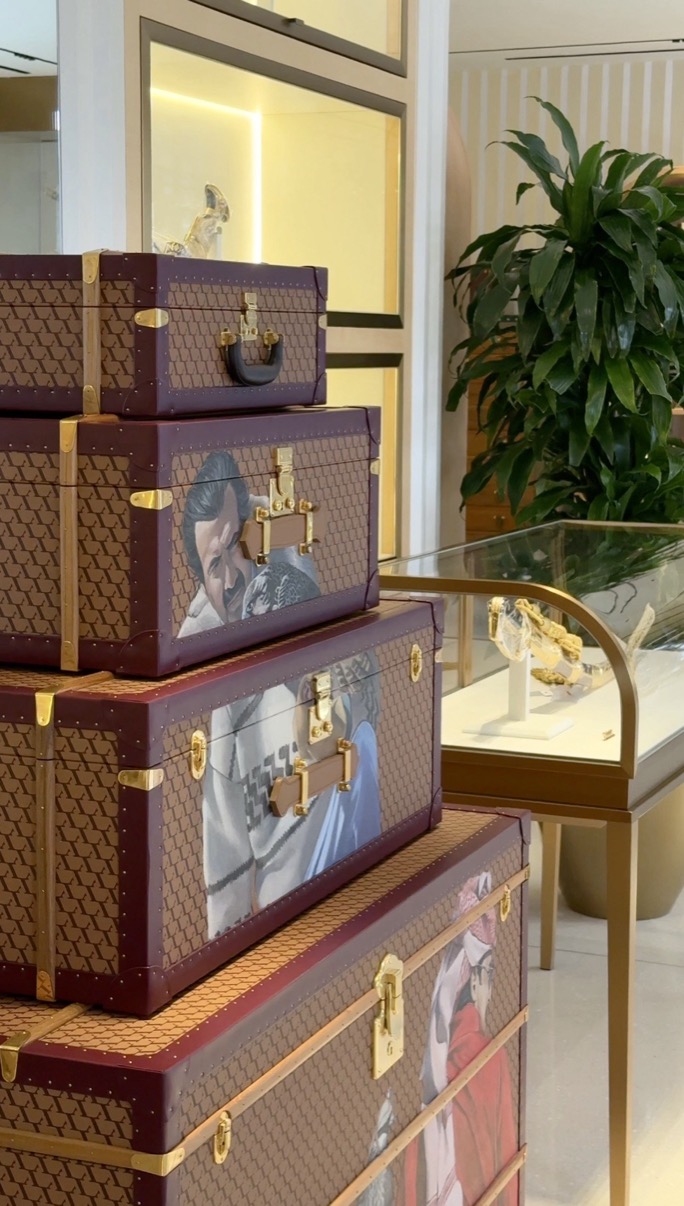

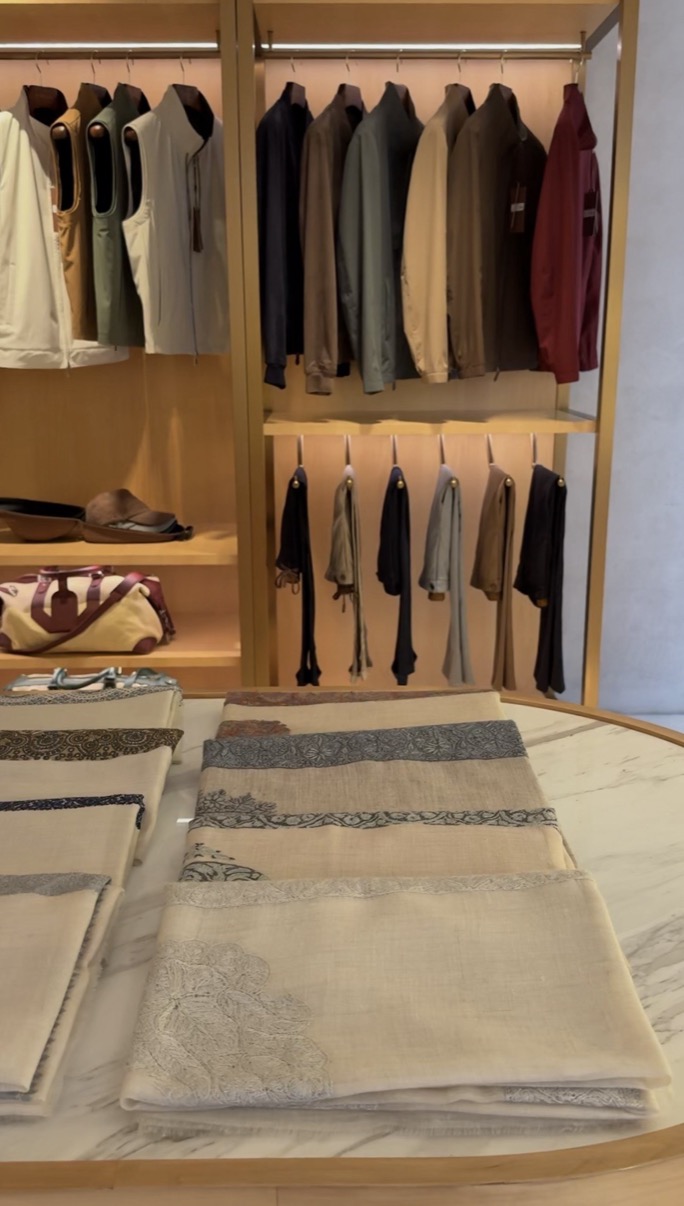

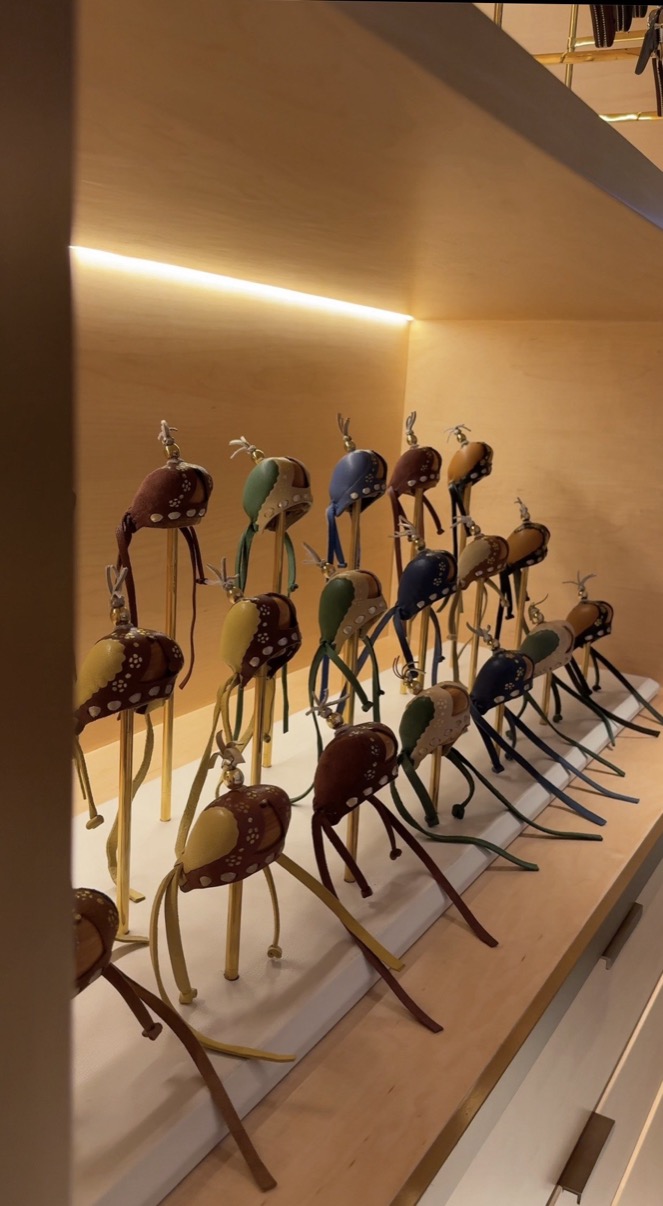
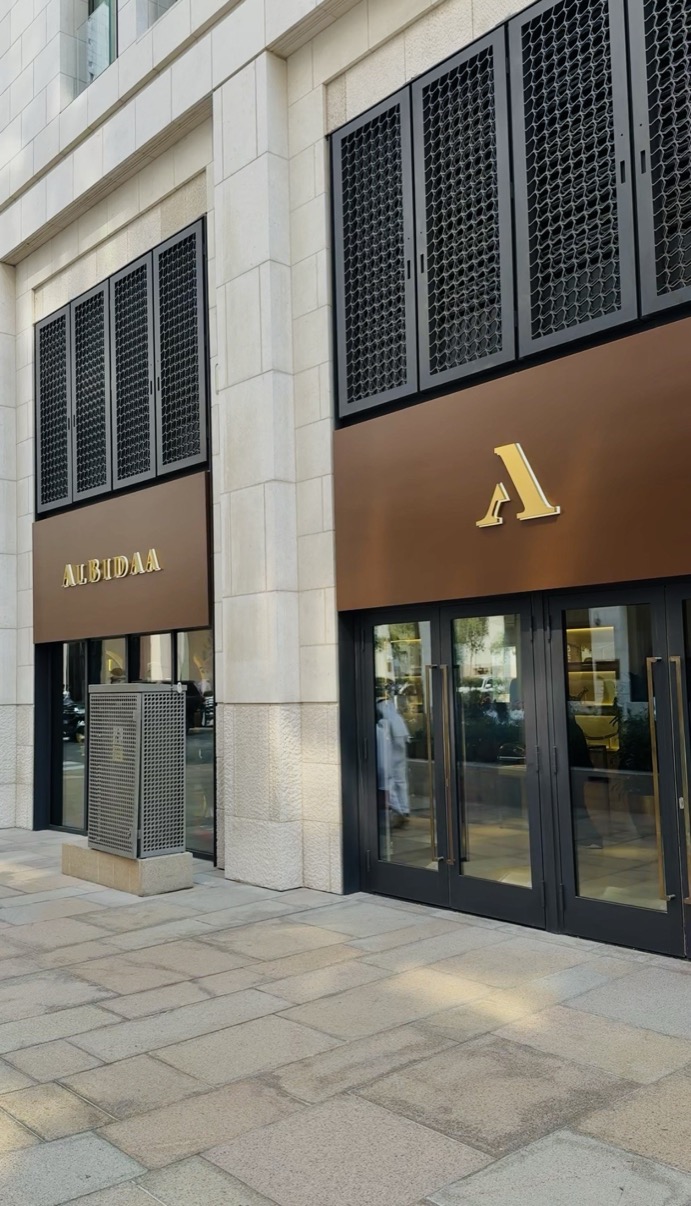
Al Bidaa is a Qatari boutique in Msheireb whose stock reads as a curriculum of national identity: thobes and shemaghs, oud and its burners, falconry equipment, leather, the objects through which Qatari formality and hospitality are actually practised. The name reaches back to one of Doha's founding districts, and the store carries the reference seriously, presenting heritage retail with the composure of a design house rather than the clutter of a souvenir trade.
The study reads the boutique as a room of ordered objects, each carrying cultural specificity: the fall of a garment, the grain of a falcon hood, the geometry of an oud burner. The photographs stay close and quiet, letting arrangement do the explaining, because the room's own method is precision, identity communicated through the exactness with which things are made, kept and shown.
Within the archive Al Bidaa is the Craft category's Gulf anchor and its strongest case that the category's ideas, material, restraint, the room as language, are not Western retail concepts but universal ones, practised in Doha through a different object vocabulary. The study feeds the planned Doha publication's craft chapter and stands, for commissioning purposes, as the studio's reference for documenting heritage retail without exoticising it.