Cipriani Dolci
Cipriani Dolci arrives in Doha with a language already complete.
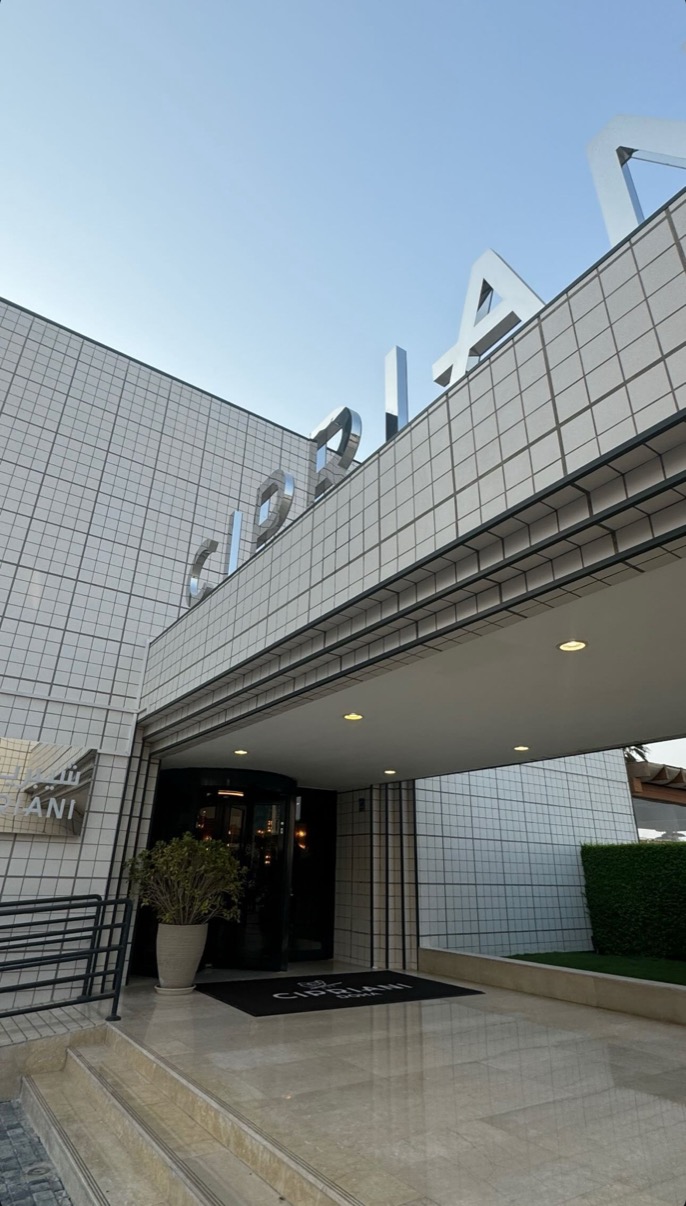
The approach reads through familiar signals: a wide tiled facade, silver lettering above the entrance, a branded doormat, a set of steps that feel prepared. Inside, the room holds itself with a quiet confidence that comes from operating within a well-defined system. Nothing is being invented here. The consistency is the craft.
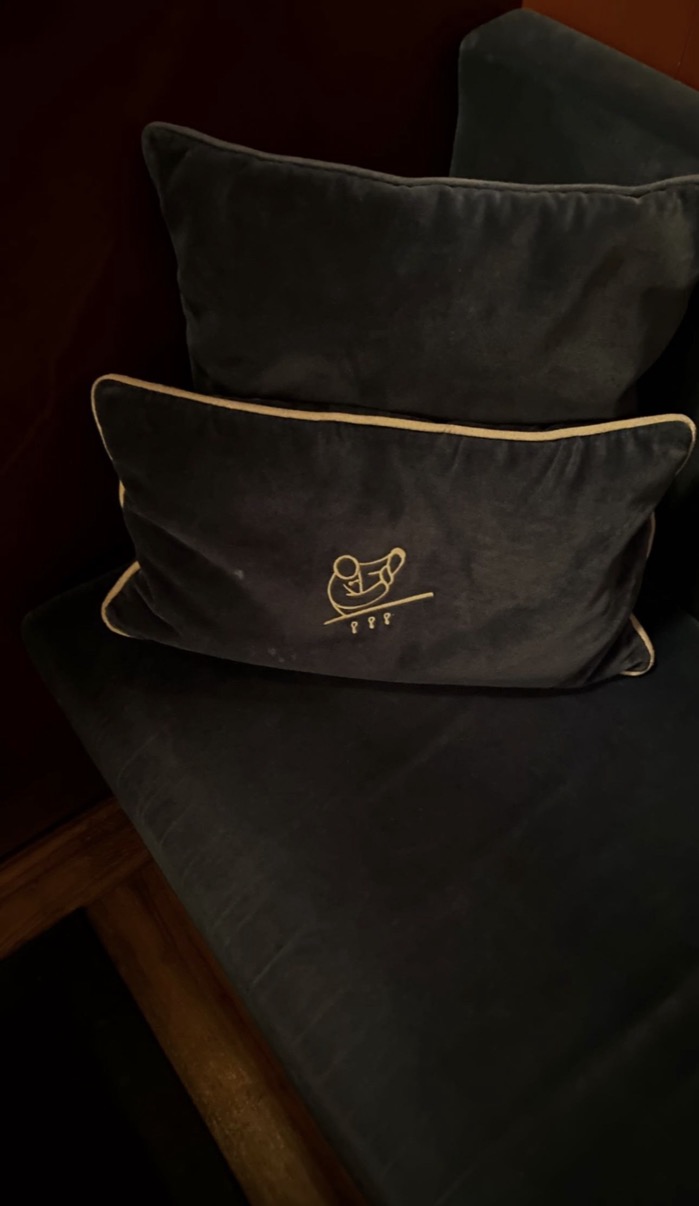
The details carry the most information. A blue-rimmed plate. A gondolier pressed into white porcelain. A velvet cushion with a small embroidered mark. These are not decorative choices made for Doha. They are the stable language of a hospitality identity that moves across place without losing its form.
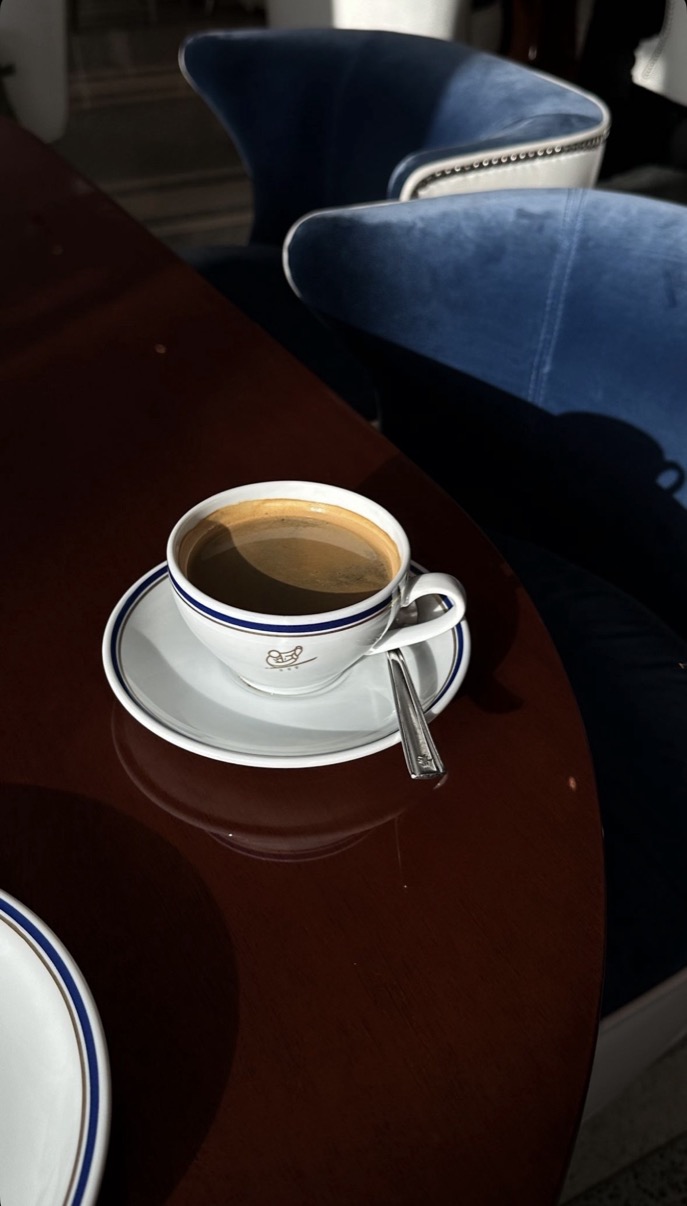
The coffee arrives on a polished table.
The cup is white with a blue stripe. The saucer matches. A small spoon rests beside it. In the background, blue velvet chairs sit empty. The moment is between service, and that is where Cipriani Dolci holds its attention most clearly: not in the meal itself, but in what surrounds it before the meal begins.
Sitting is part of the language. The seating is considered, the surfaces are maintained, and the light is controlled enough to make a single cup on dark wood feel like a deliberate arrangement rather than an ordinary gesture. The hospitality is felt before anything is ordered.
The plate defines the room before the food does.
White porcelain, a double blue stripe at the rim, the gondolier mark at the centre. The same motif appears on the cushion in embroidered gold against dark velvet. It moves from china to upholstery, from table to chair, holding a single identity across different materials and different scales.
The dark wood of the table is polished enough to carry a reflection. The blue velvet of the chairs holds light differently from the white china beside them. Together they create a room that does not need to explain itself. The visual language does the work that signage would otherwise do.
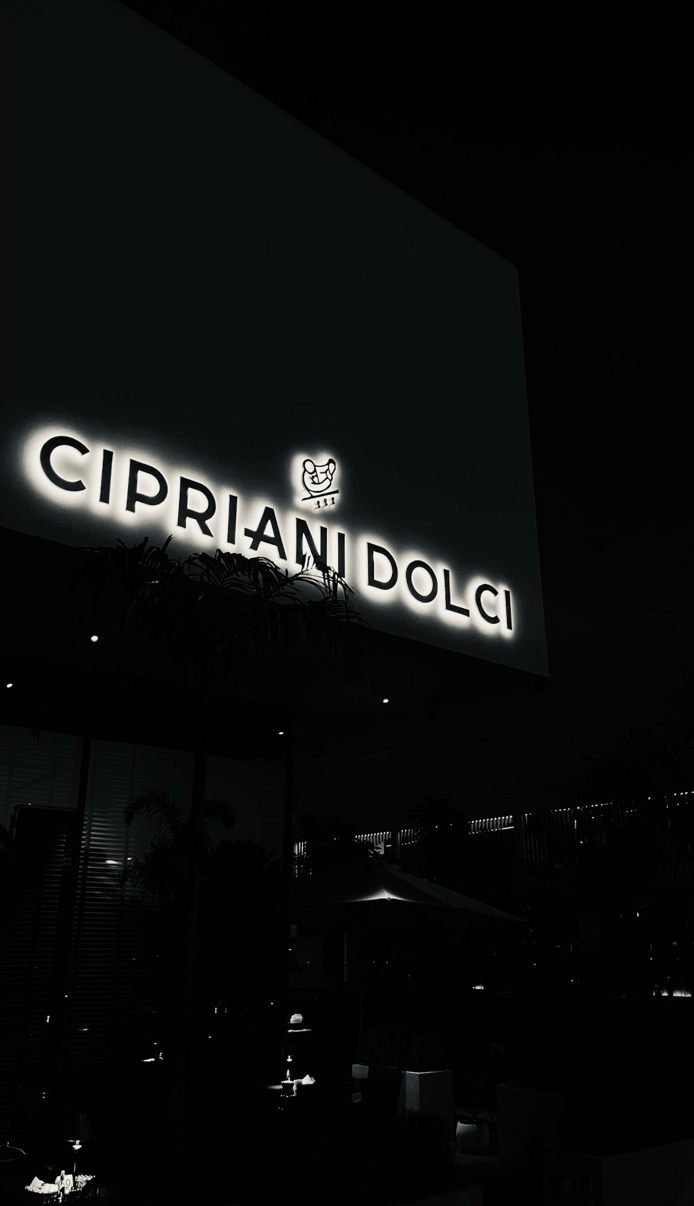
At night, the exterior sign glows white against a dark sky. Cipriani Dolci, lit simply, legible from a distance. The same restraint outside as in.
This study is about recognition across scale.
Cipriani Dolci is read less through a single visit and more through the way its visual language repeats across every surface in the room. Plate, cushion, cup, sign. The same mark, the same palette, the same register. In Doha, it does not try to become something new. It translates clearly, with the same controlled vocabulary it carries elsewhere.
For mkd STUDIO, Cipriani Dolci becomes a study of brand as hospitality. A place where identity is held through repetition, surface and the quiet discipline of knowing exactly what the room should look like before anyone arrives.
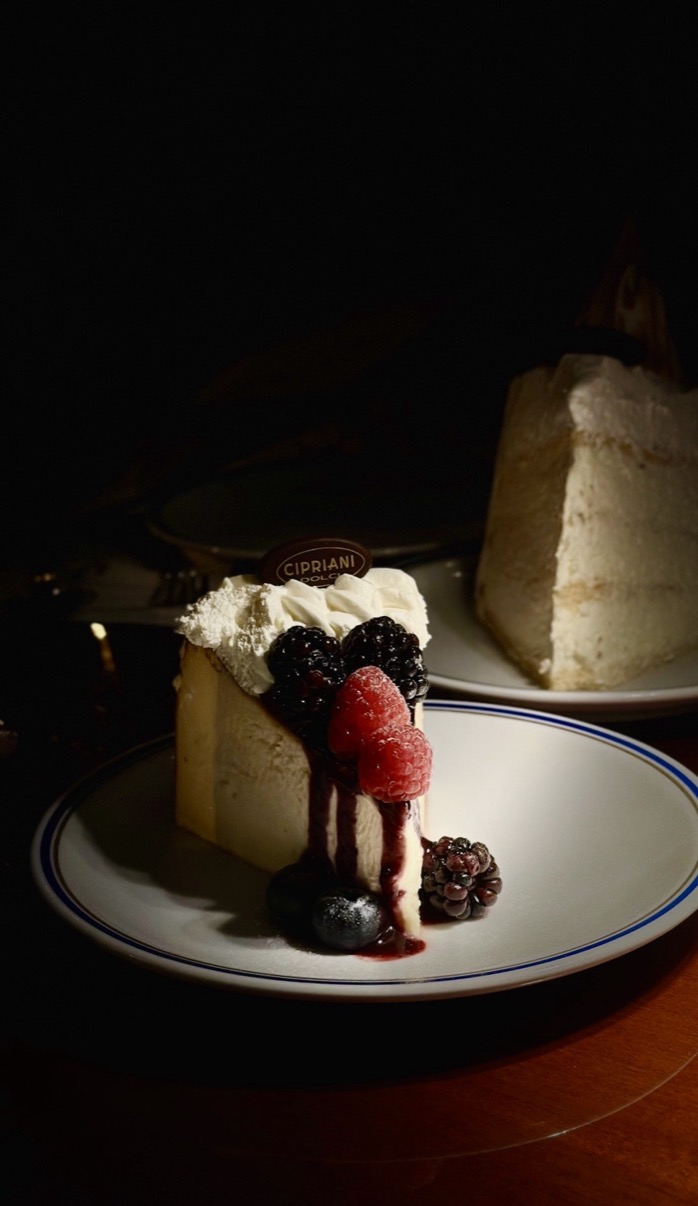
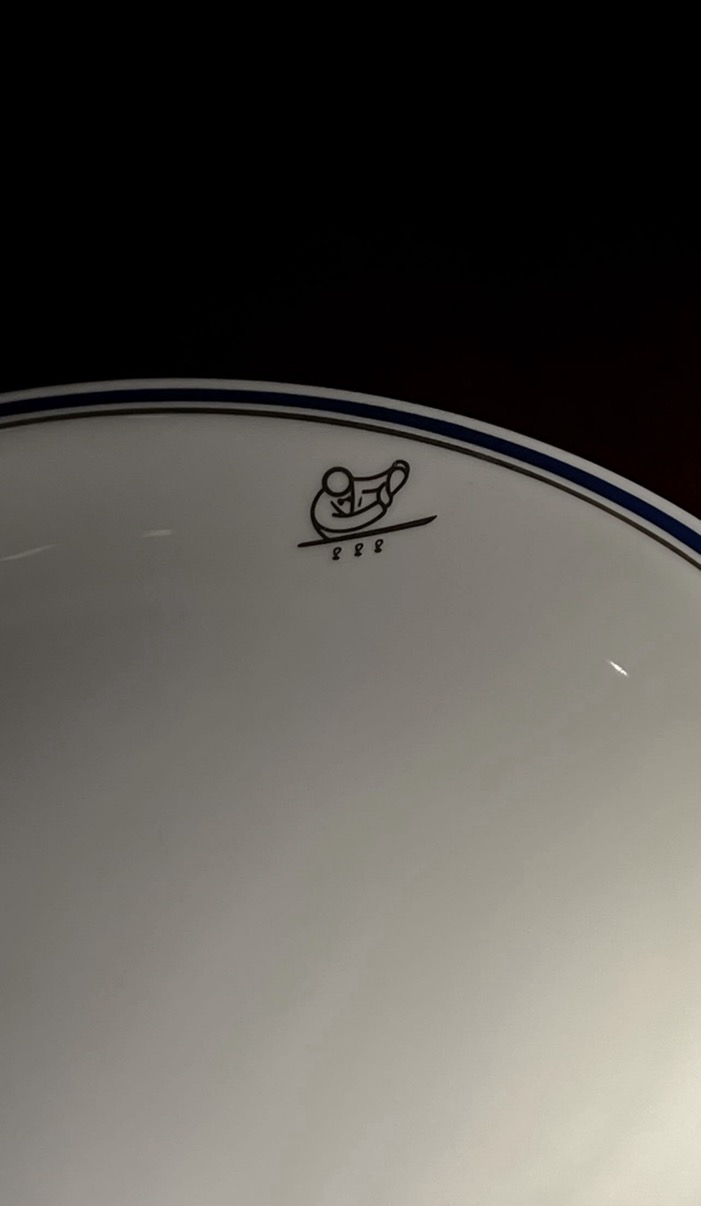
Cipriani Dolci in Doha is an outpost of a hospitality lineage that runs back to Harry's Bar in 1931 Venice, where the Bellini was invented and a particular idea of service, unhurried, uniformed, absolutely consistent, was set. The Doha room operates that system faithfully: the tiled facade, the silver lettering, the embroidered gondolier on the cushions, the pale jackets, the pastry counter dressed like a jeweller's case. Nothing is improvised, and the study takes that as its subject rather than its limitation.
The photographs concentrate on the transmission of a language: how a Venetian institution reproduces itself, signal by signal, four thousand miles from the lagoon. Details carry the argument, the logo embroidered rather than printed, the specific green of the awnings, the table settings that arrive complete before any guest does. The study was made in the quieter service hours, when the room's consistency is visible as a discipline rather than a backdrop.
In the archive, Cipriani Dolci anchors the question this Journal returns to across its craft essays: what a brand actually is once the marketing is subtracted. The answer the room gives is a system of repeatable care, and it photographs like one. For commissioning clients in hospitality groups, this study is the reference for documenting a house style, not the campaign version, but the operational one, the thousand small consistencies that make a name mean the same thing in every city it enters.