The mountains arrive at the sea
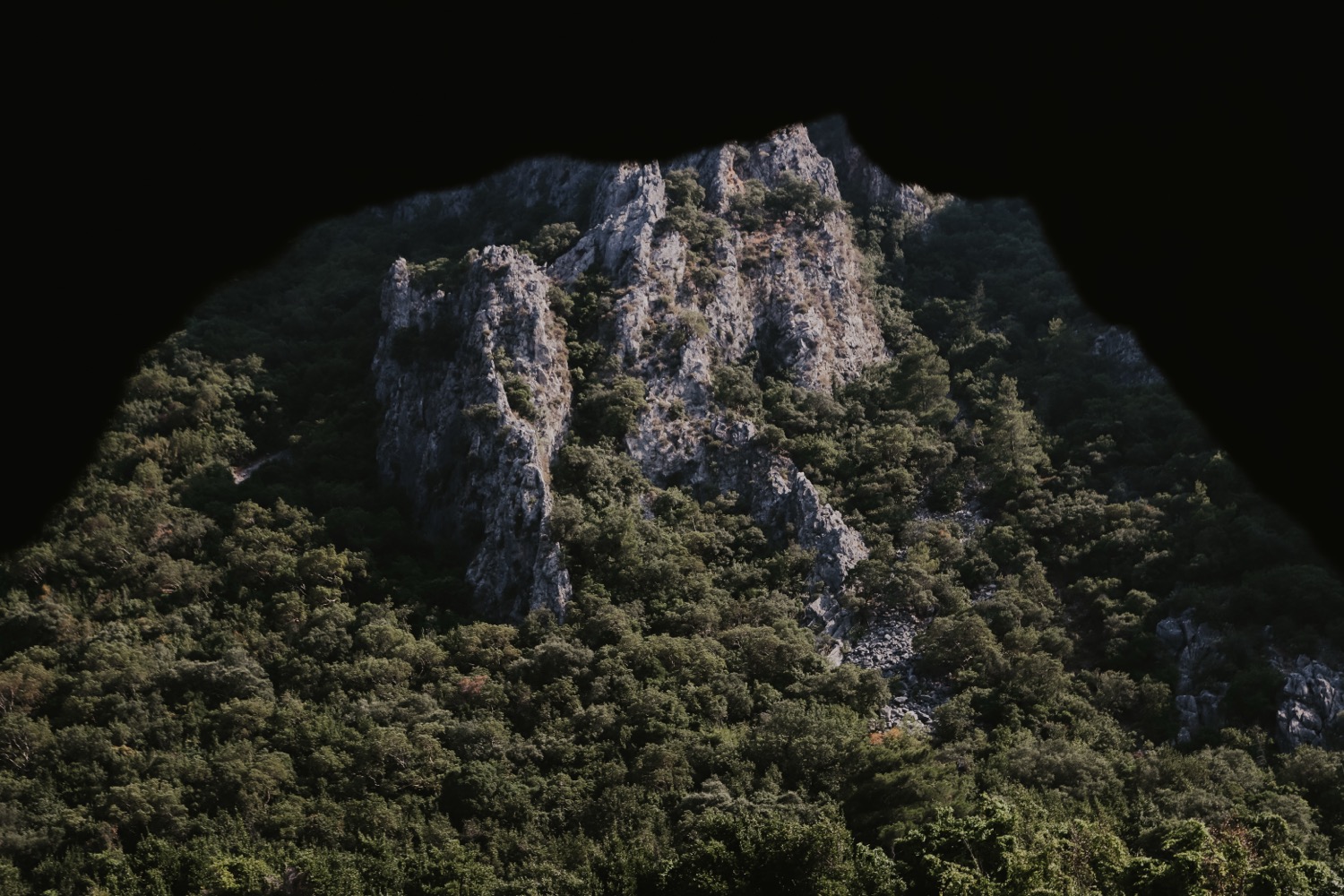
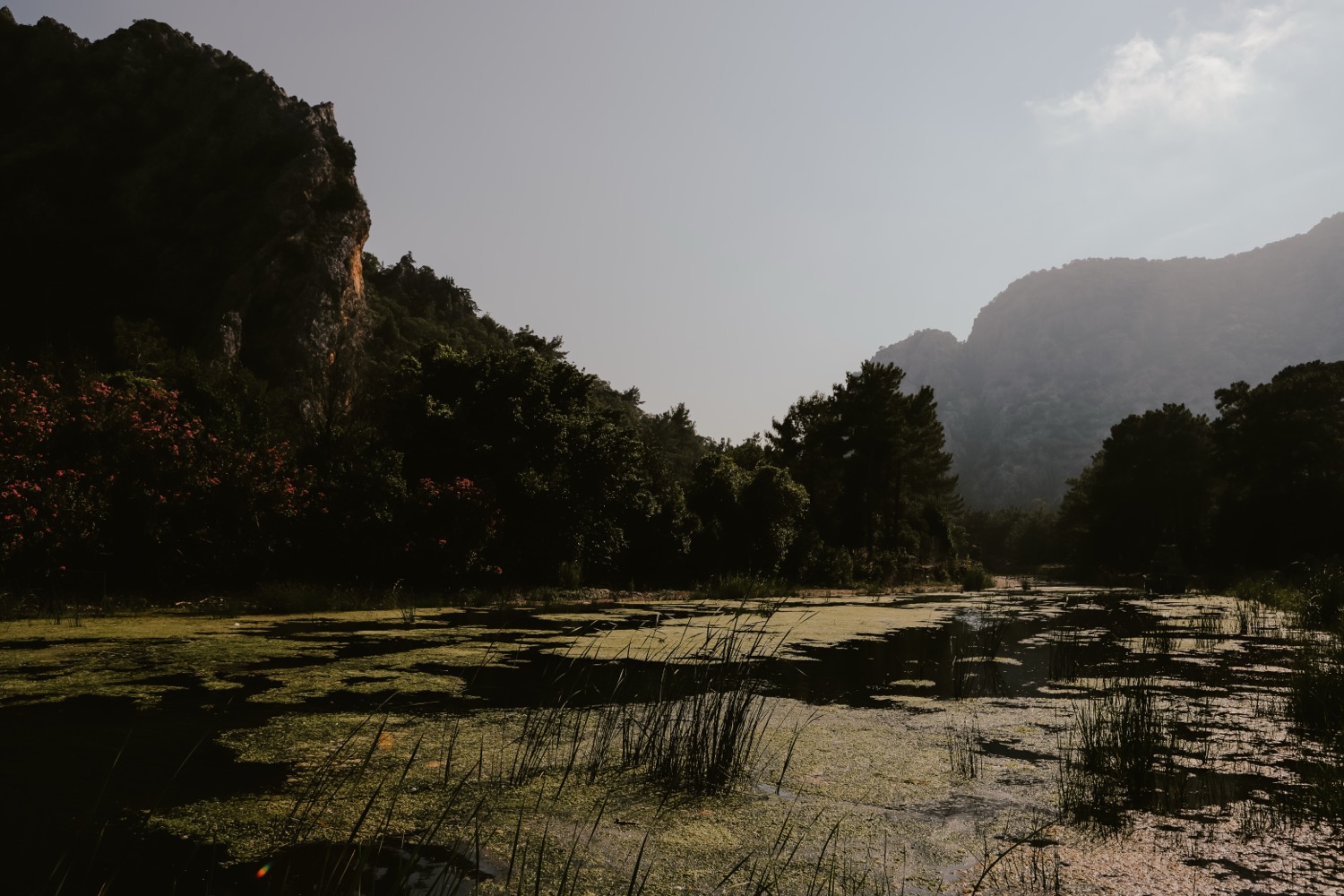
The coast here is different from what the name usually suggests. The mountains do not stand behind the shoreline at a respectful distance. They arrive at it. Limestone ridges that reach two thousand metres fall into the water within a few kilometres, and the valleys between them remain narrow, shaded, difficult.
The Taurus range ends here. Not gradually. It simply stops.
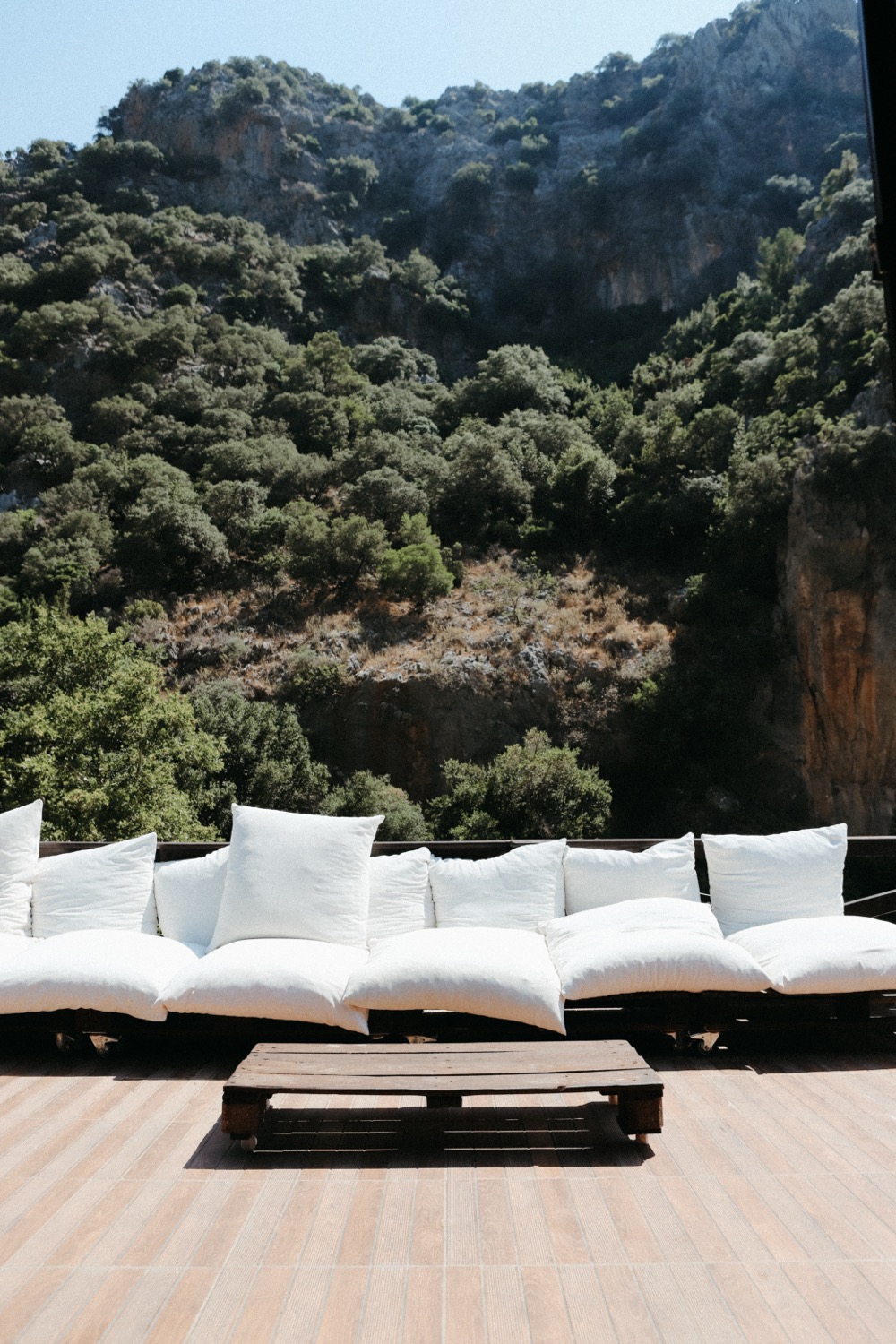
The interest was not the landscape itself but the relationship between the landscape and the people in it. A daybed built from wooden pallets, white cushions pressed against a cliff face. Woven parasols between the water and the rockface. The ease was genuine. The scale made it feel temporary in the best sense. Rest borrowed from something much larger and much older than the season.
Nobody seemed to be pretending the mountains were not there.
The storm came in the evening and changed the sky in a way that required no interpretation. Pink and grey and orange over the silhouetted ridge. Before it, a dusk so quiet it felt considered.
What stays is not any single image but a sense of proportion. The mountains do not offer themselves as backdrop. The sea does not soften their character. The place holds its own priorities and you spend your time as a guest of those priorities rather than the other way around.
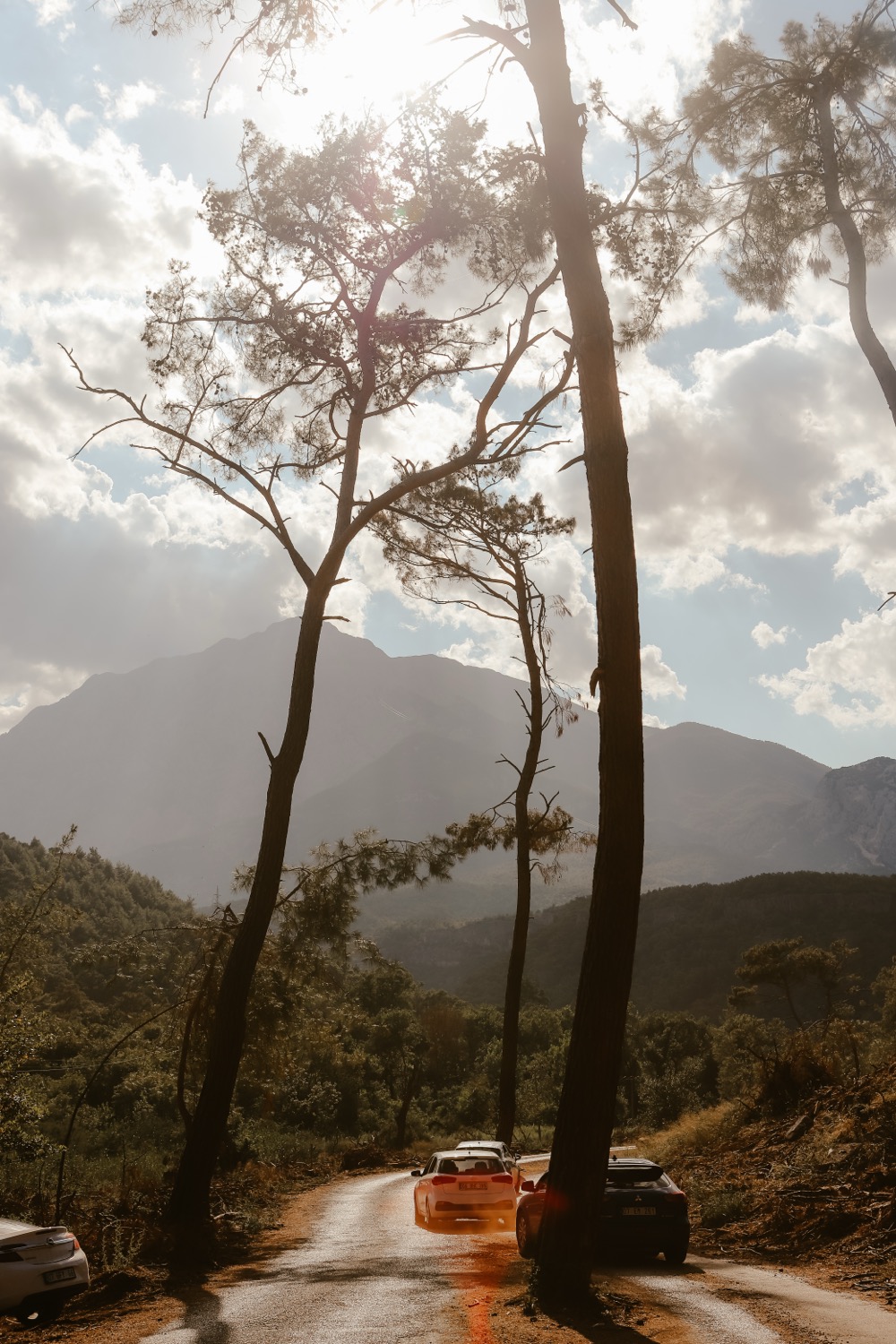
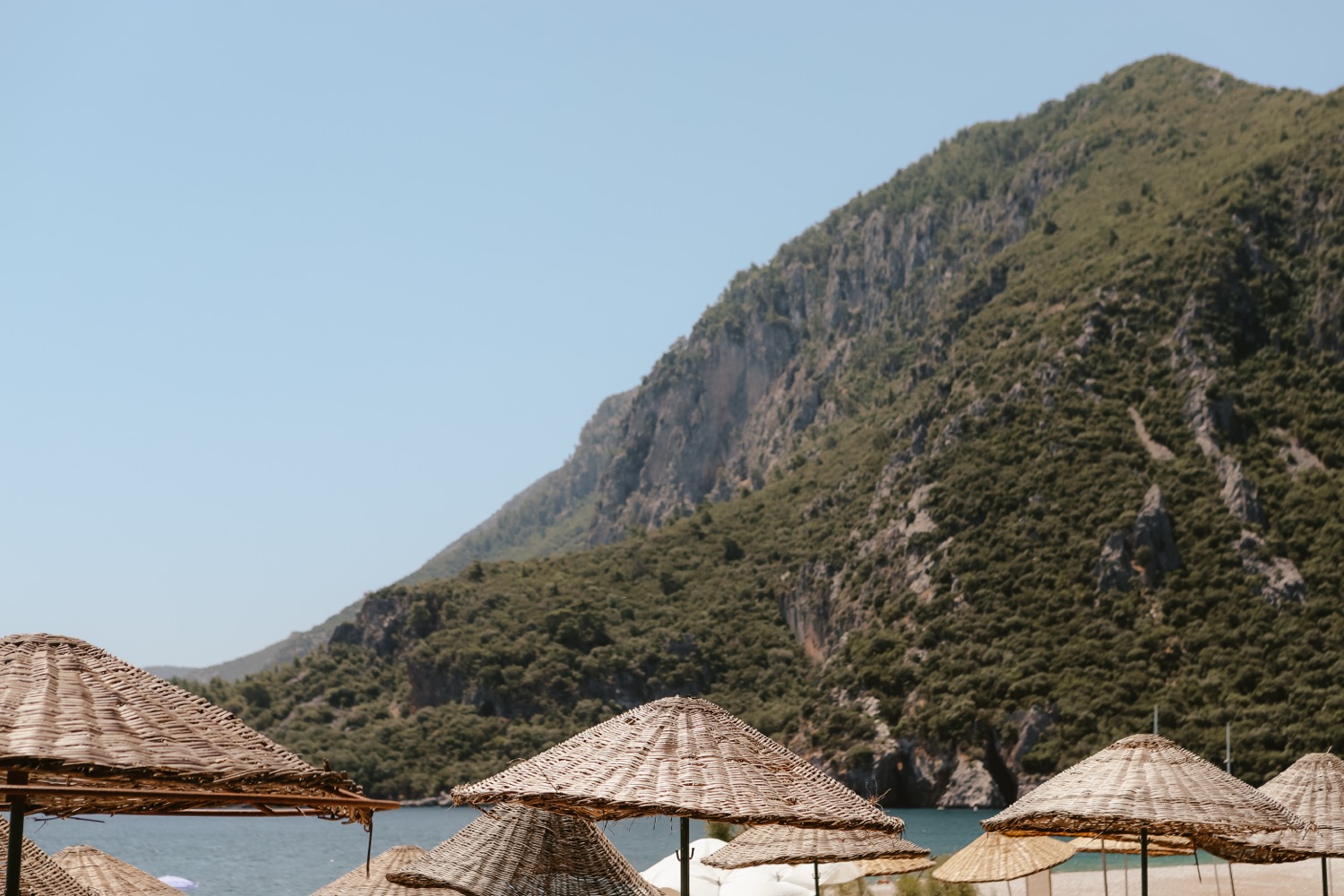
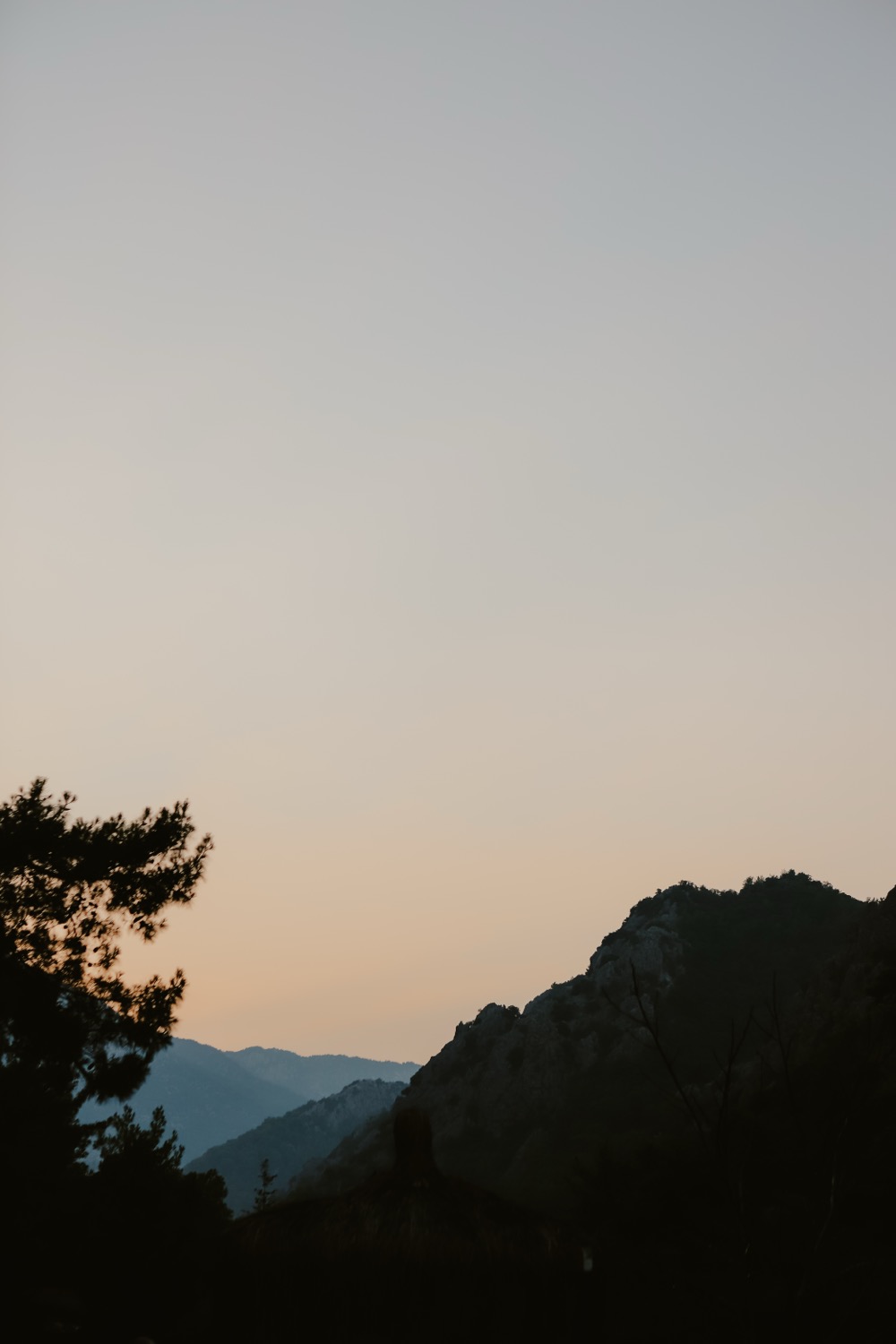
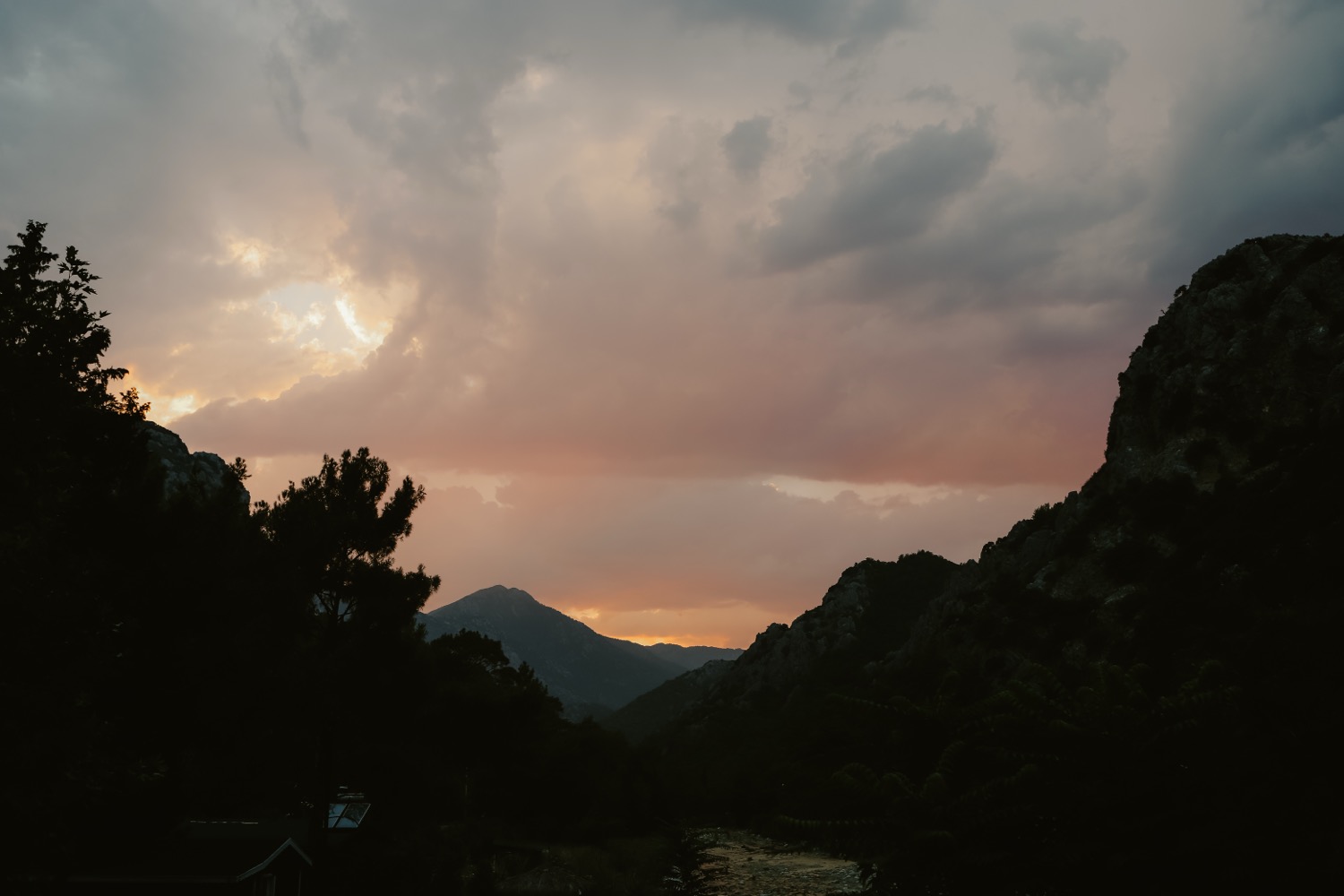
Çıralı lies on Turkey's Lycian coast, south-west of Antalya proper: a village held to low-rise agriculture and guesthouses by conservation rules, on a shoreline where two-thousand-metre limestone ridges arrive at the Mediterranean with almost no negotiation. The study concerns that geometry, mountains meeting water directly, and the modest human settlement conducted in the space between.
The photographs work the vertical against the horizontal: ridgelines falling into sea, the beach's long line under the massif, groves and timber pensions keeping deliberately low. The Lycian coast has largely escaped the concrete that found the rest of the Turkish Riviera, and the study records the exception, a working coastline where the landscape still outranks the tourism it hosts.
In the archive Çıralı gives the Mediterranean material its elemental entry, geology first, buildings by permission, and pairs with Langkawi across two seas as studies of coasts that discipline their development. It also carries a conservation note the studio values: some places photograph well precisely because someone, decades ago, decided they should not be improved.