AFC Asian Cup
For a few weeks at the start of 2024, the AFC Asian Cup changed the rhythm of Doha.
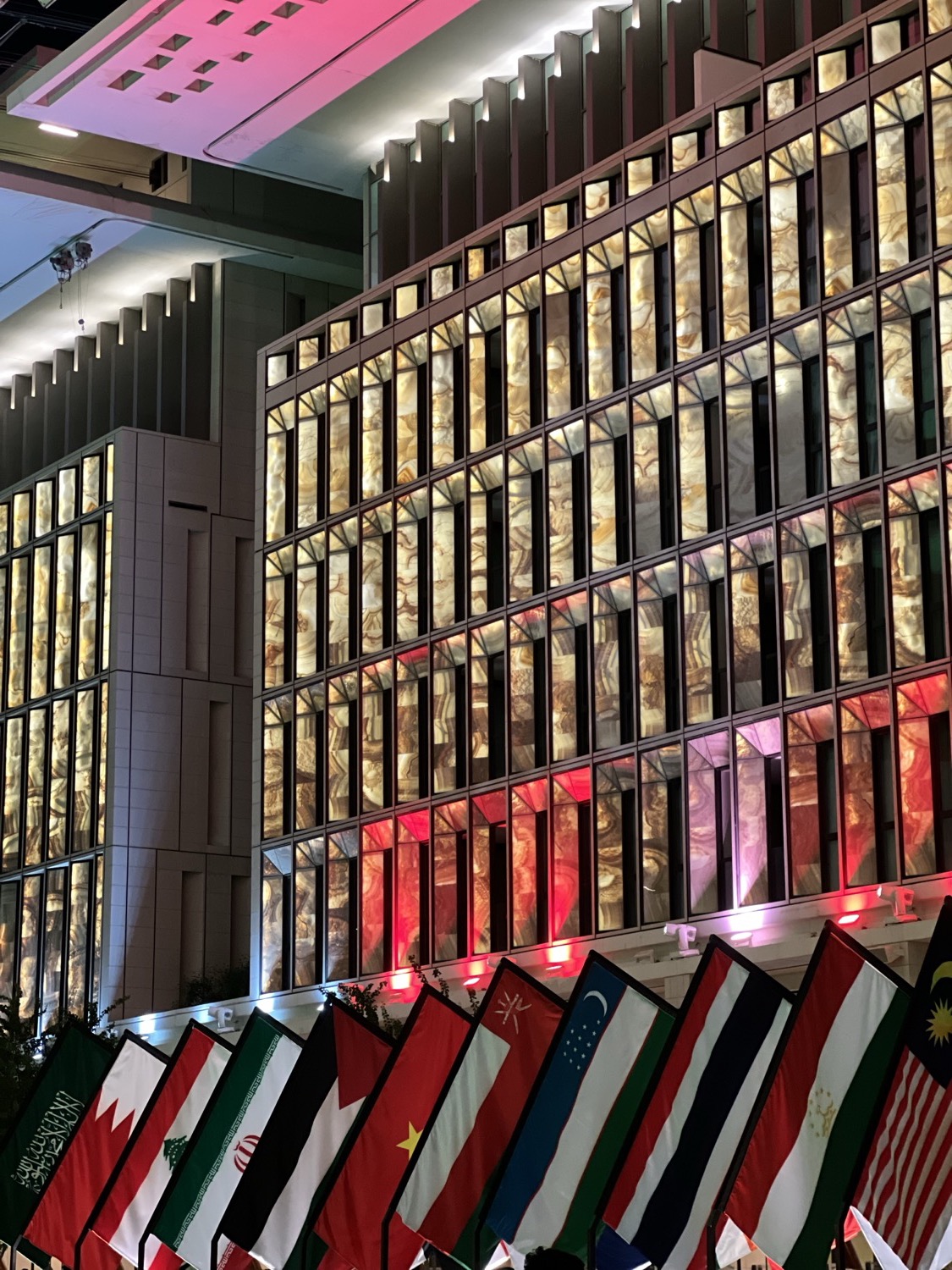
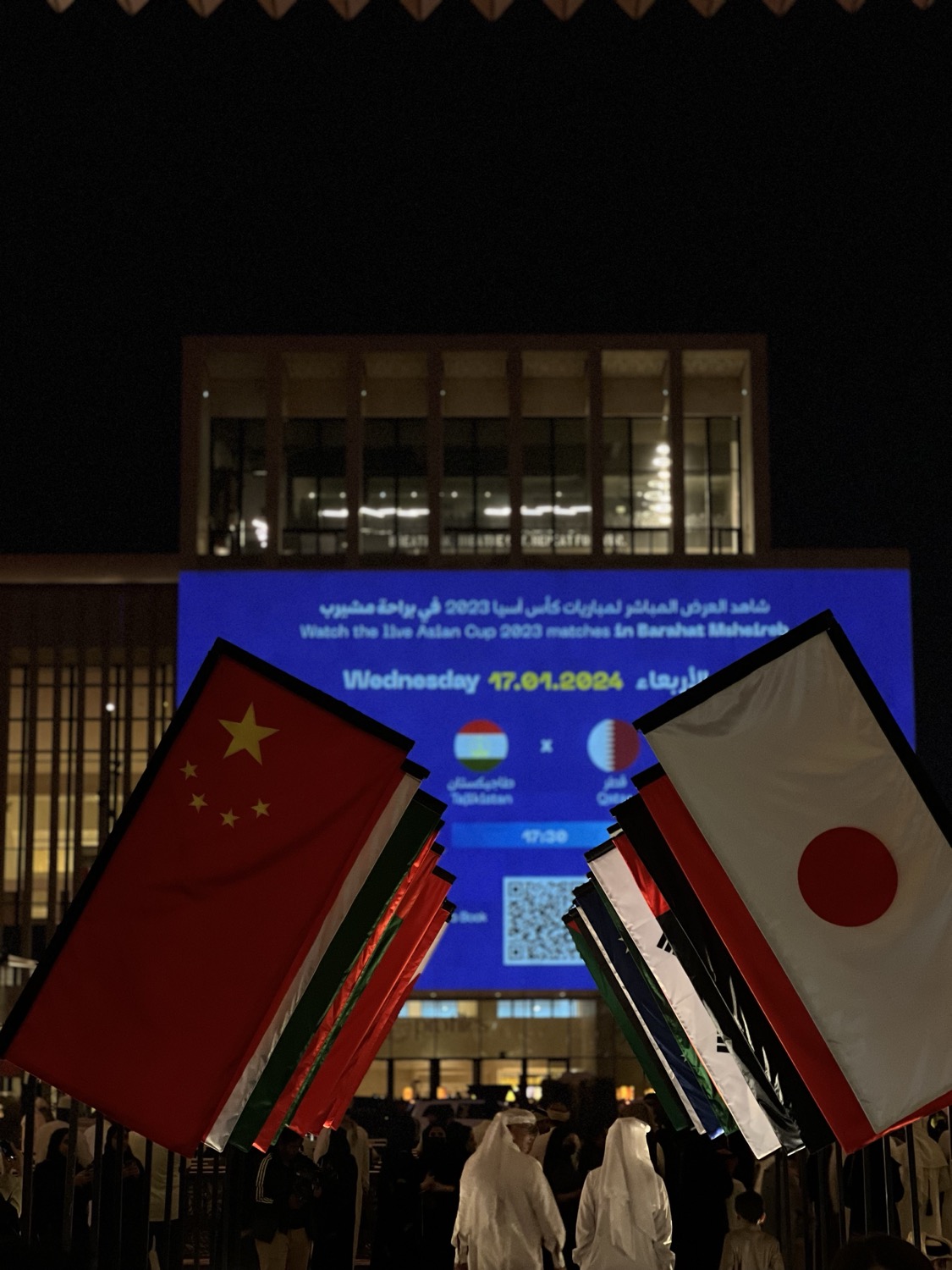
Flags appeared on buildings that usually carry nothing. Screens in public squares listed fixtures. Stadiums that sit quietly at the edge of the city were lit again on match nights, and crowds moved towards them in national colours. The tournament was visible long before any football was.
This study treats the Asian Cup as a temporary atmosphere rather than a competition. It stays around the football: the architecture, the supporters, the signage, the broadcast, the light. The matches happen inside all of this, but they are not what the study is about.
The tournament announced itself at street level first.
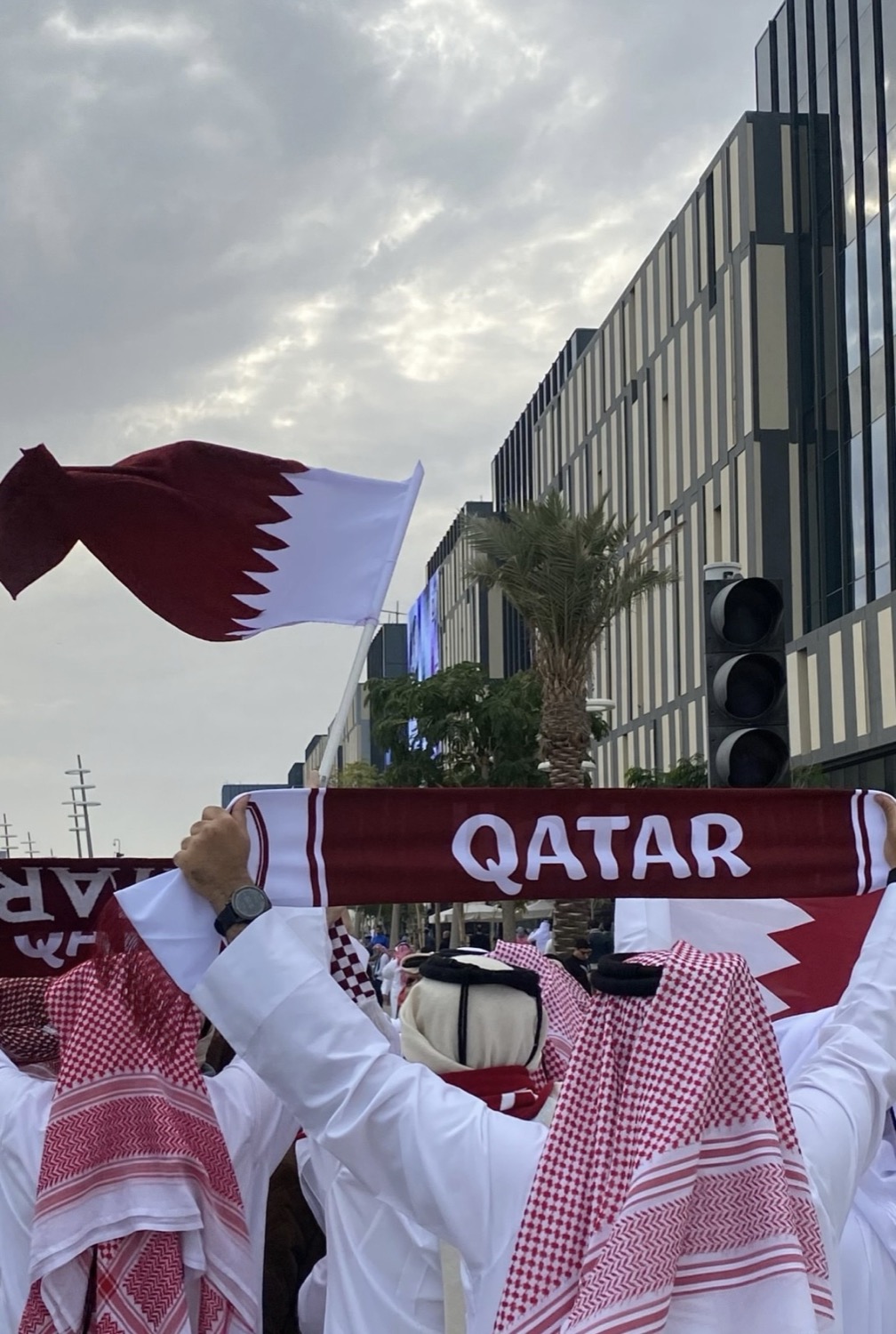
In Msheireb, the facades carried the flags of the competing nations and a screen gave the evening's fixture. Supporters gathered beneath them in scarves and national dress, photographed one another, and moved on. The centre of the city behaved like a concourse hours before anyone reached a stadium.
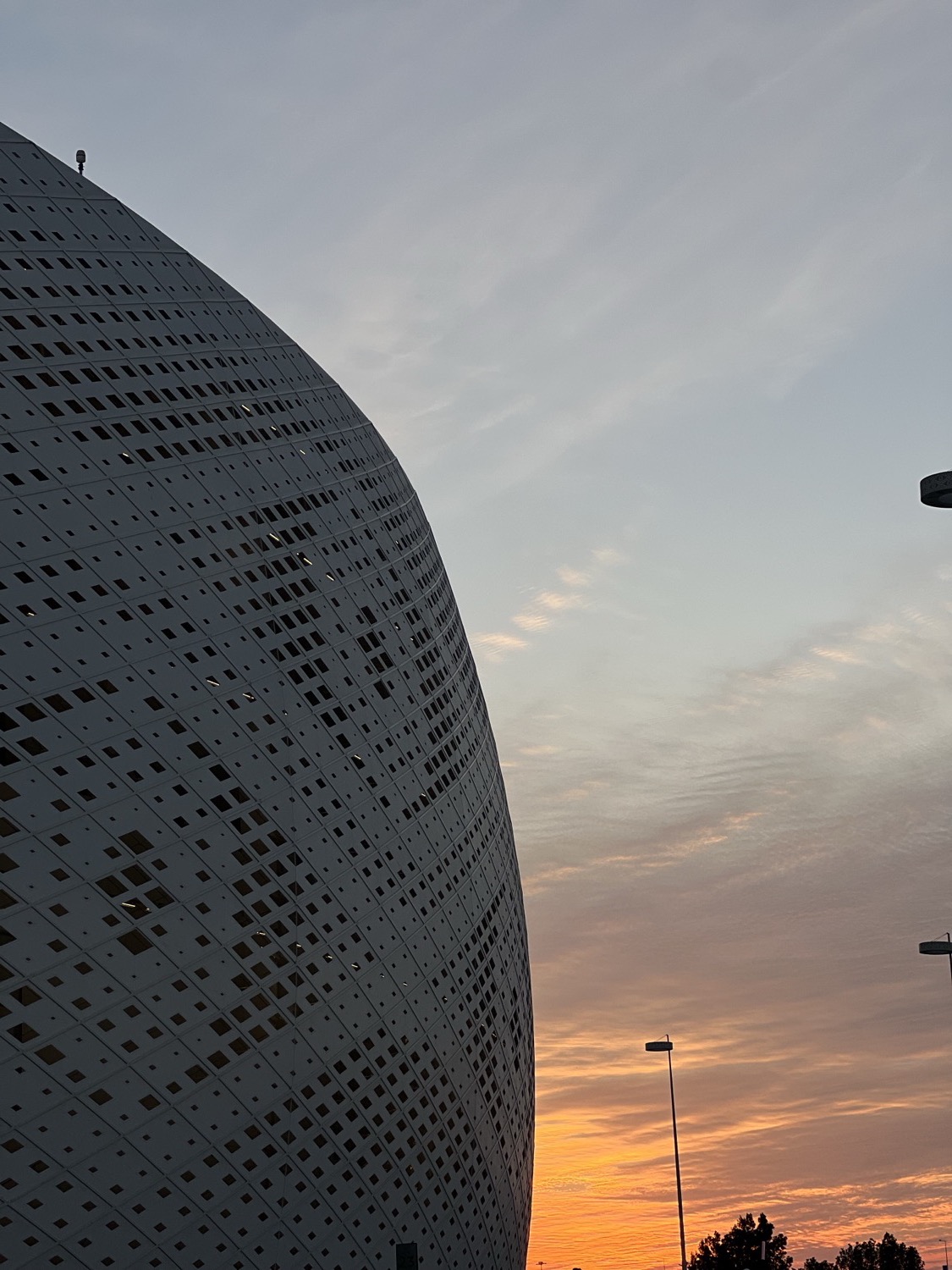
Closer in, the buildings took over. A white facade held the sunset. Approach roads filled slowly, a scarf went up against the boulevard, and the hours before kick-off kept their own pace, closer to procession than rush. Most of a tournament's atmosphere lives in that interval.
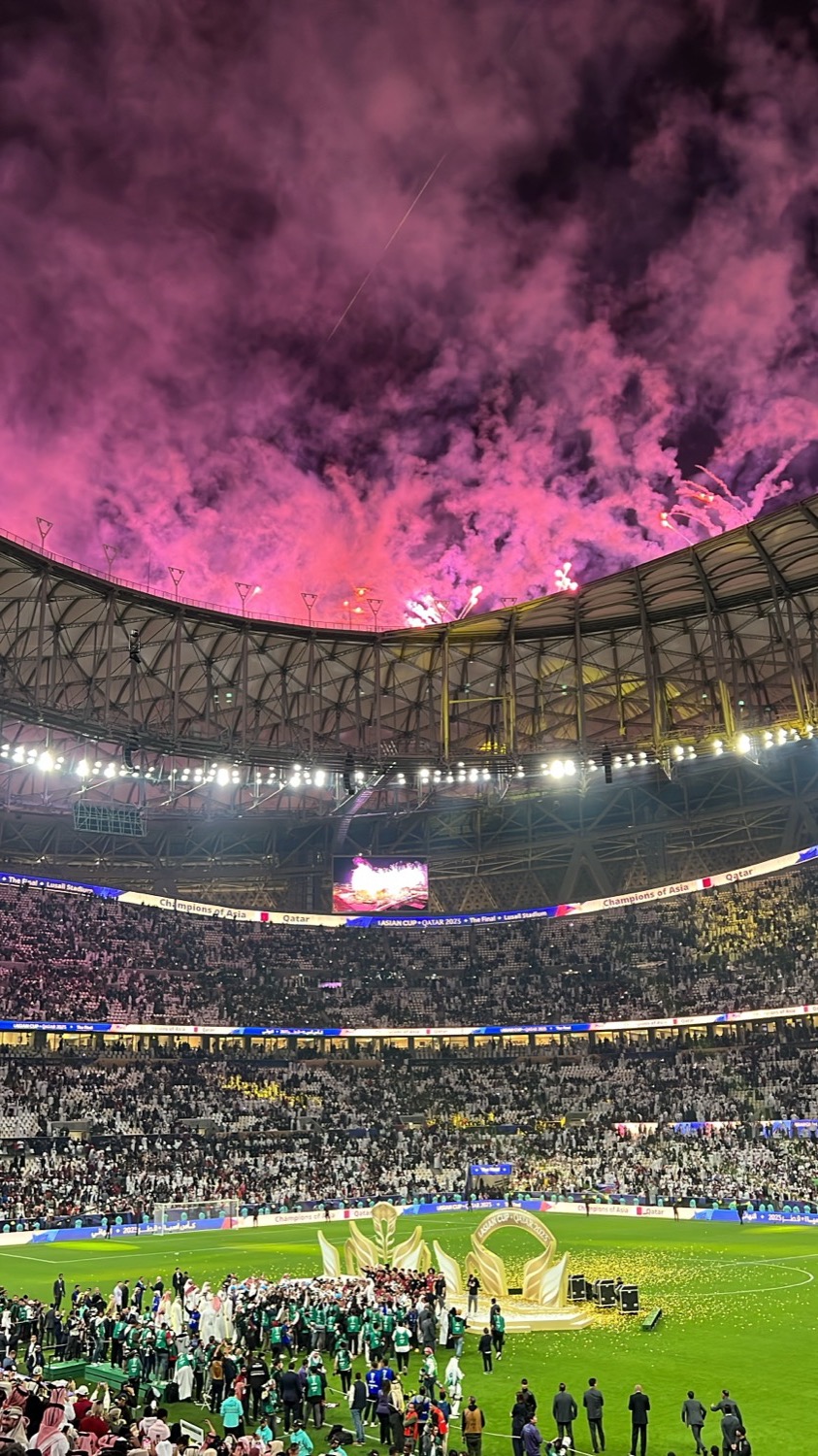
Inside, the stadium worked as a lit container.
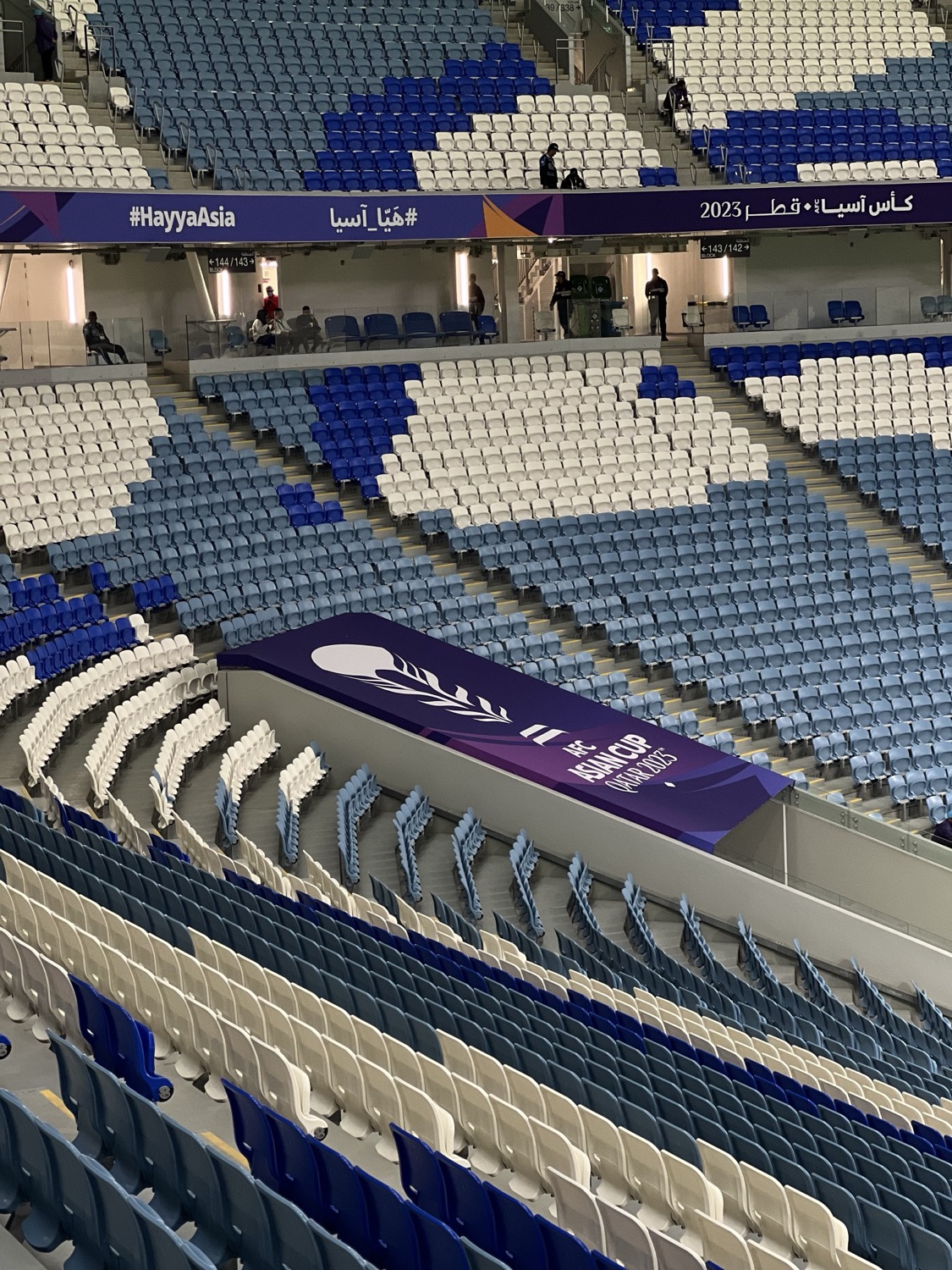
The roof held a ring of floodlights and a circle of evening sky. The seating carried its own pattern, legible wherever the crowd thinned. The pitch was the brightest surface in the building, and everything else arranged itself around that fact.
The event was produced as much as it was played. Broadcast cameras framed the match for people elsewhere, sponsor walls waited in darkened corridors, and smoke from the ceremony rose through the open roof into the night. For a moment the building itself was part of the performance.
Tournaments are temporary cities.
They are assembled from light, movement, objects and the behaviour of crowds. For a few weeks they keep their own districts, their own hours and their own dress. Then the flags come down, the screens change, and the stadiums return to their quiet.
What a tournament leaves behind is atmosphere more than result. The score belongs to the record. The rest, the smoke above the roof, the scarf raised on the boulevard, the seats in their pattern, belongs to whoever was looking.
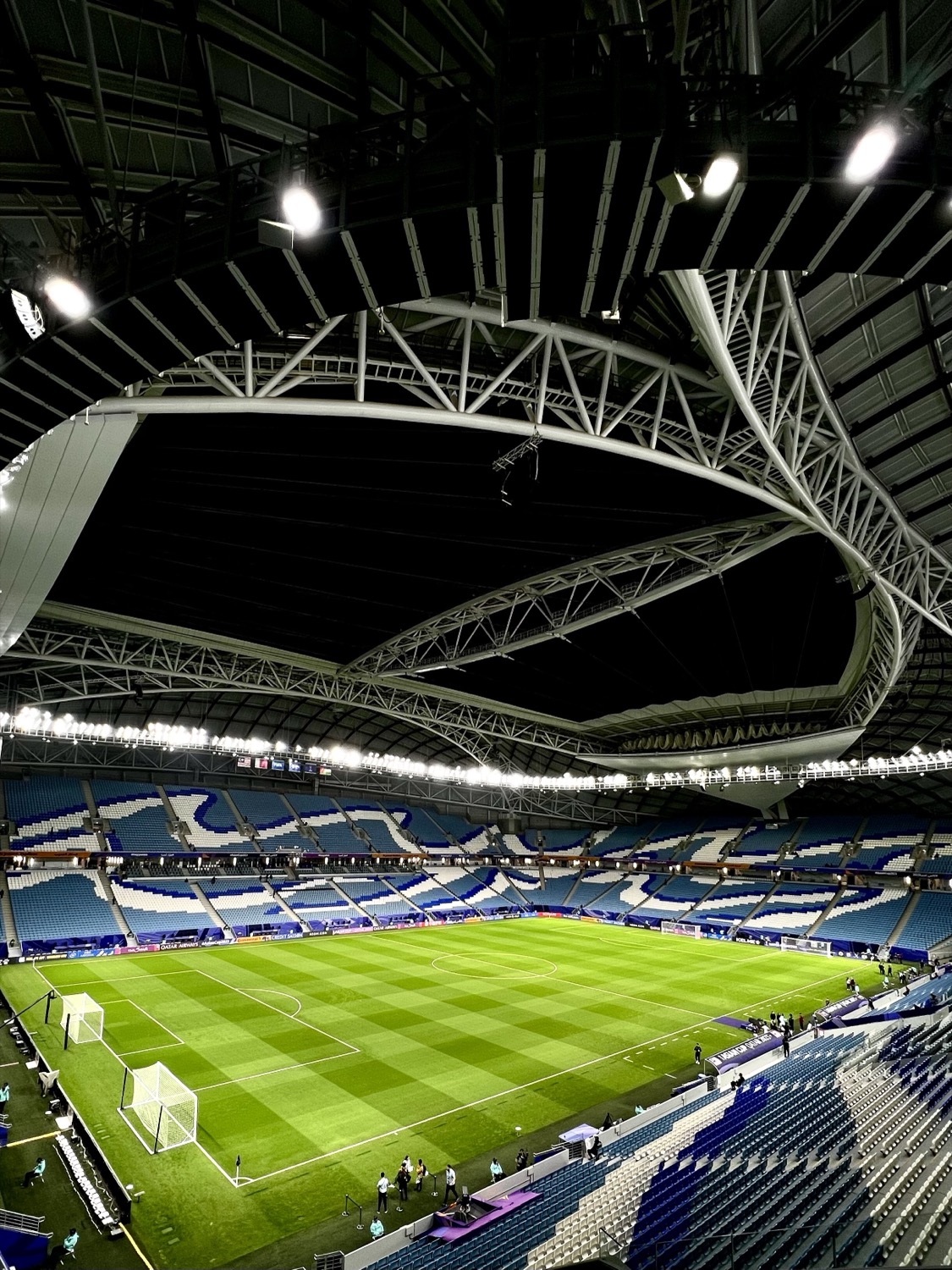

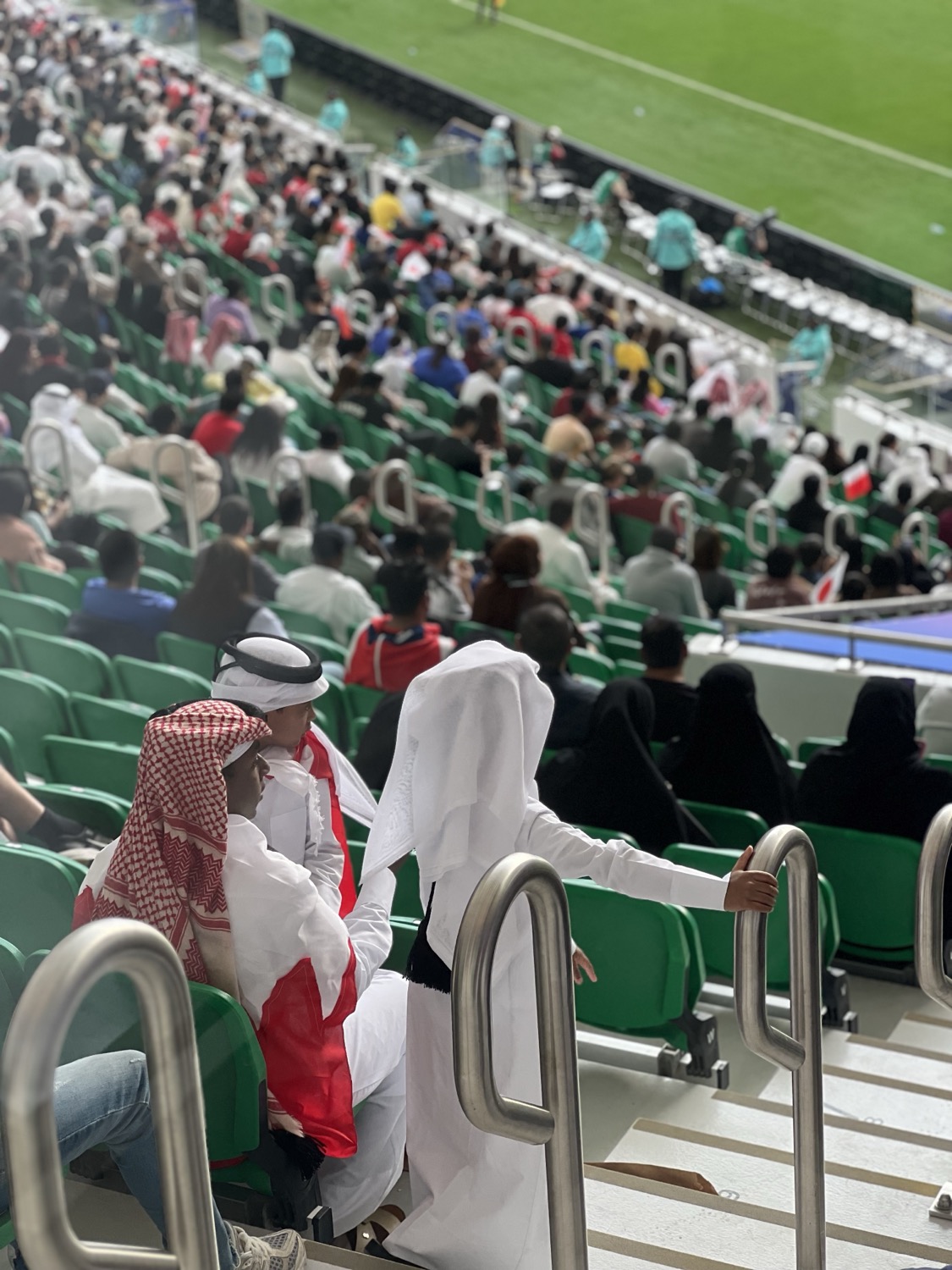
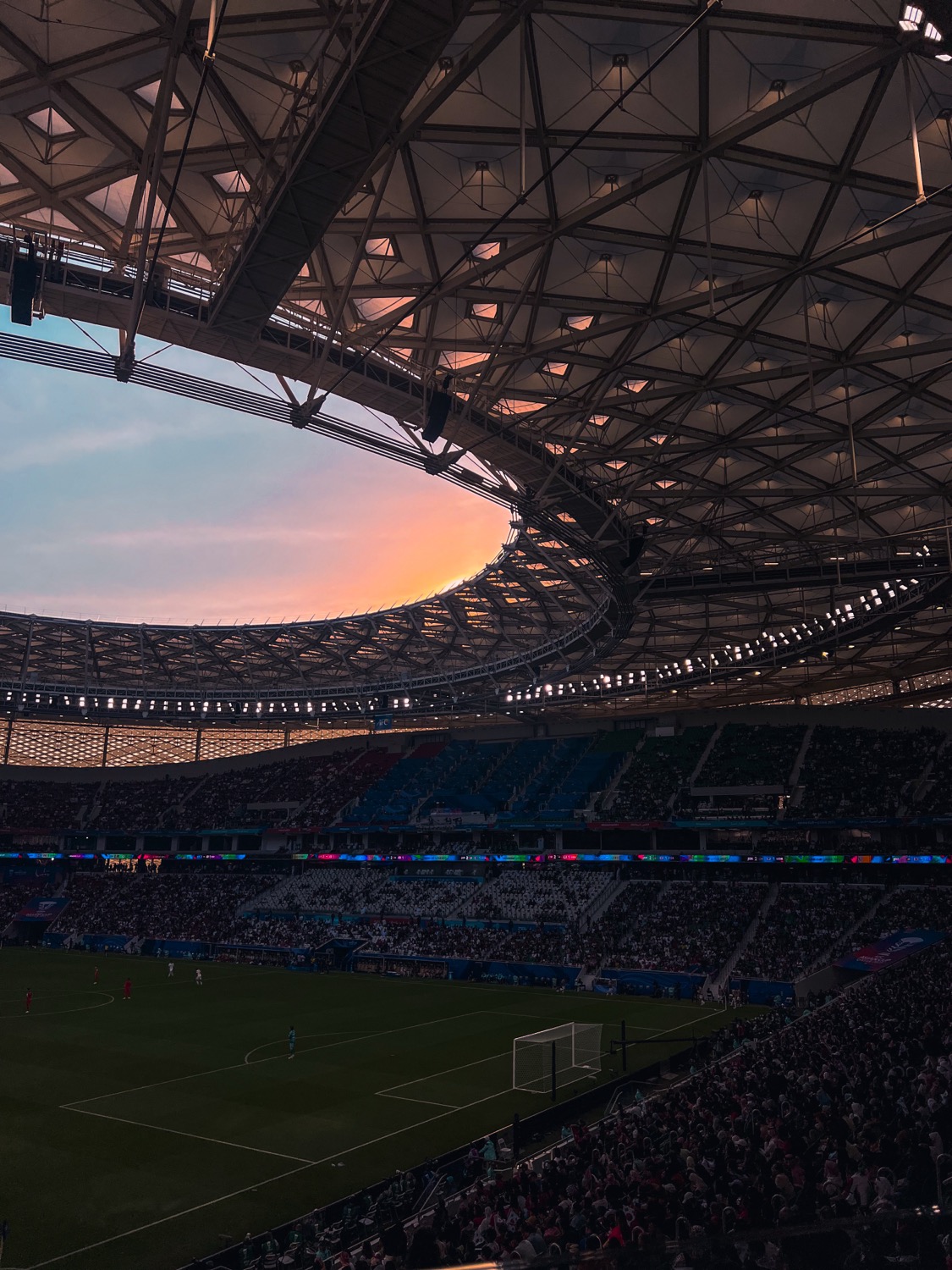
The AFC Asian Cup was played in Qatar at the start of 2024, across stadiums built for the 2022 World Cup. The country already knew how to hold a tournament. The venues, the transport, the public screens and the choreography of match nights were all in place, and the Asian Cup moved into them the way a season moves into a city.
The photographs stay around the edges of the football: architecture, flags, broadcast equipment, supporters, waiting and stadium light. No frame depends on knowing a score. The approach follows HOST, made during the World Cup in 2022, and the Grand Prix work made at Lusail, where an event is documented through what surrounds it rather than what the cameras are there for.
For commissions, this study stands as the studio's reference for documenting major sporting events through atmosphere rather than conventional match coverage: the tournament as a temporary world, photographed while it existed.