Apotek 57
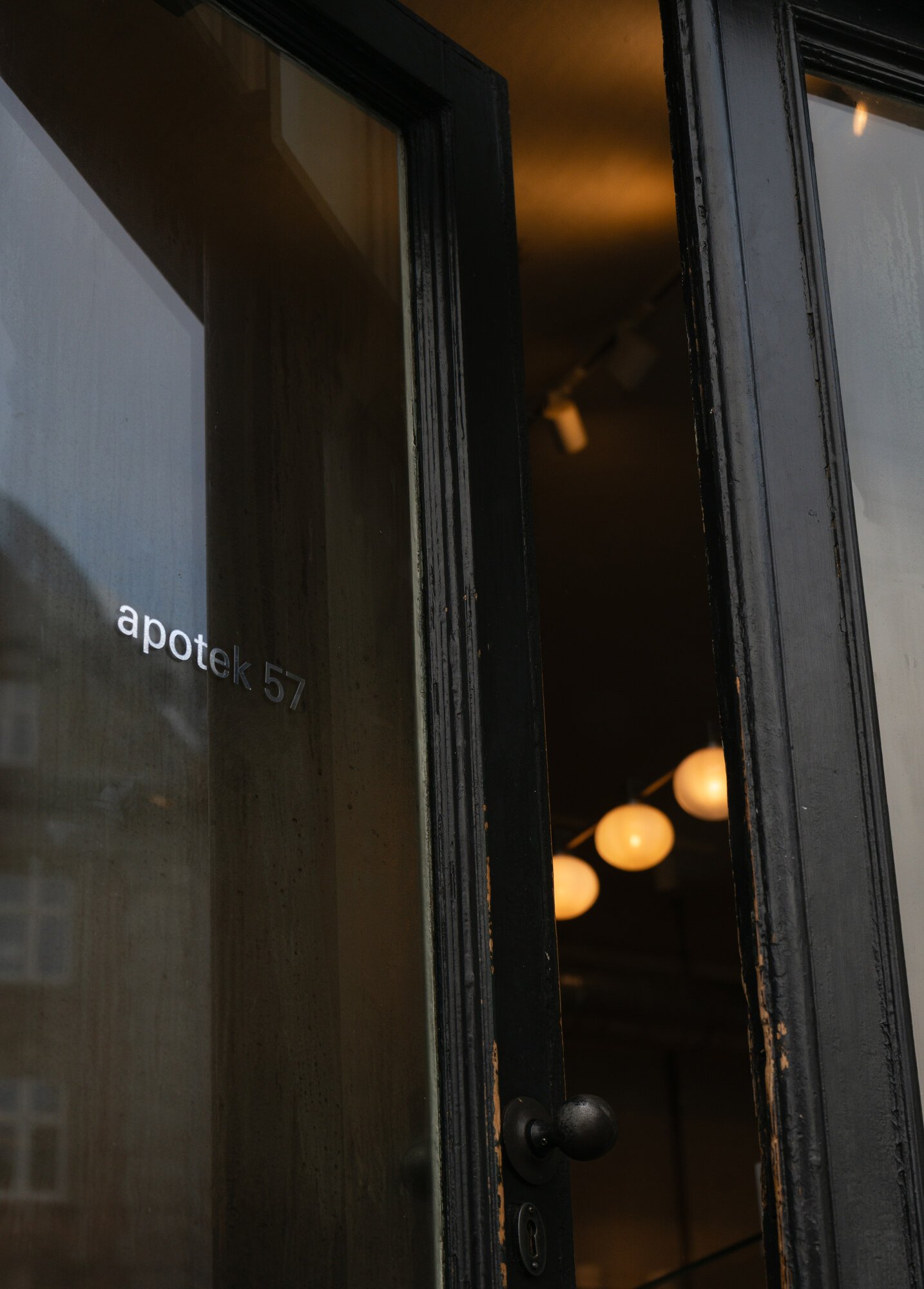
A black door on an ordinary street, the name in small letters, easy to walk past. Through the gap, paper lanterns and a warm ceiling.
It looks less like a destination than a neighbour's home with the door left open.
It is surprisingly difficult to say what this place is. A café. A shop. A dining room. A studio. Each word fits partially and fails completely.
The room belongs to FRAMA, though ownership feels like the wrong word. Everything here appears less designed than accumulated.
The interest was in that difficulty. What happens in a room that declines to choose, and asks nothing of the person who enters it.
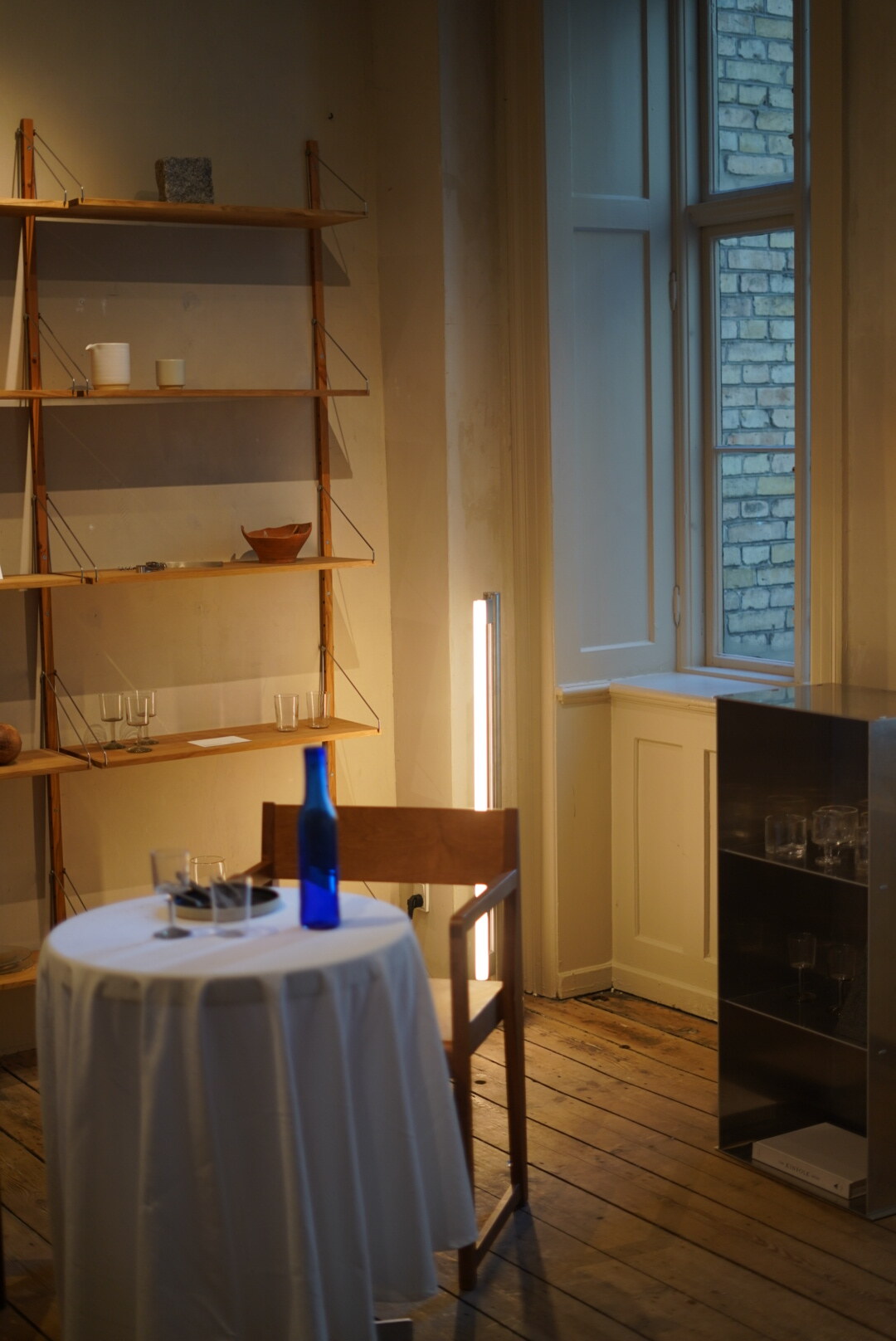
The room reveals itself through use rather than arrangement. A chair that could belong to a dining room. Shelving that could belong to a workshop. A breakfast that could have been made in someone's kitchen, set down beside the magazines. Even the name belongs to something else now.
Nowhere does the room say what anything is for. The line between furniture and display, between what is offered and what is simply there, grows quieter the longer you sit.
Outside, the city resumes its categories. Work here, home there, shop and café and gallery each in their place. The room behind the black door ignores the divisions, not as a statement, simply as a way of being.
What is it, exactly?
A room that holds its own without needing a name.
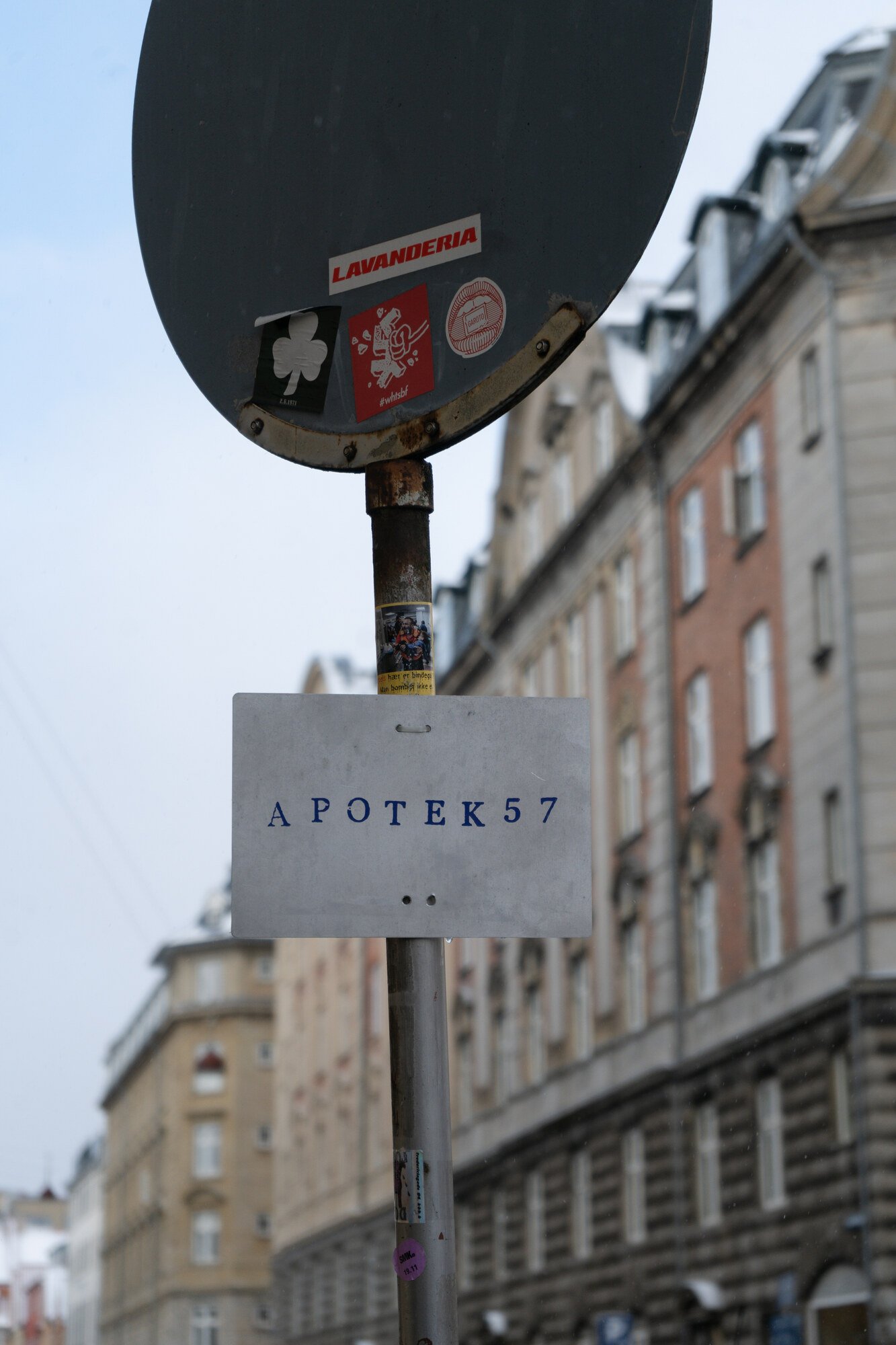
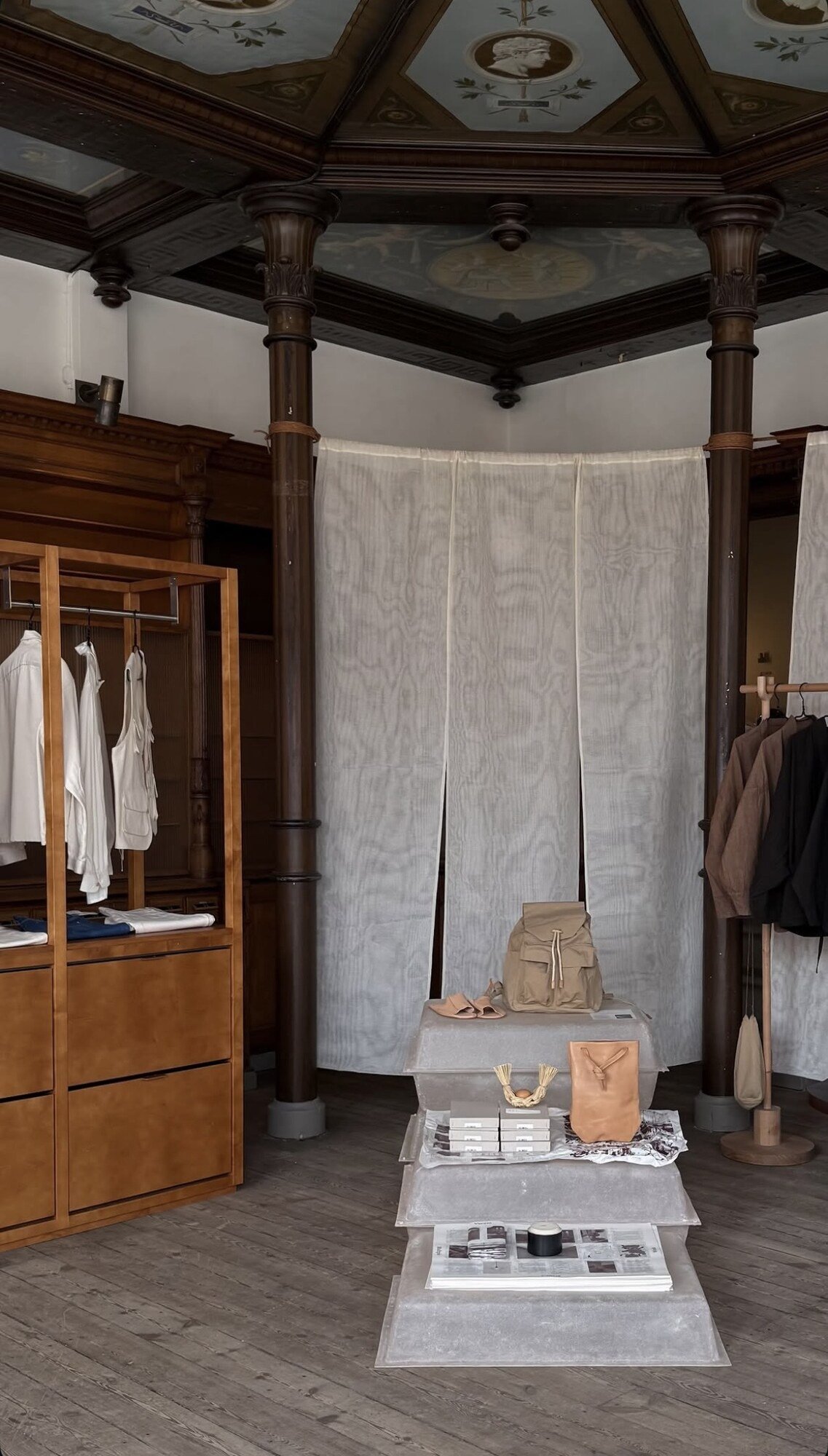
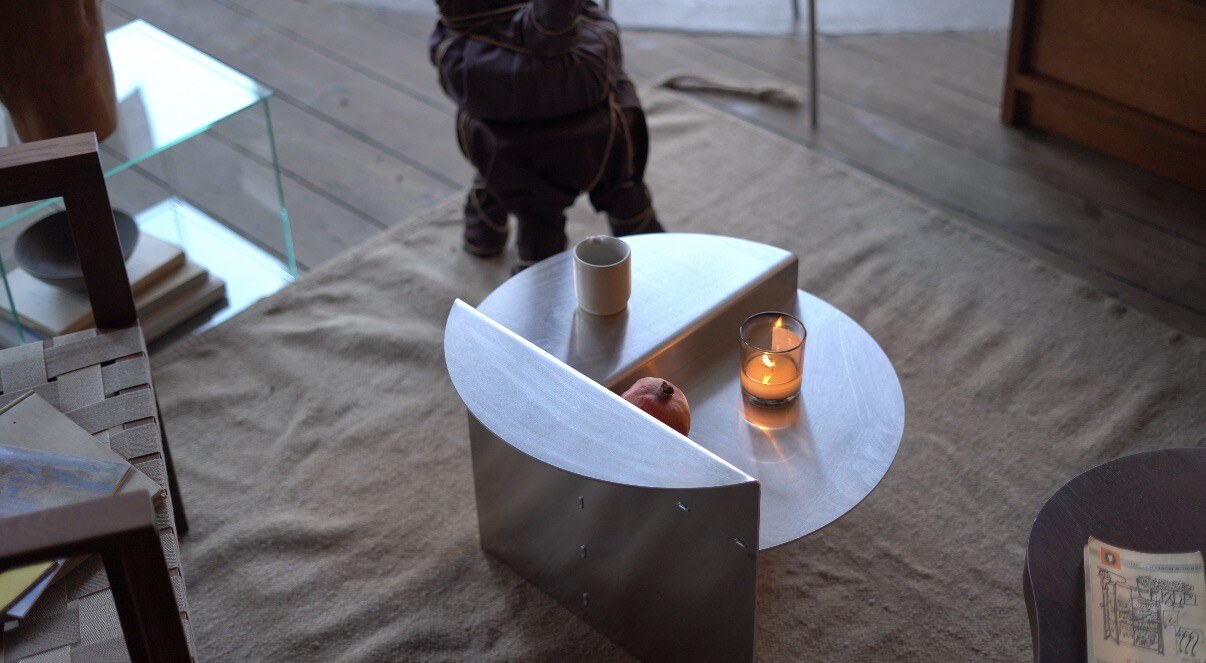
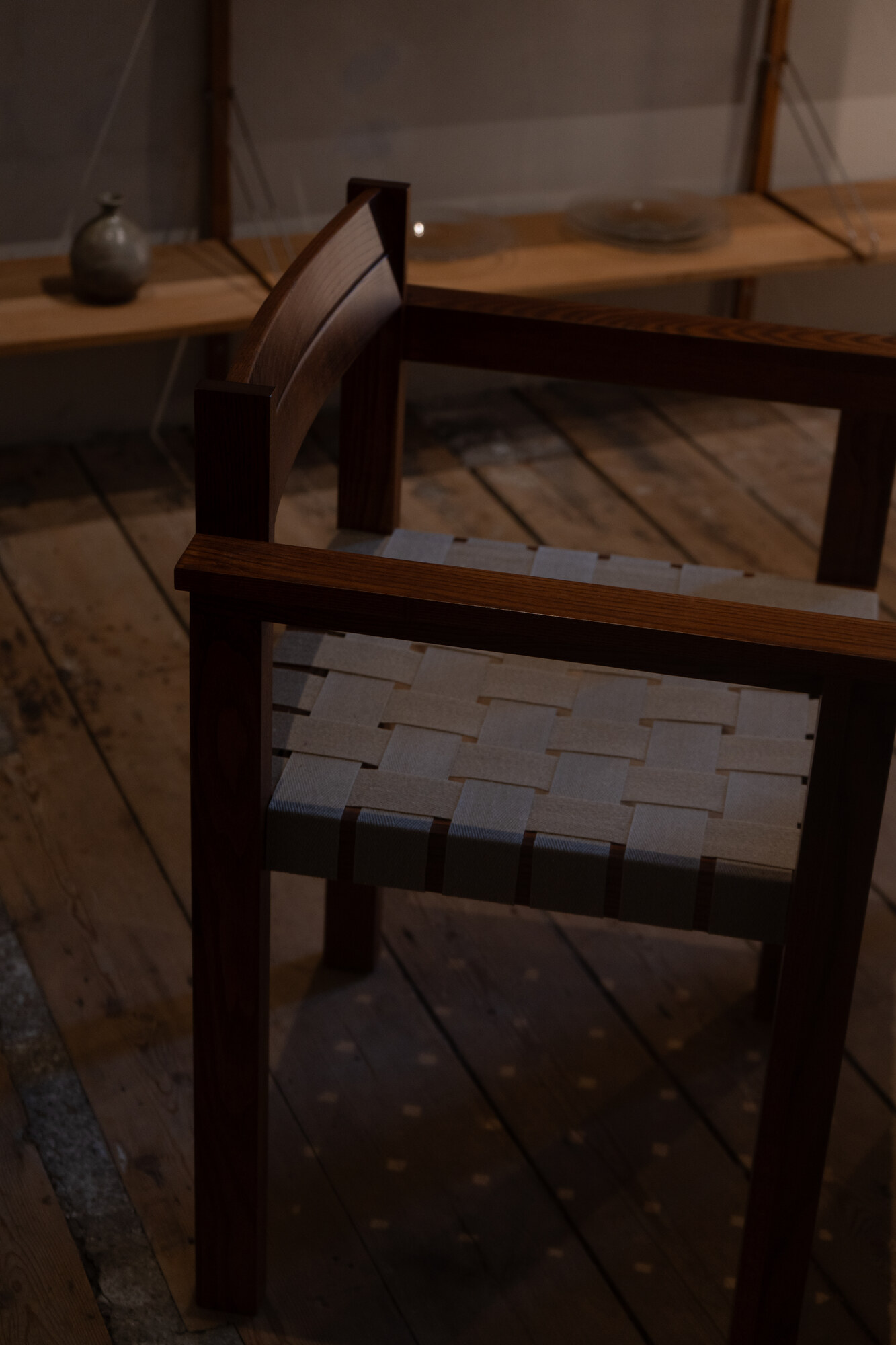
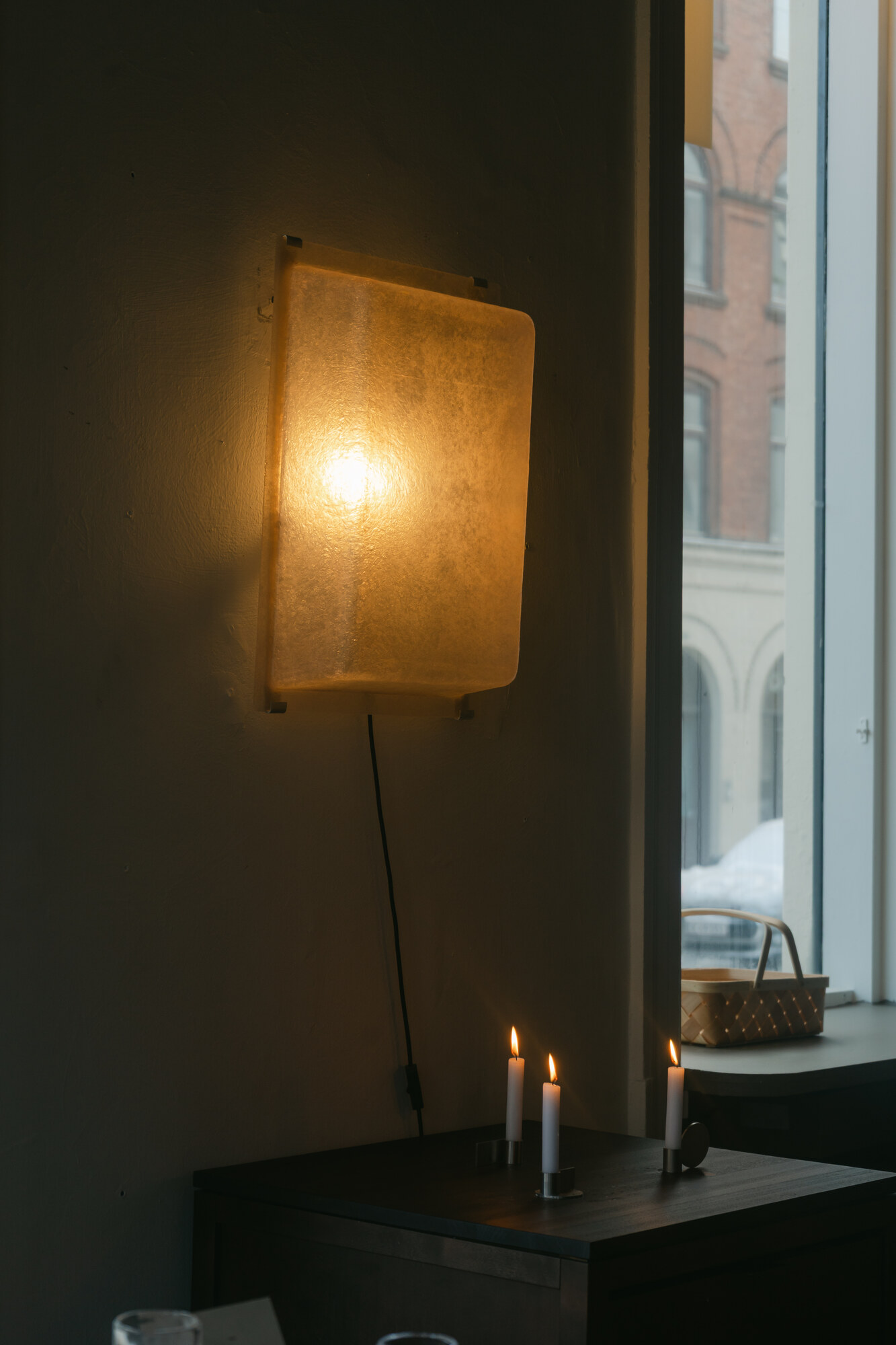
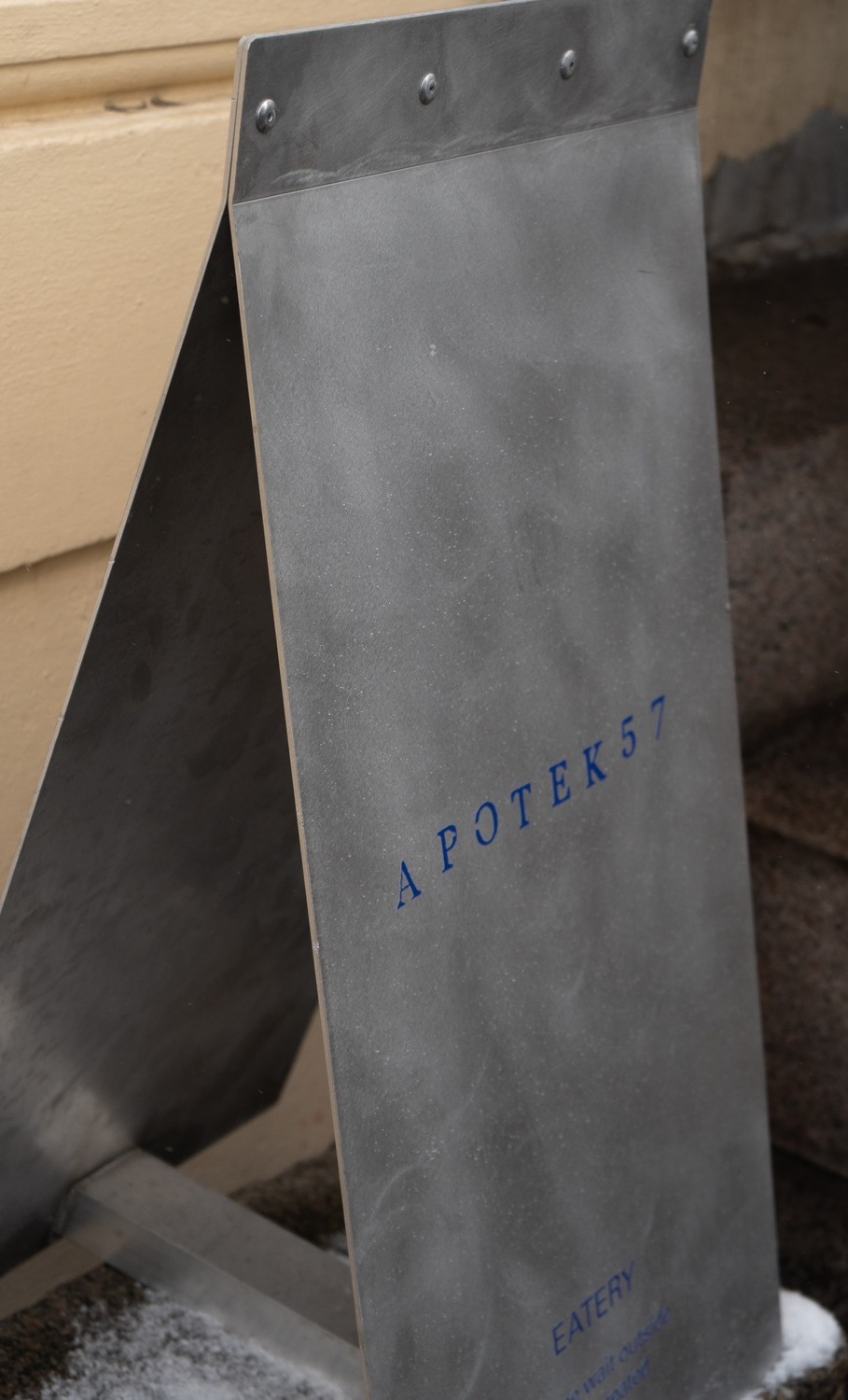
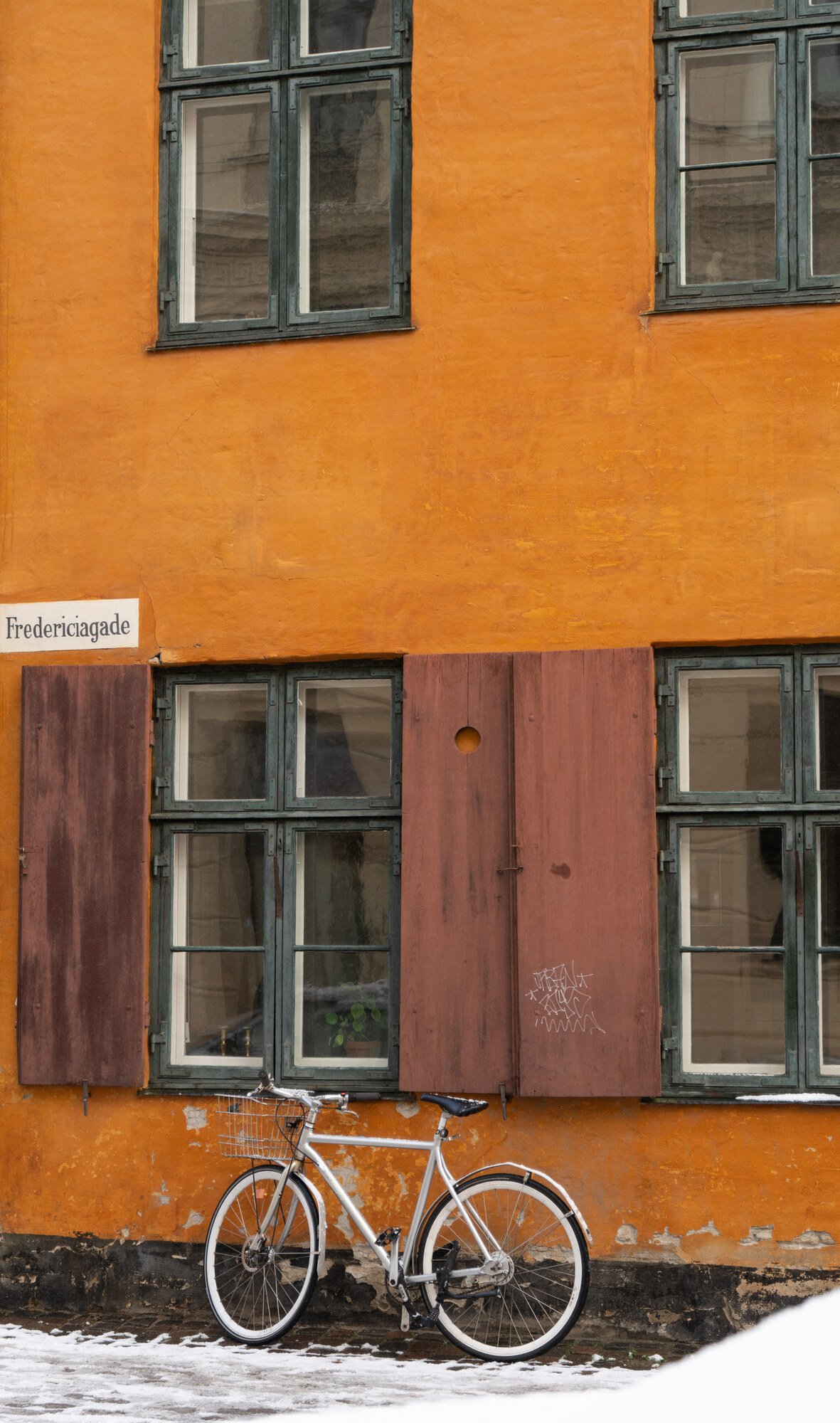
Apotek 57 occupies the ground floor of Frama's headquarters in Copenhagen, a nineteenth-century apothecary, the name and the original fittings survive, that the design studio operates as a café, showroom and neither of those exactly. It has become one of Copenhagen's quietly famous interiors precisely because it declines classification: you can buy a coffee, a ceramic, a cabinet, or nothing, and the room treats all four visits identically.
The study was made from within the ordinary morning traffic of the place, paper lanterns, the original apothecary drawers, plaster the colour of the pastries, and its frames concern the refusal itself: how a space signals that it is not a shop, not quite a café, and not a showroom, while functioning as all three. Danish design's export version can read as formula; Apotek 57 is the unformulated original, still attached to the people who make the furniture.
In the archive the study carries the Copenhagen chapter's craft weight and appears in the category's grouping of rooms made slowly. It also gave the Journal its working example of a place that refuses categories, an idea that returns across the essays on brands and rooms: the strongest identities are frequently the ones that decline to say what they are, and let the room answer instead.