Fragrance is the discipline where retail comes closest to hospitality: nothing to see, everything to communicate. Five rooms built around the invisible, and a masterclass that taught it through taste.
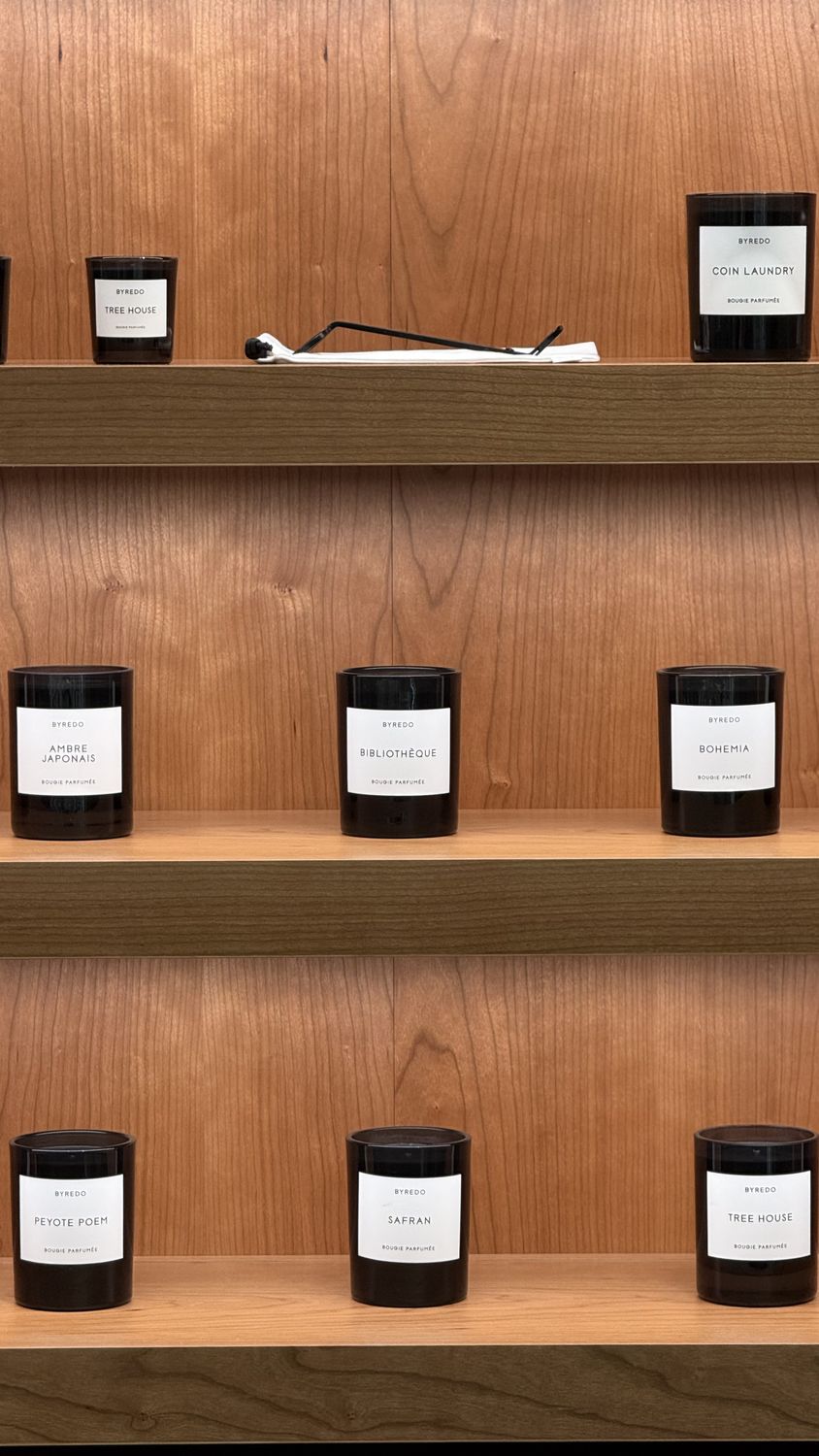
BYREDO, Leeds
The luxury of restraint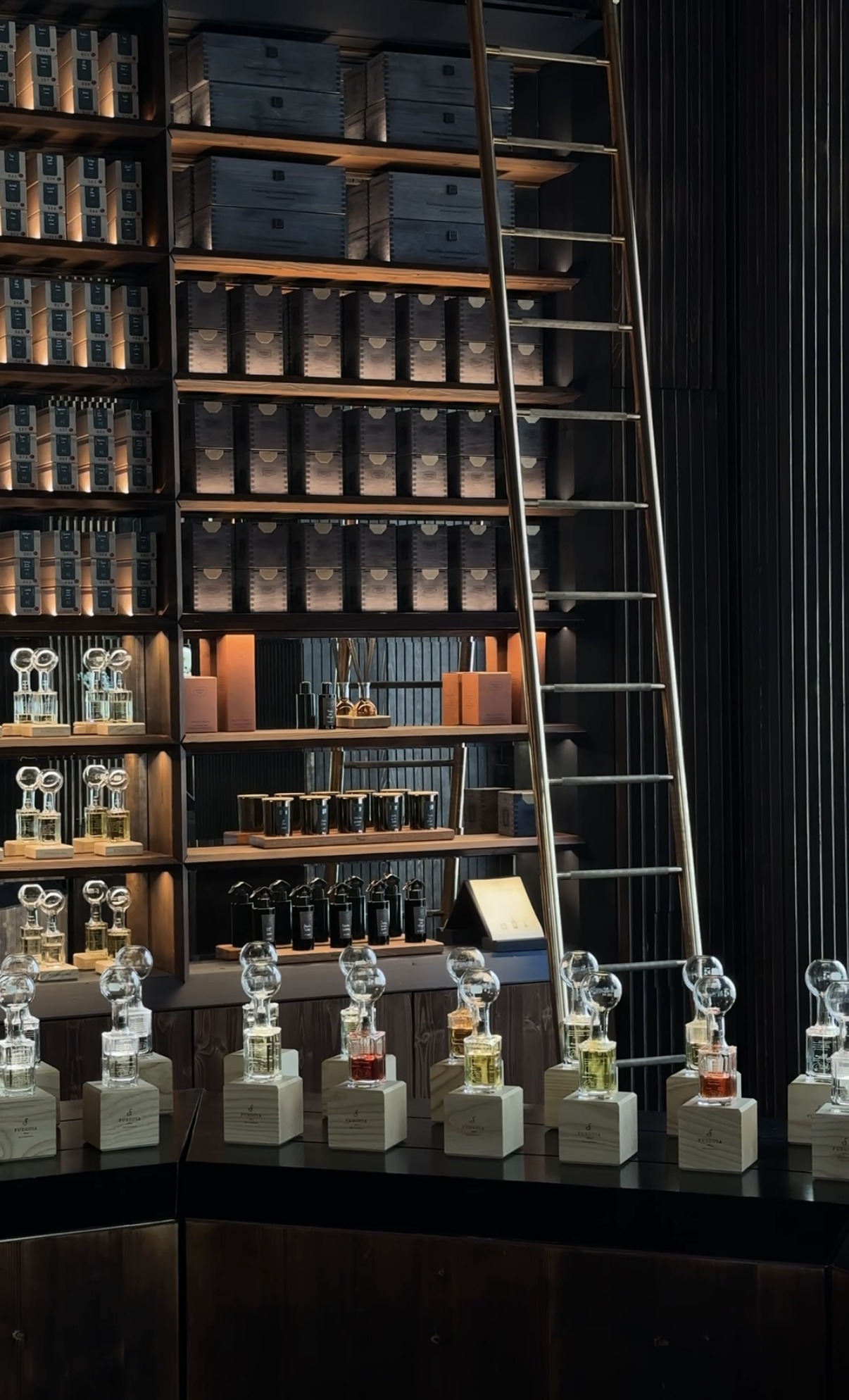
FUEGUIA 1833, Milan
A collection built slowly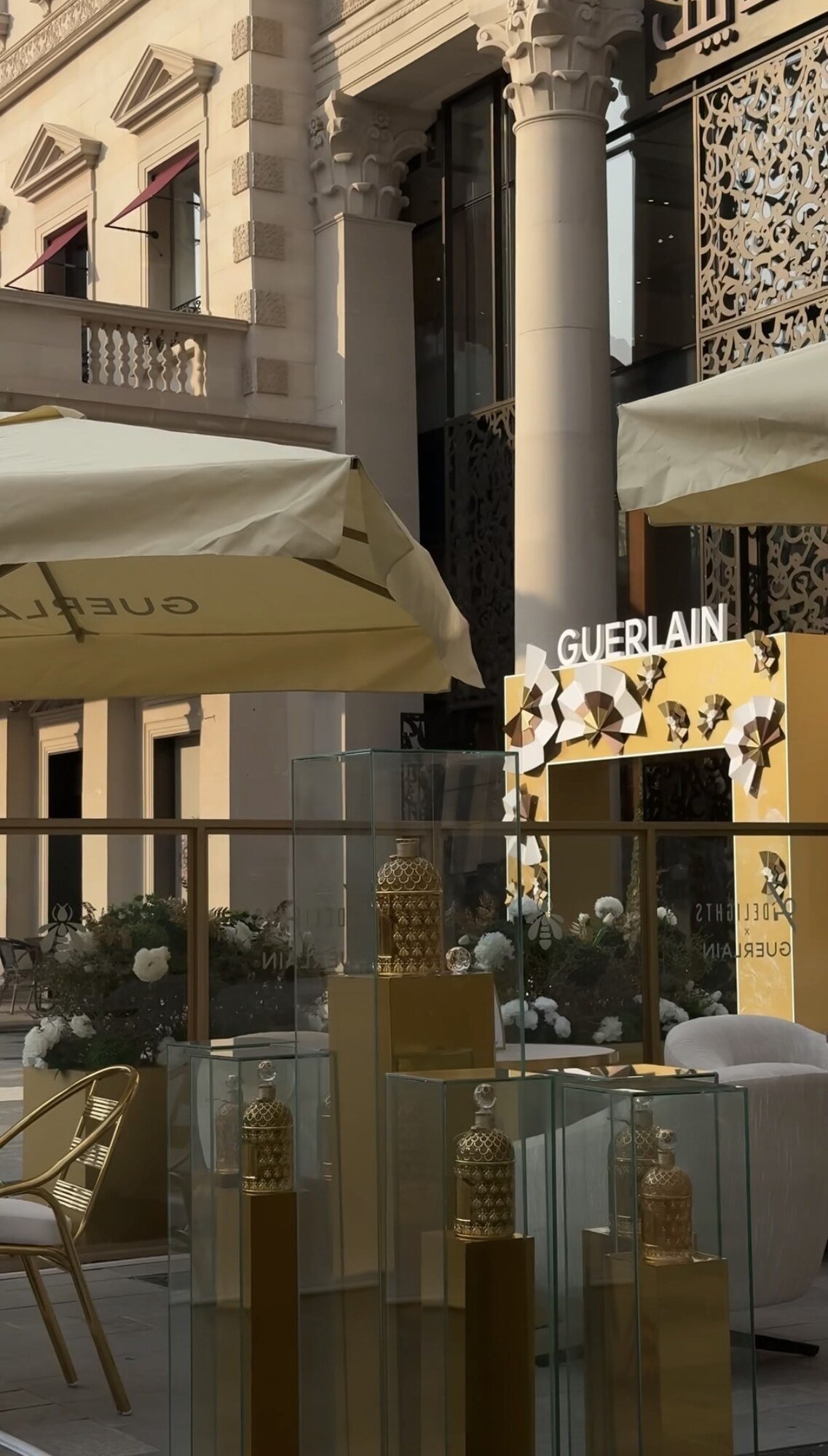
Guerlain at Katara
When perfume becomes hospitality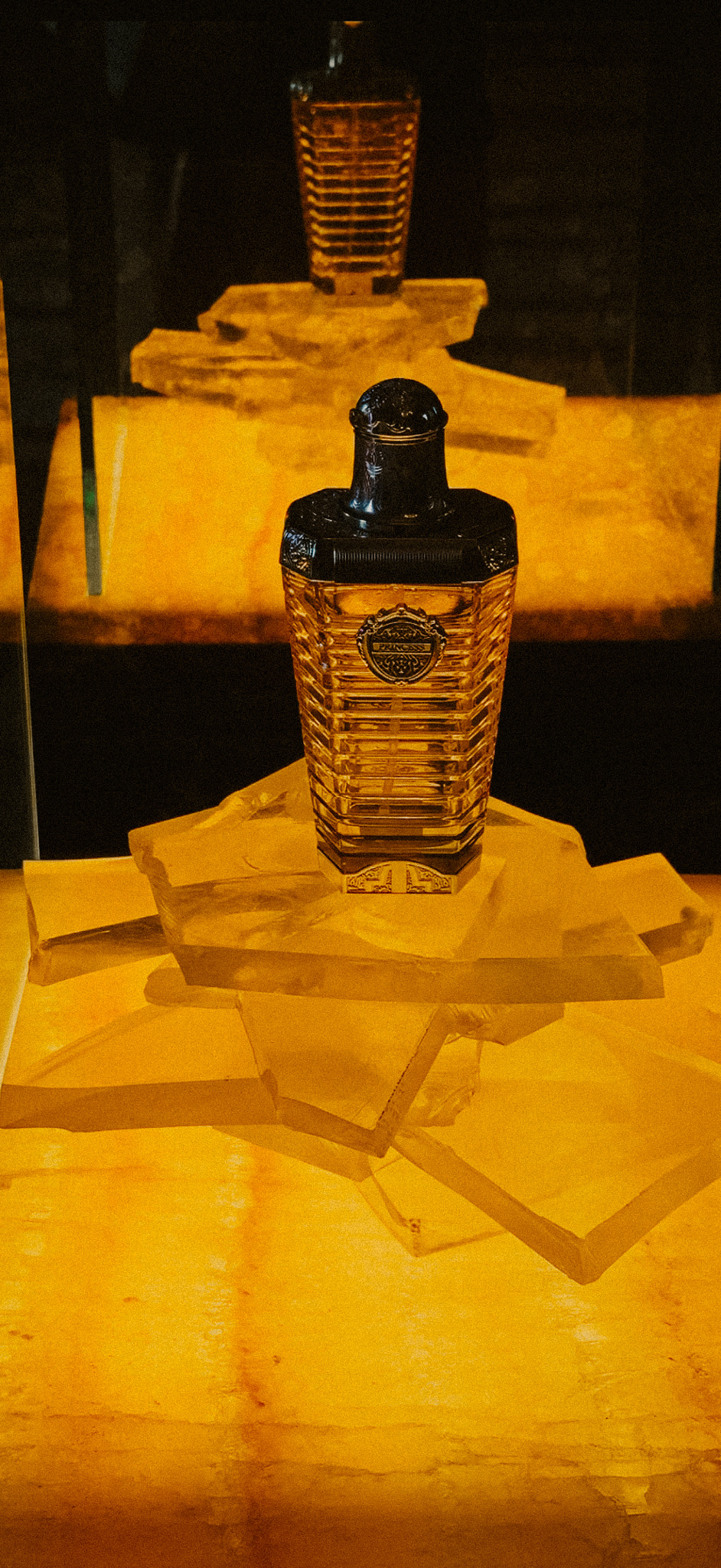
Dar Al Teeb, Doha
A perfume store built like a cathedral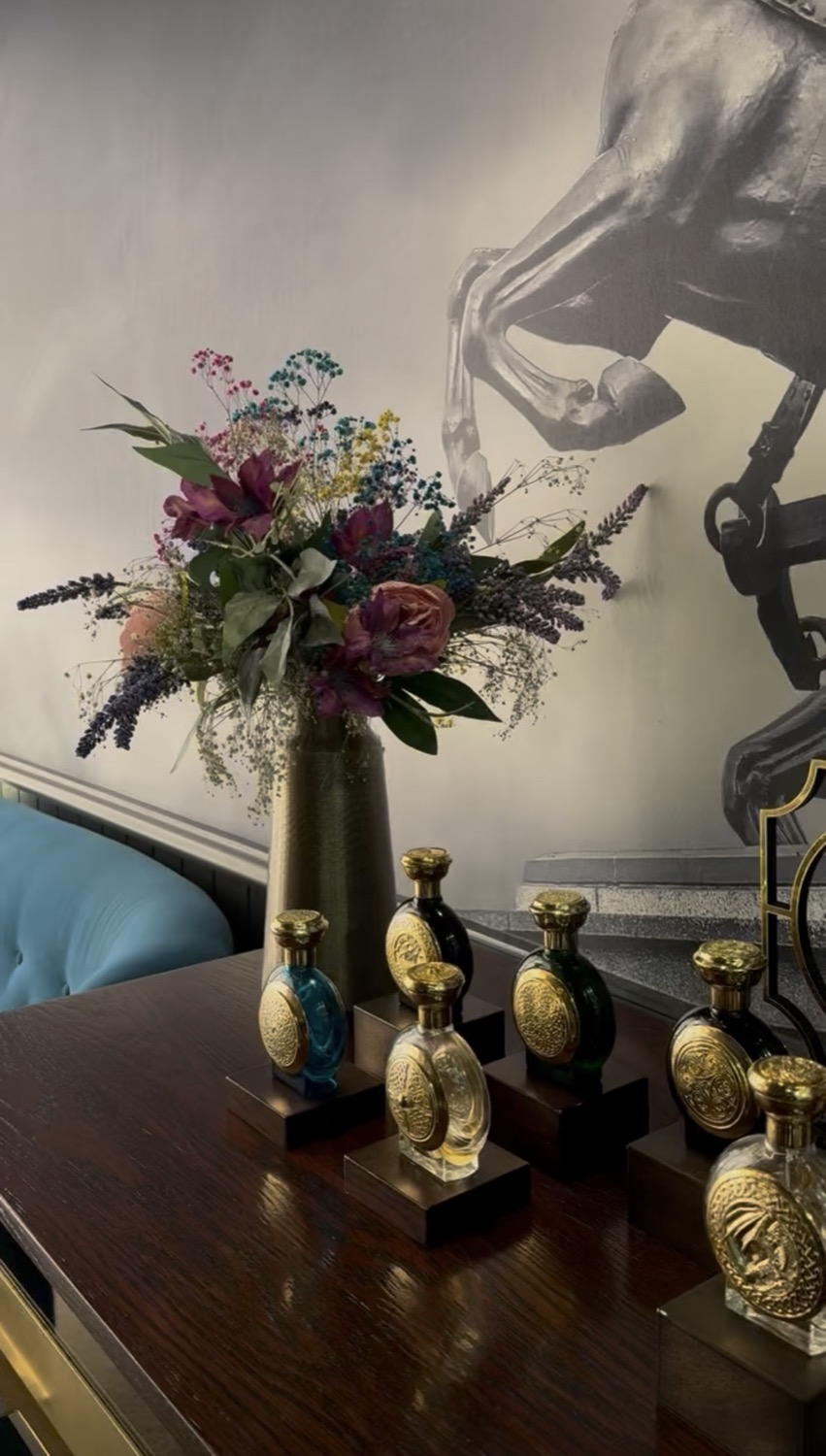
Salon de Parfums
Sixth floor, Harrods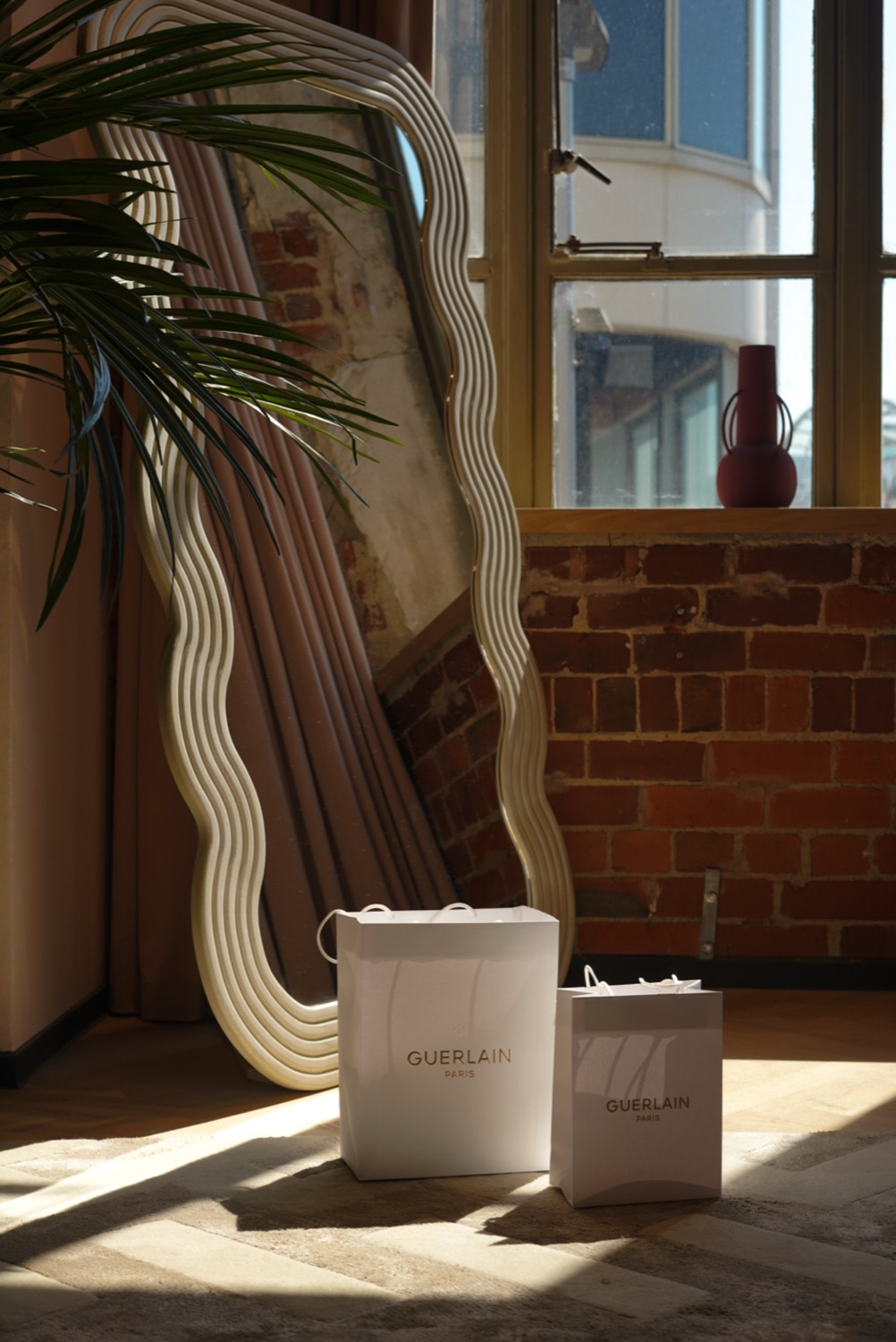
Guerlain Leeds
An olfactory masterclassShops whose spaces argue more persuasively than their products. Memory at Aimé Leon Dore, afternoon light at Loro Piana, seasonal theatre at Harrods, objects held in order at Al Bidaa.
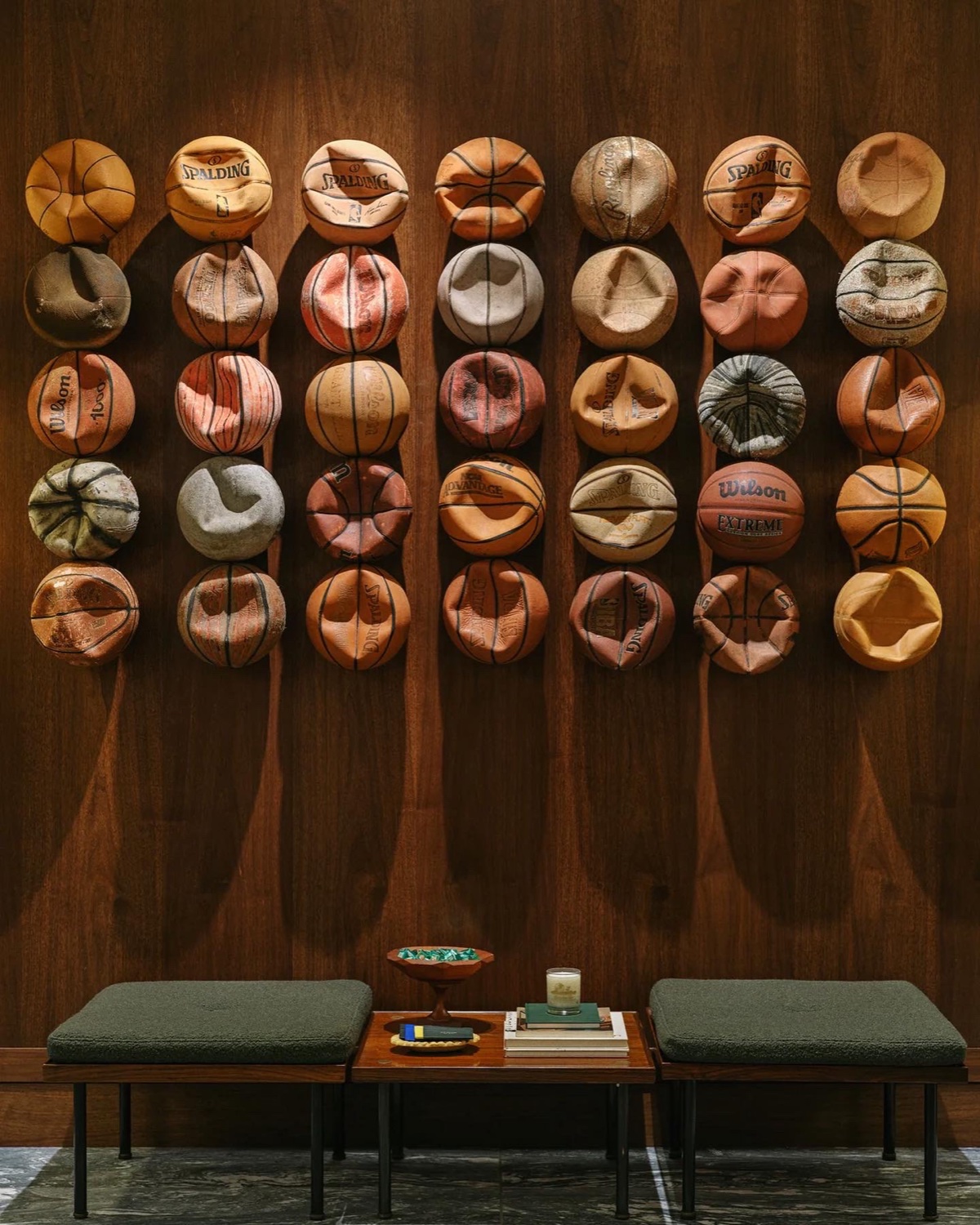
Aimé Leon Dore, London
Retail as a room of memory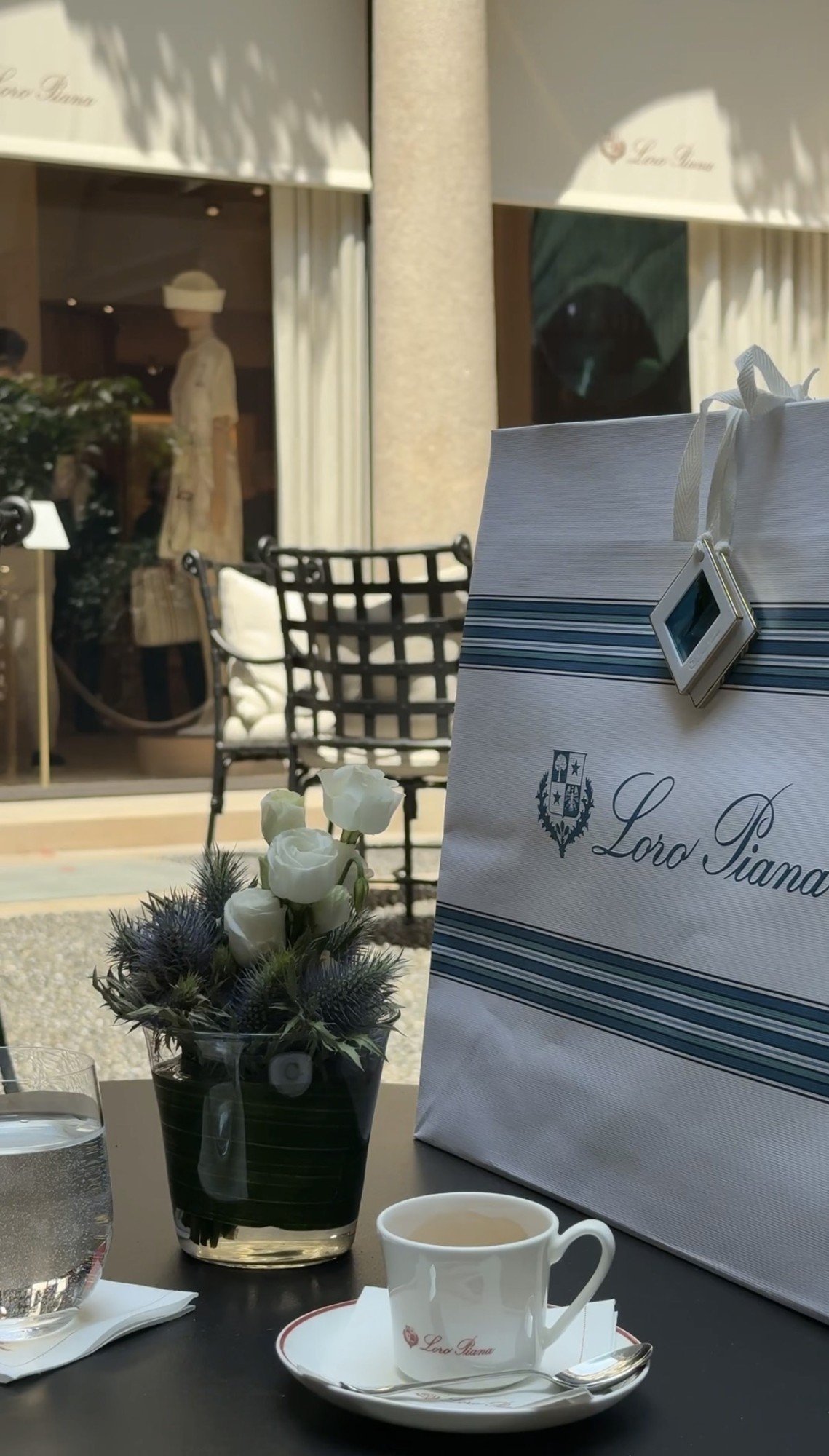
Loro Piana, Milan
Afternoon light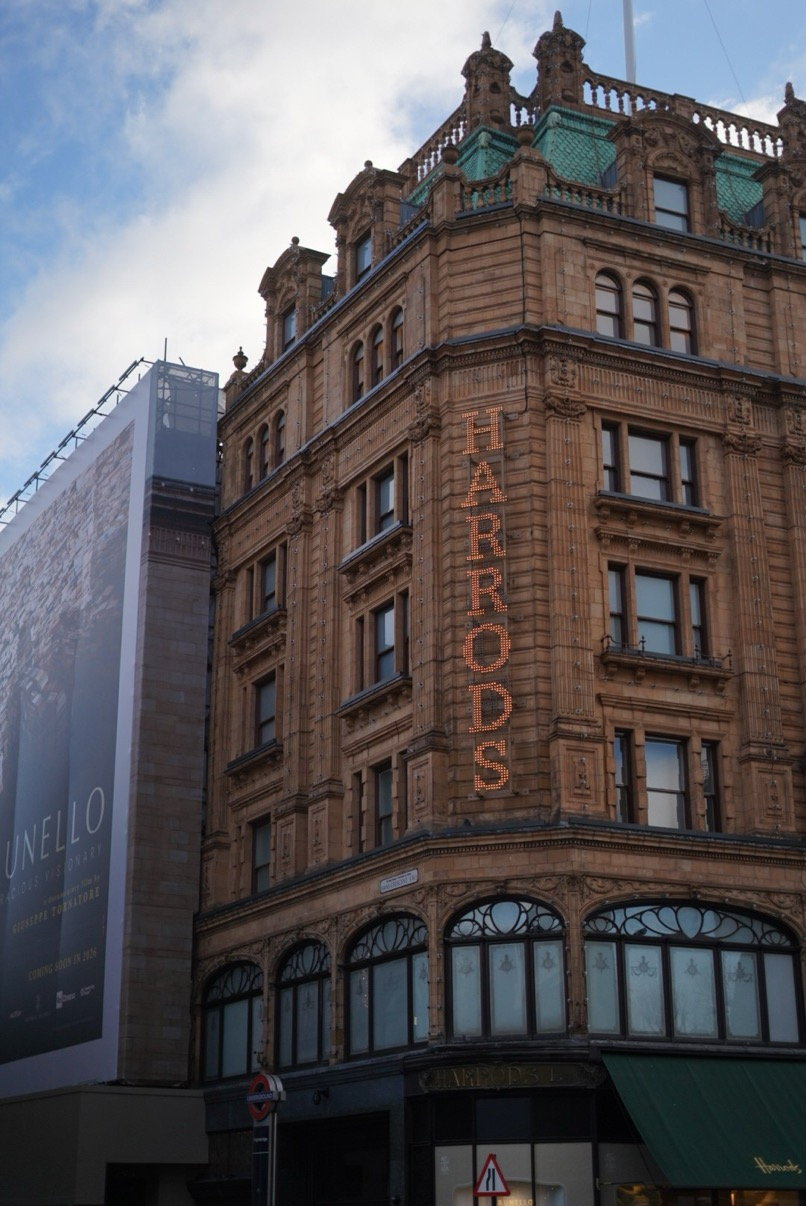
Harrods
Seasonal display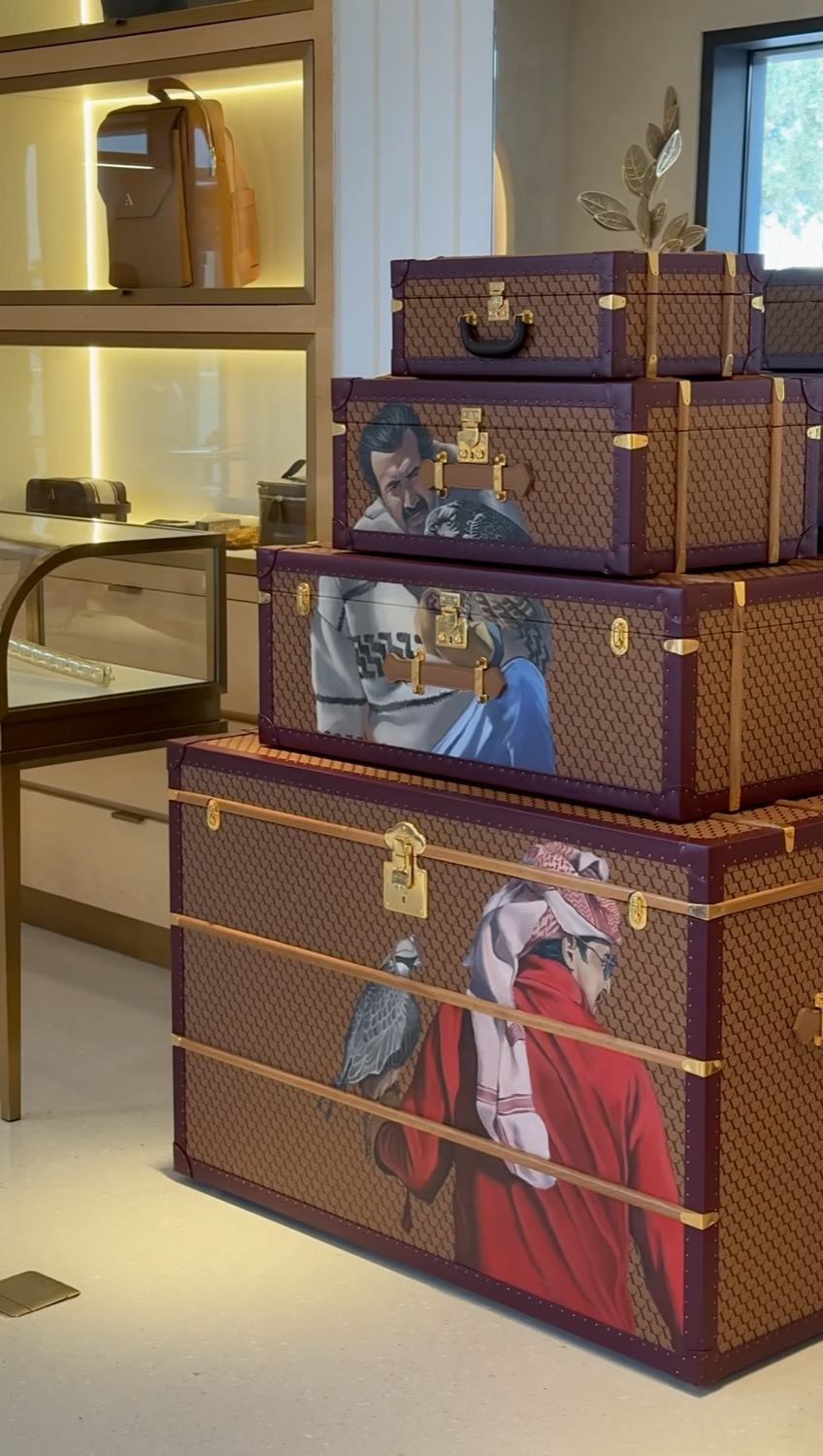
Al Bidaa
Objects in orderTwo interiors that refused to hurry: a restored inn in Yorkshire keeping the pace of its mornings, and a Copenhagen café that declines every category offered to it.
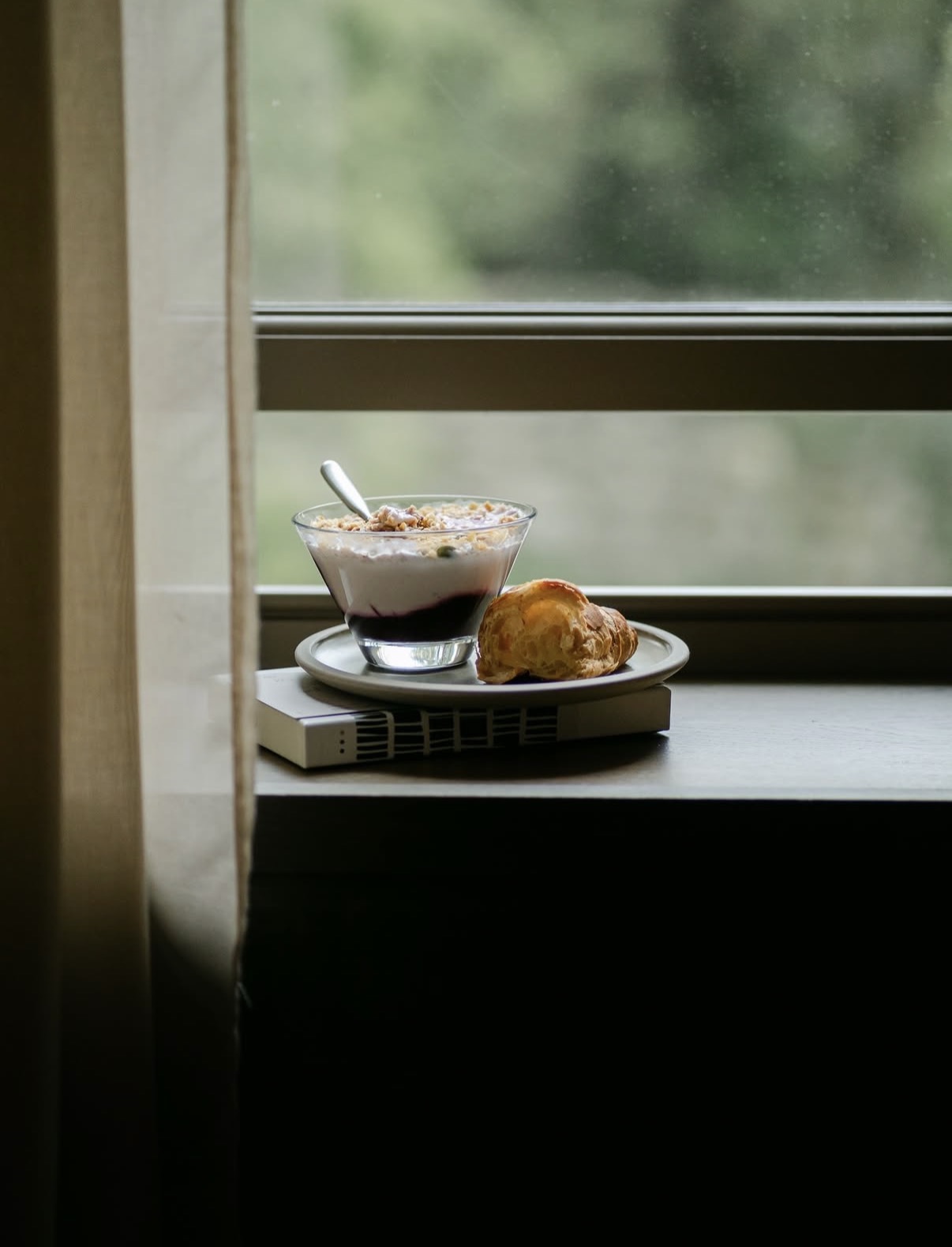
The Penny Bun, Askwith
A restored inn and the pace of a Yorkshire morning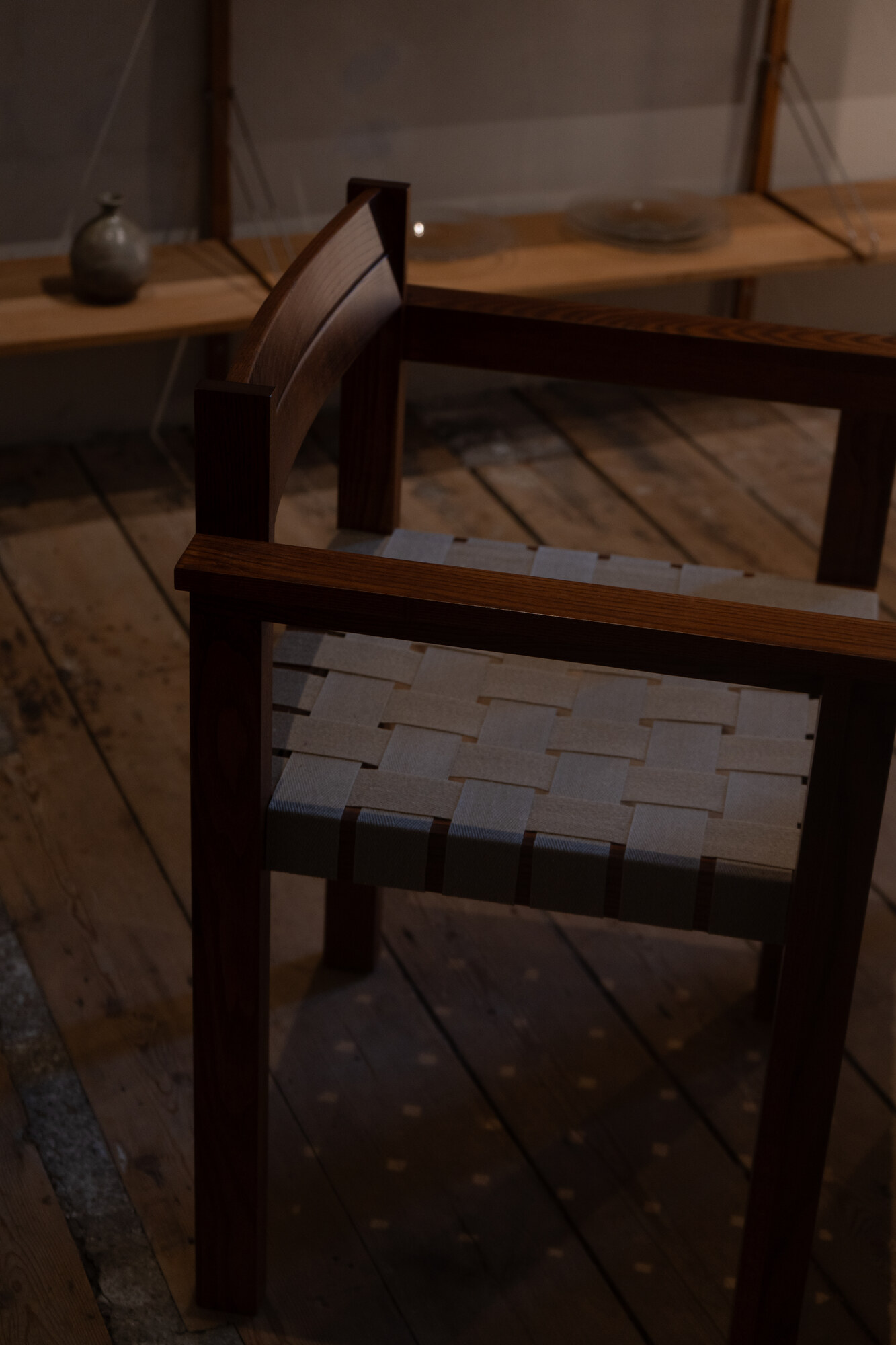
Apotek 57
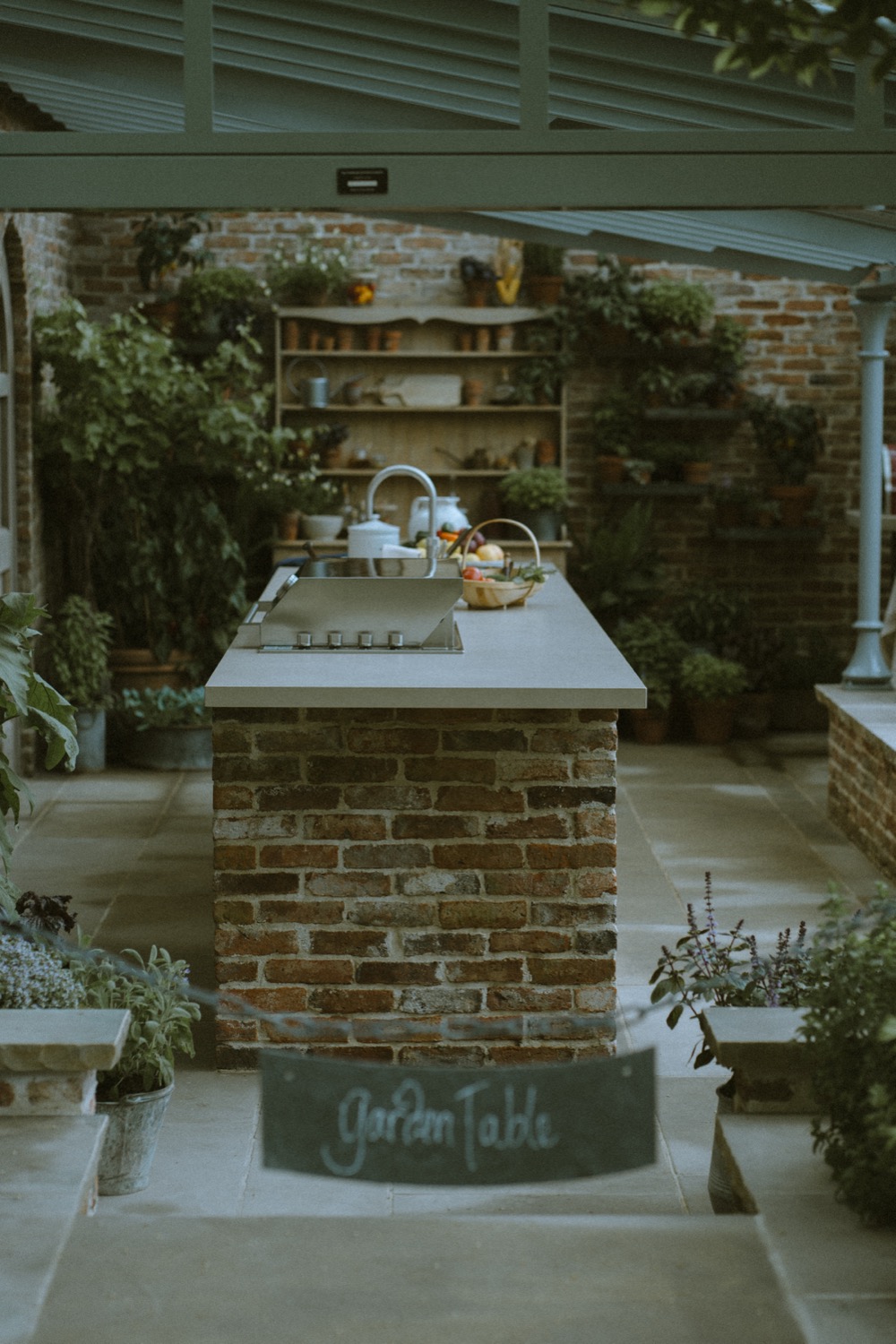
A place that refuses categoriesA show garden that argued its case by cooking. Mark Gregory’s working kitchen at RHS Chelsea, built in reclaimed brick and cast iron, photographed before the show opened.
The Craft archive is small because the standard for inclusion is high. The study exists to document physical presence: the argument a brand makes by being somewhere, and making that somewhere worth entering.