Paris
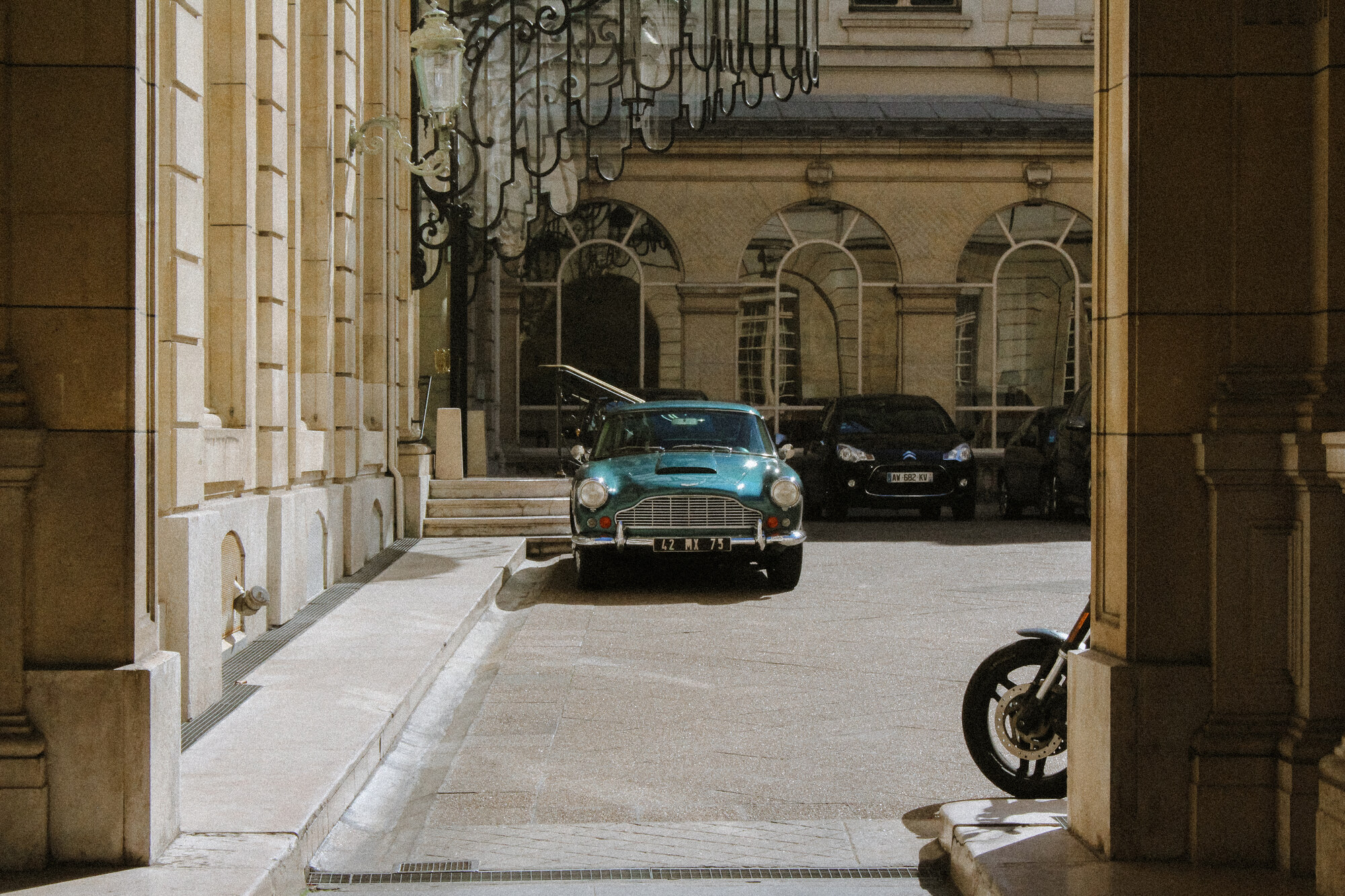
The car arrives before you do. Parked in a courtyard that has not changed its proportions in three hundred years, it sits there the way everything in Paris seems to sit, as if it has always been there and always will be.
That feeling runs through the whole city. Paris does not perform permanence. It simply continues, and lets you notice.
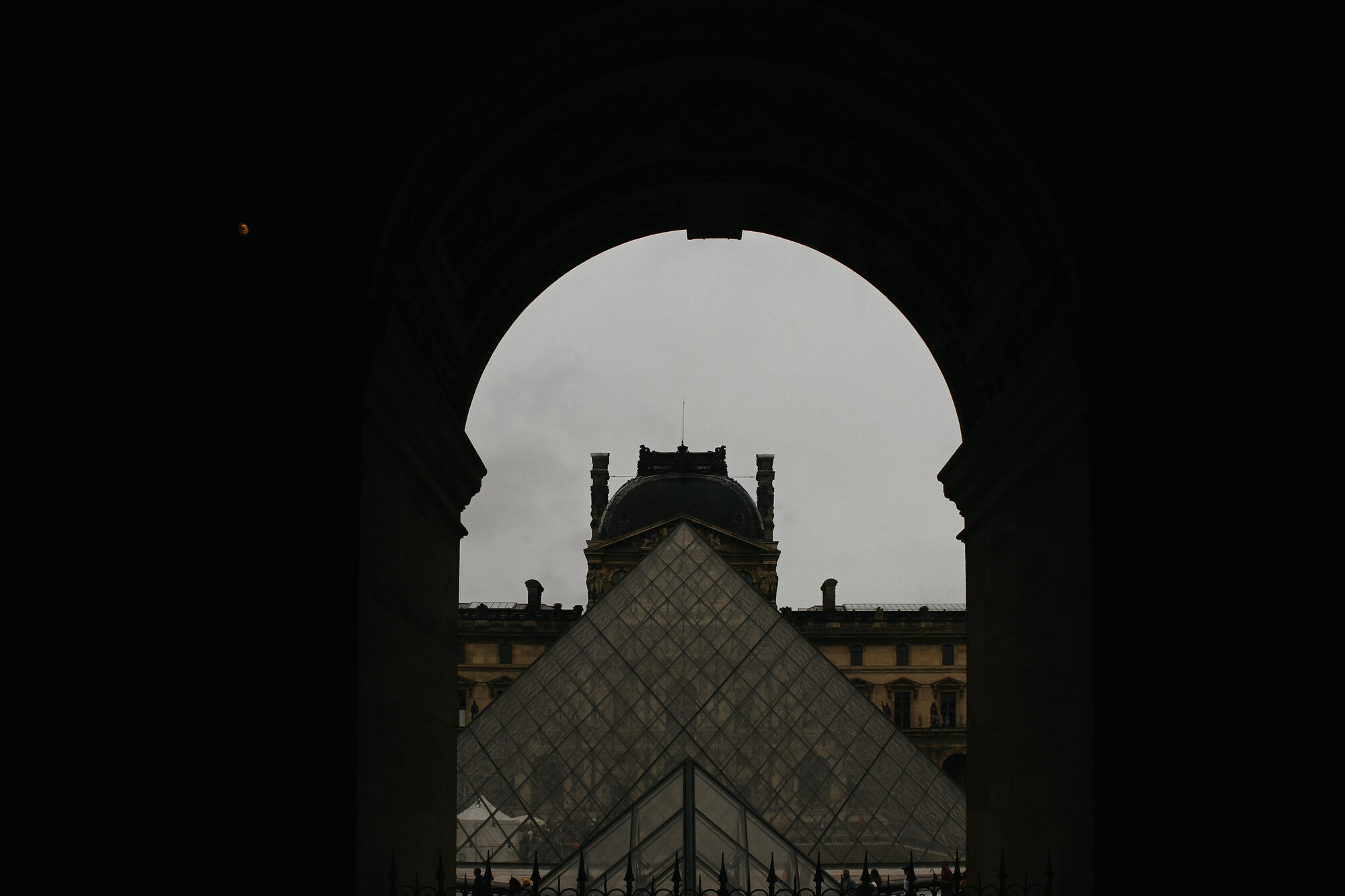
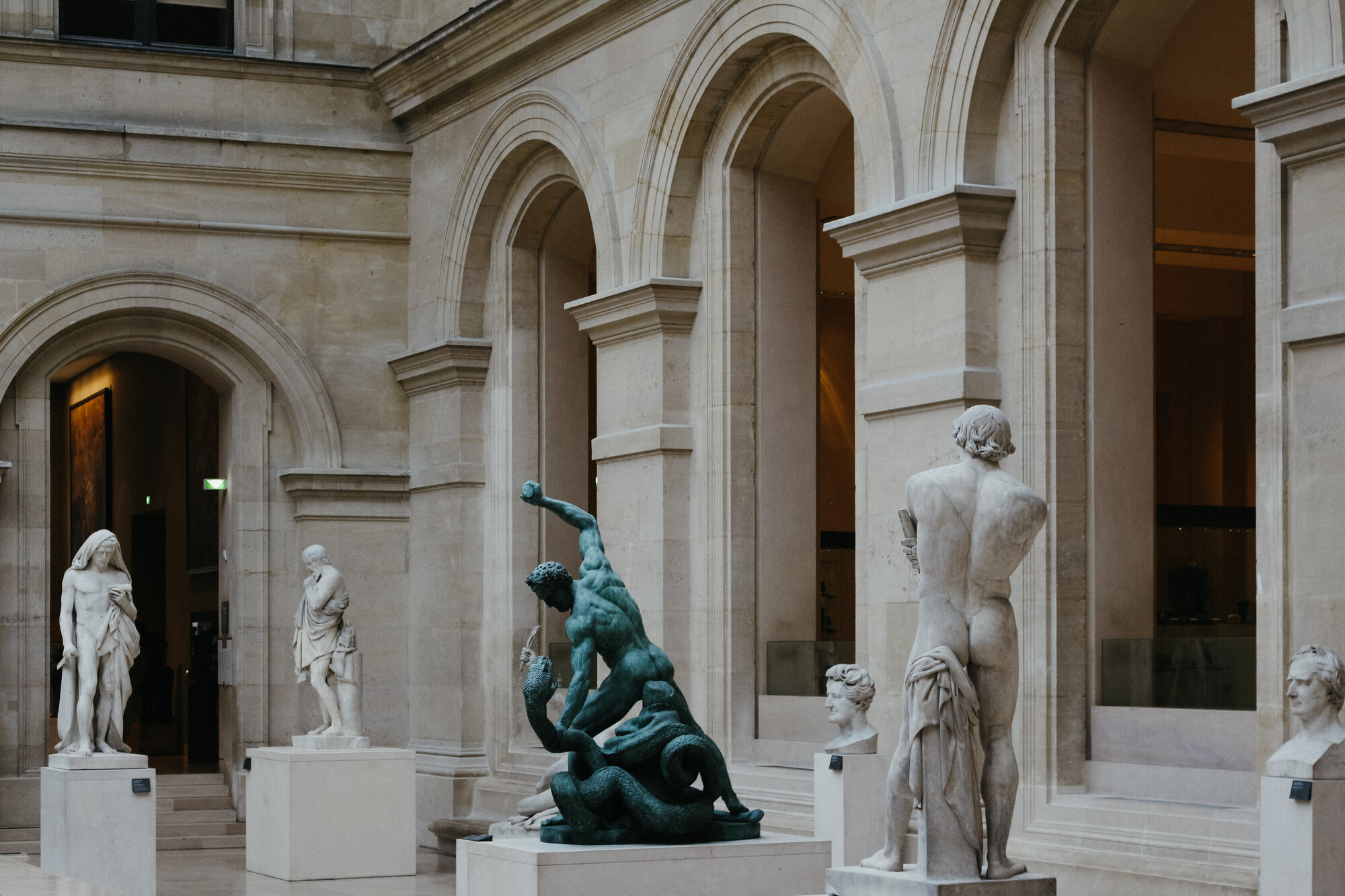
The Louvre is too large to photograph as a single thing. So the study did not try. An archway frames the pyramid rather than containing it. The sculpture gallery is shown as a room first, the statues second, bronze and marble sharing the same corridor without comment.
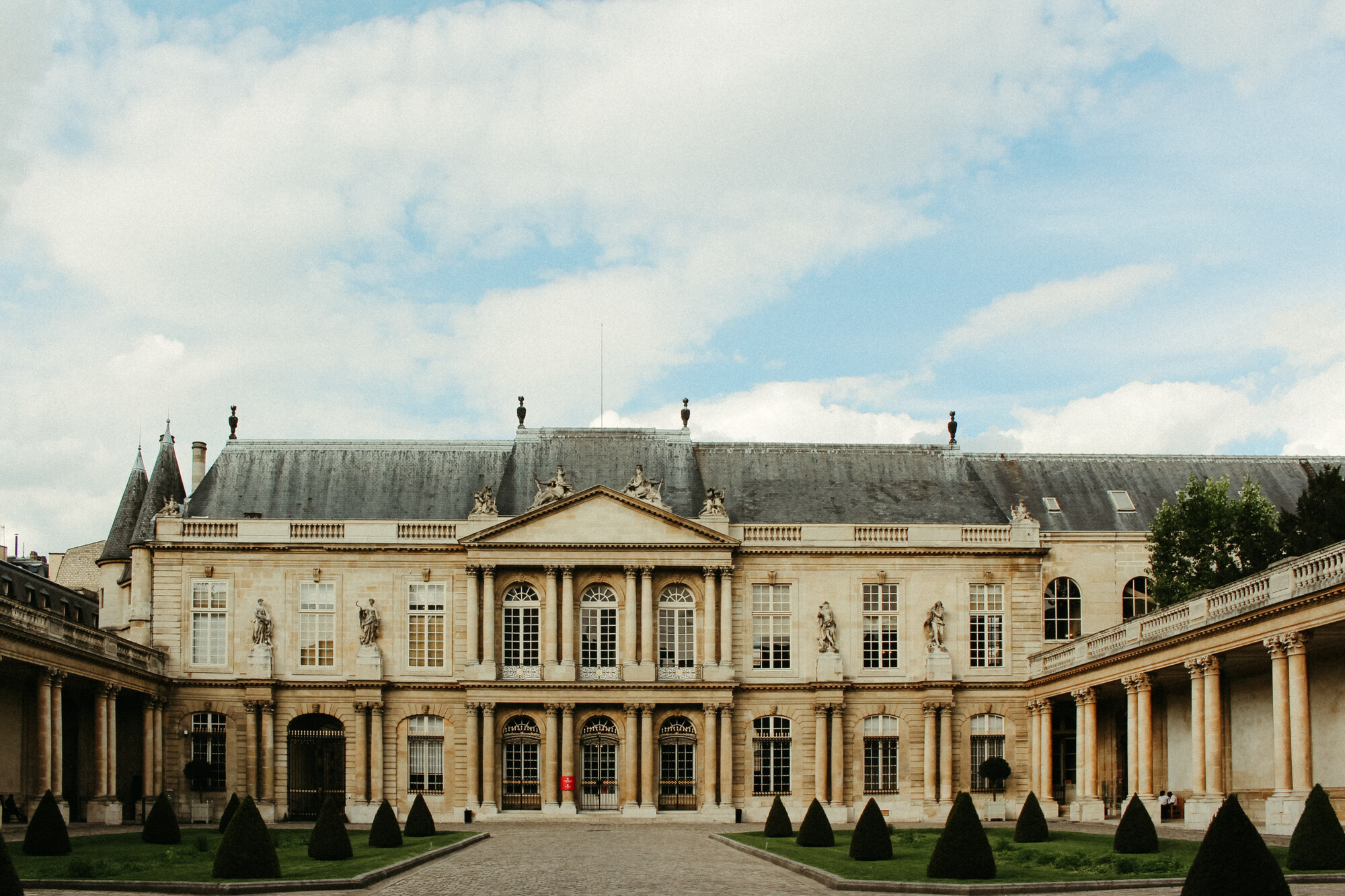
Outside, the courtyard facade repeats itself in stone, window after window, the kind of repetition that stops registering as scale and starts registering as rhythm.
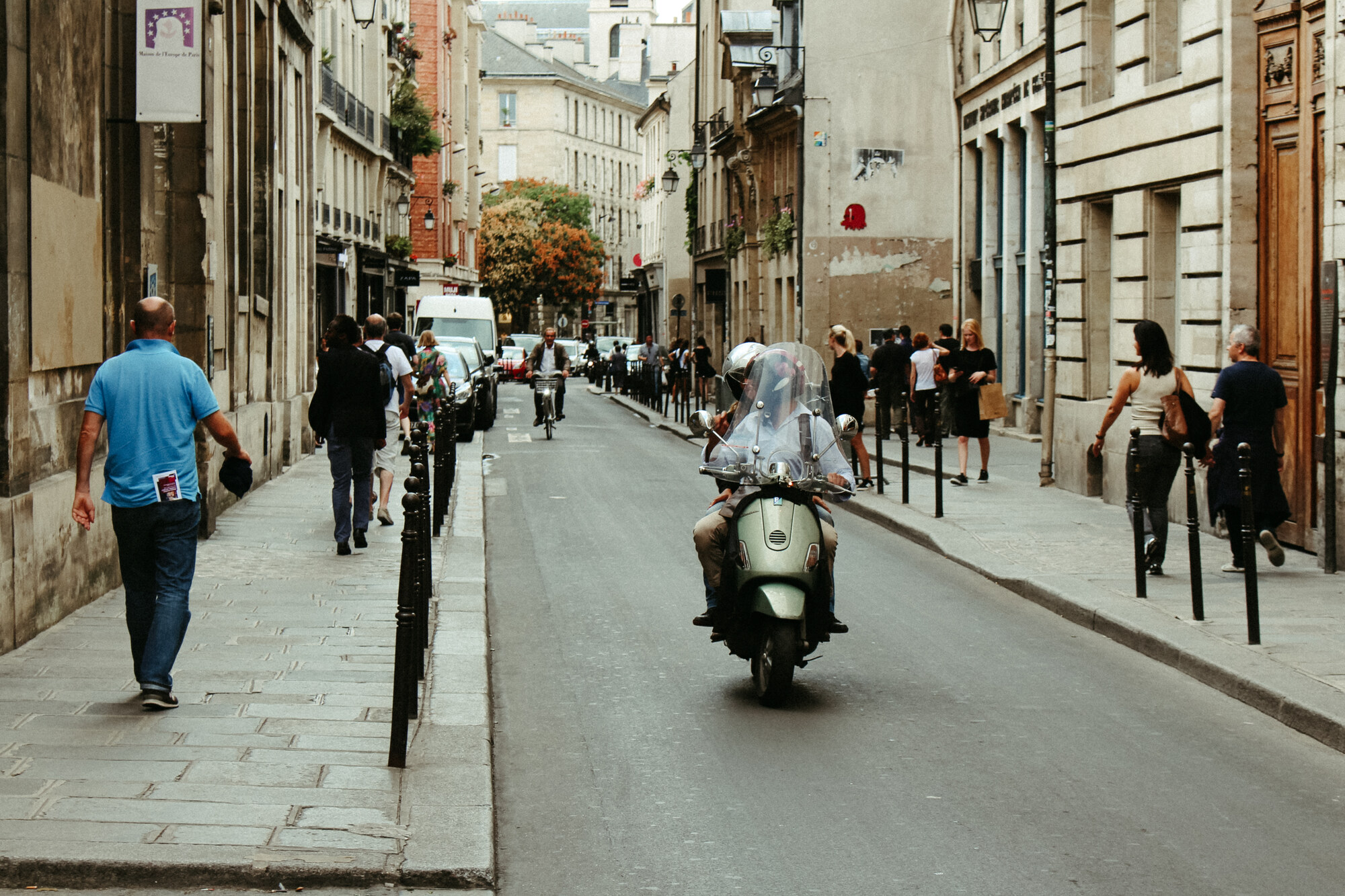
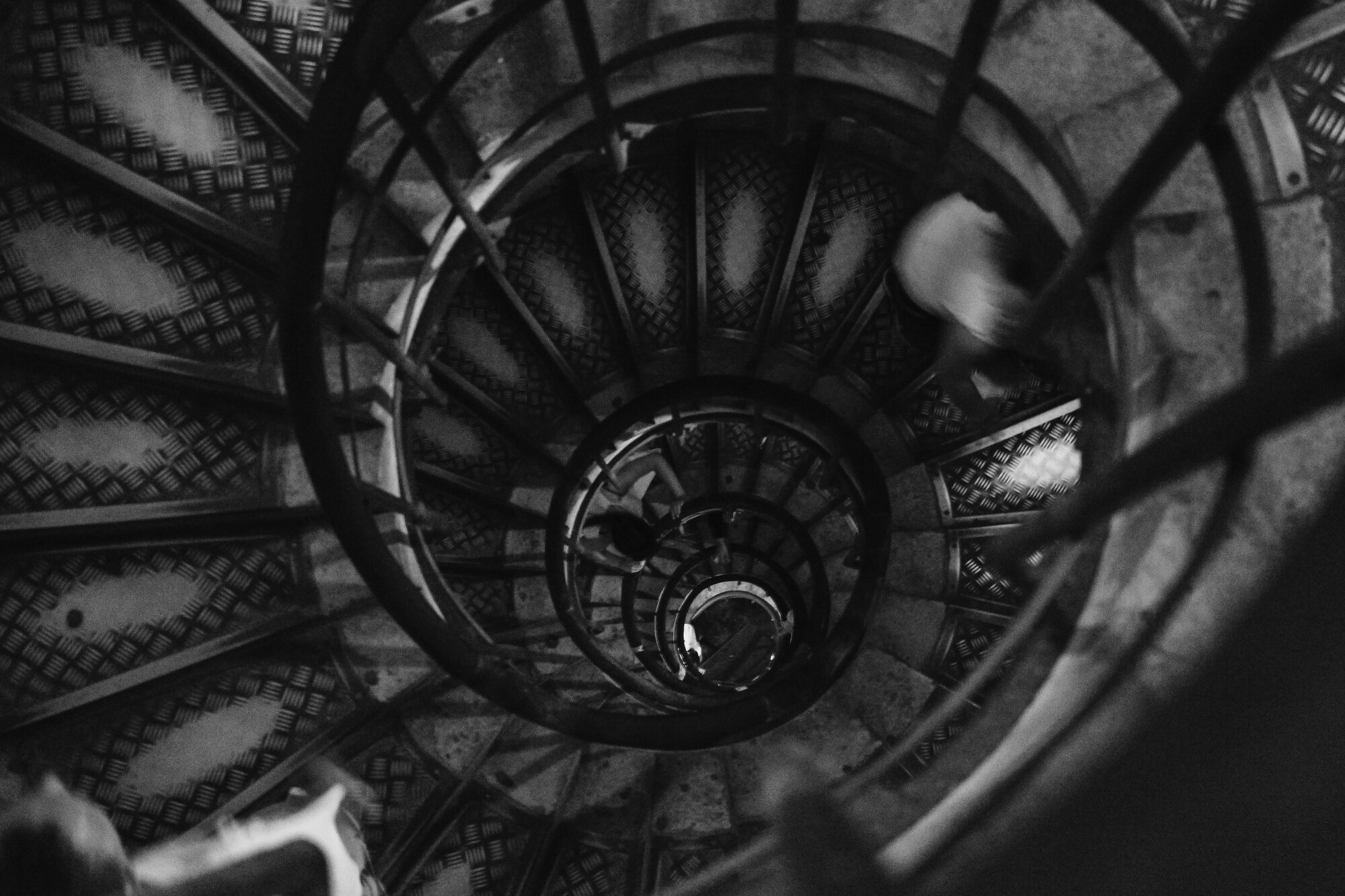
Step outside the institution and the city absorbs you immediately. A street narrows between buildings that have seen everything. A scooter moves through pedestrians without urgency. A staircase spirals down into itself, iron and stone turning past each other in the dark.
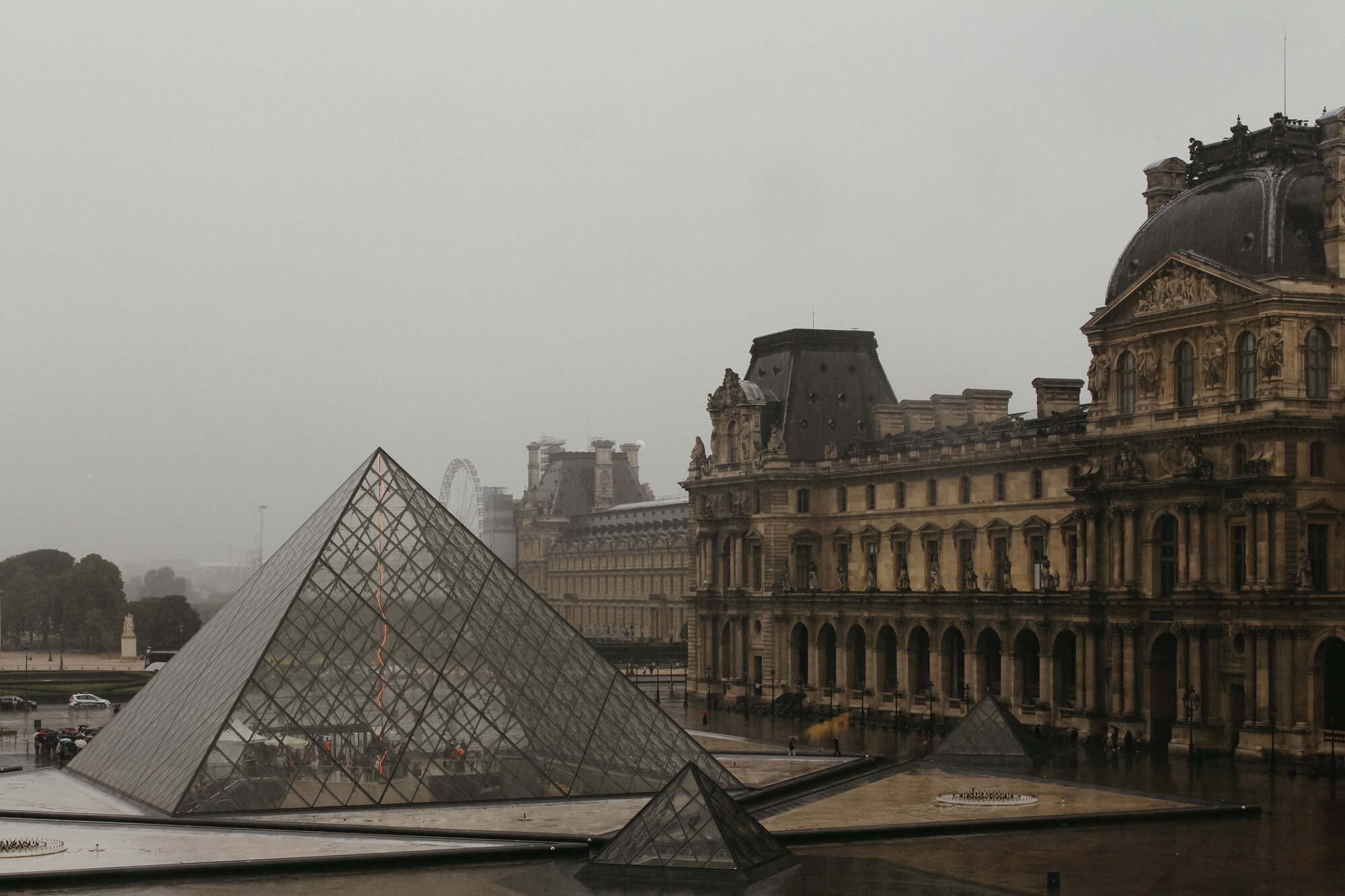
Then the rain comes, and the pyramid disappears into it, the palace beyond reduced to a silhouette. Paris in weather looks older than Paris in sunlight.
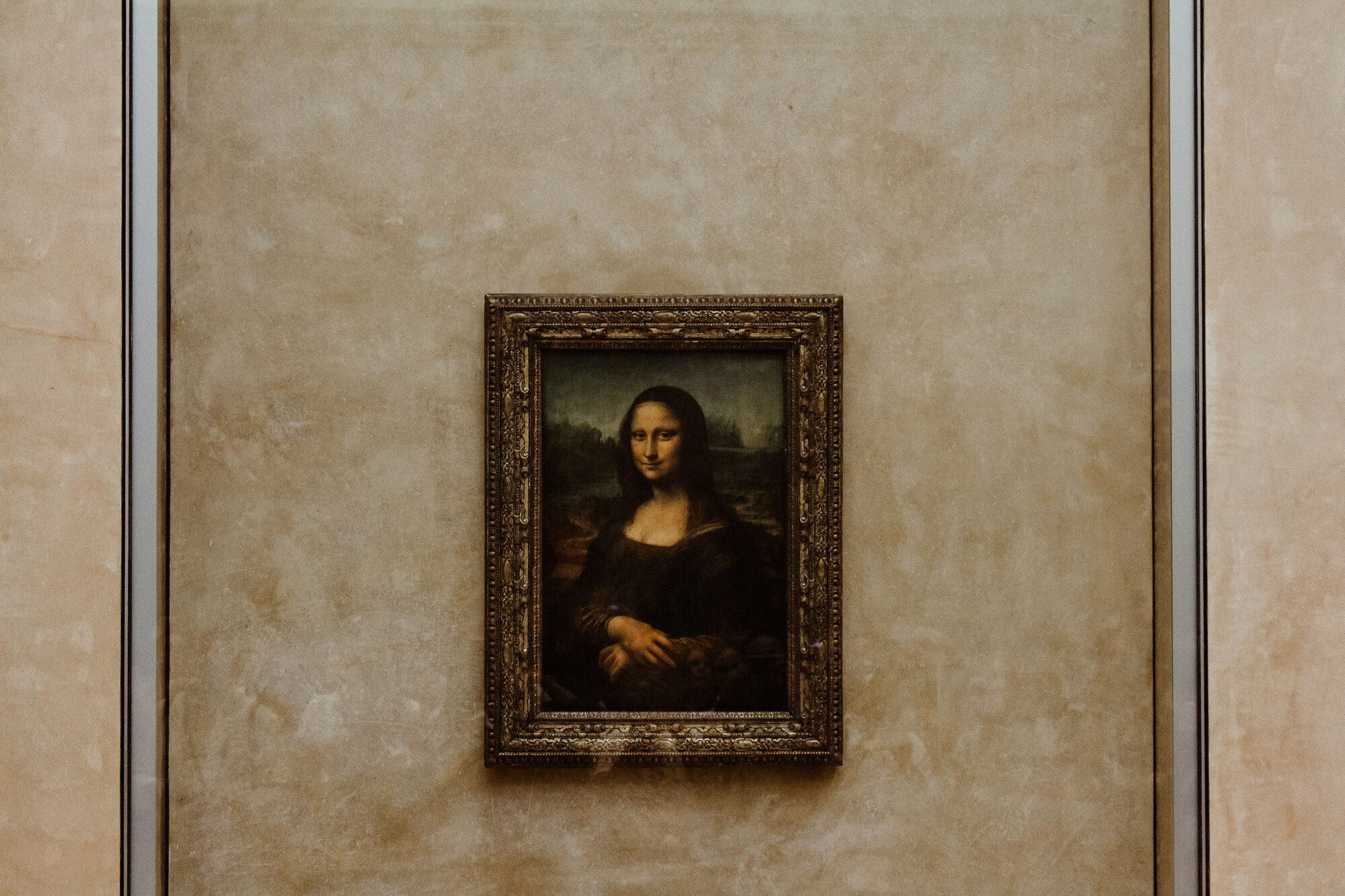
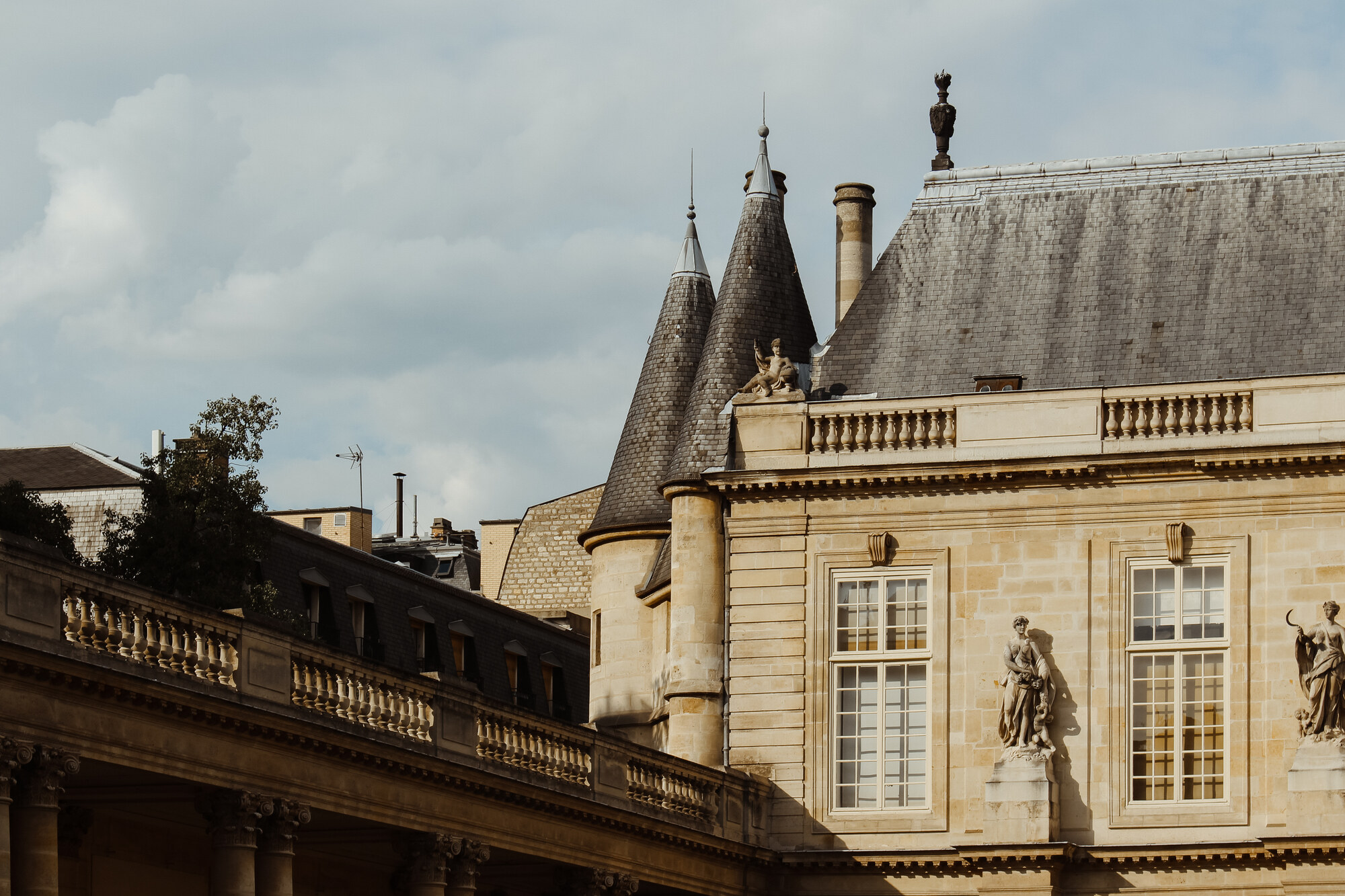
Inside, behind glass, the Mona Lisa holds a room around it the way nothing else in the building does. Outside, a roofline of turrets and chimneys sits against the sky, unremarkable to anyone who lives beneath it.
Permanence is not a single monument. It is the accumulation of things that have simply continued, long enough that continuing becomes their only argument.
Paris is the archive's control case for permanence: the city where the proportions were settled centuries ago and everything since has had to negotiate with them. The study was made in courtyards, arcades and streets rather than at monuments, on the observation that Paris's real achievement is not its landmarks but its refusal to let the ordinary fabric drop below a certain standard.
The photographs attend to that standard: the courtyard whose measurements have not changed in three hundred years, the car that seems parked in perpetuity, stone, ironwork and plane trees maintaining a register the rest of the world's cities visit to study. Paris photographs itself; the study's discipline was choosing the frames where the permanence shows as texture rather than postcard.
In the archive Paris anchors the European chapter alongside the Portuguese and Italian studies, and it supplies the Journal's recurring reference for cities that have stopped auditioning. It also serves the archive's comparative purpose: seen next to Doha or Dubai, the Paris study asks the collection's underlying question, what a city is like when it has finished becoming, and lets the photographs disagree productively about the answer.