Doha at Night
Doha does not quieten at night so much as it changes tone. The towers stay lit. The roads empty. What is left is a city talking mostly to itself, once the day has gone in.
The Corniche in the small hours is a different road from the one at noon. The glass reflects less when there is nothing moving past it. The skyline, which by day reads as ambition, reads at night as something quieter. More considered. More finished.
Not the landmarks. The hour. The interest was never in what these places are by day, but in how they hold themselves when no one is asking anything of them.
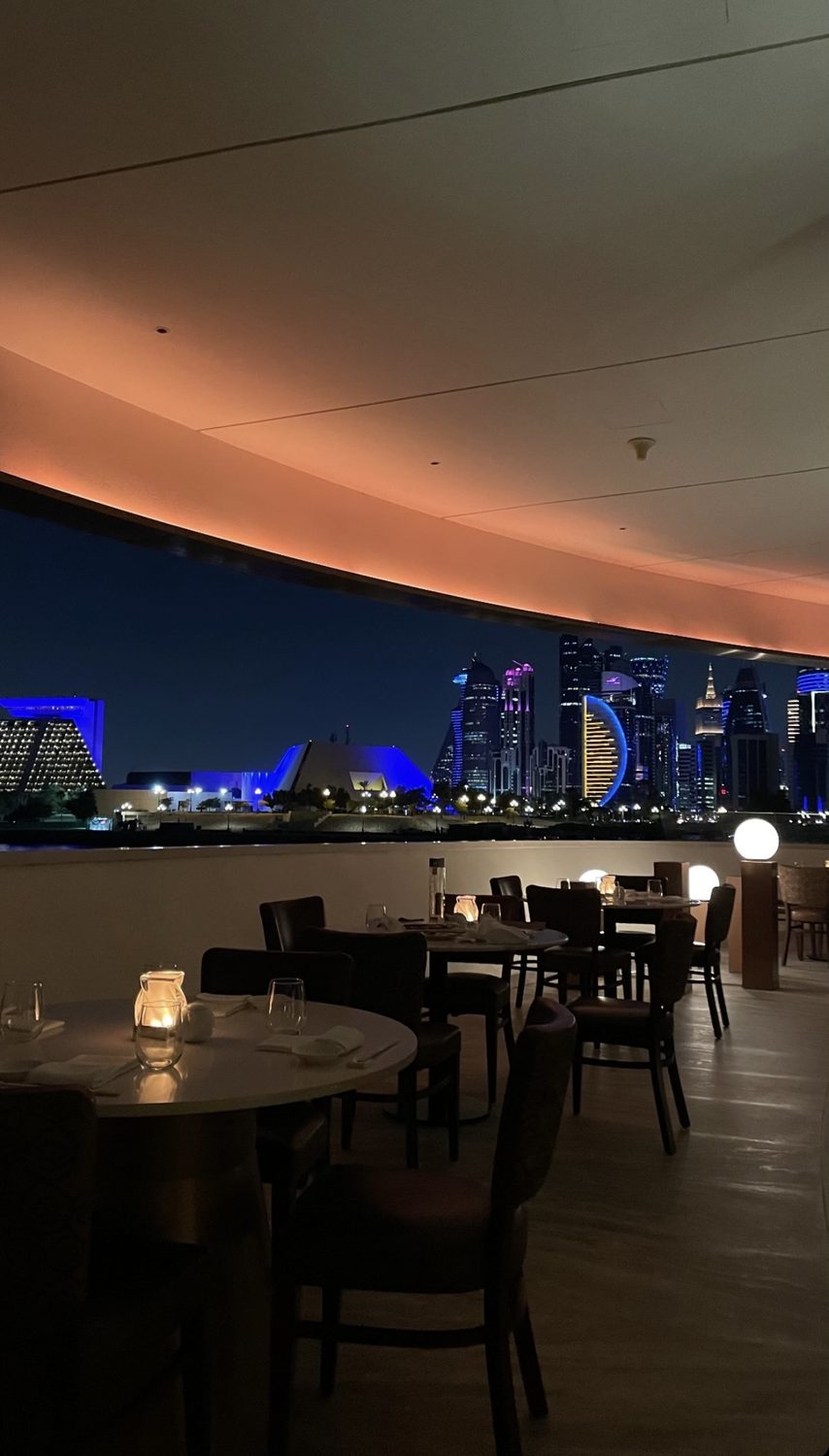
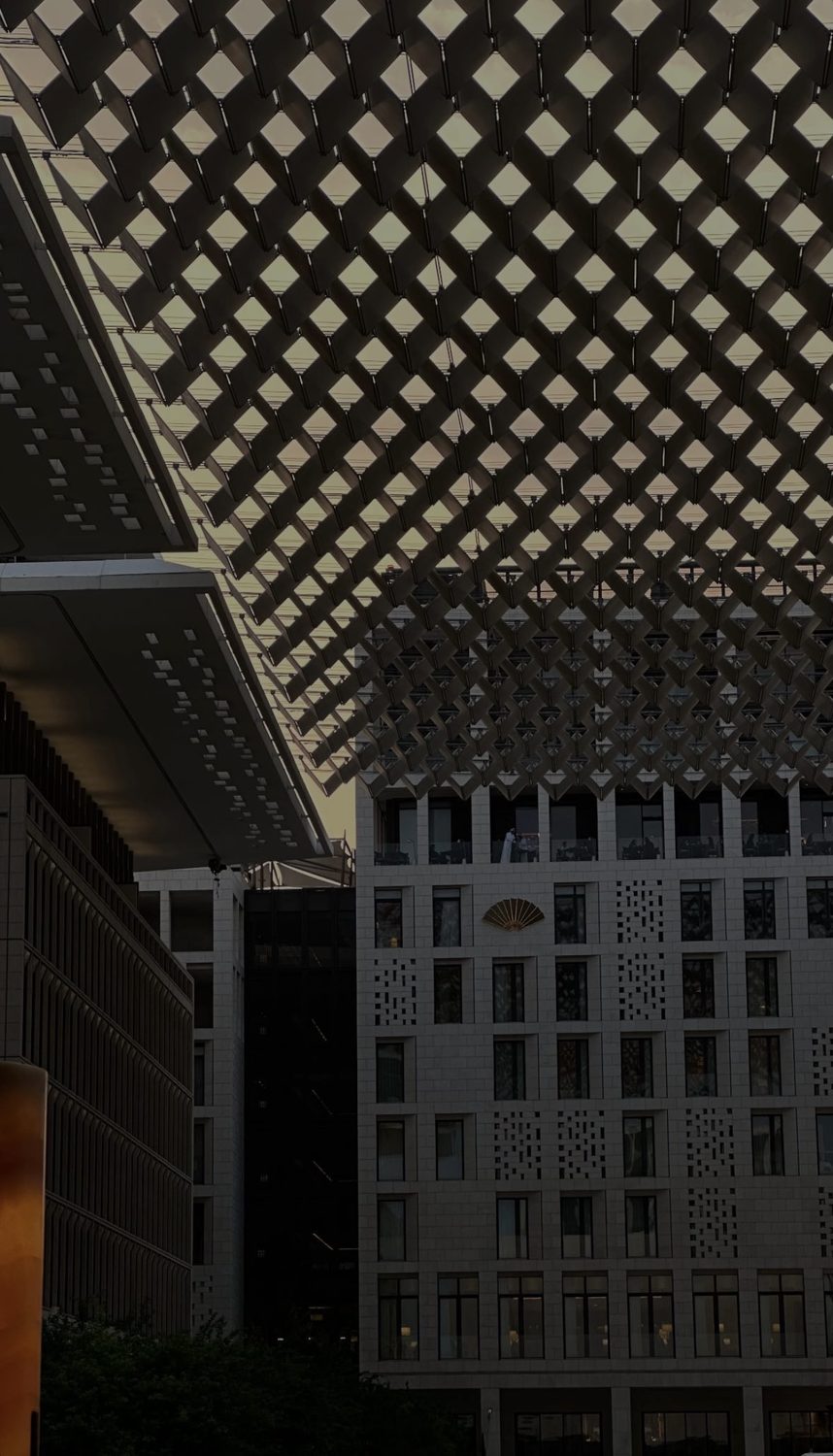
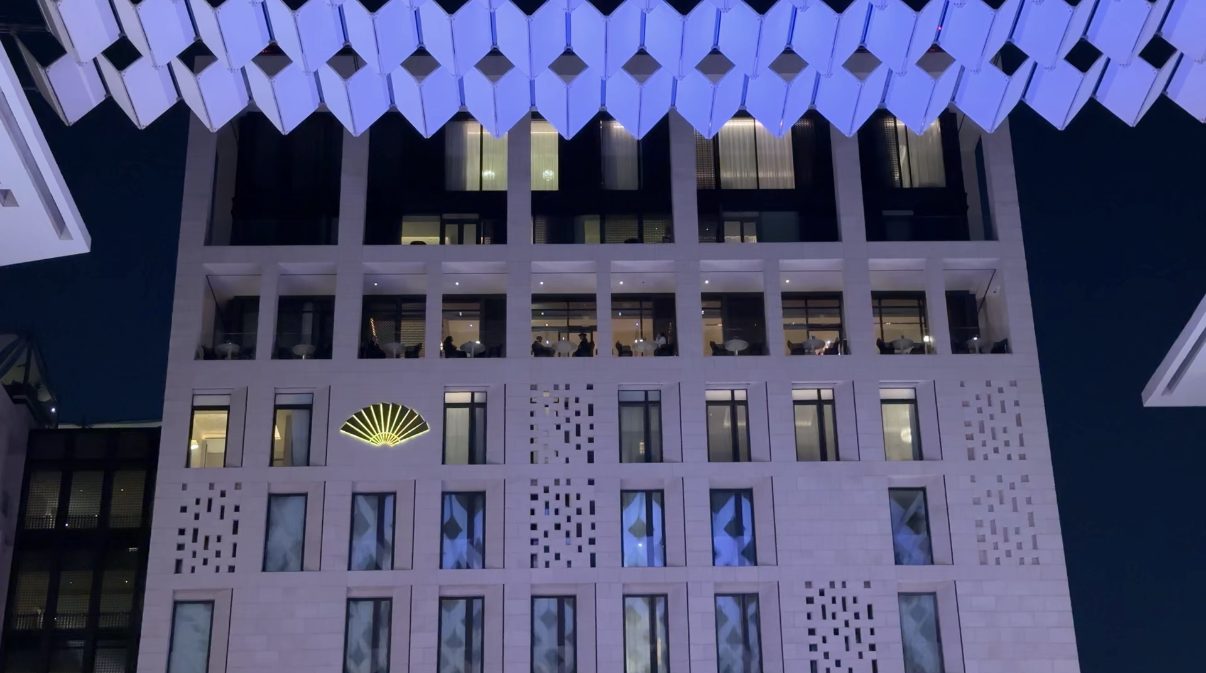
A table overlooking the skyline, set for a dinner that has already ended. A dome lit from within, at a distance. An illuminated facade with no one standing in front of it. Architecture at rest is different from architecture in use, and Doha at rest is different from how it is usually photographed.
Long looks from across the water. A table by a window. A road with no traffic on it. Frames made slowly, in the dark, without hurry.
Long exposure rewards patience and gives back something the eye alone cannot hold: the stillness underneath movement, the glow that builds in glass and water when given time. The city at these hours is generous to a slow lens.
A city is most itself when no one is watching. Doha after midnight is not the city that appears in most photographs of it. It is calmer, and in some ways more legible. The ambition is still there. It is simply easier to read.
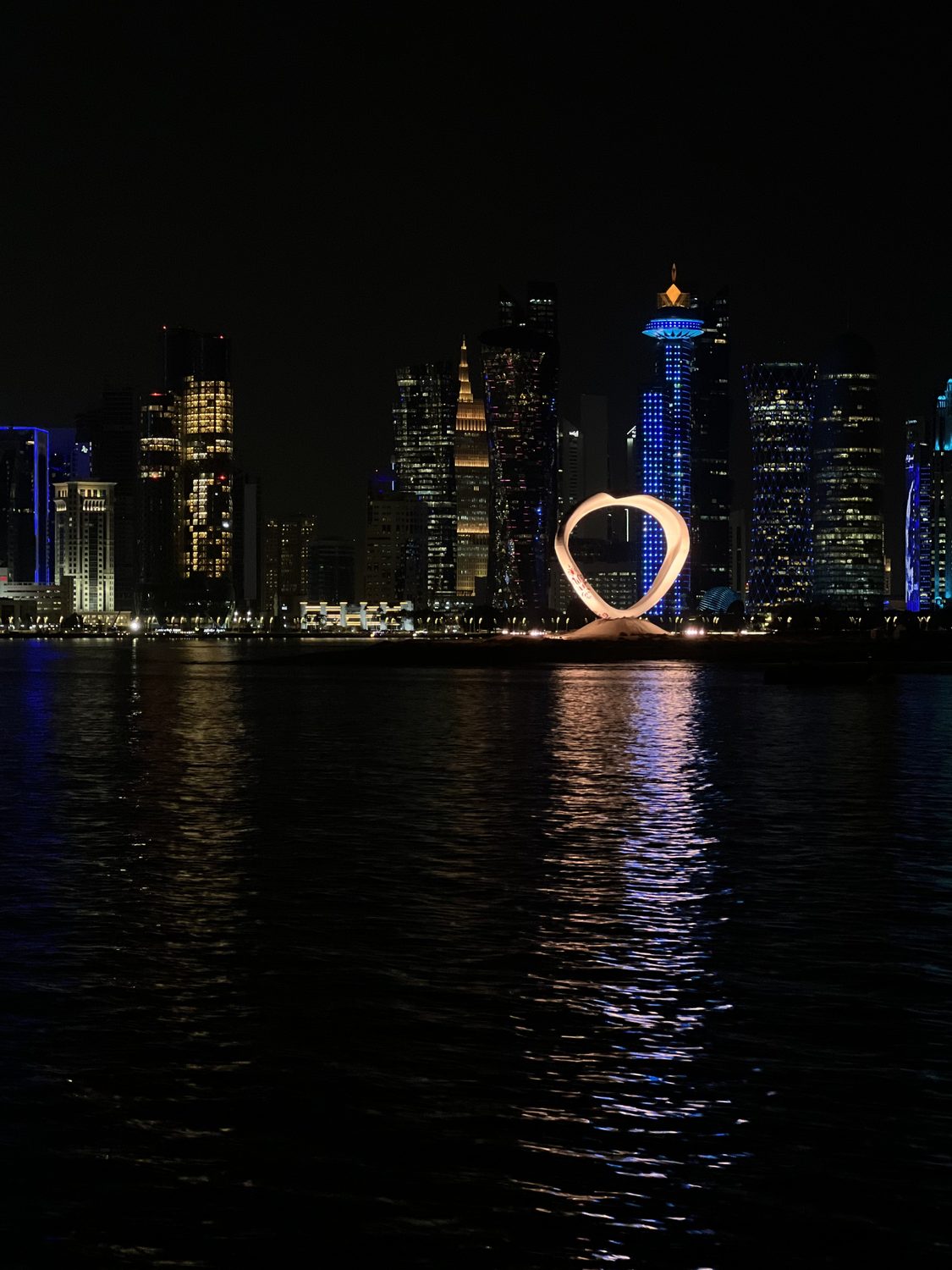
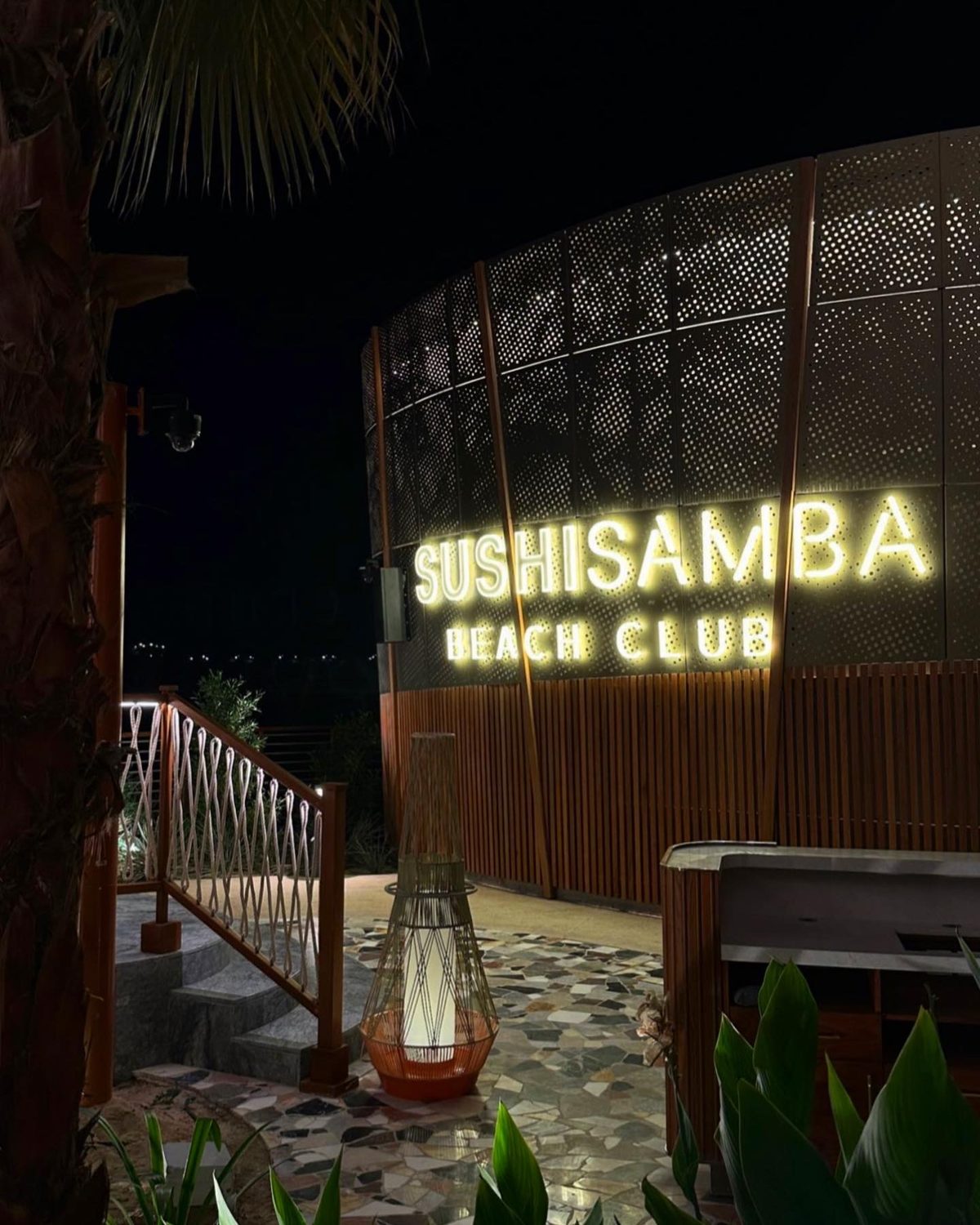
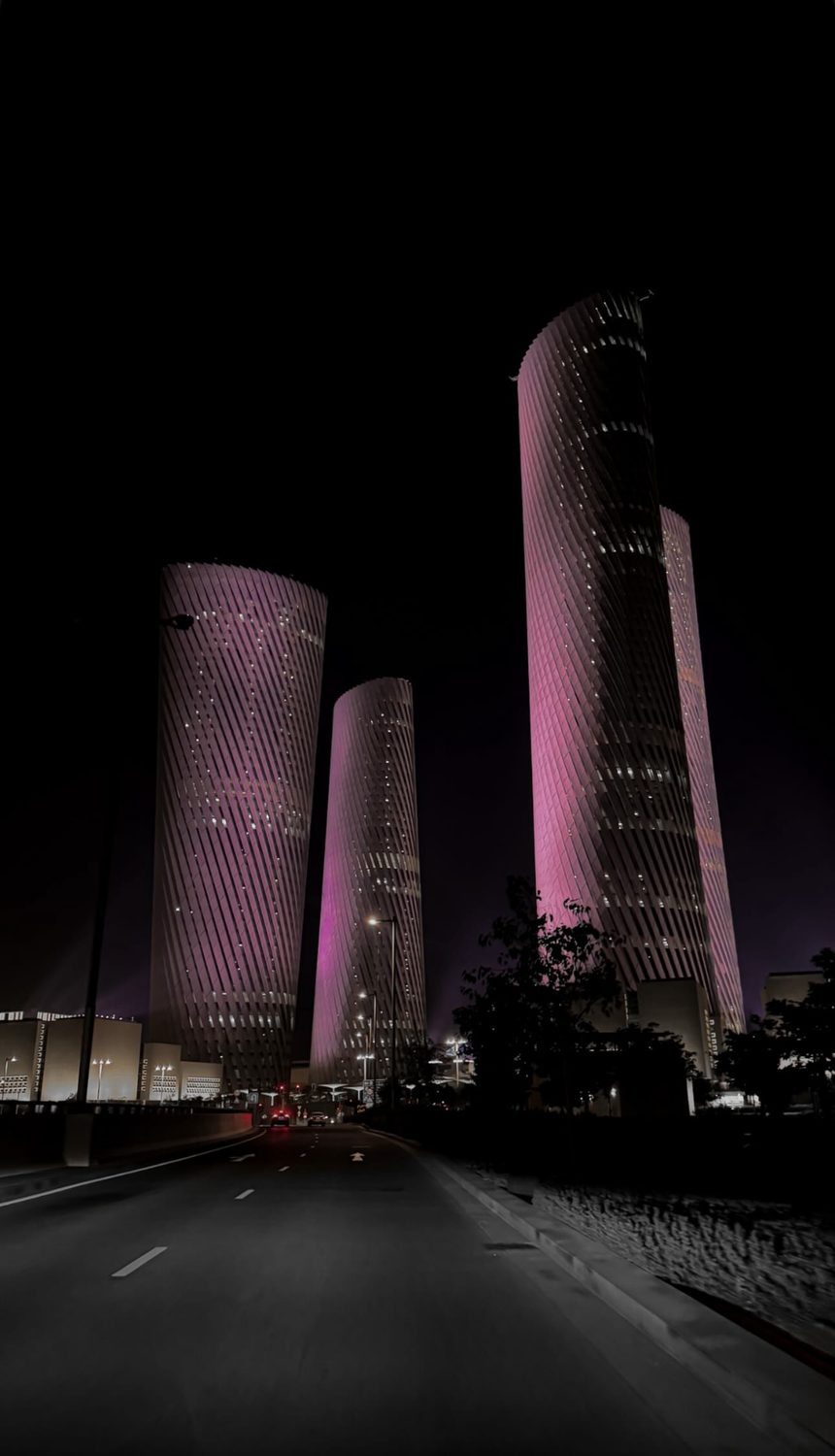
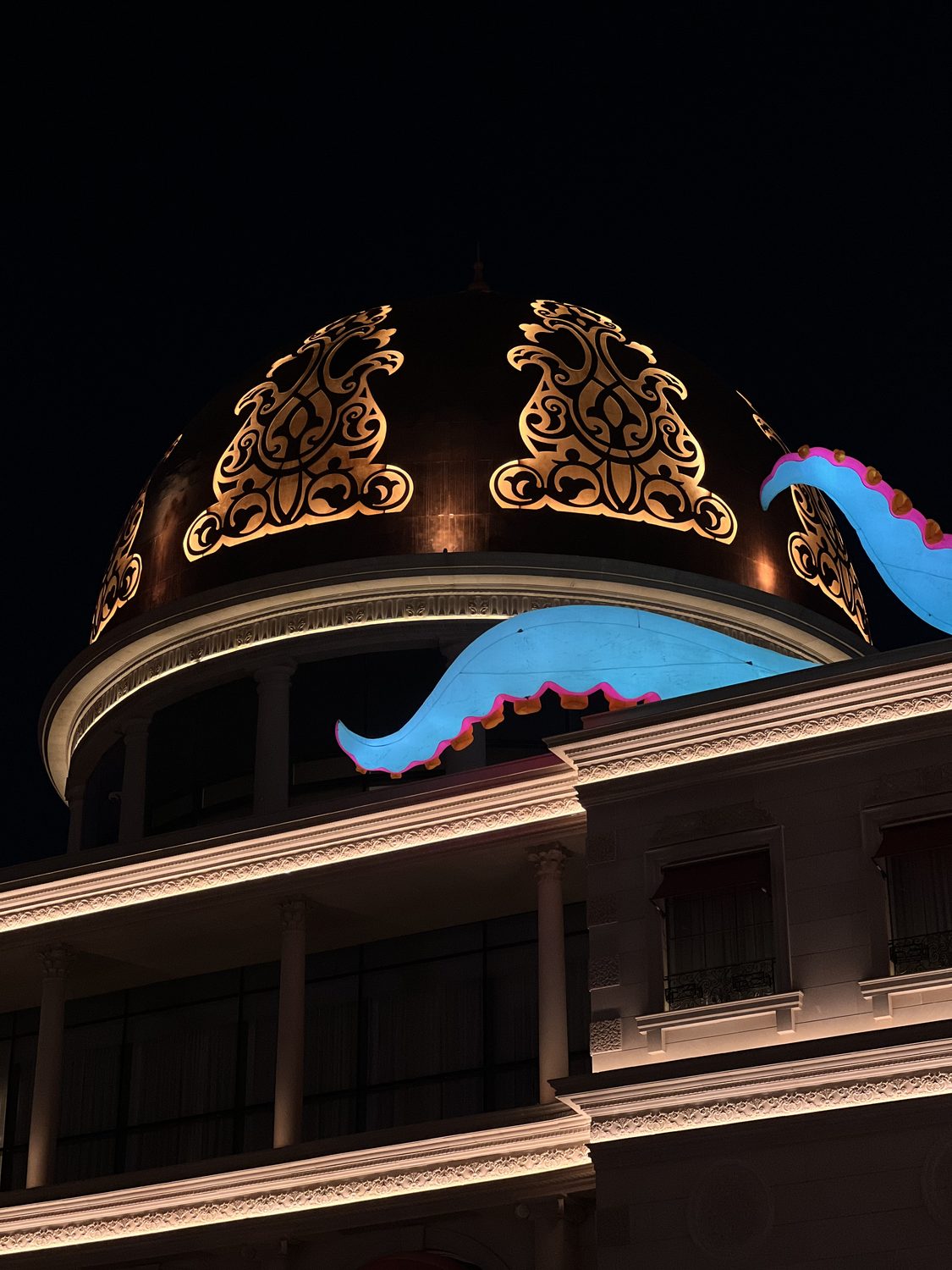
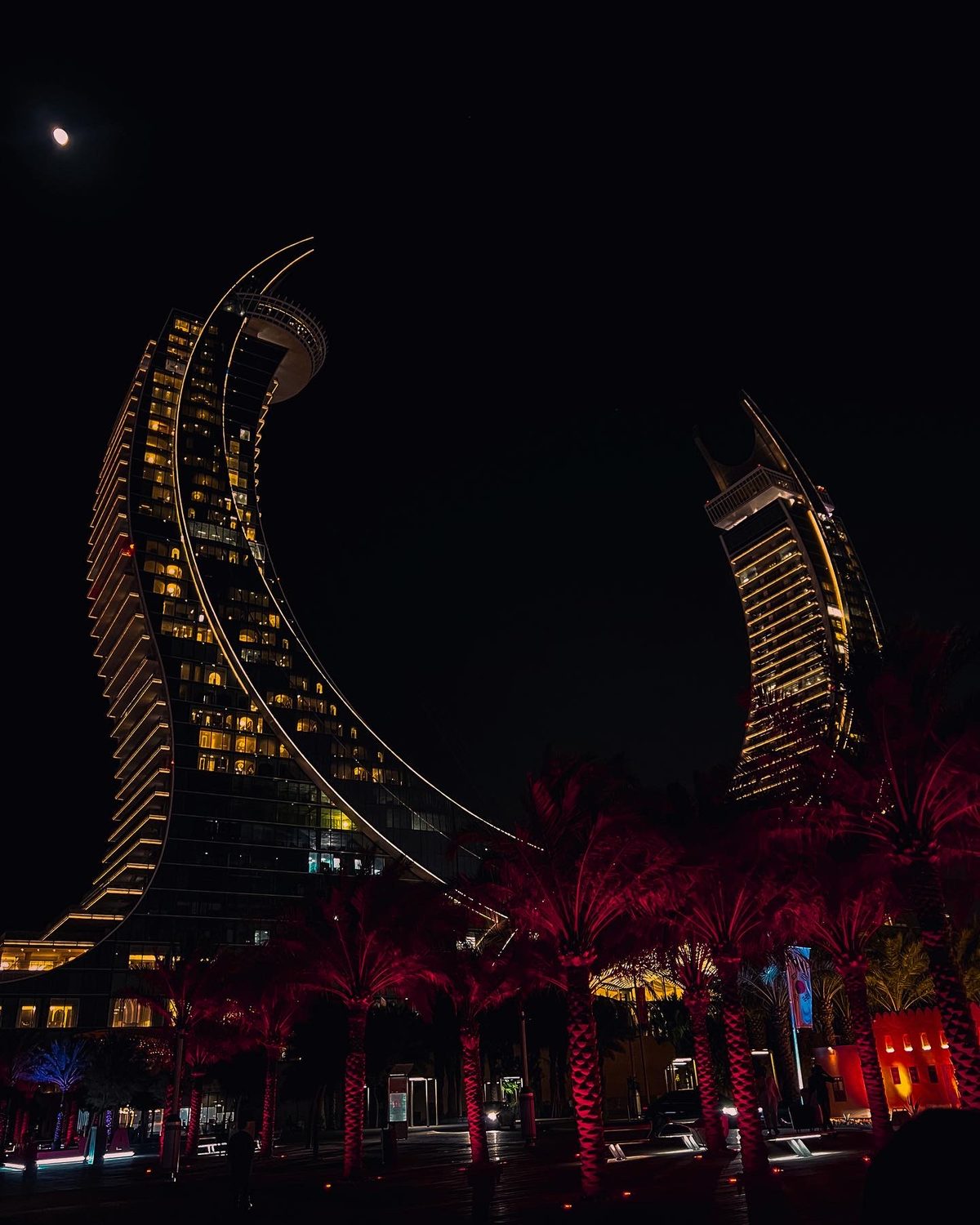
Doha does not quieten at night; it changes tone. The study was made after midnight along the Corniche and through West Bay, when the towers keep their light but lose their audience, and the city conducts itself for nobody: illuminated, emptied, talking mostly to itself across still water.
The photographs concern the Gulf city's nocturnal honesty. Daytime Doha manages its impression; after midnight the architecture stands unattended, reflections doubling in the bay, roads running their signals for absent traffic. Night photography here is less about darkness than about excess light with no witnesses, and the study works that surplus, the lit city as a performance that continues after the theatre empties.
In the archive the study supplies the Doha chapter's after-hours register and will anchor the night section of the planned Doha publication. It also carries a Journal lineage, the essays on empty corridors and rooms at night extend its premise from buildings to a whole capital: what a place does when it believes no one is looking is the truest thing about it.