Raffles, Singapore
Some hotels are destinations. Others become landmarks. Raffles has watched Singapore change around it for more than a century while seeming to keep its own time inside the white walls.
The city has risen around it. Glass towers, elevated highways, new districts built out into the bay. And Raffles sits at the centre of all that change, white and unhurried, occupying a scale that is no longer the city's dominant register but feels, if anything, more correct for it.
Not the history. The continuity. What holds the eye is not the age of the place but everything in it that has refused to move: the architecture, the courtyards, the rituals of service carried on exactly as before.
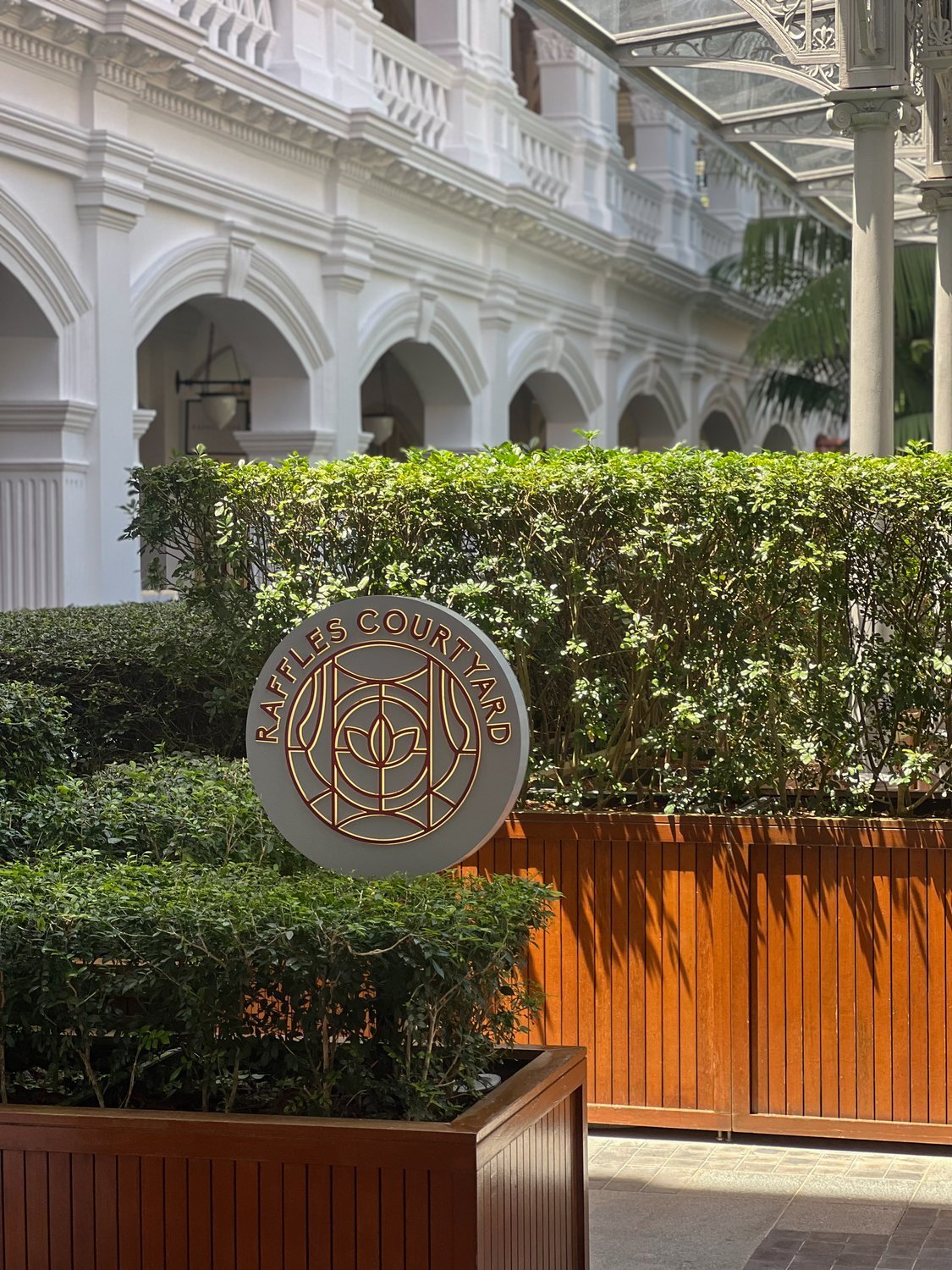
The colonnades repeat at the same rhythm. The palms in the inner garden are older than most of the guests who pass beneath them. The staff move at the pace the building sets, which is slower than the city outside and feels right for it.
Photographed slowly through the colonnades and gardens, in the quiet between guests. The frames that stayed were the still ones, where the building seemed to be keeping its own counsel.
There is a quality of light in the inner courtyards at certain hours, when the sun clears the roofline and reaches the stone below, that has looked the same for as long as the building has stood. The building is indifferent to the decade. That indifference is the thing worth photographing.
Some places do not pass through time. They sit inside it. The lobby does not feel like a museum and it does not feel like a hotel trying to remember what it once was. It feels, simply, like itself.
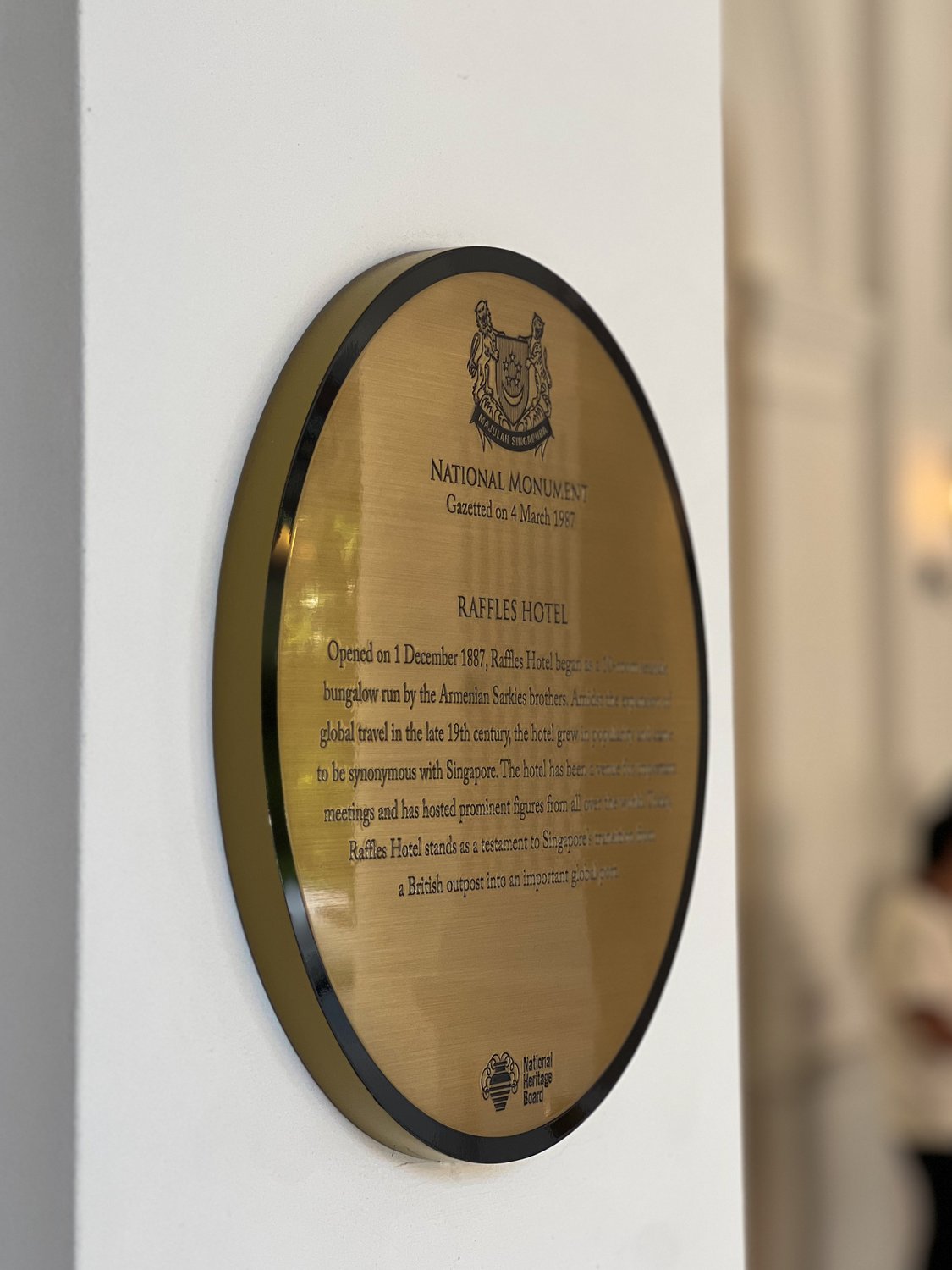
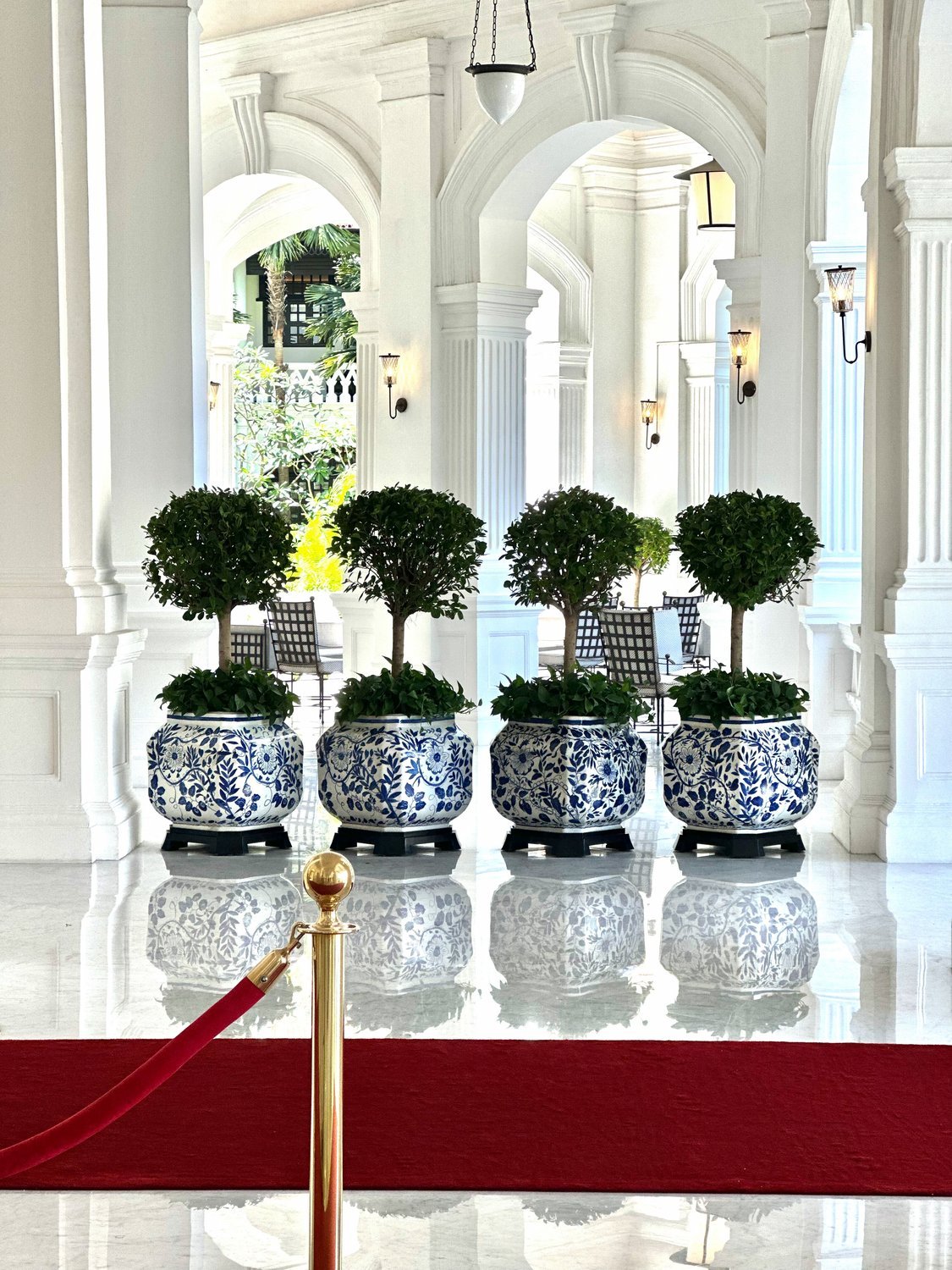
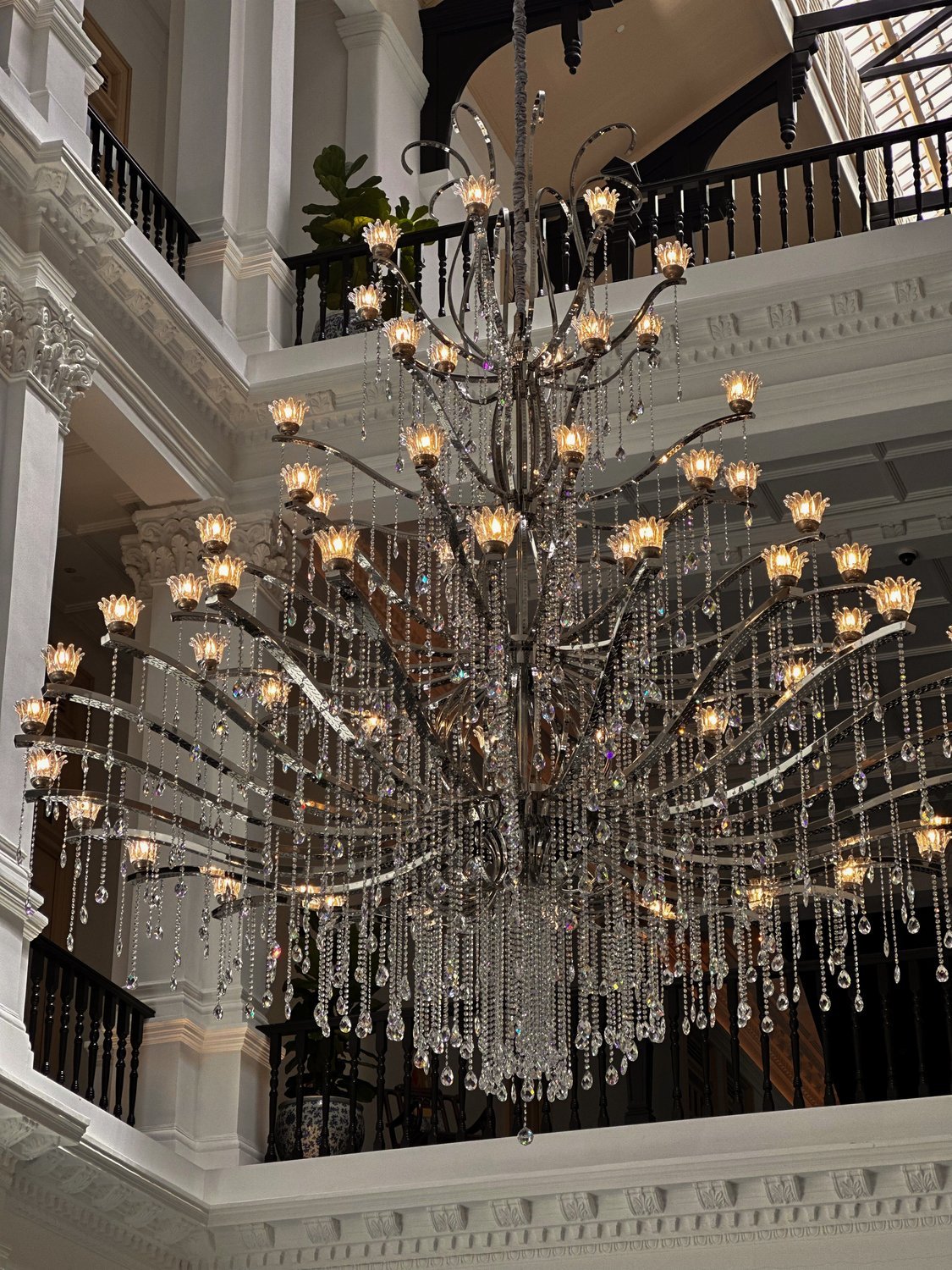
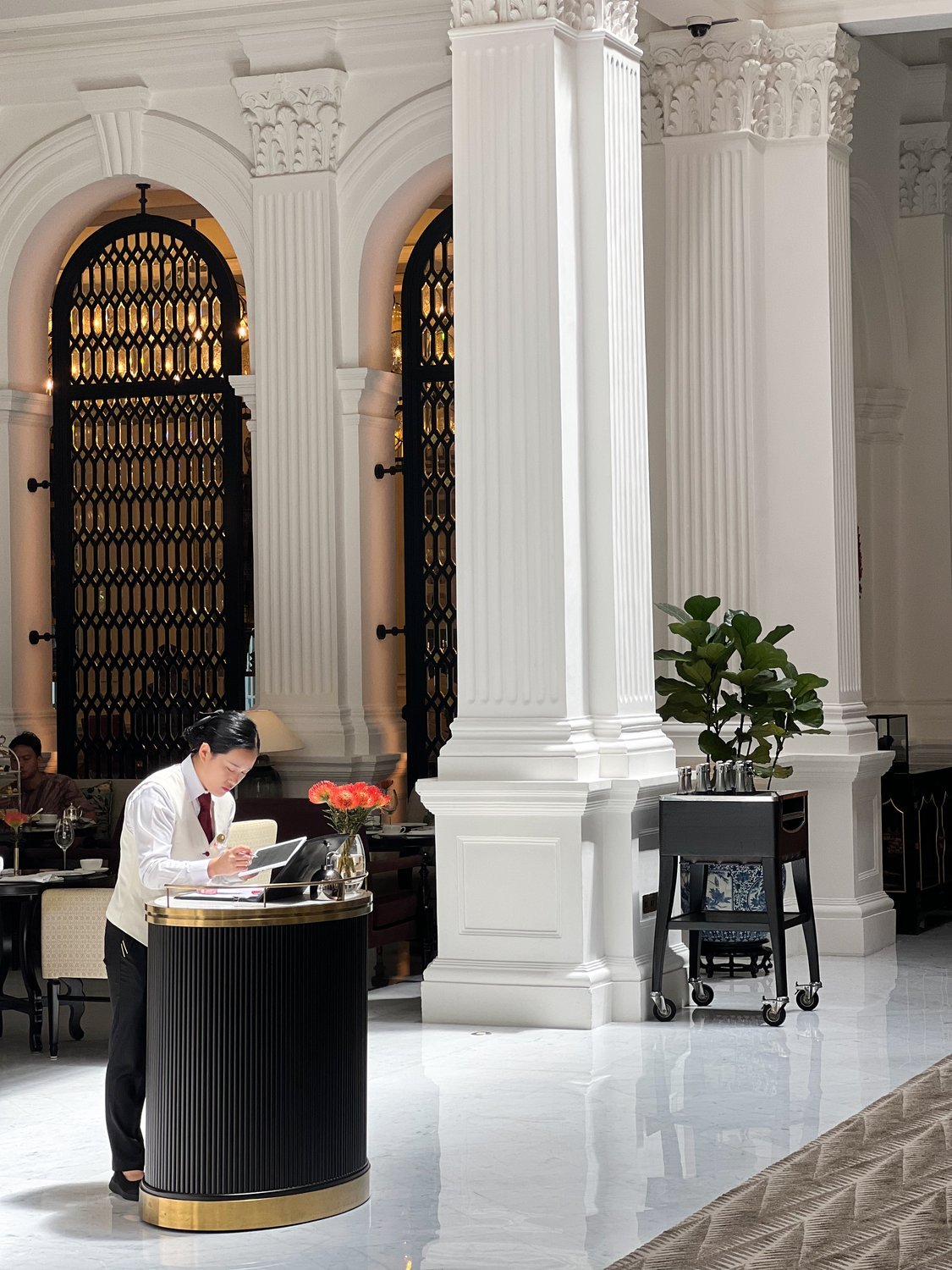
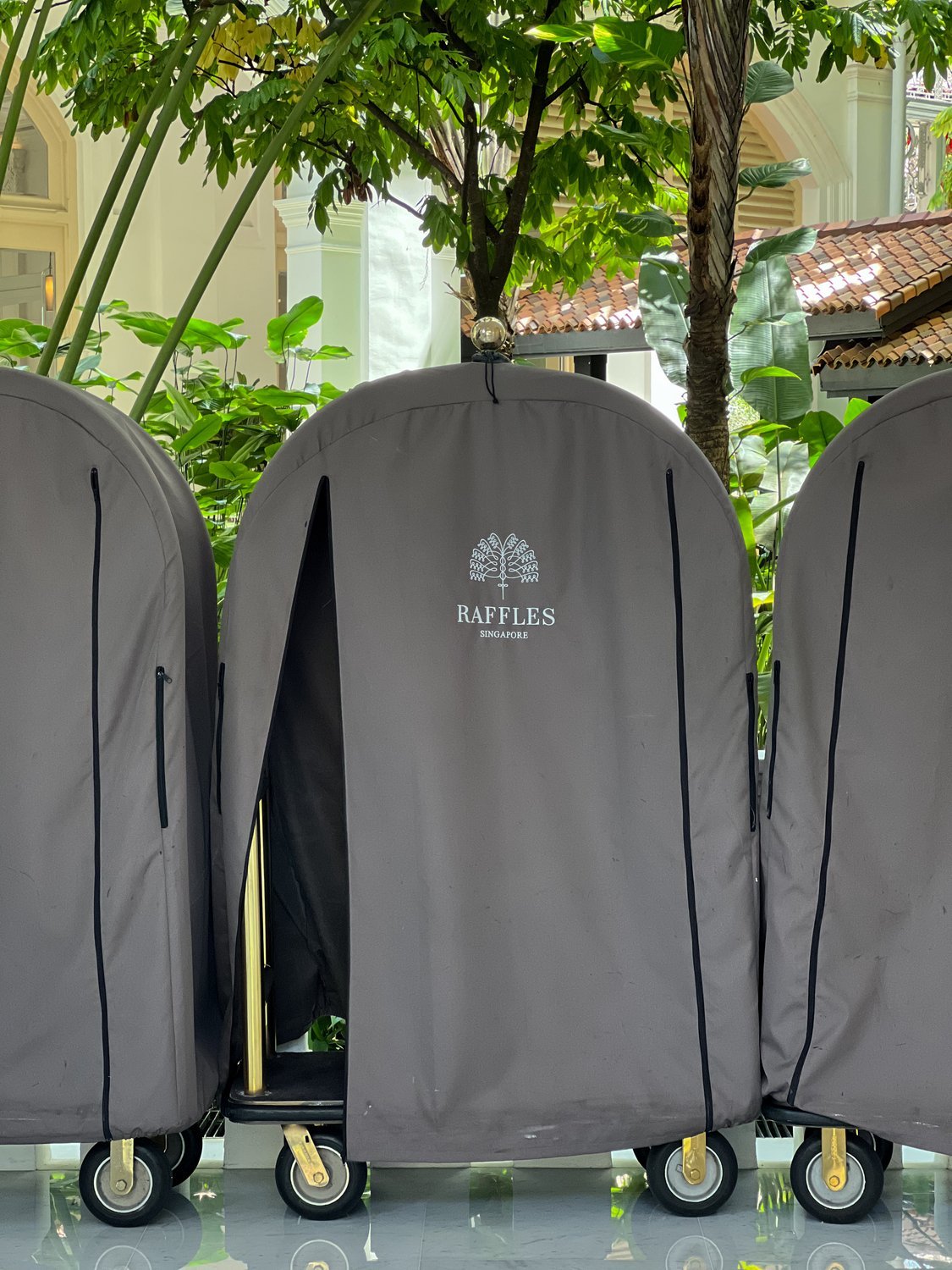
Raffles Singapore is the durable original of a name that now travels the world, and it holds a status very few hotels anywhere have reached: a national monument that still takes guests. Opened in 1887 by the Sarkies brothers and named for the founder of modern Singapore, it has been written into the city's story by Maugham, Coward and a century of arrivals, closed twice for restorations that were debated like public works, and returned each time whiter and more certain of itself. The most recent restoration finished in 2019 and had the good sense to change as little as possible of what matters: the courtyards, the verandahs, the doormen, the pace.
The study was made as a guest, in the spirit the building rewards: slowly, on foot, mostly in the courtyards and colonnades where the hotel's real architecture of shade and stillness does its work. The photographs avoid the famous set pieces where possible and look instead at the material facts that make the atmosphere: the white paint layered over a century of white paint, the deep verandah shadows, the palms held in frames of columns, the plaque by the door that reads like an understatement.
Within the archive, Raffles Singapore anchors an idea the studio returns to constantly: permanence as a hospitality strategy. Most of the properties in this collection are new and managing their newness. Raffles is the control case, the building that has already survived every trend it will ever be offered, and the study exists to record what that certainty looks like at the level of a corridor, a shutter, a shadow on white.