Palms
Gewan Island wakes slowly. The light arrives before the noise. Much of Doha is built on scale. The island is built on calm.
The water sits close on all sides. The city is out there, visible on a clear morning, but it does not press. The distance is enough to change the quality of the air.
Palms sits at the quiet edge of it. Pale stone, water, a colonnade of real and remembered palms. A place shaped around the pause before a day begins.
The architecture does not demand anything of you. The ceiling height, the materials, the movement of light across travertine at this hour: all of it is calibrated toward ease rather than impression.
Light moves across travertine and timber. A single palm rises through the room. The coffee, when it comes, is part of the morning rather than the reason for it.
Service here does not announce itself. It arrives, and then retreats. The table is set and then left alone. In a city that often confuses activity with hospitality, this is its own form of generosity.
Luxury is not always found in scale. Sometimes it is found in stillness. What Gewan offers is the rarer thing: a morning with no particular urgency attached to it.
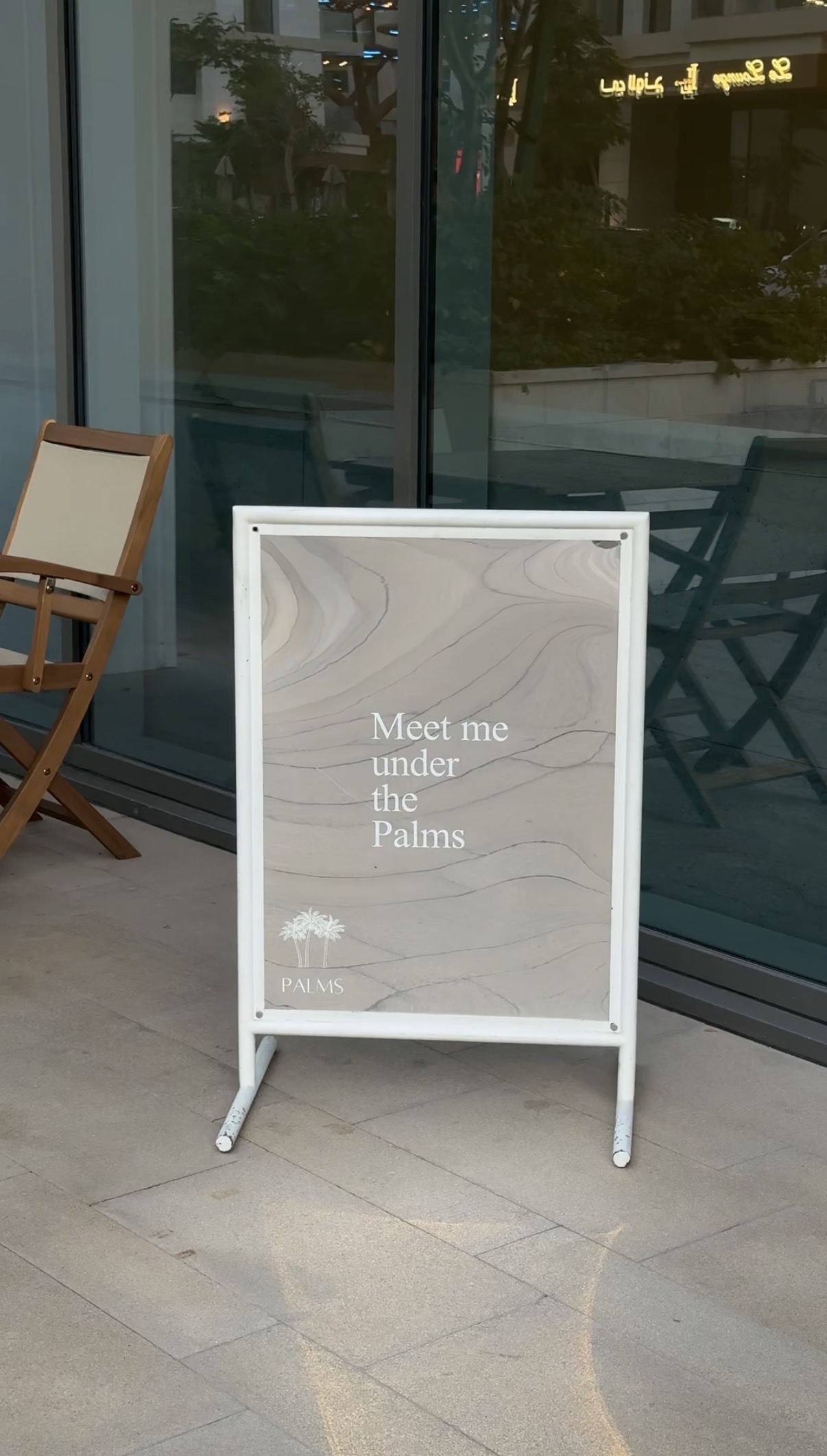
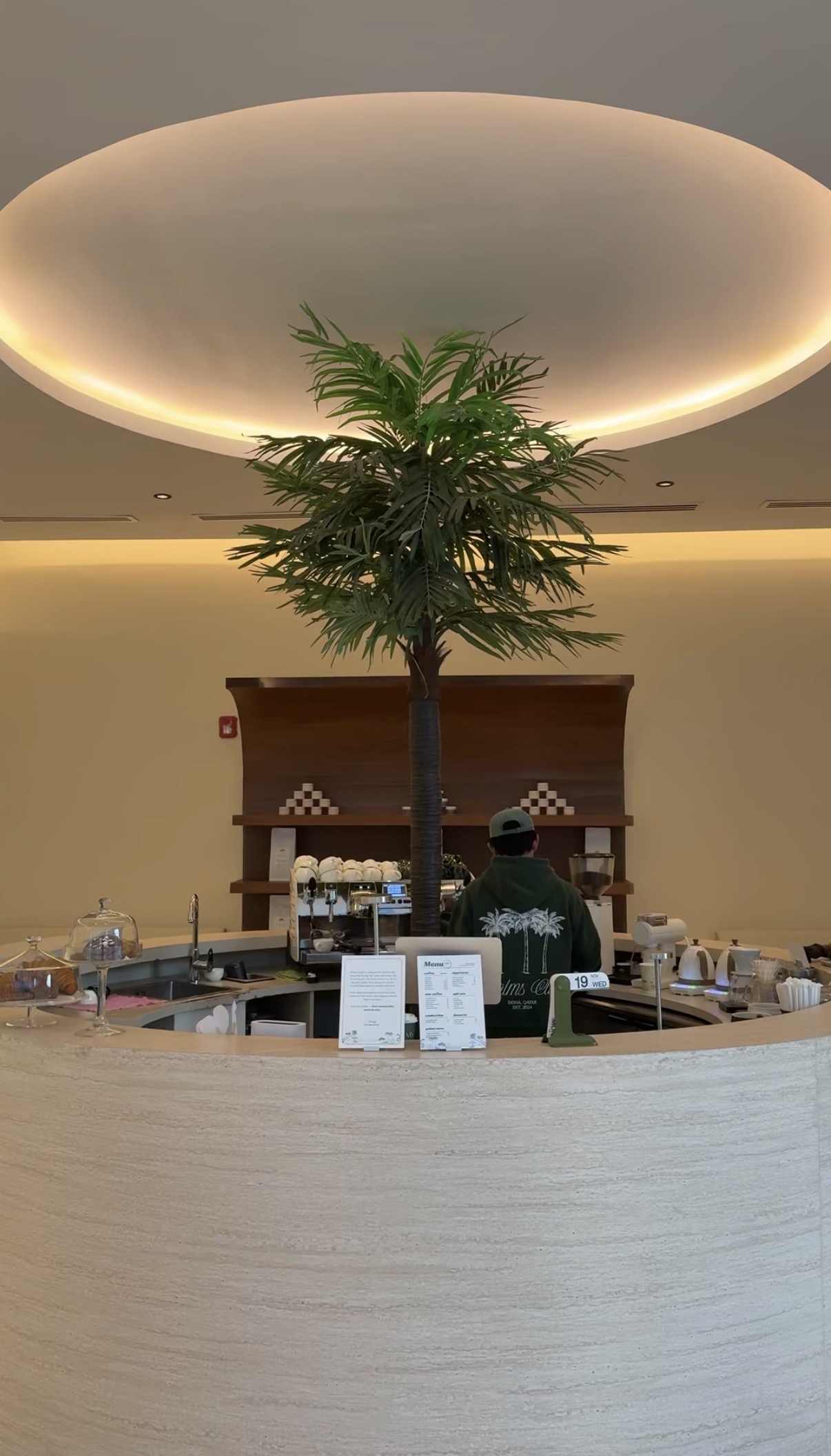
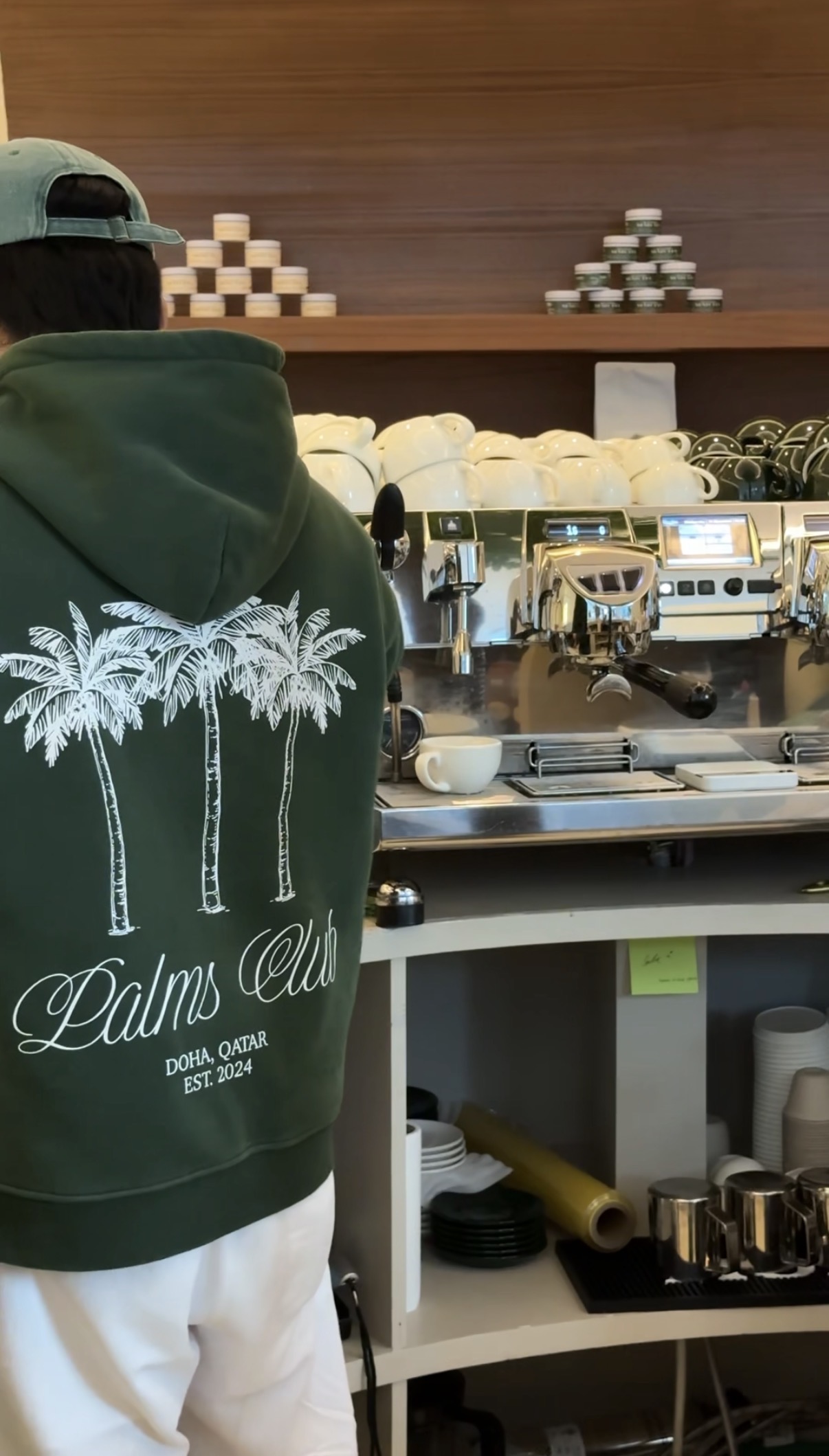


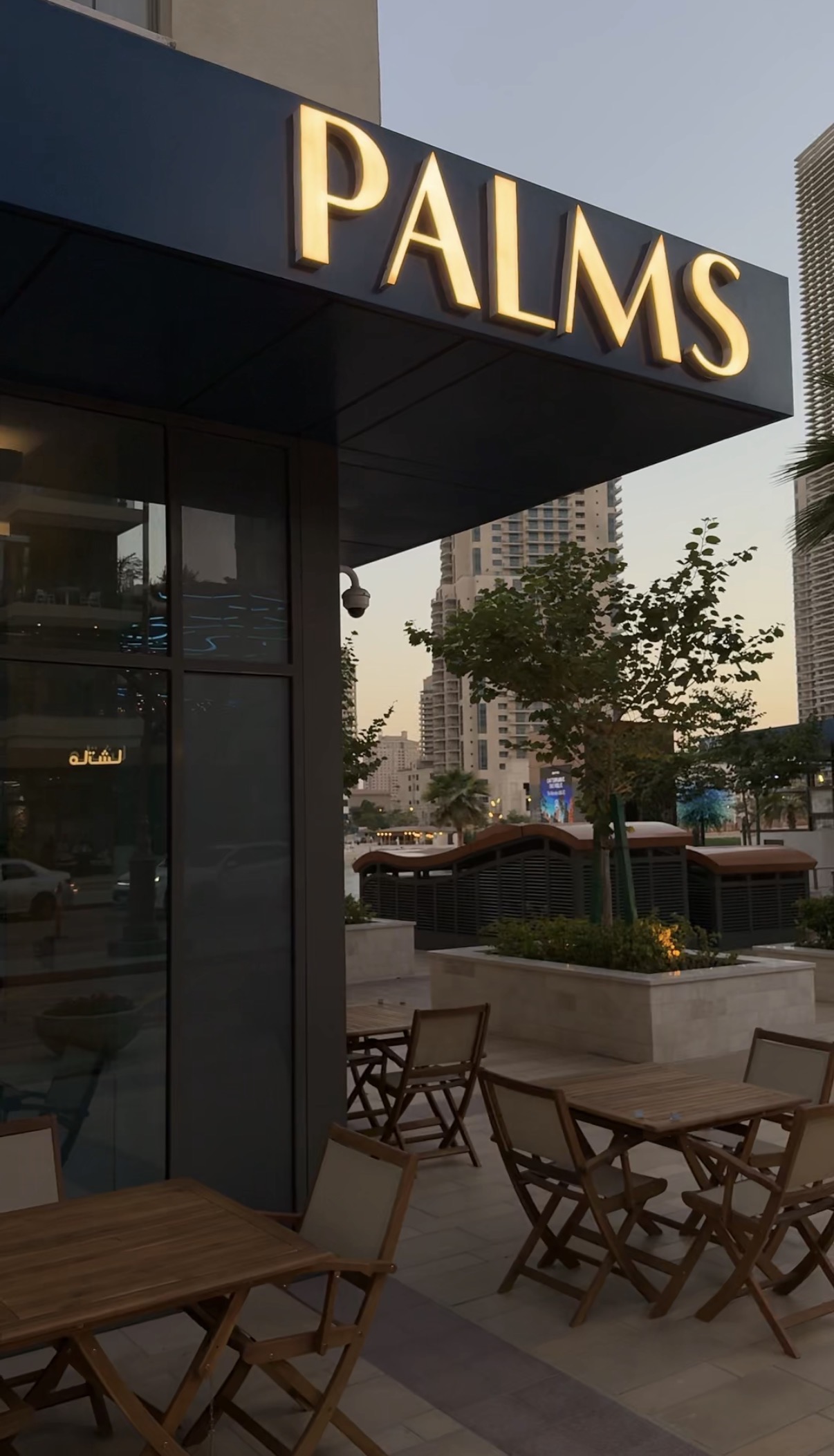
Gewan Island is one of Doha's newest addresses, a small crescent of reclaimed land beside The Pearl, master-planned around a proposition rare in the Gulf: lowness. Where the city across the water builds for skyline, the island builds for shade, water and walking pace, and Palms, the café at its quiet edge, distils the idea to a single room and its colonnade. The study was made in the first hours of a weekday morning, before the island had fully woken, when the light was still arriving ahead of the noise.
The photographs concern the quality Doha is least known for and increasingly good at: calm as a designed condition. Pale stone, close water, palms both real and rendered in the colonnade's rhythm, tables set for a service that had not started. The city is present in the frames only as a distant skyline, which is the island's entire argument, near enough to see, far enough not to press.
Within the archive the study pairs with Al Mourjan and EARTH as the Doha chapter's quiet wing, evidence that the city's hospitality is developing an idiom beyond scale. It also carries a practical lesson the studio offers commissioning clients often: the most persuasive photographs of a new development are rarely of its buildings. They are of its mornings, and a morning can only be photographed by someone willing to be there before it.