Six essays on the people the archive does photograph, and the faces it still refuses. The figure cut down to a hand, the back that never turns, the person present only as a shadow, the crowd in which no single face matters, the pilgrim erased to a silhouette, and one figure walking away, kept anonymous on purpose.
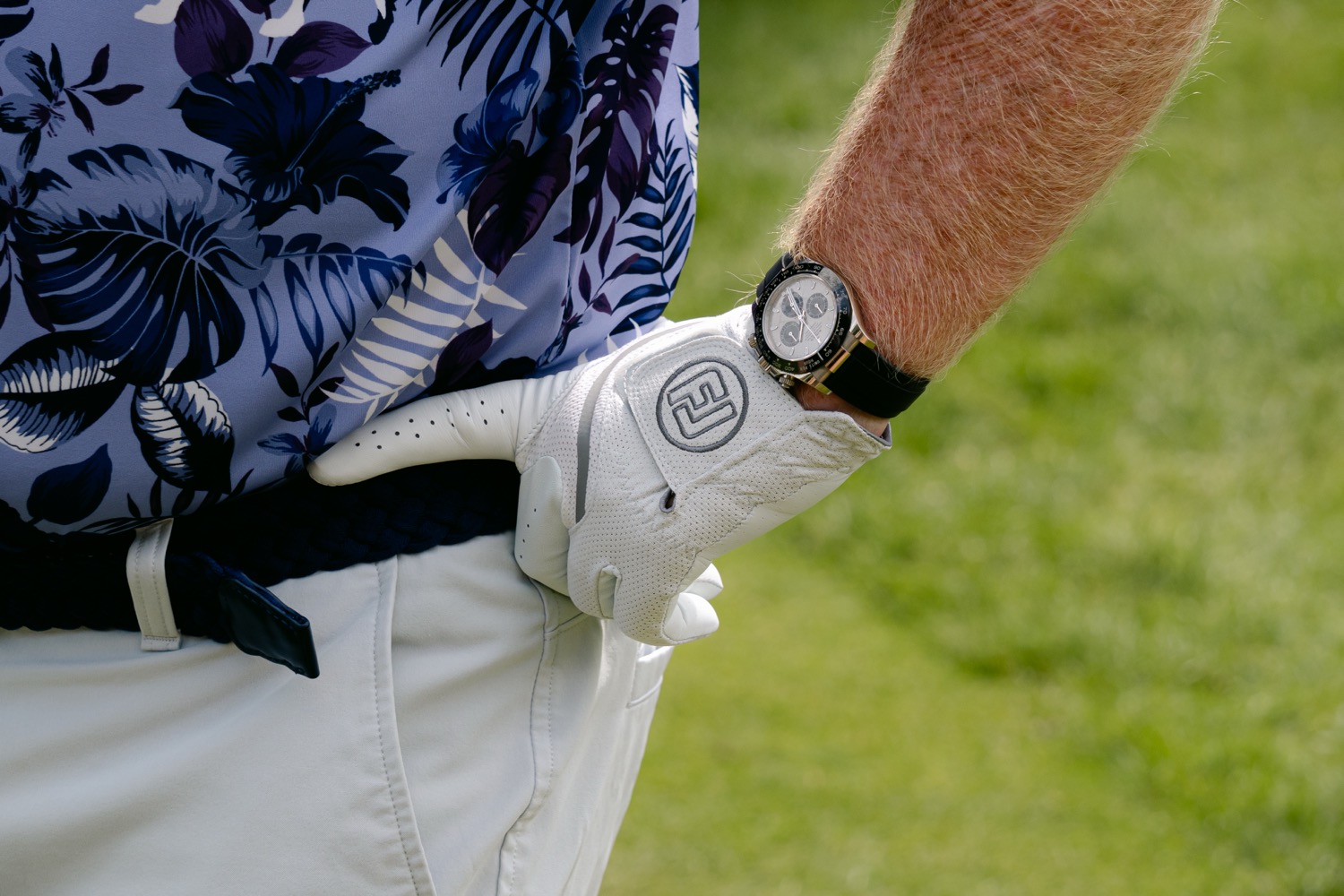
The Cropped Figure
A wrist, a glove, a watch, and no face. The archive photographs people as fragments, and the fragment is about the day.
Read essay →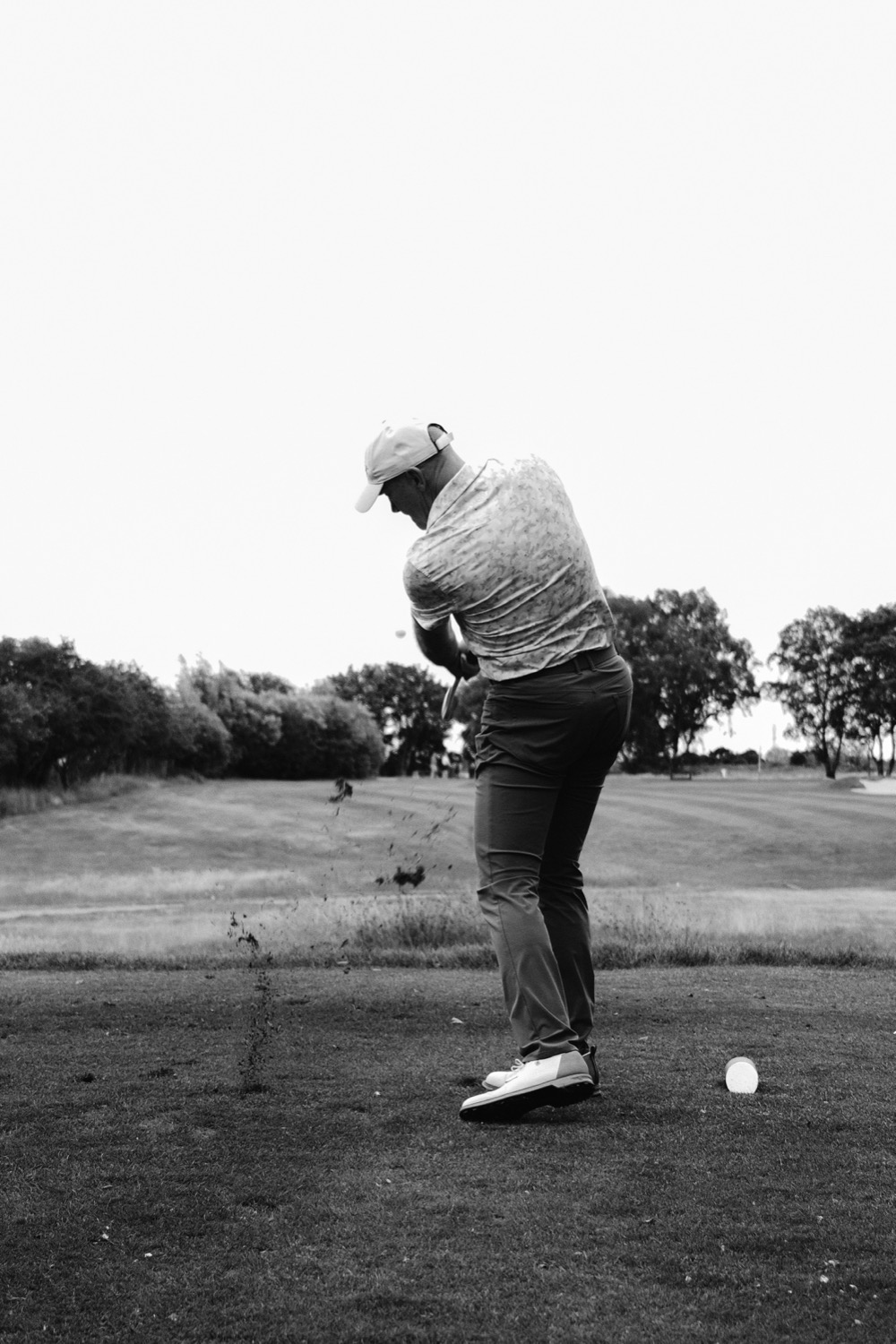
The Back Turned
His back is to the camera at the top of the swing. The oldest way to include a person without making the photograph about them.
Read essay →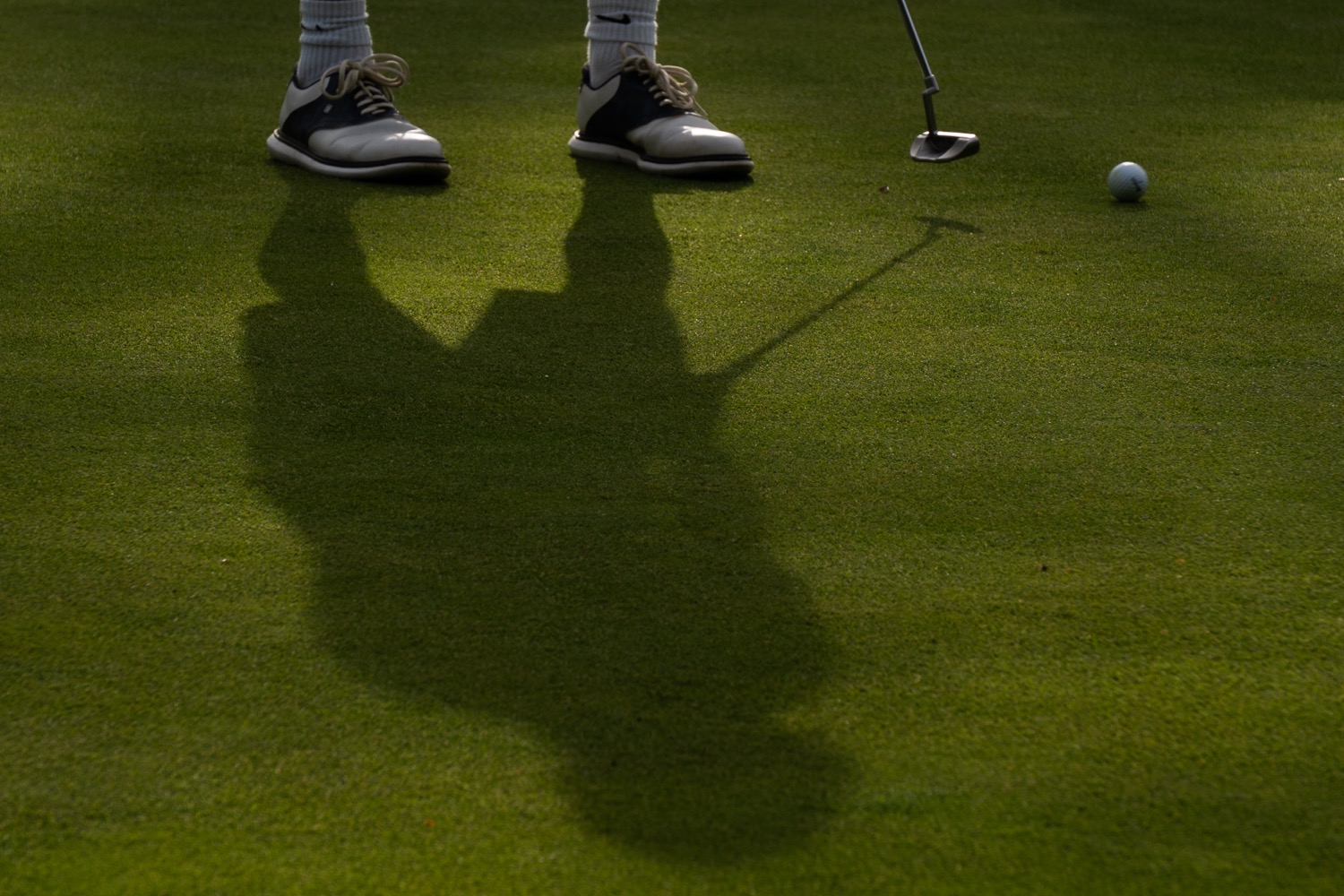
The Shadow
The man is barely in the picture. Everything of him is a shadow thrown long across the green, and it is enough.
Read essay →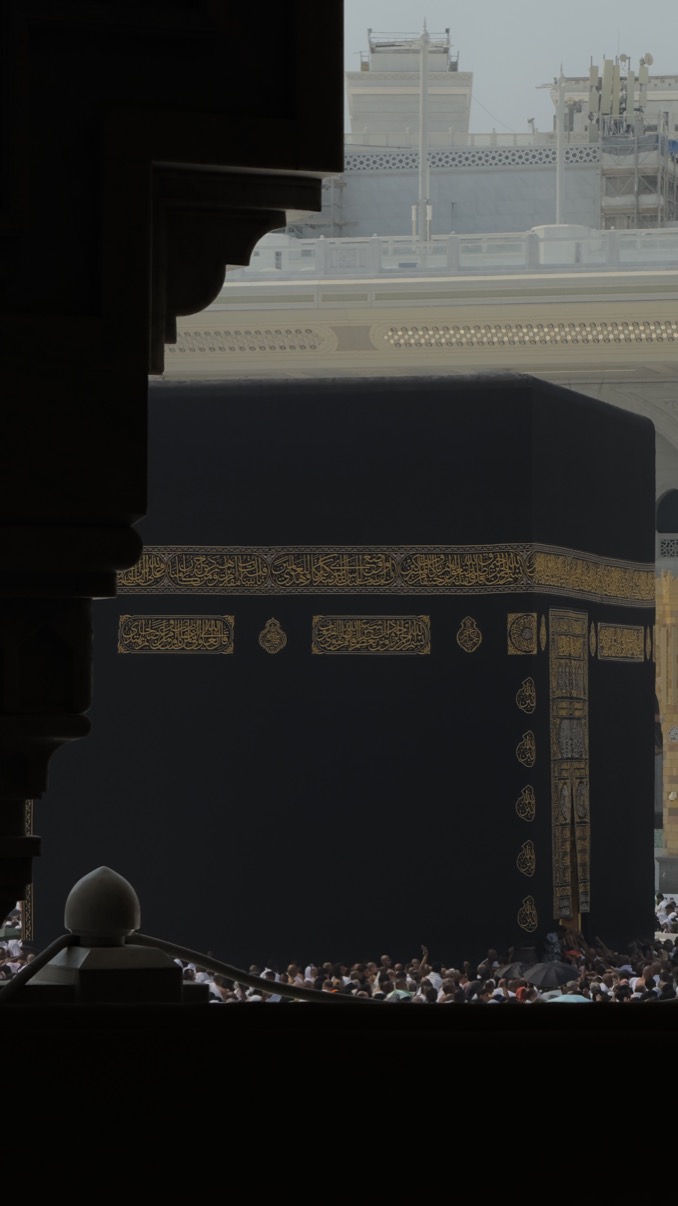
The Crowd Has No Face
Thousands at the foot of the Kaaba, and not one face is legible. The crowd is the opposite of the portrait.
Read essay →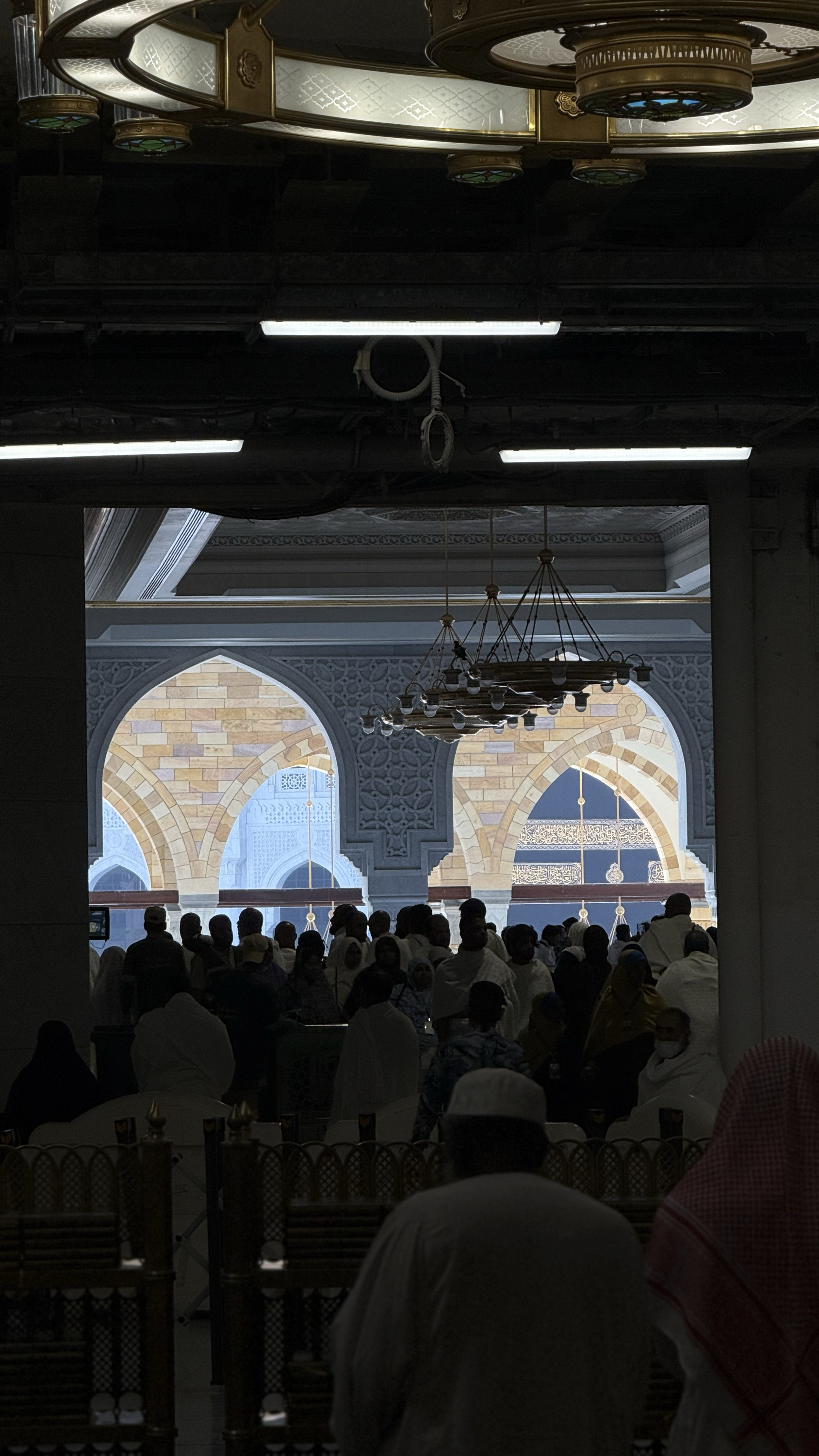
The Silhouette
Backlight takes the faces cleanly away. Where the crowd removes the face by number, the silhouette removes it by light.
Read essay →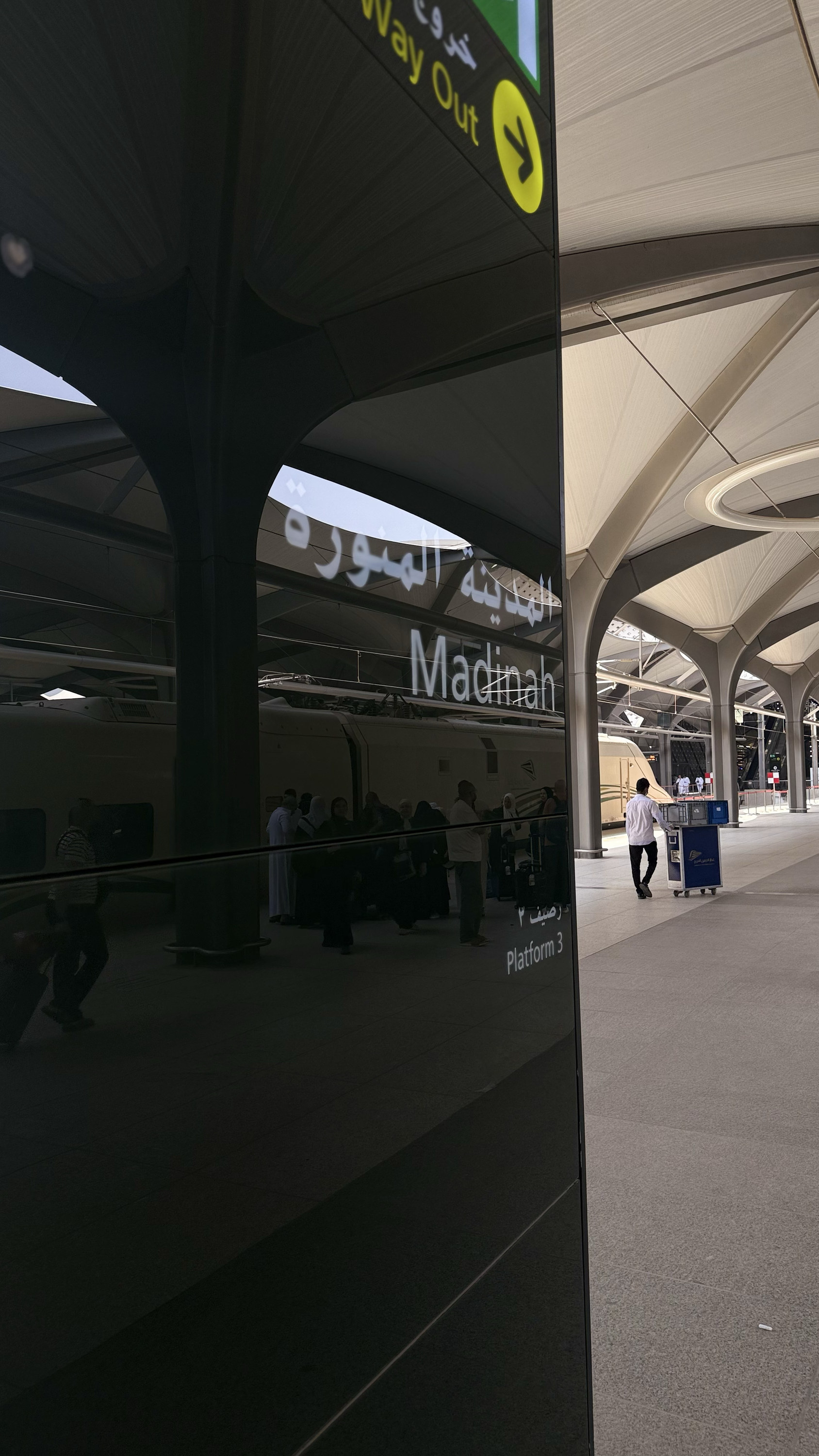
One Figure, Walking Away
One man pushes a cart away down an empty platform, and never turns. A face would make him one man; this keeps him every man.
Read essay →Six essays on the people who are not in the pictures. Why the archive keeps its rooms empty, the person an object leaves behind, the staff kept out of every faultless scene, the charge of a place lit and waiting, the way a missing figure sets the scale of a room, and the rare photograph that needed one person after all.
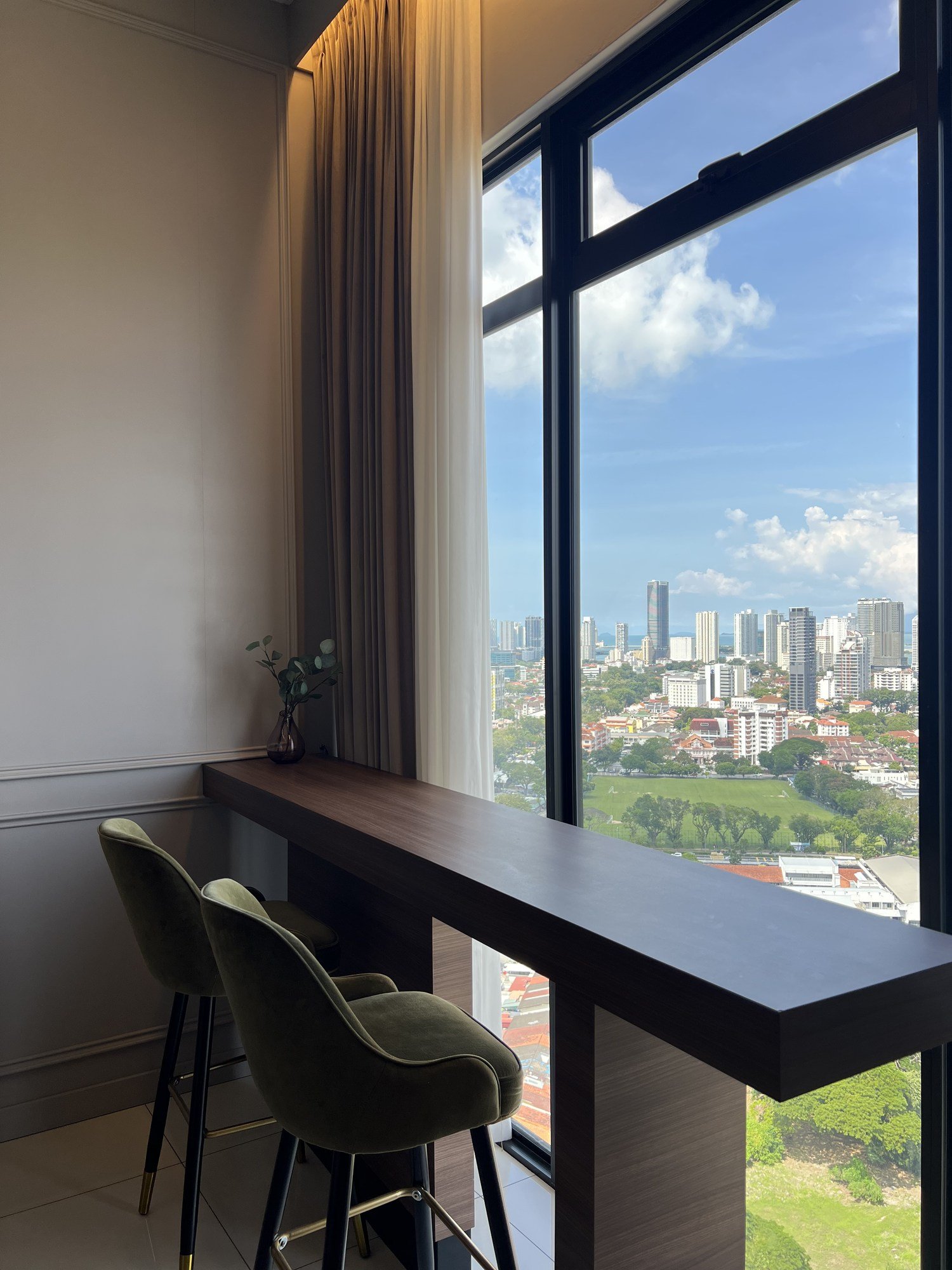
The Room Without People
Nearly every room in the archive is empty. The absence is not a lack. It is an address to one person.
Read essay →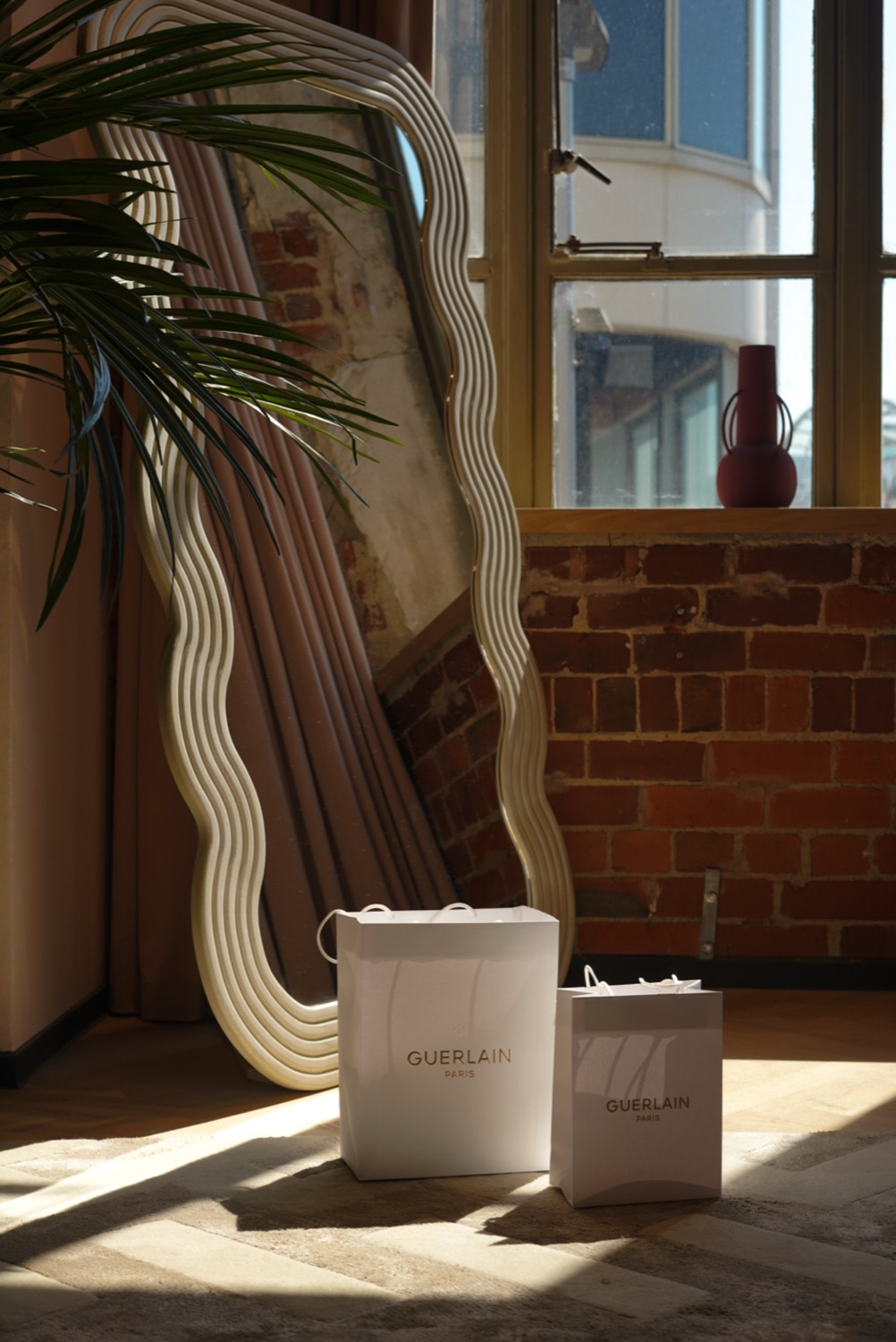
Who Is Missing From the Frame
A boutique arranged around someone who is not in it. The object left behind holds their shape.
Read essay →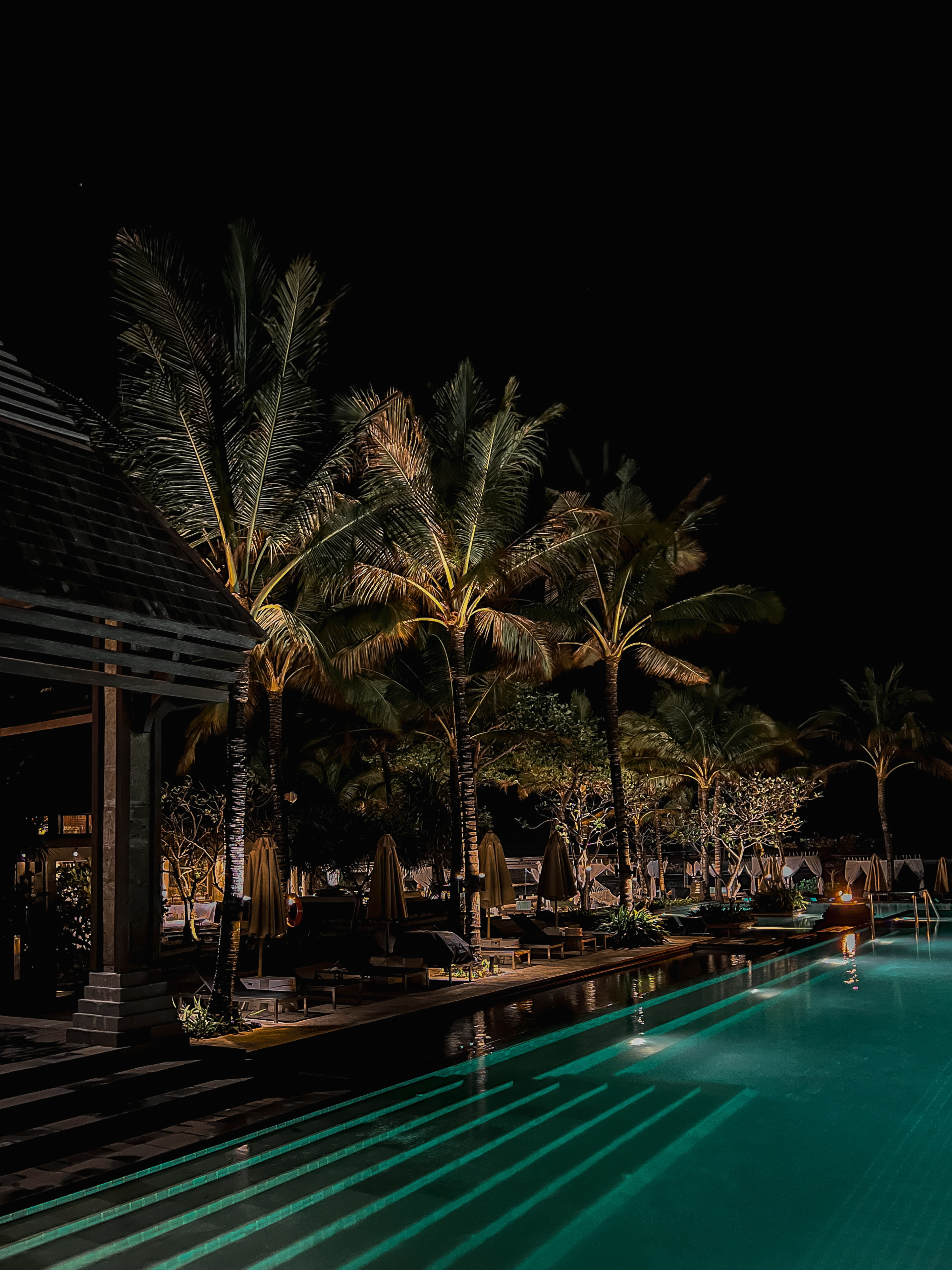
The Staff a Photograph Keeps Out
The perfect empty scene is somebody's work. The photograph keeps the people who made it out of frame.
Read essay →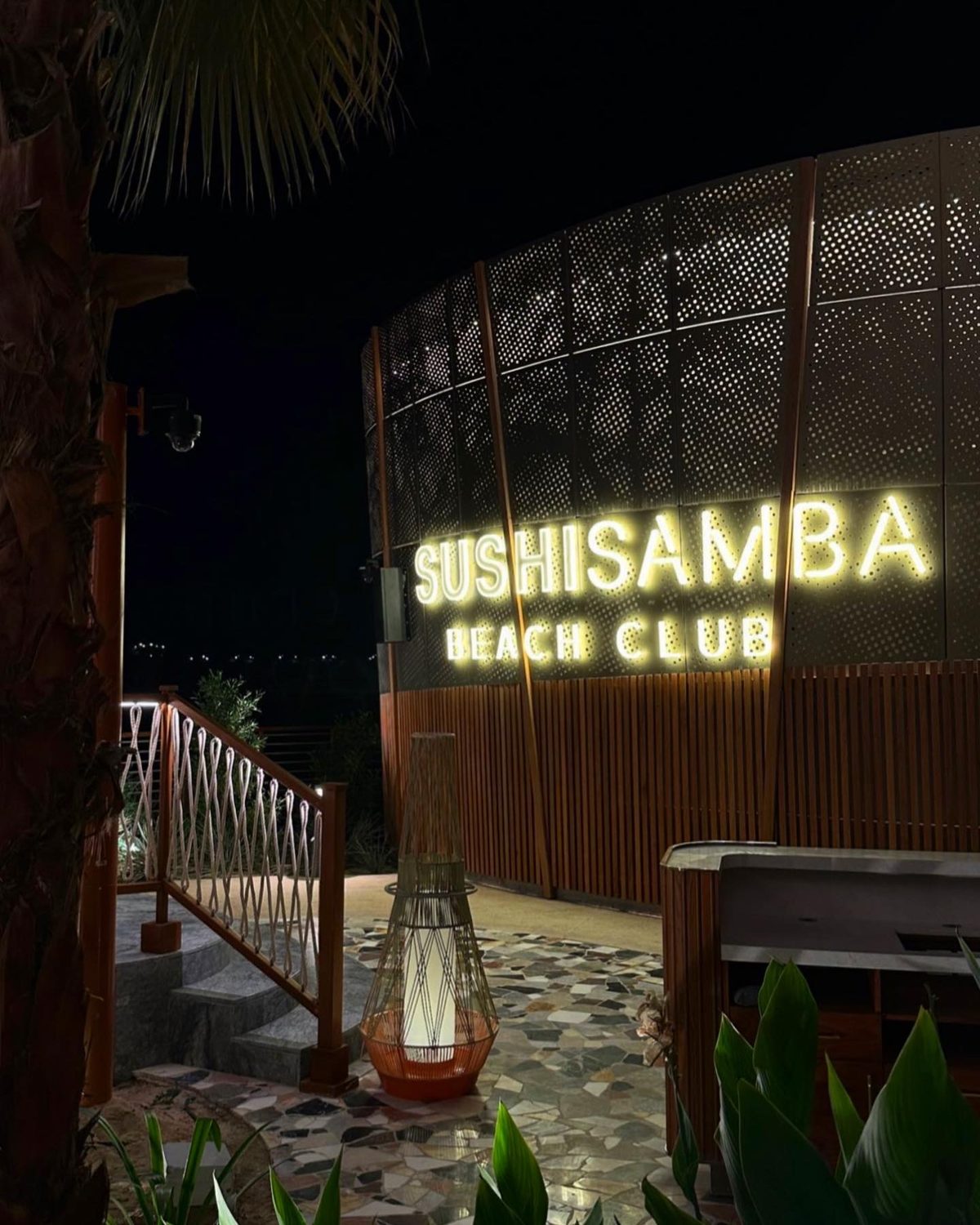
A Room Waiting for Someone
The sign is lit and nobody has come. The most photographed hour in hospitality, and the least examined.
Read essay →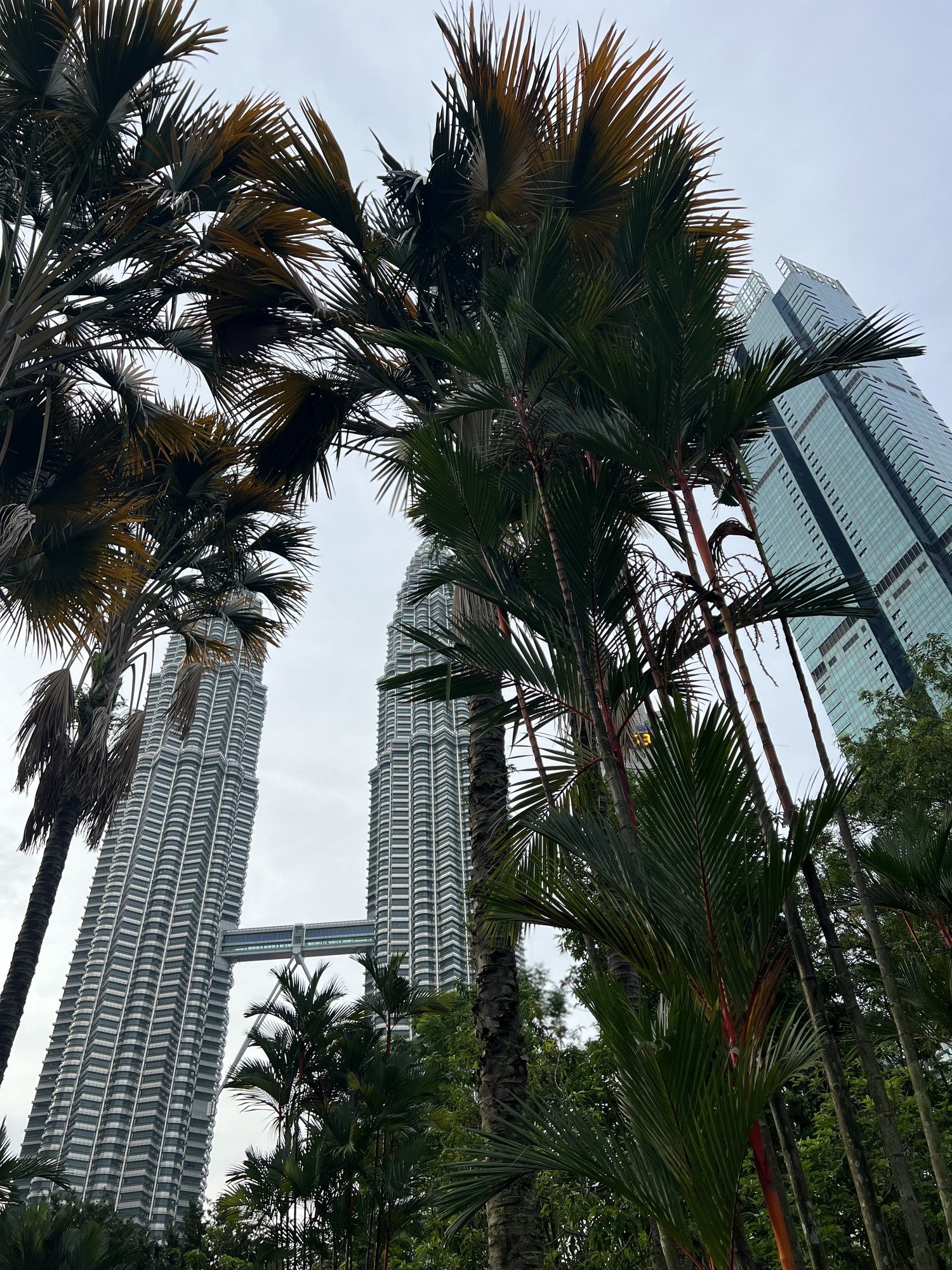
Why the Figure Changes the Scale
Without a person in the frame there is nothing to measure against, so the room decides its own size.
Read essay →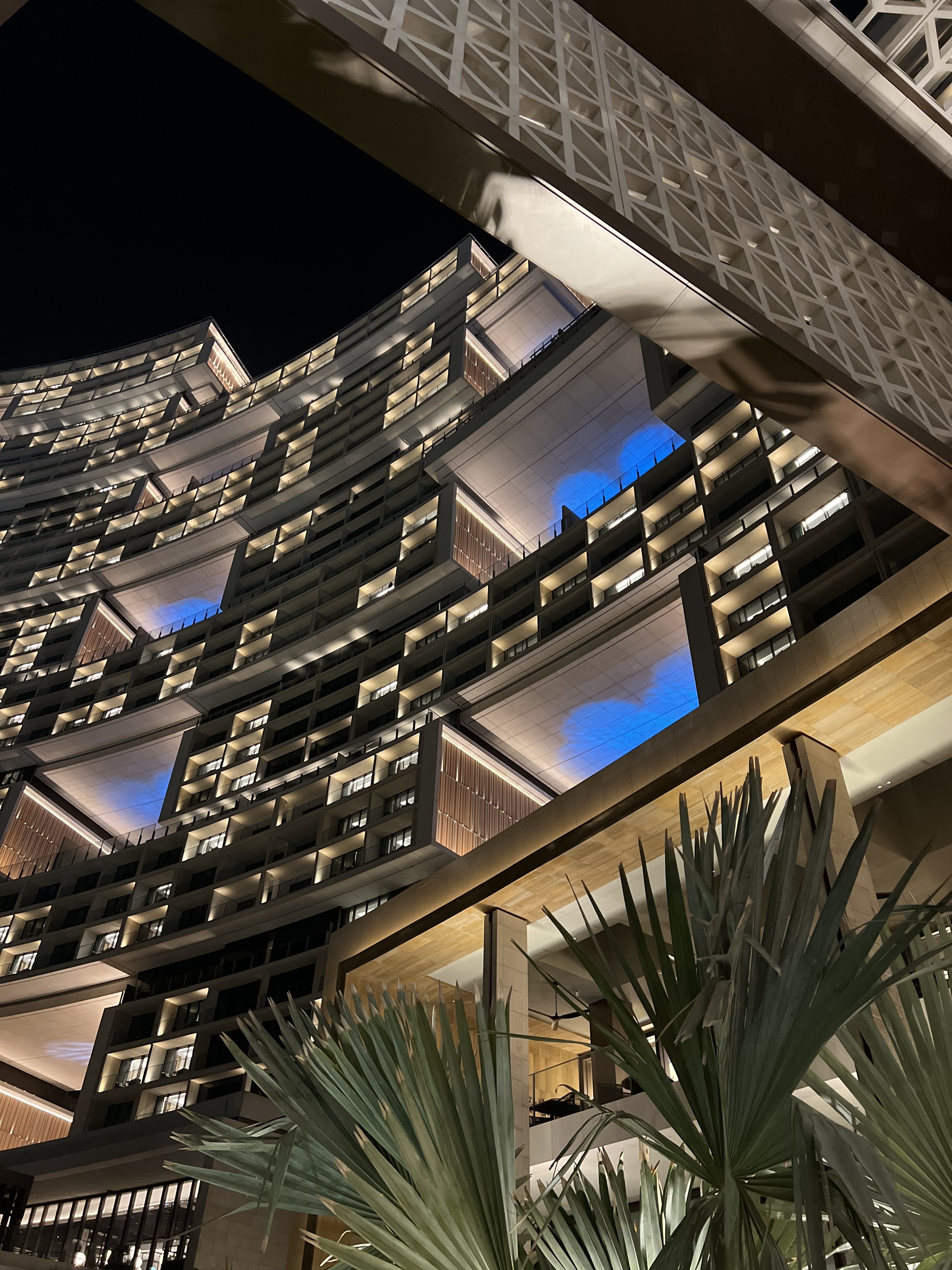
The Photograph That Needed One Person
Most of the time the empty frame is right. This was the picture that needed one person.
Read essay →Six essays on the names that attend the occasion. The sponsor at the edge of every frame, the car that becomes a landmark for one day, boards built for a moving camera held still, the brand that lends an event its name, the moment a partner stops advertising and starts hosting, and the only test that matters: how it all photographs.
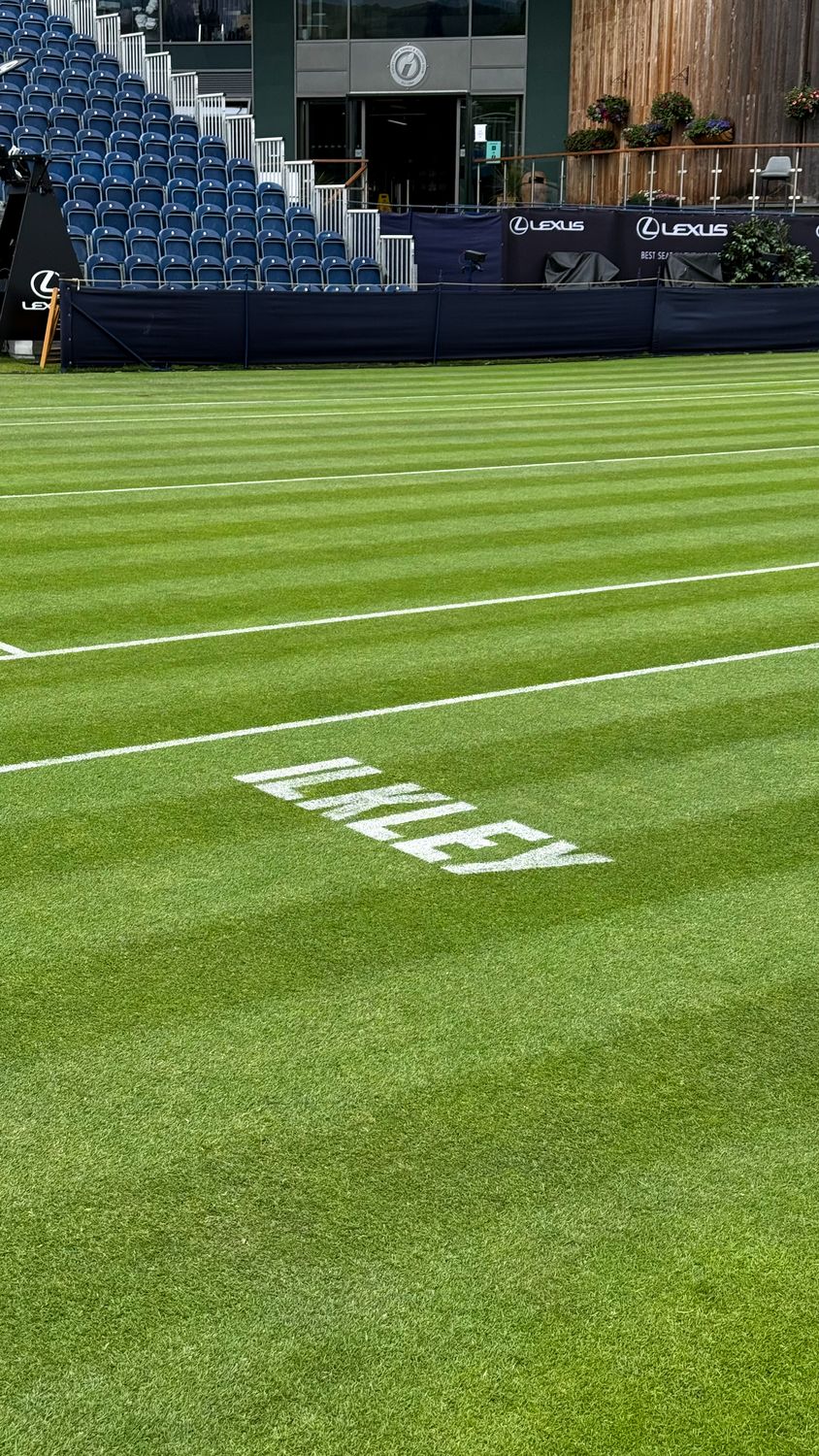
The Name at the Edge of the Frame
Every sporting photograph carries a name at its margin. Leaving it there is a decision.
Read essay →
A Landmark for One Day
The car by the first tee is not an advertisement. It is how you find your way back.
Read essay →
The Board Behind the Ball
The ball crosses the board for a fraction of a second. The board is in the frame all afternoon.
Read essay →
Lending a Name
Some partners put their name beside the event. Some give the event a name to be said by.
Read essay →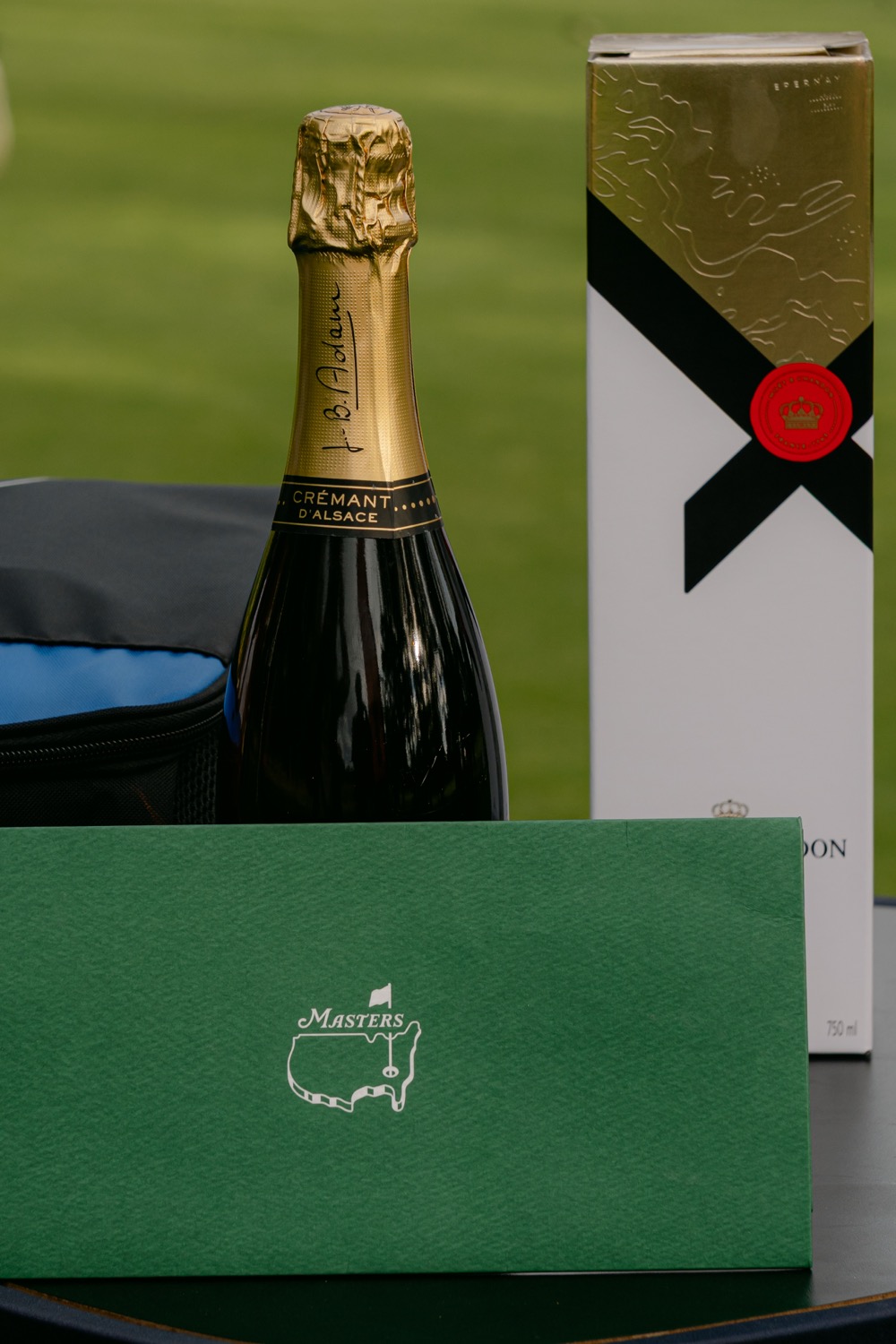
The Sponsor as Host
Somewhere in the afternoon the name becomes a table, and everything about being remembered changes.
Read essay →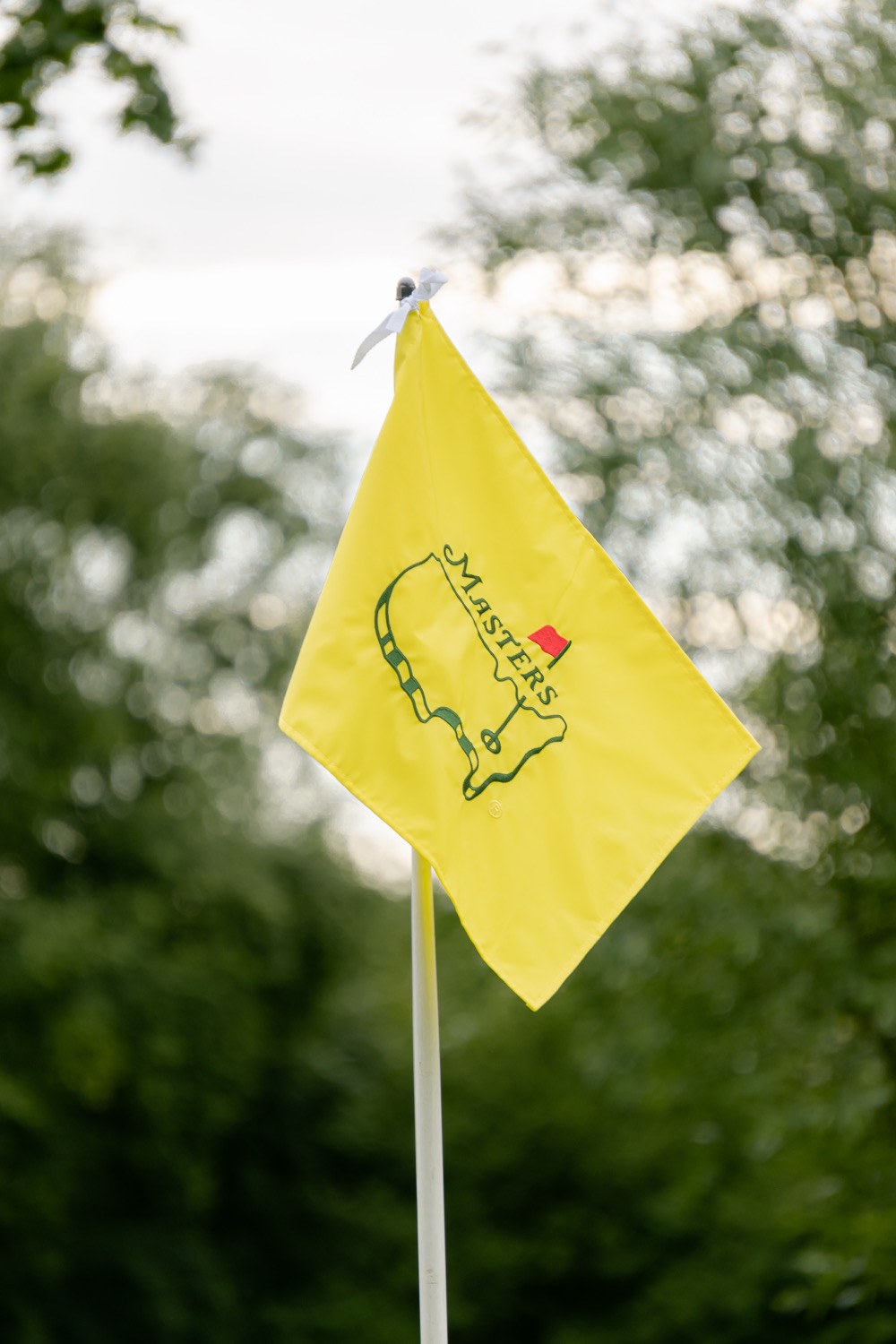
How a Sponsor Photographs
Walk the event slowly with a camera. What survives the long look was worth paying for.
Read essay →Six essays on the sense that photography cannot keep. Why expensive rooms are quiet and quiet rooms are expensive, the playlist nobody chose, the morning a café scores for itself, the loudest room standing metres from the stillest, and the soundtrack of this archive, held only in the memory of whoever pressed the shutter.
The Acoustics of Luxury
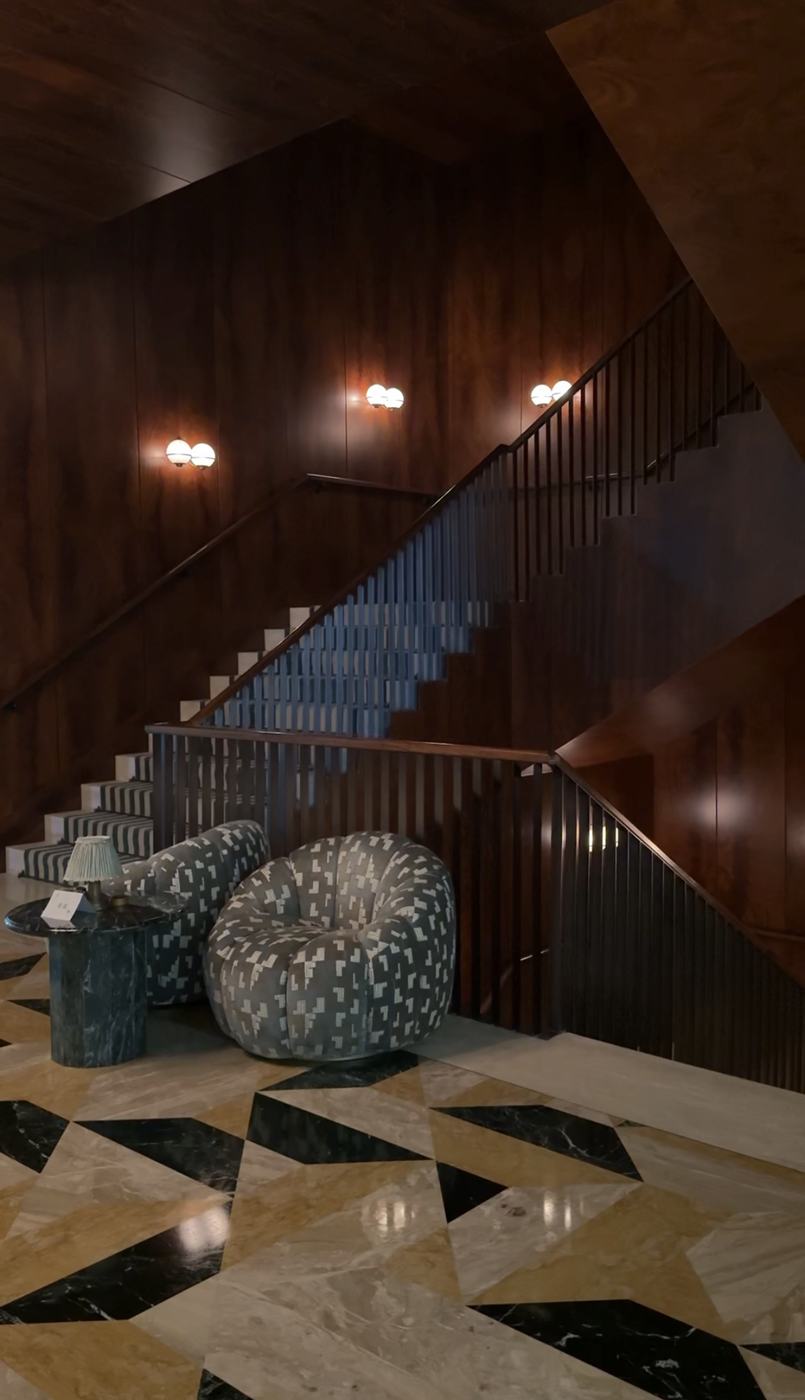
The ear knows an expensive room before the eye has finished looking.
Read essay →
What Silence Costs
Silence reads as natural. It is almost always manufactured.
Read essay →
Music Nobody Chose
Every surface in the room was chosen. The music came from a subscription.
Read essay →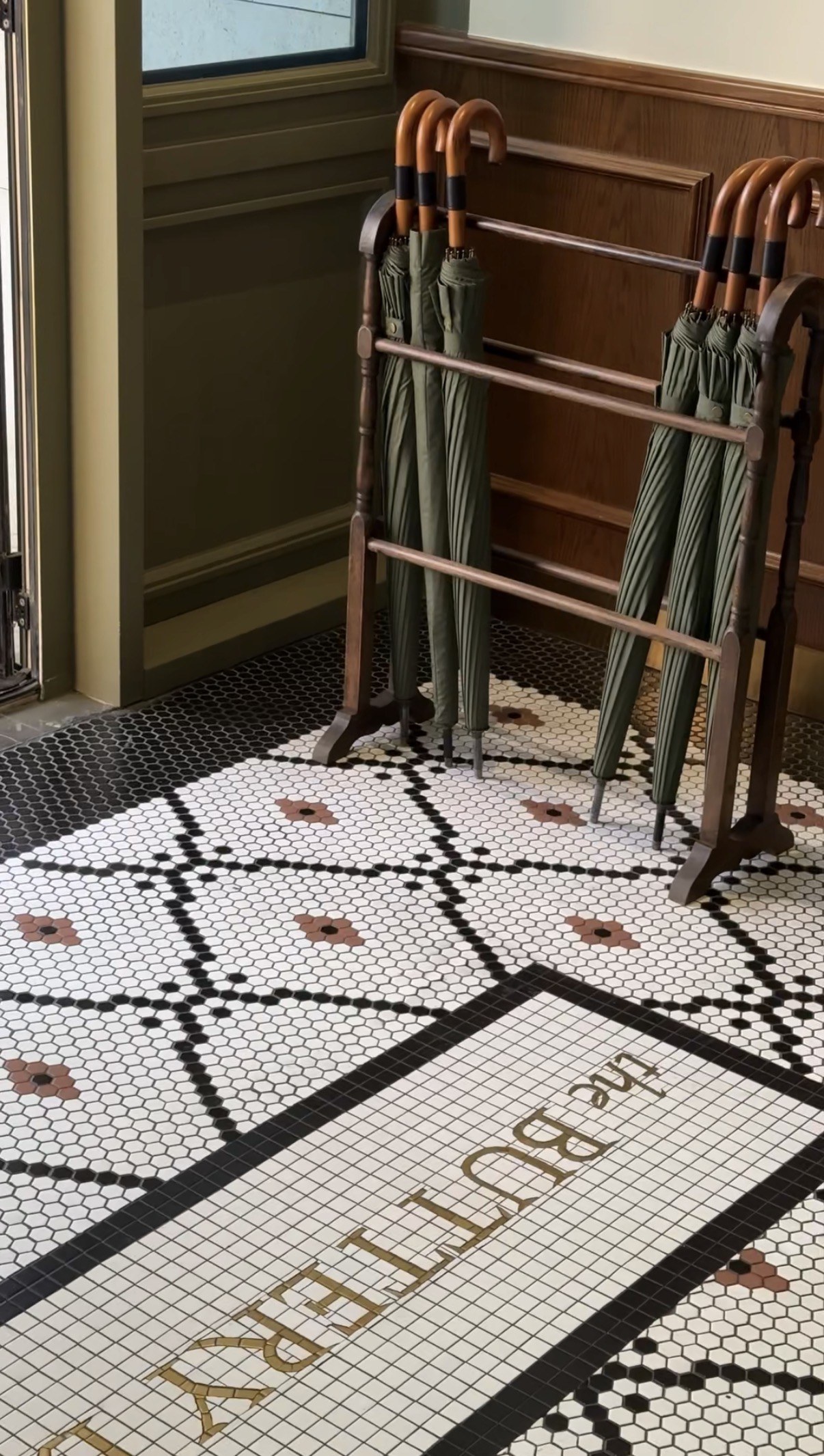
The Morning Sounds of a Café
Before the playlist goes on, the room is scored entirely by its work.
Read essay →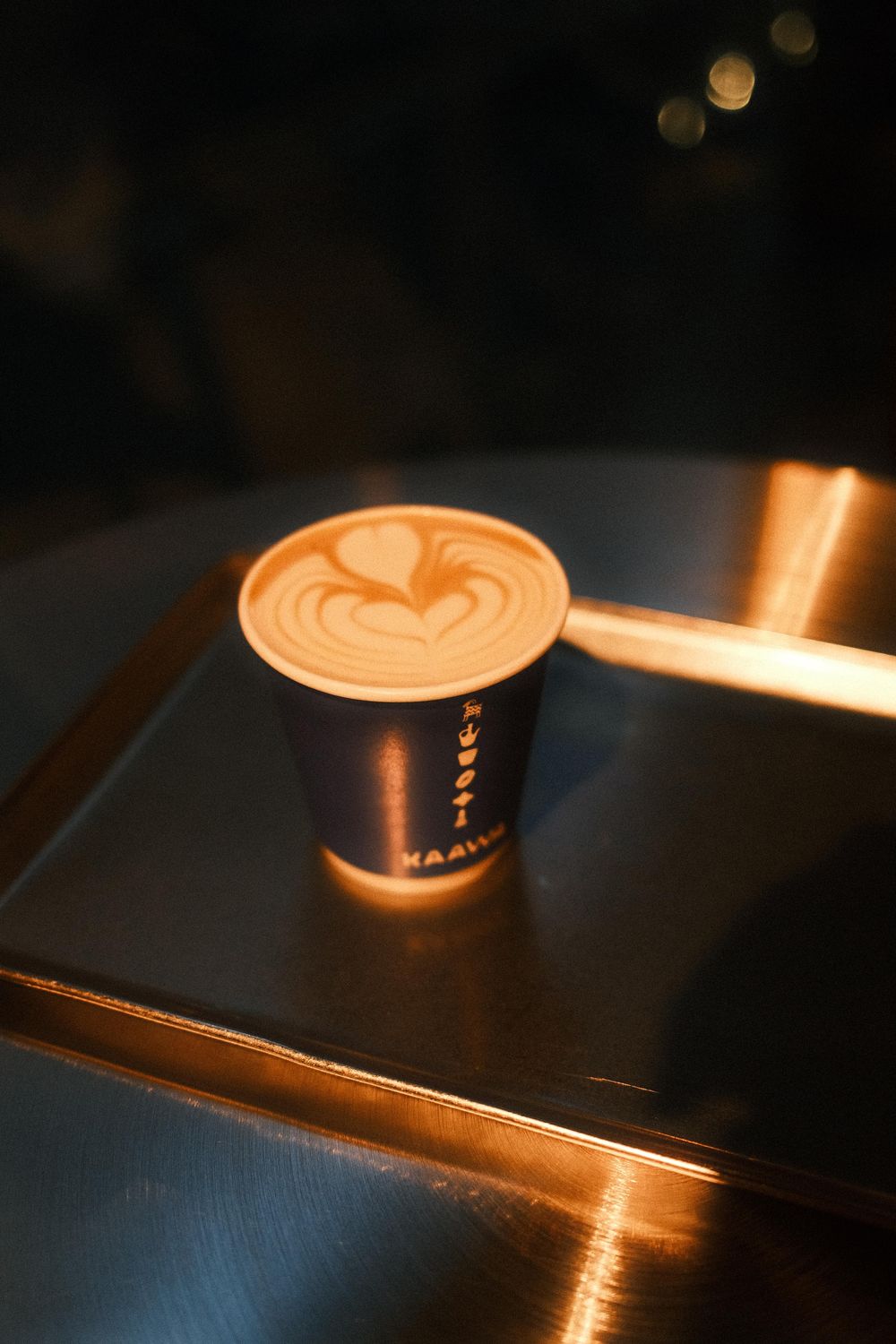
The Loudest Room in the Hotel
The quietest dining rooms stand metres from the loudest rooms in the building.
Read essay →
What You Hear While Photographing
Every photograph in the archive had a soundtrack. The archive kept none of them.
Read essay →Six essays on the other half of hospitality: the person who arrives. Being received as a practice, the two minutes at the desk where both sides show their hand, the regular a room knows by name, attention as the only thanks a room can receive, the etiquette of leaving, and the oldest form of guesthood on record.
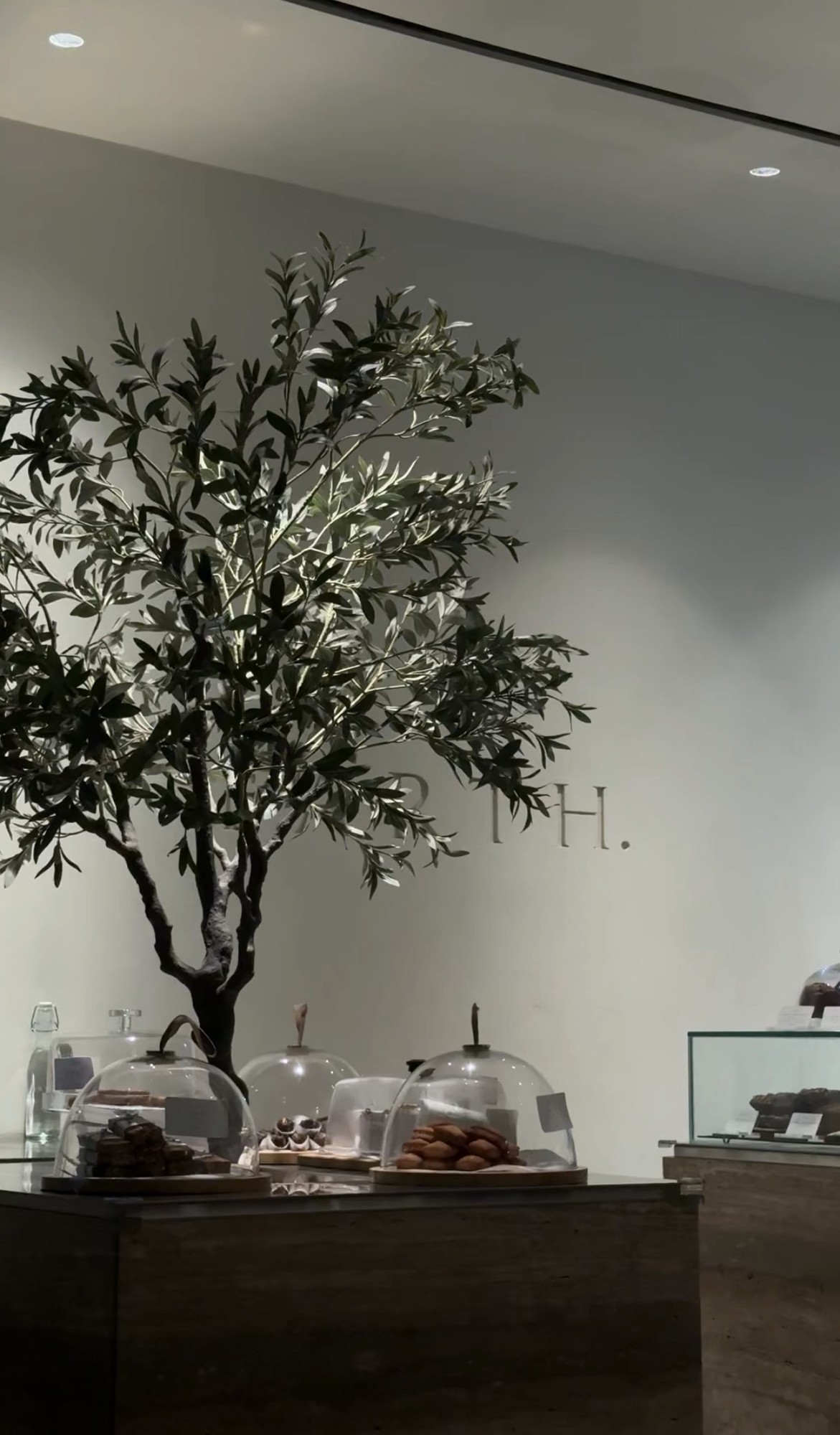
The Good Guest
Hospitality is not consumed. It is completed, and the guest holds the other half.
Read essay →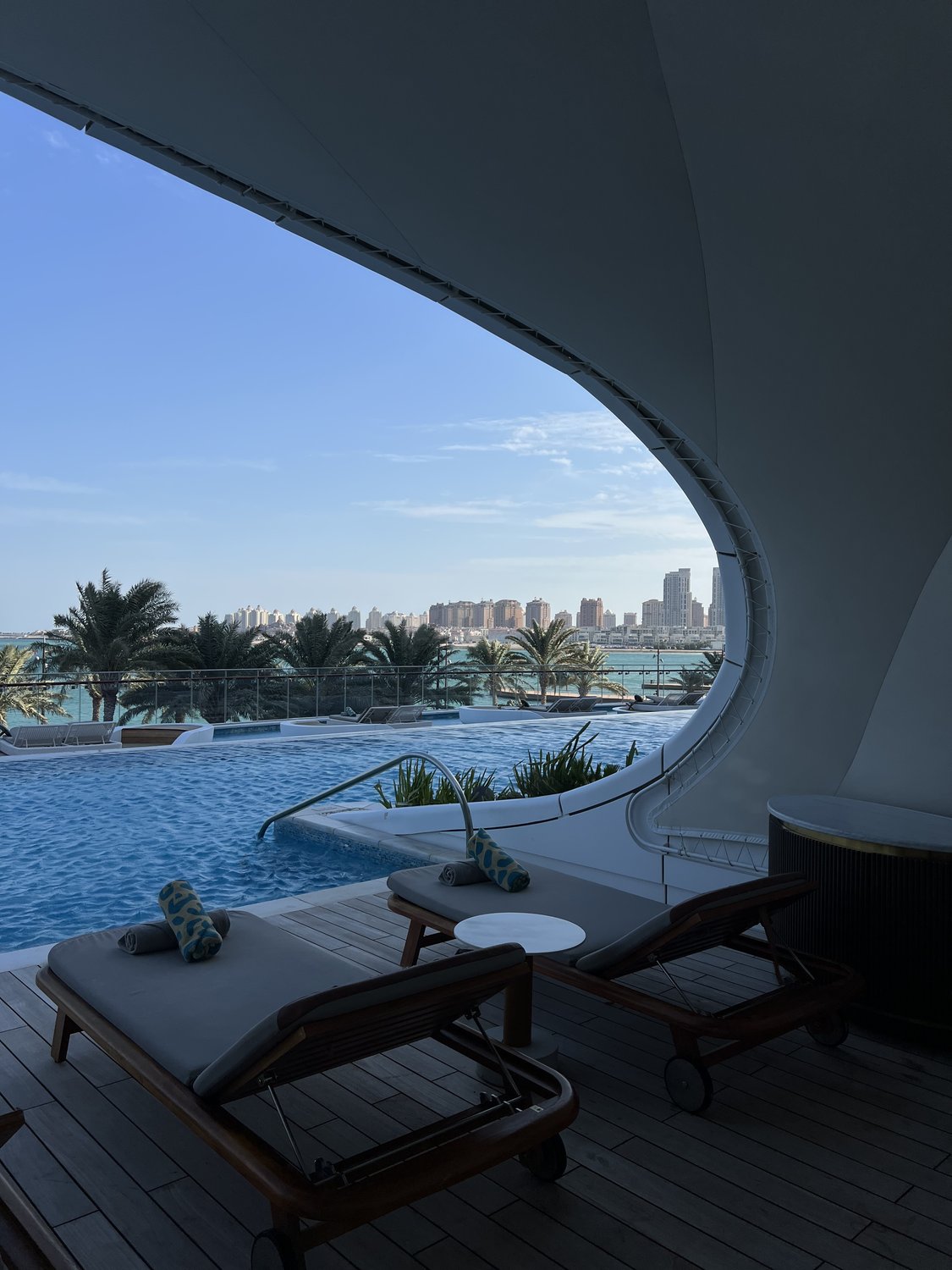
What Check-in Reveals
Two minutes at a desk, and both sides have shown their hand.
Read essay →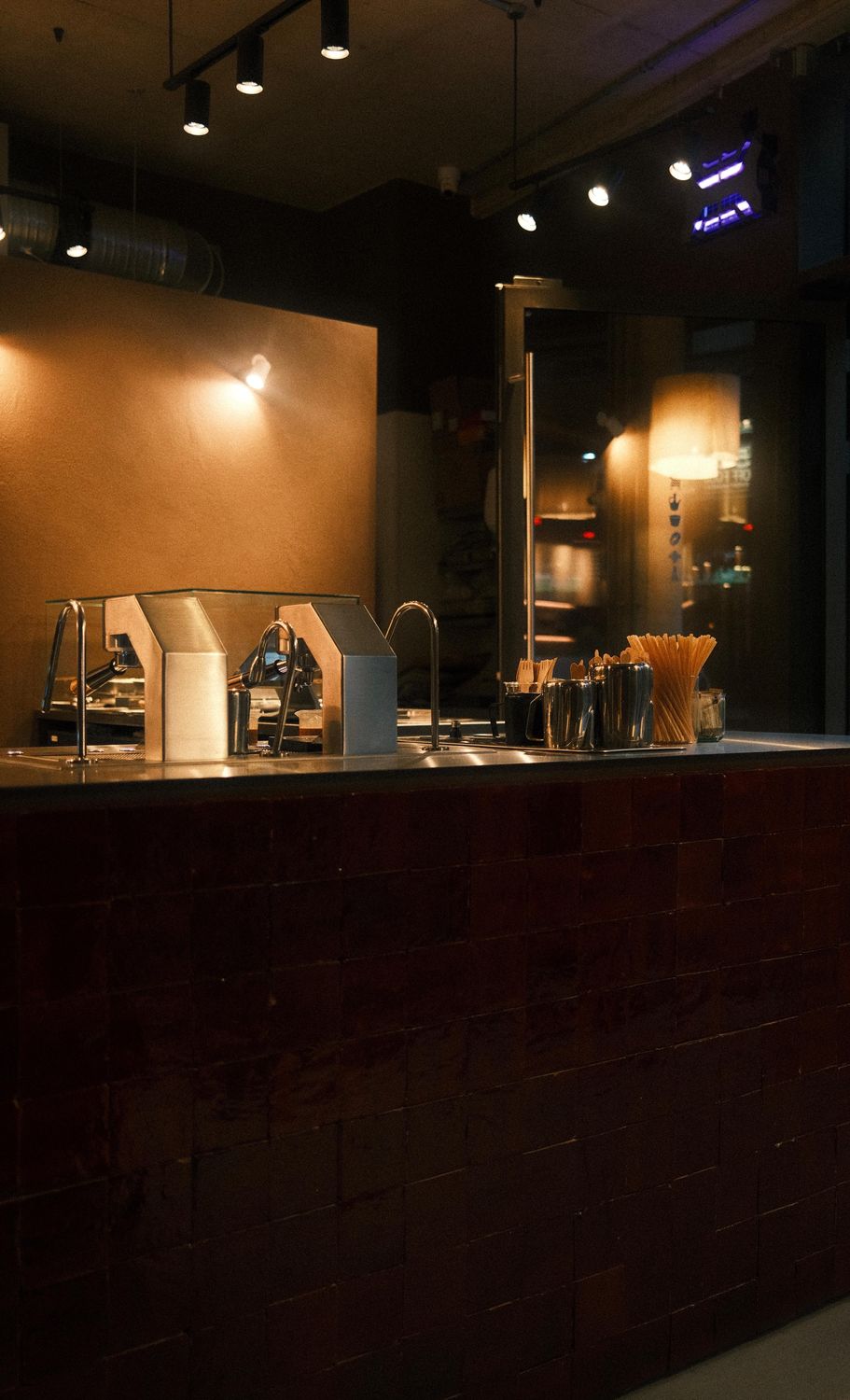
The Regular
The regular drinks the same coffee as everyone else, in a different establishment.
Read essay →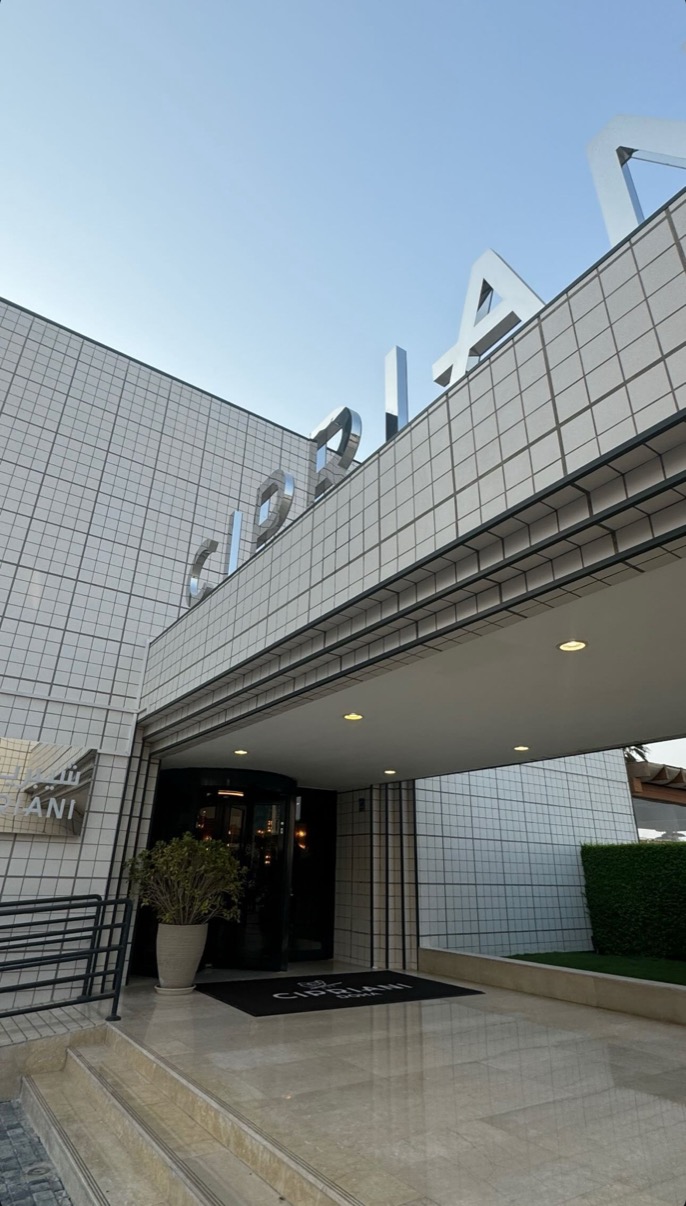
The Guest Who Notices
Noticing is the only thanks a room can actually receive.
Read essay →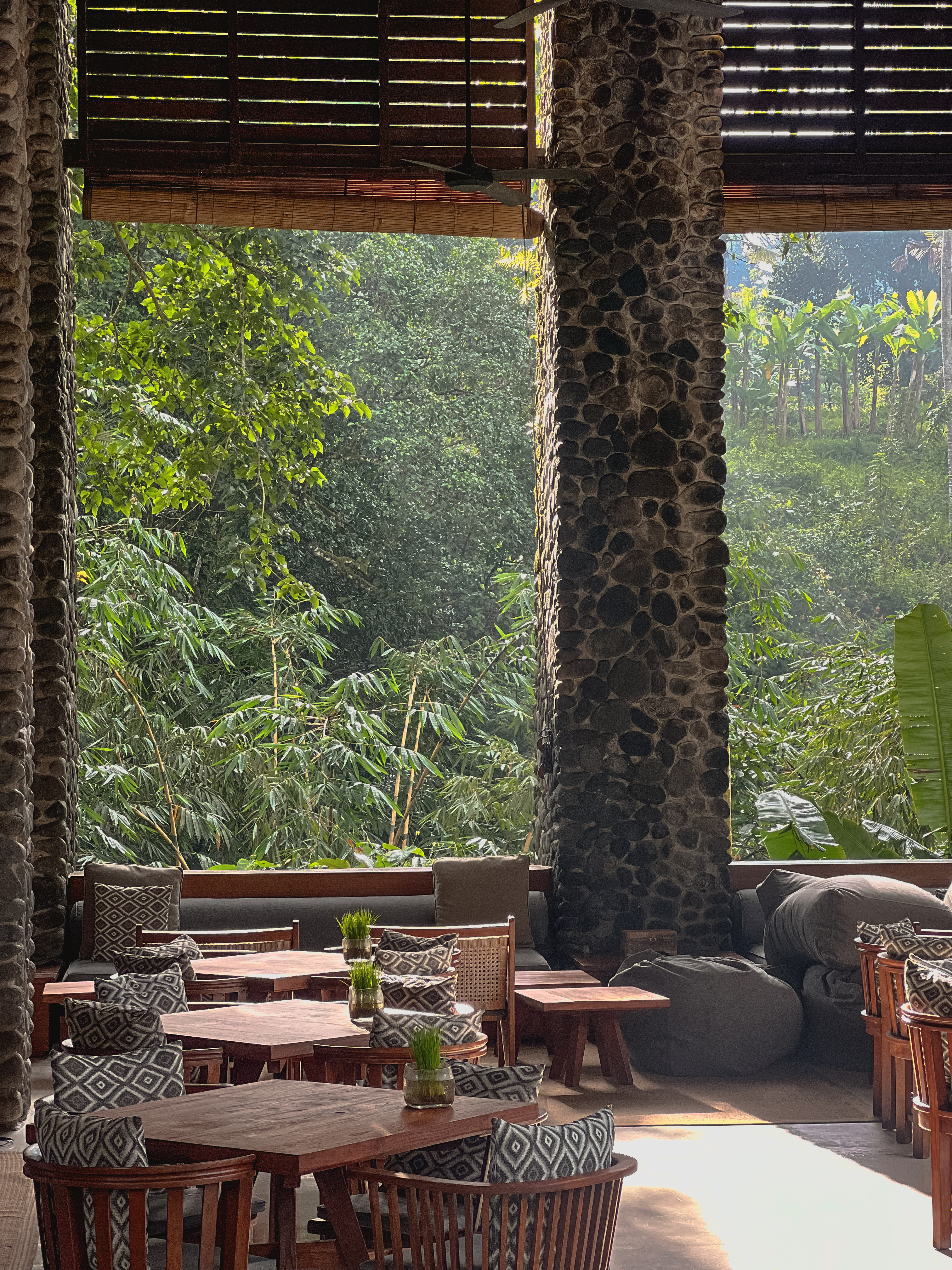
Leaving No Trace
The departure is the only part of the stay performed for nobody.
Read essay →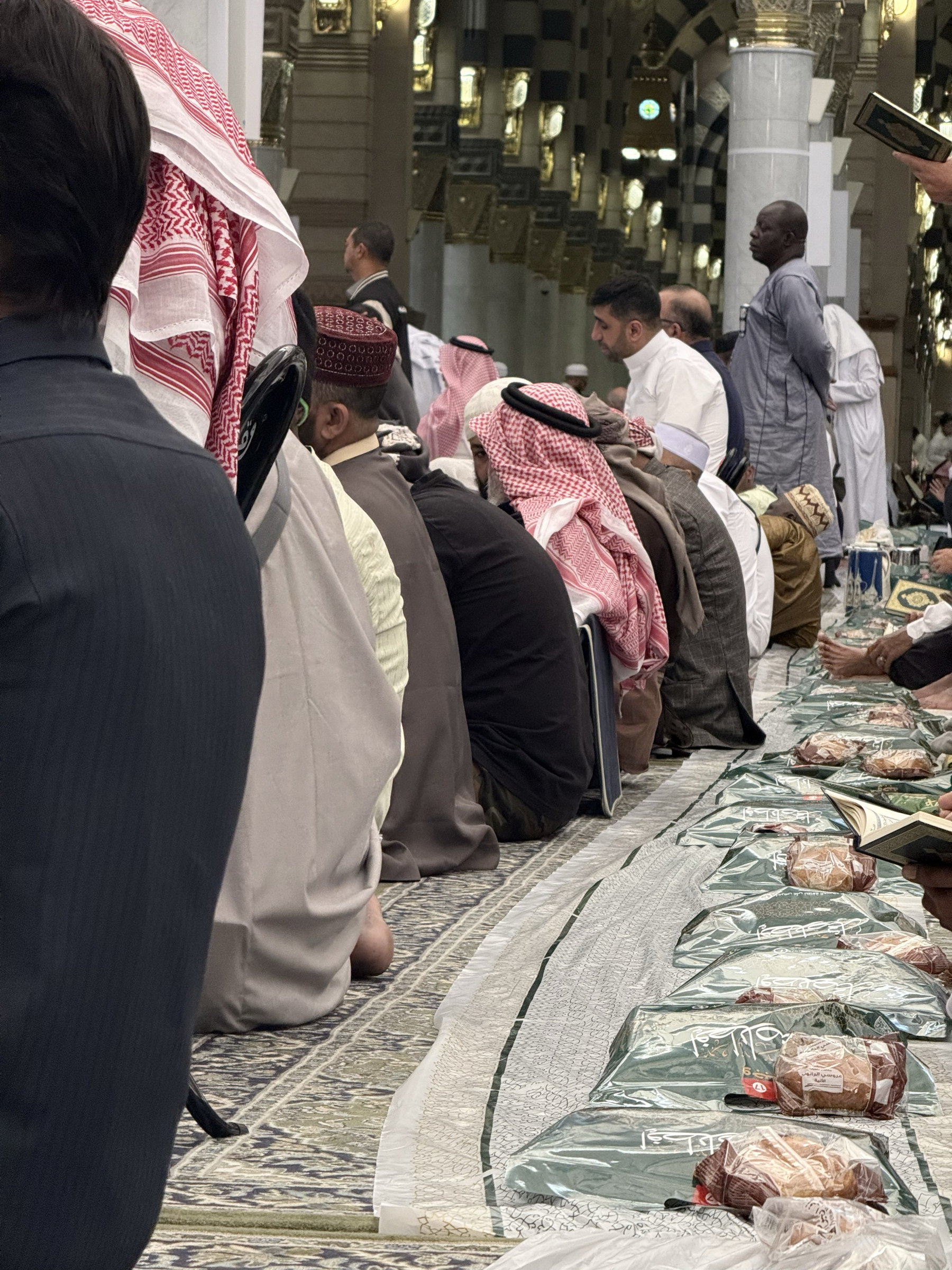
The Guest of God
An entire city, organised around guests who cannot repay it.
Read essay →Six essays on scent: the sense the archive cannot photograph and has always worked around. Why fragrance houses build rooms, what niche perfumery honestly means, the smell of old buildings that nobody designed, the lobby scent most guests never notice, the language spoken by oud, and the one archive of a journey that no camera keeps.
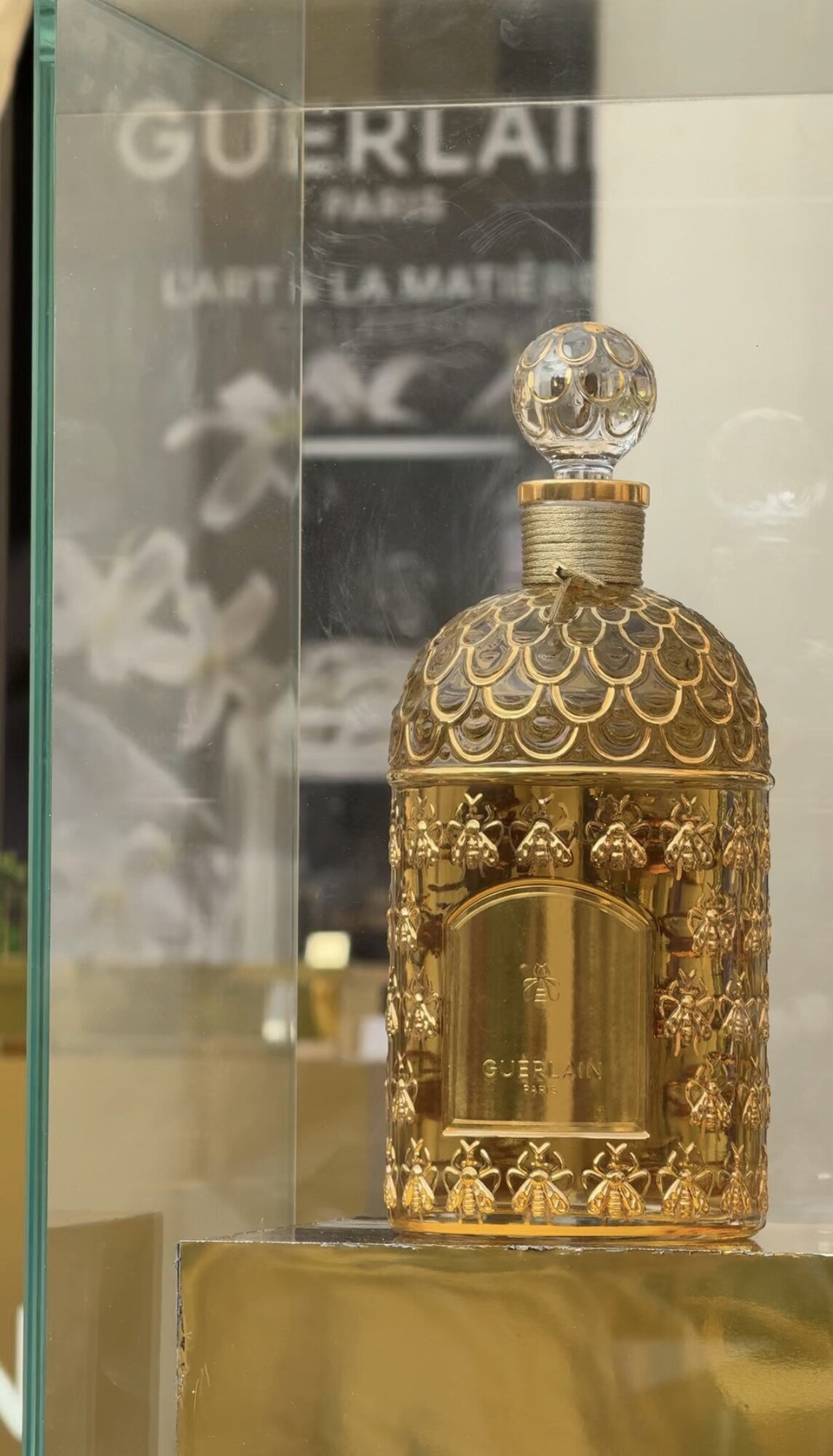
Why Fragrance Houses Build Rooms
A perfume cannot be displayed. So the serious houses build a room, and the room is the argument.
Read essay →
What Niche Perfumery Actually Is
Niche was never a price point. It describes a different relationship between maker and wearer.
Read essay →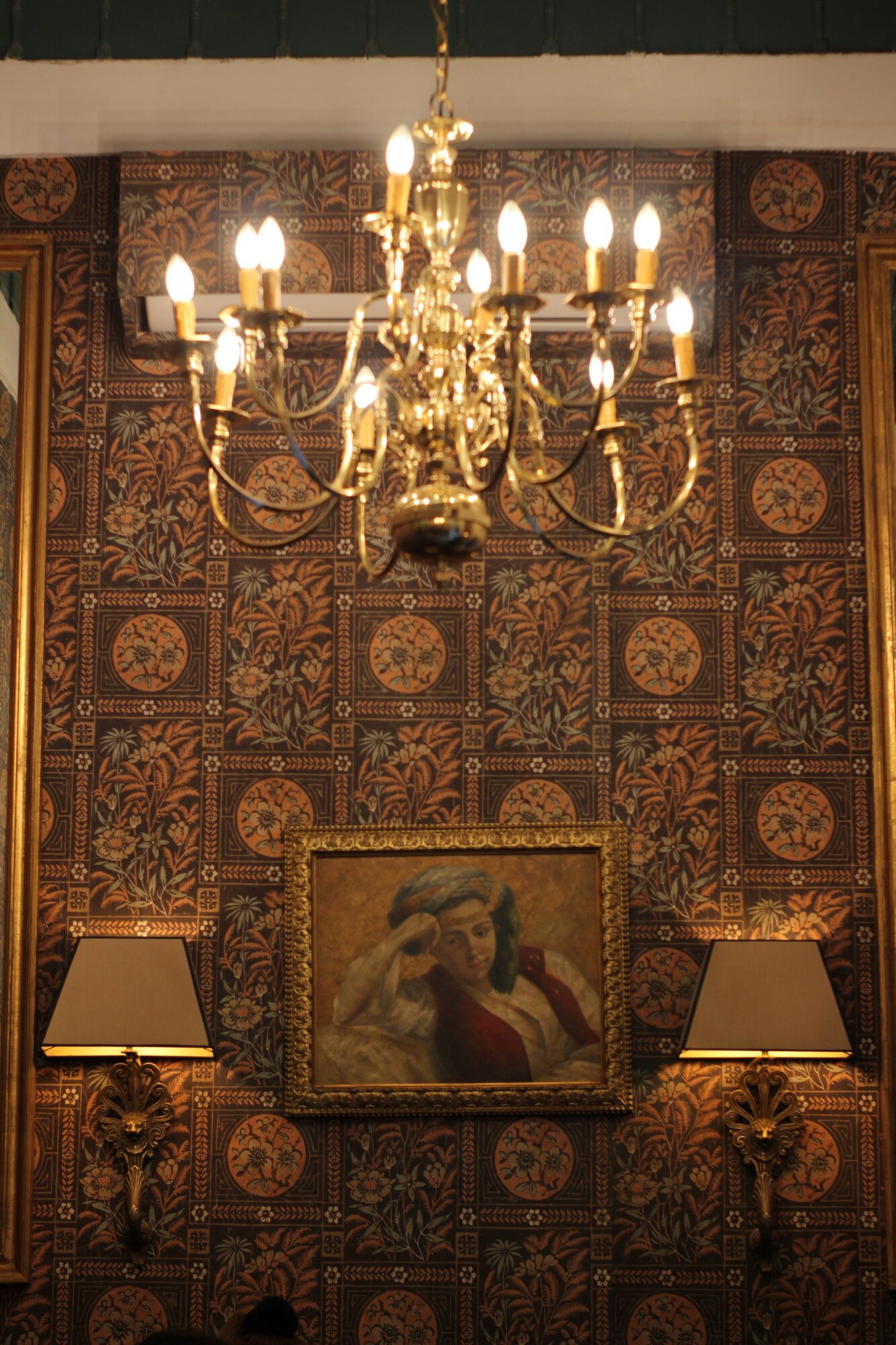
The Smell of Old Buildings
Every old building carries its age in the air, and nobody designed it.
Read essay →
The Lobby Scent
Most great lobbies are scented on purpose. Most guests never consciously notice, which is the point.
Read essay →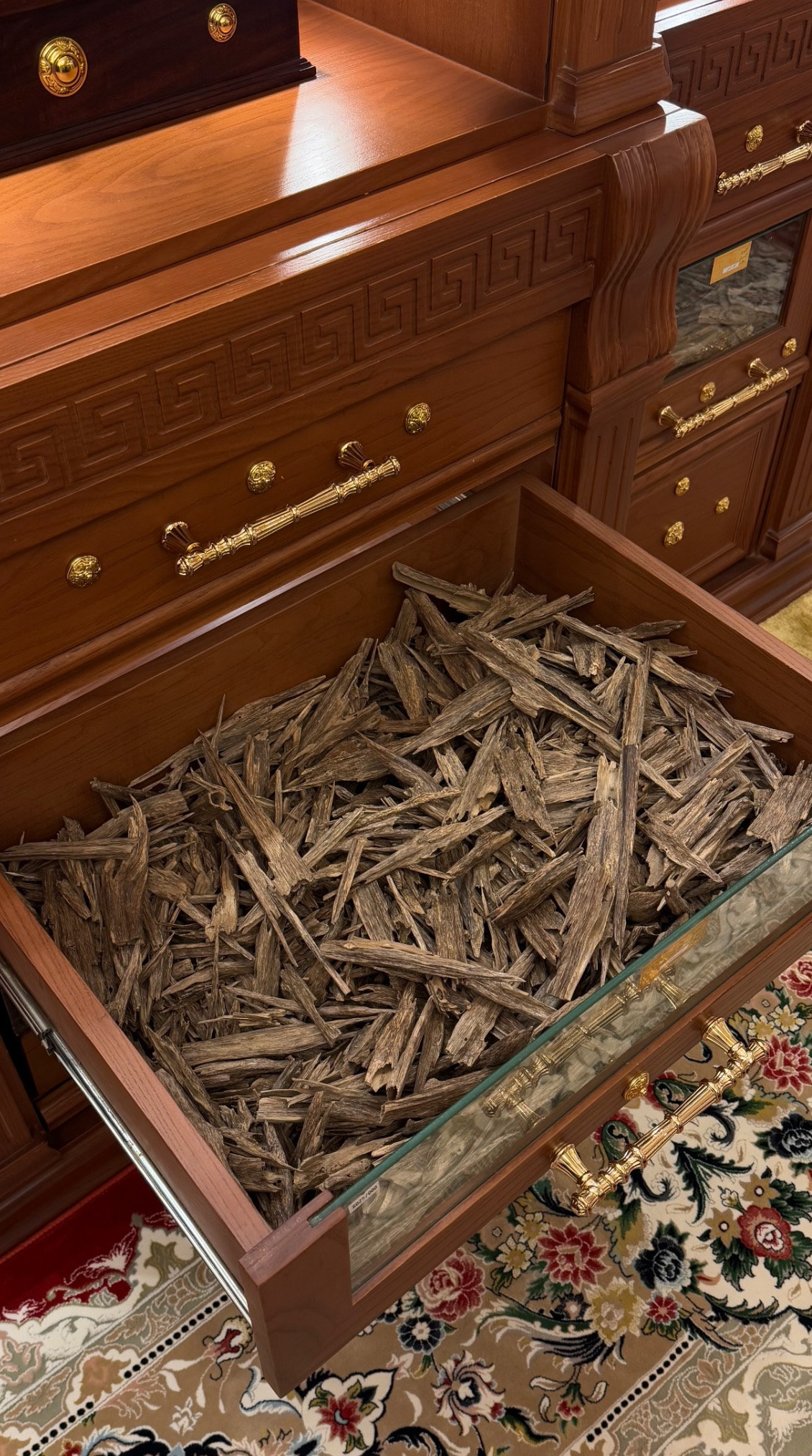
What Oud Communicates
One wood, sold by weight, carrying an entire region’s idea of welcome.
Read essay →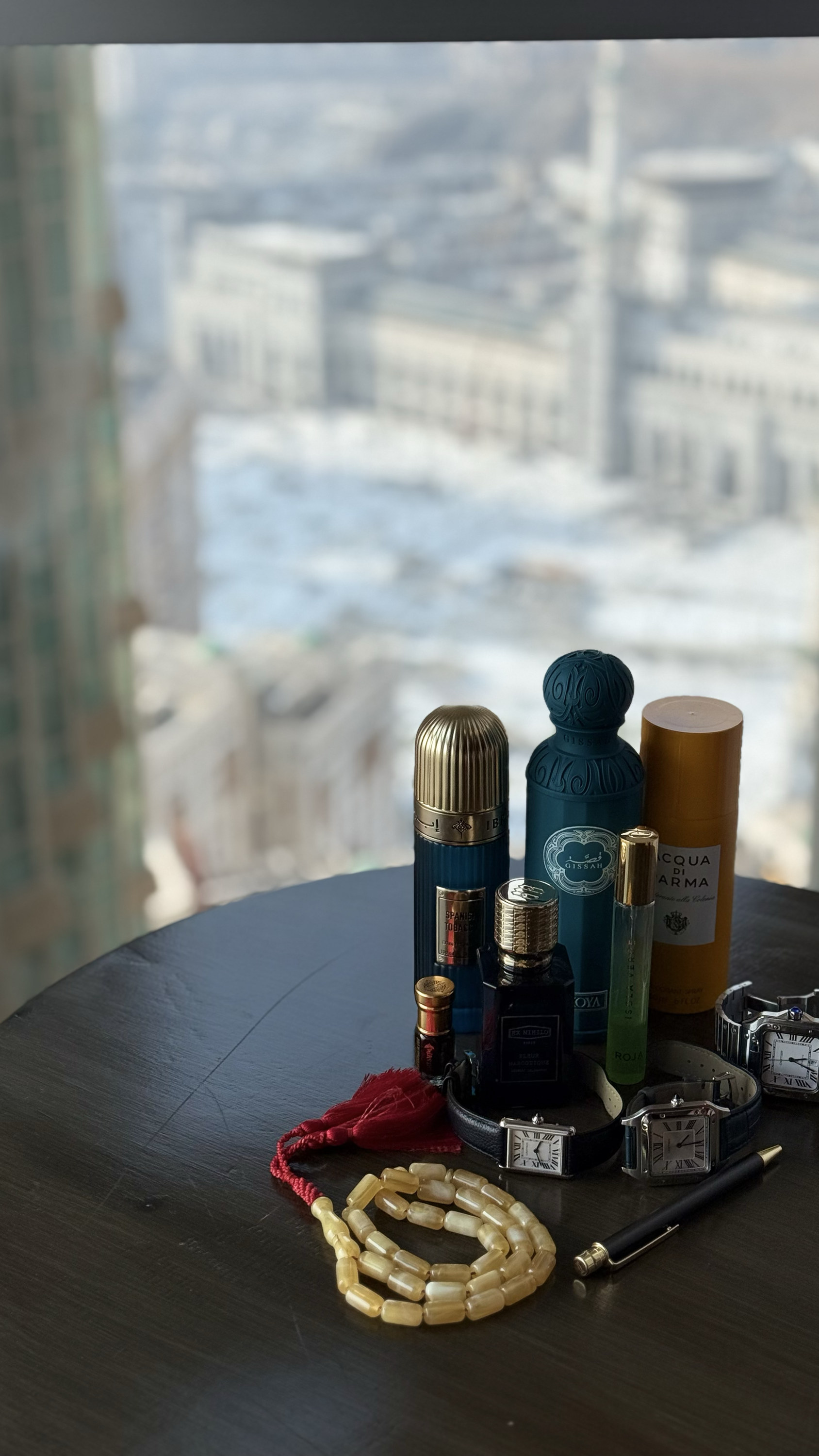
Scent as Memory
Photographs show a journey. One breath of the right oil returns it.
Read essay →Six essays on the commission: the studio thinking out loud about its own practice. What a hotel should actually ask, what a day rate fails to price, the photographs that arrive after the schedule ends, the archive a brand does not know it needs, the difference between content and record, and the honest cases where the answer is not yet.
What a Hotel Should Ask a Photographer
Most hotels ask for a shot list. The better question is what the photographer noticed first.
Read essay →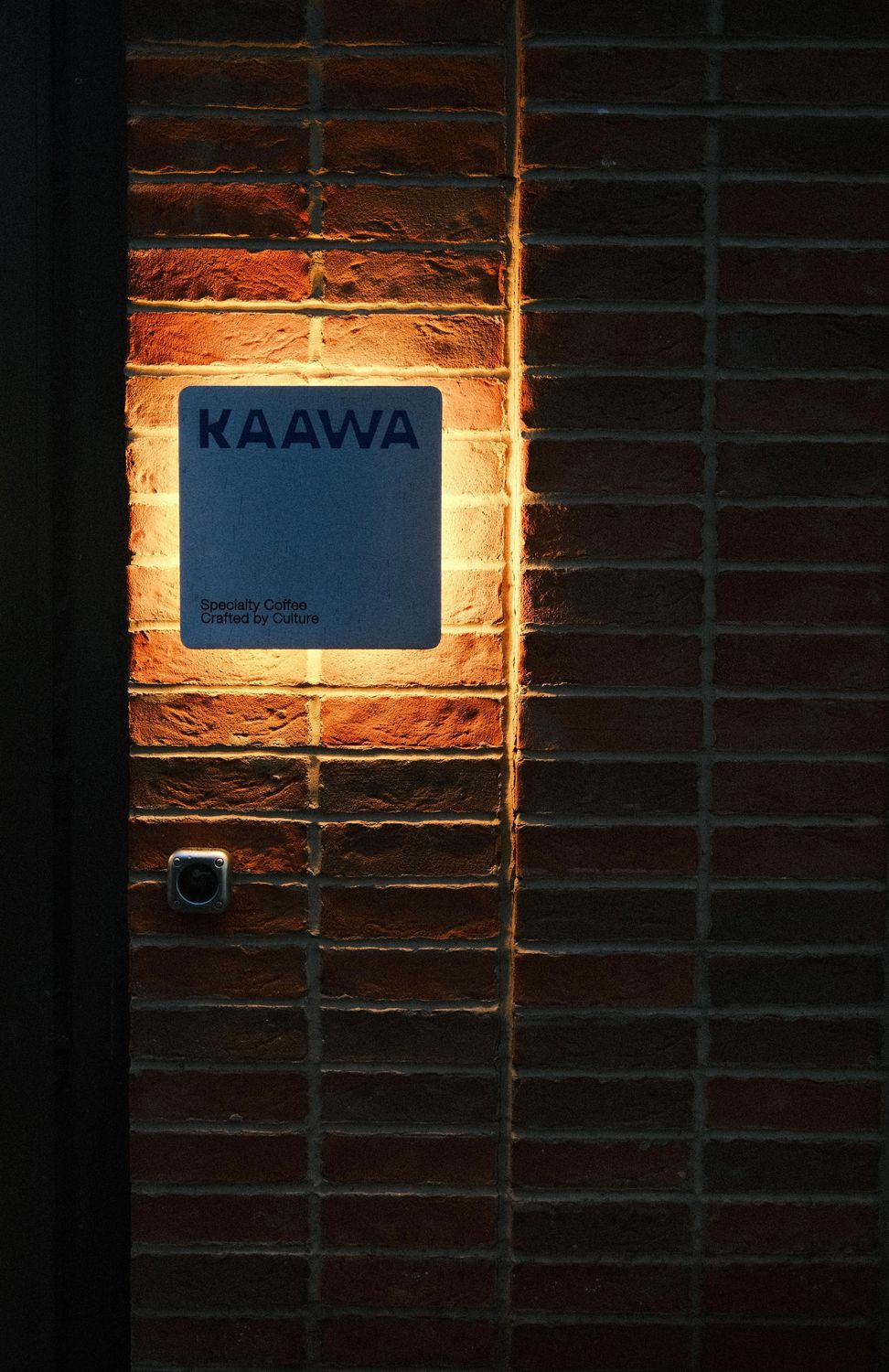
The Day Rate Is the Wrong Question
A day of photography produces files. A commission produces a record that keeps working.
Read essay →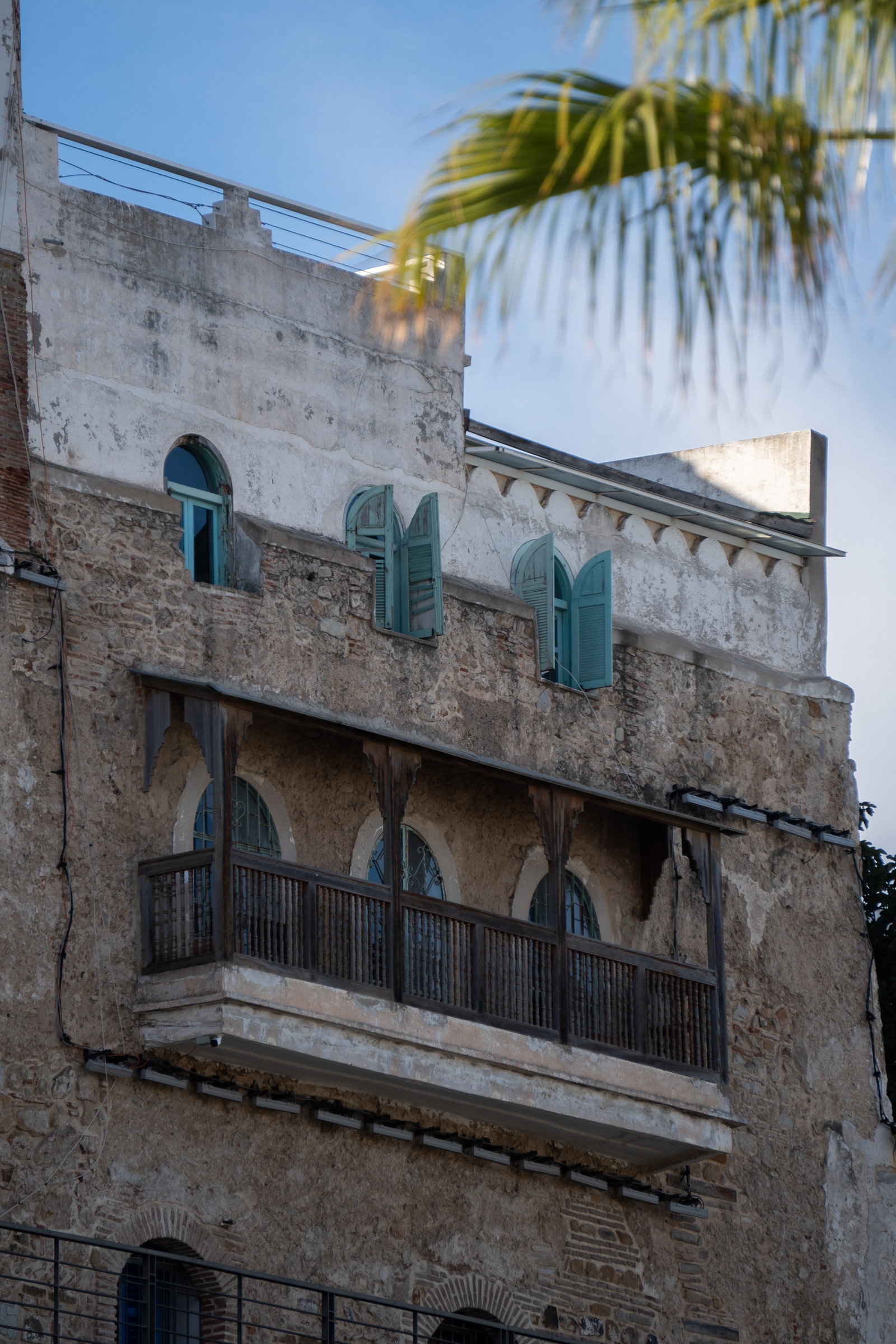
Why the Best Photographs Happen After the Shot List Ends
The scheduled photographs get made. Then the day keeps going, and the room relaxes.
Read essay →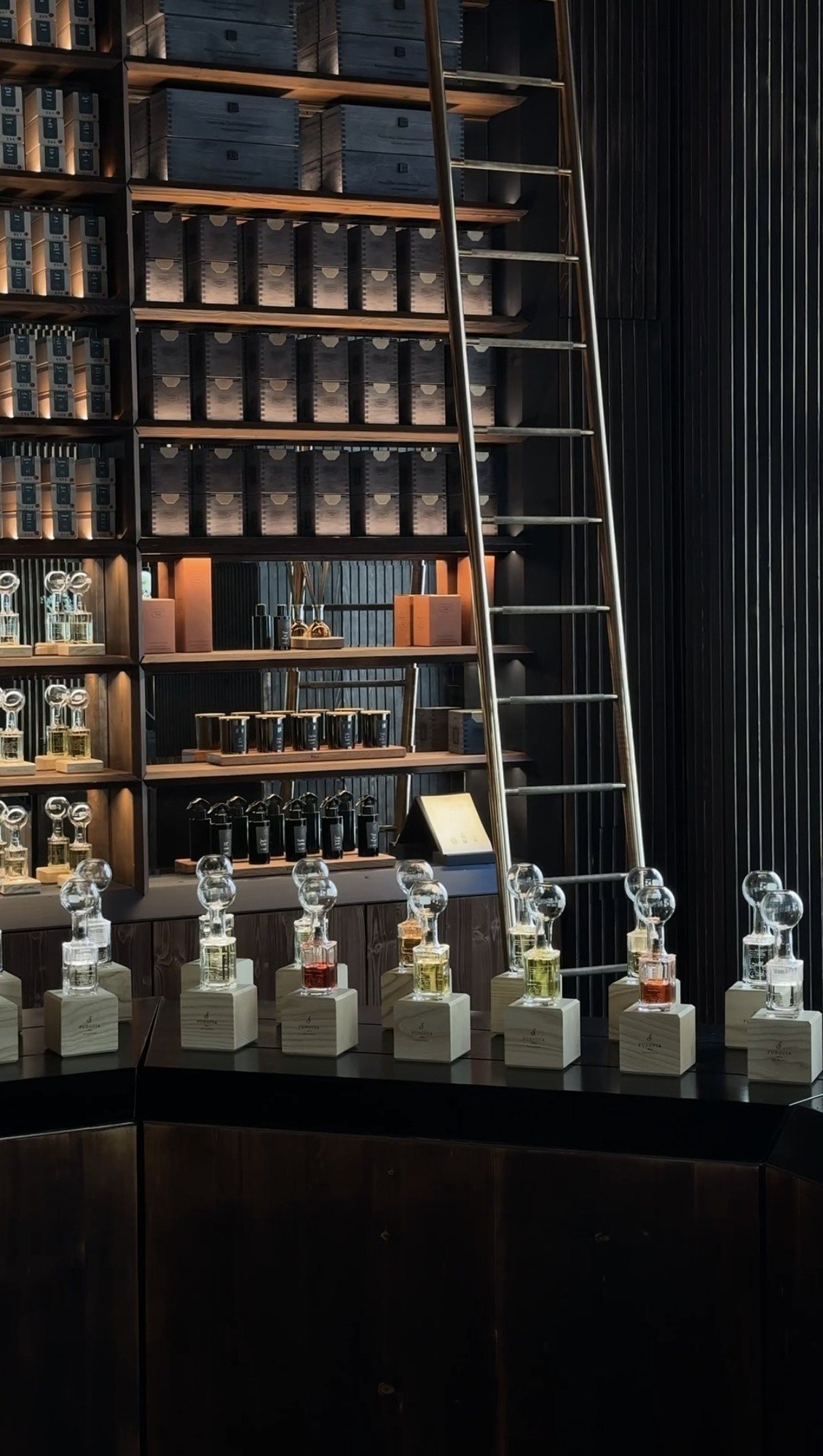
What a Brand’s Archive Is Worth
The most valuable photographs a brand owns are usually the ones nobody planned.
Read essay →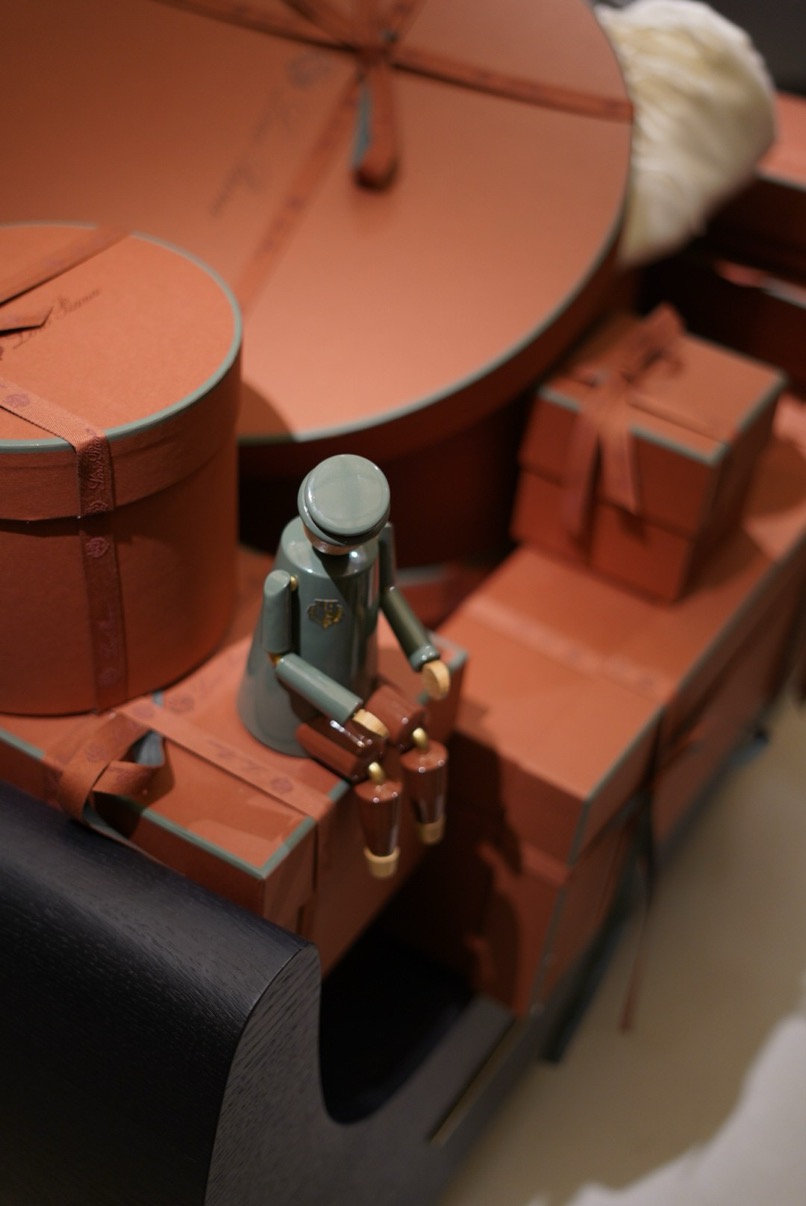
The Difference Between Content and Record
Content is made to be replaced. A record is made to remain true.
Read essay →
When Not to Commission
A studio that cannot say no should not be trusted when it says yes.
Read essay →Six essays on light: the element every room depends on and no brief can specify. The window that decides everything before the furniture arrives. The ceiling fixture that flattens what it means to reveal. The candle that admits it will not last. The room after dark, the shade that shapes what passes through, and the daylight that cannot be ordered from anyone.
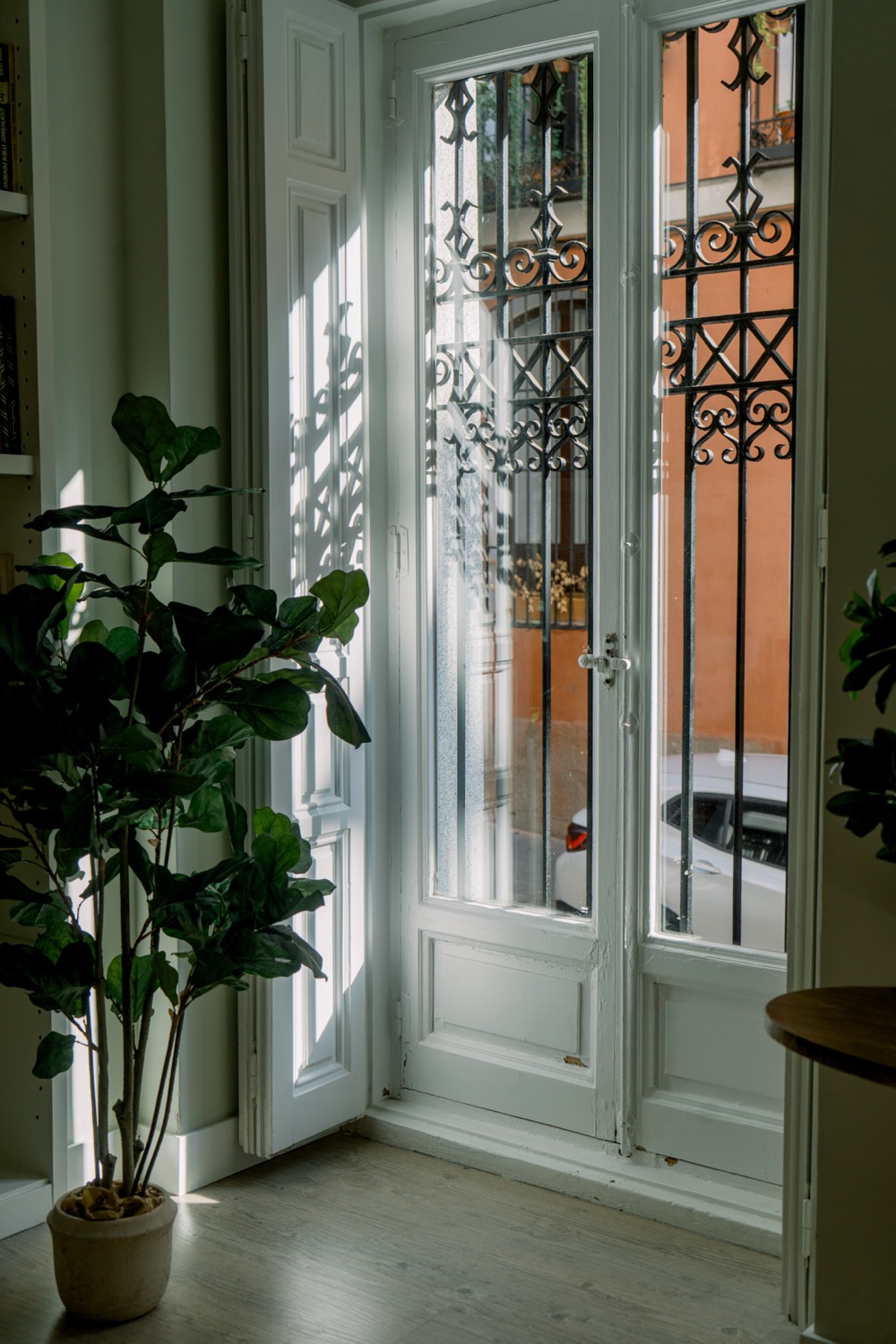
The Window Is the Room’s First Decision
Before any furniture arrives, the window has already made the room’s most important decision.
Read essay →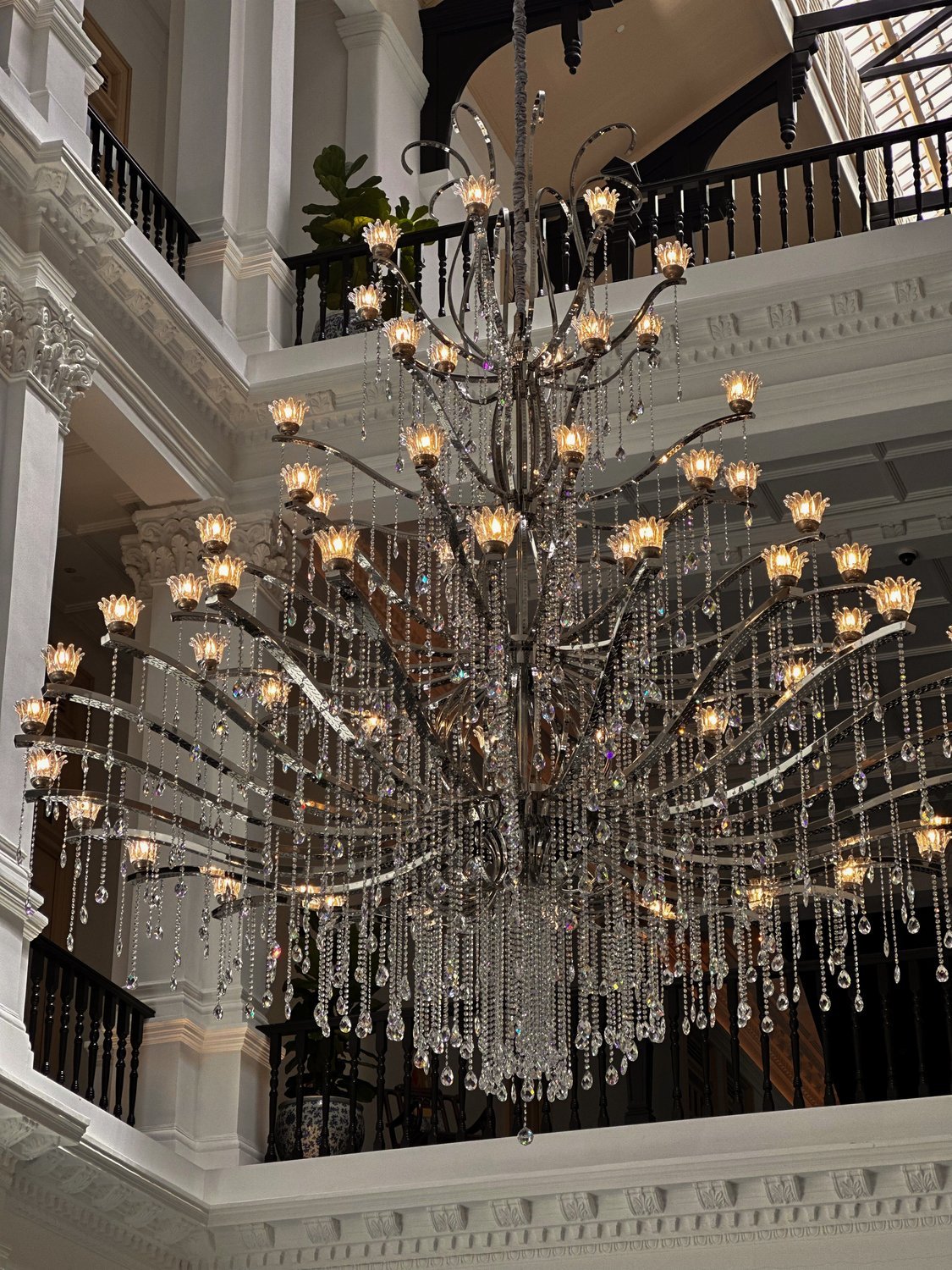
What Overhead Light Flattens
Overhead light removes shadow, and shadow is how a room shows its depth.
Read essay →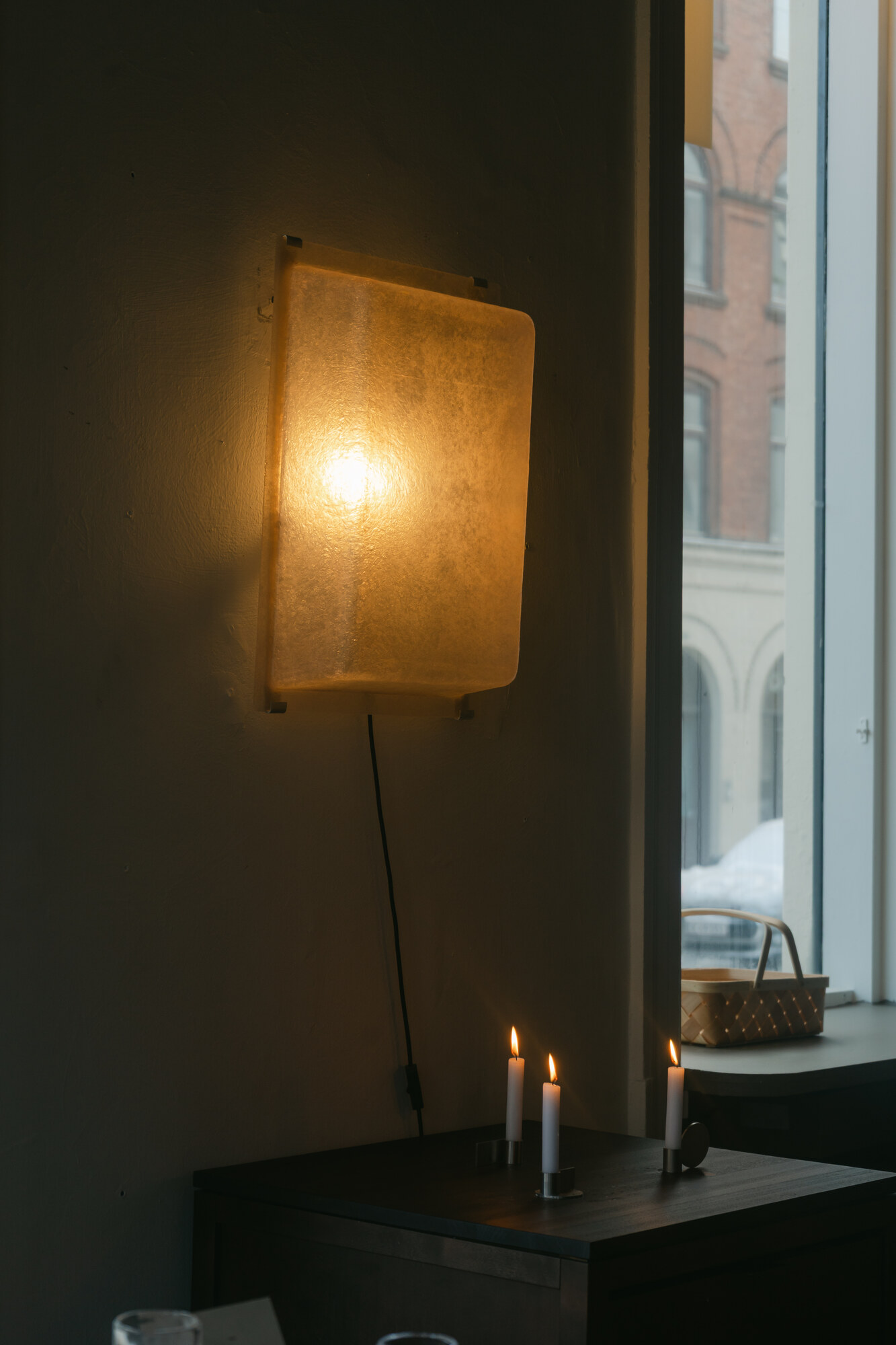
What Candlelight Does
Candlelight is the only light in a room that admits it will not last.
Read essay →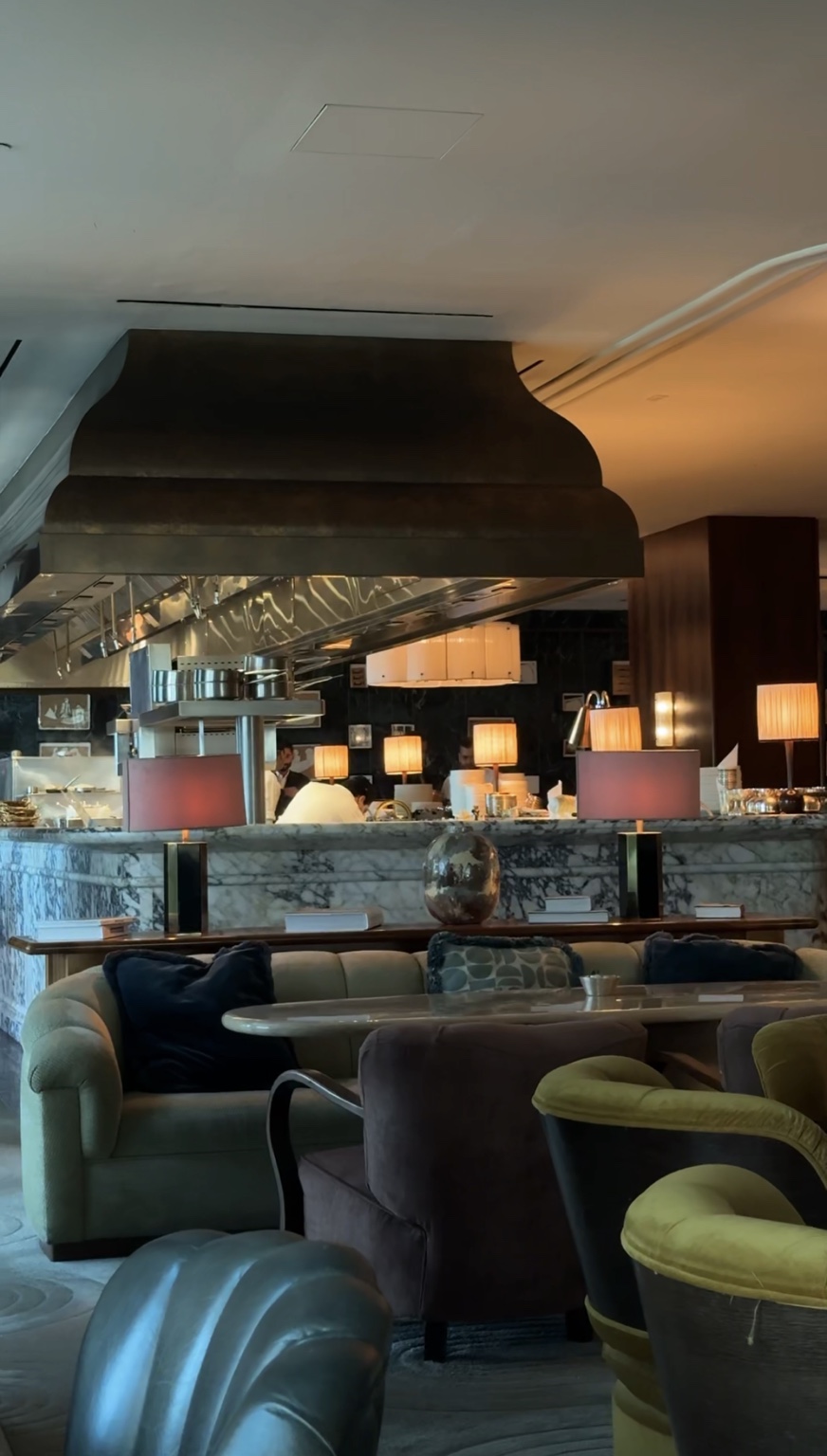
The Room at Night
A room is designed once but experienced twice: in daylight and after dark.
Read essay →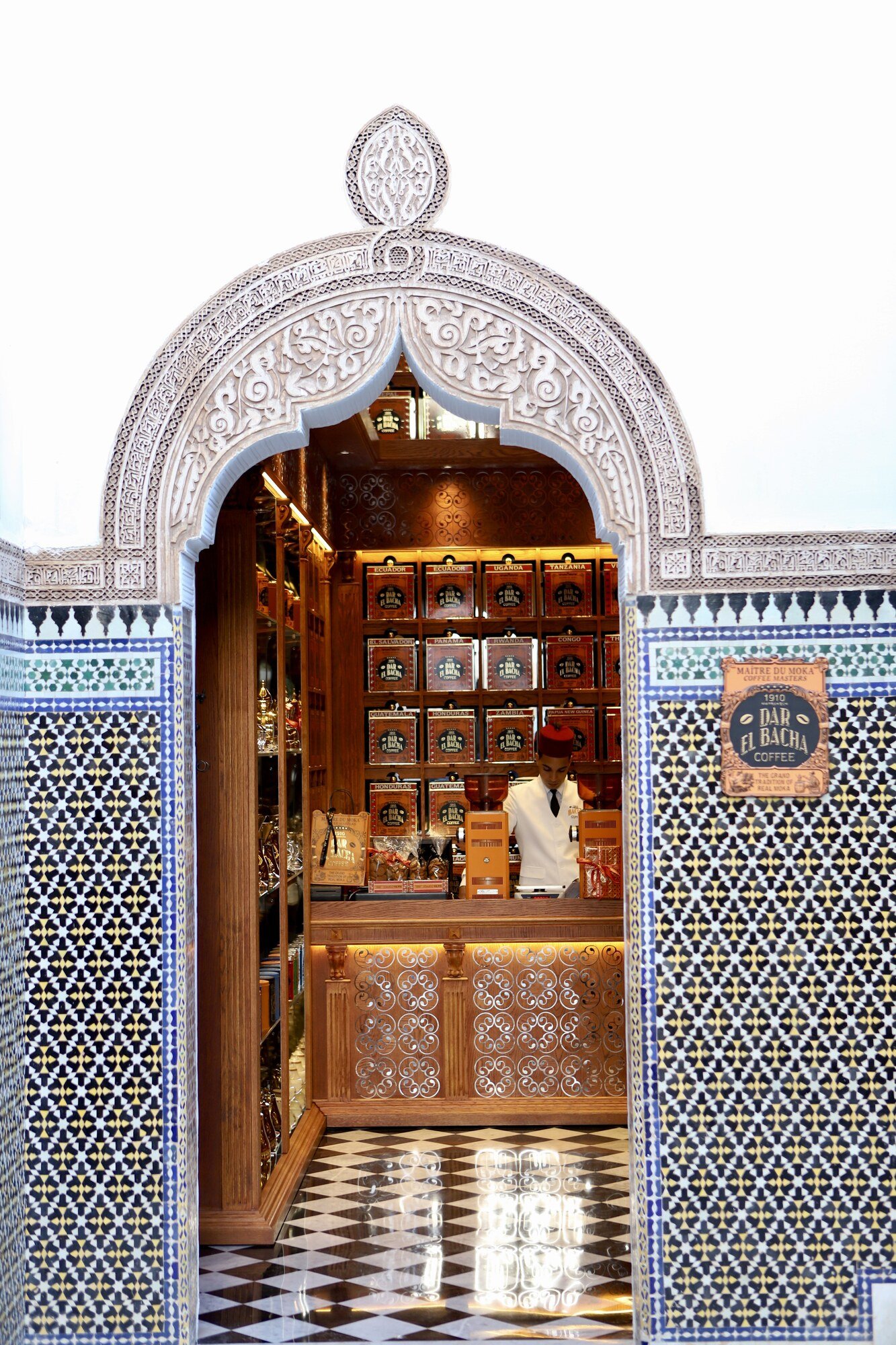
What Shade Does
Shade is not the absence of light. It is a decision about how much to allow through.
Read essay →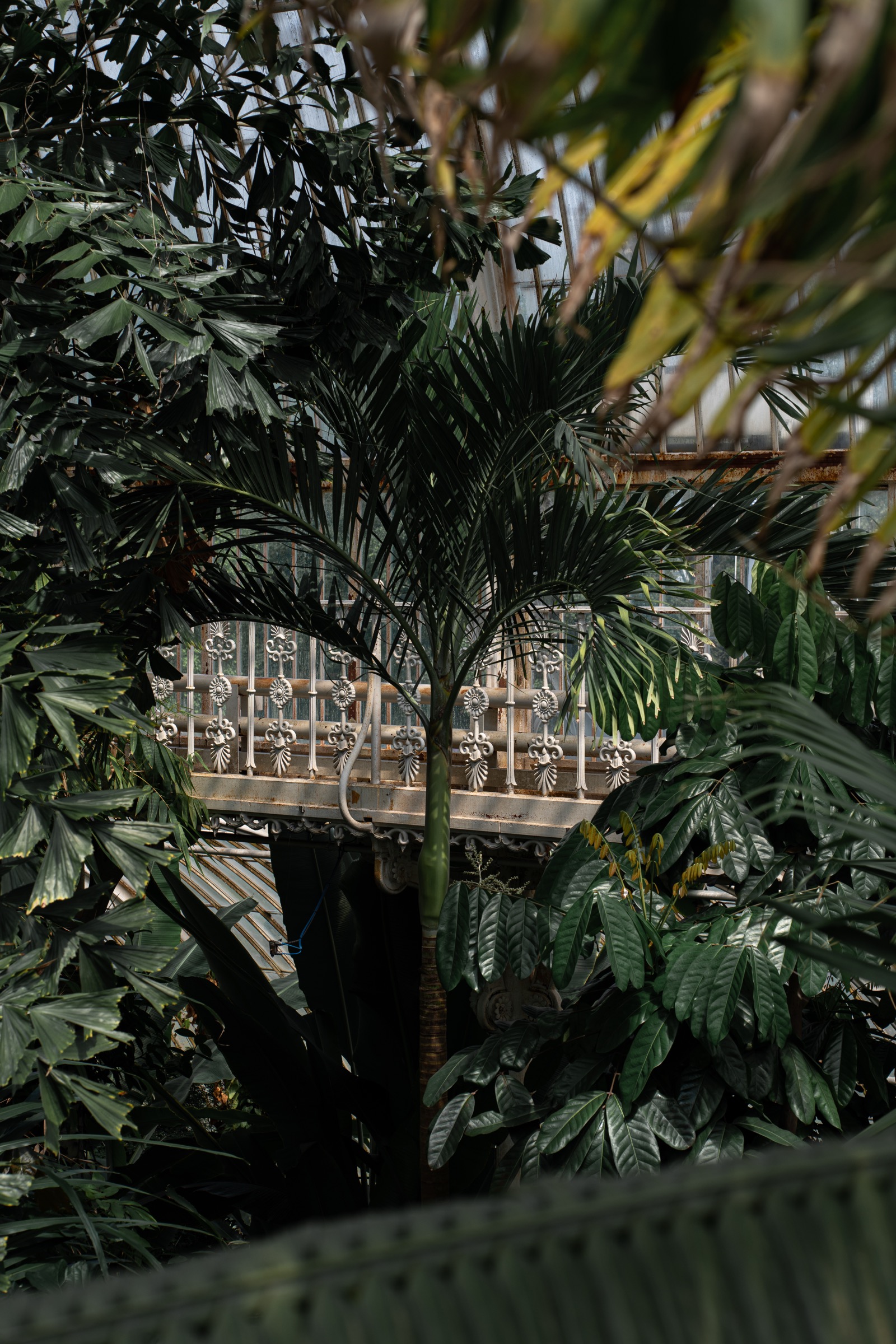
The Light You Cannot Specify
Natural light appears on no specification sheet, and it decides everything anyway.
Read essay →Six essays on material: what things are made of and what that communicates before anyone has spoken. Stone underfoot, brass at the door, linen on the bed. The surface that improves over decades and the one that peaks on opening day. The weight of an object in the hand. And the wall that was never painted, which turns out to say more than the one that was.
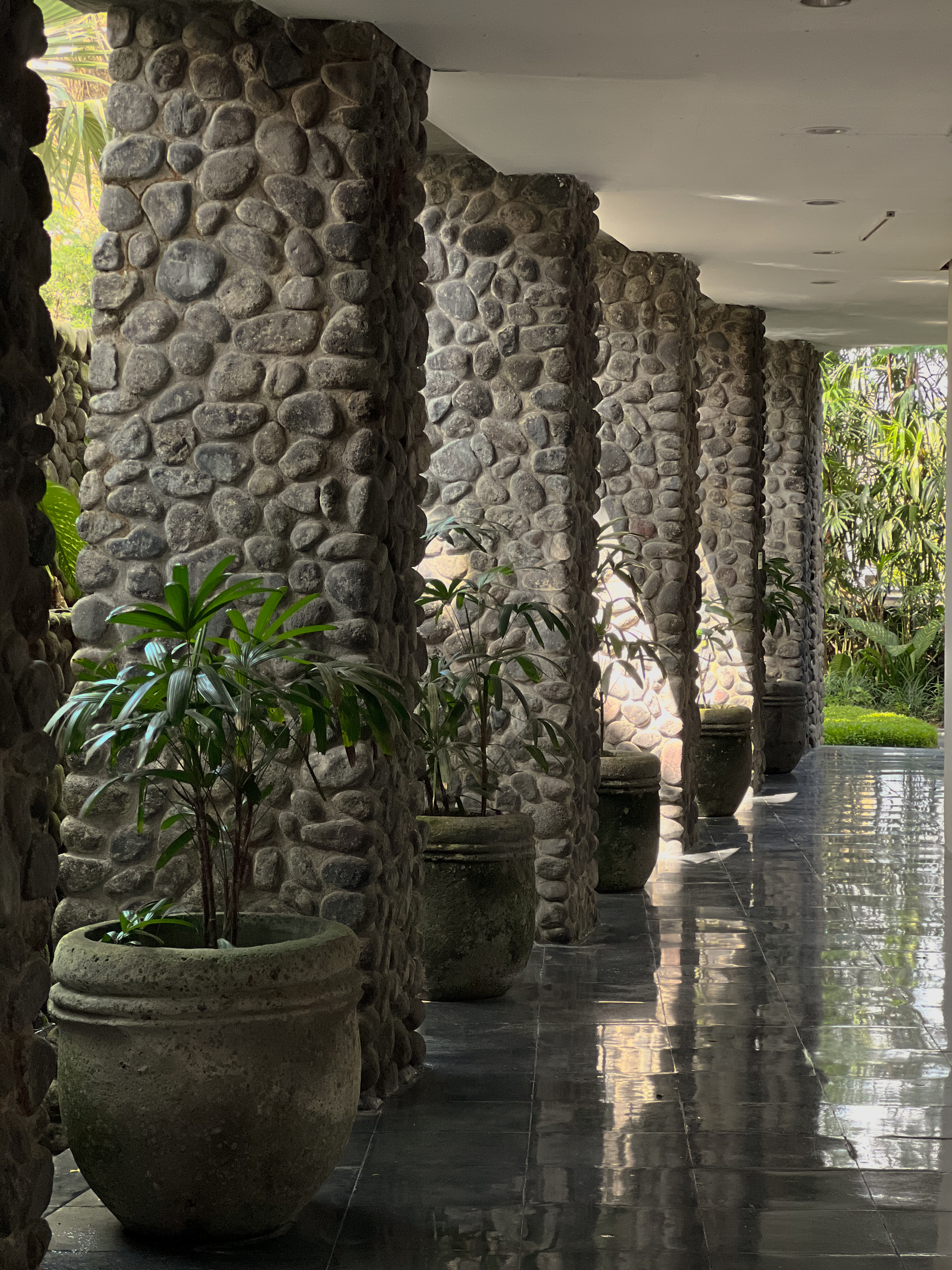
What Stone Communicates
Material is the first argument a room makes about what it values, and it makes that argument before anyone has opened their mouth.
Read essay →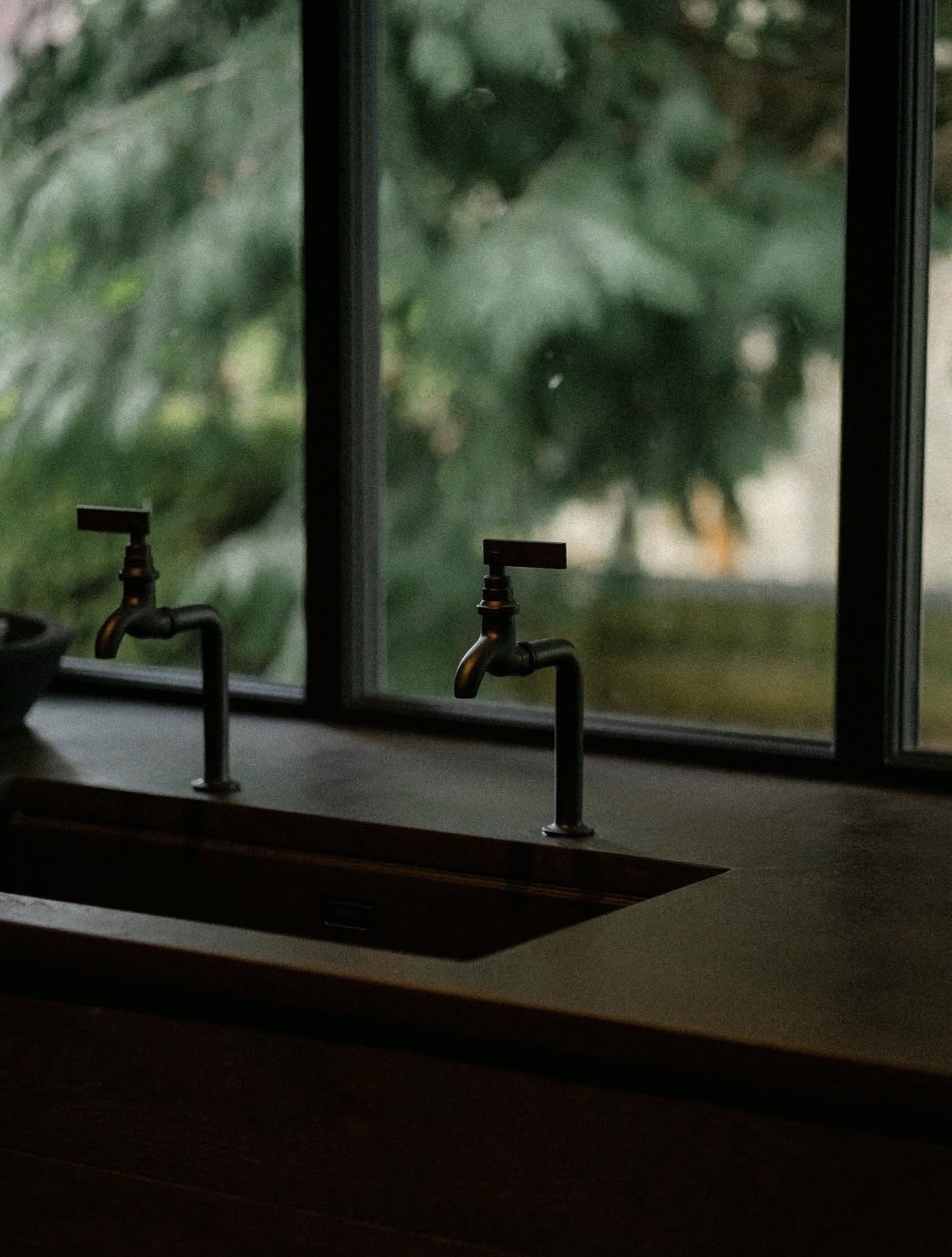
The Decision to Use Brass
Hardware is the detail that dates a room fastest and endures longest when the choice was made for the right reason.
Read essay →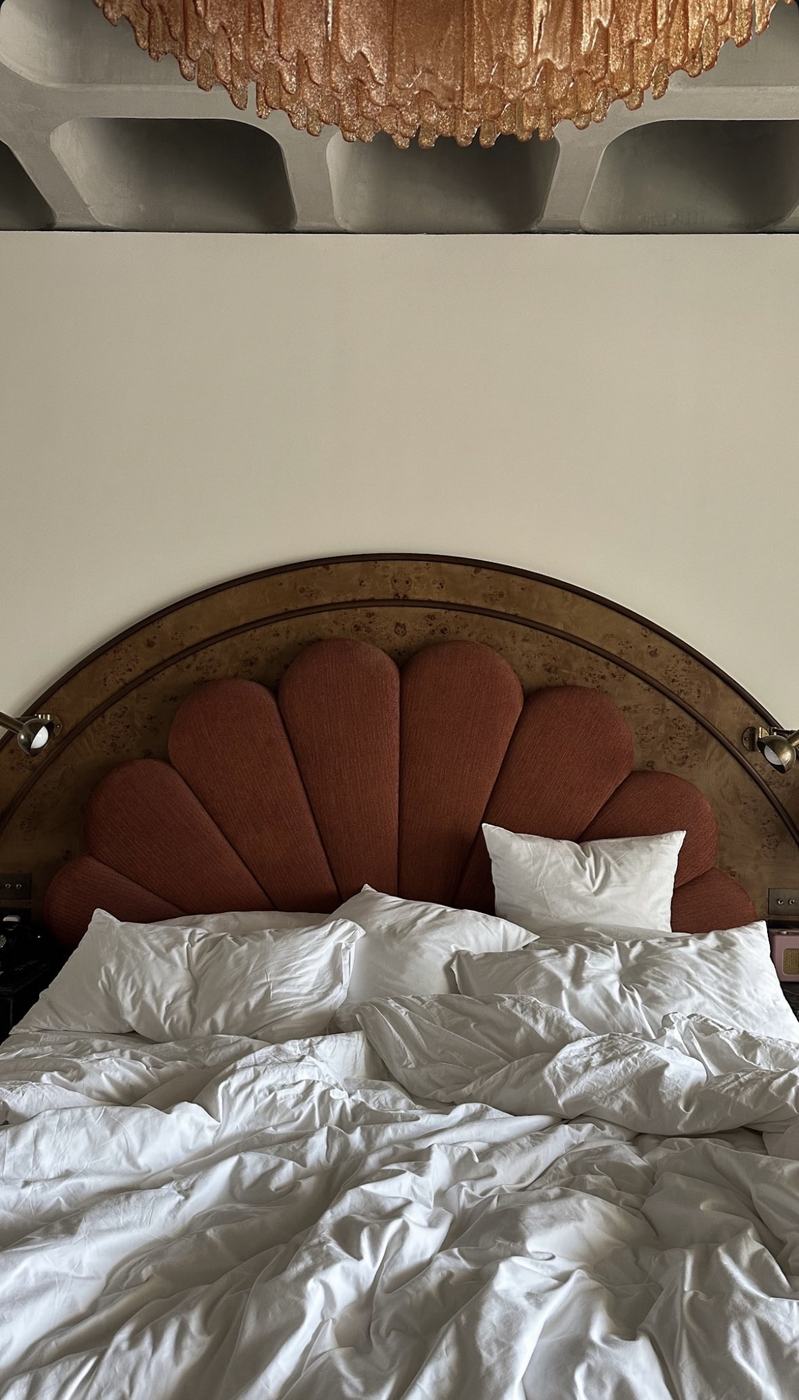
What Linen Says
Touch is the sense photography cannot carry. But the decision to use linen rather than polyester is visible in the image anyway.
Read essay →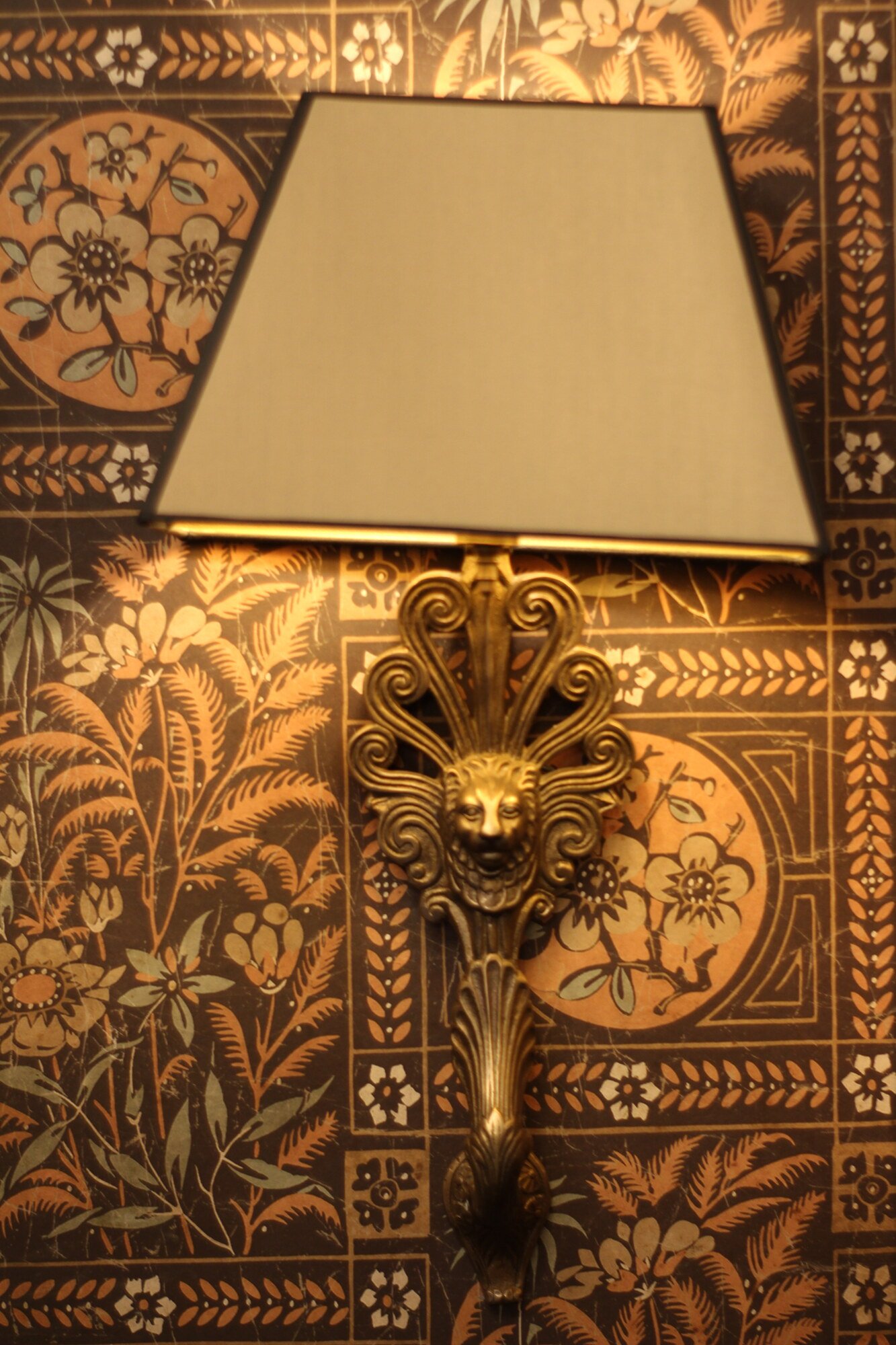
The Patina
Some materials improve with age. Others degrade. The distinction between them is one of the most reliable tests of whether the original material decision was made seriously.
Read essay →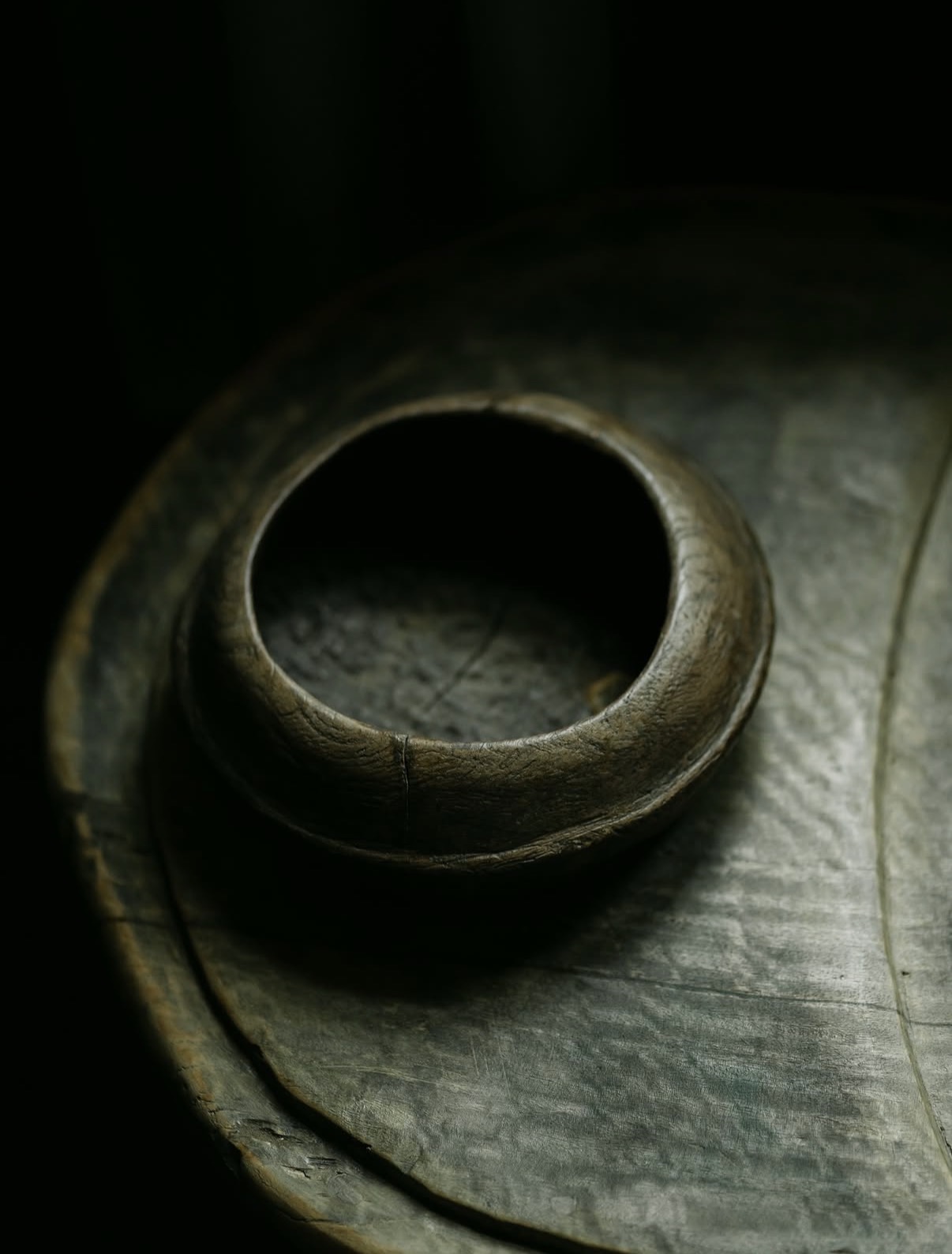
Weight
The first signal of quality in any object is its weight. This signal arrives before the object has been examined, before it has been used.
Read essay →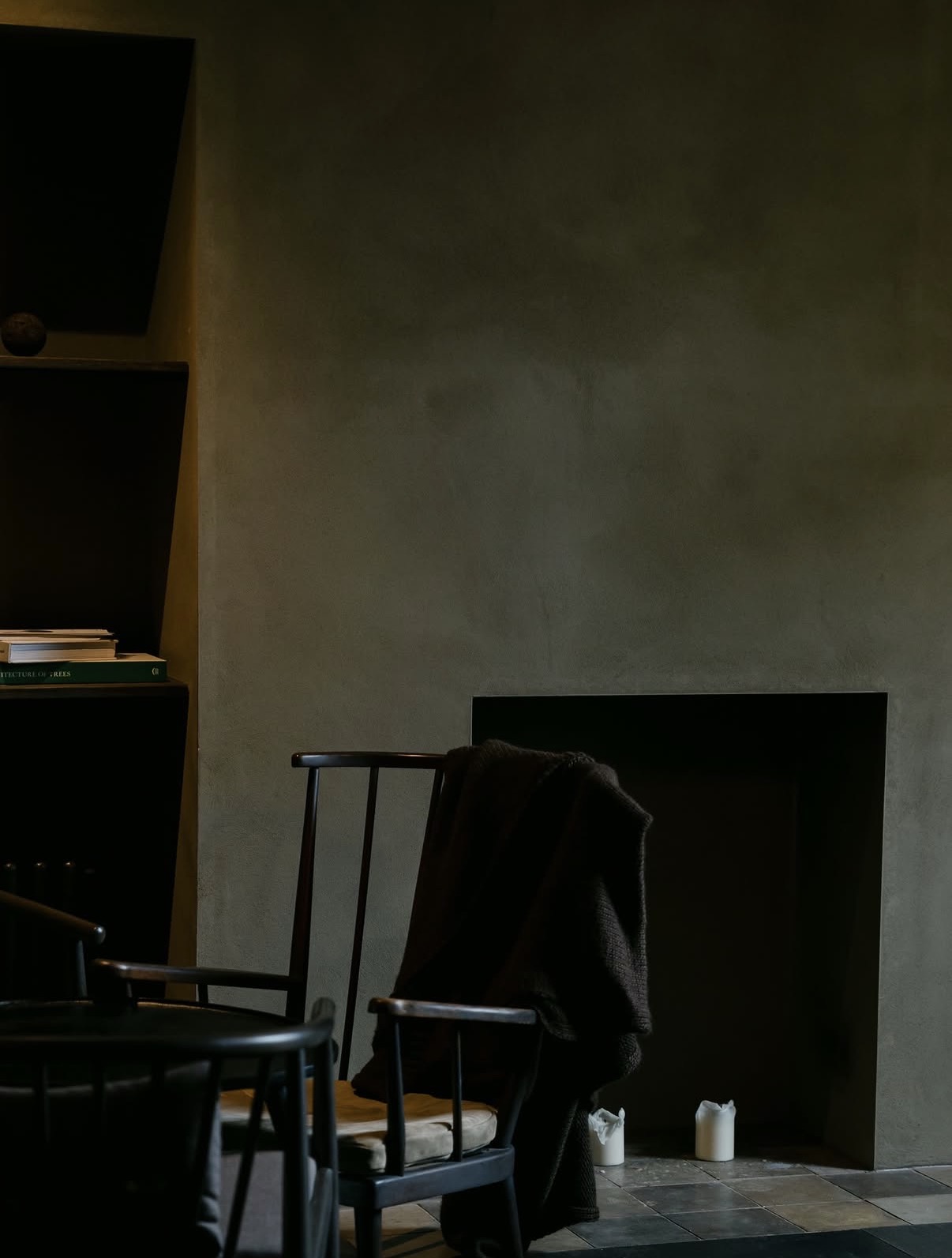
What Paint Covers
Paint is the material decision that looks least like a material decision. It is the last thing applied and the first thing seen.
Read essay →Six essays on time as the design element a brief never specifies. The room that changes completely between morning and evening without a single object moving. What a season does to a building its architect photographed in summer. The space about to be dismantled that nobody thought to record. The detail that places a room in a decade without a timestamp. What a century of photographs does to the experience of walking into a building. And the room that asks you, without a word, to stay longer than you planned.
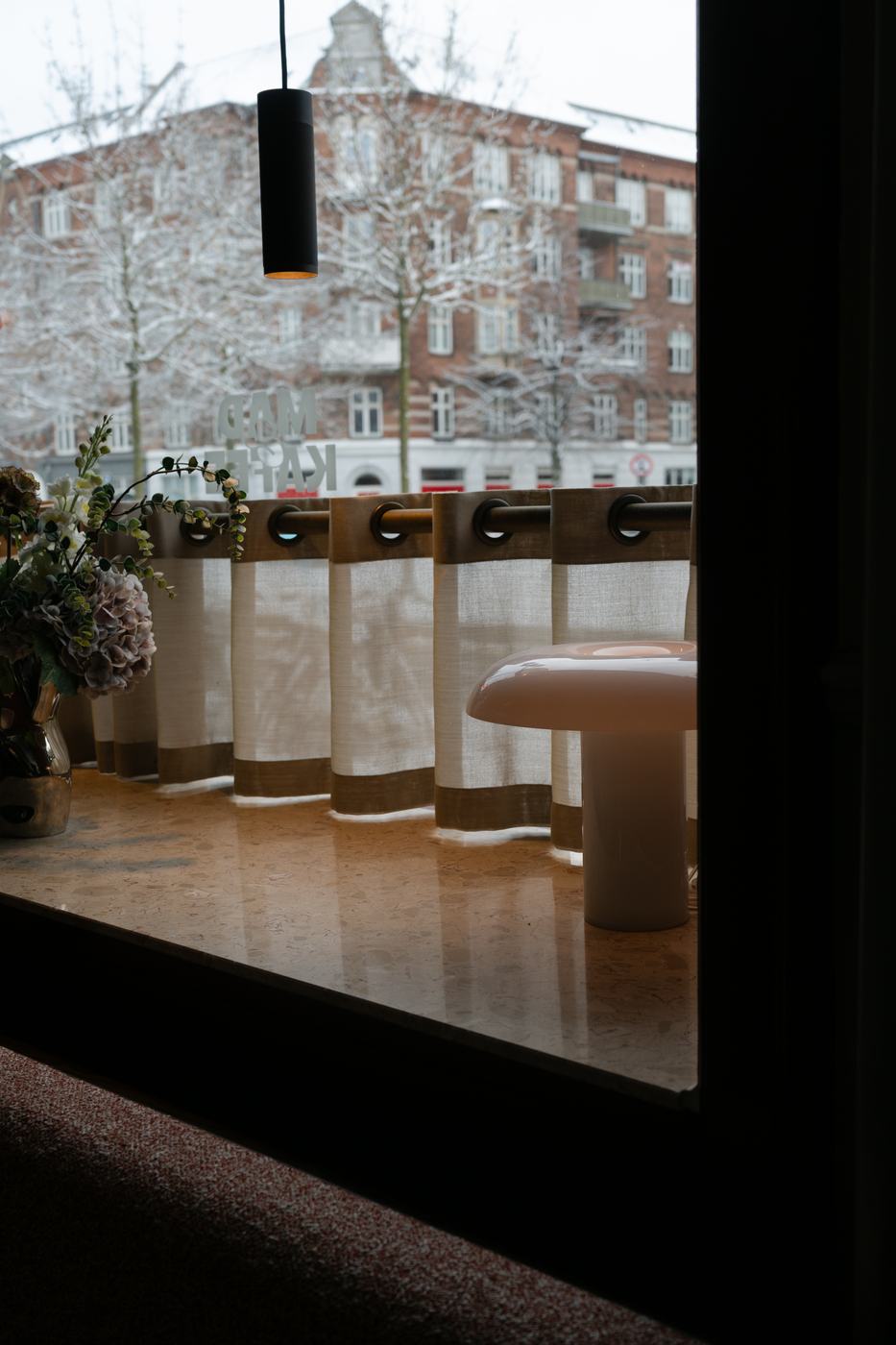
The Same Room at Different Hours
Nothing moves. No one rearranges anything. And yet the room at 7am and the room at 7pm are two different spaces.
Read essay →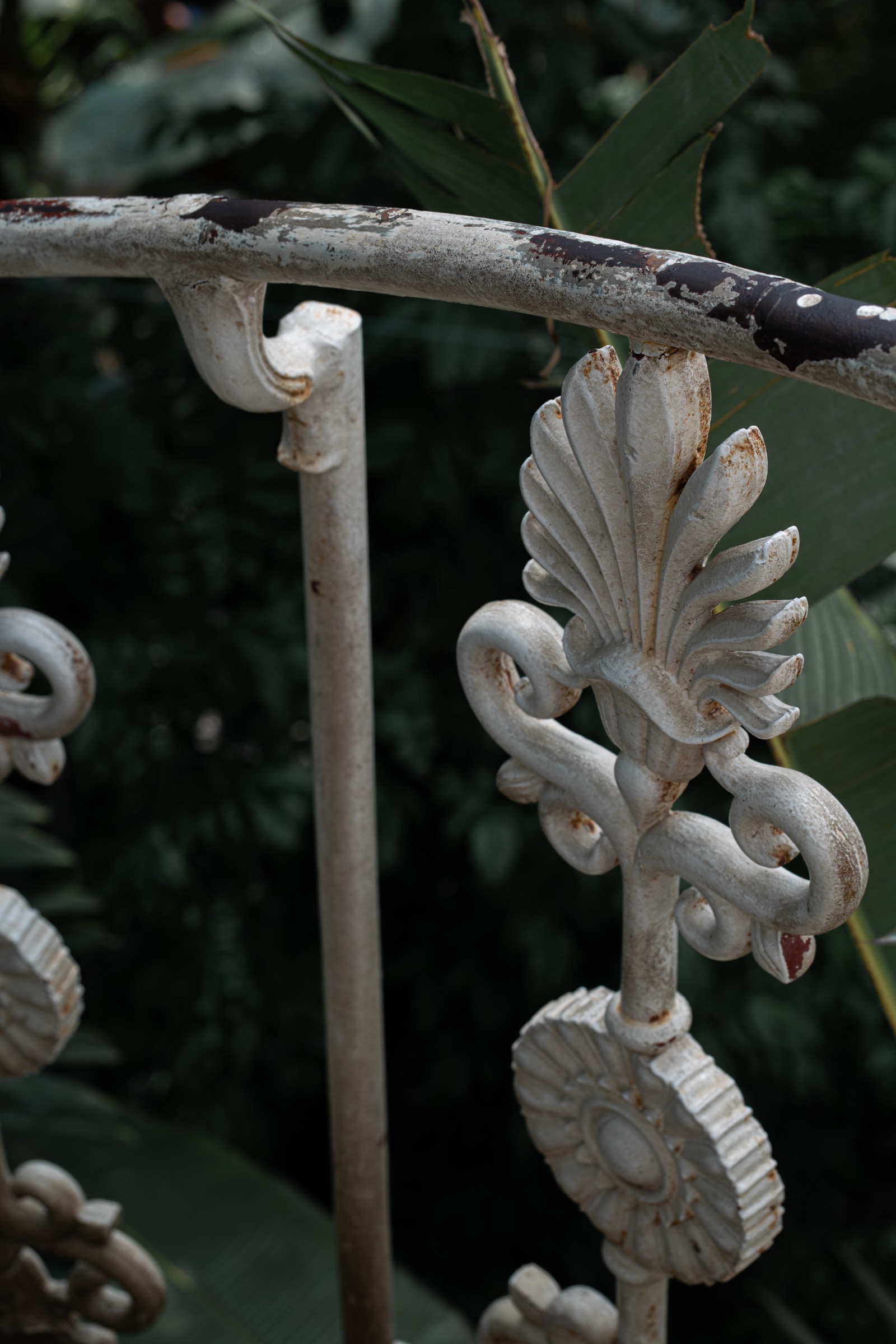
What a Season Does to a Building
Architecture is designed for a climate but experienced in weather.
Read essay →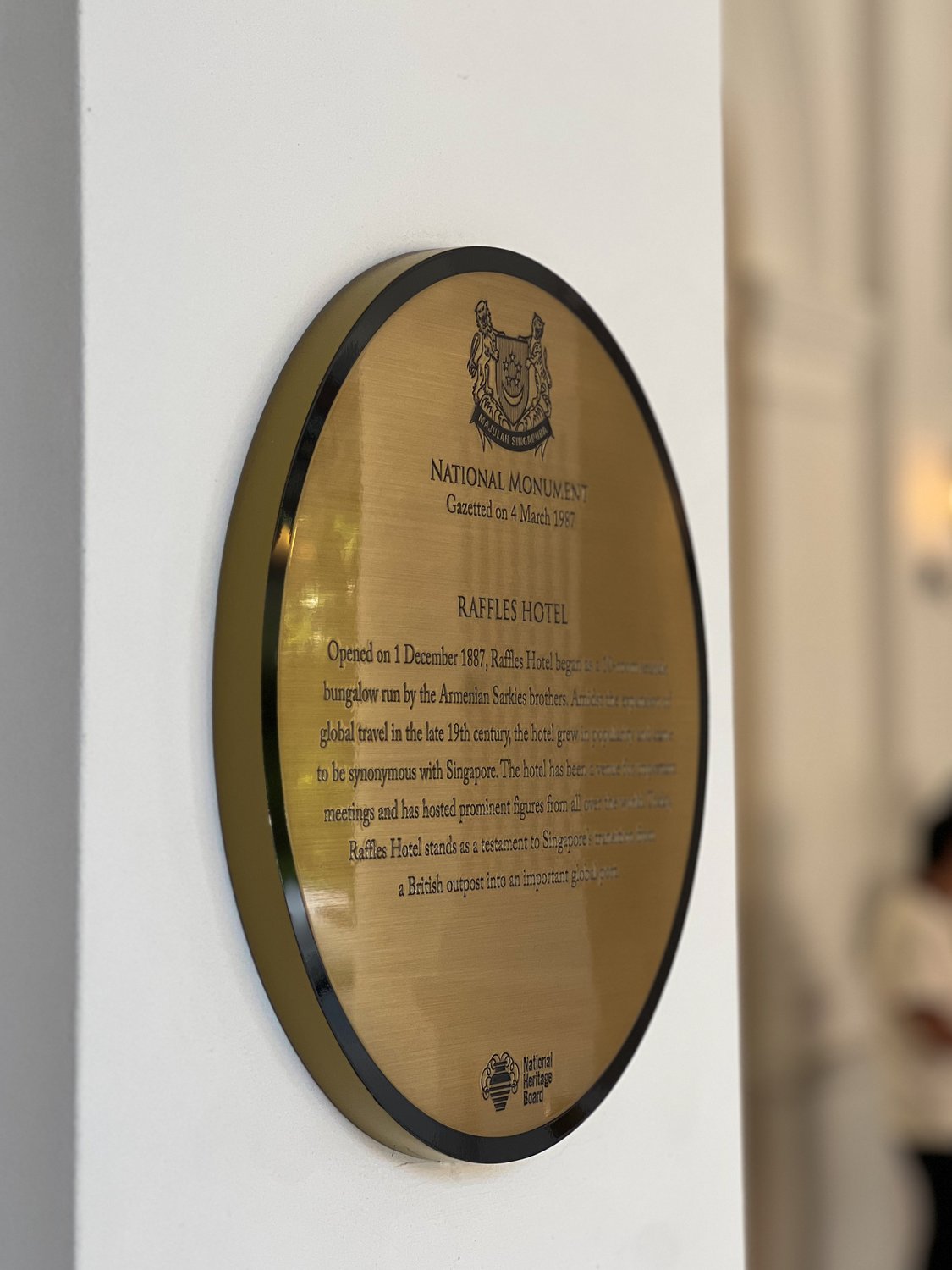
Before the Renovation
The room about to be dismantled is rarely photographed. The record almost always begins after the change.
Read essay →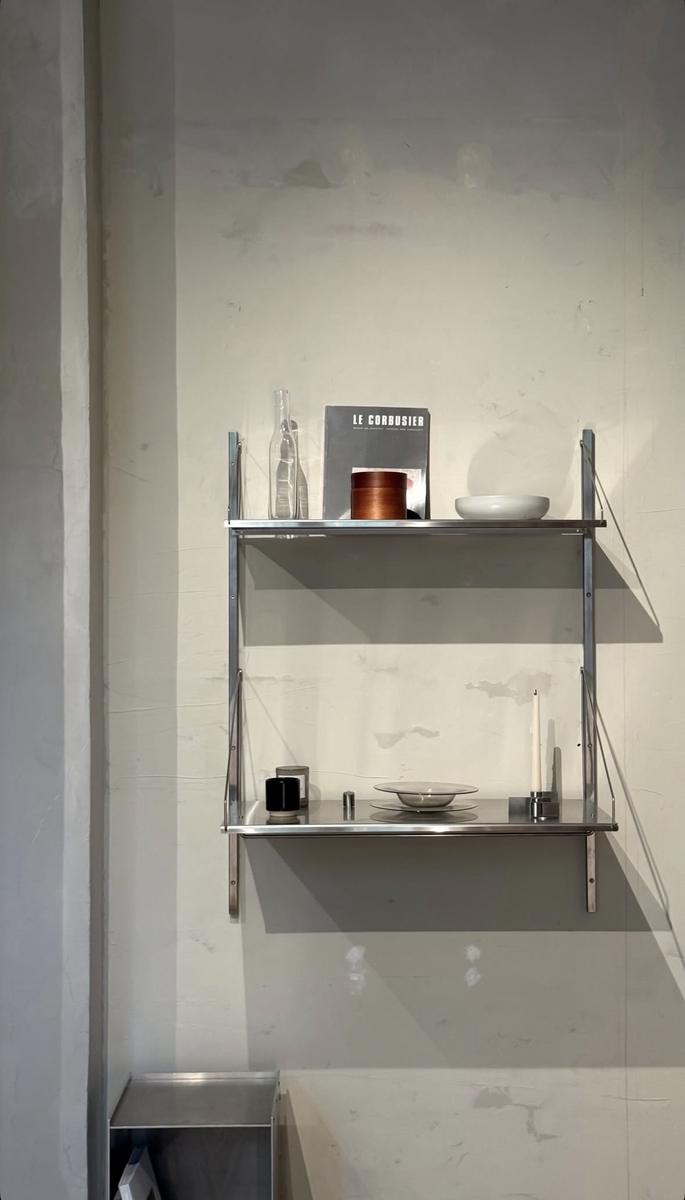
How to Date a Room
You can date a room from a single photograph without a timestamp. The question is which details carry the date.
Read essay →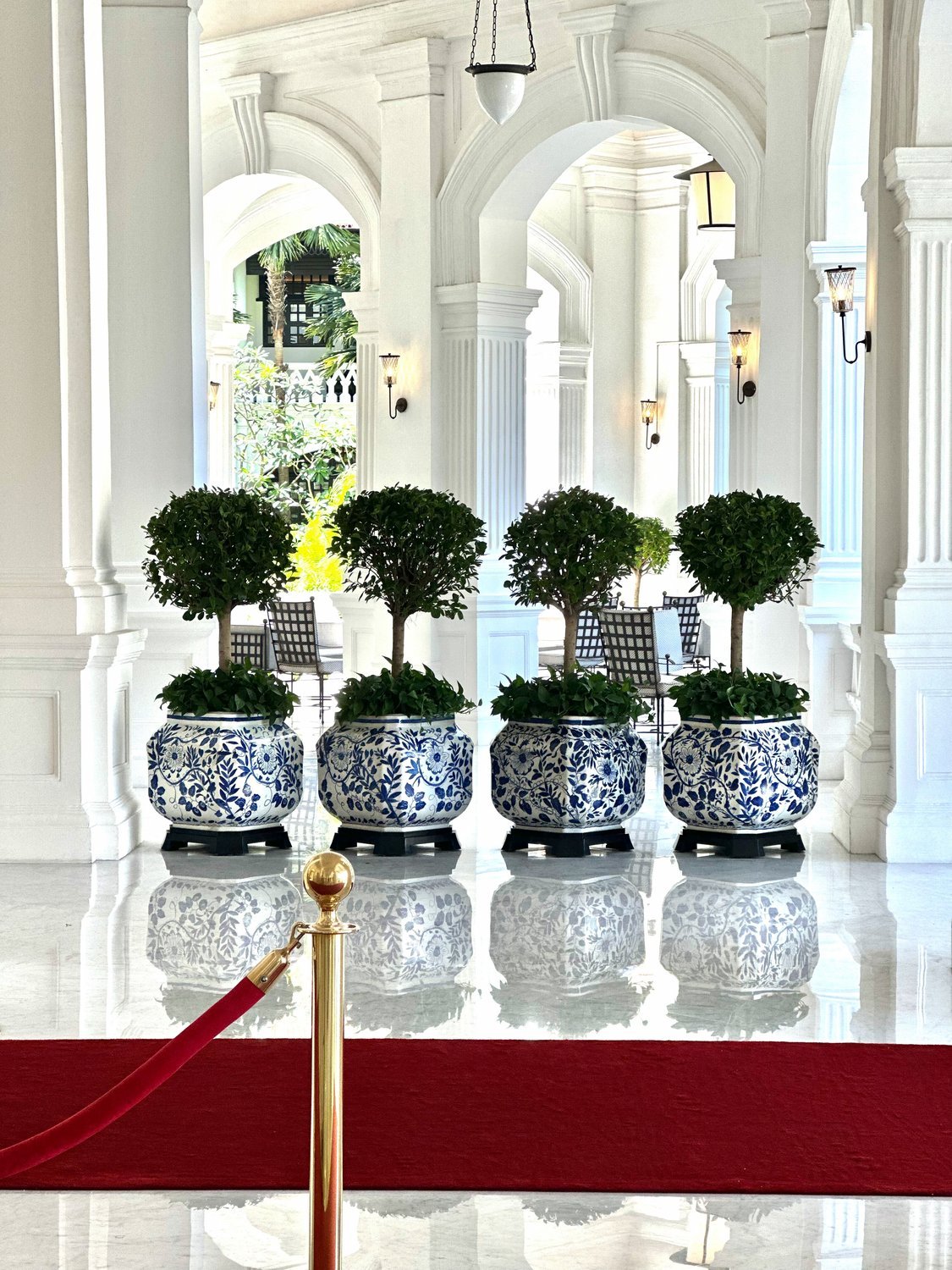
What Old Photographs of a Place Change
Seeing a space through its own archive changes what the space is.
Read essay →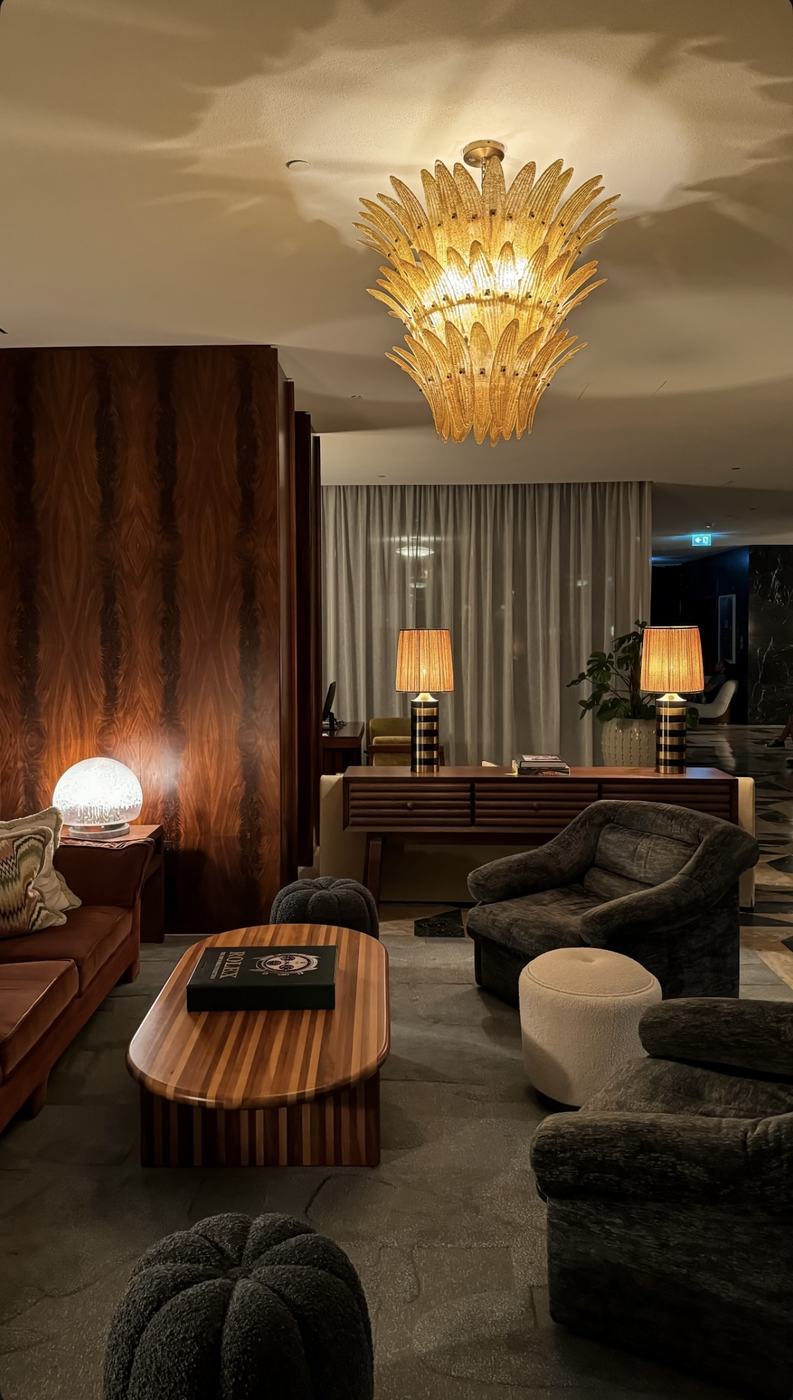
The Slow Room
Some spaces resist being moved through quickly. Pace as a deliberate design decision.
Read essay →Six essays on the observer rather than the observed. What familiarity removes from the person who runs a space. What the first ten minutes reveal before editorial instinct closes in. What a guest reads at the threshold that the host no longer sends consciously. What the camera's frame removes from the room it records. Why the edited image is more persuasive than the experience itself. And what the editor owes the reader who will never visit.
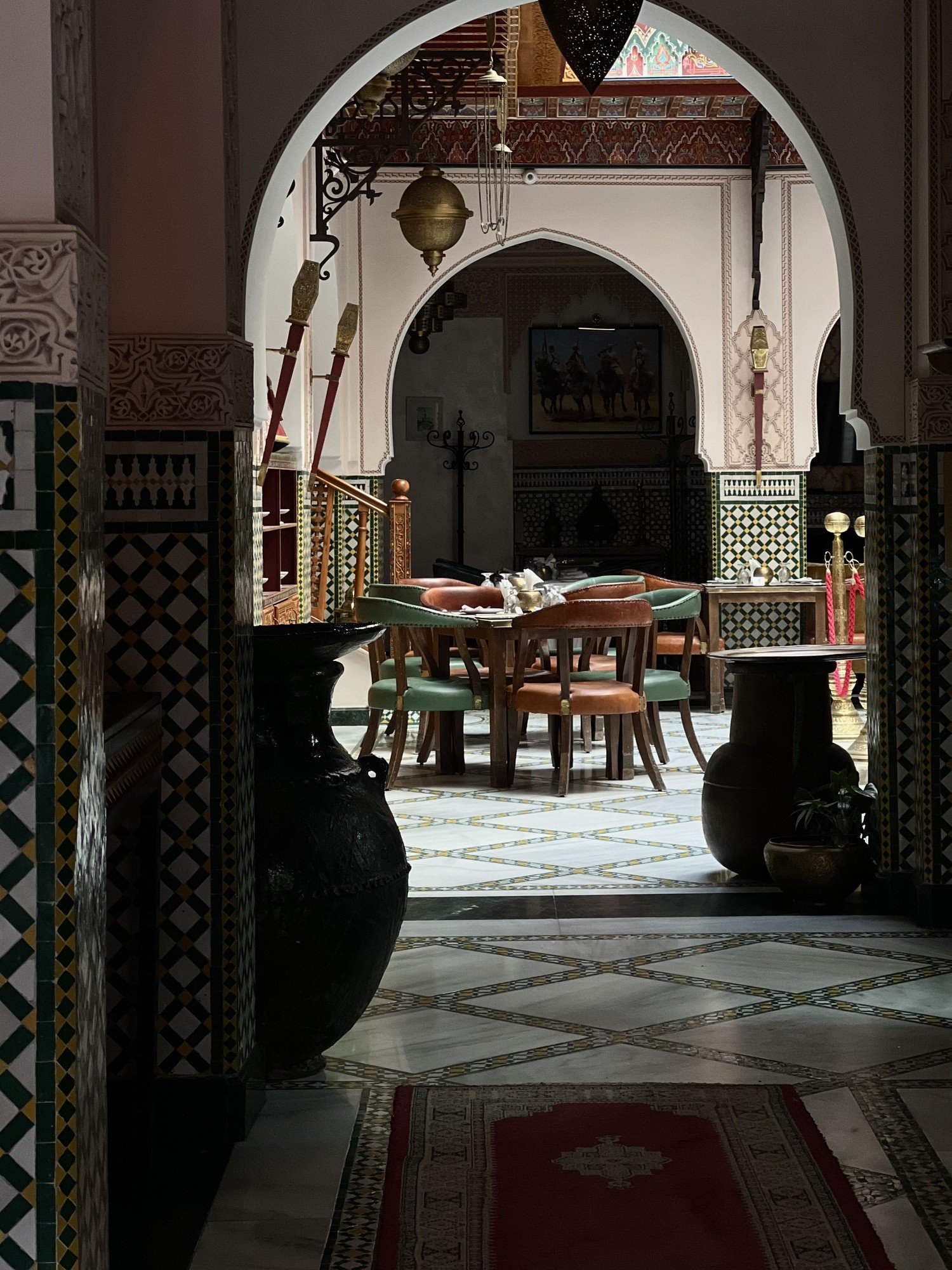
What the Owner No Longer Sees
Familiarity is a form of blindness. The person who runs a space has stopped reading it.
Read essay →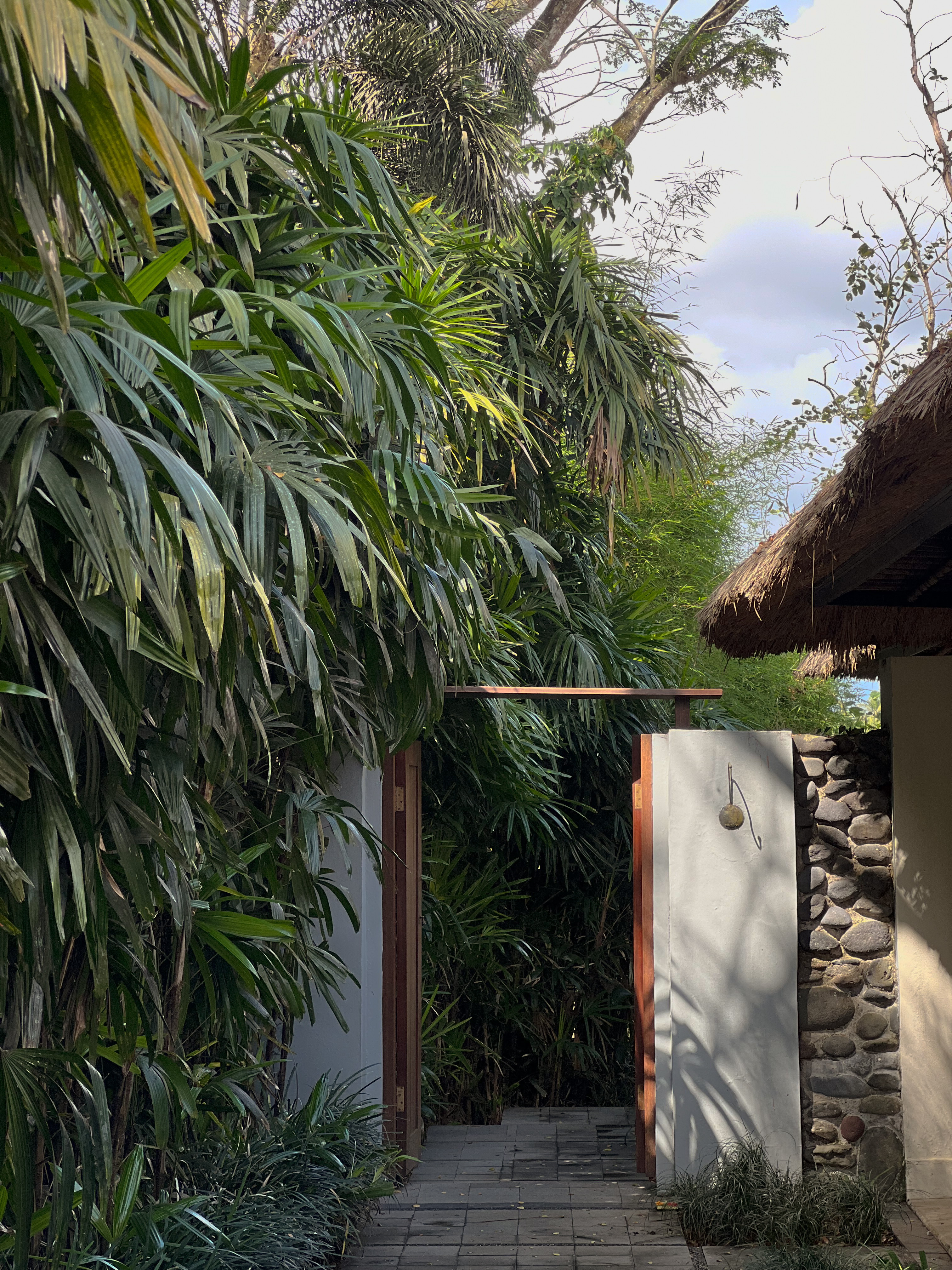
The First Ten Minutes
Before editorial instinct takes over, there is a window when a space is simply experienced.
Read essay →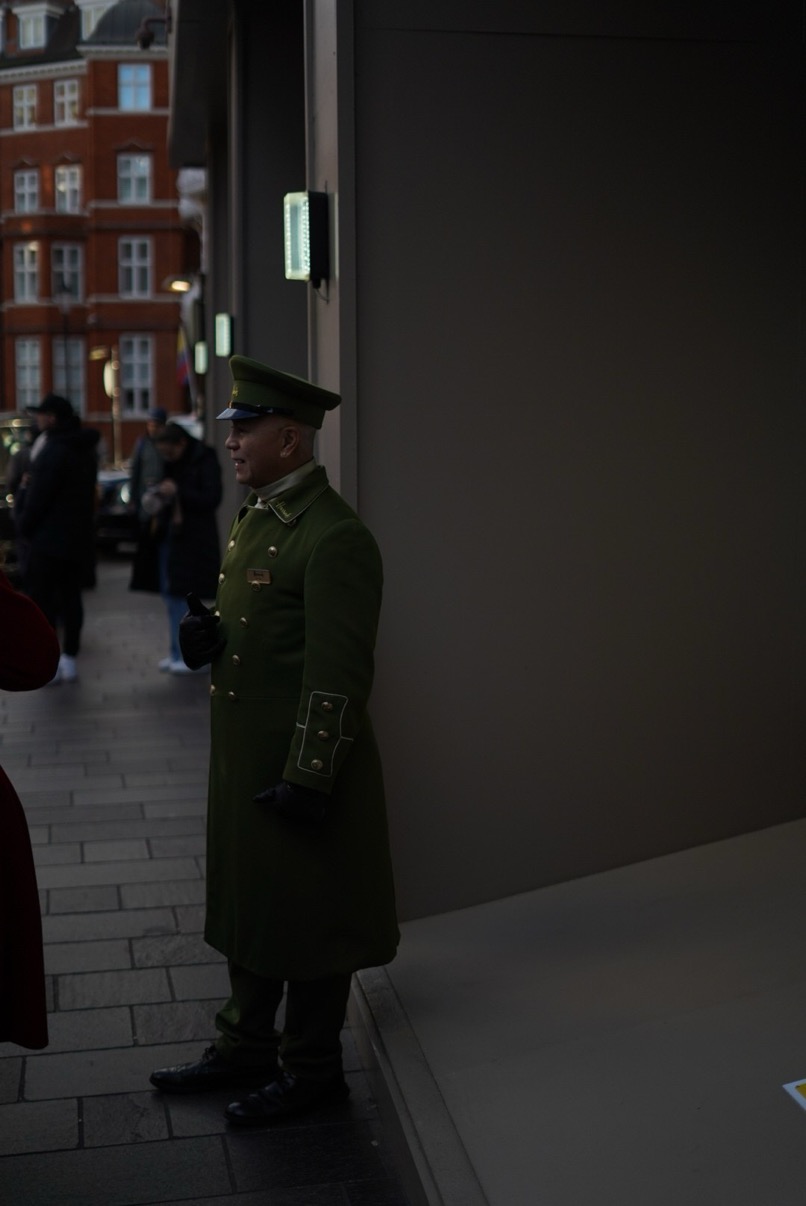
What a Guest Reads That a Host Cannot
A guest arrives and immediately begins reading signals the host stopped sending consciously years ago.
Read essay →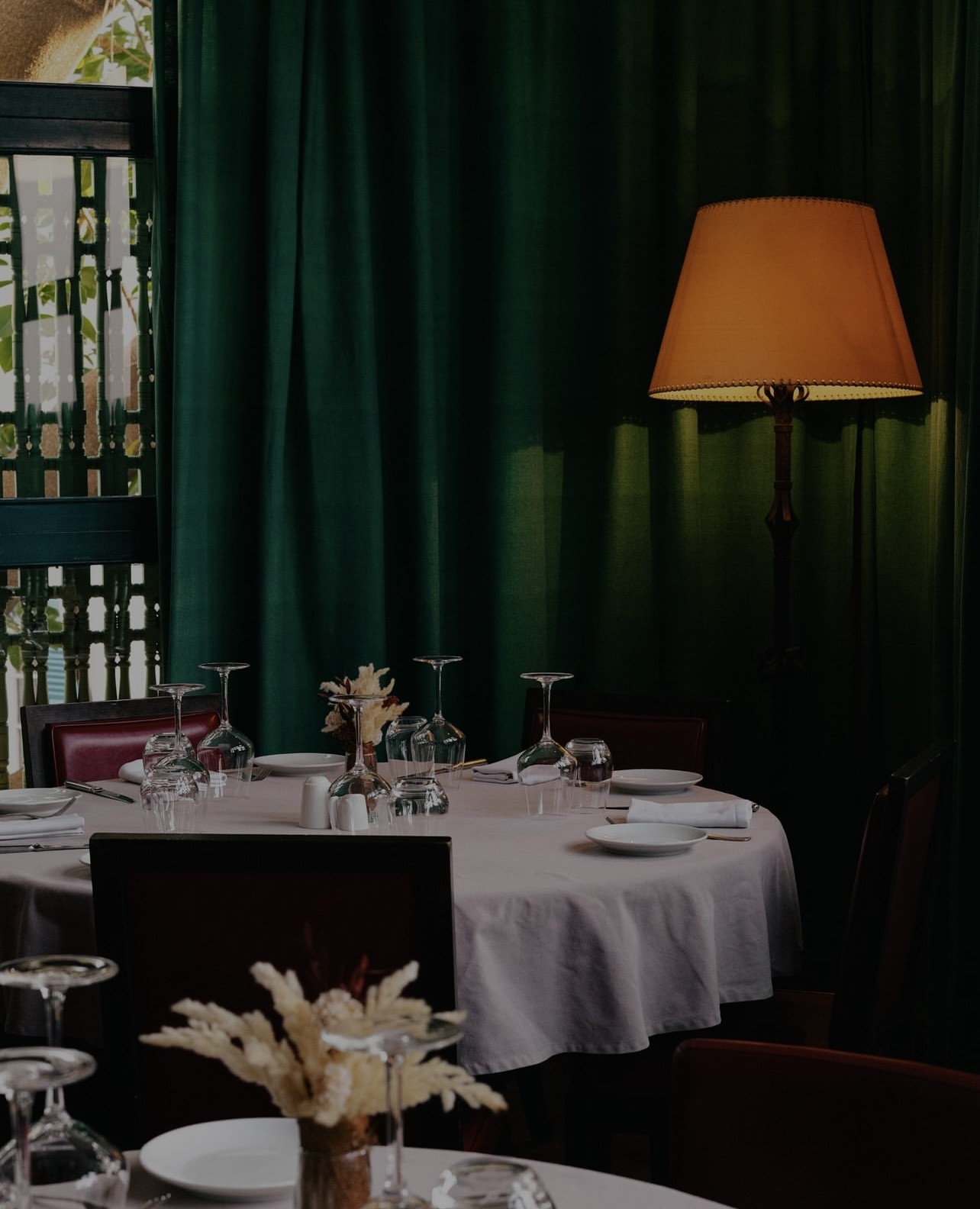
What the Frame Takes Away
A viewfinder removes temperature, smell, peripheral vision, scale and sound. What remains is a rectangle.
Read essay →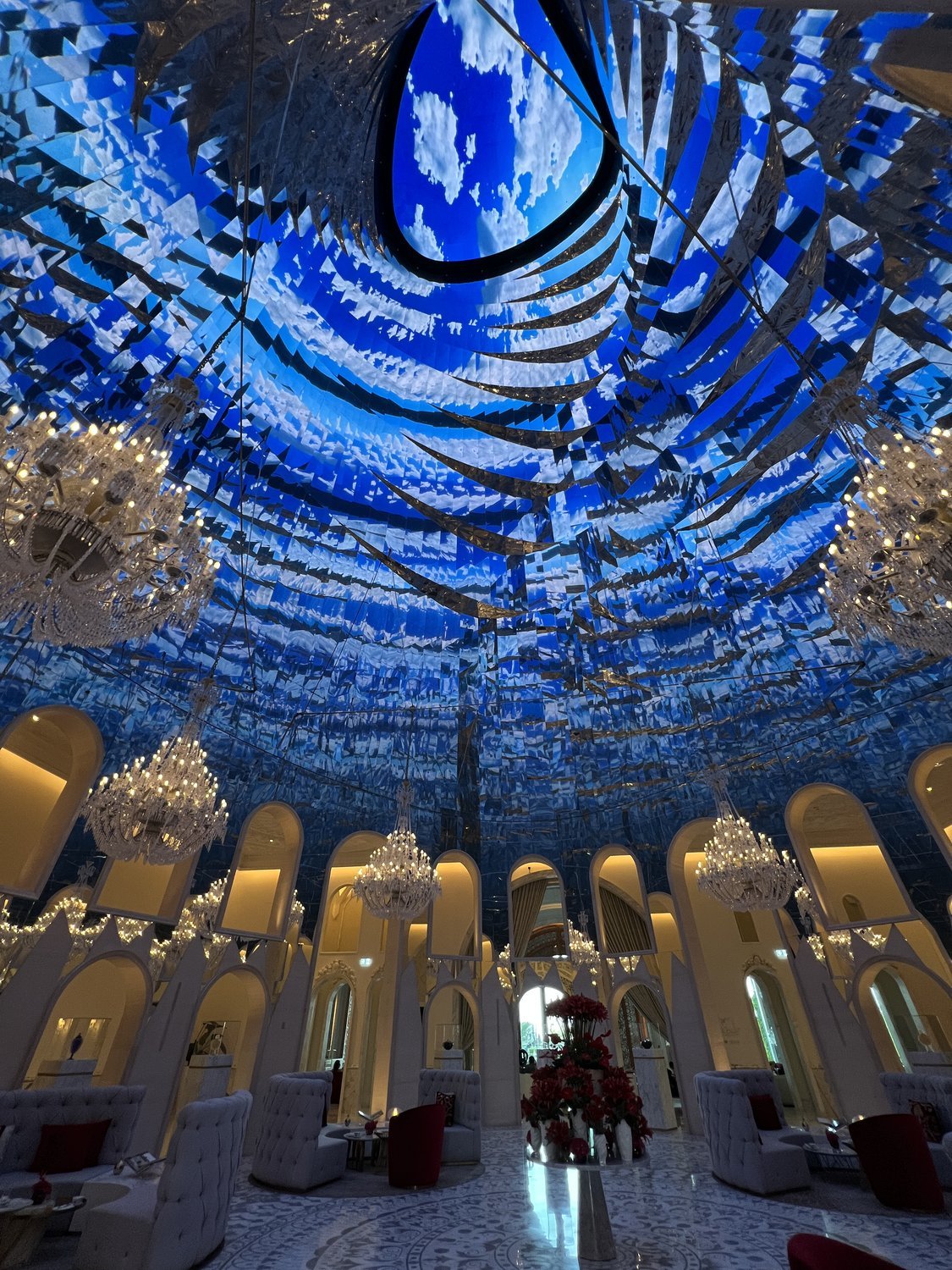
More Persuasive Than Being There
The edited image is more persuasive than the experience. This is not a failure of photography.
Read essay →
The Reader Who Was Never There
The last observer forms a complete picture of a place from images alone, and may never visit.
Read essay →Every body of work contains a version of itself that nobody sees: the images taken before the right one was found, the brief as it was written before the space changed it, the cover that almost was. This volume is about those invisible decisions. Not the photographs that survived the edit, but the editing itself.
The Photograph That Comes Second
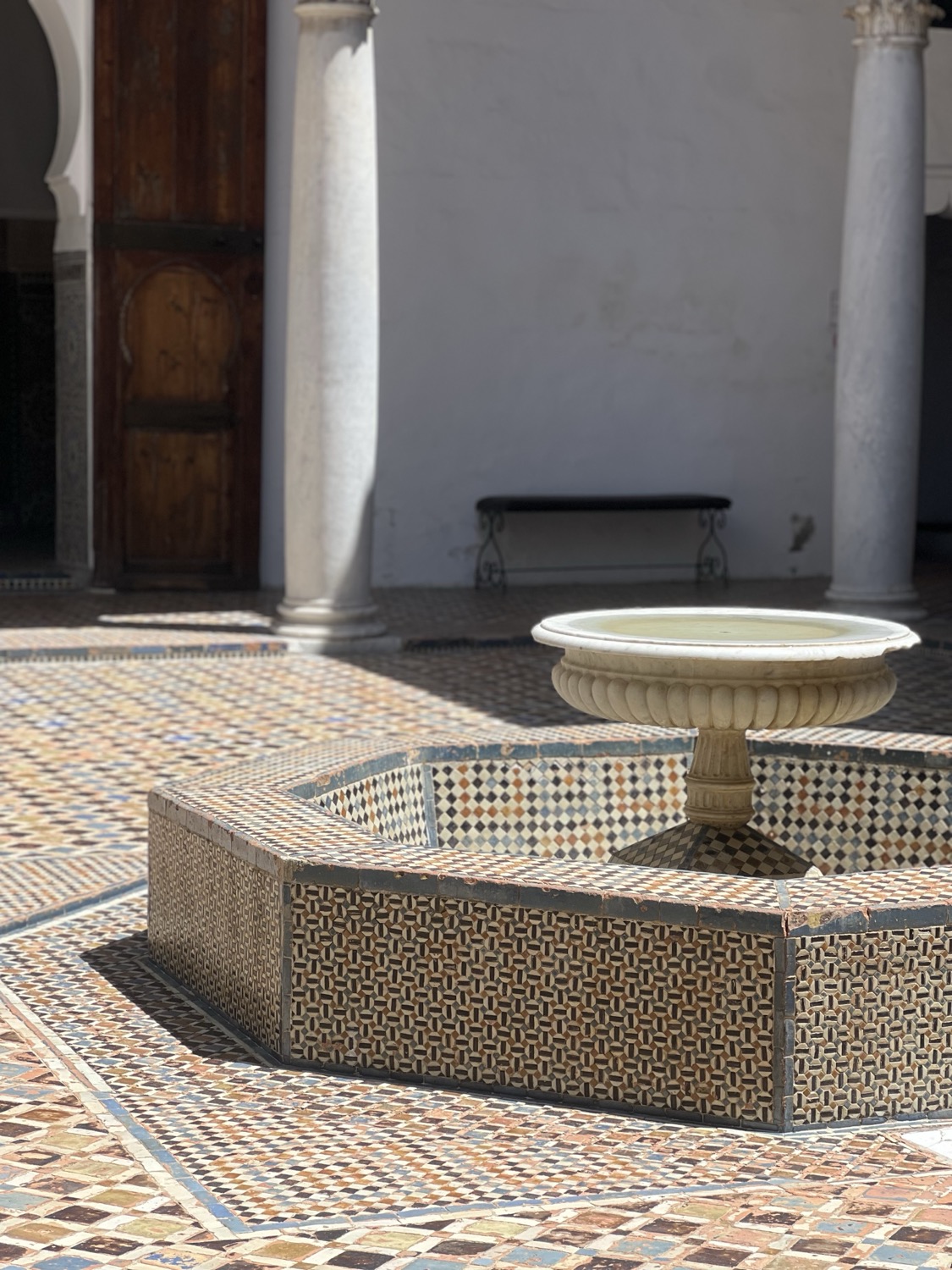
The strongest image in a study is not always the right one to show first.
Read essay →
What the Brief Doesn't Say
A brief describes what a client wants. It rarely describes what they need.
Read essay →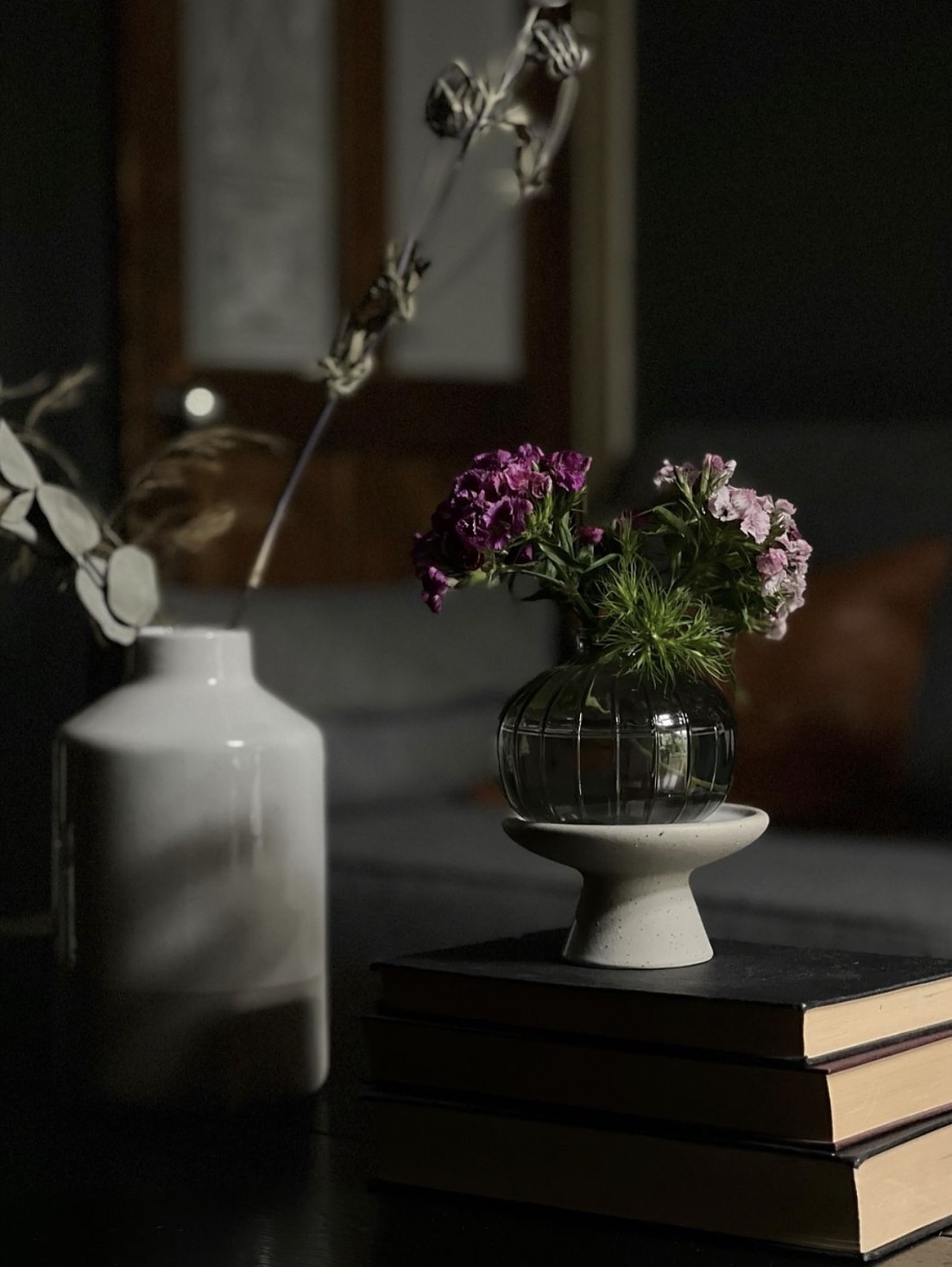
The Image Nobody Keeps
Every study contains a photograph that was never going to make it.
Read essay →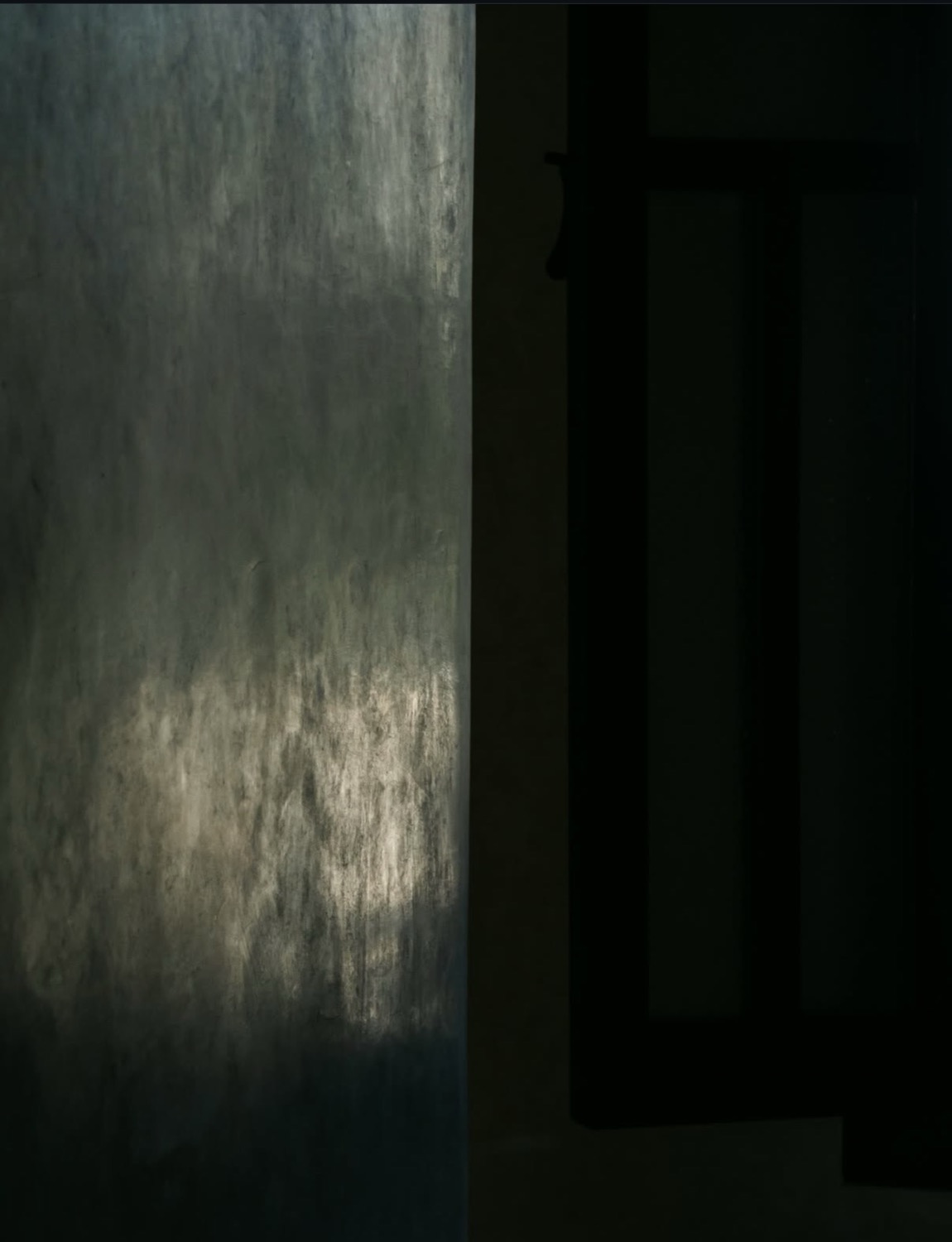
A Second Visit
The first visit produces the photographs you expected. The second produces the study.
Read essay →
What a Caption Changes
A caption does not describe a photograph. It directs the way the photograph is read.
Read essay →
The Cover Problem
The cover has to make the case for the publication before the reader has opened it.
Read essay →Six essays on the objects and rooms that do most of their work quietly. The amenity placed without being asked. The window that changes a meal. The bathroom that reveals what a hotel actually believes. The shopfront making its argument to an empty street. The still life a brand builds in the corners of its spaces. The kitchen that was never trying to look like anything.
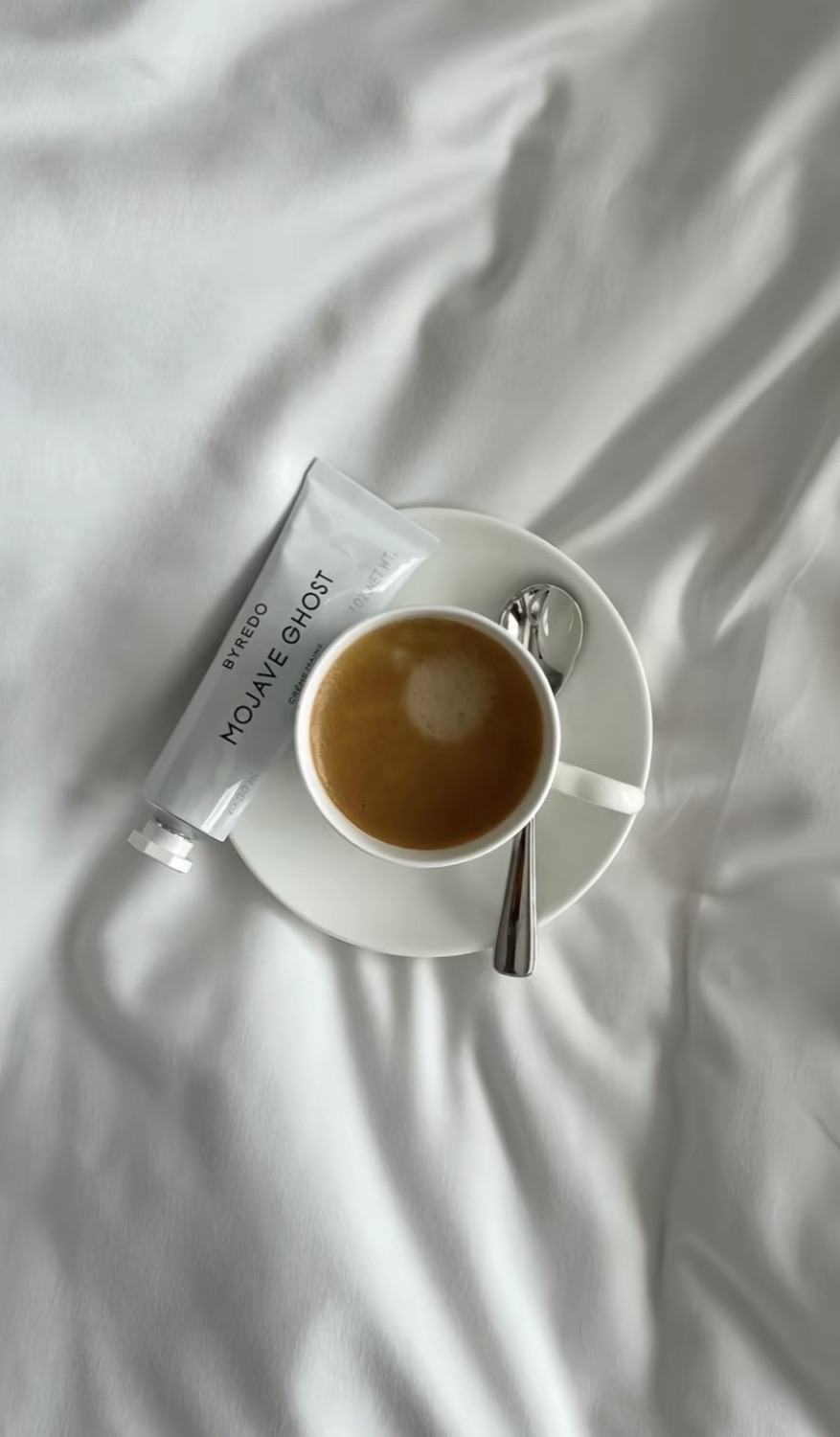
The Amenity Nobody Ordered
A small bottle on white linen says more about a hotel than most of the rest of the room.
Read essay →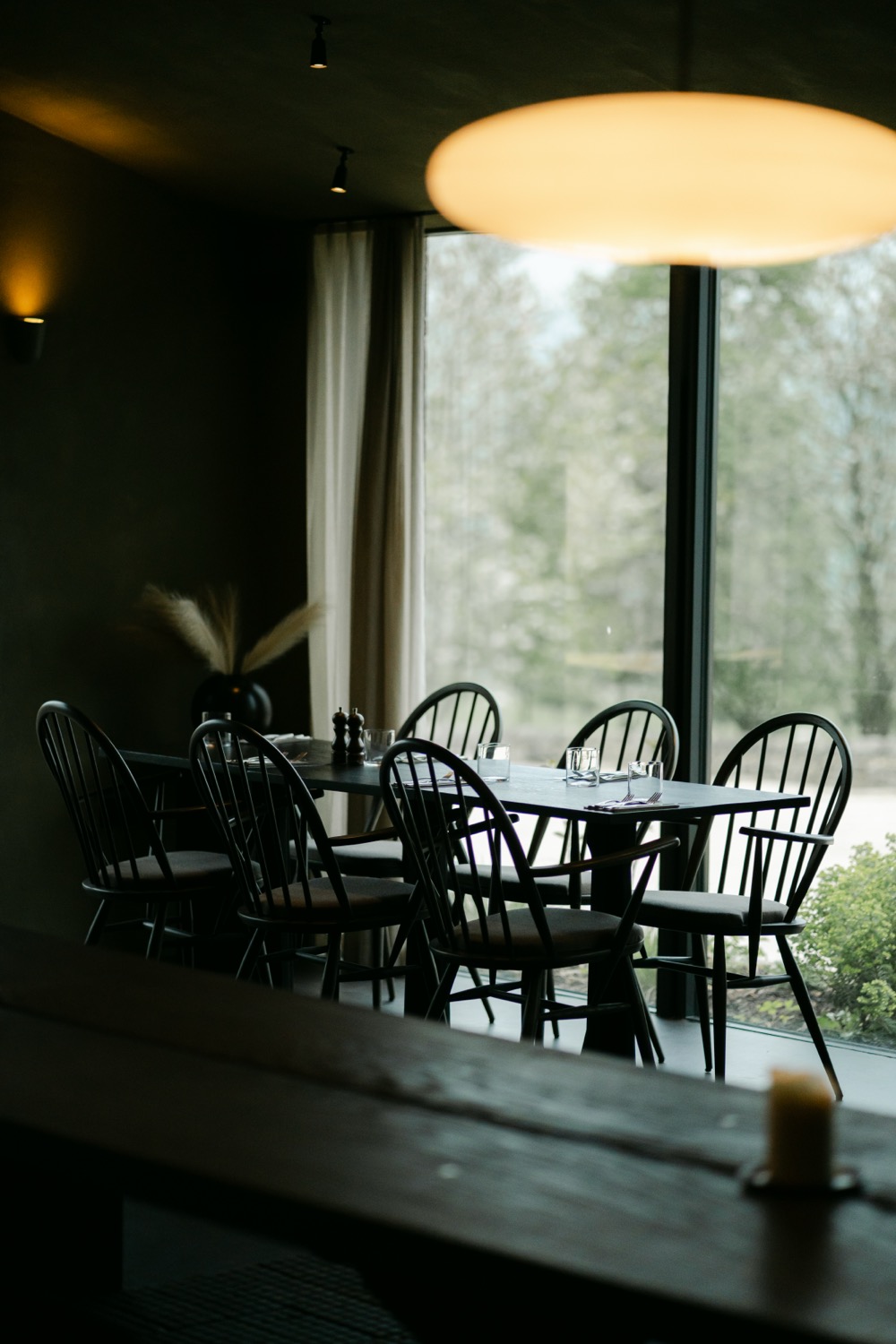
What the View Does
A restaurant that faces a wall has already made a choice about what kind of evening it expects.
Read essay →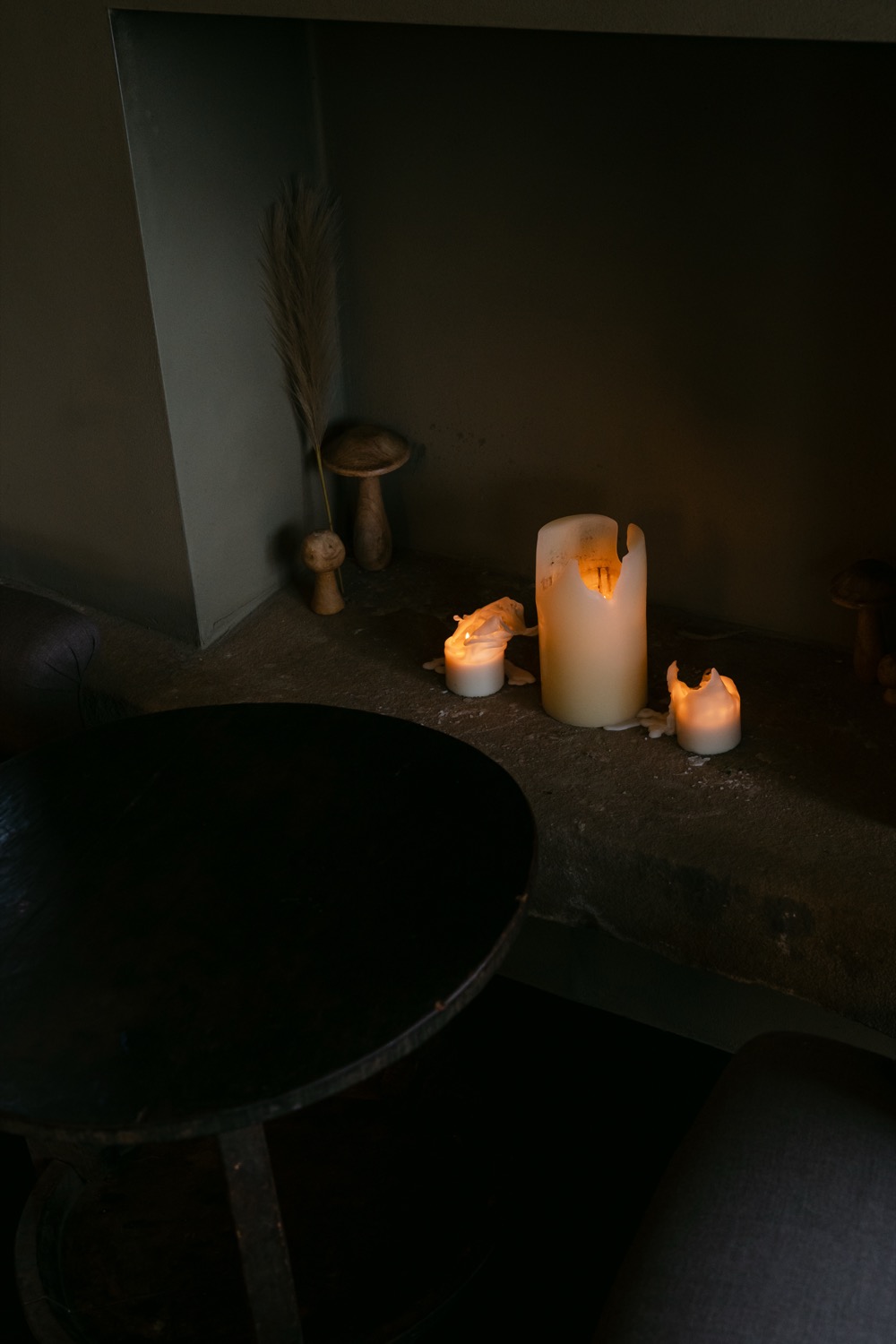
The Bathroom Is Always the Test
Every hotel bathroom is a test of how much the property trusted its own judgment.
Read essay →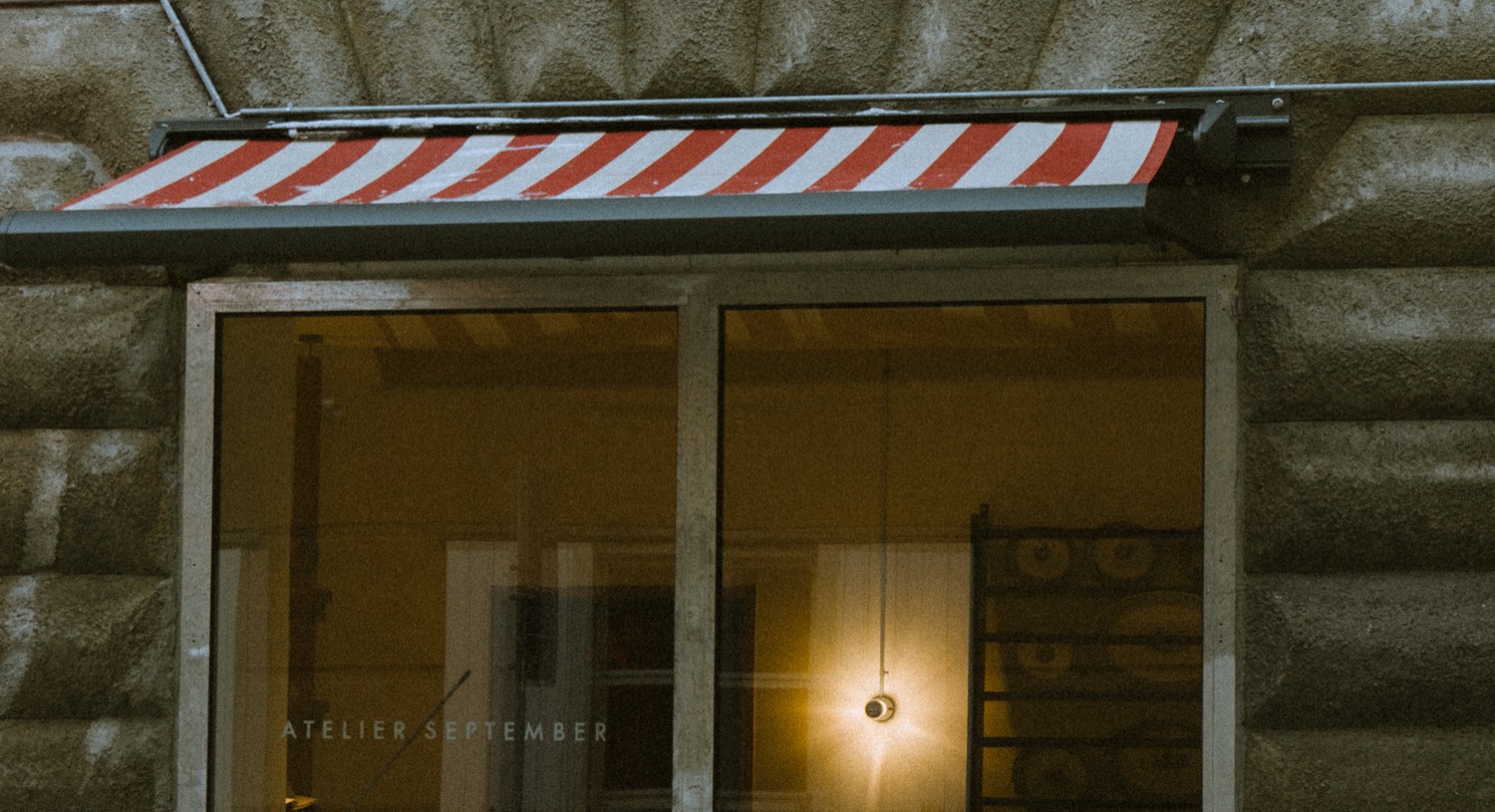
After the Sign Goes Dark
A shopfront after closing still makes an argument, to nobody in particular.
Read essay →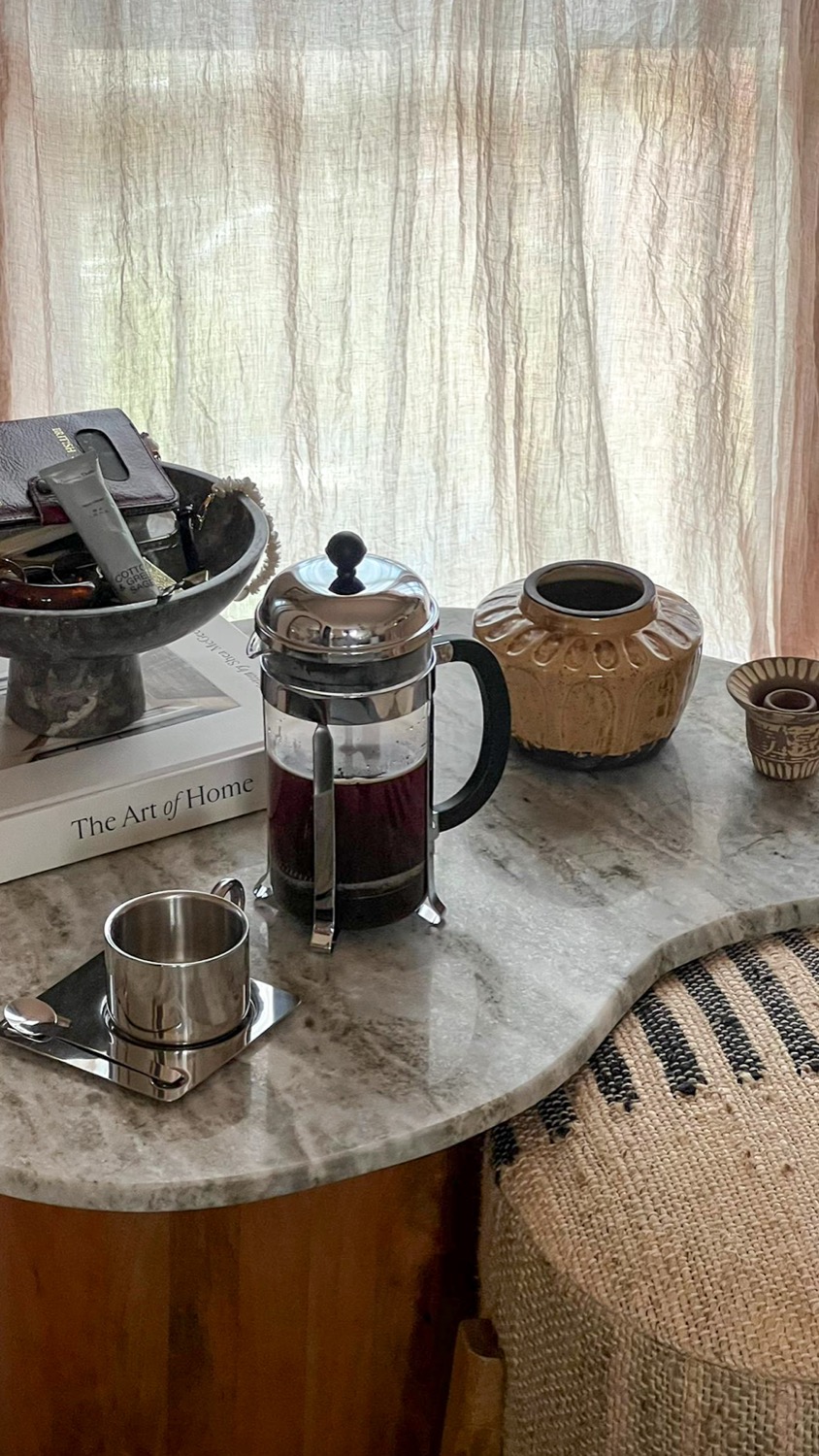
The Still Life a Brand Builds
Nobody specifies a French press and linen curtains in a brief, but they communicate more clearly than the logo does.
Read essay →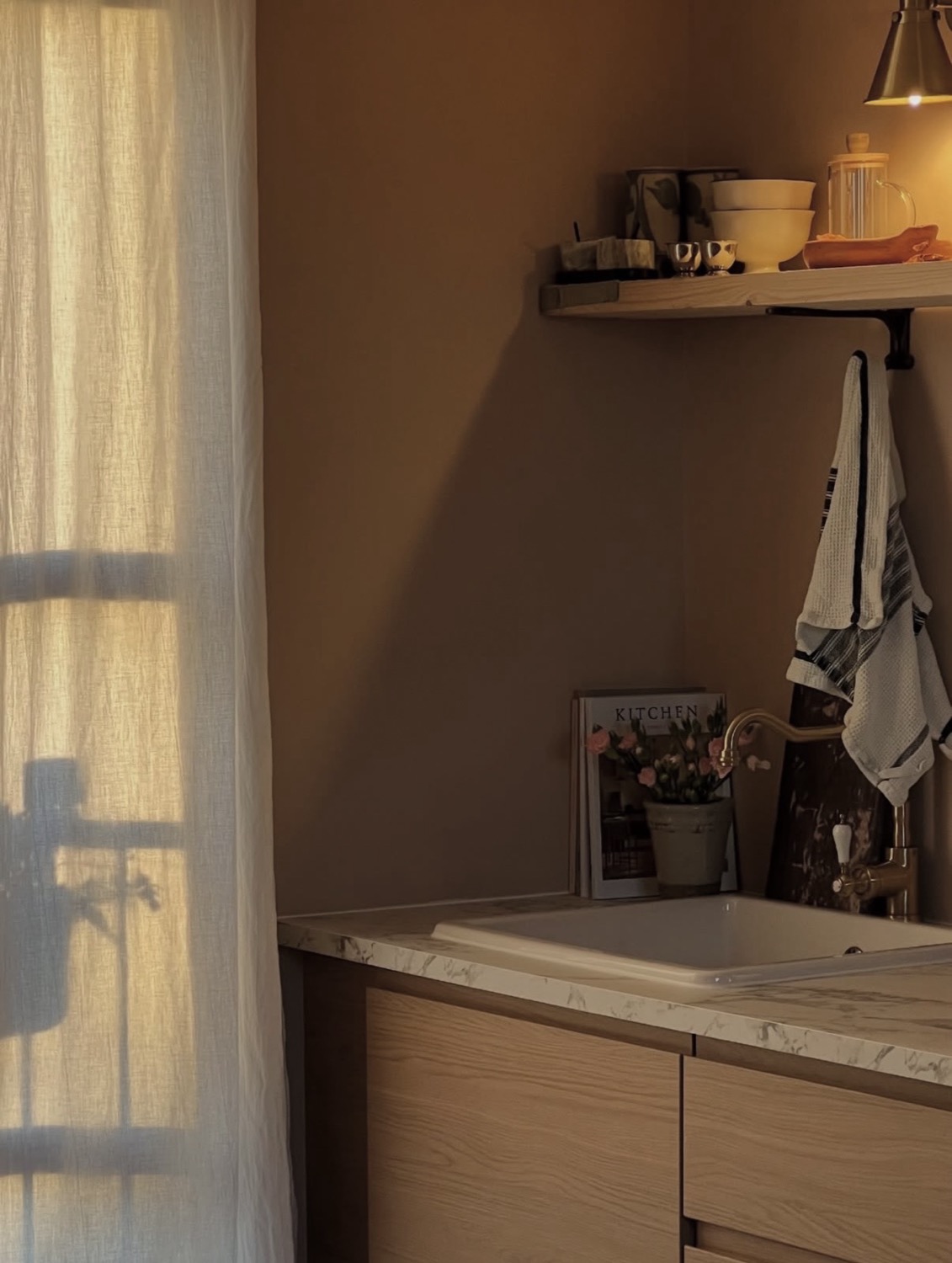
The Considered Kitchen
A kitchen arranged with as much care as a hotel room is making an unusual kind of claim.
Read essay →Six more on confidence and what lasts: the discipline of offering less, the difference weight makes to a photograph, the minute after a result is already decided, a table honest before anyone sits at it, a street built from repetition, and what a brand keeps once its own look has changed.
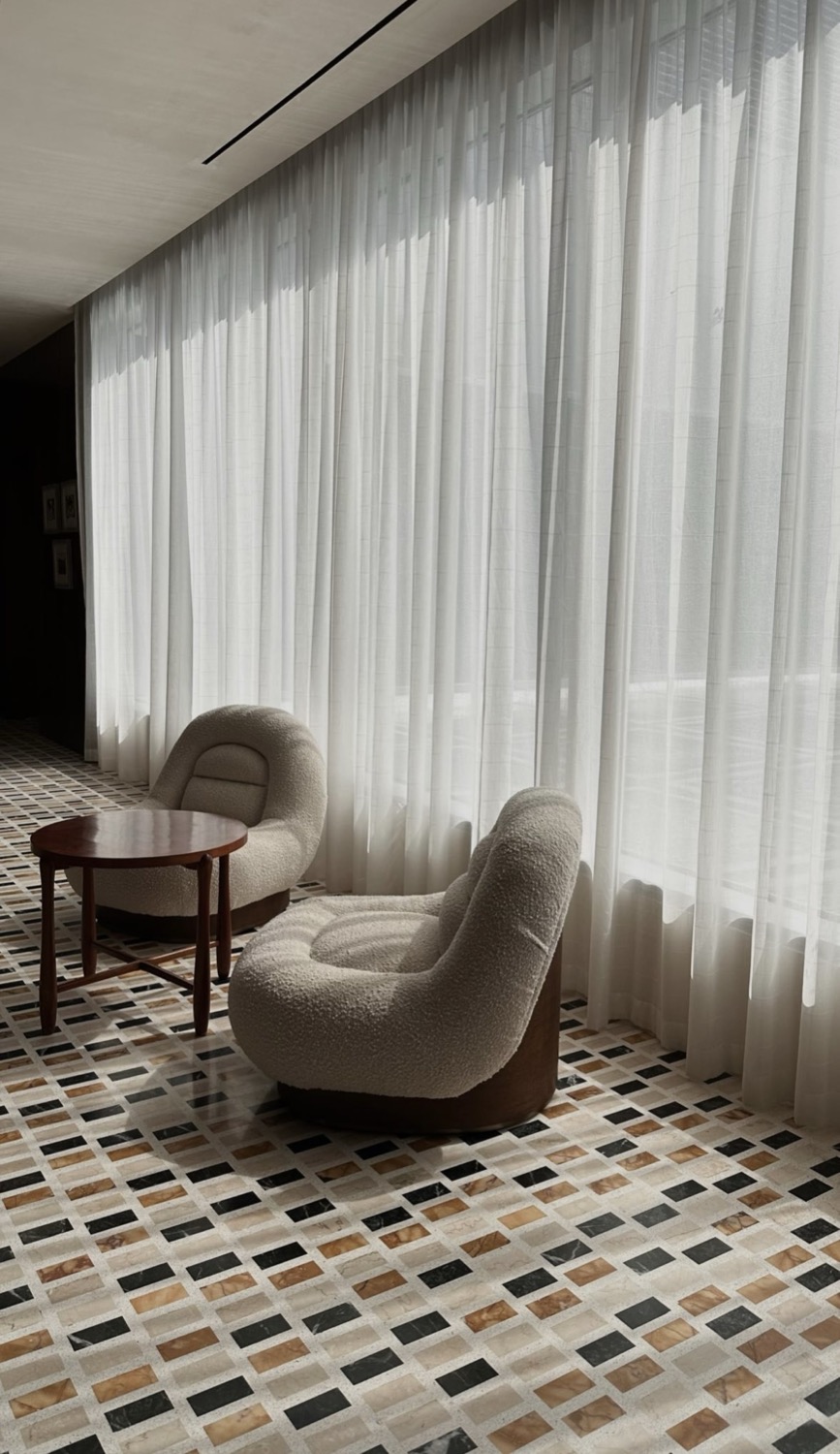
The Discipline of Fewer Options
Restraint is a kind of confidence most brands cannot afford.
Read essay →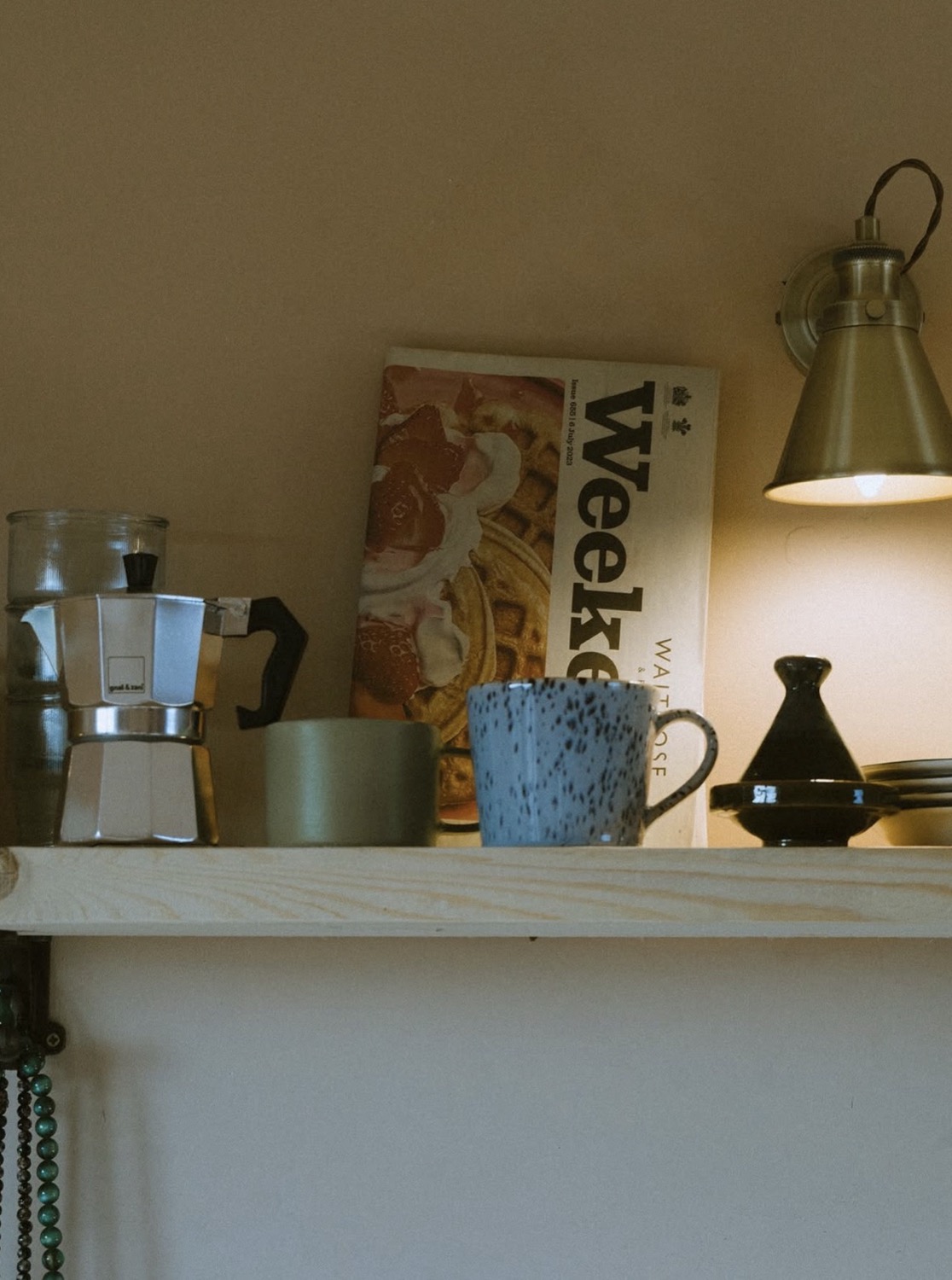
The Weight of Paper
A photograph feels different the moment it can be held rather than scrolled.
Read essay →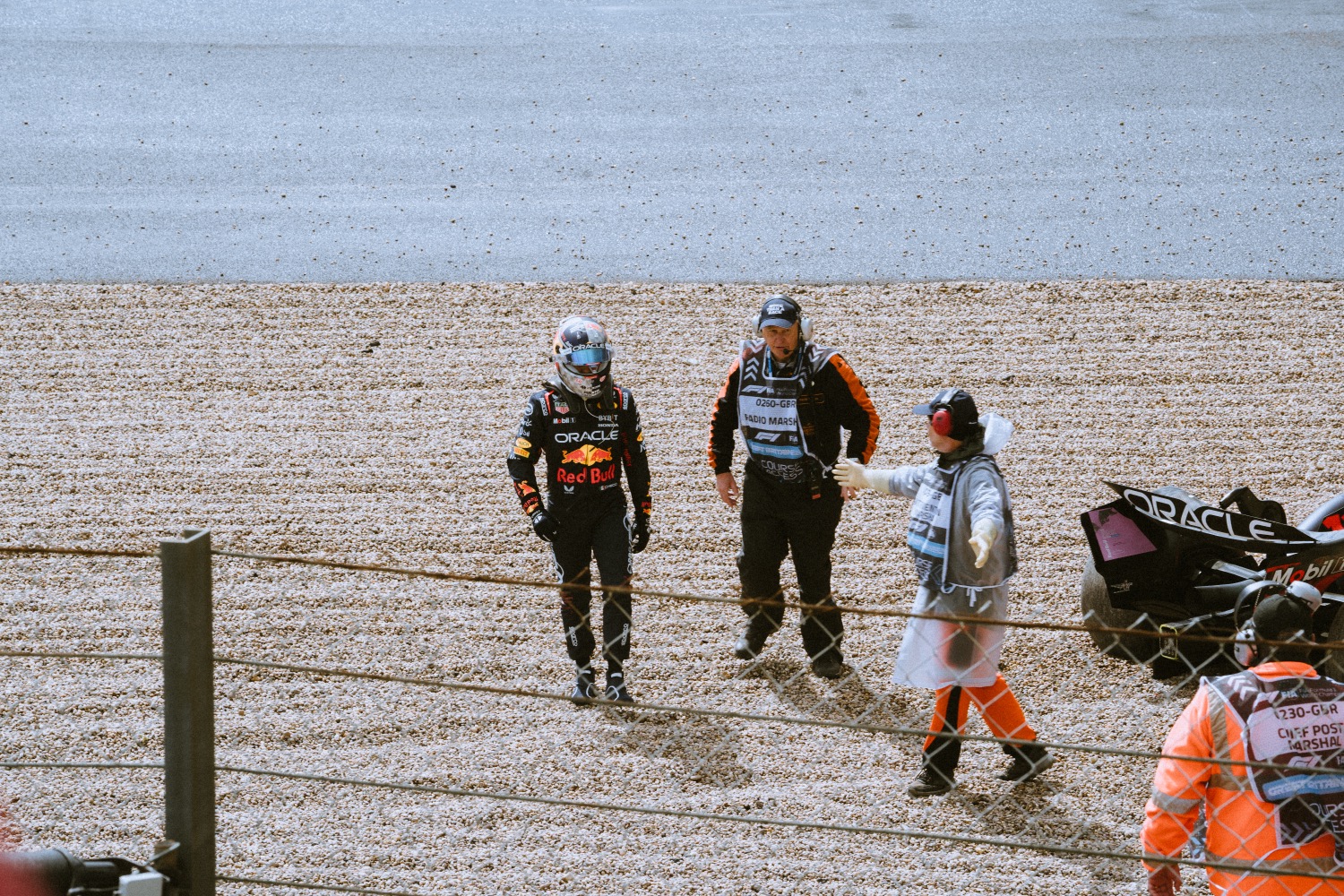
The Minute After the Chequered Flag
The minute after the chequered flag is not the same as the minute before it.
Read essay →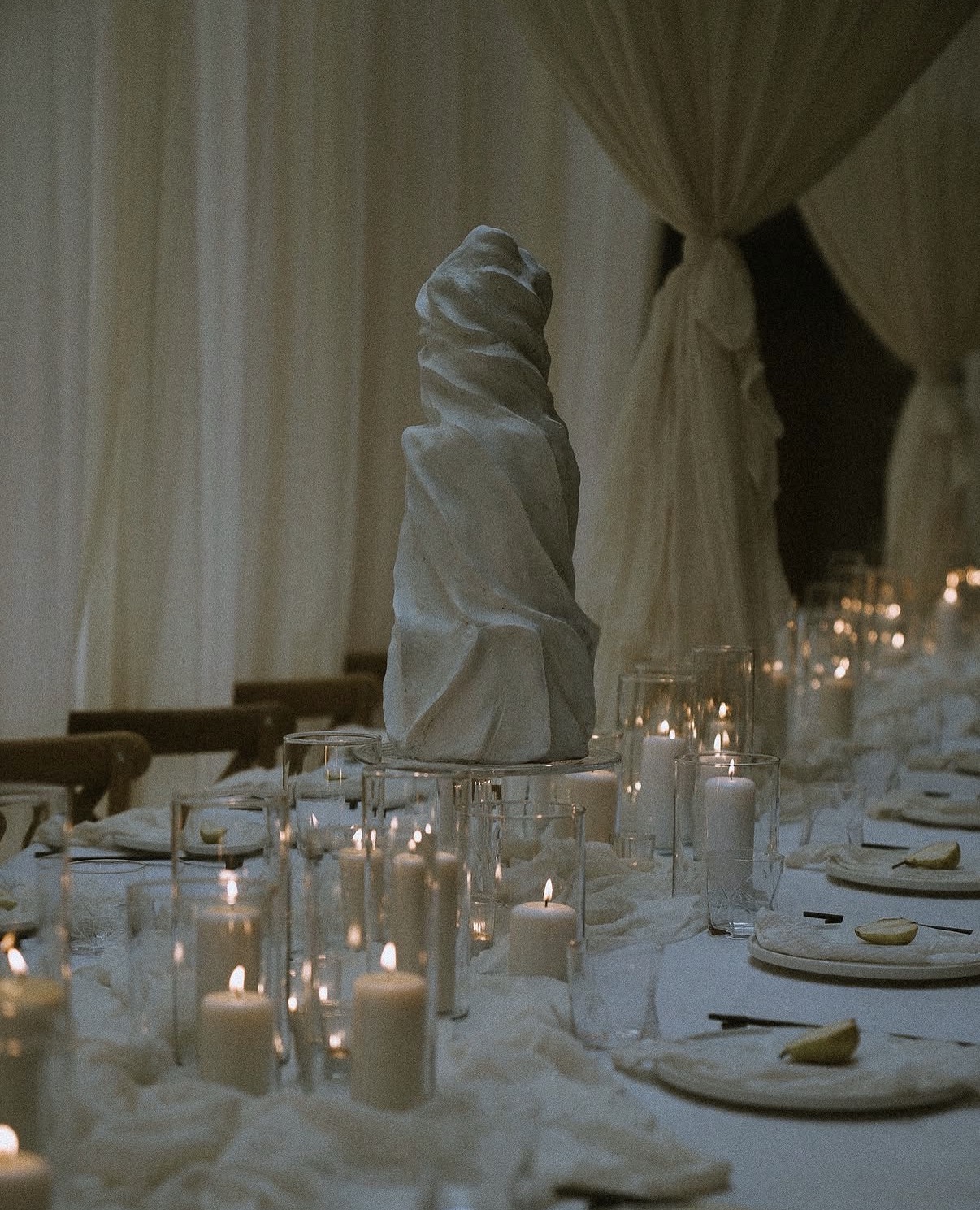
A Table Set for No One Yet
A table is honest before anyone sits down at it.
Read essay →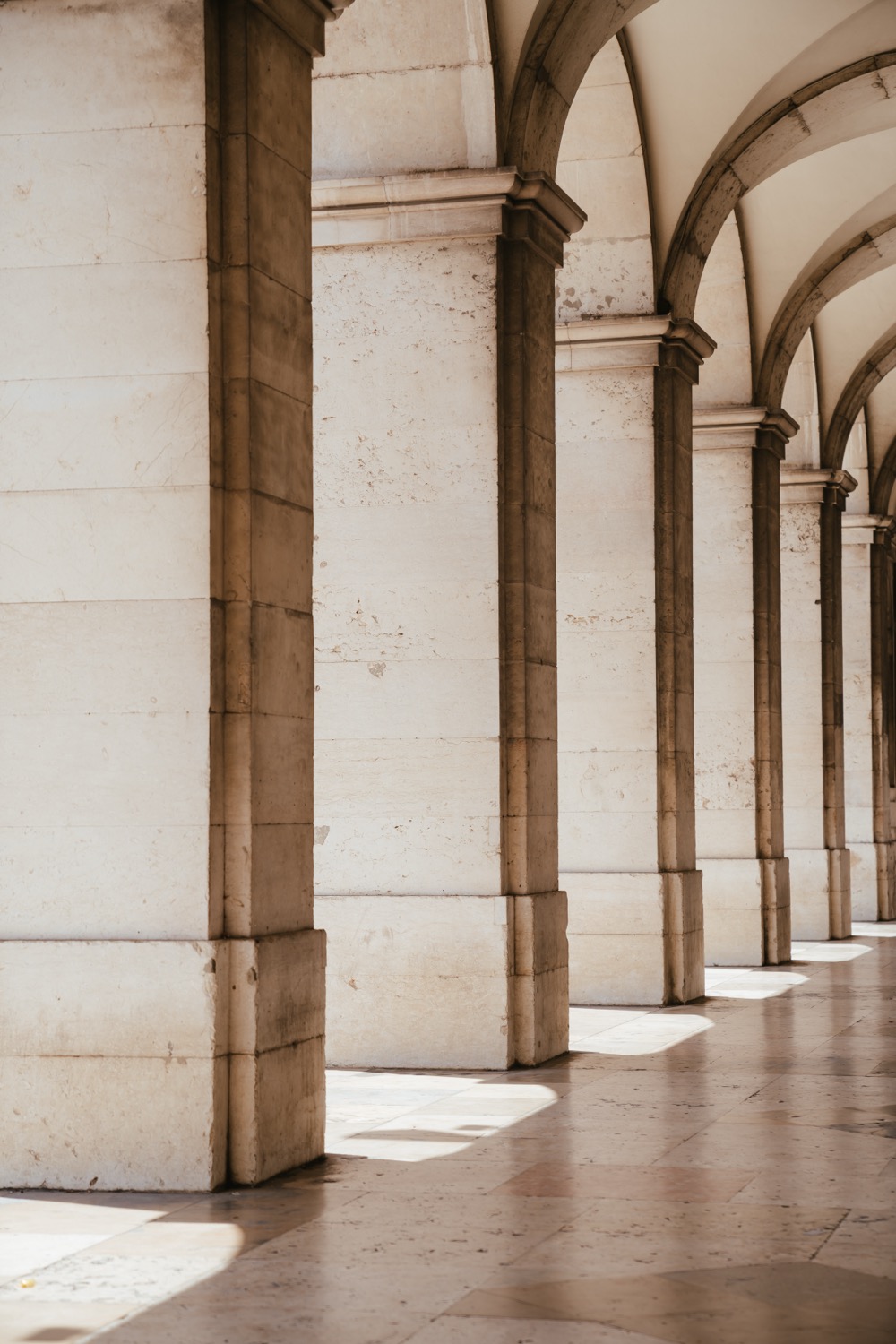
The Street That Repeats Itself
Some streets exist only to be walked through, never arrived at.
Read essay →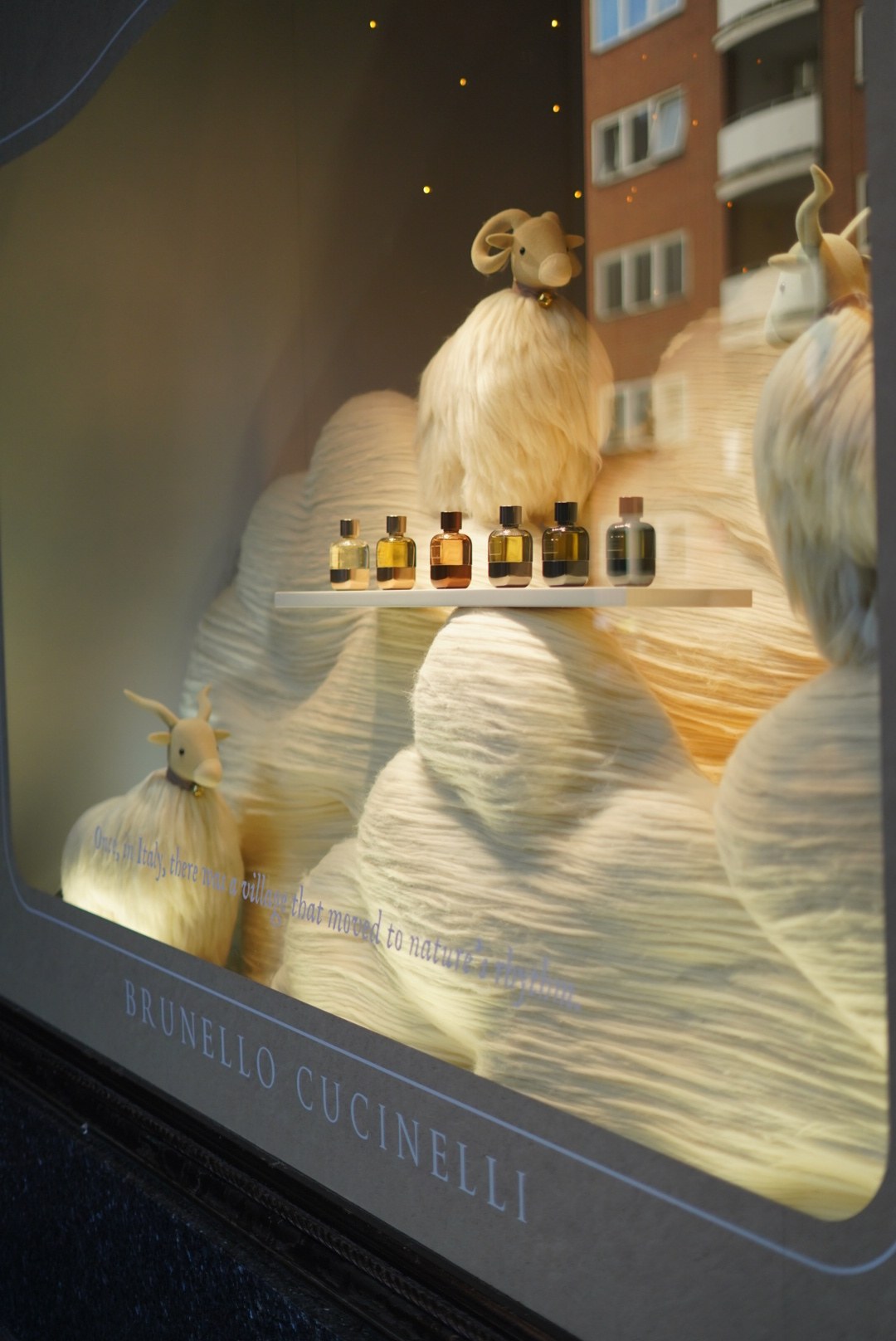
What Survives a Redesign
A brand that survives its own redesign was never really about the design.
Read essay →Six essays on thresholds and restraint: the street before the shutters lift, the room that never needed a slogan, the order a set of photographs is allowed to be seen in, the rehearsal that happens with nobody watching, the sound a hotel makes once it insists it is empty, and the wrong turn that shows you more than the map did.
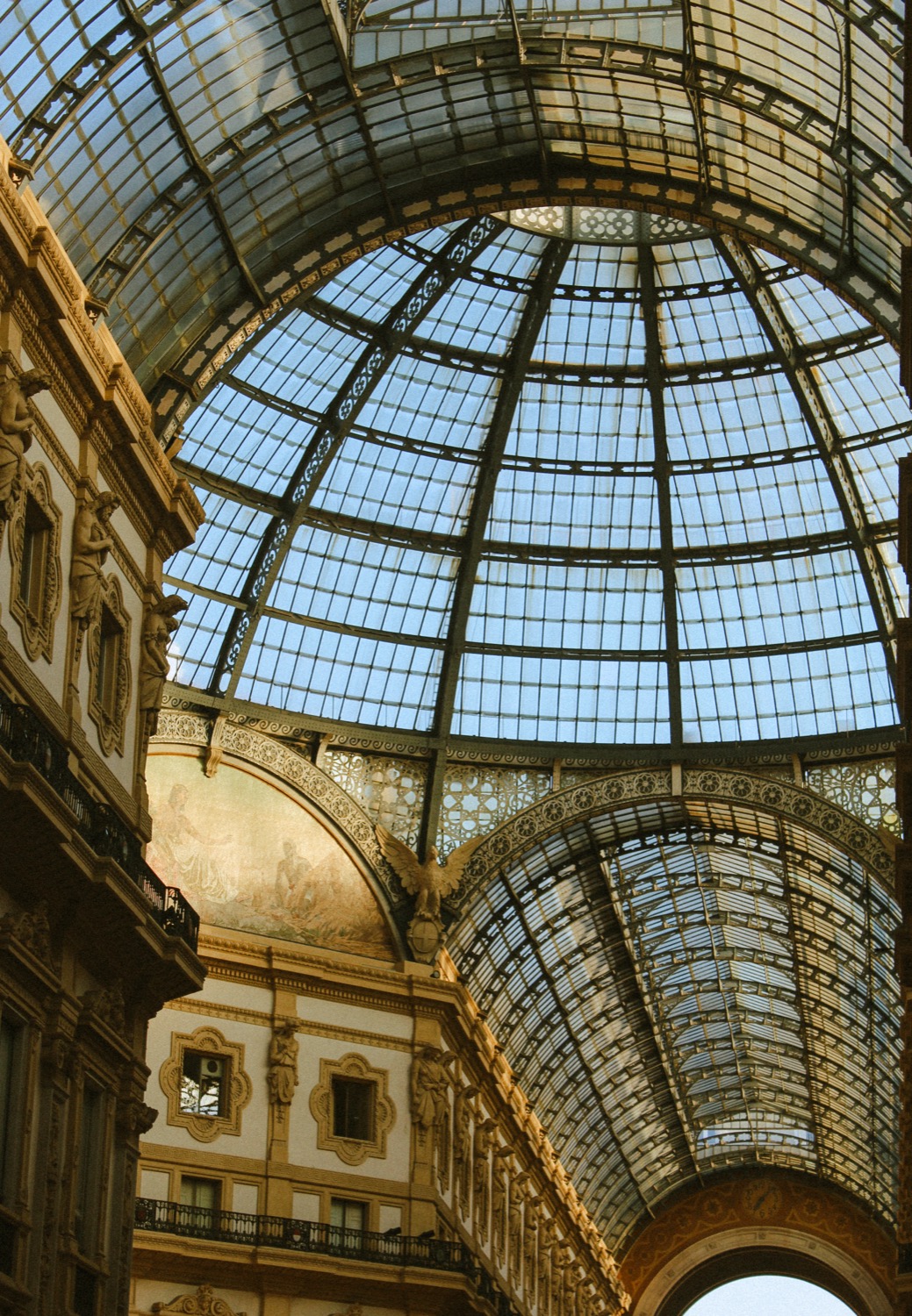
The Hour Before the Shops Open
A street belongs to itself for exactly one hour a day.
Read essay →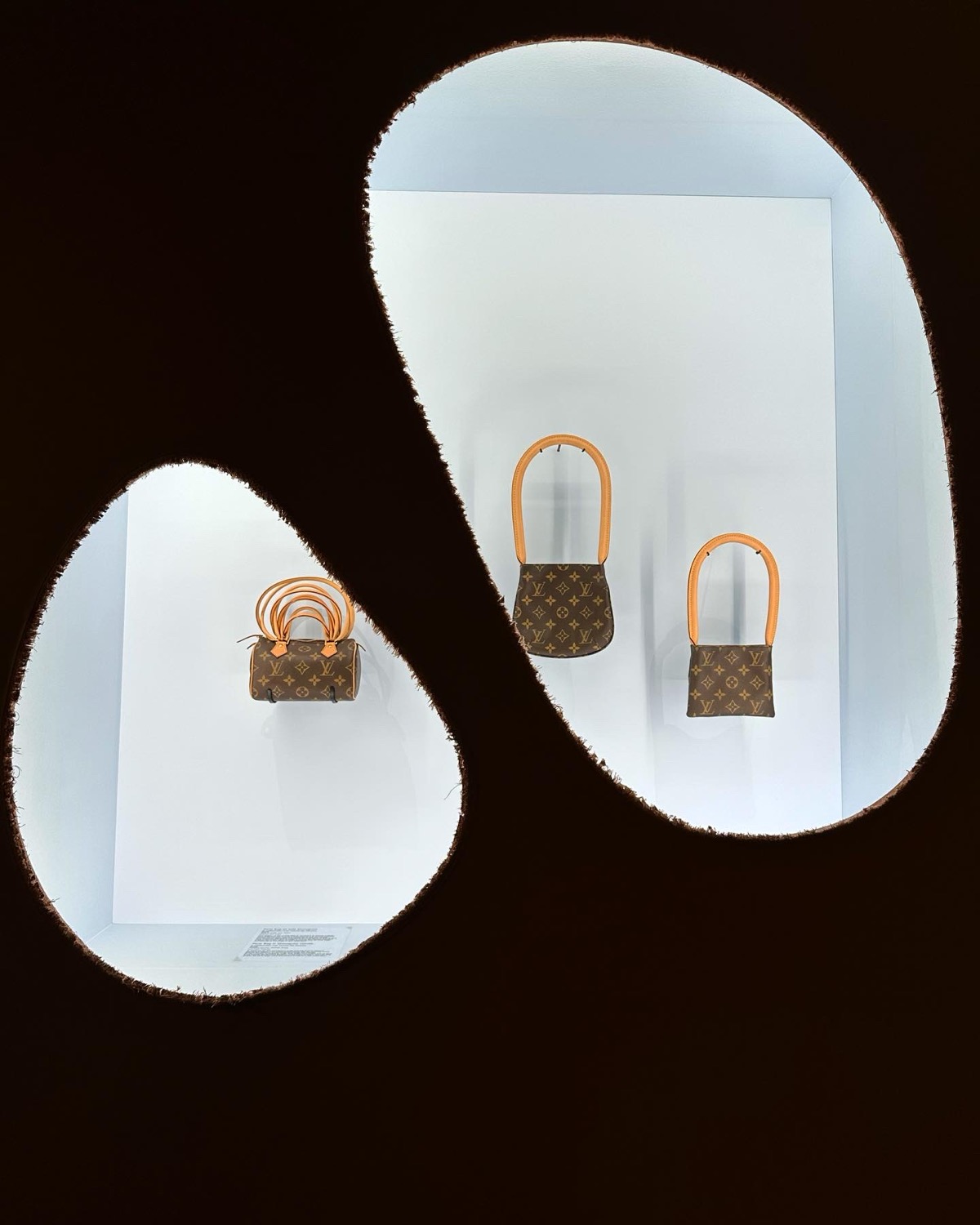
A Brand Without a Slogan
Some rooms have already said everything a slogan would only repeat.
Read essay →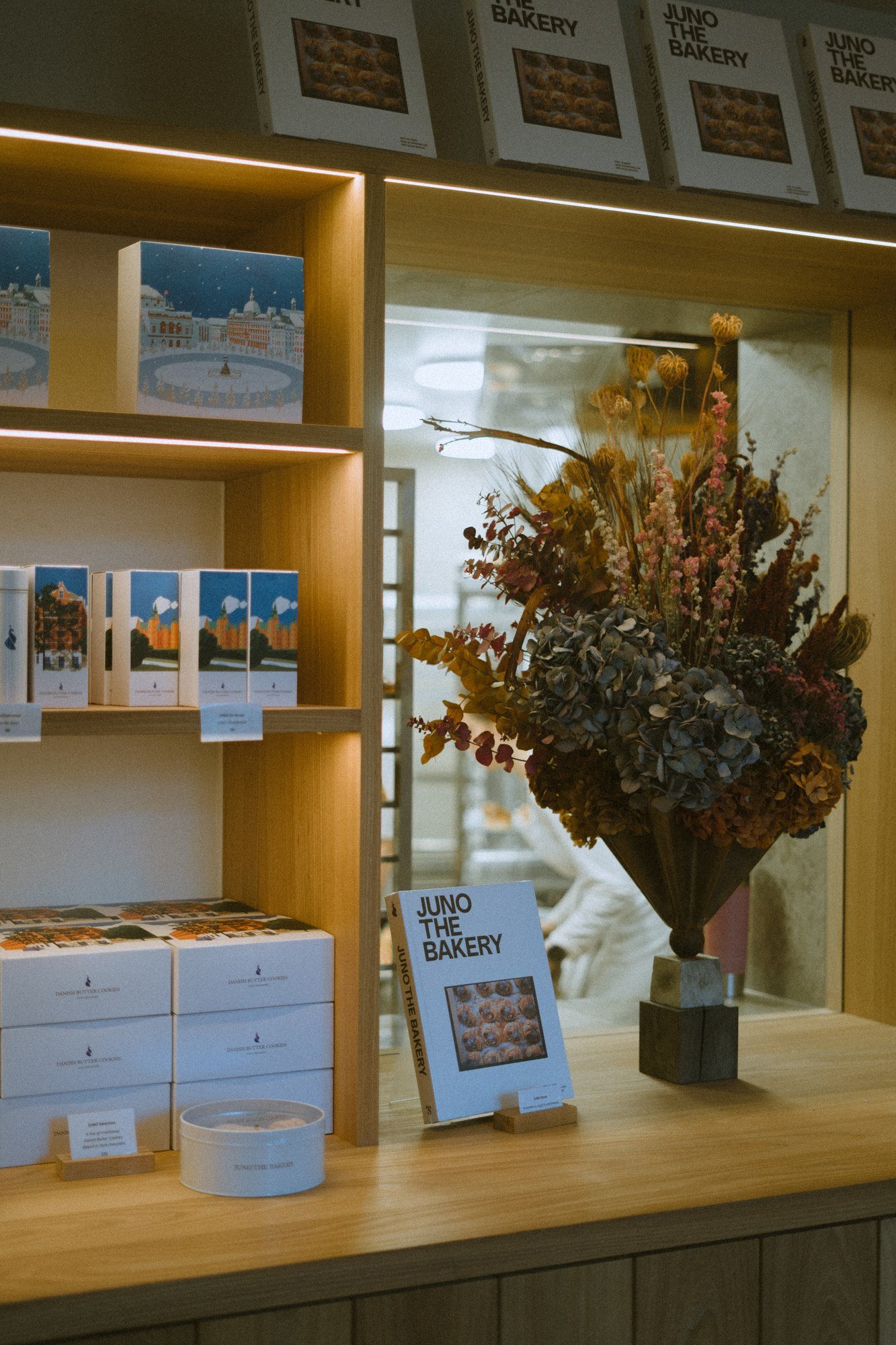
Why Sequence Is the Argument
The same ten photographs mean something different in a different order.
Read essay →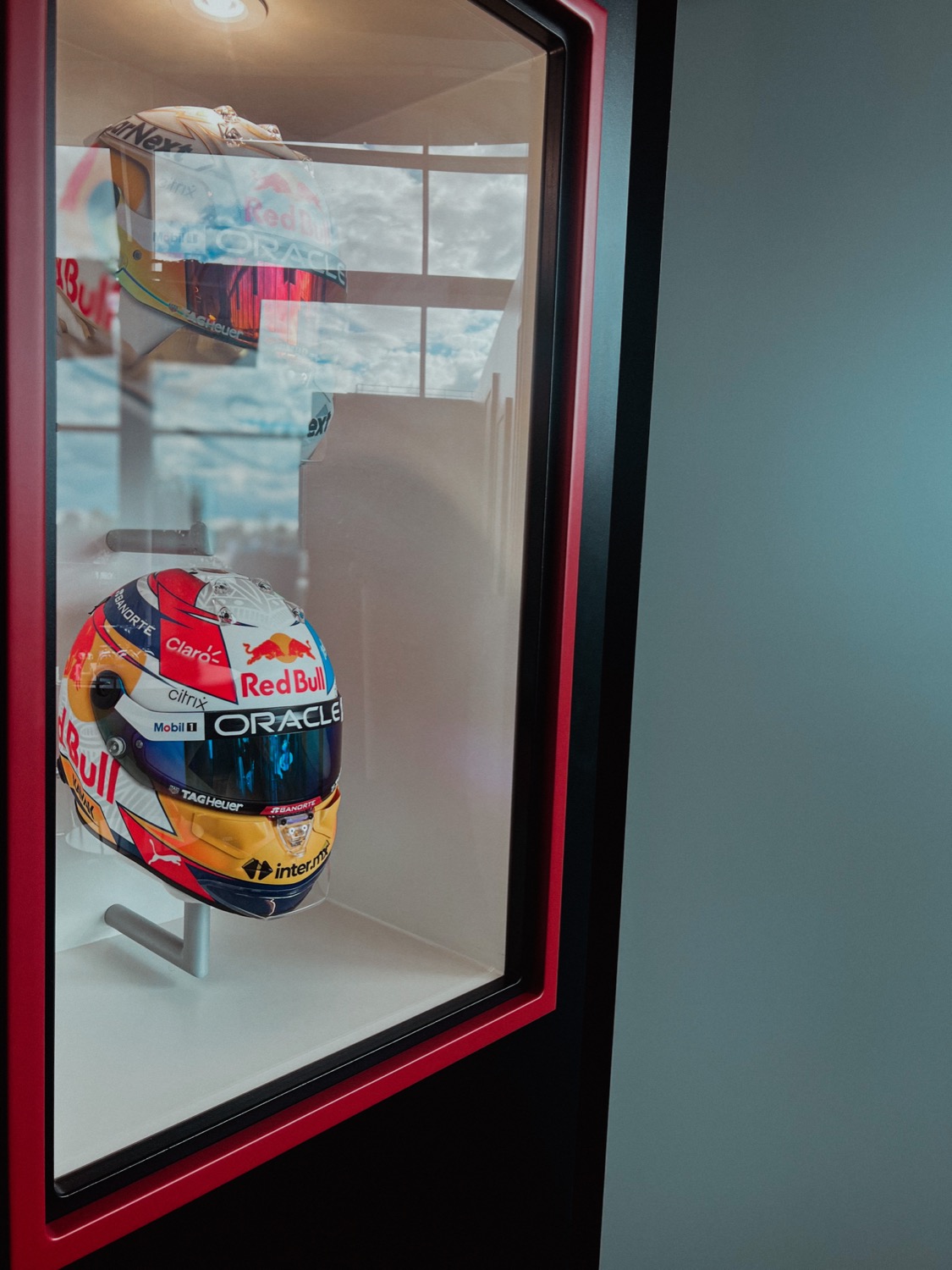
The Rehearsal Nobody Sees
Every performance has a version that happens with nobody watching.
Read essay →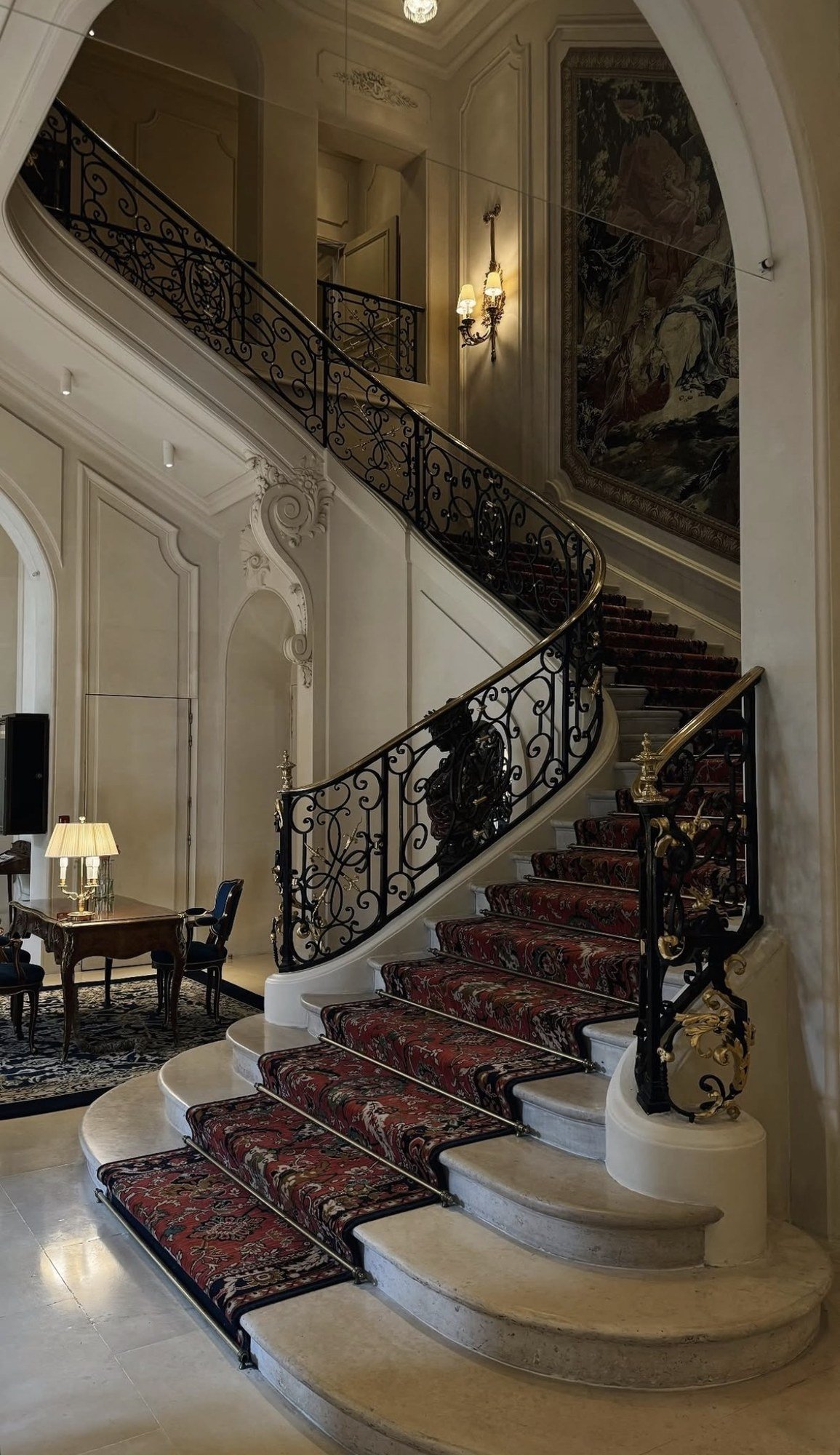
The Sound of an Empty Corridor
A hotel is loudest in the hours it insists it is quiet.
Read essay →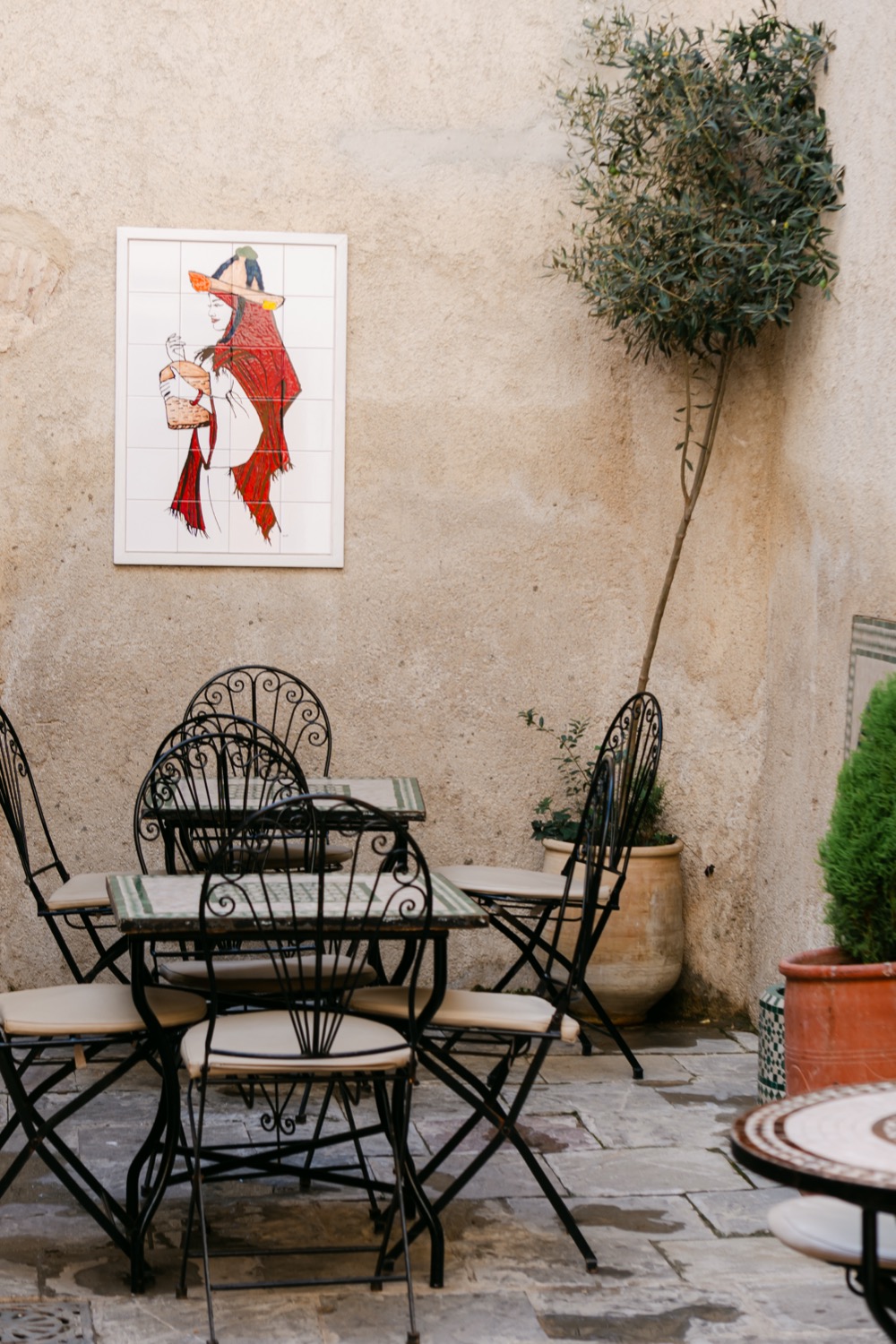
What a Map Leaves Out
The best directions were never the ones that got you there fastest.
Read essay →Six more on the parts of a place that rarely make it into the brief: the hour a photograph was made rather than where, the shelf beneath the product, the spine a publication has that a portfolio never will, the room once the last guest has gone home, the wait nobody photographs, and the knowledge a concierge carries and never states.
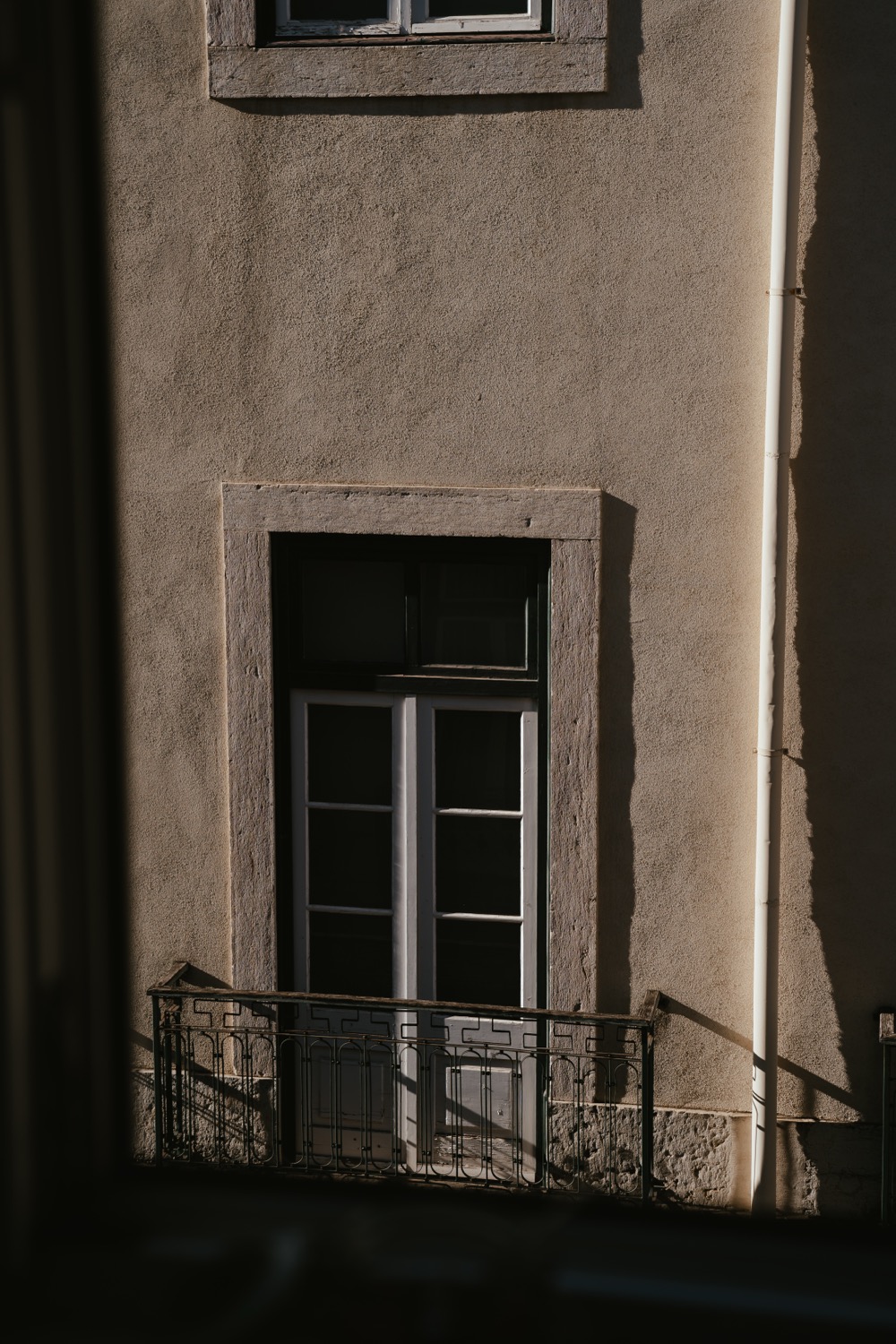
Light Before Geography
Ask what time a photograph was made, not where.
Read essay →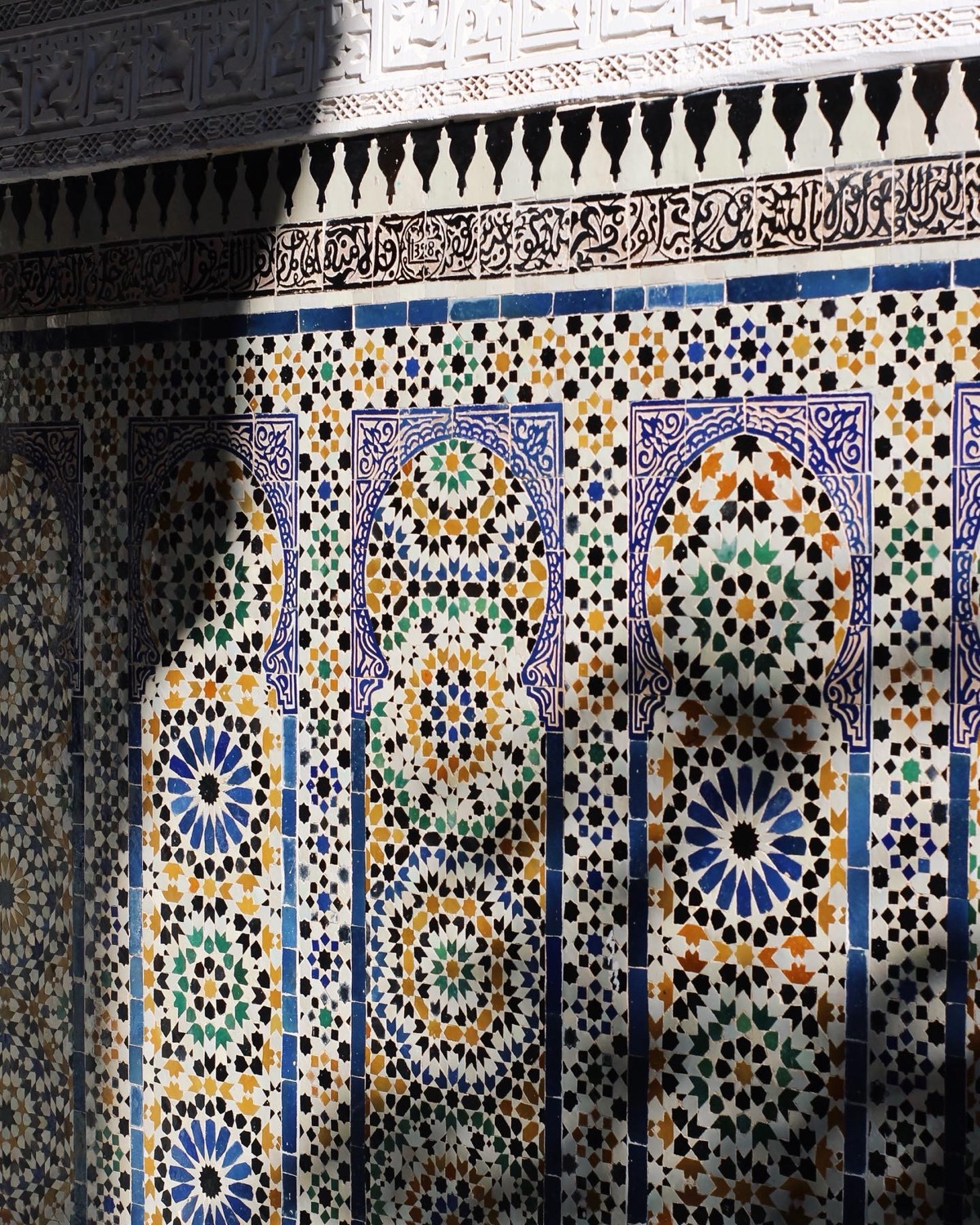
Material Before Product
The shelf a bottle sits on has already made an argument.
Read essay →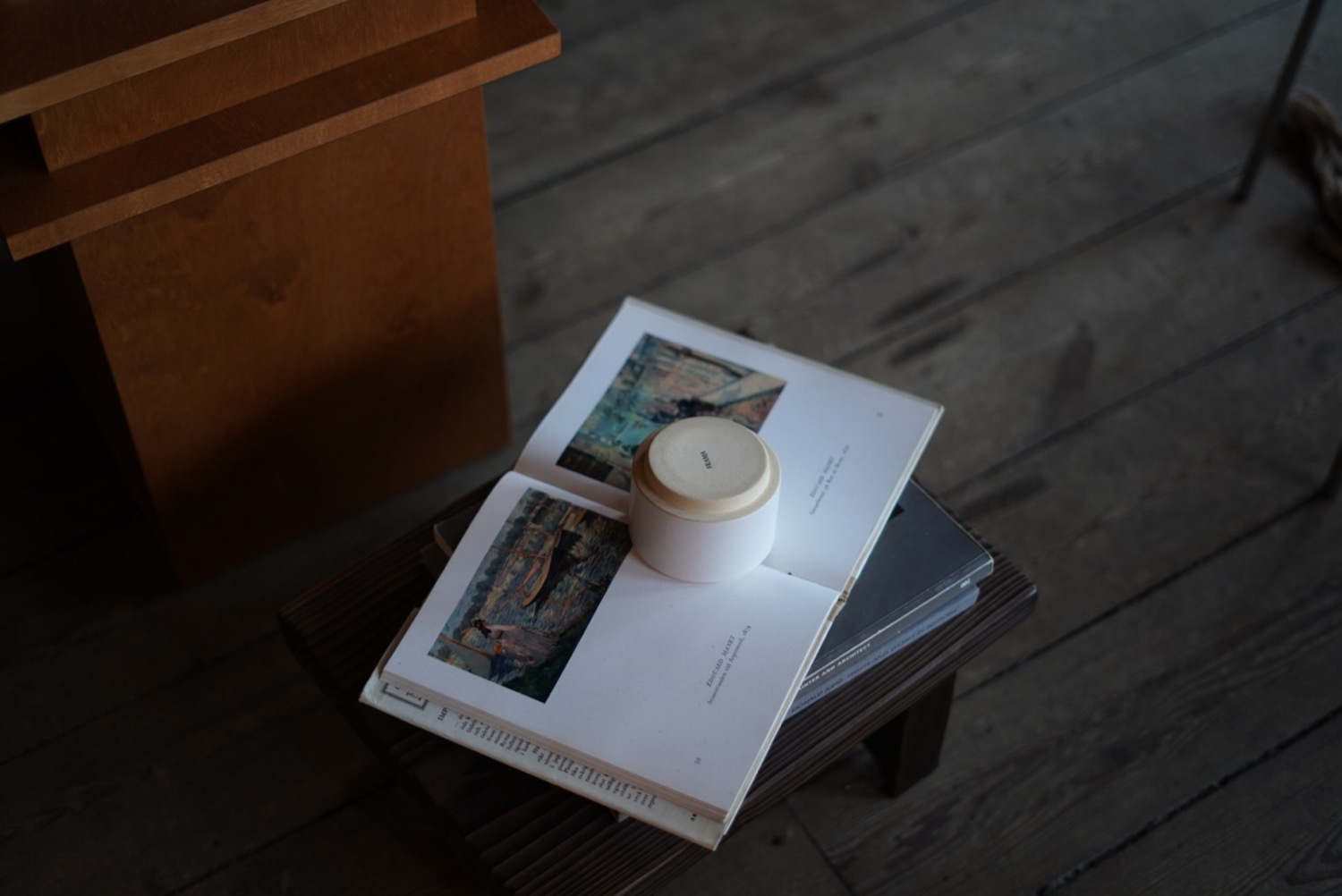
The Difference Between a Portfolio and a Publication
One is scrolled past. The other has a spine.
Read essay →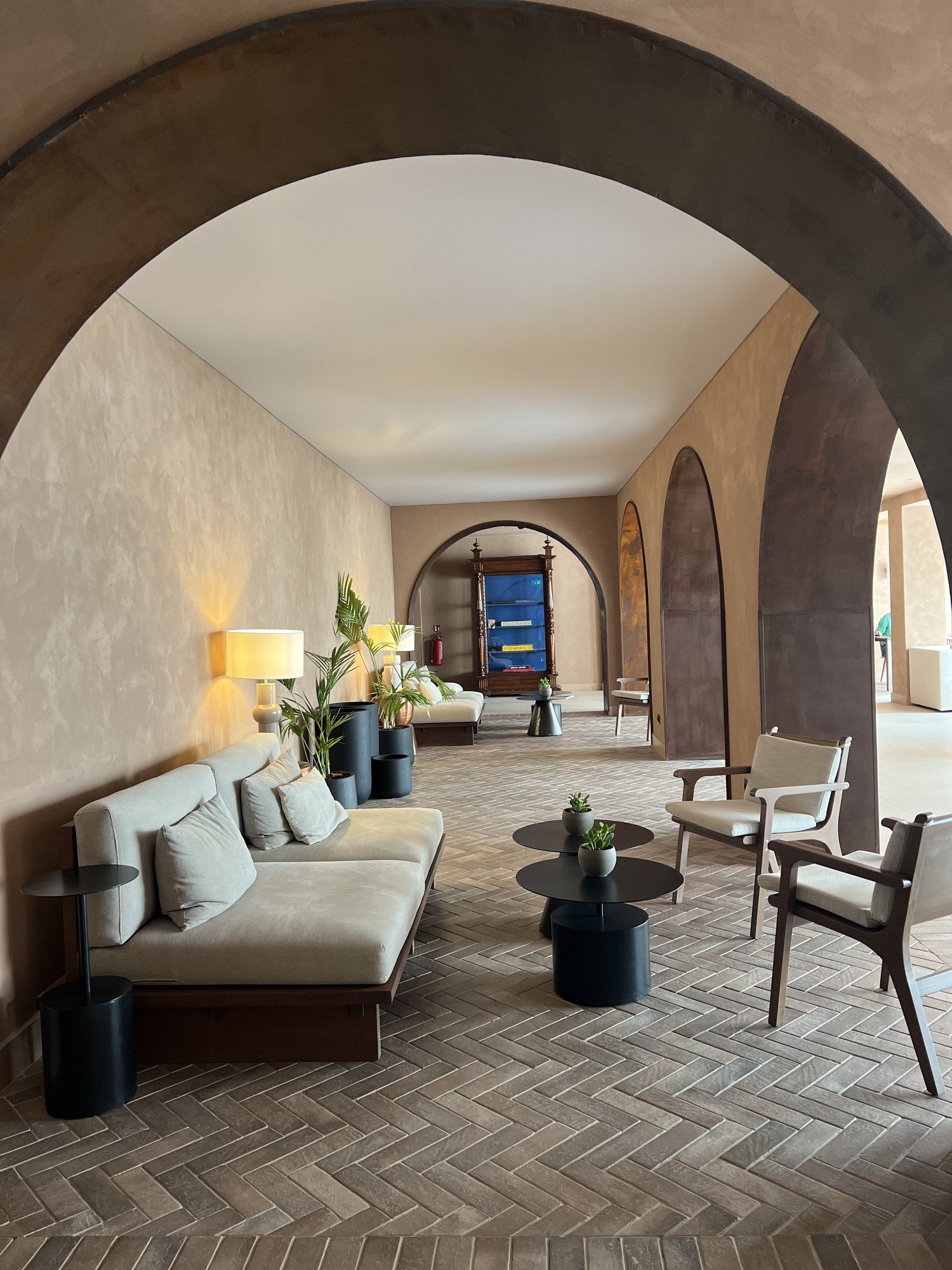
After the Guests Leave
The truest test of a room is the hour nobody was meant to see.
Read essay →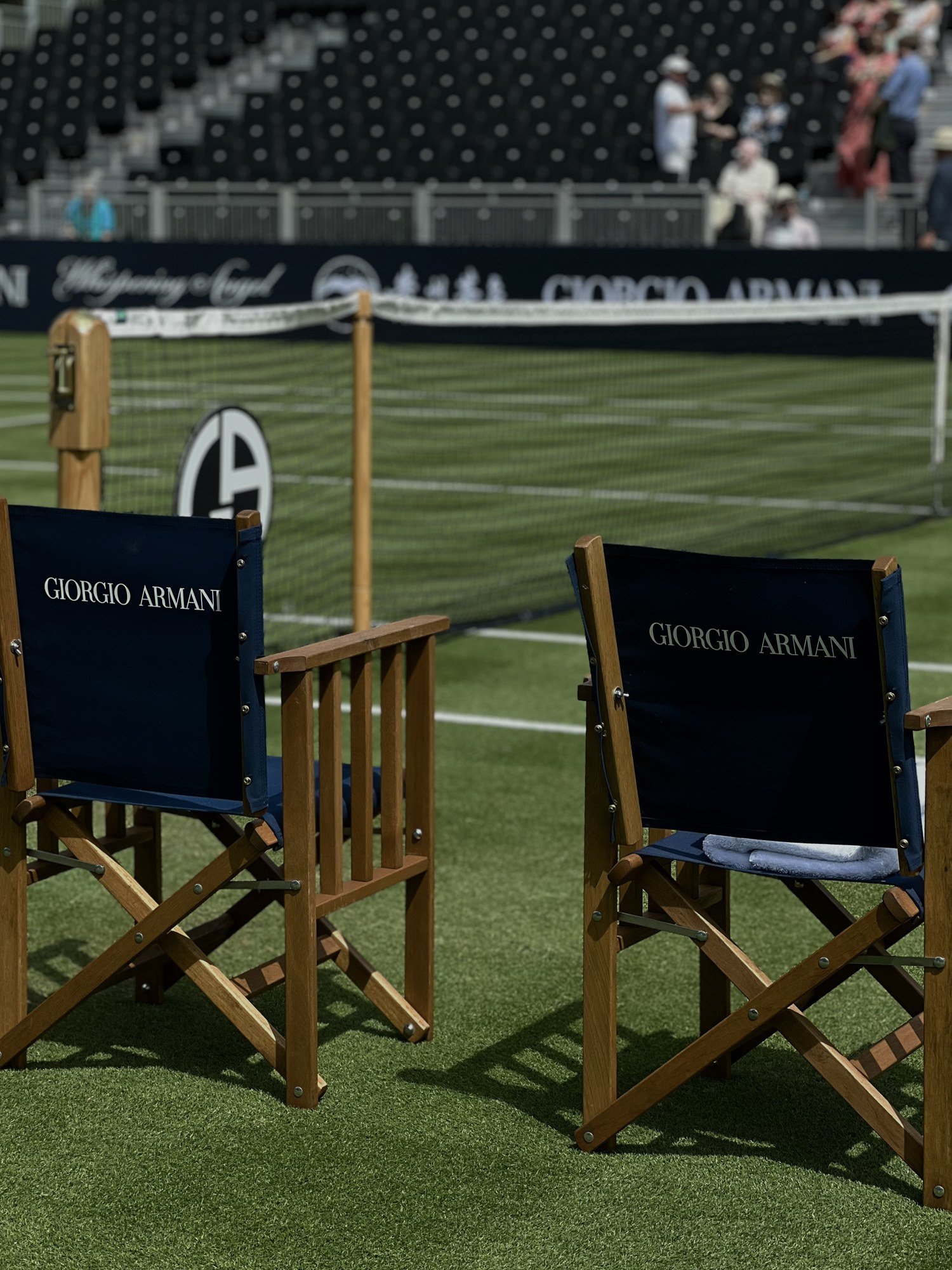
Nobody Photographs the Wait
The minutes before an event begins are the ones nobody thinks to keep.
Read essay →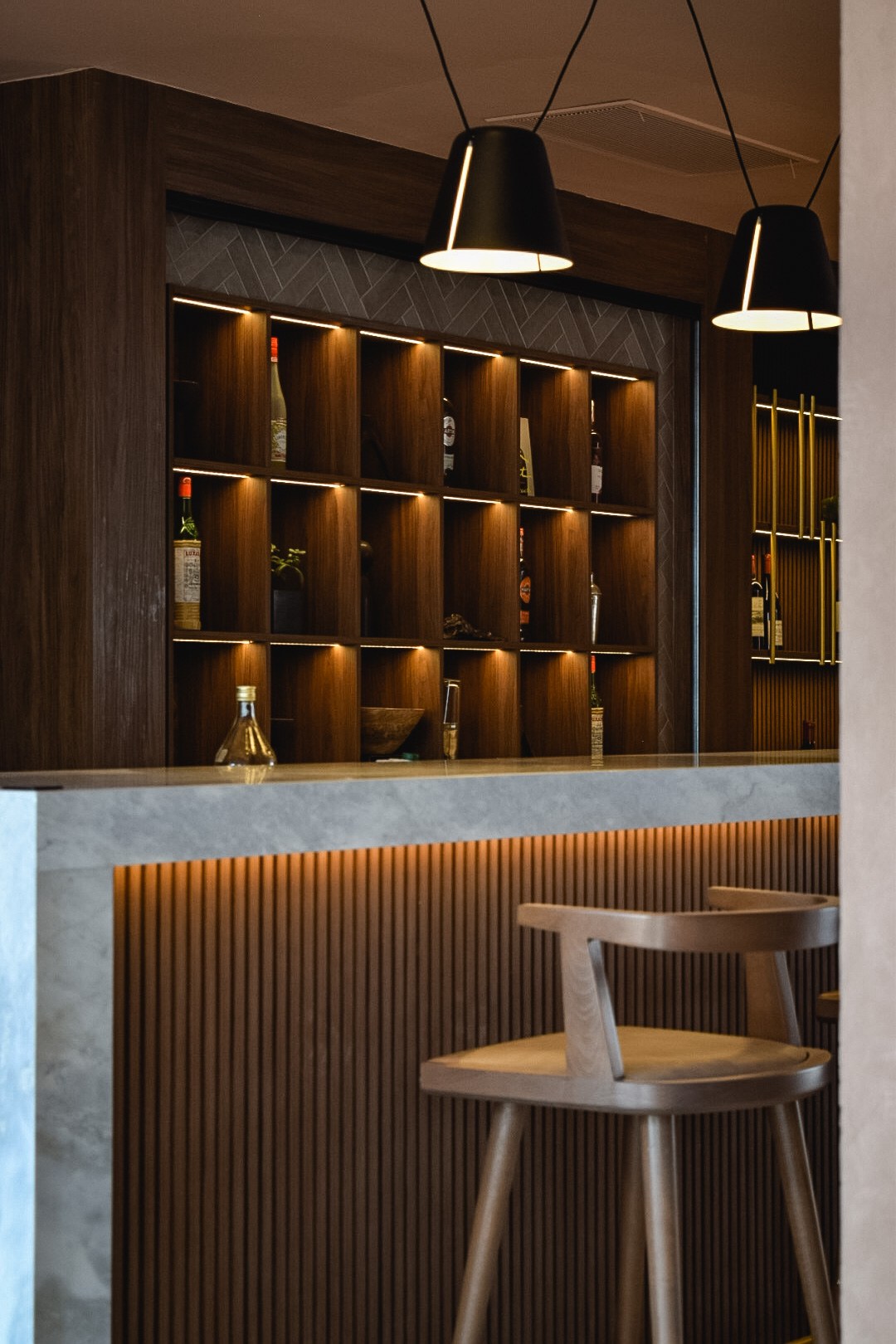
What a Concierge Knows
The best service is the kind a guest never notices being given.
Read essay →The first six essays: on why a hotel is more than what it offers, why a city is remembered for the wrong reasons, why a room can care without saying so, why a paddock disappears within hours, why a page still asks something a screen does not, and why the first ninety seconds inside a building are already its architecture.
Why Hotels Need Editorial Photography
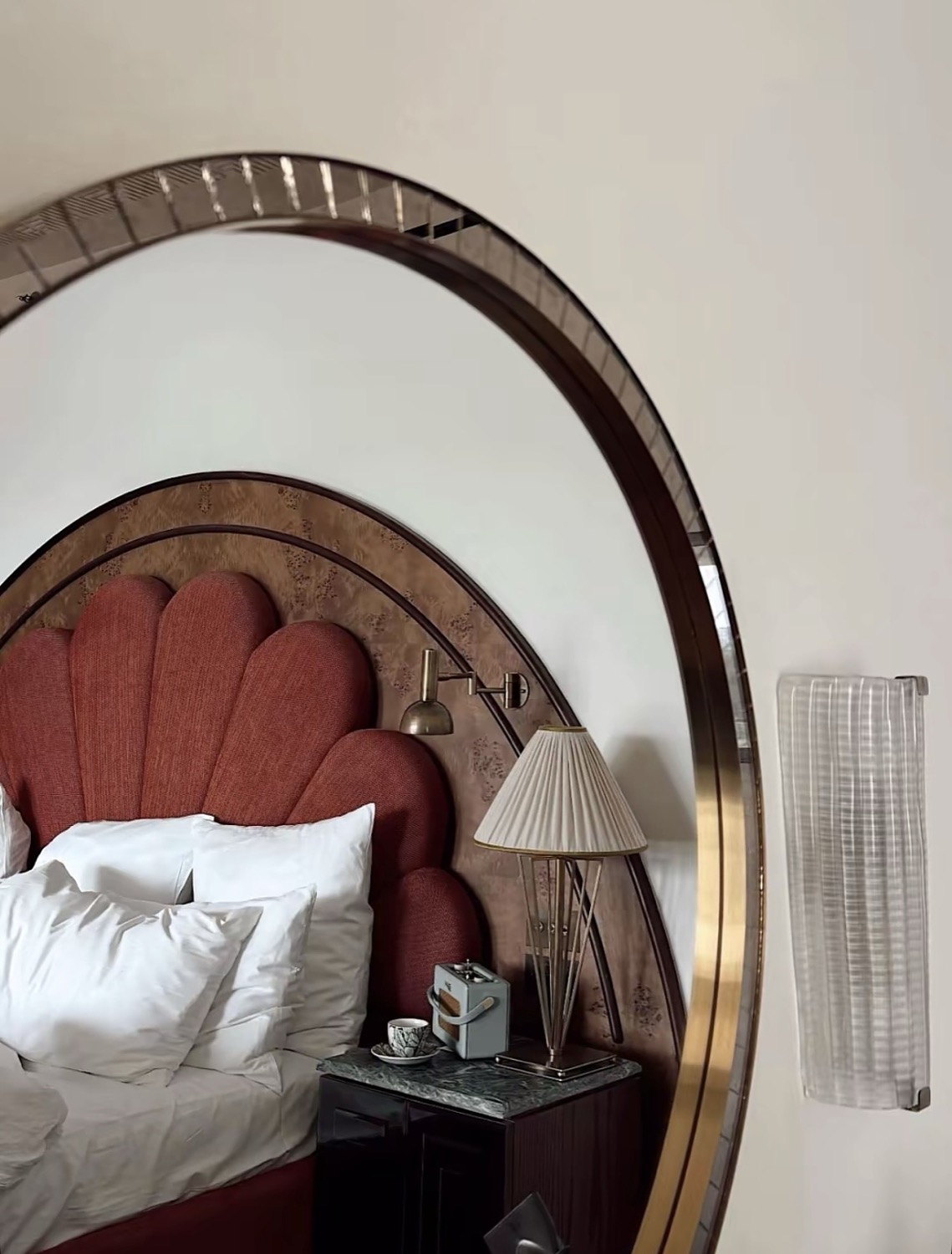
Editorial photography asks what a hotel feels like before anyone arrives.
Read essay →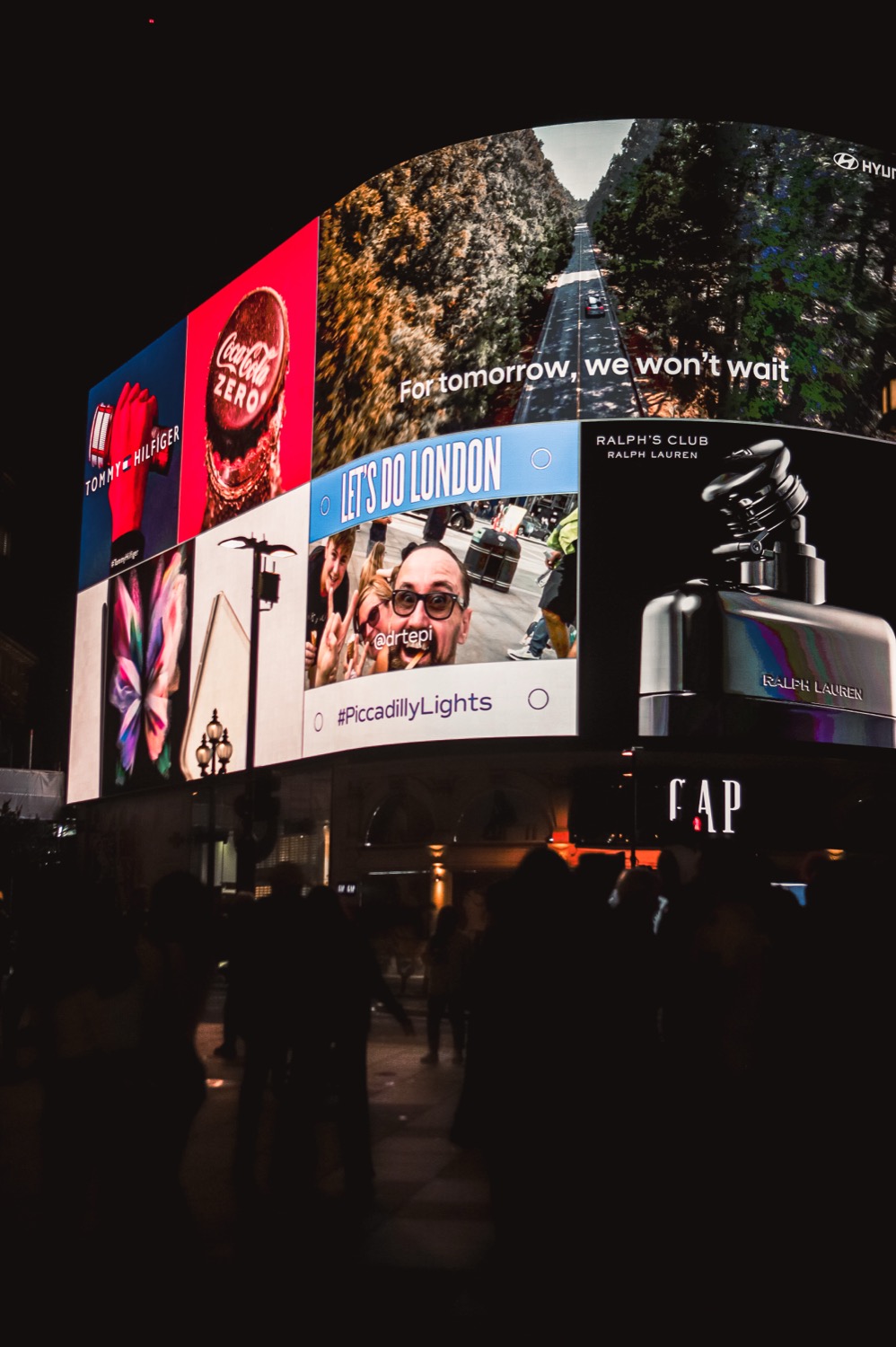
How Cities Become Memory
The city you remember is rarely the one you were shown.
Read essay →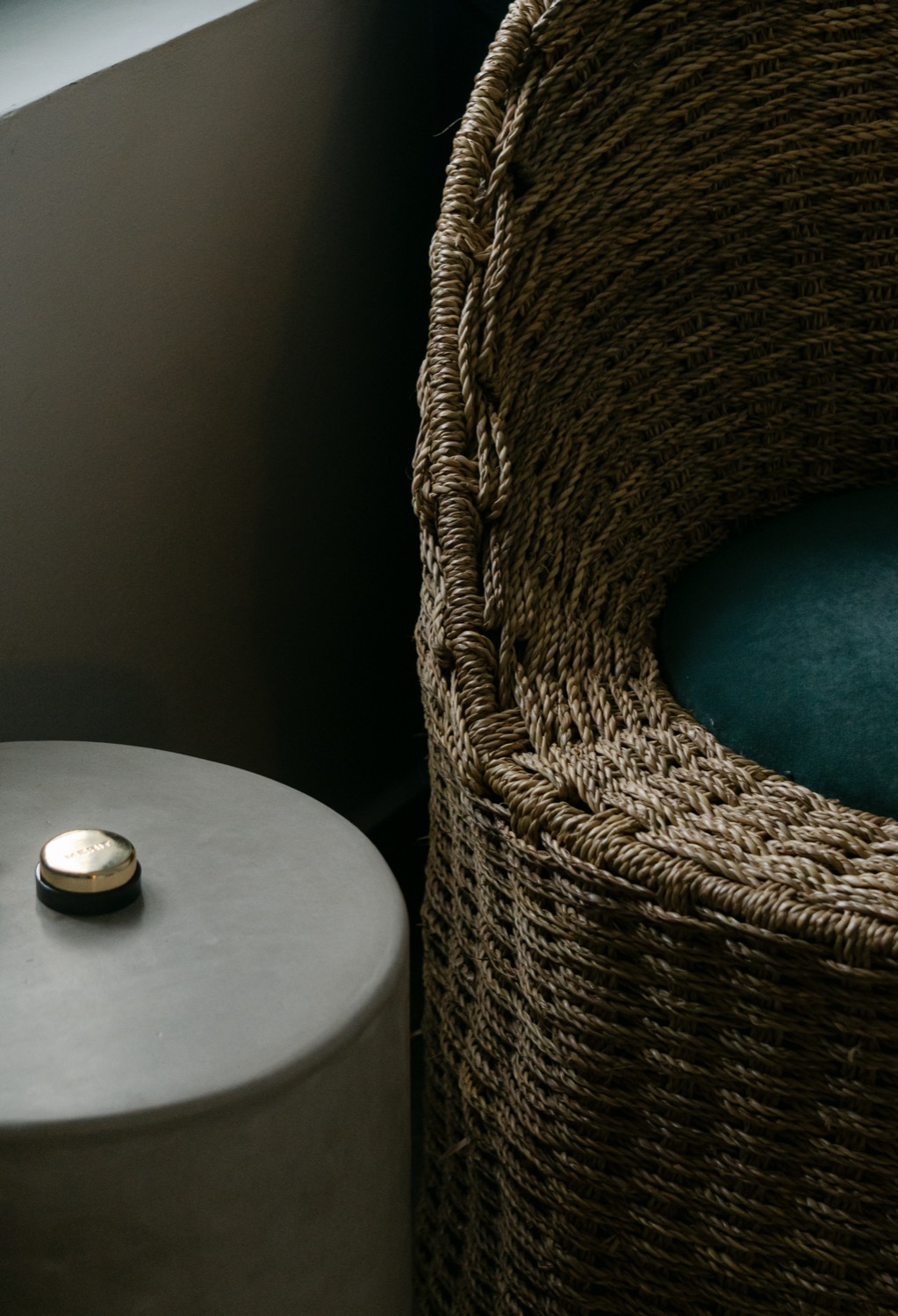
The Opposite of Indifference
Every carefully made room contains evidence that somebody cared.
Read essay →
Temporary Worlds
A paddock is dismantled within hours of the chequered flag.
Read essay →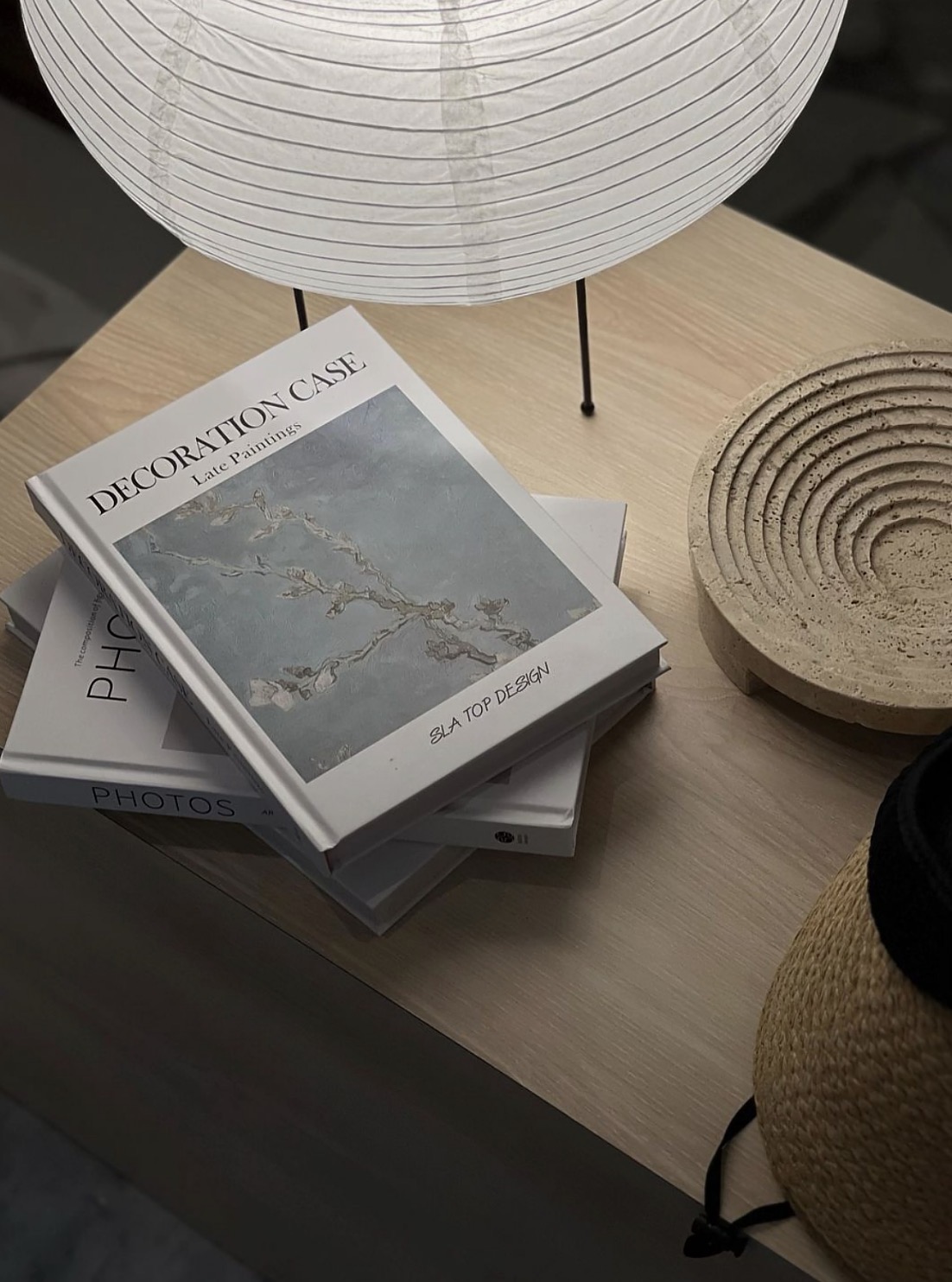
Why Print Still Matters
A printed page asks you to keep it a little longer than a screen ever will.
Read essay →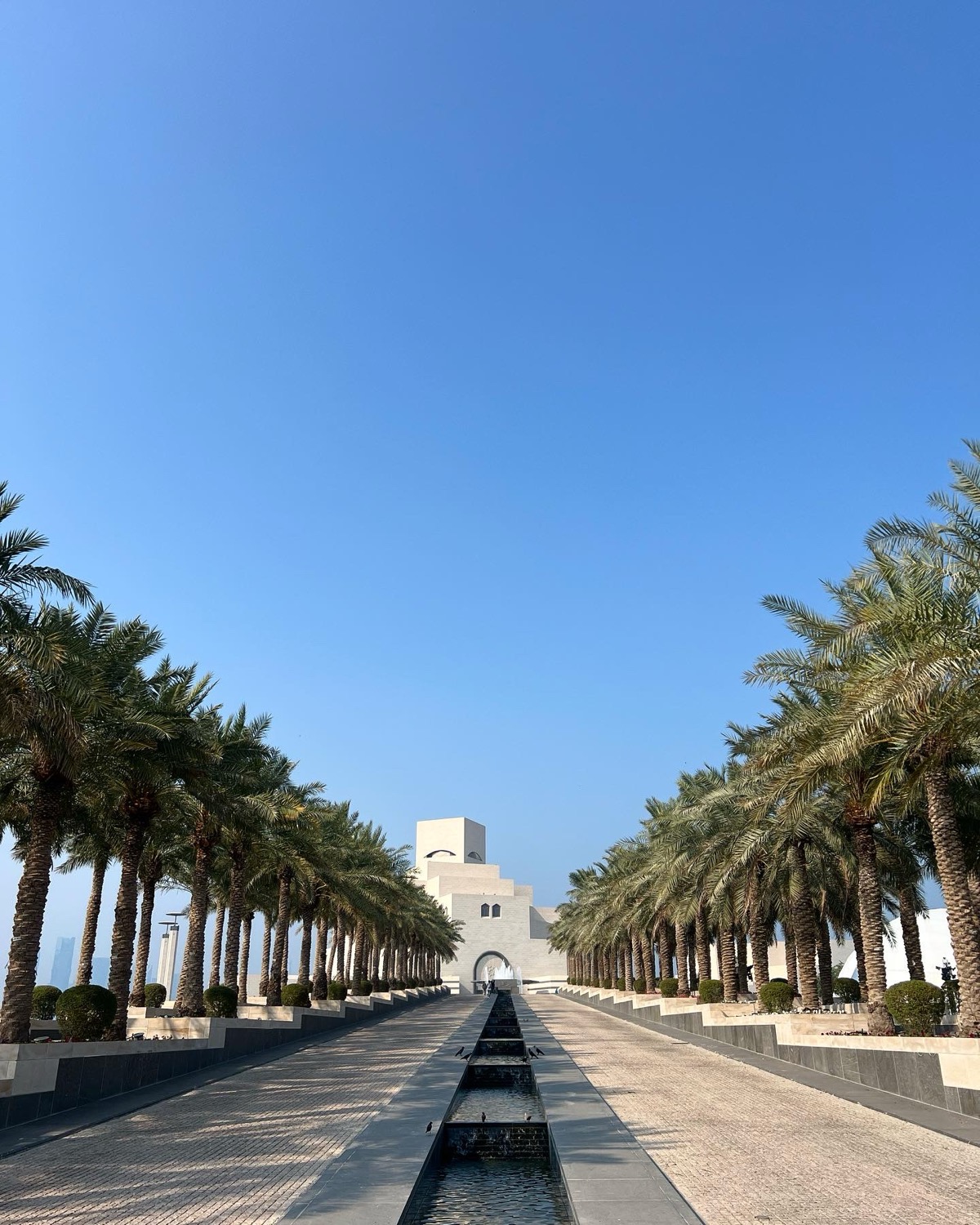
Arrival Is Part of the Architecture
The first ninety seconds inside a building are part of its design.
Read essay →