The Broadcast
Editorial note: the photographs in this study were made while observing a live television broadcast. They are presented as an exploration of visual attention and the experience of watching, not as original event coverage.
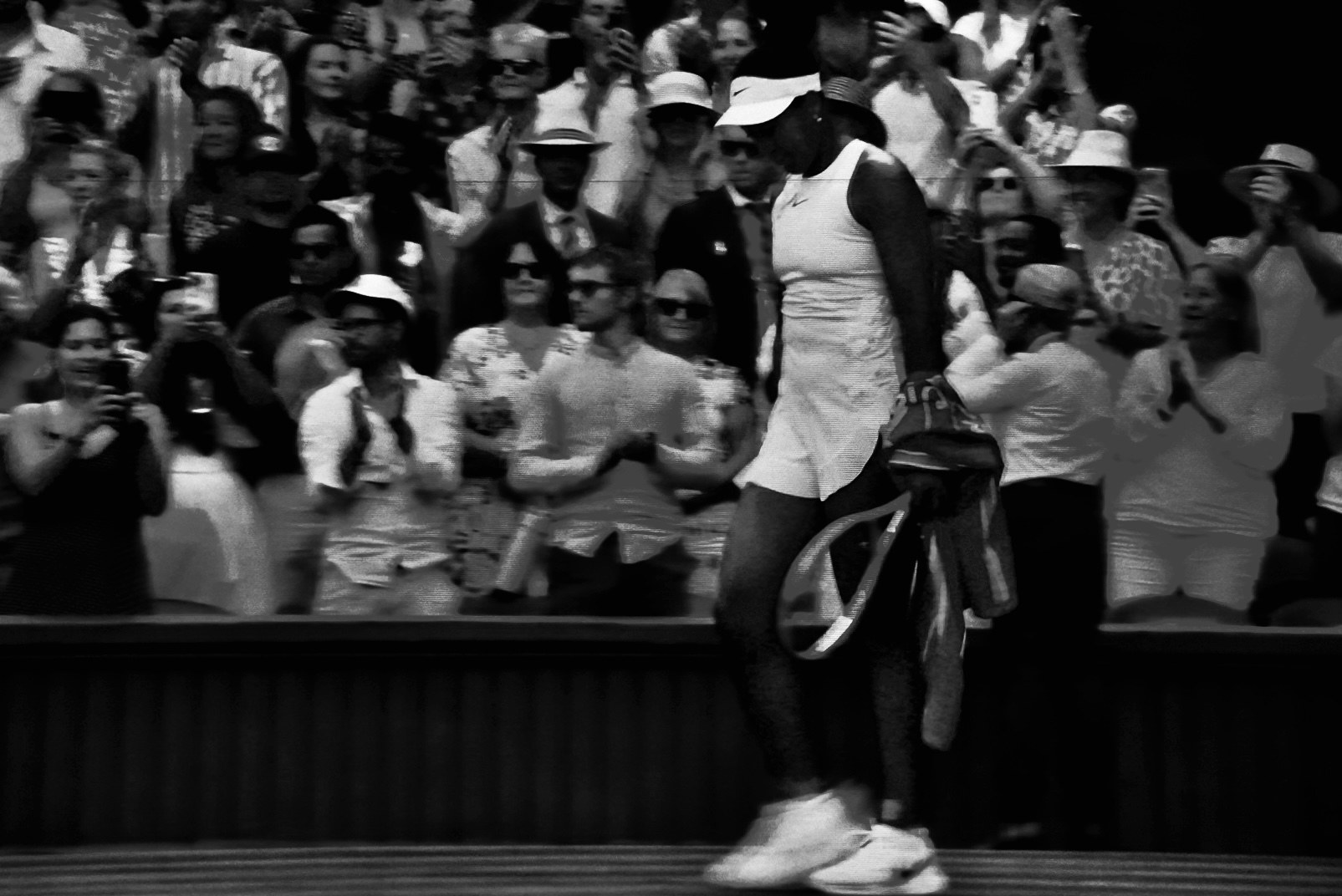
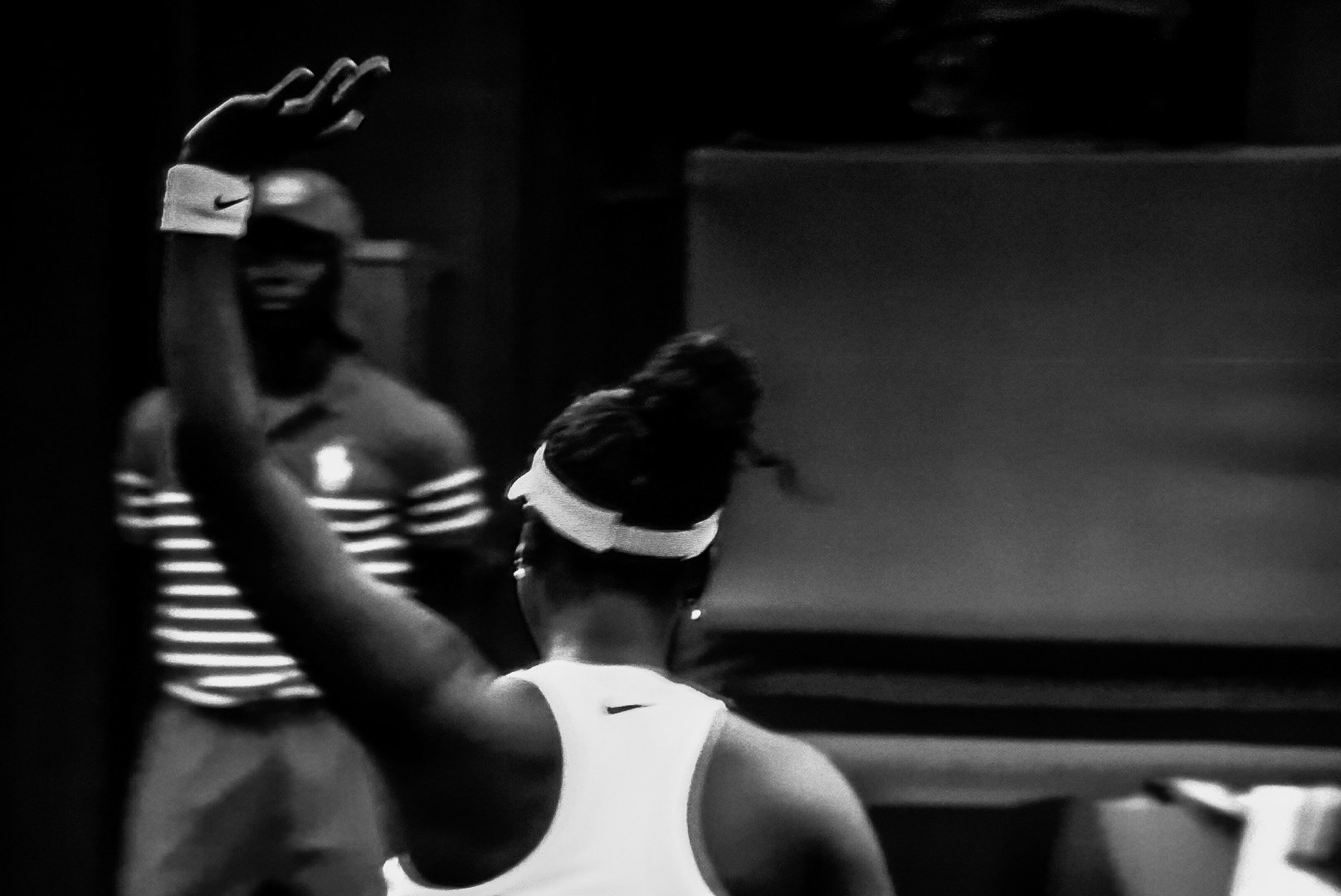
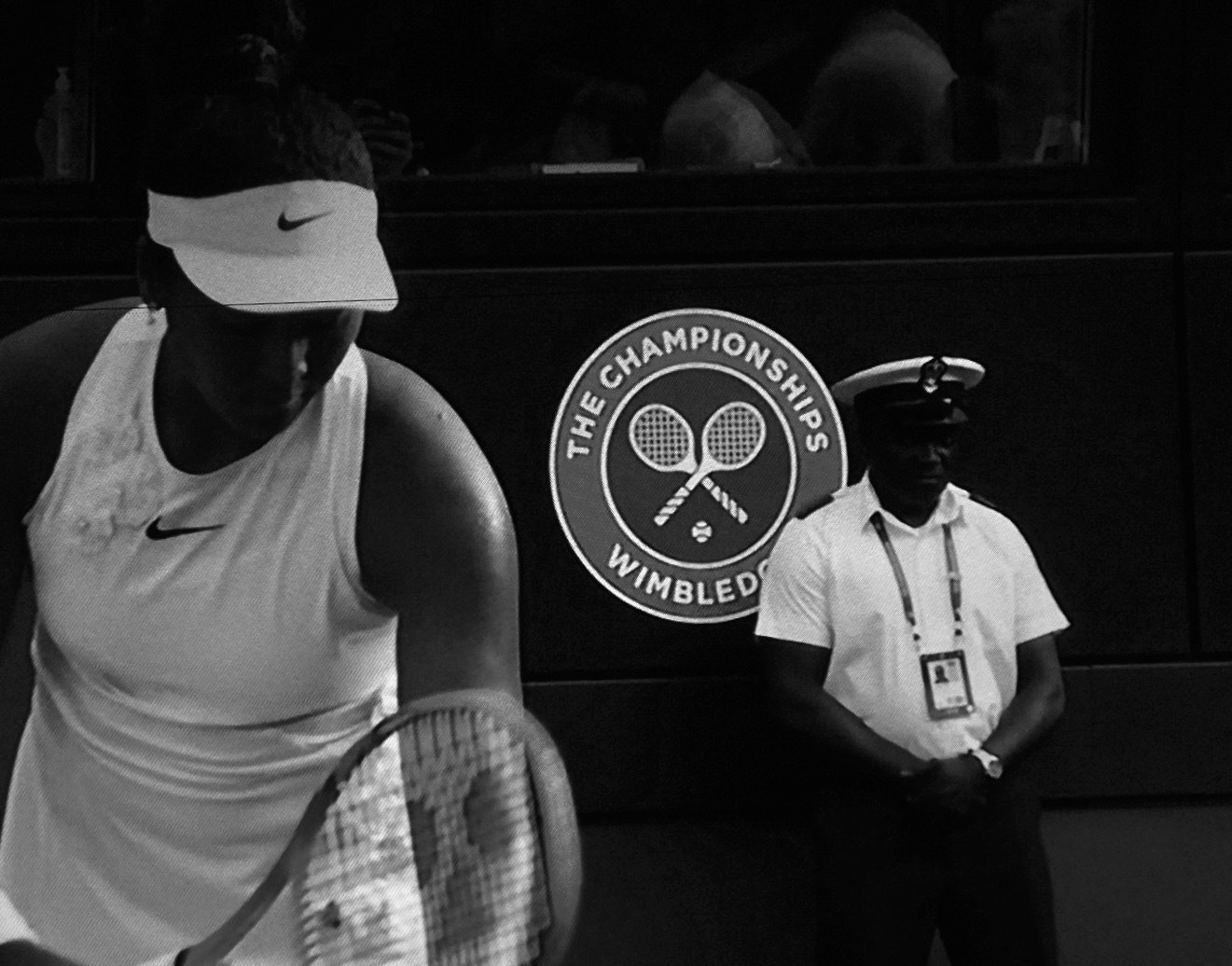
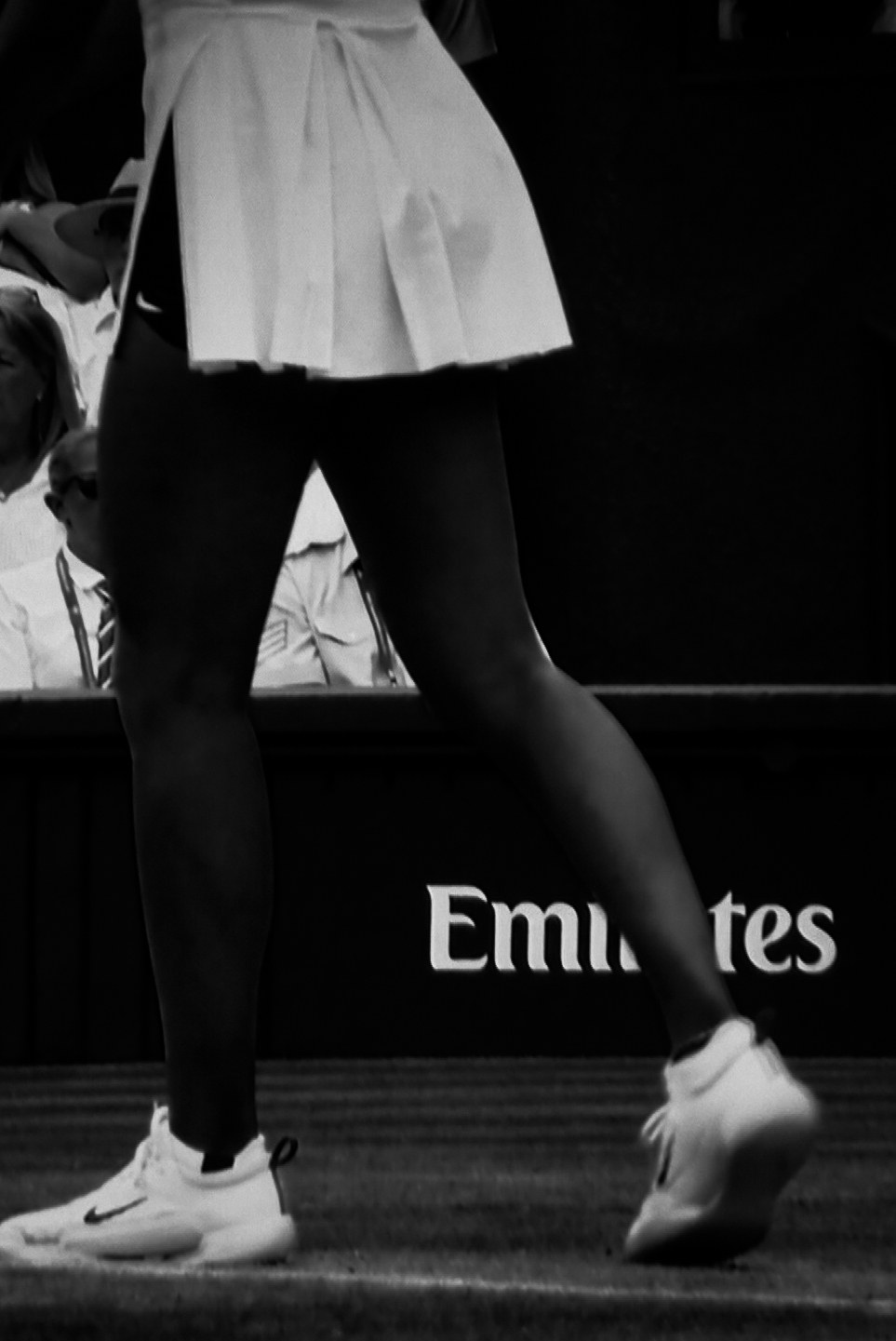
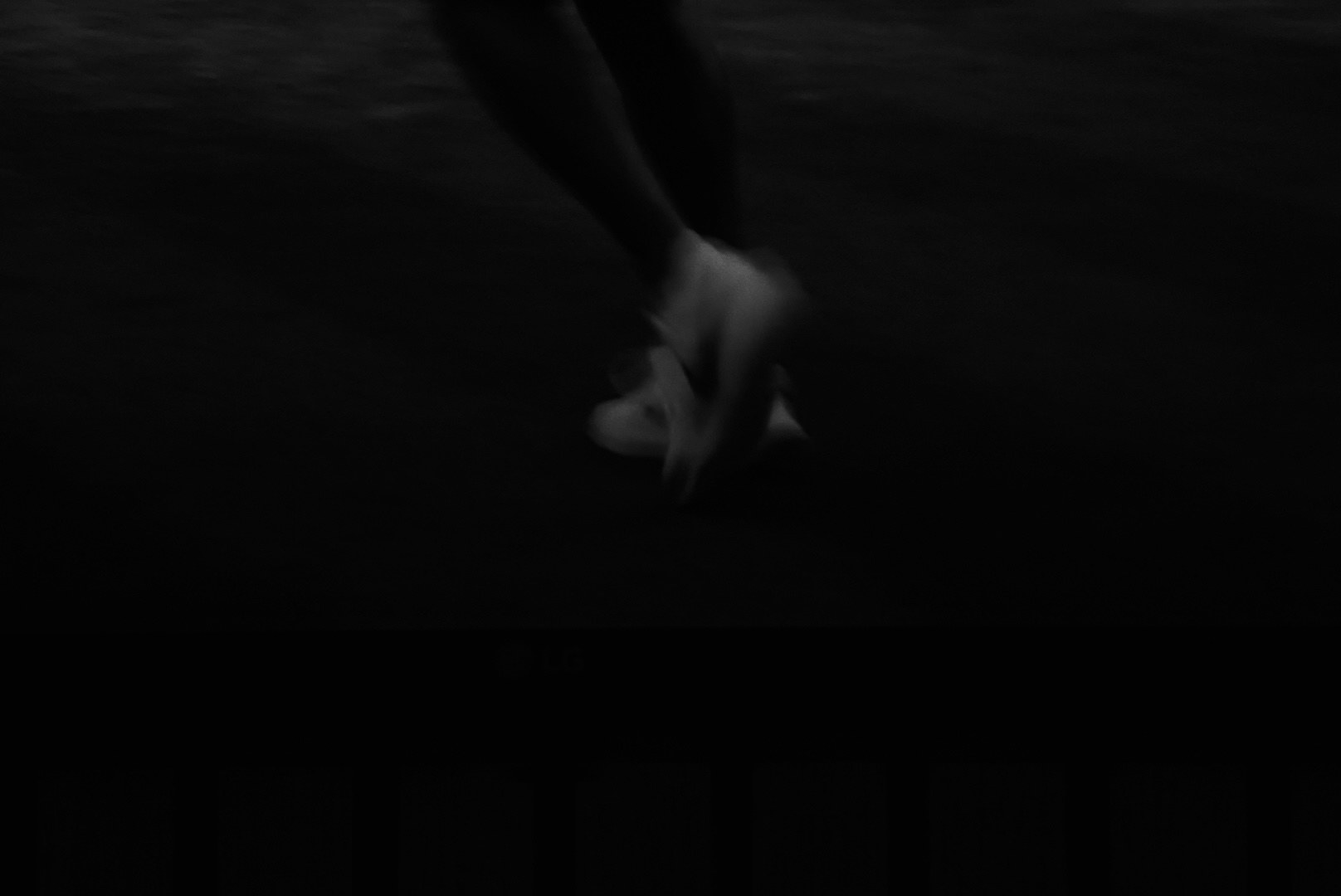
These photographs were not made at a tennis championship. They were made in front of one, at the distance of a screen, while a live broadcast carried the event into the room.
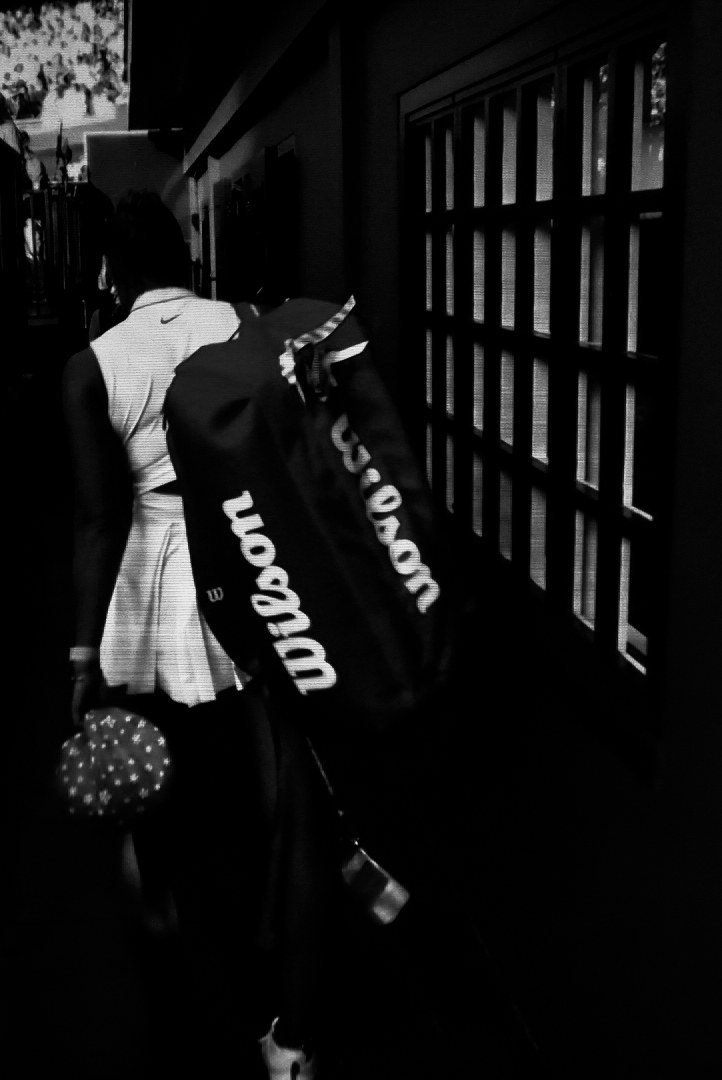
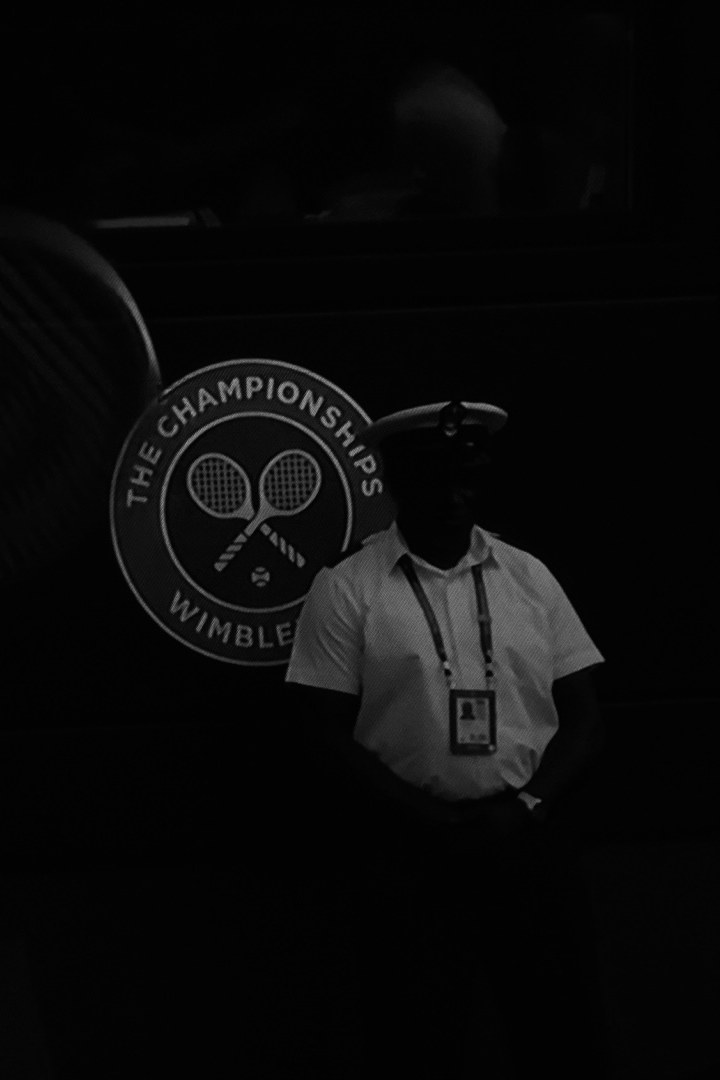
The subject is not the tournament, and it is not television. It is what happens to observation when millions of people receive the same image at the same moment, and one of them looks at it slowly, at the edges, past the action. The photographs begin where the watching does.
A broadcast is an instrument of direction. It decides, second by second, where the attention of an audience goes: the serve, the rally, the point. Everything else is passed over on the way.
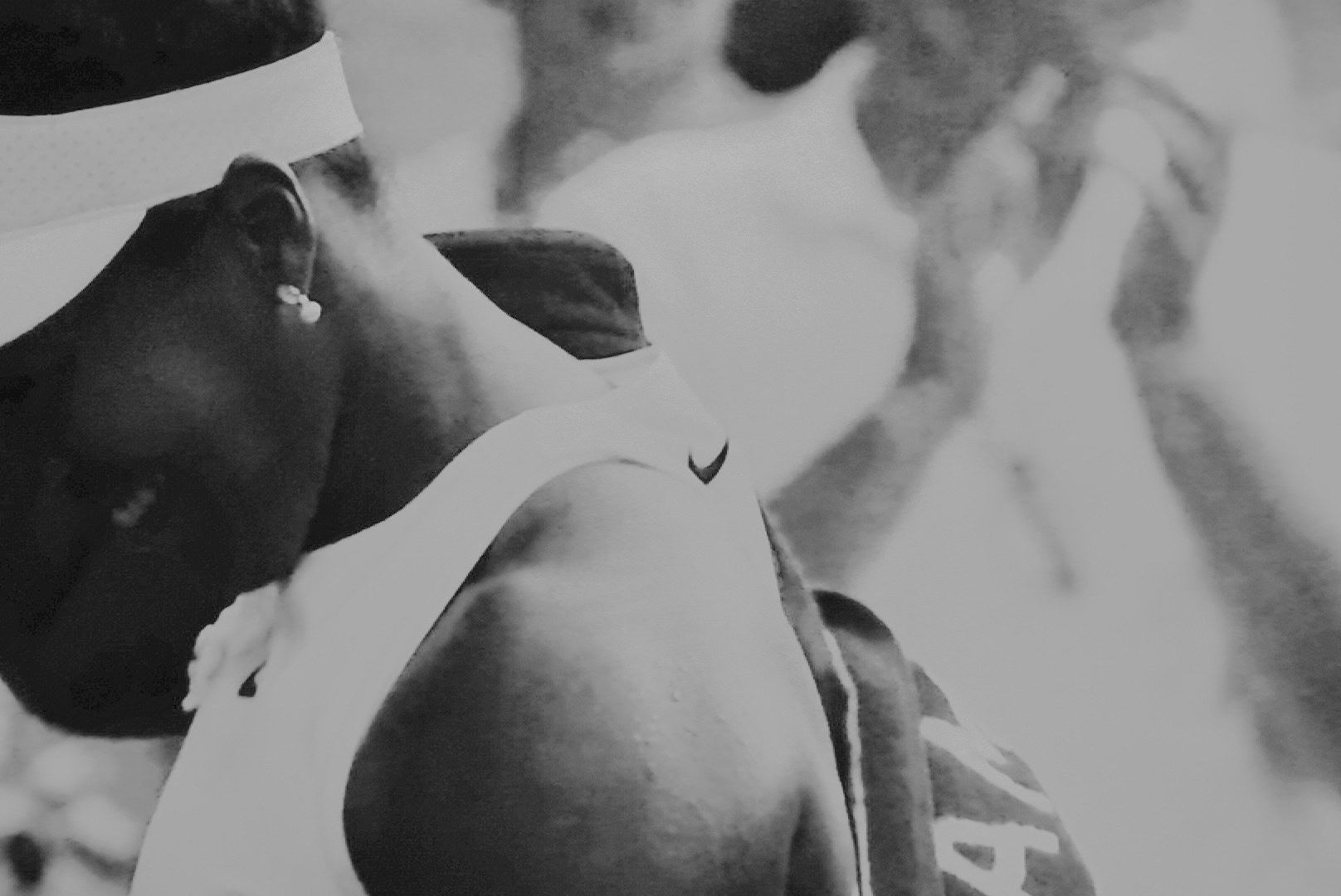
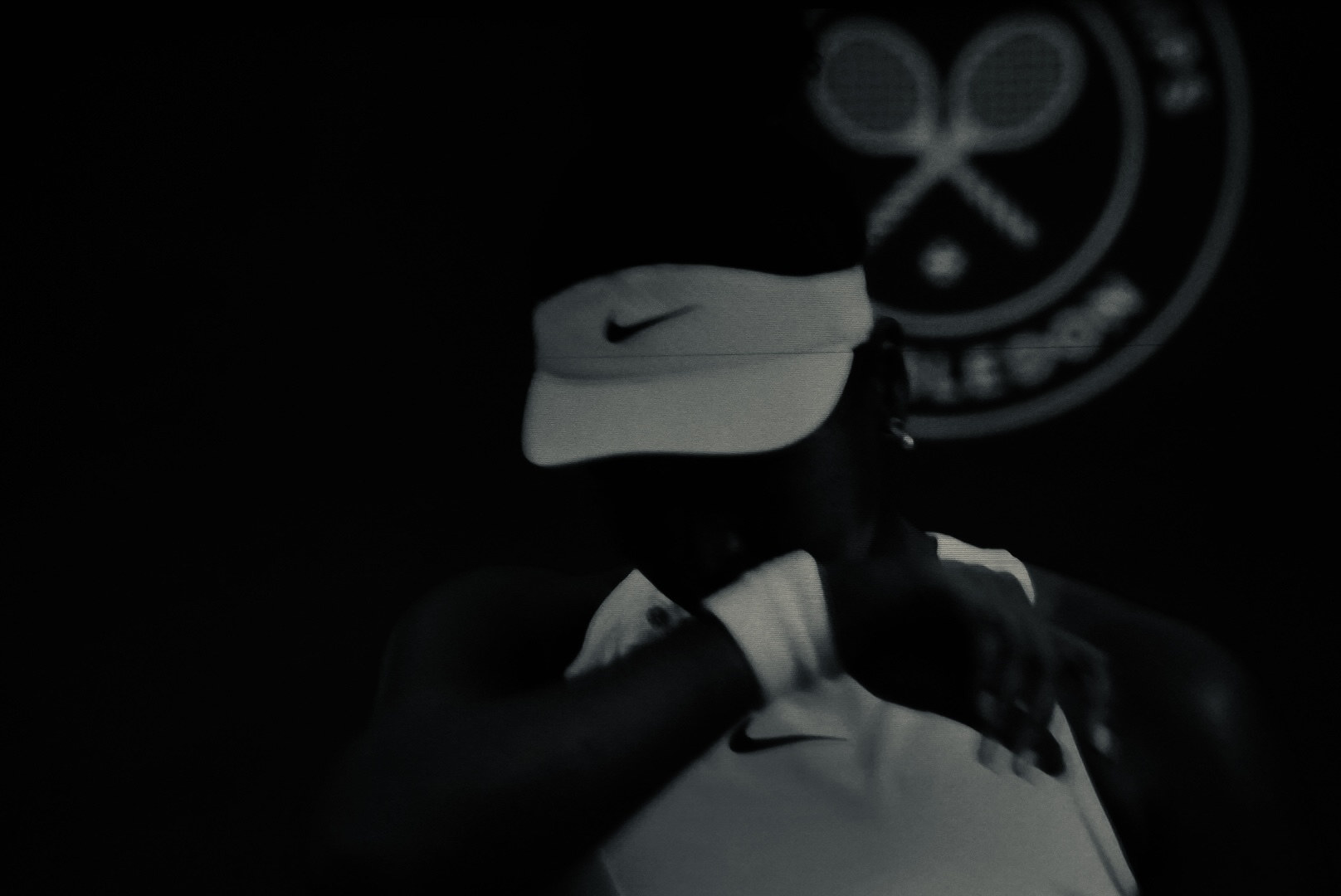
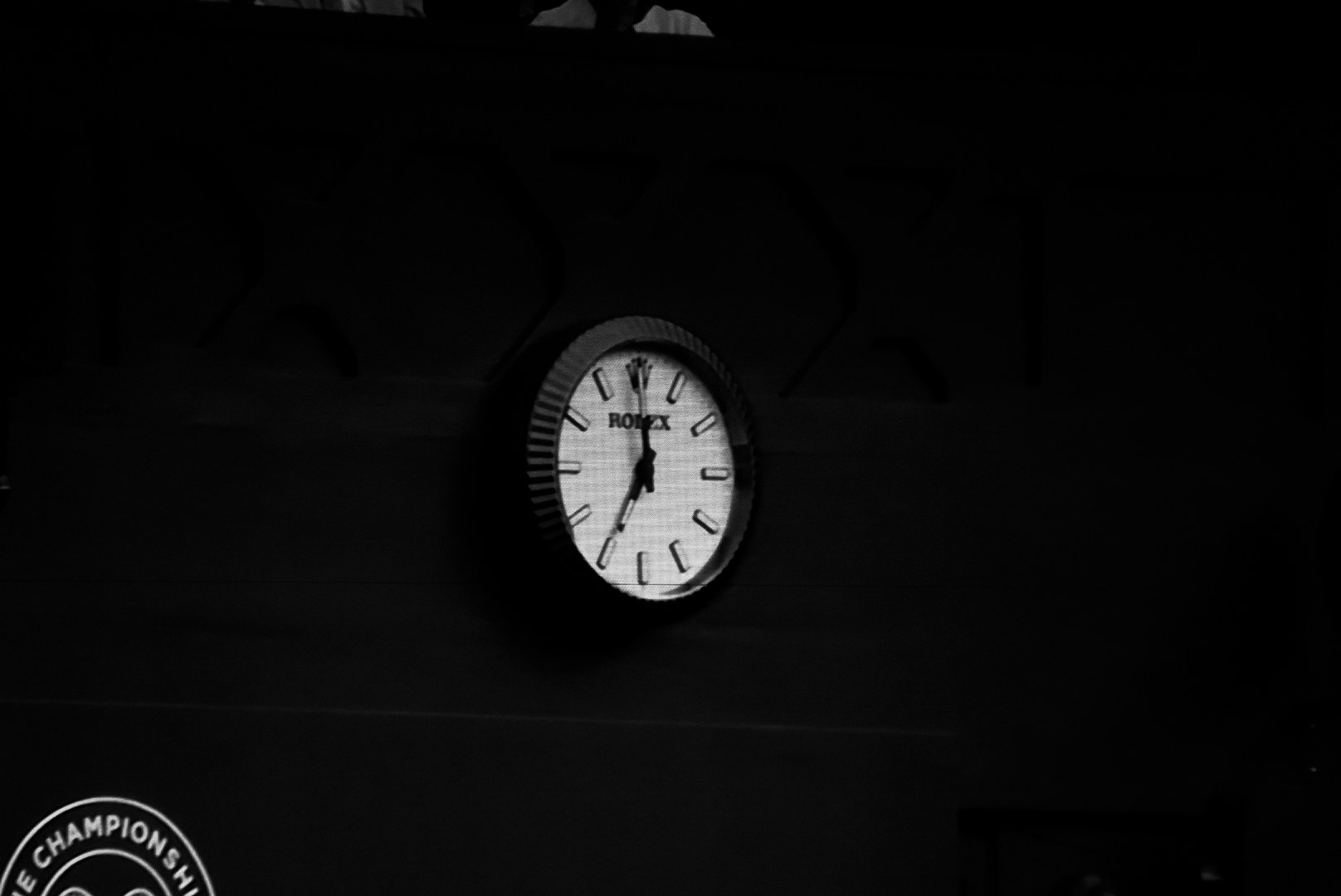
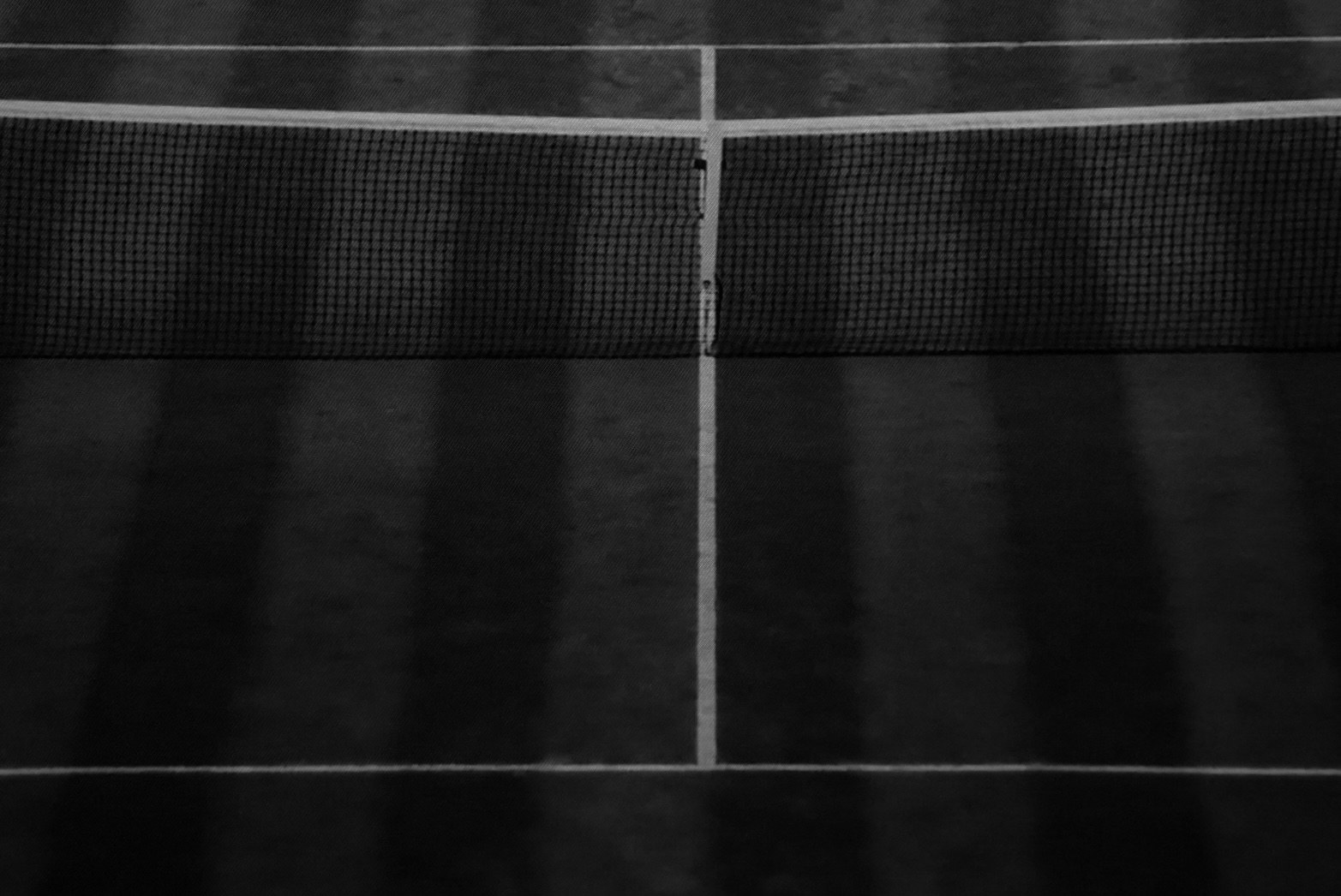
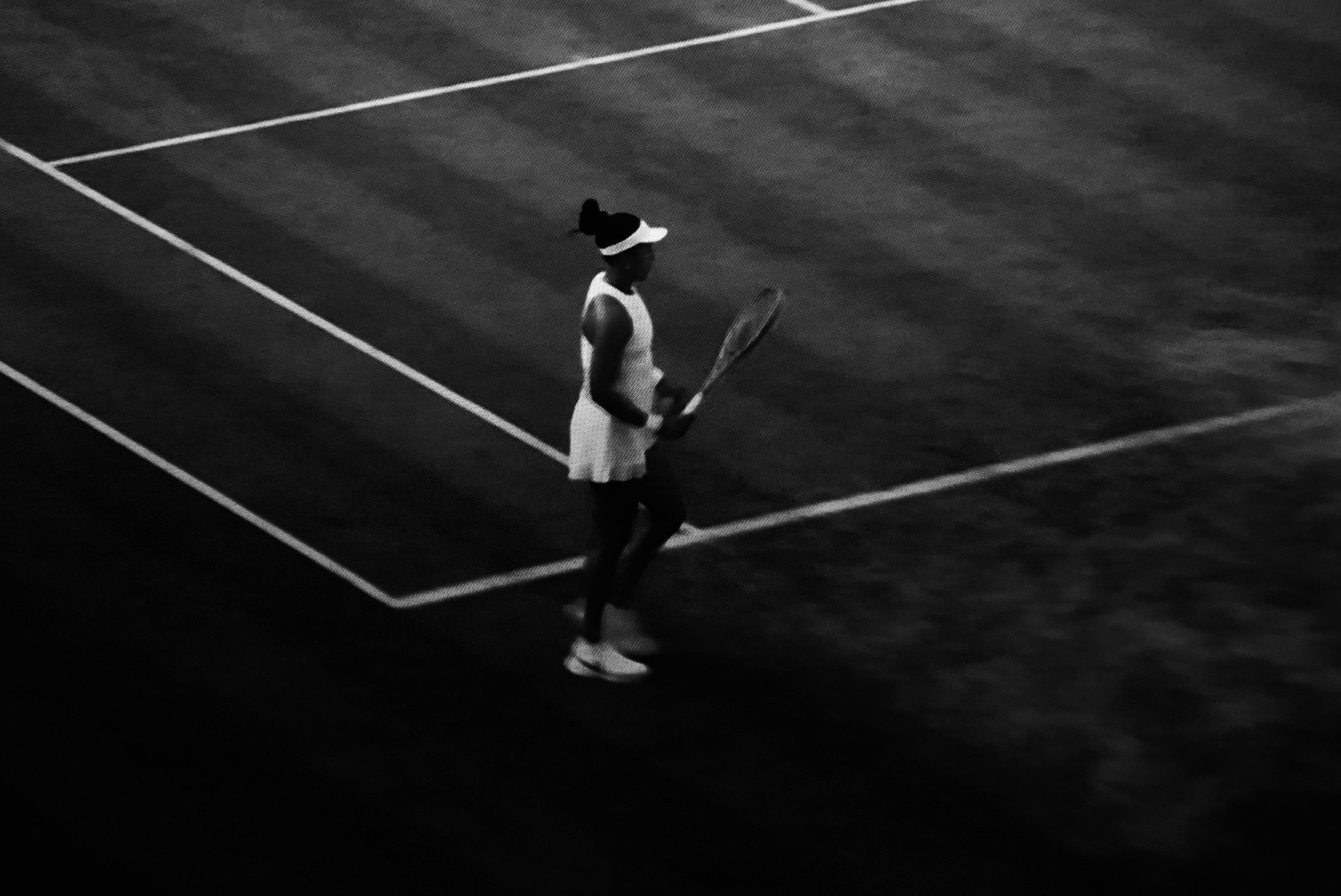
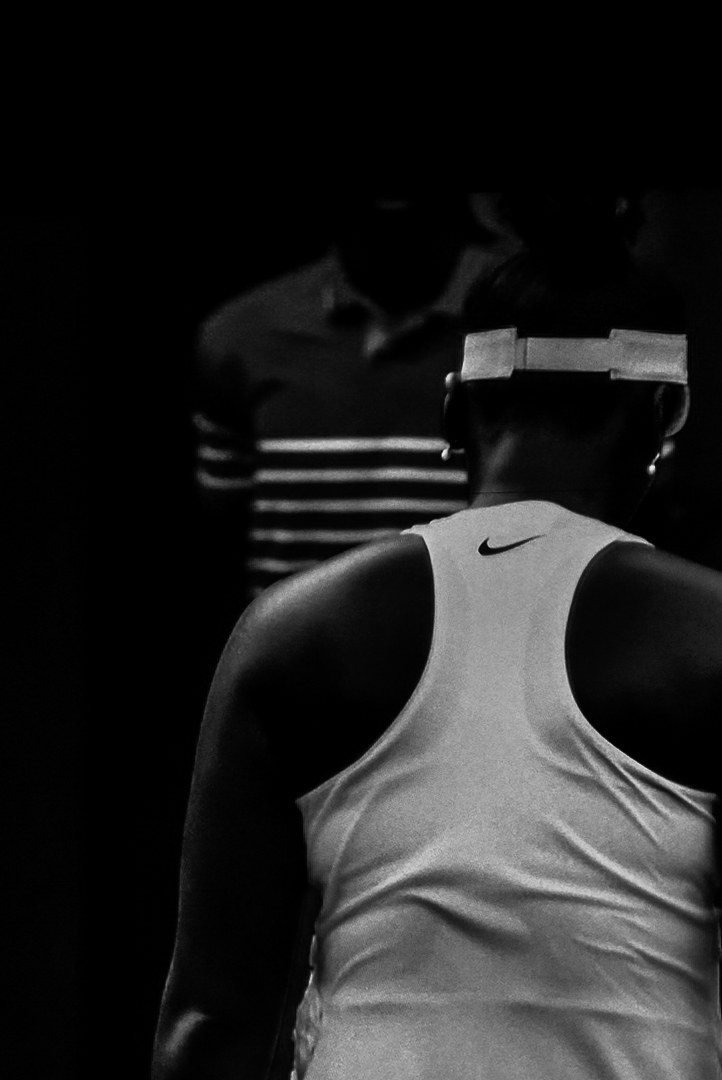
Observation works against that current. It waits in the corridors the coverage cuts through. It stays on the empty court while the director goes to the players. It notices the raised hand rather than the winner, the clock on the wall, the gesture between points, the stillness before applause and the different stillness after it. The material was all there, carried in the same signal as the action. It simply was not what the signal was for.
The photographer is absent from the place and present in the image. Someone else’s camera stood at the court. Someone else framed the first frame. What remains, at the distance of a screen, is the second act of seeing: choosing, from everything transmitted, what deserved to be kept.
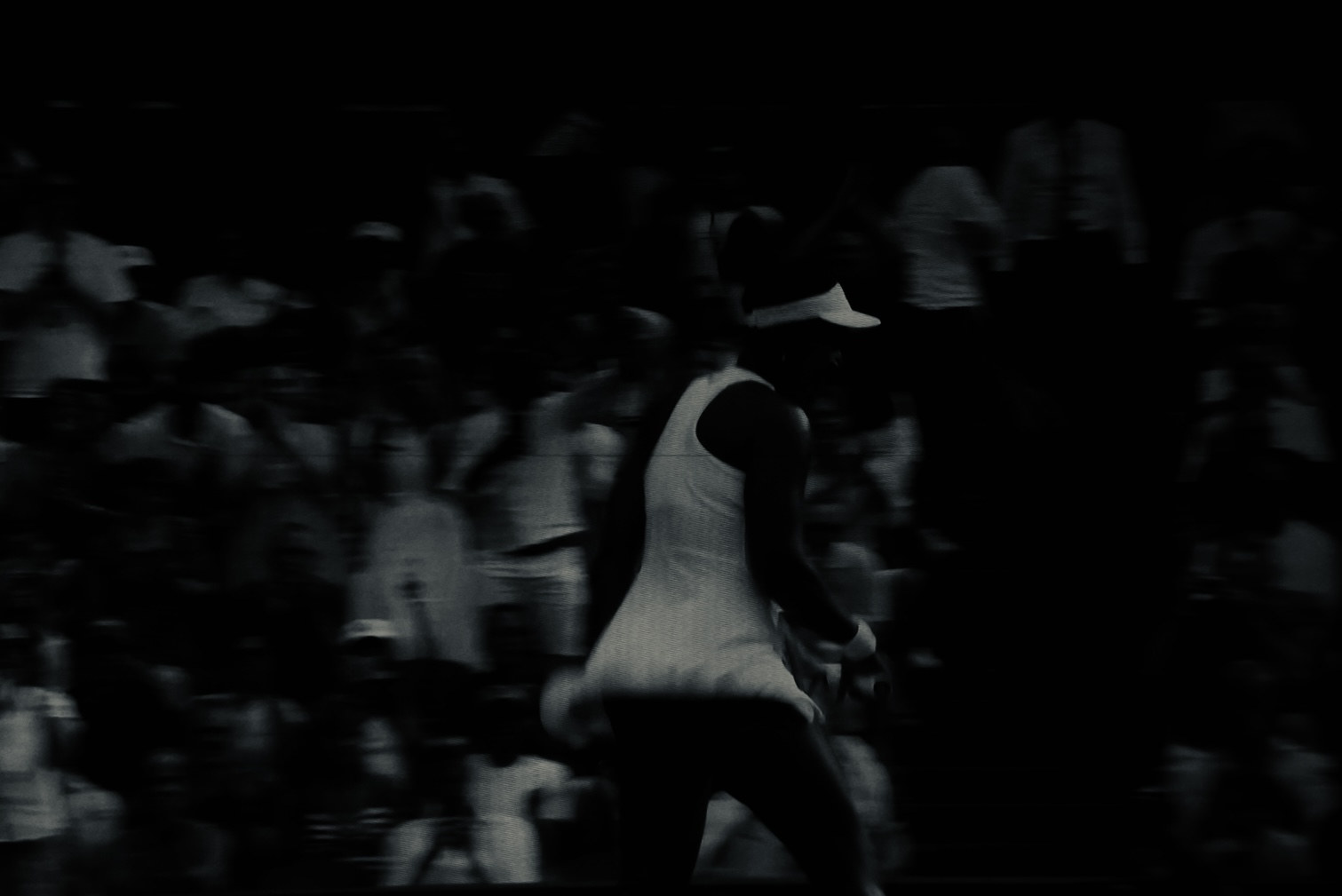
Distance usually costs a photograph its intimacy. Here it changed the intimacy’s address. The texture of the screen, the compression of the signal, the darkness of the room around it, all of it enters the frames and is not disguised. The watching, with its particular grain and its particular dark, is in every one of them.
Authorship is not always determined by where a photograph is made. Sometimes it is determined by what a person notices in the image everyone was given.
Observation begins long before access.