Copenhagen
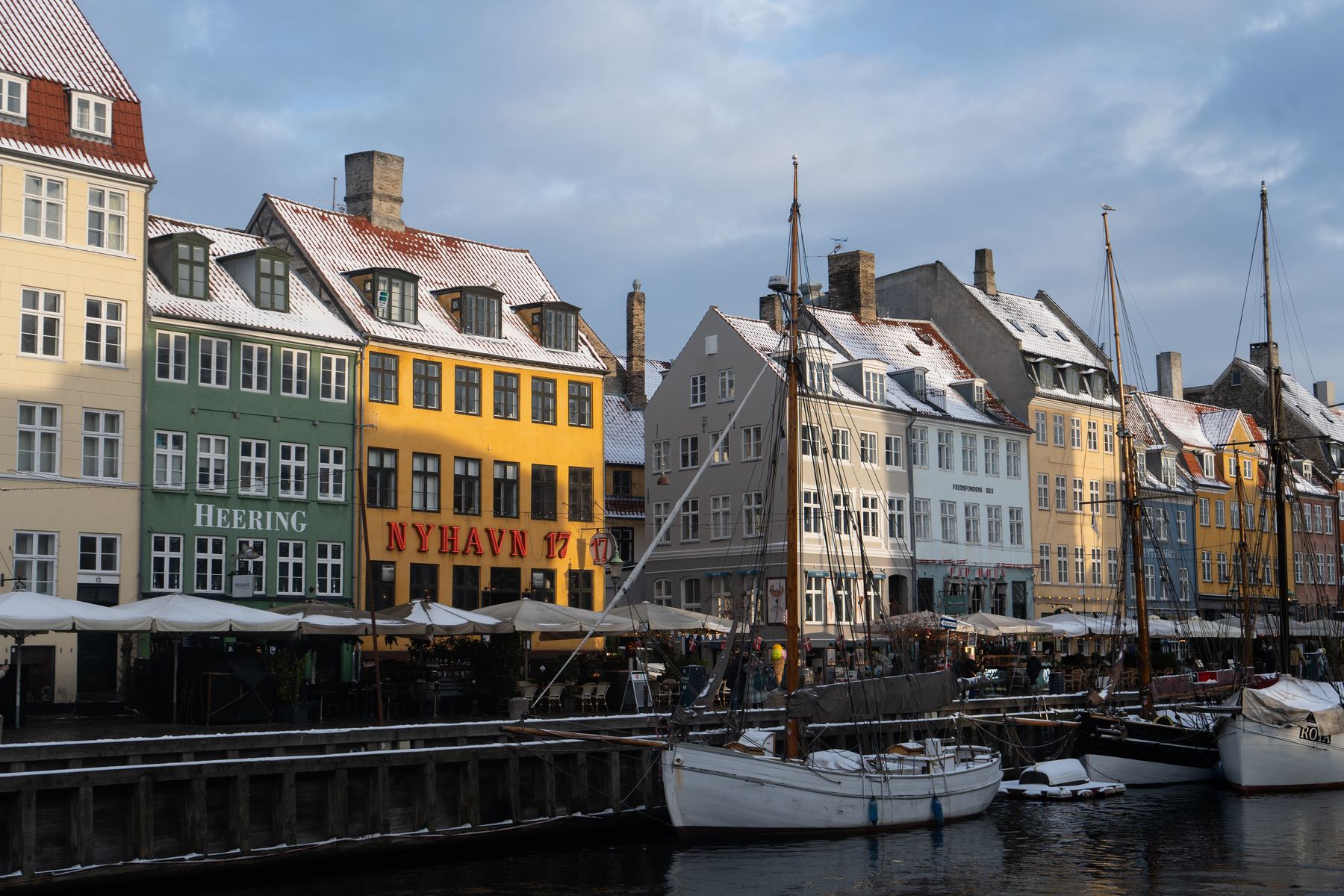
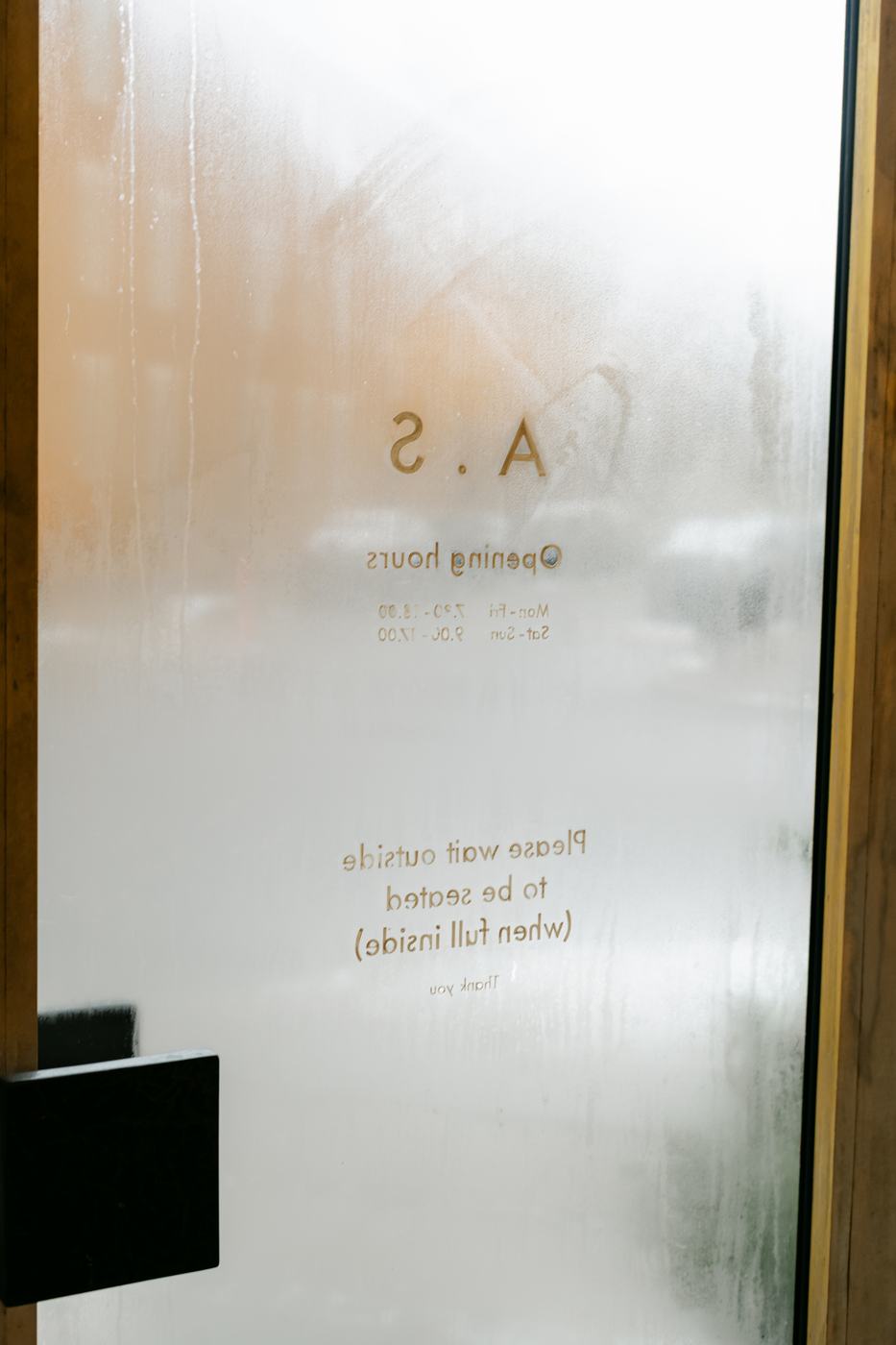
Copenhagen does not organise itself around its landmarks. The city's character is carried instead by the accumulated decisions of an ordinary day: the quality of light in a bakery at opening, a window held against the cold, the measured pace of a street that has been thought about carefully.
There are cities where the design intention is obvious. Copenhagen is one of the few where it has been absorbed so completely into daily life that it no longer reads as intention at all. It simply reads as the city.
The photographs followed mornings rather than monuments.
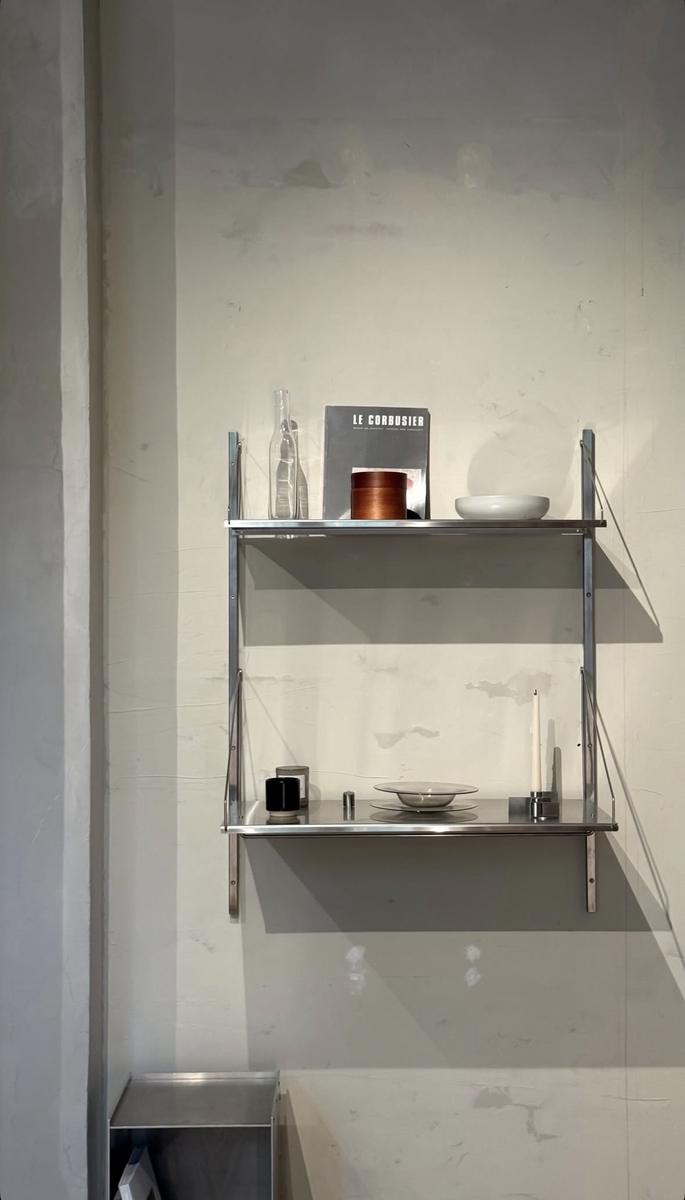
A bakery counter in the early hours, the light still low. A barista working through a sequence of movements repeated until they require no thought. An atelier, its surfaces arranged with the particular order of a room that is used rather than displayed. The city offers these moments consistently, without curating itself for the camera.
Copenhagen's relationship with the made object is specific.
A chair positioned beside a door. Details in stone, timber and glass chosen to last and to age well. The city's interiors carry the same considered restraint as its streets. Nothing is arbitrary. The weight of these decisions, built up across streets and rooms and objects, is what produces the atmosphere of the place, and it takes time to understand that none of it is accidental.
Copenhagen reveals itself gradually, through the quality of what it pays attention to.
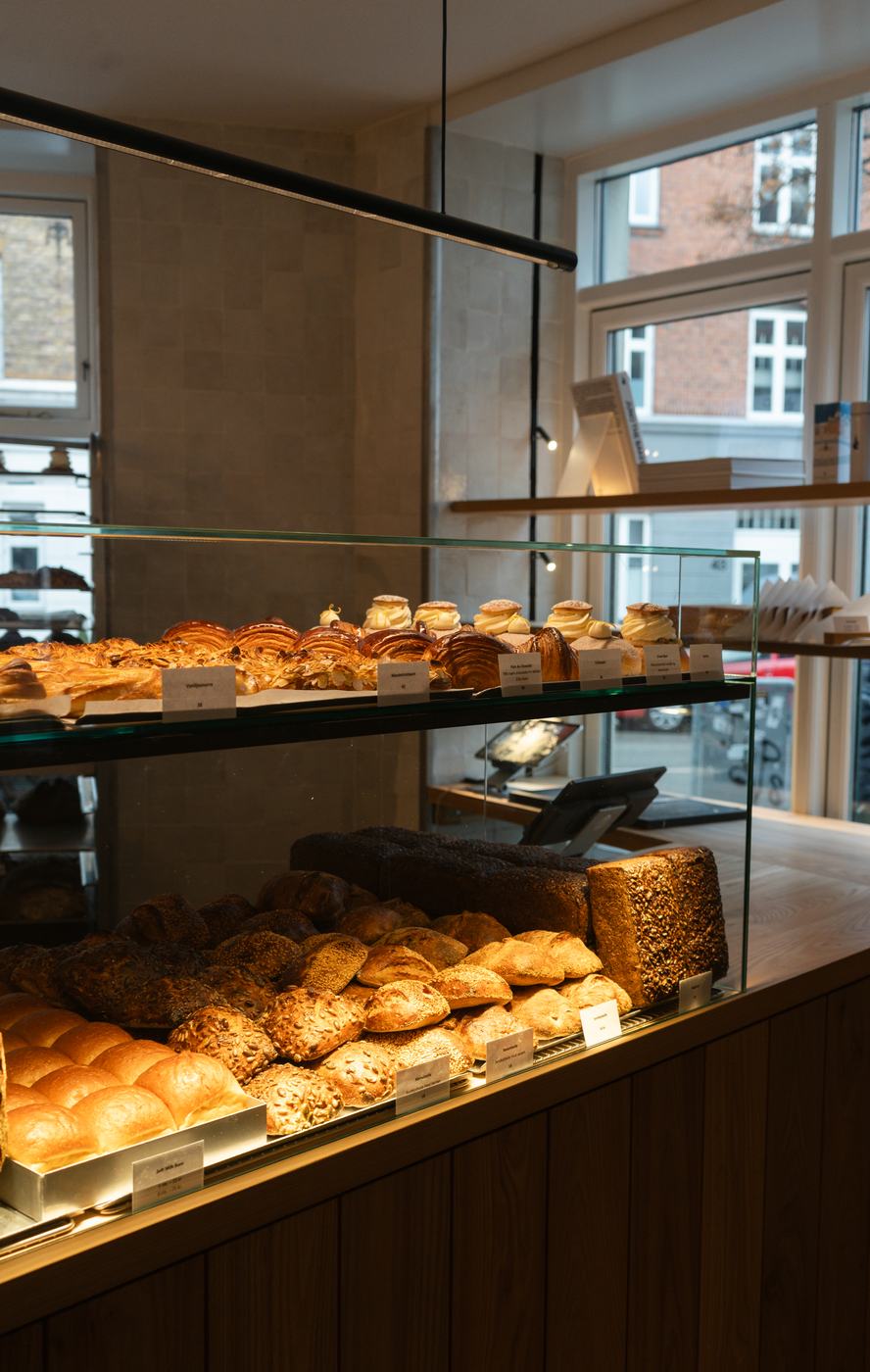
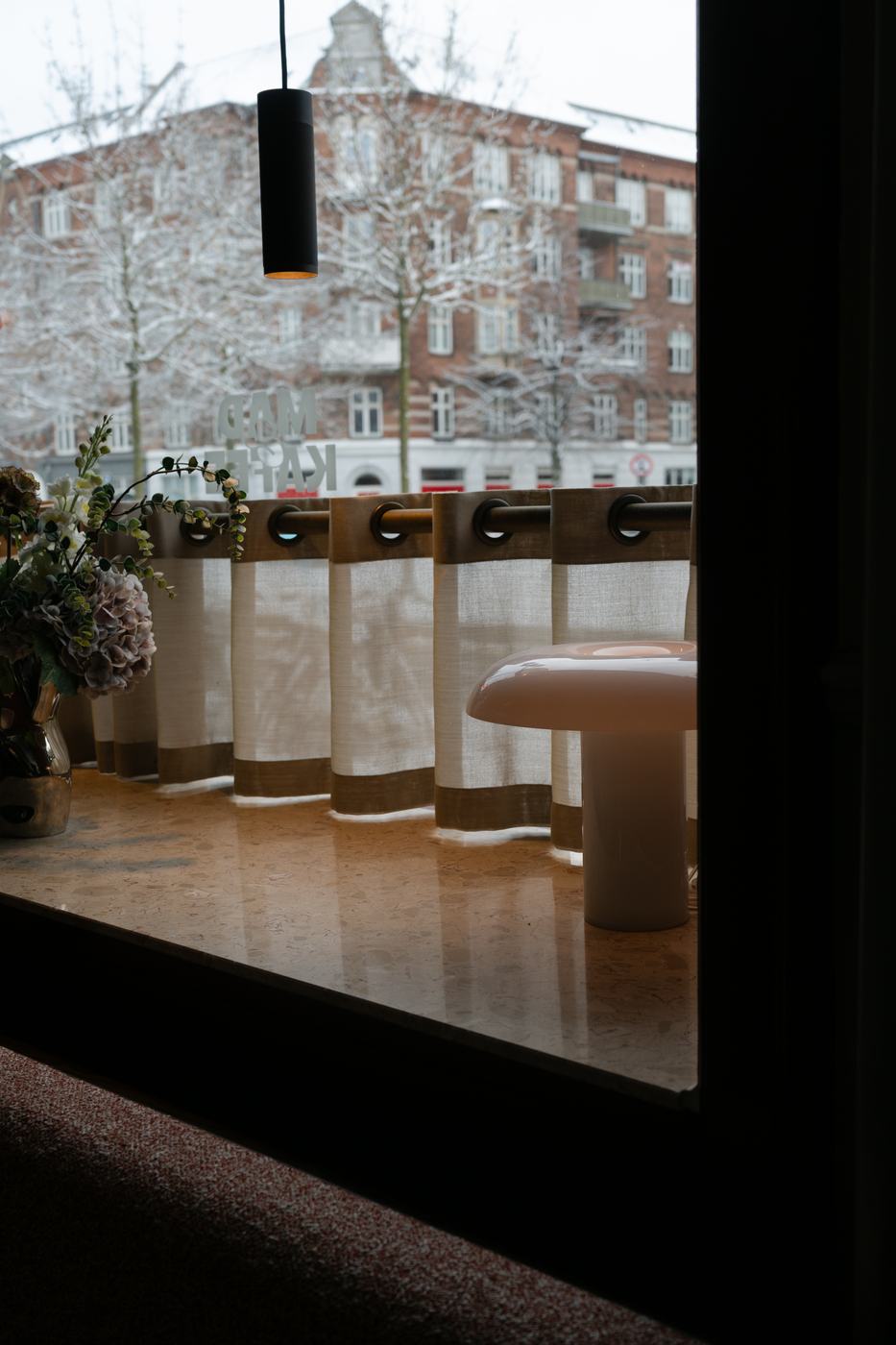
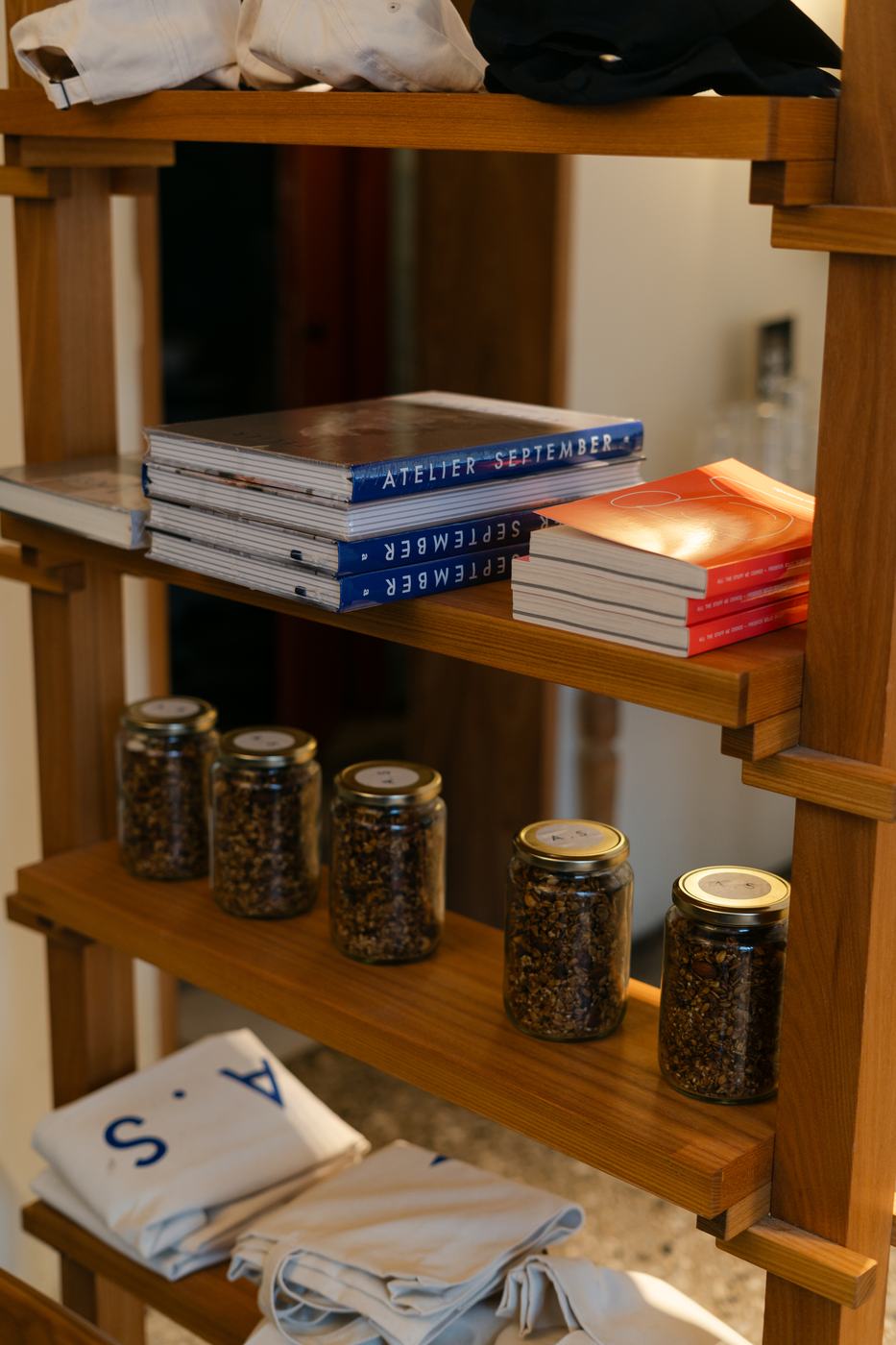
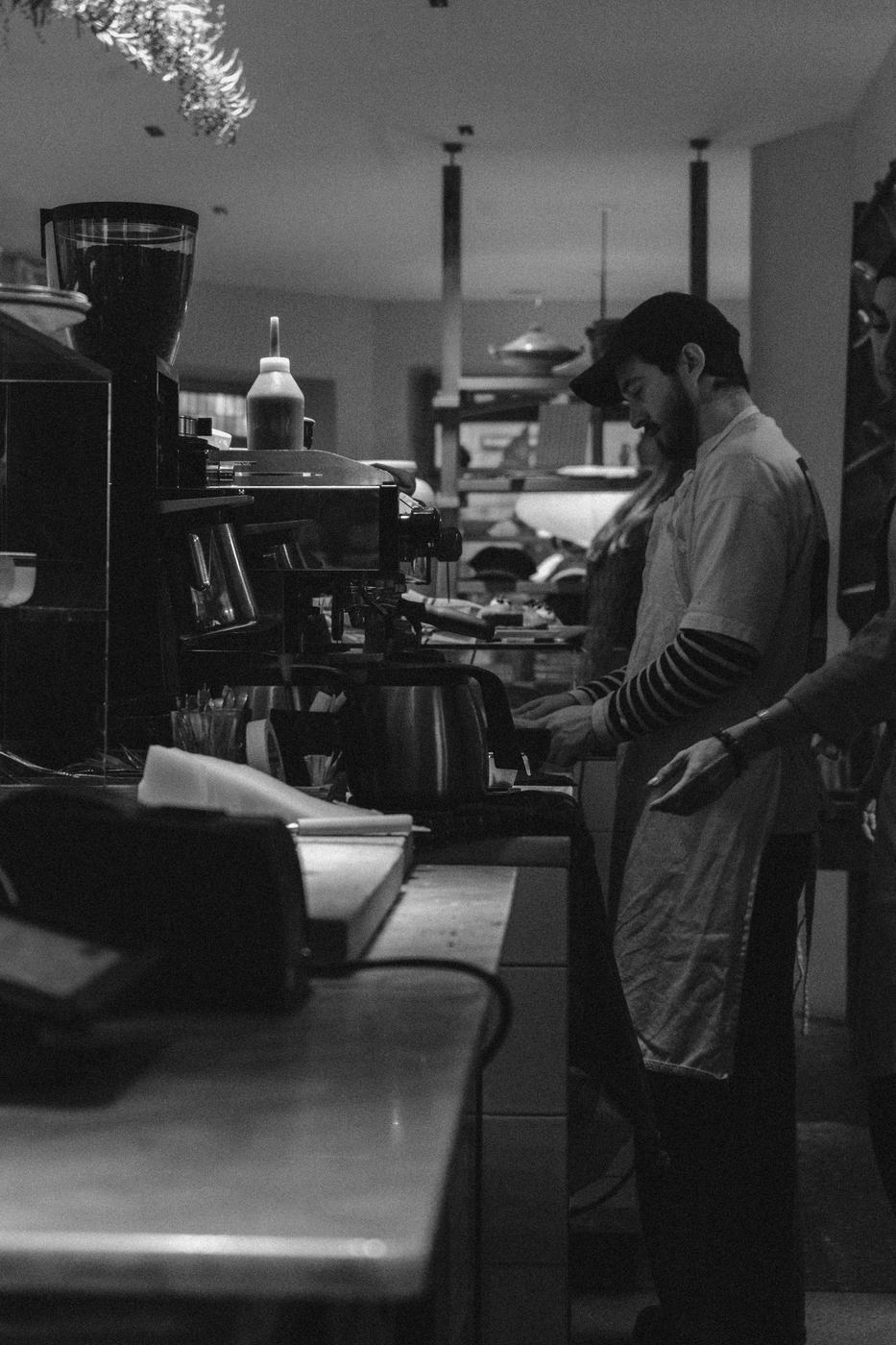
Copenhagen's reputation rests on design, but the study's subject is the city's real achievement: the quality of its ordinary day. Bakeries at opening, bicycles in weather, rooms lit against the cold, the harbour's colours at dusk, a civilisation expressed as routine rather than monument. The study was made in winter light, mostly in the mornings, mostly at walking pace.
The photographs concern the Danish knack for making the everyday deliberate: the window arranged because it faces the street, the café interior warm at seven in the morning, Nyhavn photographed at the hour it belongs to residents rather than cameras. The famous colours appear, but as background to the city's actual texture, which is care distributed evenly across small things.
In the archive Copenhagen anchors the northern European material and pairs with Apotek 57, its craft-category interior. The study also supplied the Journal's example of photographing a city's most photographed spot at the only honest hour, and it remains the archive's working definition of a liveable city: one whose beauty survives being useful.