PADDOCK
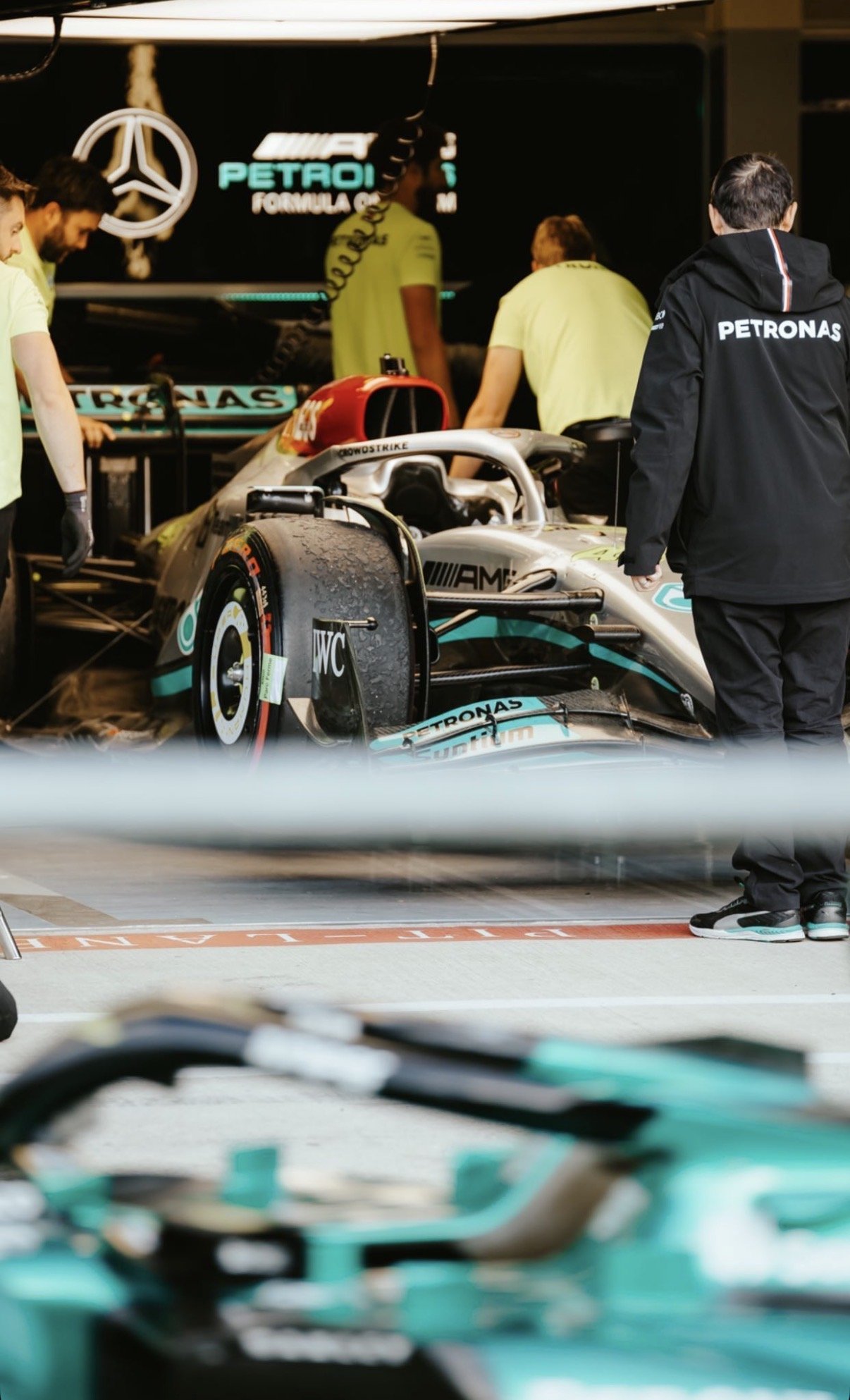
Access changes what a place reveals.
Most people arrive at a Formula One circuit and see the spectacle. Grandstands. Cars. Crowds. The race.
The paddock is something different.
A temporary city built around movement, precision and control. Engineers, drivers, recovery crews, hospitality teams and media operating within a world that exists only for a few days before disappearing again.
This is not a study about Formula One.
It is a study about access to a world normally unseen.
Formula One is often described as a sport. From inside the paddock, it feels closer to a city.
For a few days, an empty stretch of tarmac becomes one of the most concentrated environments in the world. Engineers arrive before sunrise. Freight is unpacked. Hospitality structures appear. Broadcast compounds begin transmitting. Temporary roads, offices, restaurants and workshops emerge around the circuit. Then, almost as quickly as it arrived, the entire operation disappears.
What the paddock reveals is not the race itself but the infrastructure required to make it possible.
A garage before the crowds arrive. A recovery vehicle waiting beyond the barriers. A marshal standing between sessions. The safety car moving through the circuit with no spectators watching. These are the spaces between the moments most people remember.
The paddock operates through proximity. Drivers, mechanics, team principals, media crews, guests and recovery teams move through the same narrow corridors. Distances that seem vast from a grandstand become unexpectedly small. World champions walk past freight containers. Film stars wait beside engineers. Conversations happen between temporary walls that will be dismantled within days.
The photographs were made within those spaces. Some show familiar figures. Others show the systems surrounding them: the recovery vehicle, the marshal, the safety car between sessions. Together they form a record of an environment built on precision, coordination and trust.
The race lasts a few hours. The world around it exists for much longer.
What Formula One makes visible, when seen from inside the paddock rather than from the grandstand, is the ratio between effort and outcome. Days of preparation for a few hours of competition. A temporary city assembled, operated at the highest level of any discipline in the world, and then dismantled so completely that the tarmac it occupied looks like tarmac again by Tuesday.
The race is the public version. The paddock is the real one.
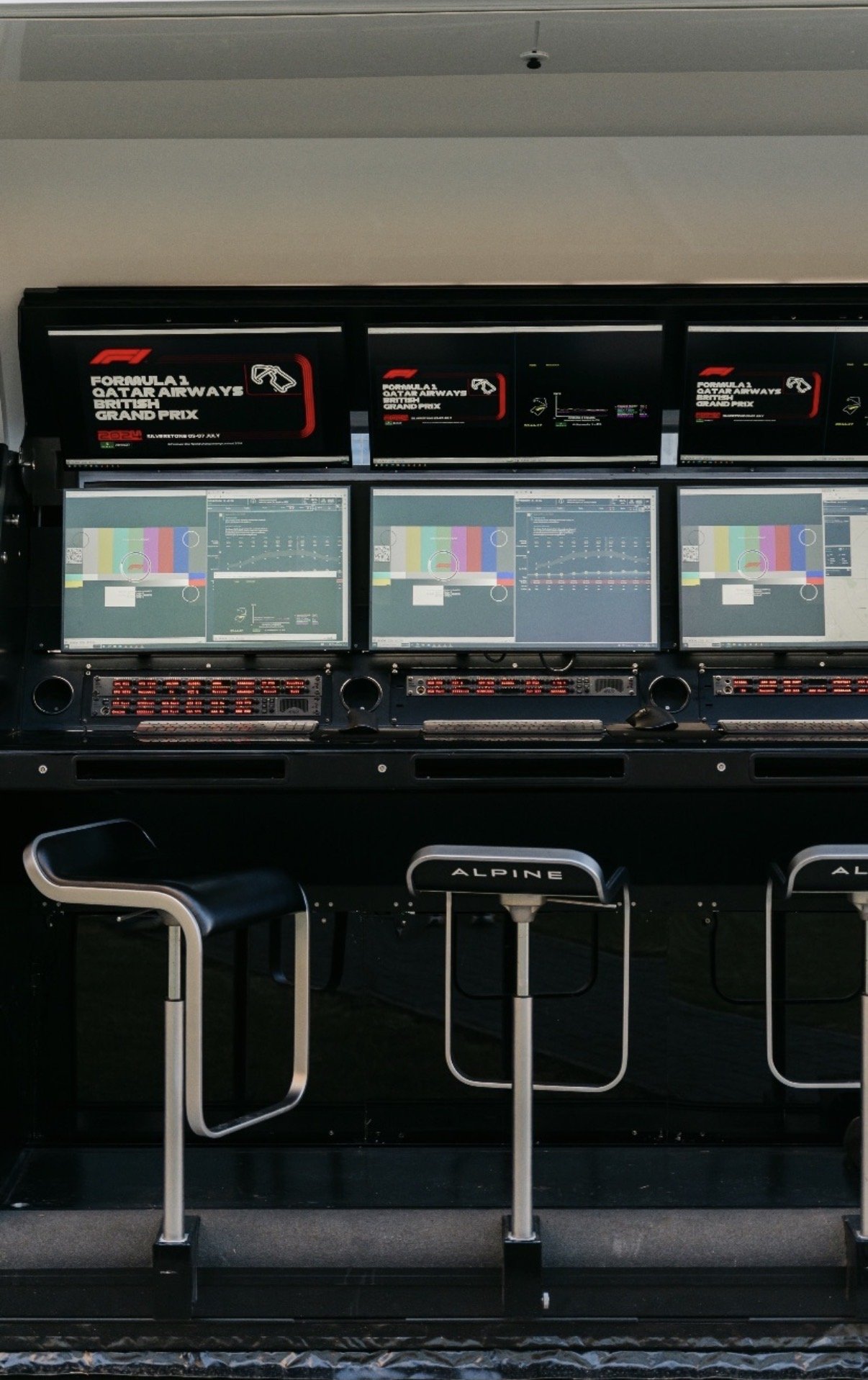



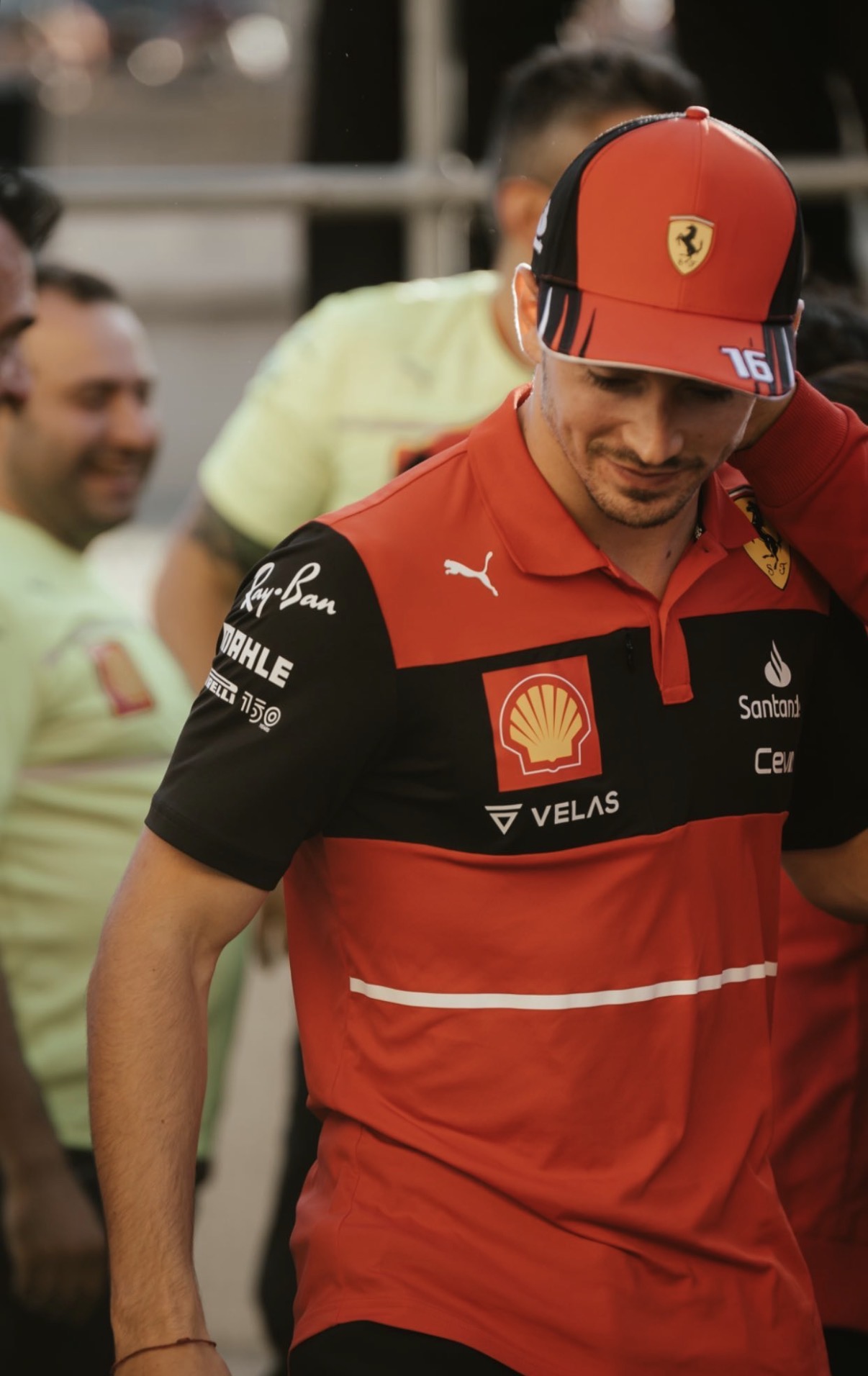
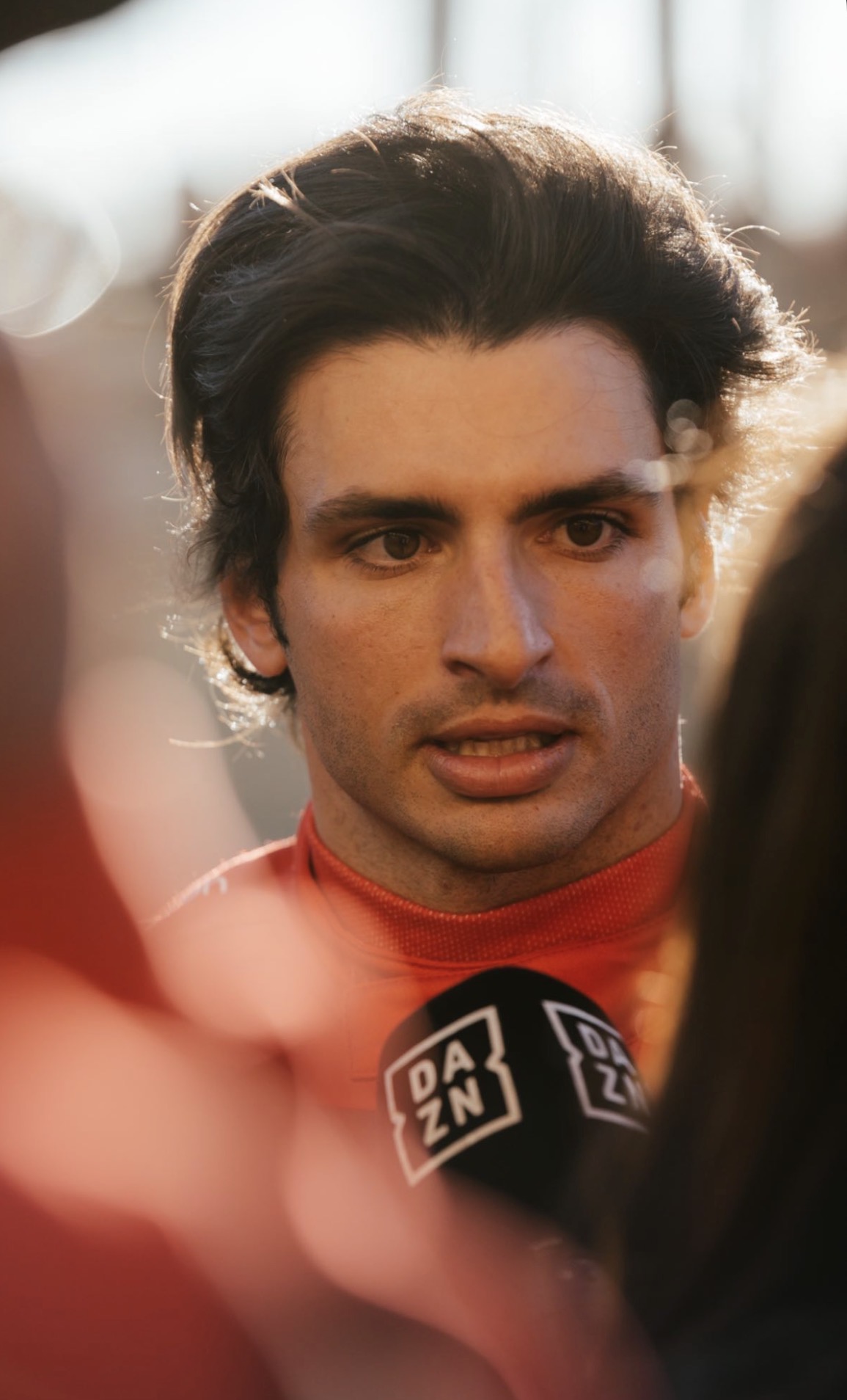
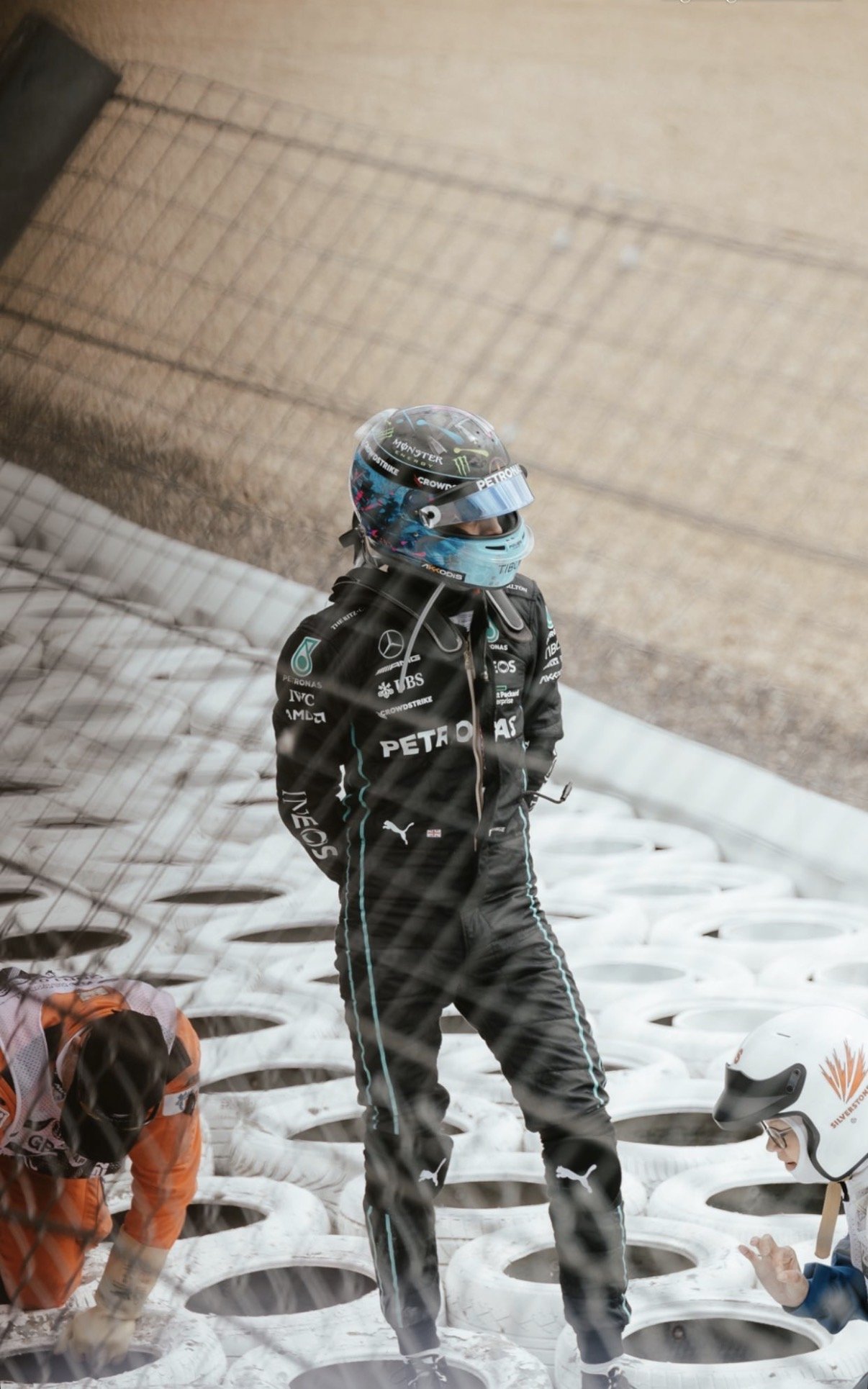
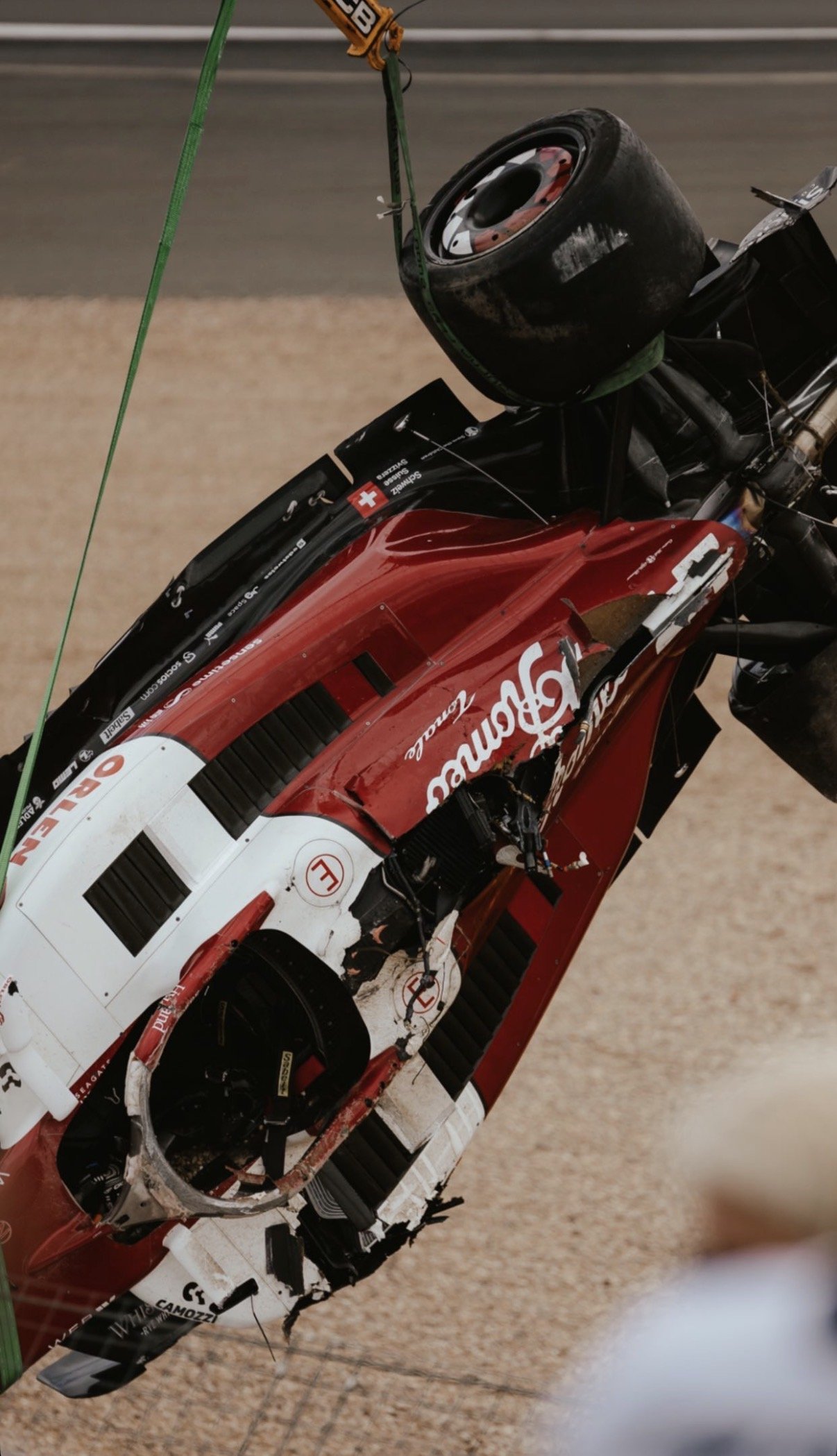
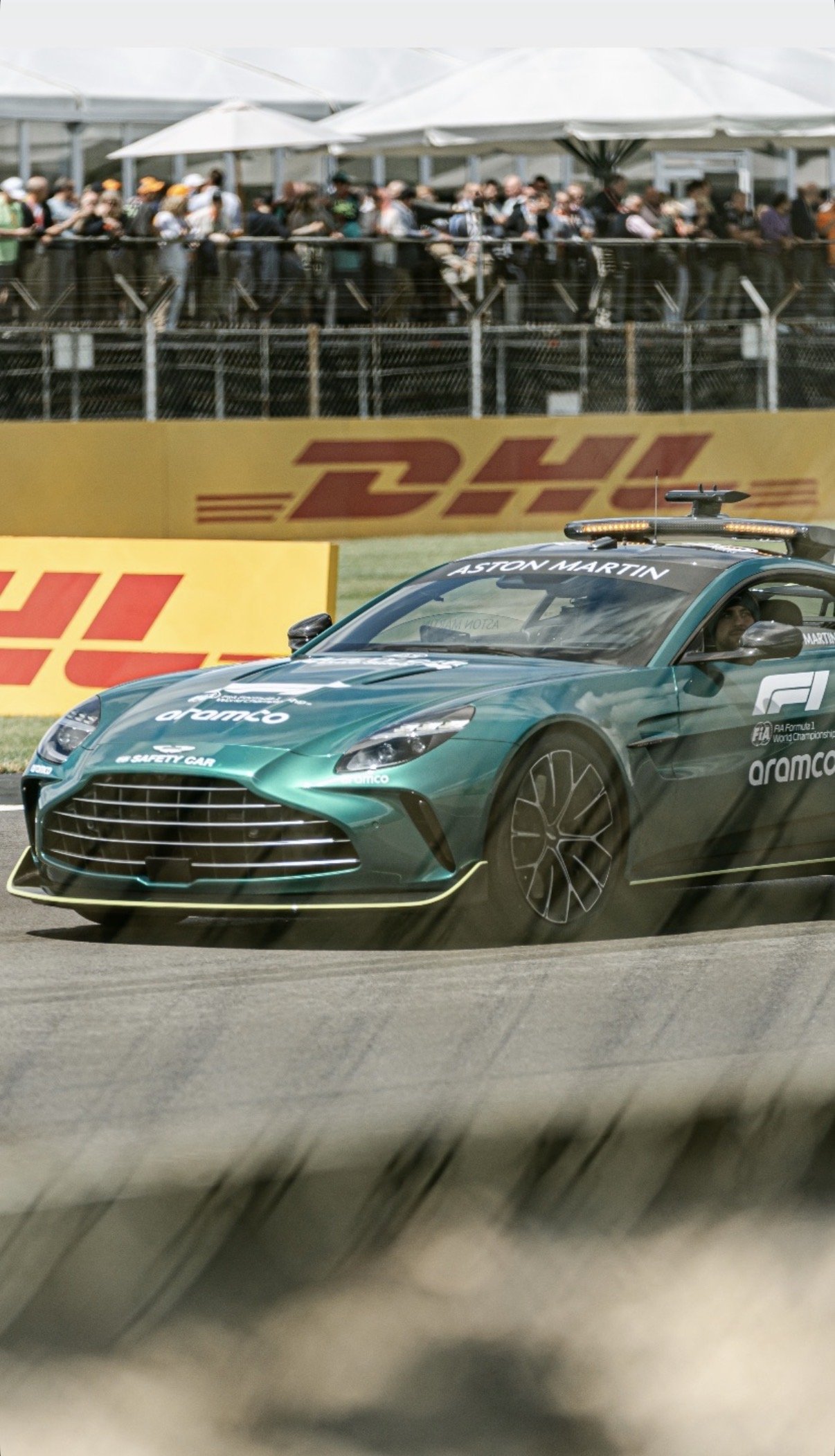
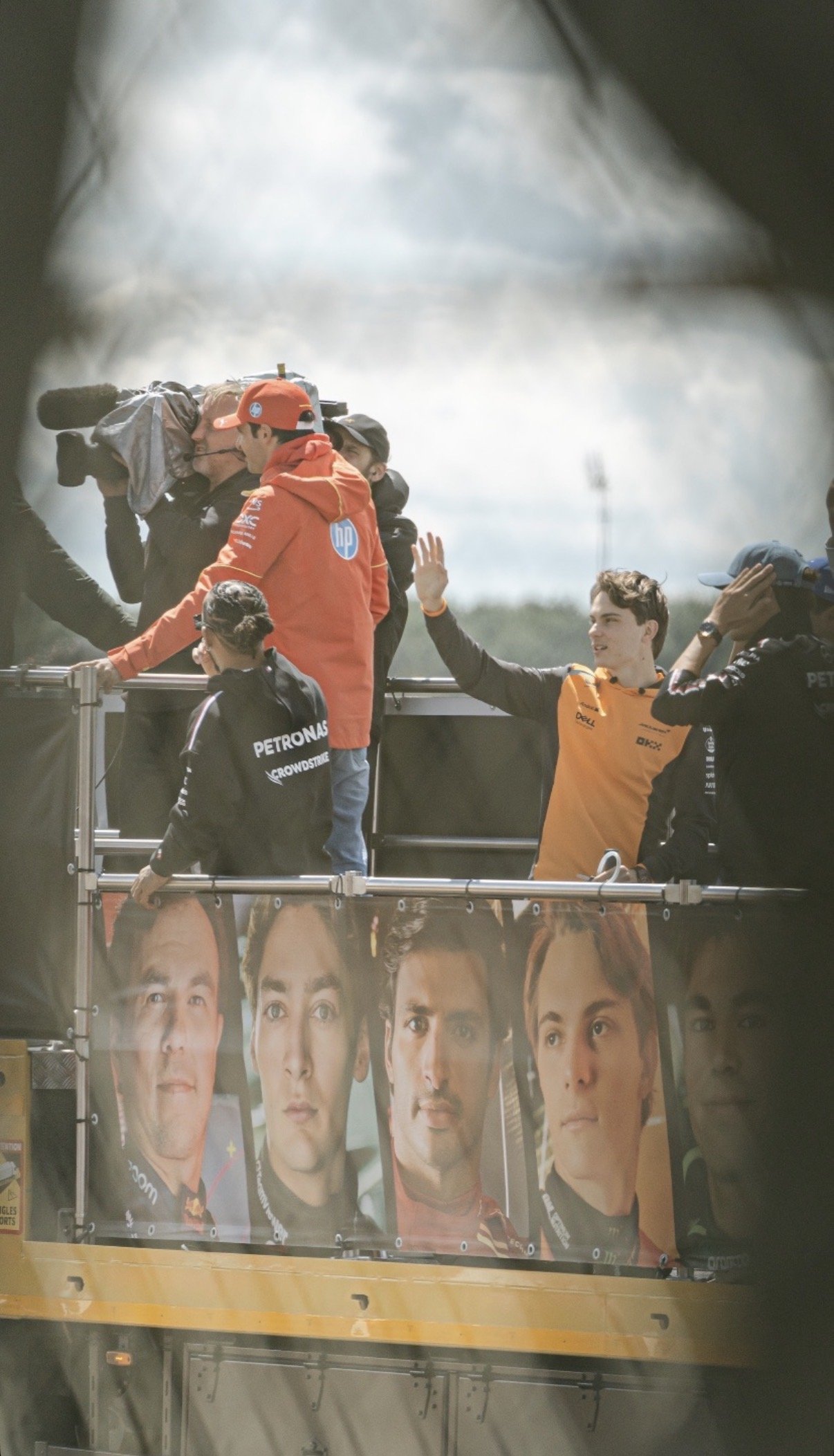

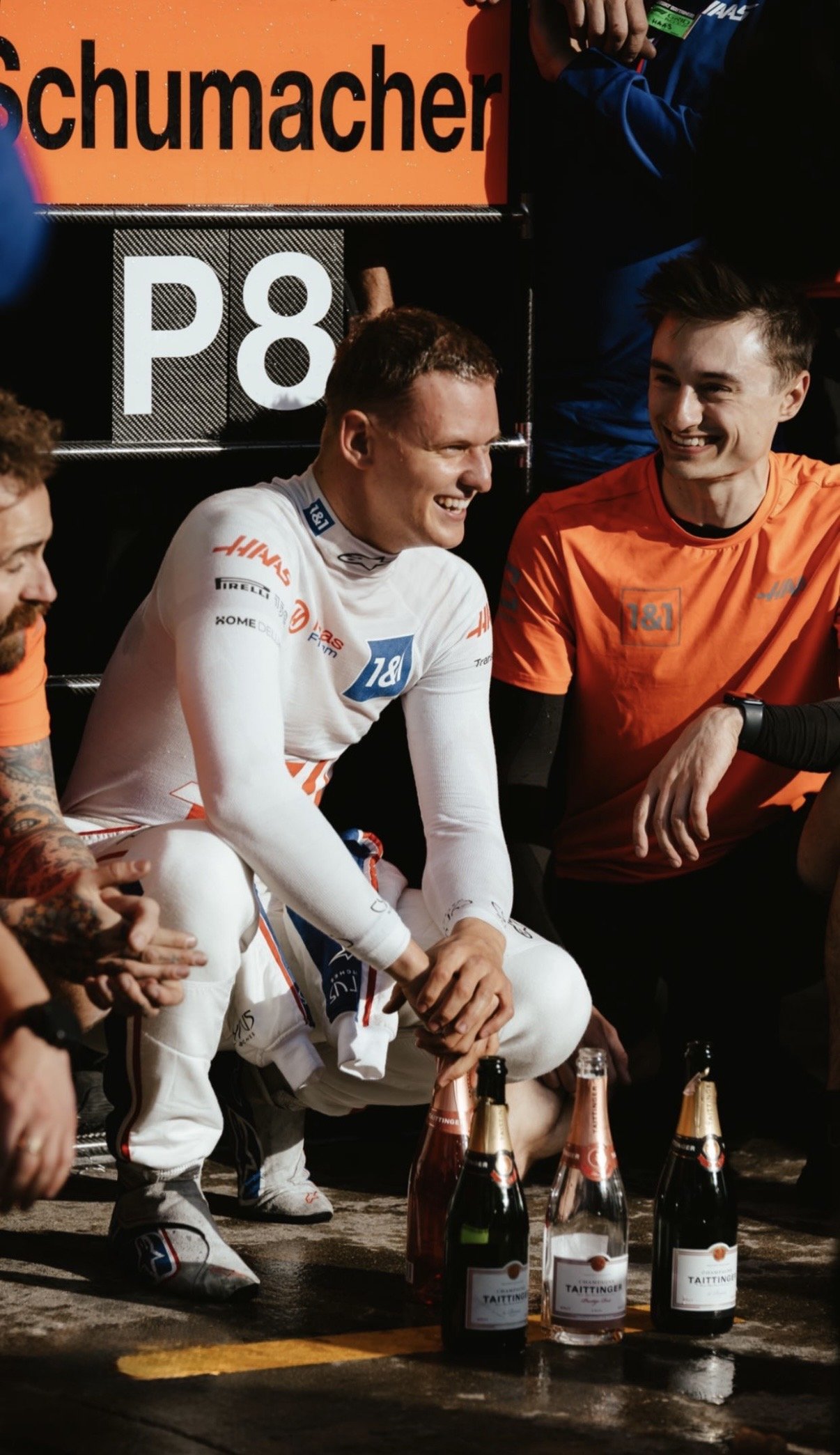
The paddock is Formula One's inner city: the strip of engineered buildings, freight and choreography behind the pit lane, rebuilt at every circuit and dismantled within hours of the flag. Access to it is the sport's real currency, and this study, made at Silverstone, is an account of what that access actually reveals, which is not glamour but logistics executed to an almost unsettling standard.
The photographs attend to the paddock's working textures: freight cases stencilled with team names, garage interiors in their surgical light, personnel moving with the specific urgency of people on schedules measured in minutes. The study treats the paddock as a temporary city, with districts, hierarchies and rush hours, and photographs it the way the archive photographs cities: through the details that reveal how the place actually runs.
In the archive the study supplies the working interior of the Formula One material, the complement to The Spaces Between's exteriors and hours, and one of its frames carries the Journal essay on temporary worlds. It is also the archive's purest study of operational excellence as a visual subject, the same quality the hospitality studies find in a well-run service, here scaled up to a travelling industry that builds and vanishes fifty times a year.