Kuala Lumpur
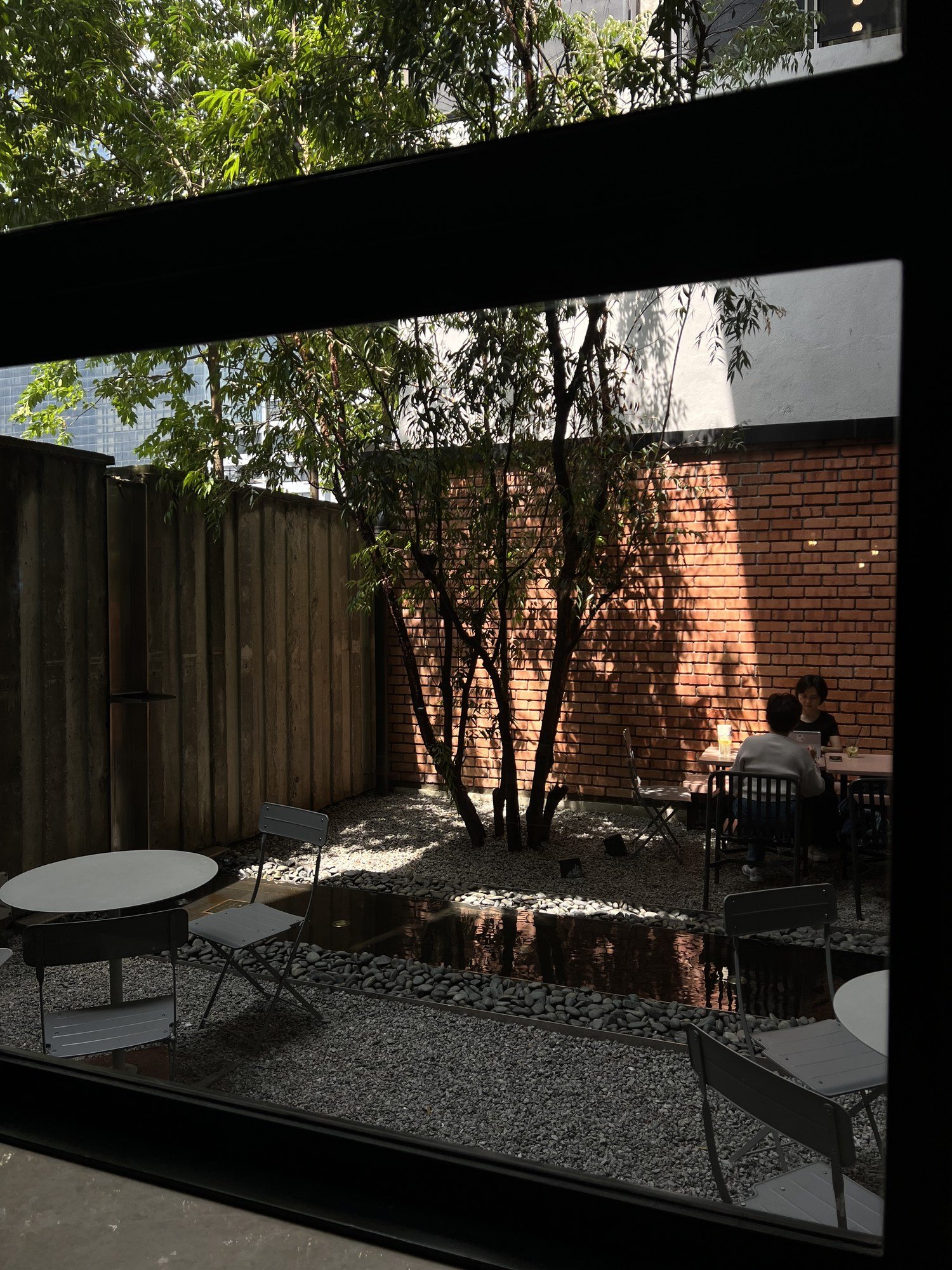
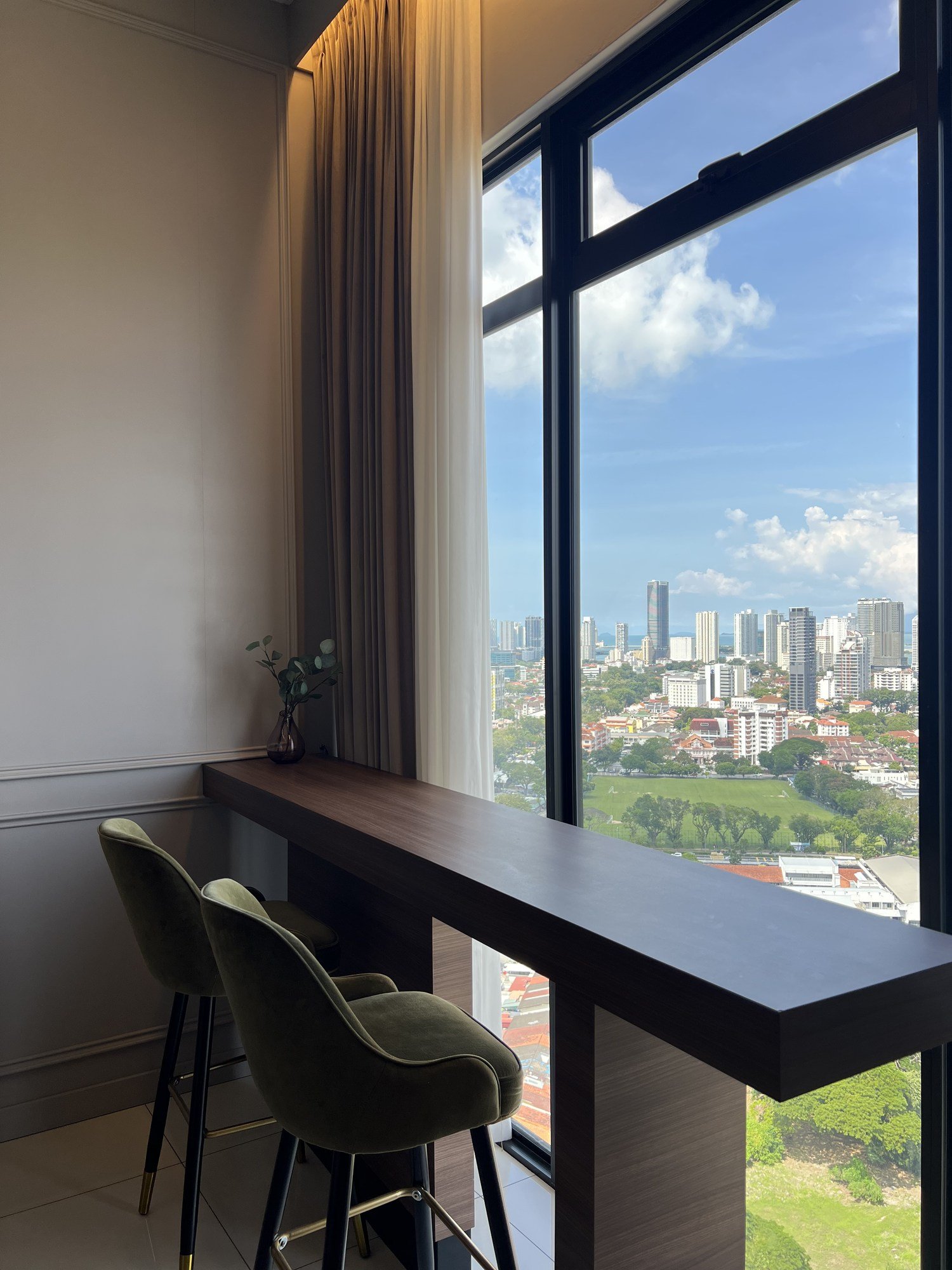
A chair by a window, looking onto a courtyard. Gravel, water, a tree finding light between the walls. Two people talking at a table.
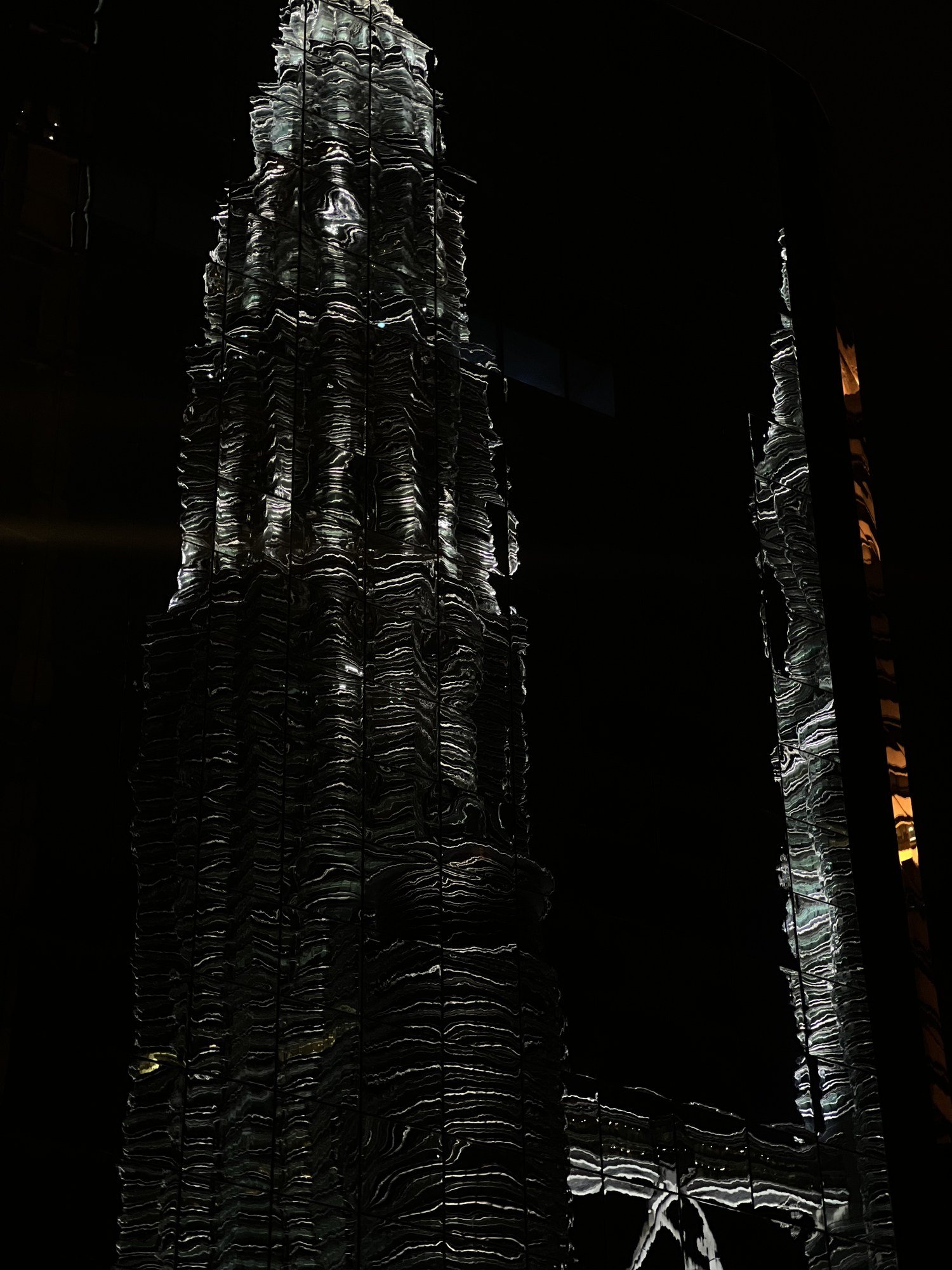
The towers are out there somewhere. From here, they do not insist.
Not the city as a whole. Nobody experiences a city as a whole.
The interest was in how the place changes character depending on where you look, and how none of its versions corrects the others. Stand at street level and the city is intimate, layered, full of texture. Lift the frame toward the towers and it is something else entirely. Both readings are accurate. The city contains them both at once and does not ask you to choose.
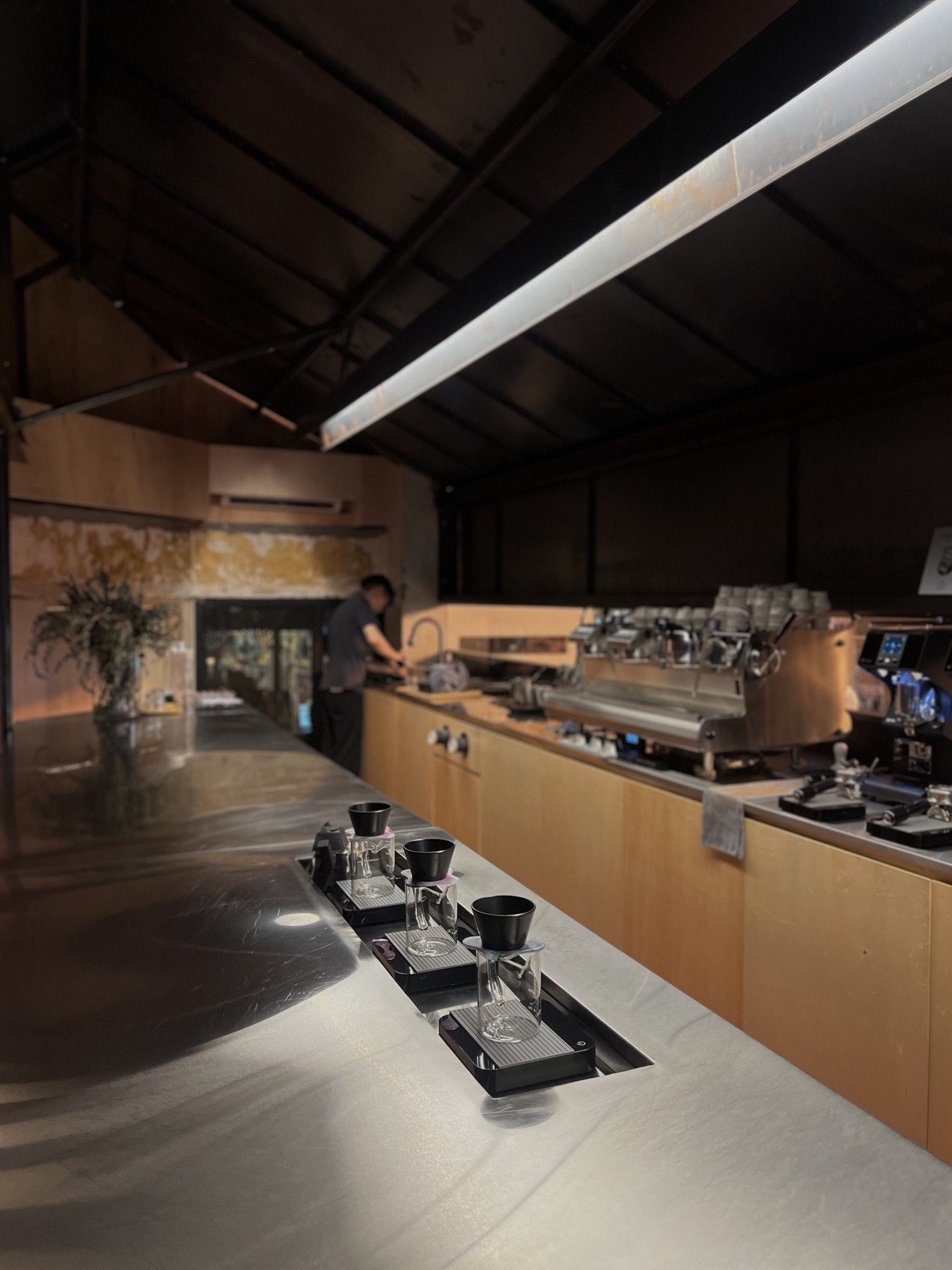
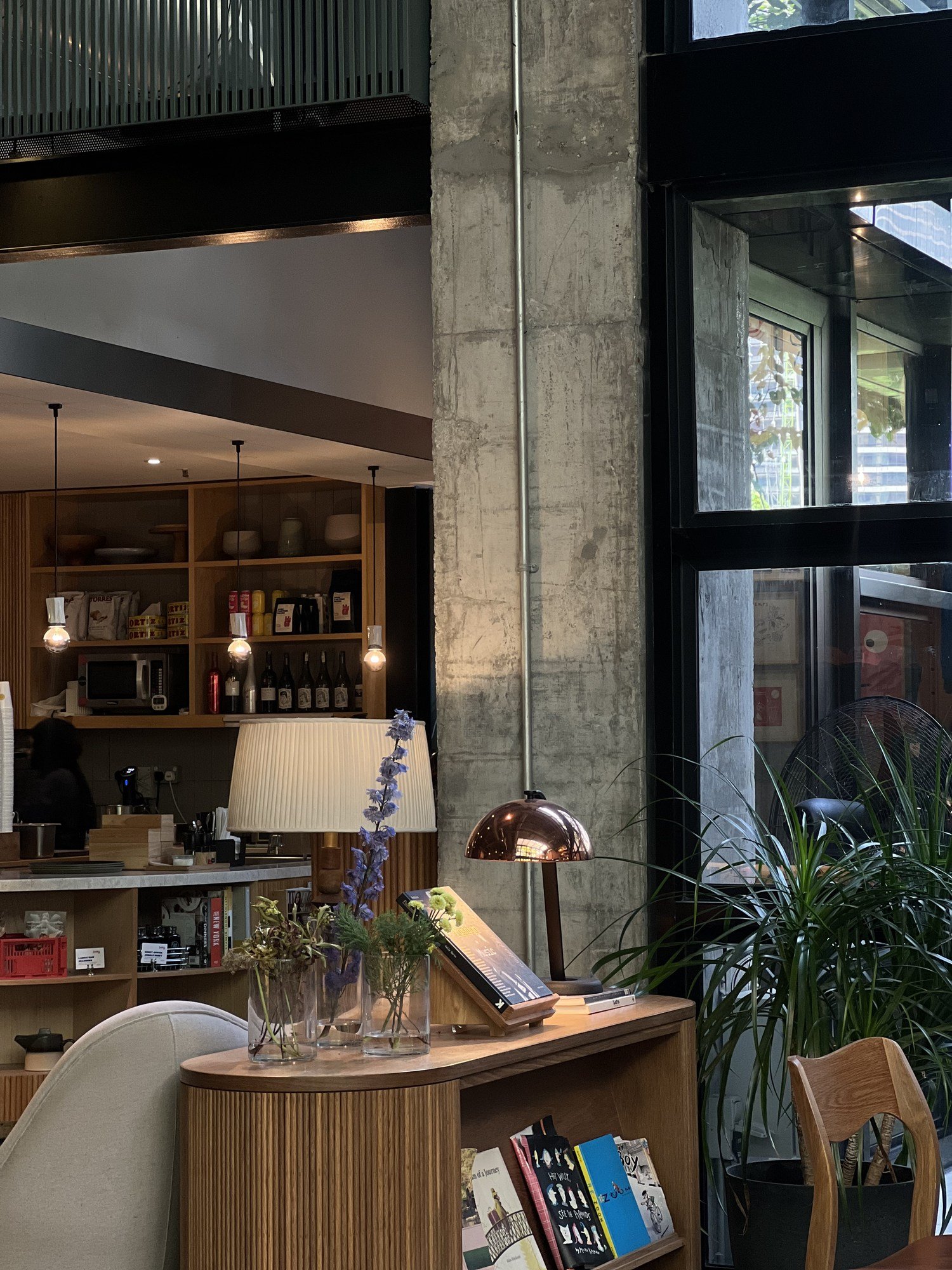
Close looking first. A counter set for the next pour. A lamp in a quiet room. A window with the afternoon arranged behind it.
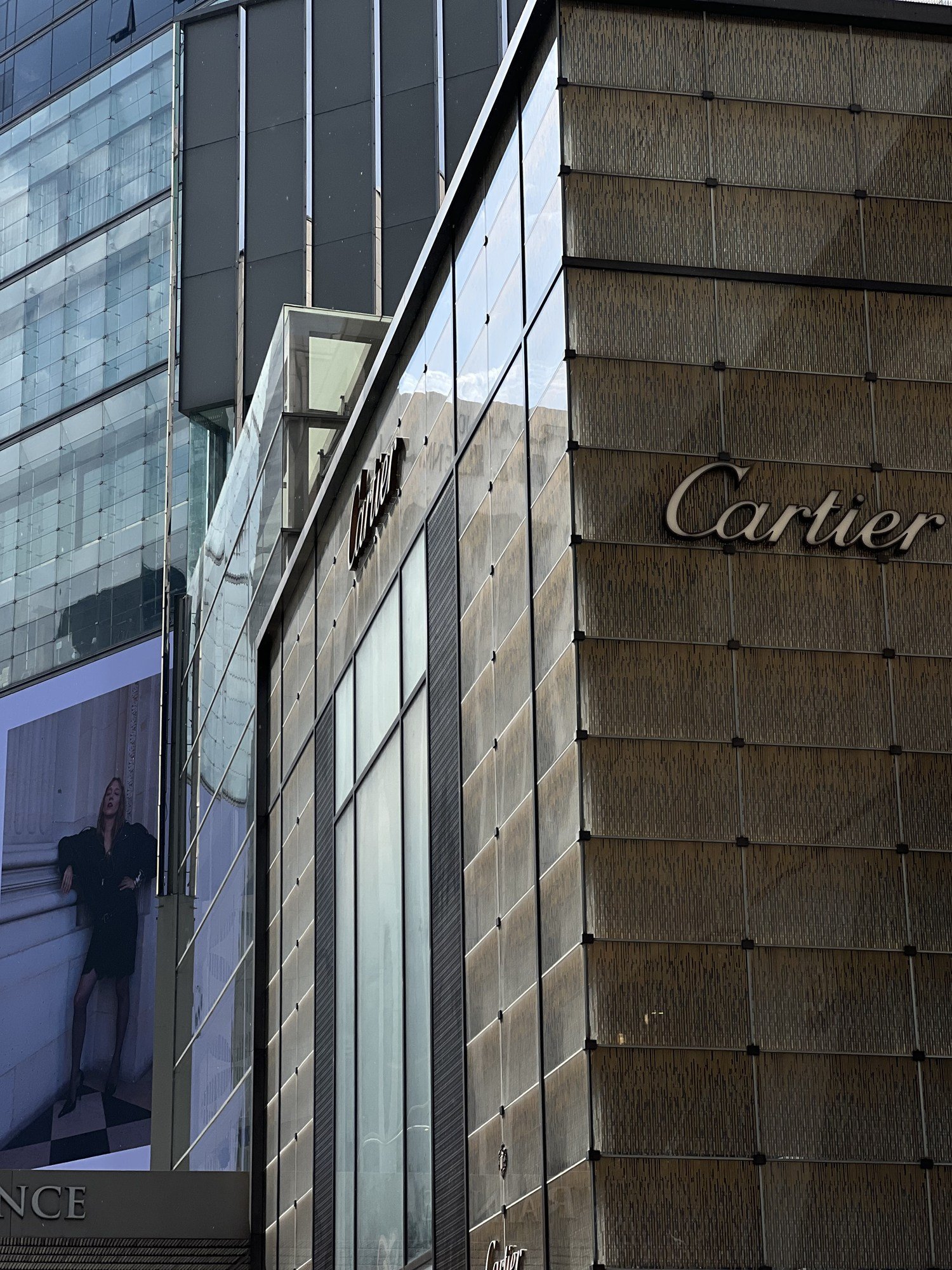
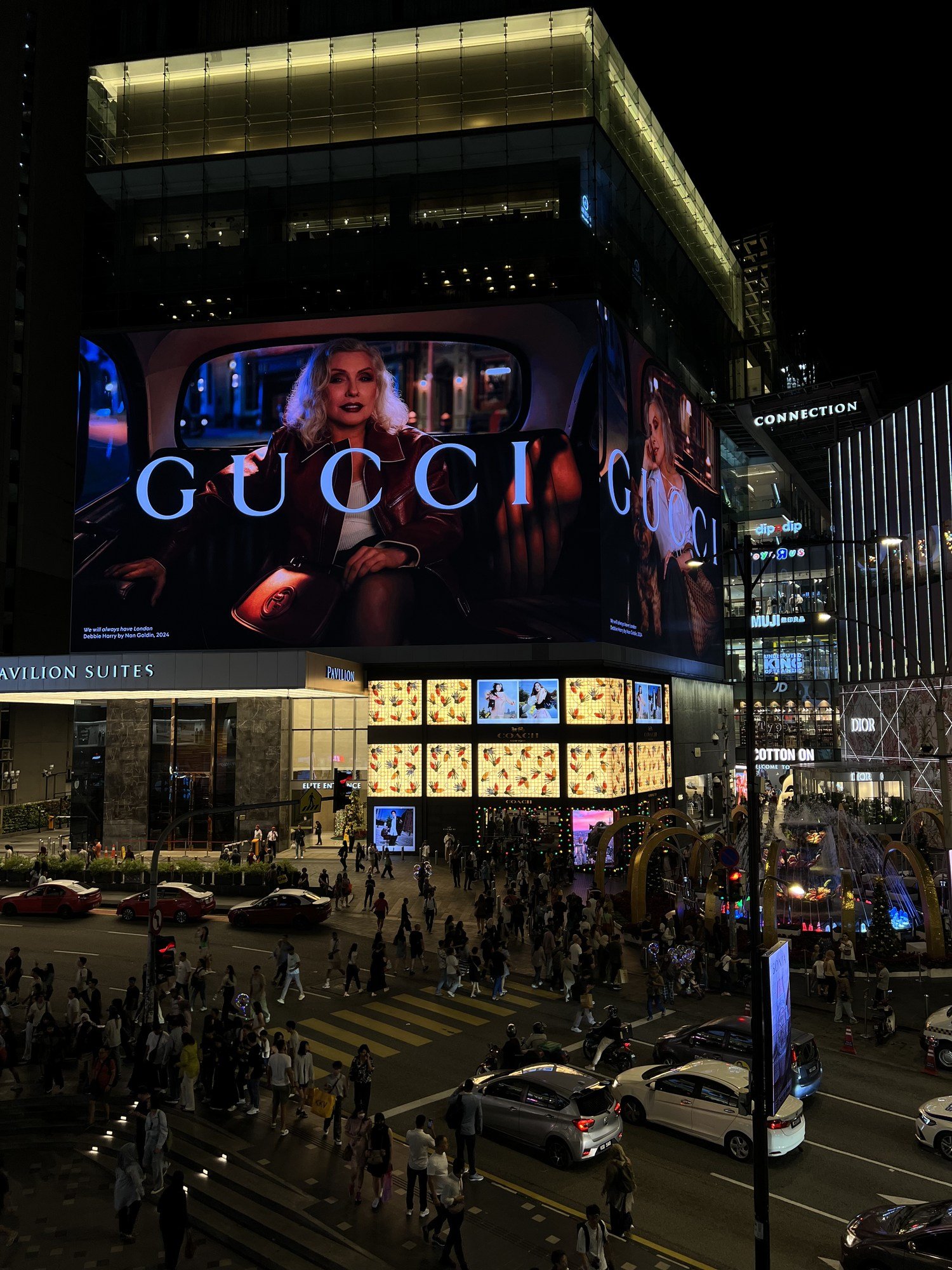
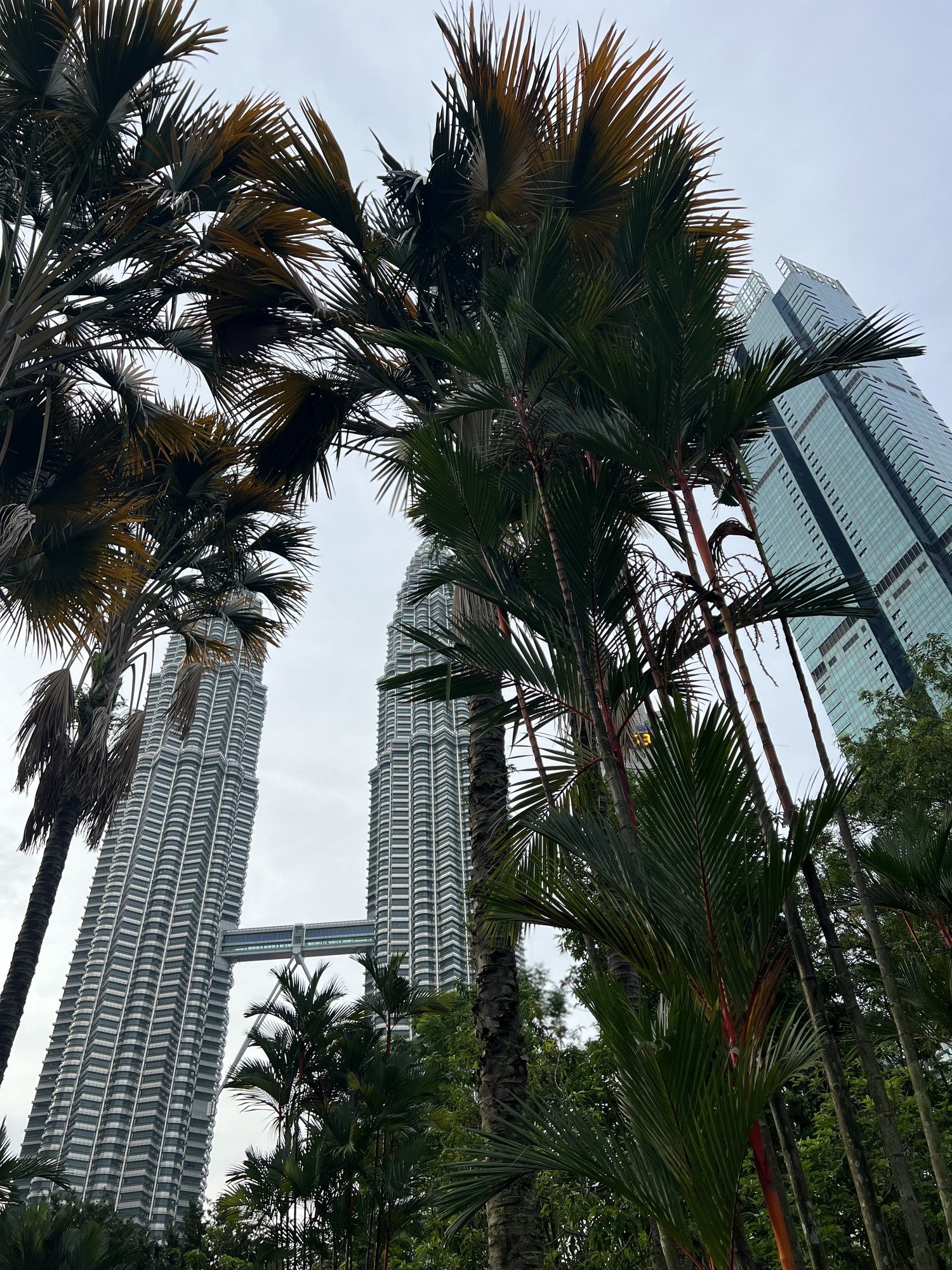
Then the frame lifted, and more of the same city came in. Script on a façade. A junction filled with light. Towers above the palms. None of it read as contradiction. It read as depth.
The city does not resolve. You leave with the part you stood in, and the rest carries on without you. That is not a failure of the city or the visit. It is simply what a city of this depth does: it offers more than any single stay can hold, and then it continues regardless.


Kuala Lumpur lives between registers, colonial shophouse and glass tower, monsoon and mall, and the study takes the between as its subject. It was made in the city's interstitial spaces: courtyards that hold the towers at a distance, five-foot ways, rooms where the megacity is present only as a skyline through glass.
The photographs decline the skyline's invitation and stay at the scale a person actually inhabits: a chair by a window, gravel and water in a courtyard, conversation at a table with the towers out there somewhere. The premise, stated in the study's own notes, is that nobody experiences a city as a whole; KL, more layered than most, rewards being photographed in its parts.
In the archive Kuala Lumpur sits in the Southeast Asian group with Singapore and Langkawi, and offers the collection's cleanest example of framing as editorial position: the same city, photographed at skyline or courtyard scale, becomes two different arguments. The study chose the courtyard, and the choice is the note the archive keeps.