HOST
For one month, the world arrived in Qatar.
Football brought nations together, but the tournament became something larger than sport. Streets, stadiums and public spaces turned into places of exchange, where cultures met beneath a shared skyline.
This study is a record of that atmosphere. The architecture, the hospitality and the identity that shaped the first World Cup held in the Arab world.
The country did not present itself through spectacle alone. It presented itself through detail.
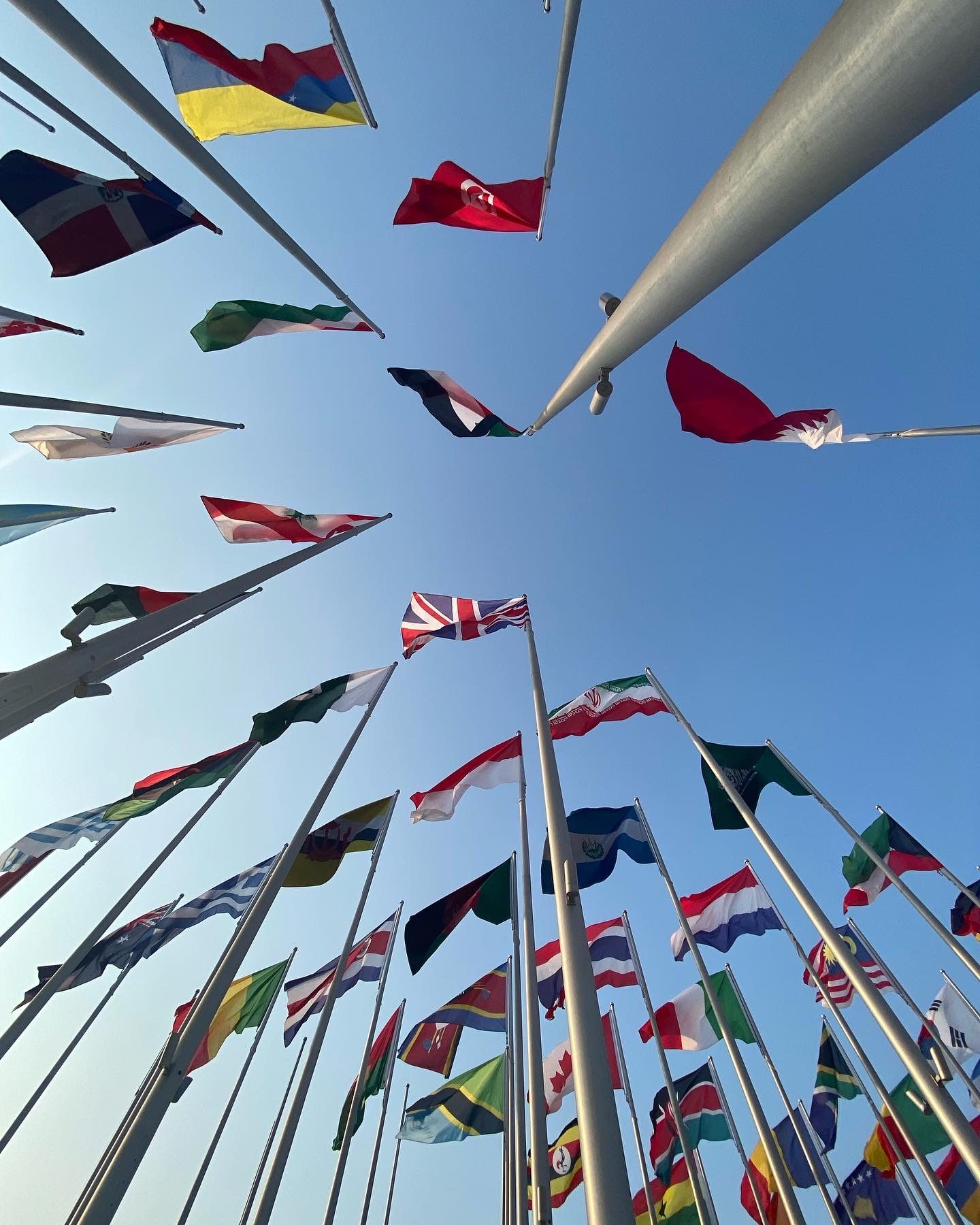
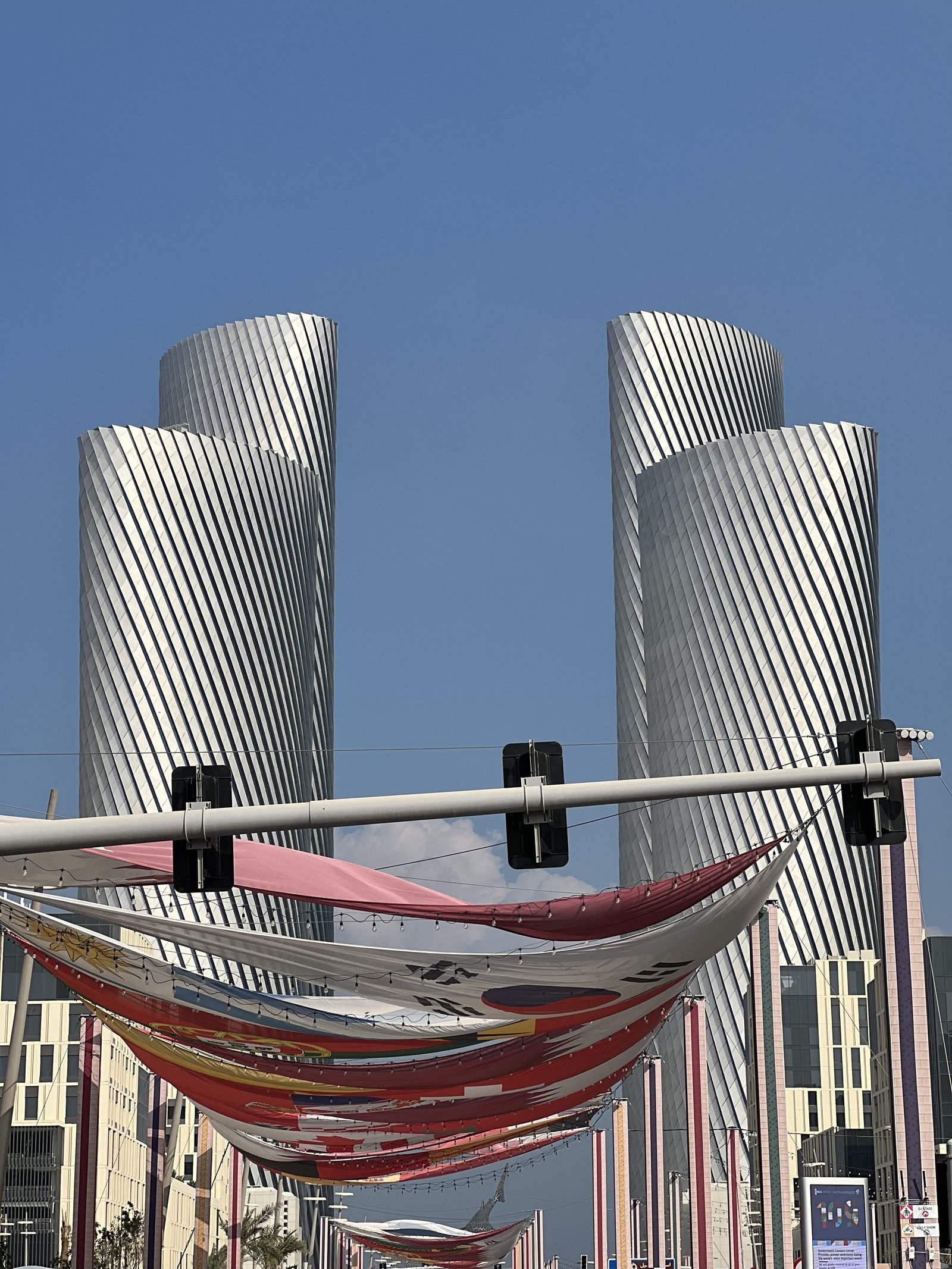
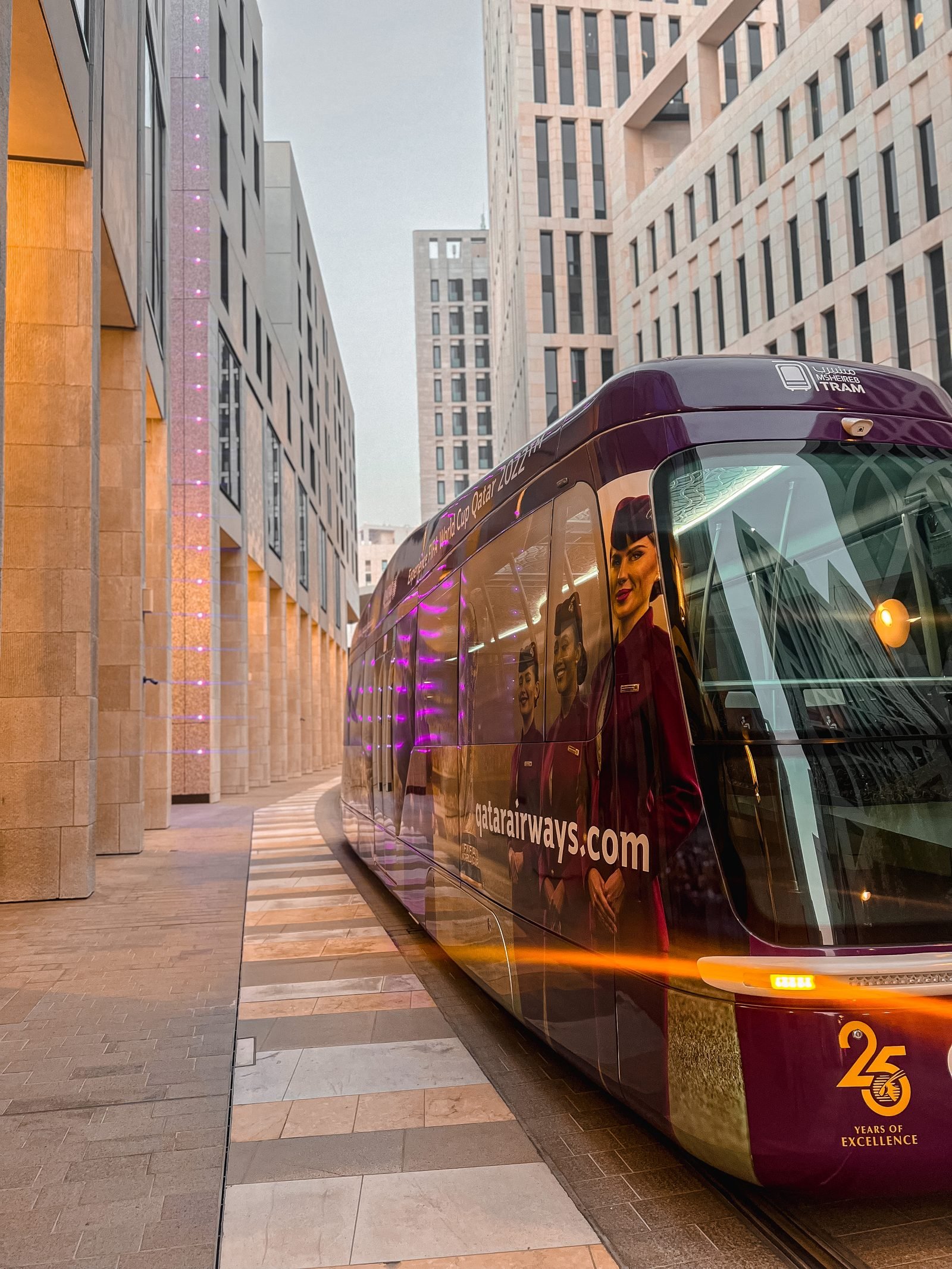
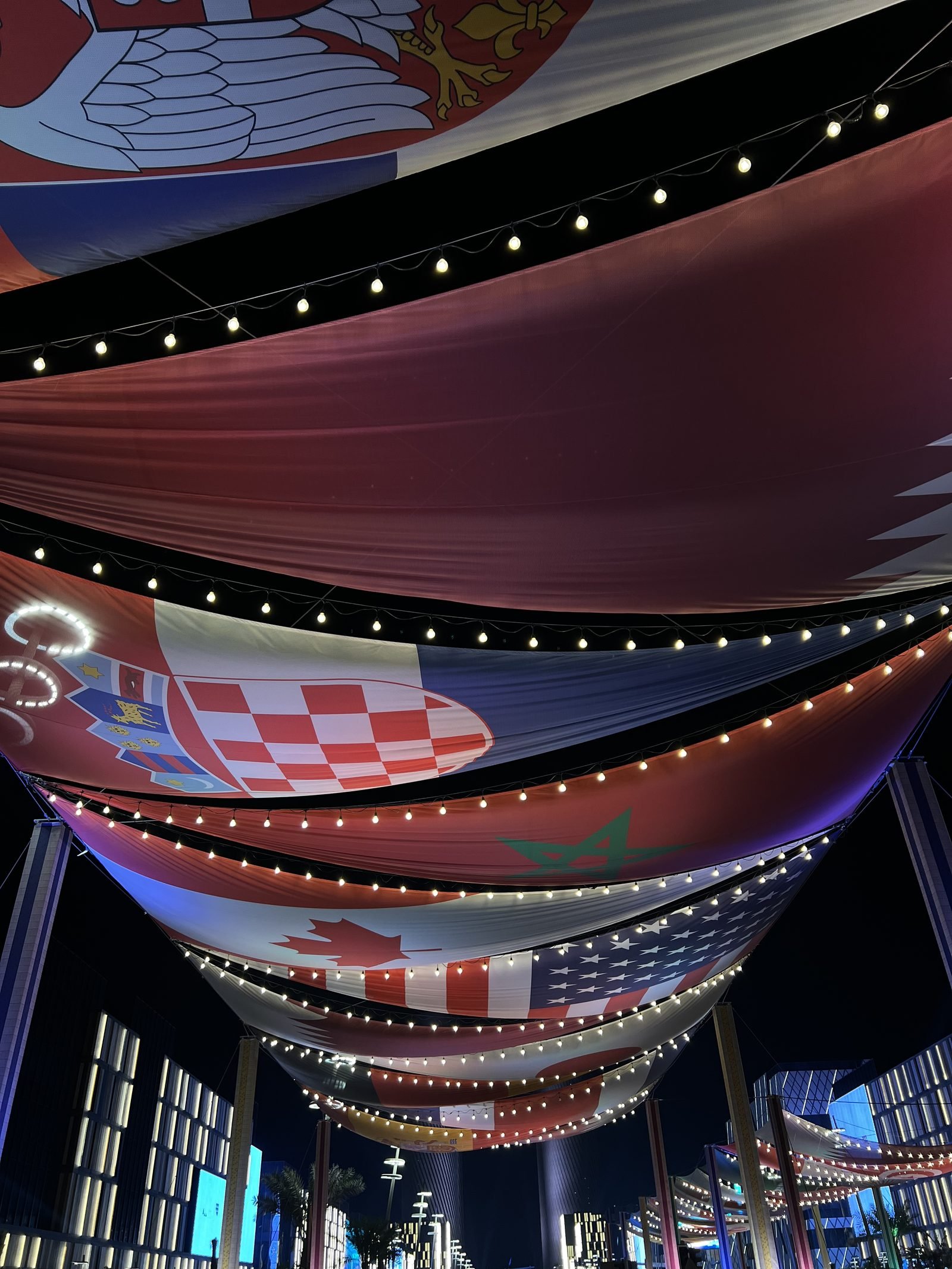
Flags from every competing nation were raised together against the same sky. A tram moved quietly through Msheireb, carrying people past stone facades built to hold the heat and the memory of the place. In the evenings the flags became a ceiling, strung with light, and the city gathered beneath them.
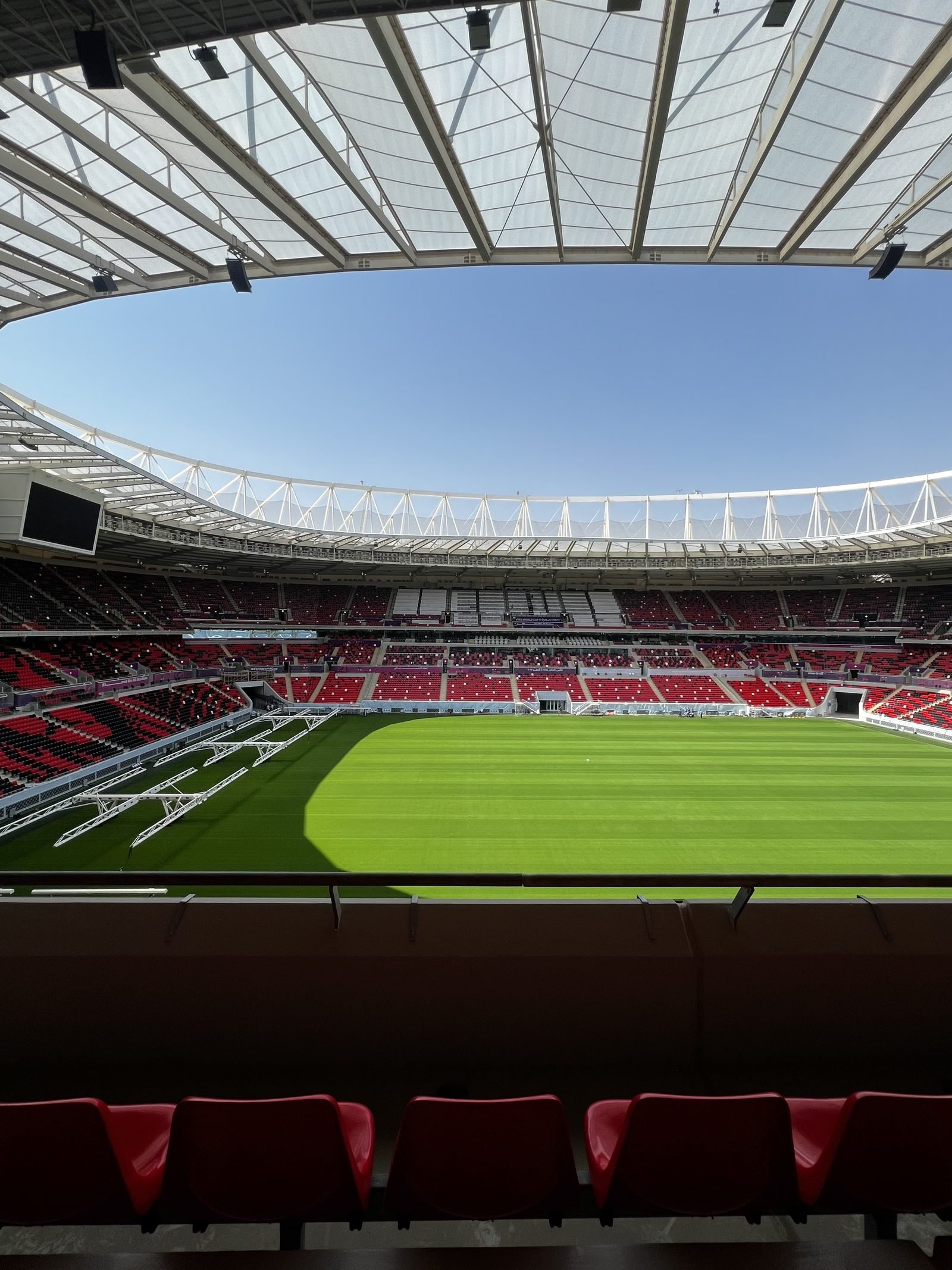
Inside the stadiums, the architecture spoke before the football did. Empty seats held the anticipation of what was coming. Lounges and guest spaces were arranged with the care usually reserved for a private home, plants and lanterns and soft seating turning function into welcome.
Much of what defined the month happened around the matches rather than within them. The meeting of people who had travelled from opposite ends of the world. The shared tables. The quiet pride of a nation showing itself to an audience seeing it for the first time.
This was hospitality as a national language. Offered without explanation, understood without translation.
The tournament ended. The flags came down. The stadiums returned to whatever they would become next.
What remained was harder to categorise. The image of a country that had spent years preparing to receive the world, and then received it with a particular kind of quiet confidence. Not spectacle but specificity. Not performance but welcome. Football was the reason people arrived. Hospitality was the reason they remembered it.
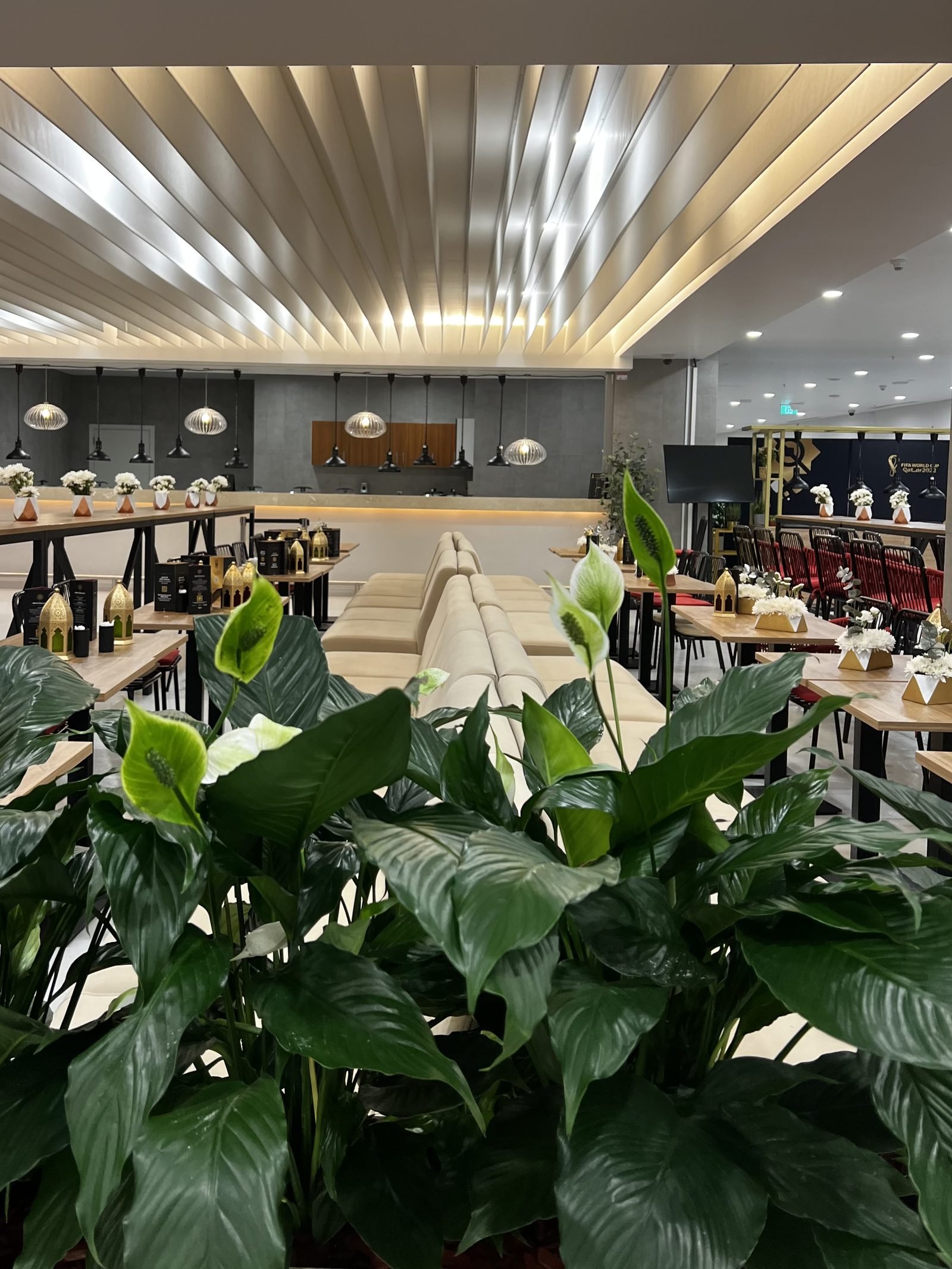
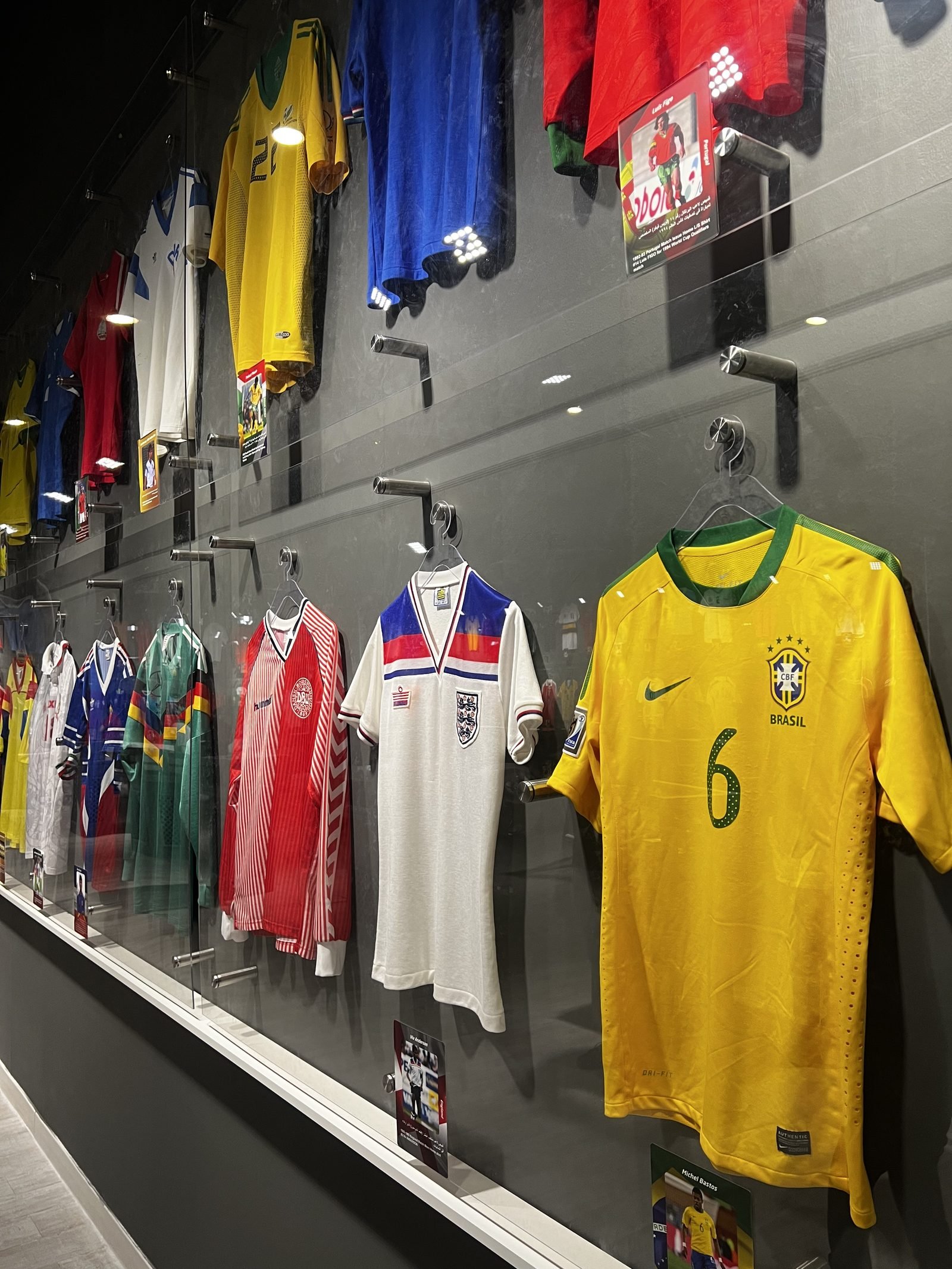
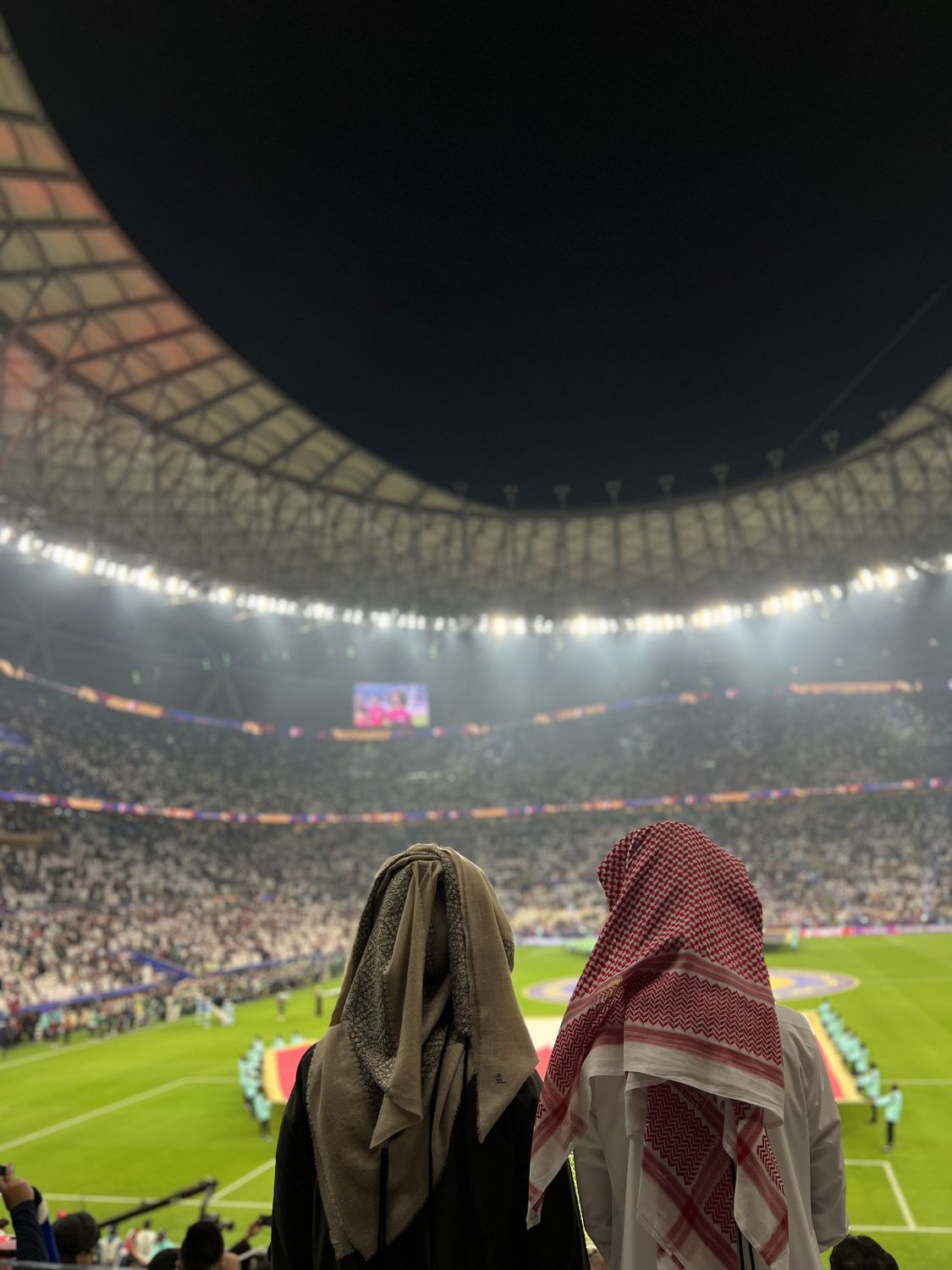
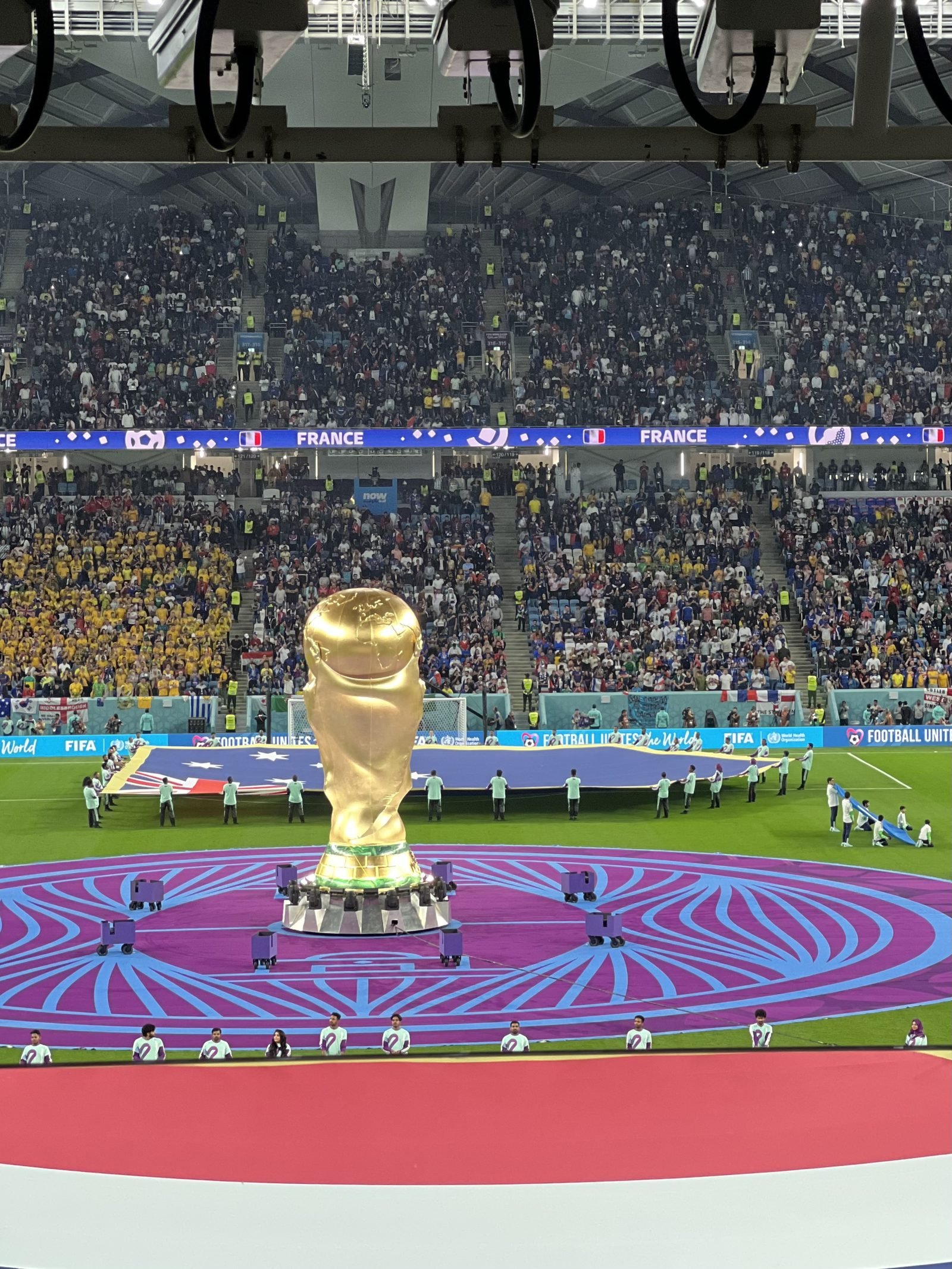
For one month at the end of 2022, Qatar hosted the FIFA World Cup, the first in the Middle East, and Doha became the smallest country ever to hold the tournament alone. The study was made in the streets, souqs and public spaces of that month, and its subject is not football. It is hosting: what happens to a city when the world arrives, and what a Gulf capital chose to show of itself when it knew everyone was looking.
The photographs move through the tournament's public theatre, flags layered over the Corniche, stadiums glowing at the desert's edge, the crowds of forty nations negotiating one skyline, and stay alert to the quieter exchanges underneath: shopkeepers and supporters, the mixing of dress and language, the city's ordinary hospitality operating at extraordinary scale. The tournament supplied the occasion; the study records the host.
Within the archive this is the largest event the studio has documented and the clearest case of the Experience category's premise, that an occasion is also a place, temporarily. It carries additional weight now as a historical record: the month is over, the infrastructure has moved to its legacy uses, and the photographs hold a version of Doha that existed for exactly thirty days. The study feeds directly into the planned Doha publication, where the hosting month forms one chapter of the city's larger story.