Madrid, held in light
Madrid is held here through distance rather than arrival.
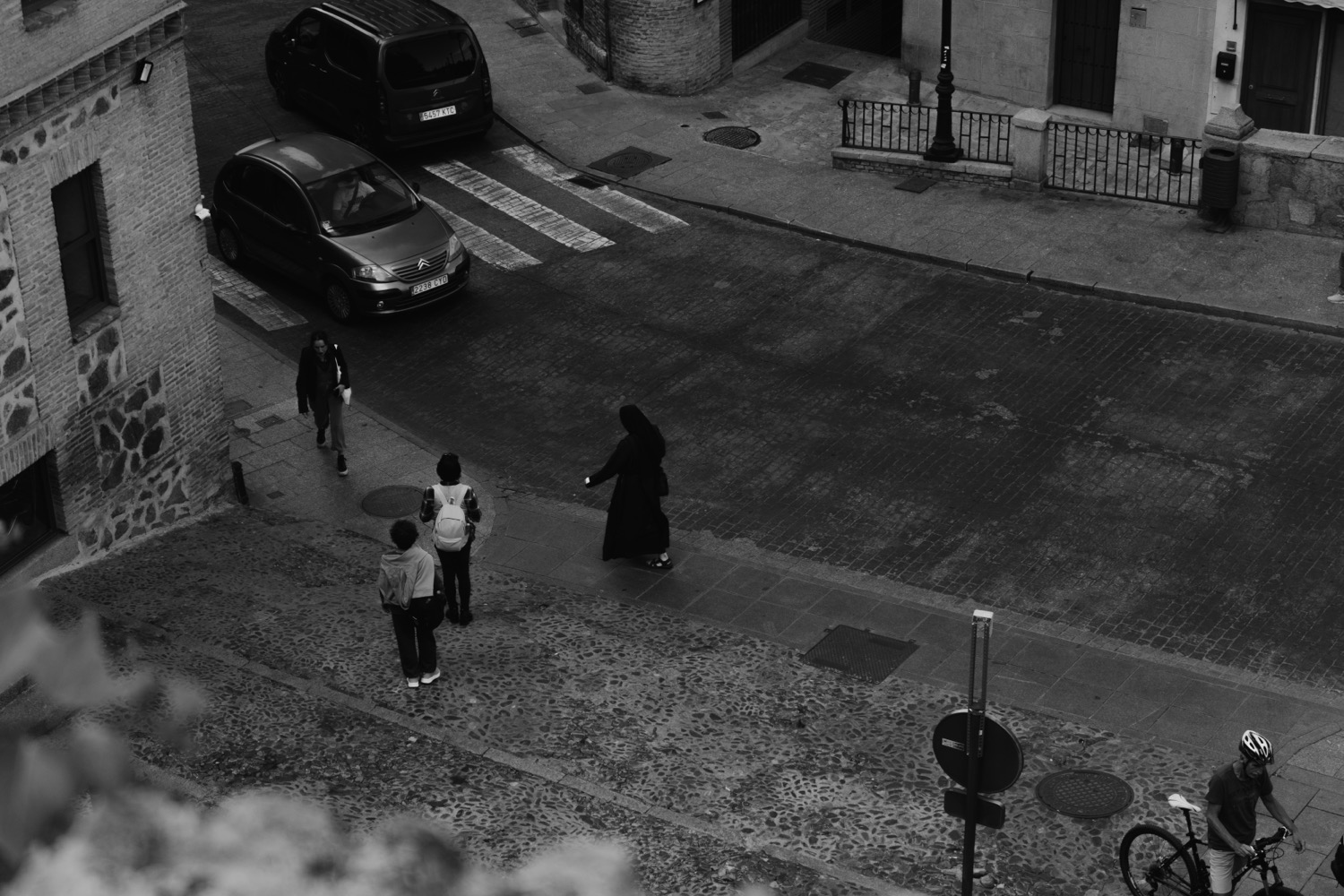
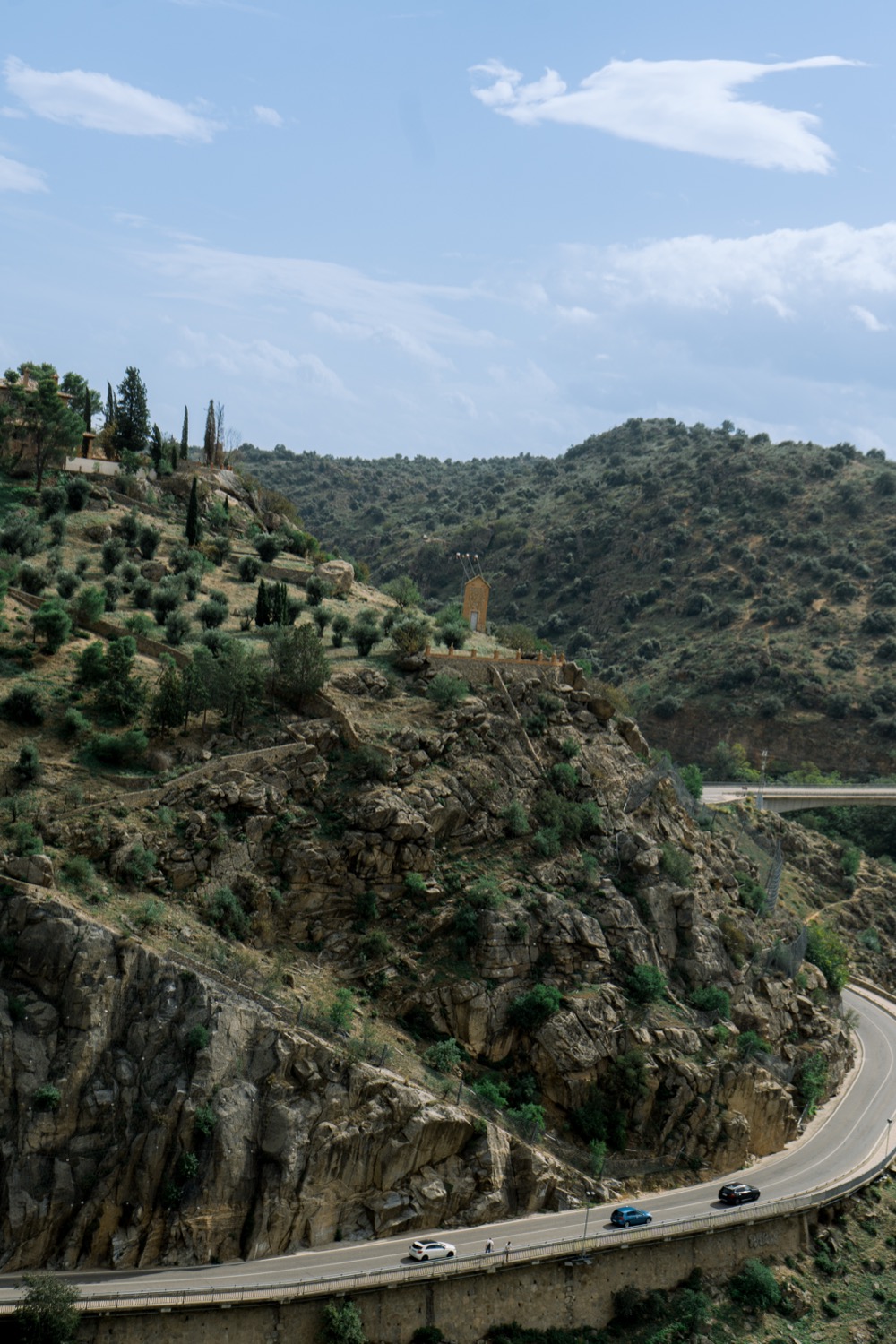
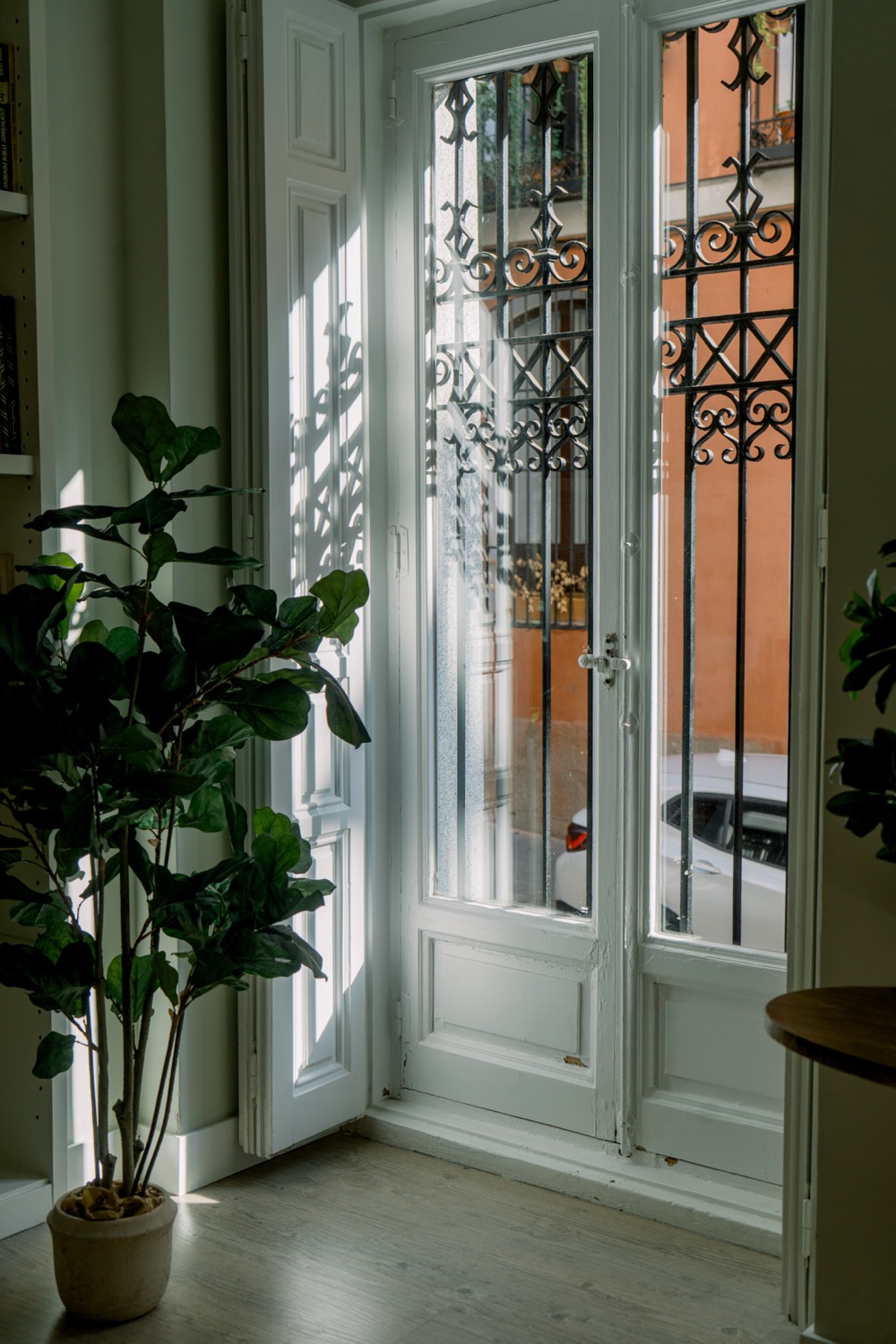
A street seen from above, the scale of it only apparent when a figure appears at the far end. A road folding through dry hills on the approach. Light passing through ironwork, glass, stone and leaves. The city does not condense into a single image. It appears in fragments, less as a destination than as a sequence of surfaces, each one receiving the light differently.
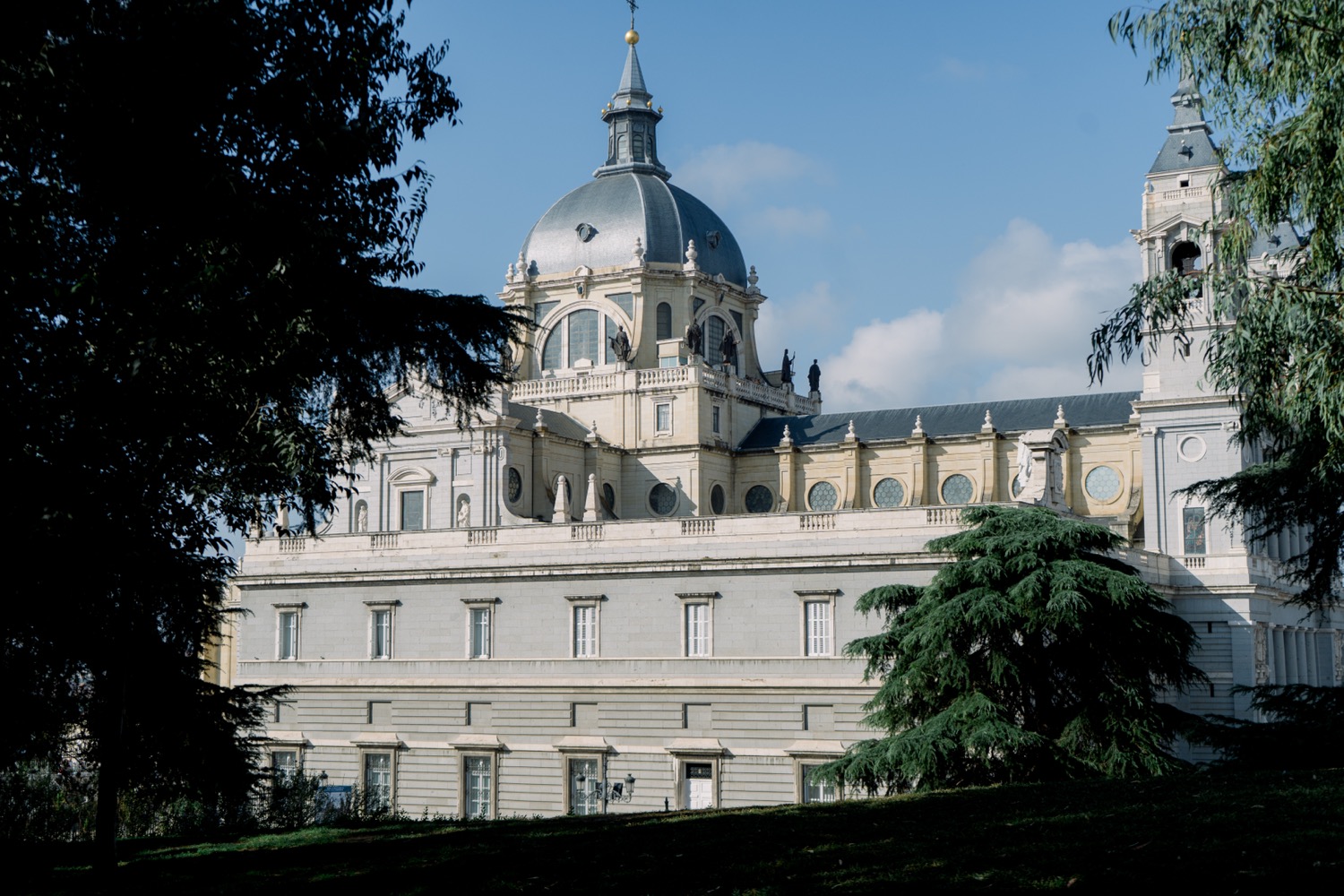
What remains is not the monument alone, but the space around it. The shade before the facade. The window before the street. The bench before the column. The rooftops before the horizon. Madrid is a city of foregrounds.
Each interior opens to an exterior behind it. Each threshold functions as a frame. The view through the ironwork carries more weight than the ironwork itself, and the space beneath the dome carries more meaning than the dome. Nothing asks you to look directly at it.
Afternoon light does not dramatise this city. It falls across Madrid as if it belongs there, as if it always has.
Stone absorbs it without comment. Glass holds it briefly, then gives it back. The Palacio de Cristal stands beside its own reflection in the pond at the Retiro, unannounced. On the rooftops, the towers read clearly against a pale sky. The day passes without announcement, and then the light has changed and the city looks different and you understand that this was what it was doing the whole time.
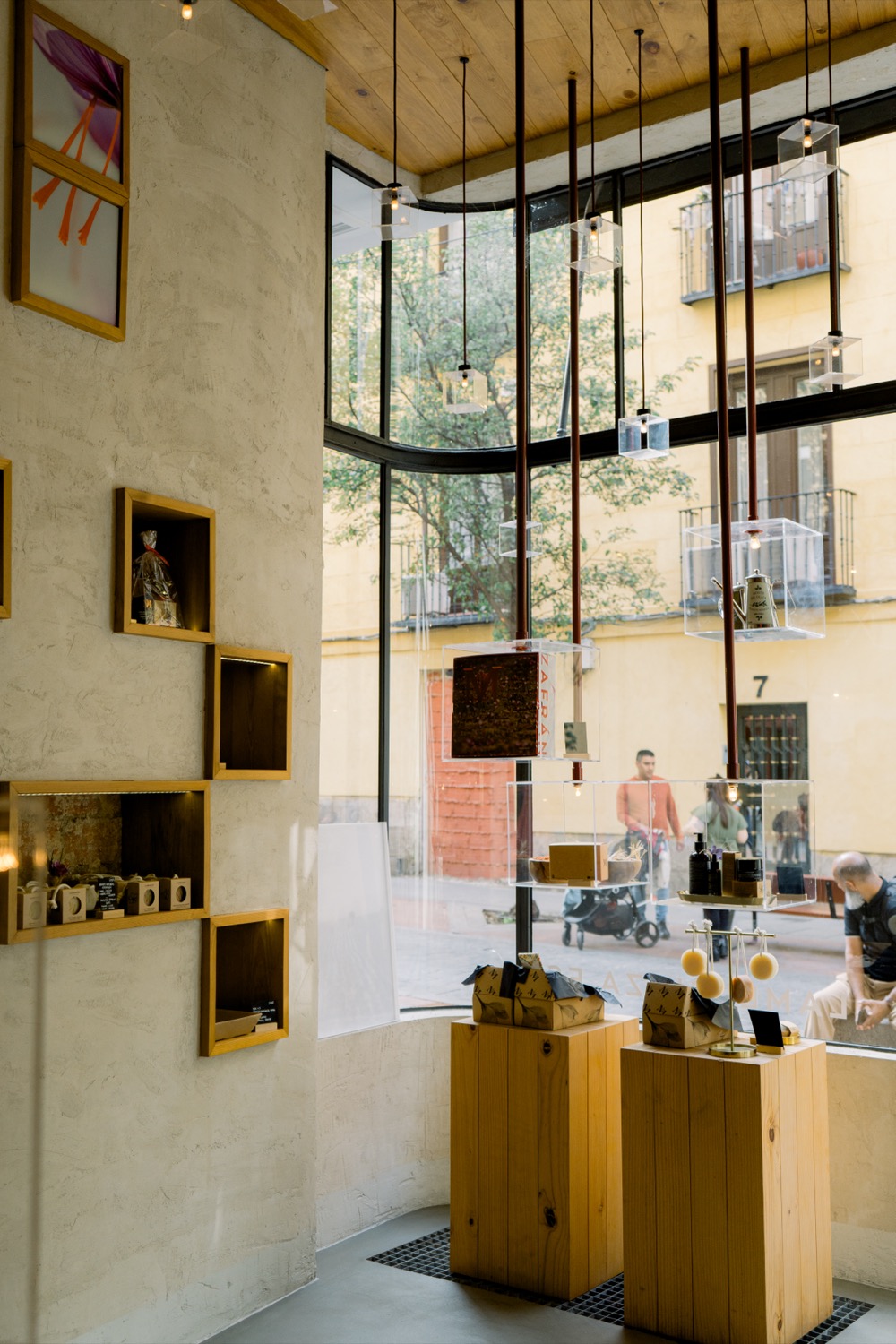
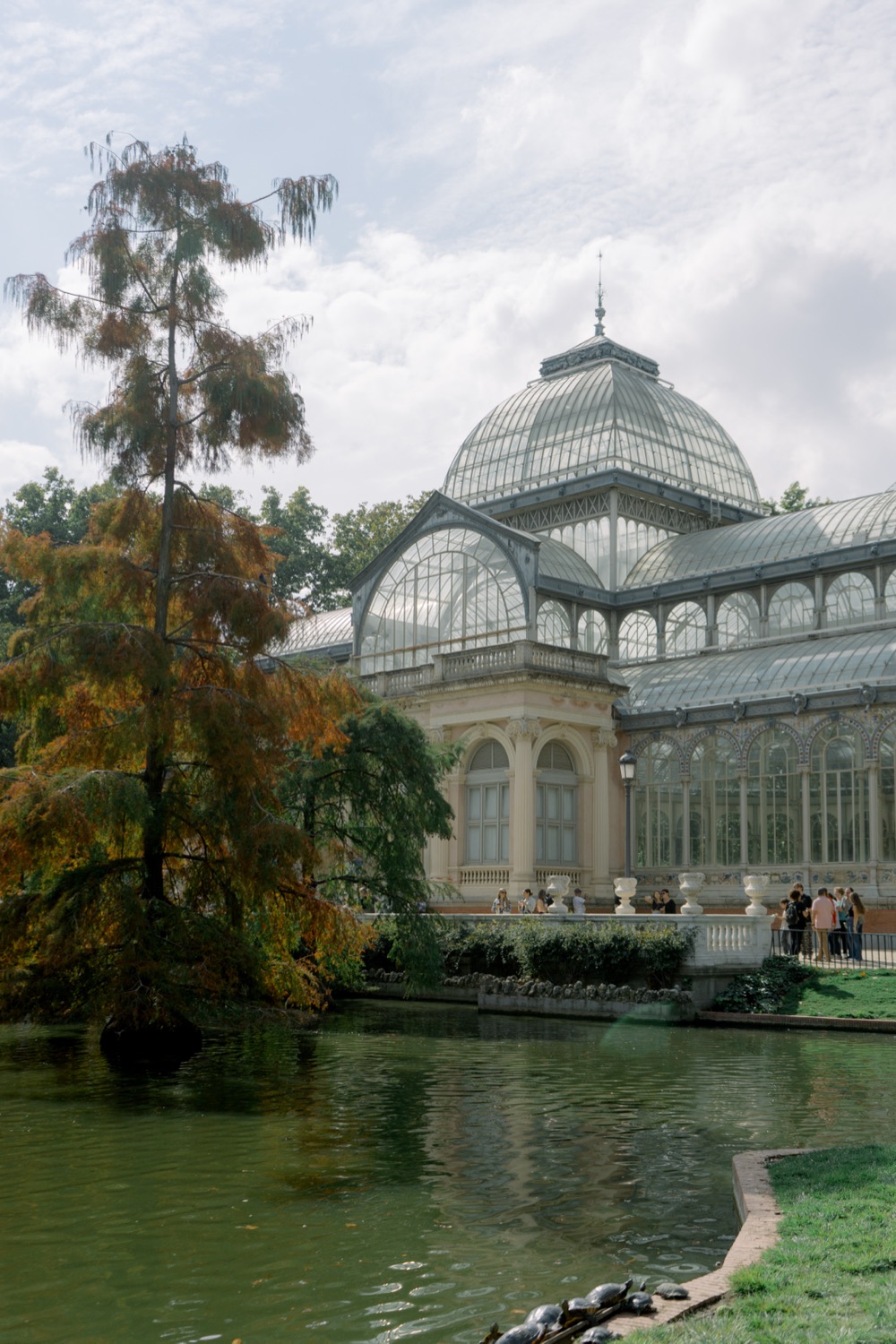
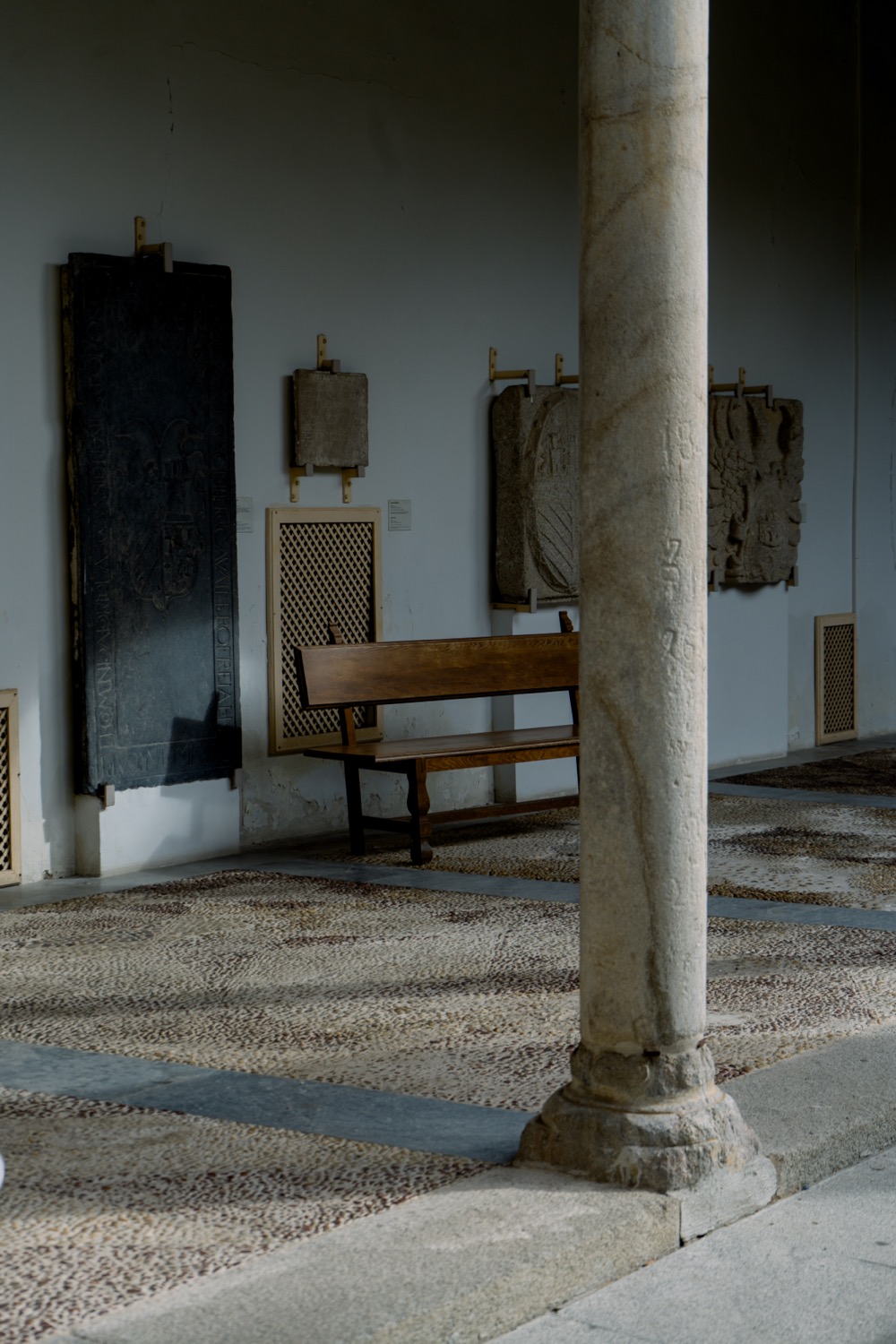
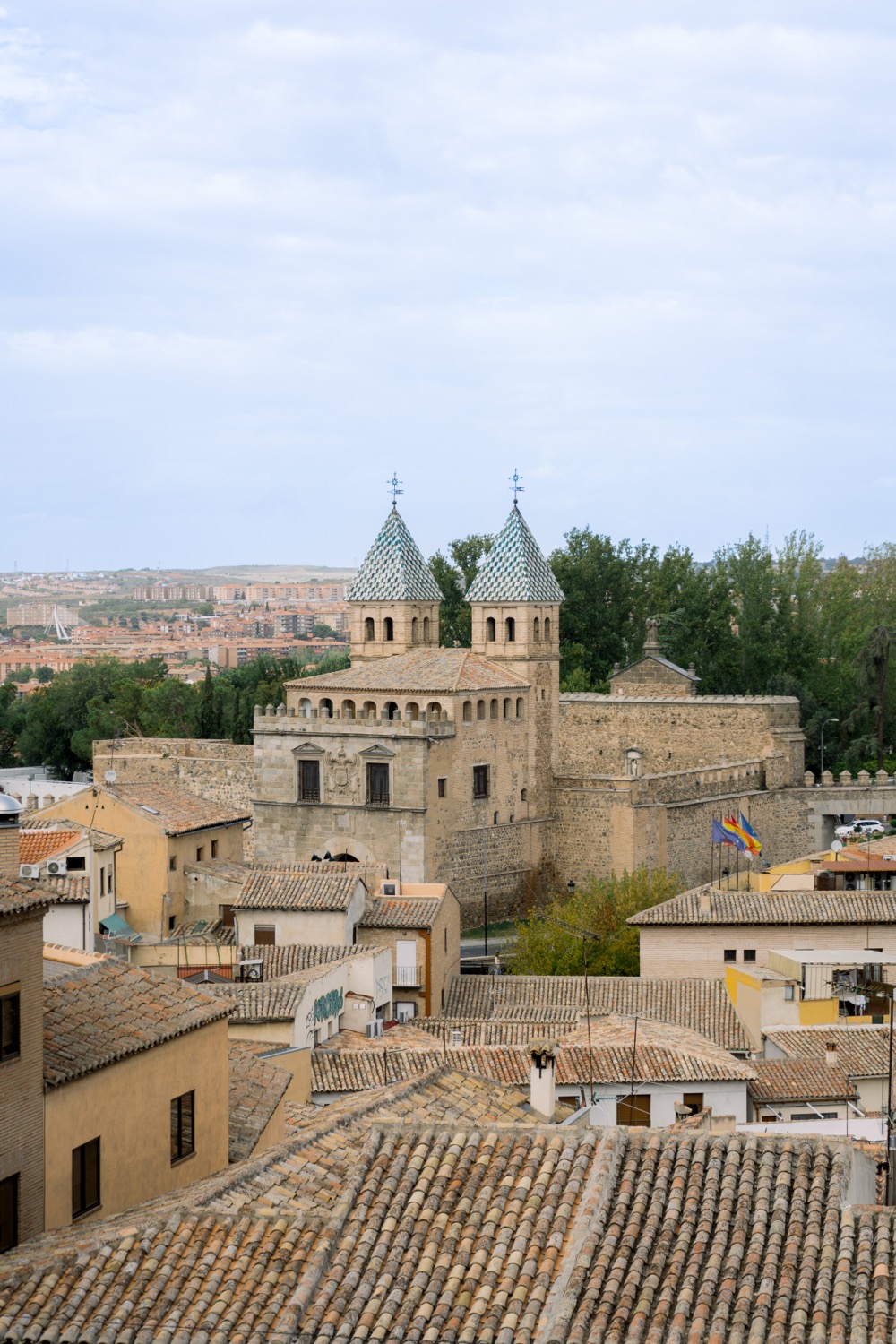
Madrid sits high, the loftiest capital in Europe, and its light behaves accordingly: hard, clear, arriving at street level like a verdict. The study takes the light as its subject and the city as the instrument, Madrid held in light, rather than the reverse, with the frames organised around what the sun does to stone, ironwork, glass and distance.
The photographs favour elevation and interval: streets seen from above with a single figure giving away the scale, the approach roads folding through dry hills, balconies printing their shadows on facades. Madrid's classic hours are early and late, when the altitude softens, and the study works both ends of the day against the middle's glare.
In the archive Madrid extends the Iberian material begun in Lisbon and Porto, and its frames carry the Journal's essay on light before geography, the observation, formed partly in this study, that a photographer asks first what time it is in an image, and only then where it was made. Madrid, more than most cities, is a time before it is a place.