The inside of a place
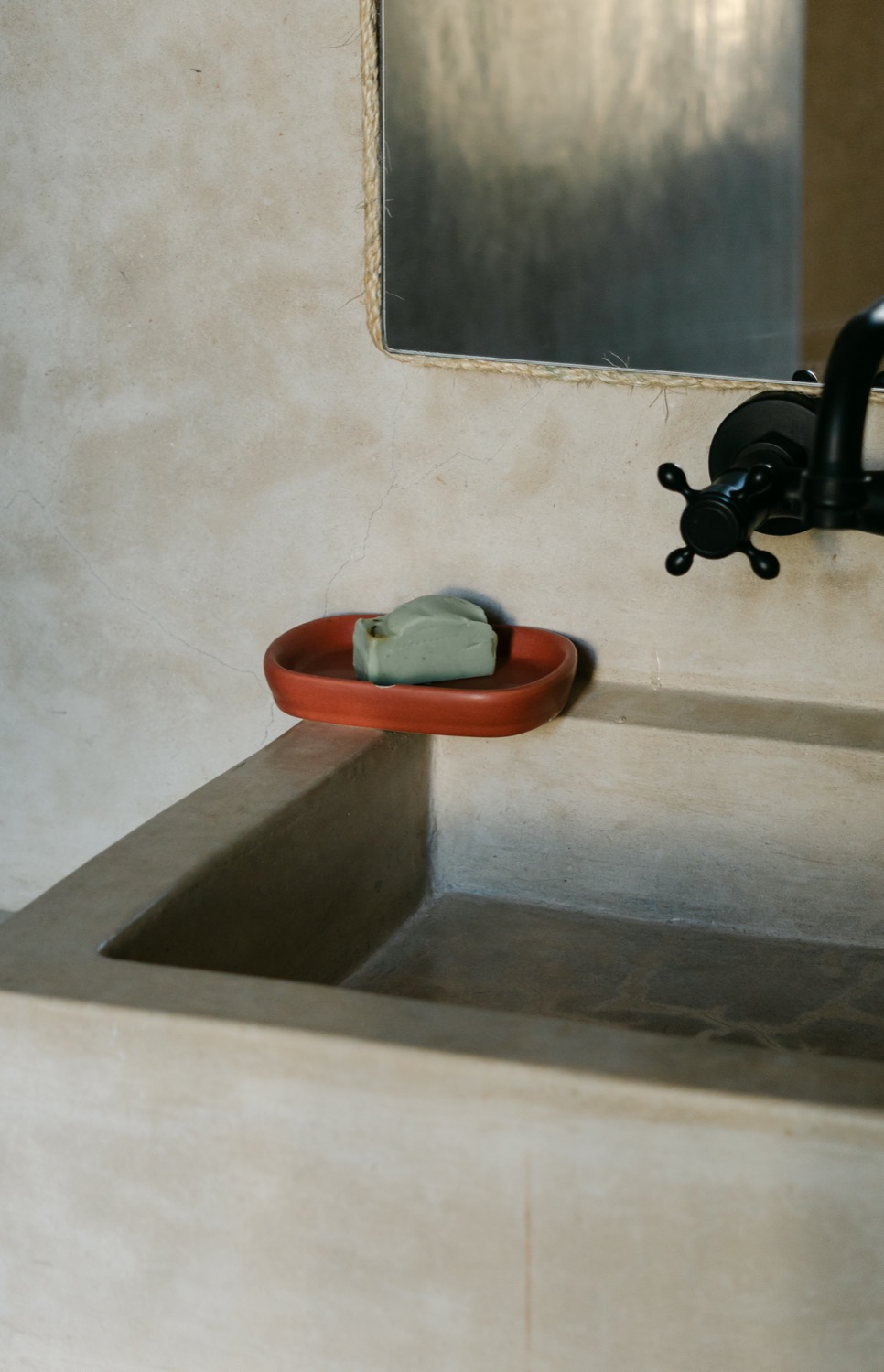
The room makes its argument through material. Tadelakt walls that hold the memory of the plasterer's hand. Terrazzo floors worn to a polish that no new terrazzo achieves. Terracotta vessels that look as though they were made nearby, because they were.
Some interiors borrow from a place. This one belongs to it.
The objects inside do not match. The rattan chair, the concrete plinth, the Arabic magazine left open at a page. They sit together without apology, the way things accumulate in a room that is actually used rather than arranged.
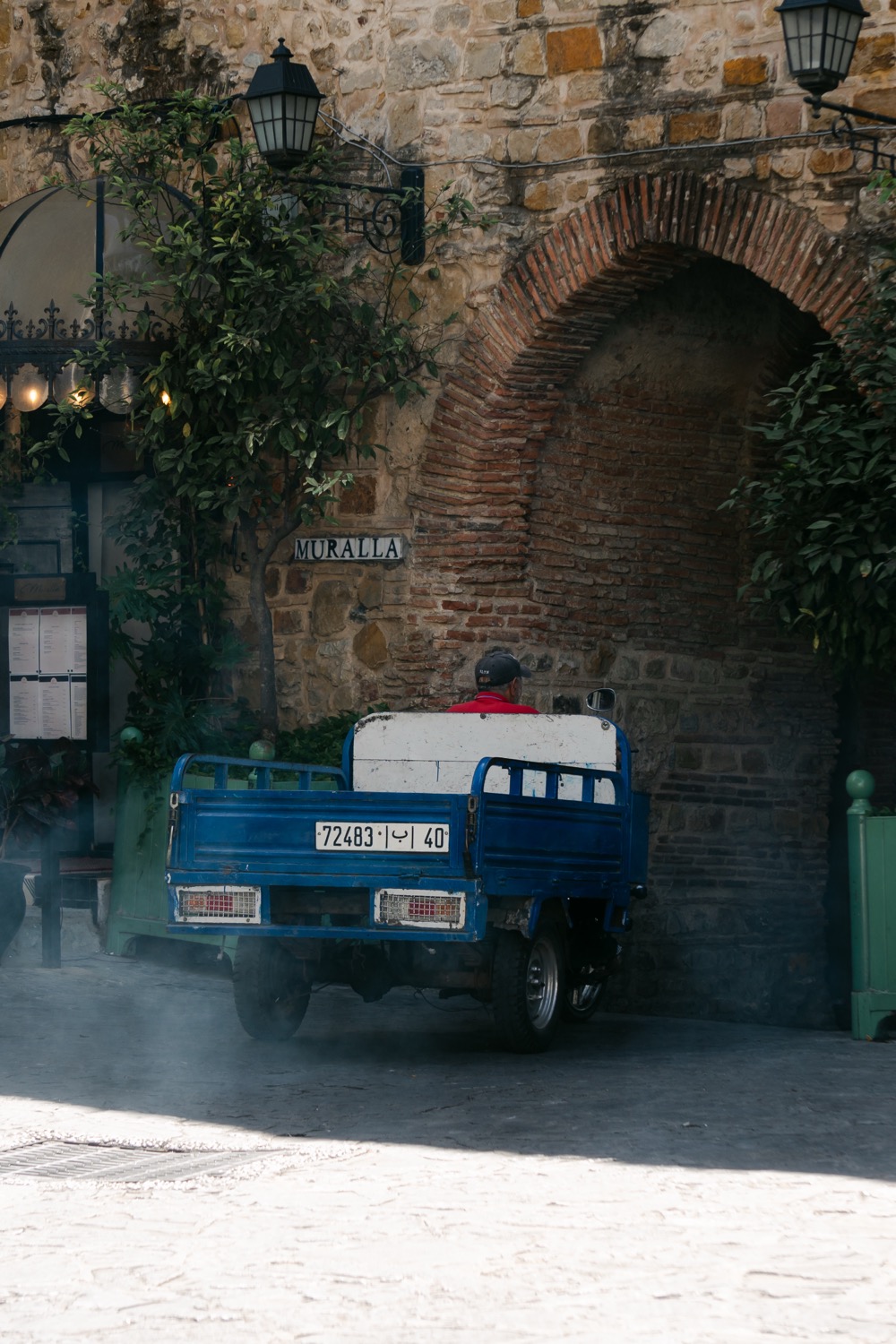
Outside the windows, the medina. A blue truck disappearing through an arch in a cloud of exhaust. Sacks of dried chillies and chamomile in a market that operates on its own time. The interior and the city share the same unhurried quality, the same willingness to let things be what they are.
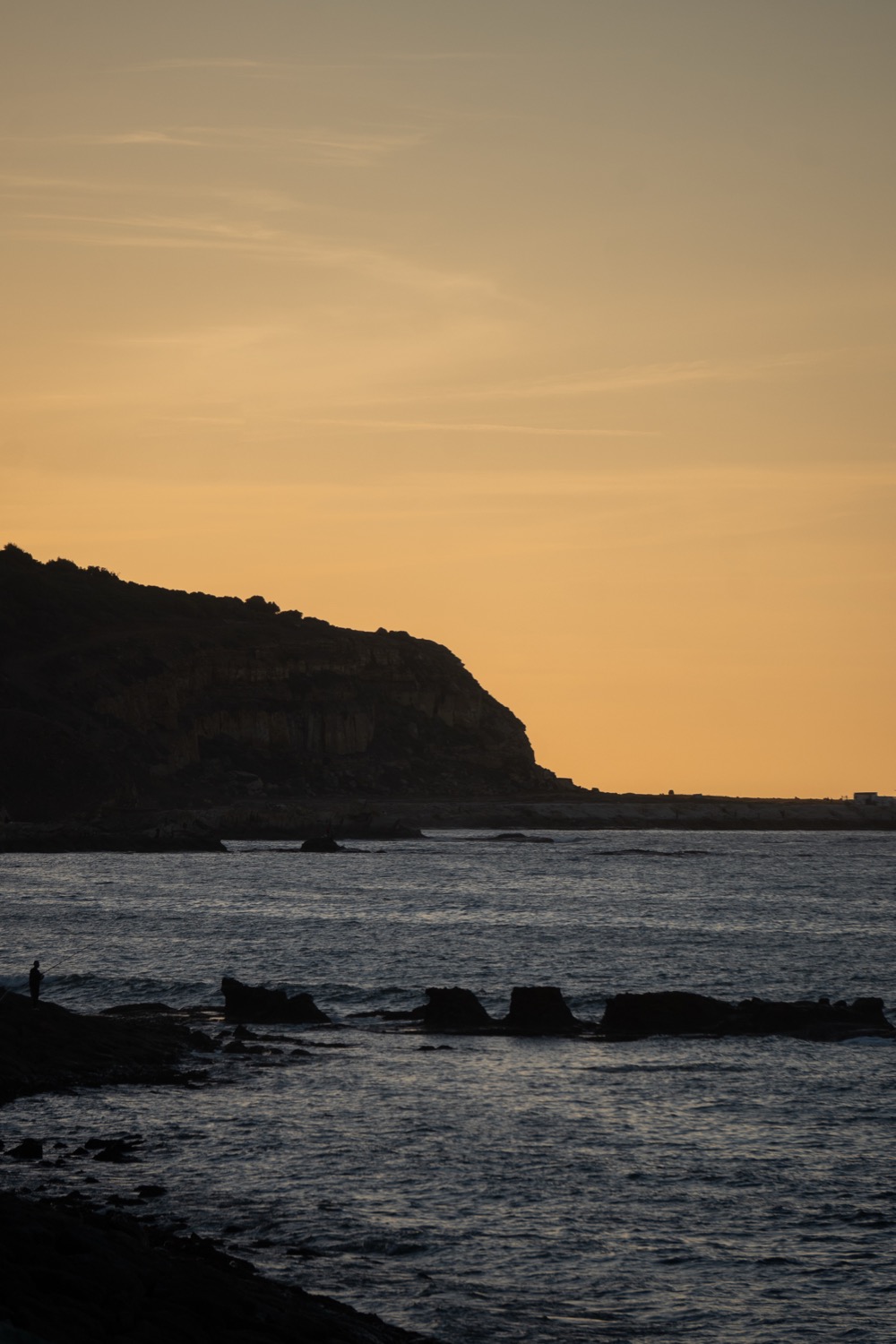
By the time the light reached the headland, the water had gone dark and a single figure was standing on the rocks below. The amber sky and the silhouetted cliff made no concession to the hour.
That is Tangier's particular quality. Indoors or out, the city does not perform for you. It simply continues.
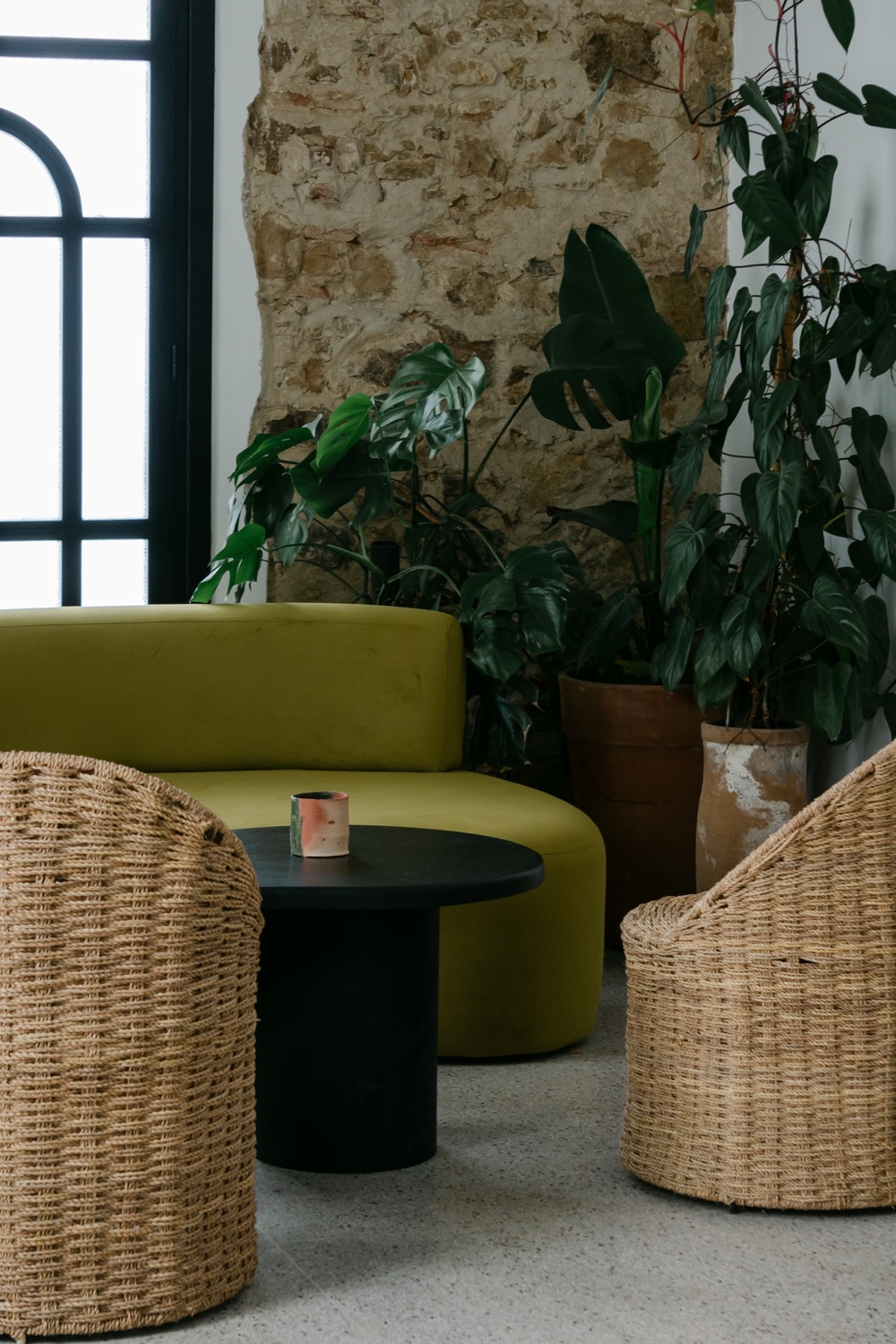
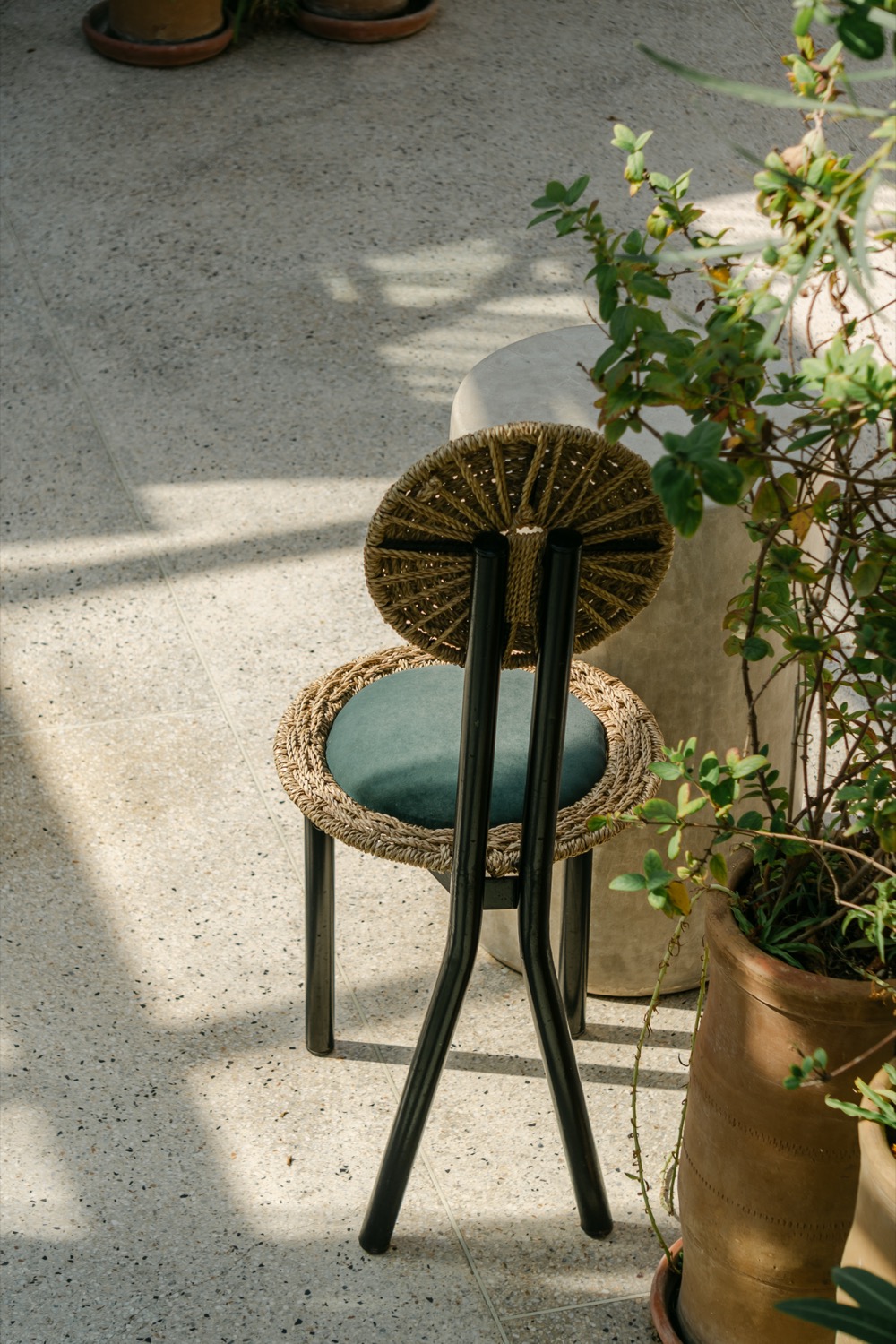
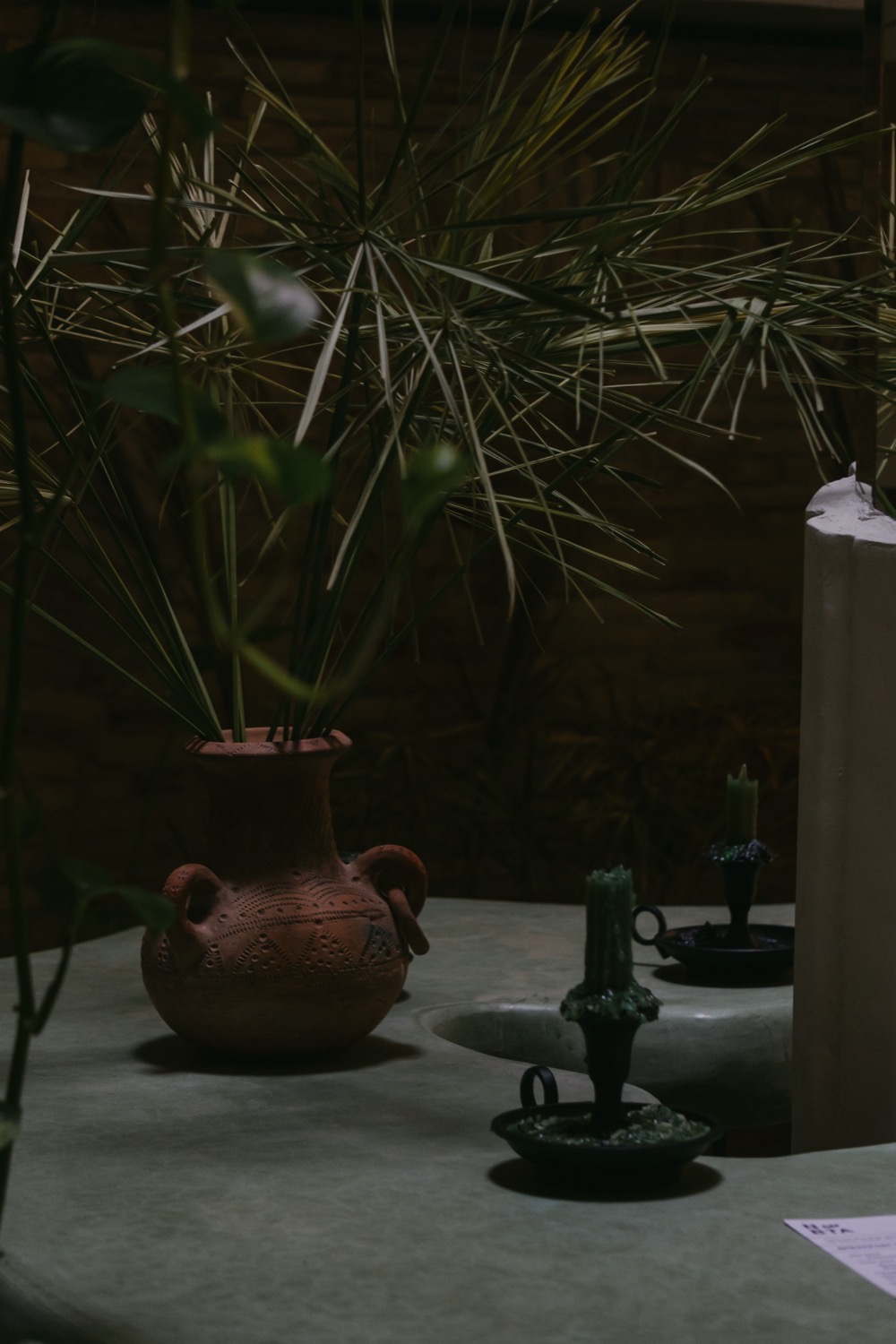
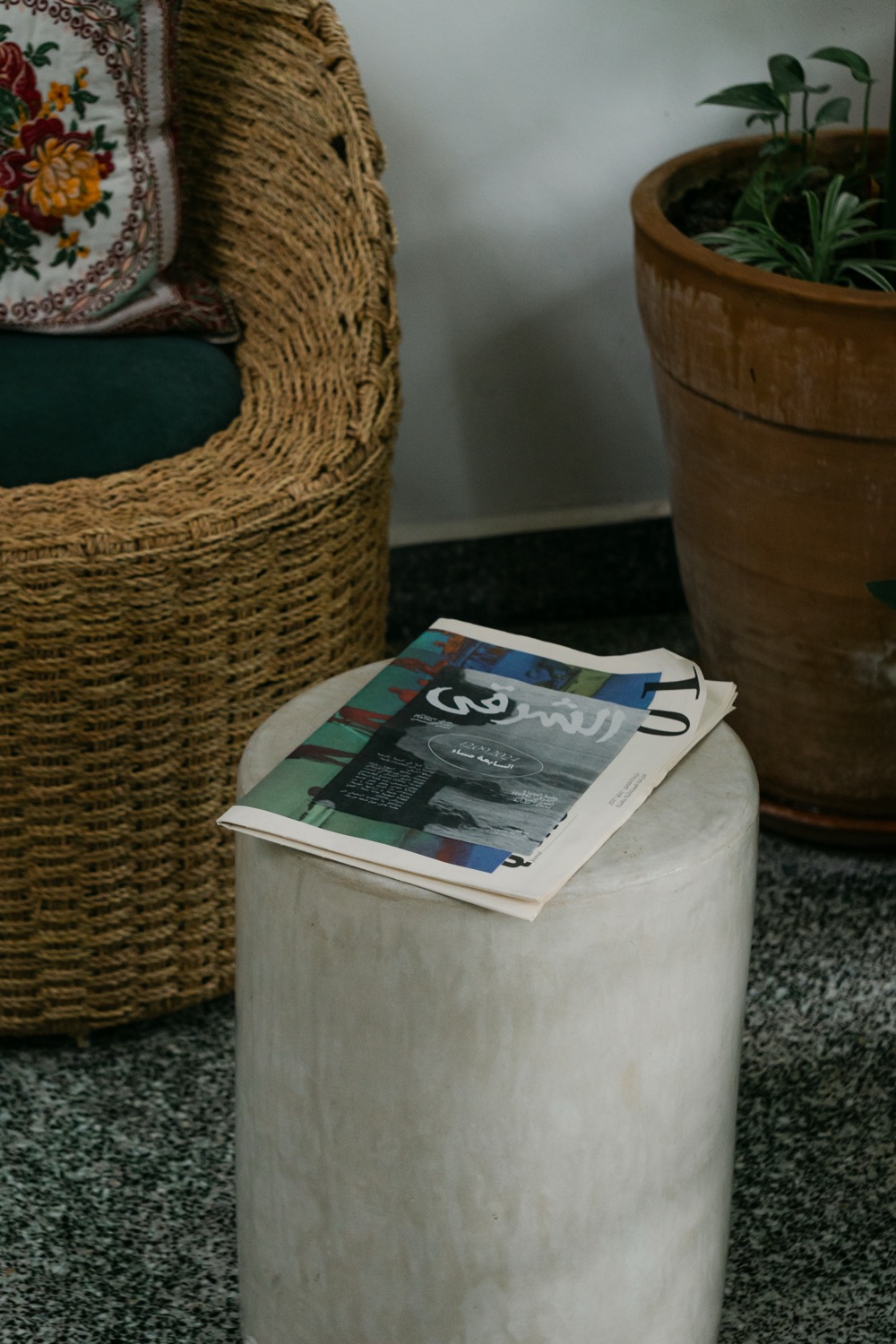

The second Tangier study went indoors. Where the first walked the city's streets and edges, this one concerns its interiors: tadelakt walls holding the plasterer's hand, terrazzo worn beyond what new terrazzo achieves, terracotta made nearby because everything here was always made nearby. The study is an argument about material memory, conducted room by room.
The photographs stay close to surfaces and thresholds, the screen that filters a window's light, the vessel on the ledge, the stair worn into a curve, because Tangier's rooms record their decades honestly, and the recording is the beauty. Nothing in the sequence is styled; the city's interiors arrive pre-composed by use, which is the entire subject.
In the archive Tangier II supplies the material chapter of Morocco, Publication 006, and several of its frames carry Journal essays, one fronts the essay on what the owner no longer sees. With the first Tangier study it demonstrates a method the studio now applies deliberately: the second visit produces the study, because the first spent itself on arrival.