Italia, after the heat
Italia appears here as a sequence of surfaces rather than a sequence of places.
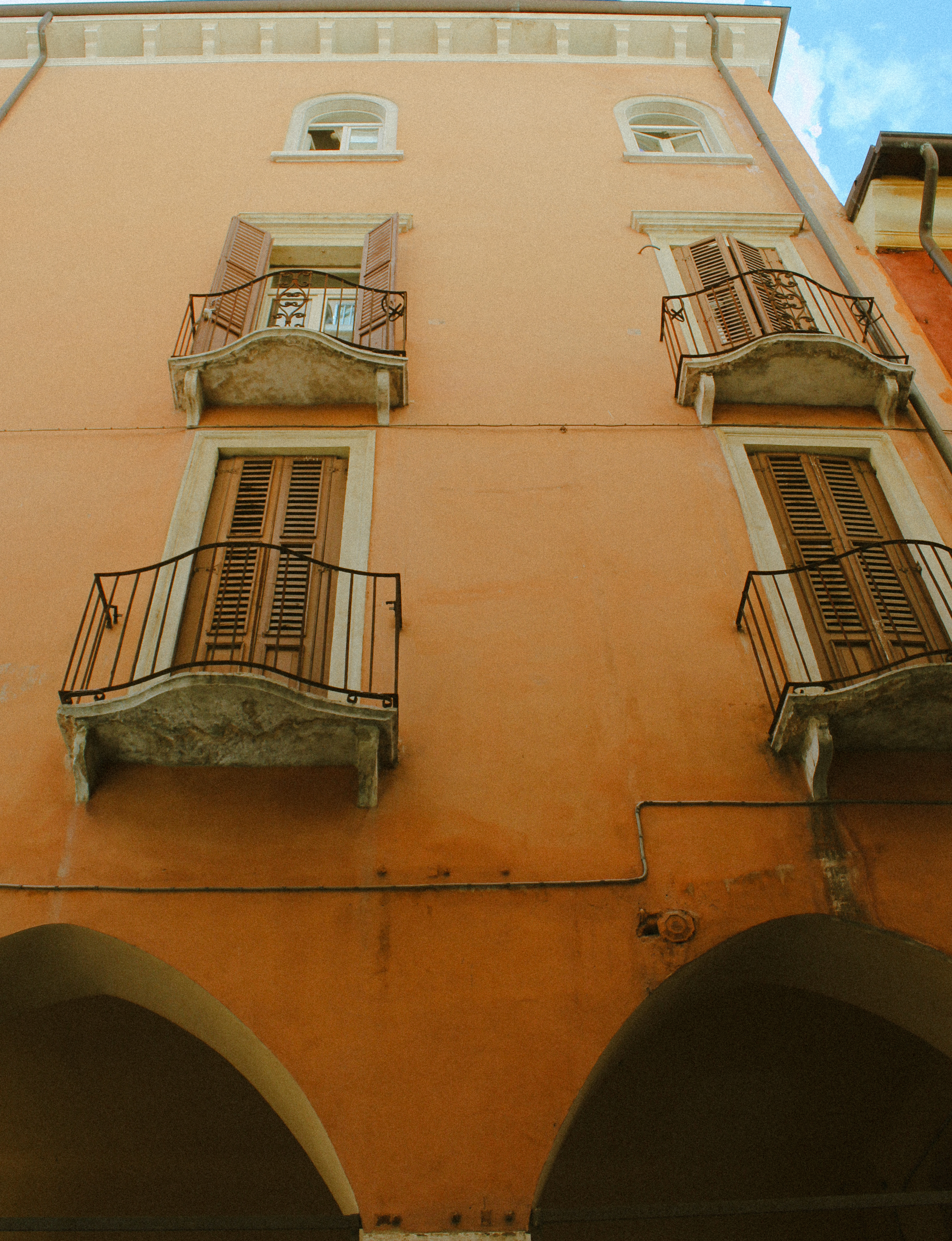
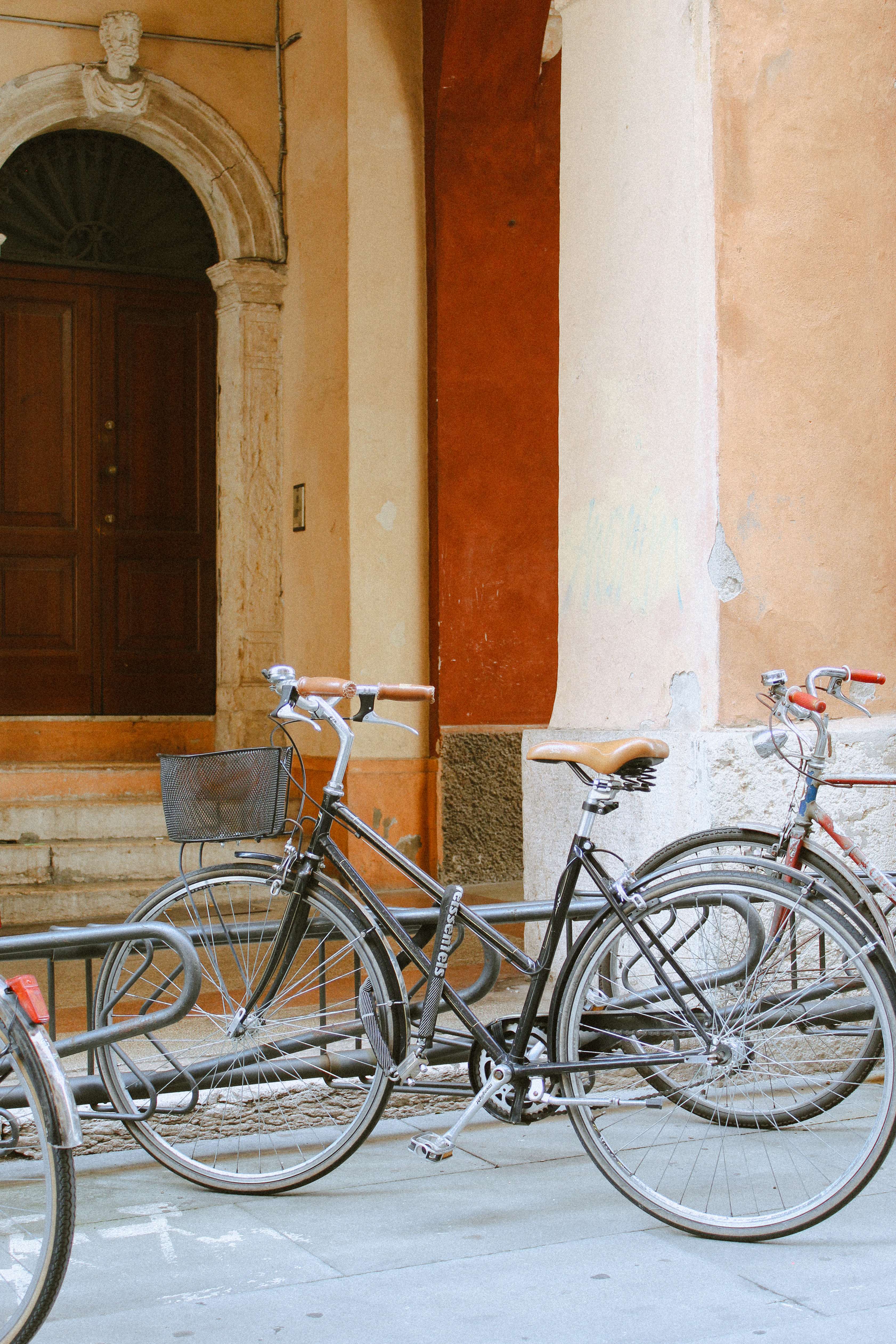
A wall warmed by afternoon, its plaster holding a colour that is difficult to name exactly. Stone held in shadow after days of sun. Water moving against buildings that have stood in it for centuries. A bicycle left beneath a facade with no particular intention. The country is never fixed to one location. It gathers through light, heat and the particular quality of distance in the afternoon.
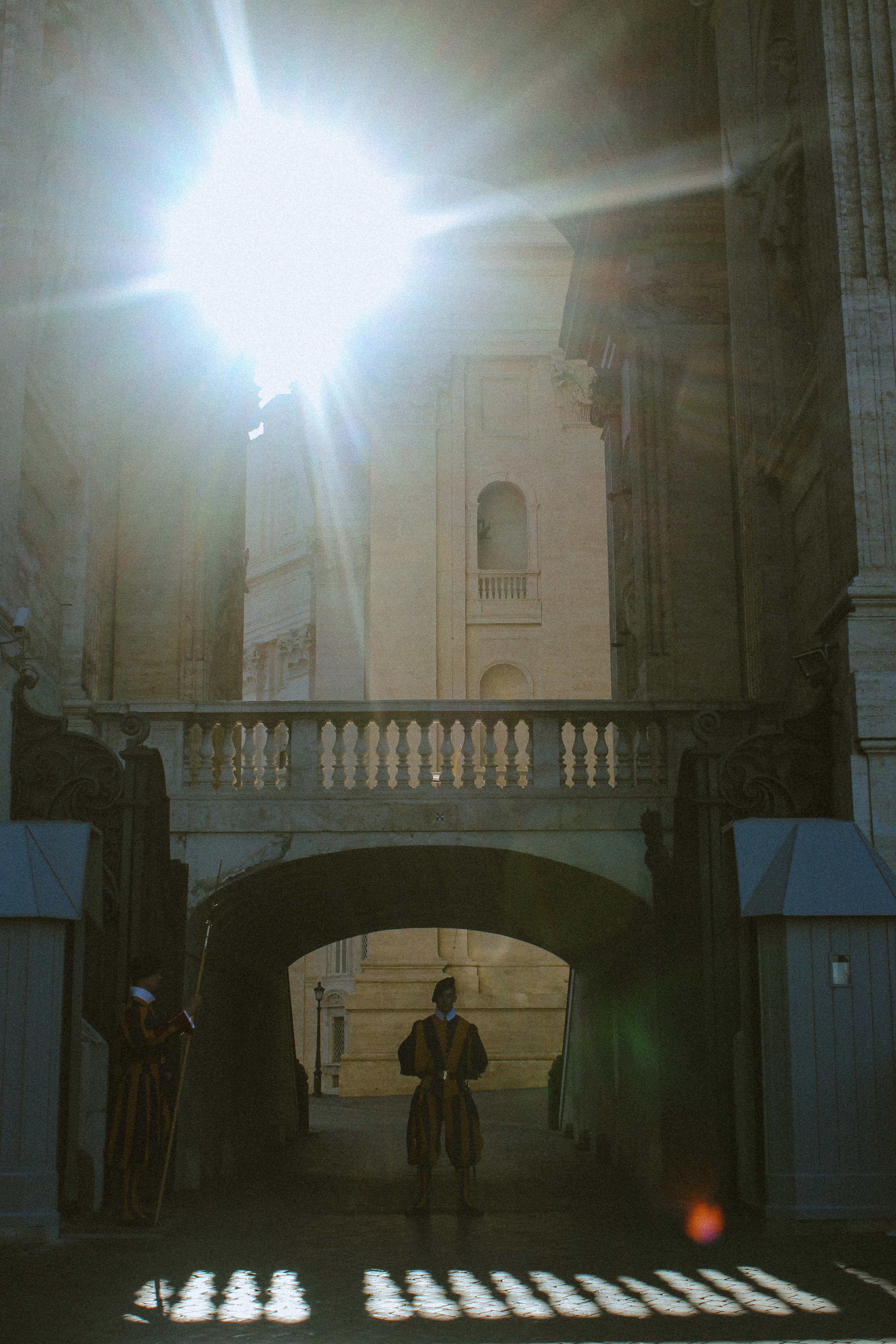
What the heat leaves behind is not absence but atmosphere. Colour deepens in the evening hours. Facades hold warmth long after the sun has moved on, long after the day should have cooled. Ceremony continues in quiet light. Water carries the last of it down toward the sea.
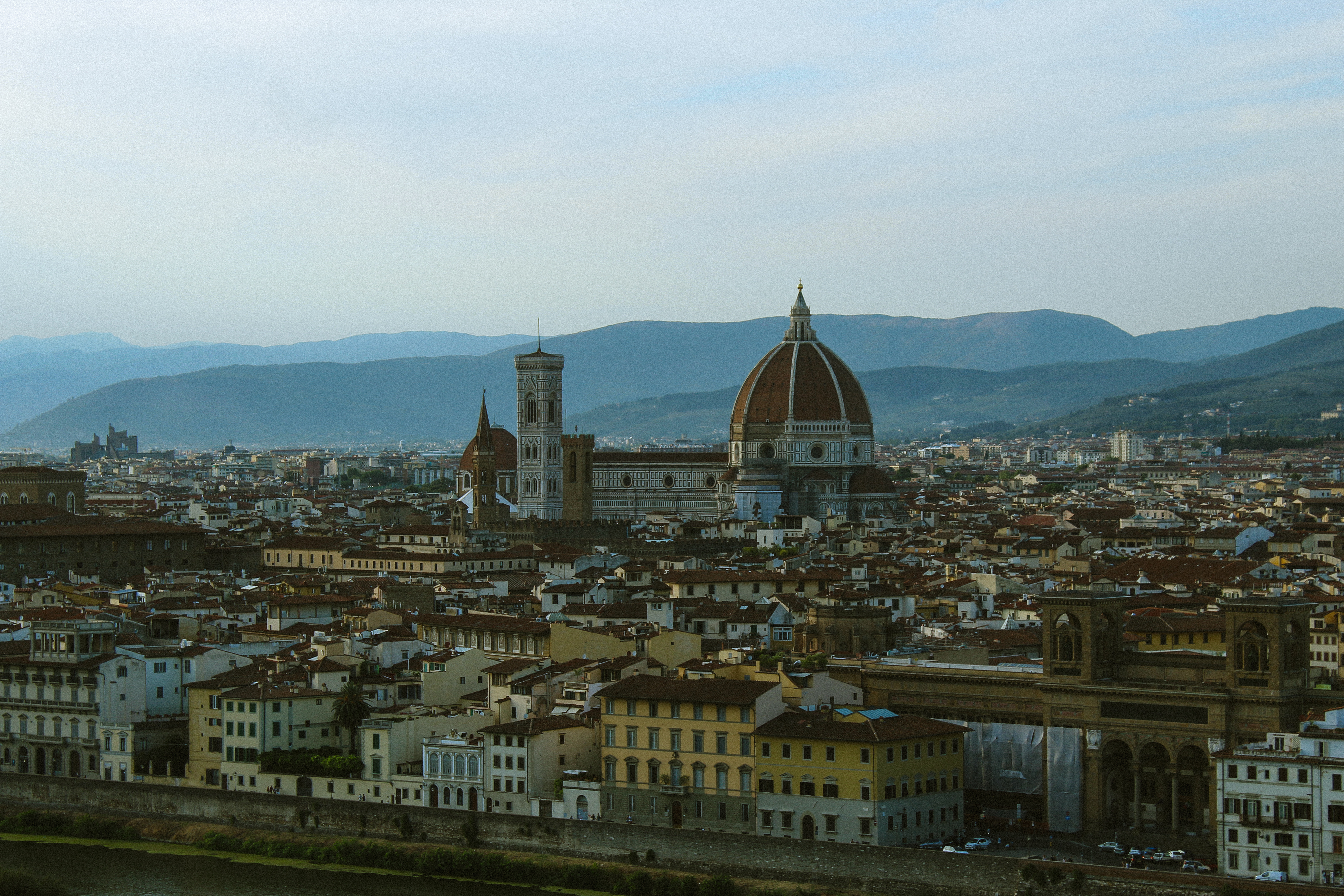
Nothing here announces itself. The dome, the canal, the rooftop. Each surface receives what the day gives and holds it differently. A grey stone wall and a pale plaster facade, side by side in the same afternoon, doing entirely different things with the same light.
What remains is not the route but the feeling after it.
Facades, water, ceremony, rooftops and the quiet pull of evening. Seen once and not easily forgotten, not because of grandeur but because of temperature. The country stays warm past the point where warmth is expected. Italia does not perform for the camera or the season. It simply continues, at its own pace, as it has always done.
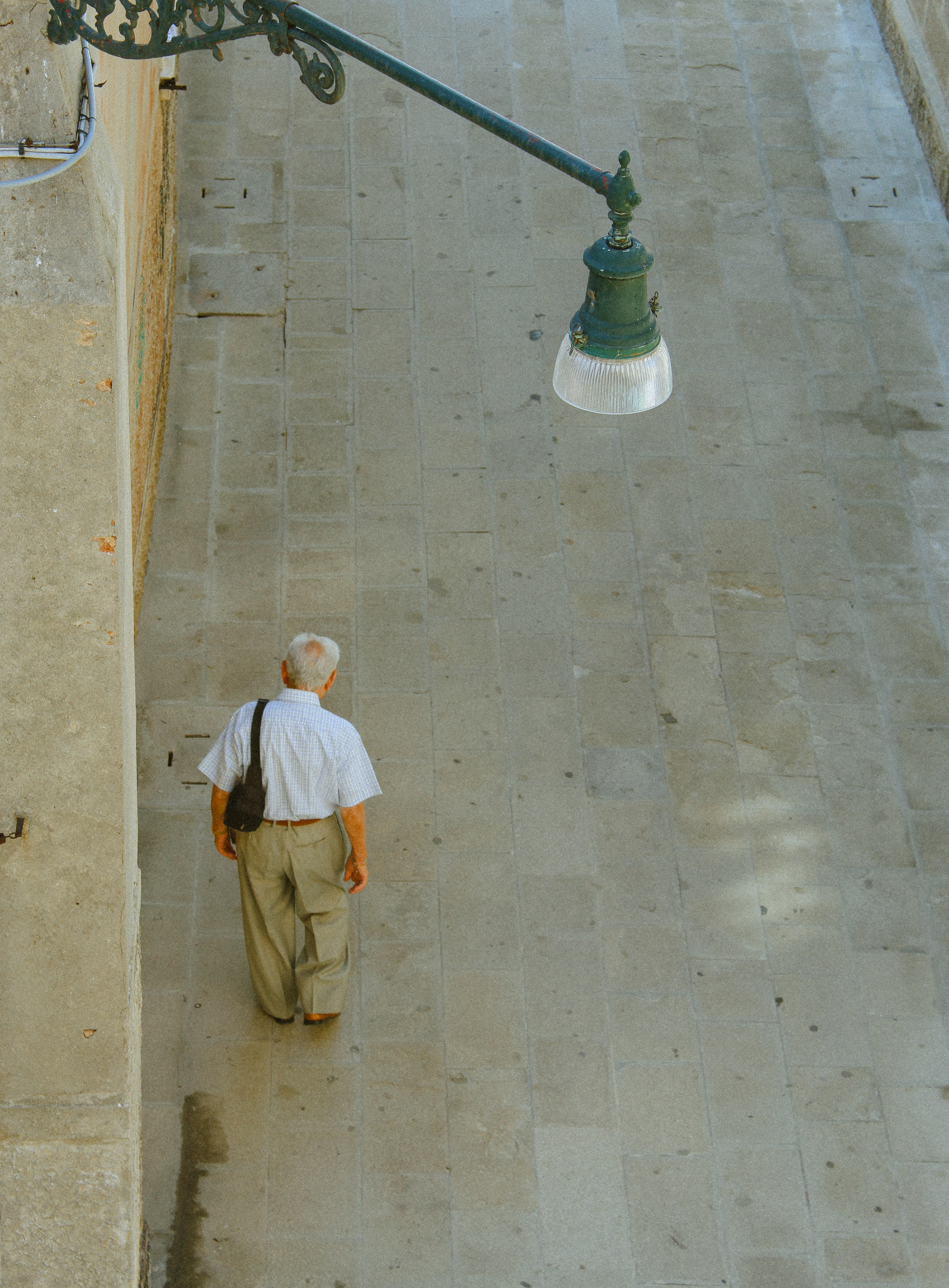
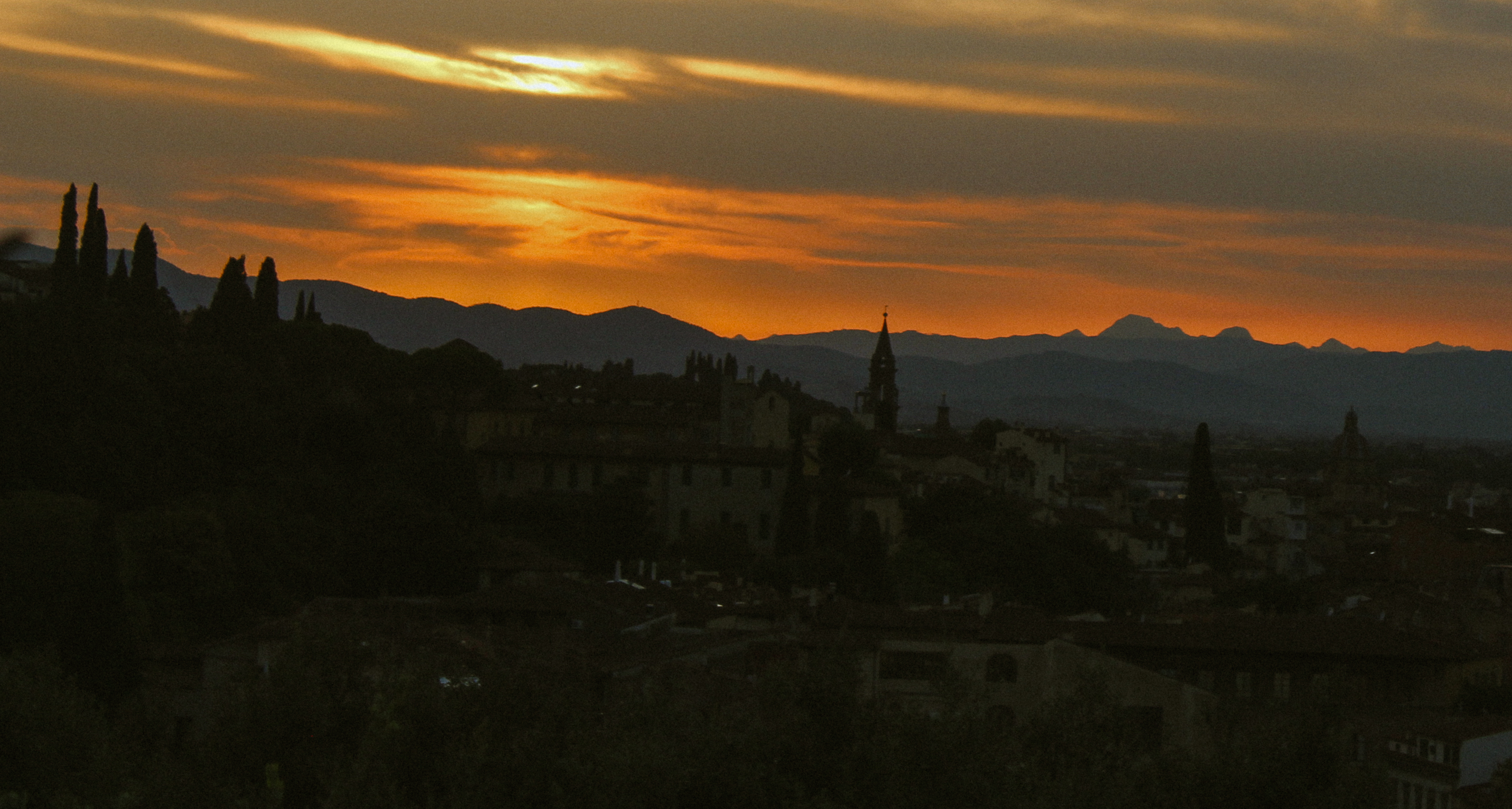
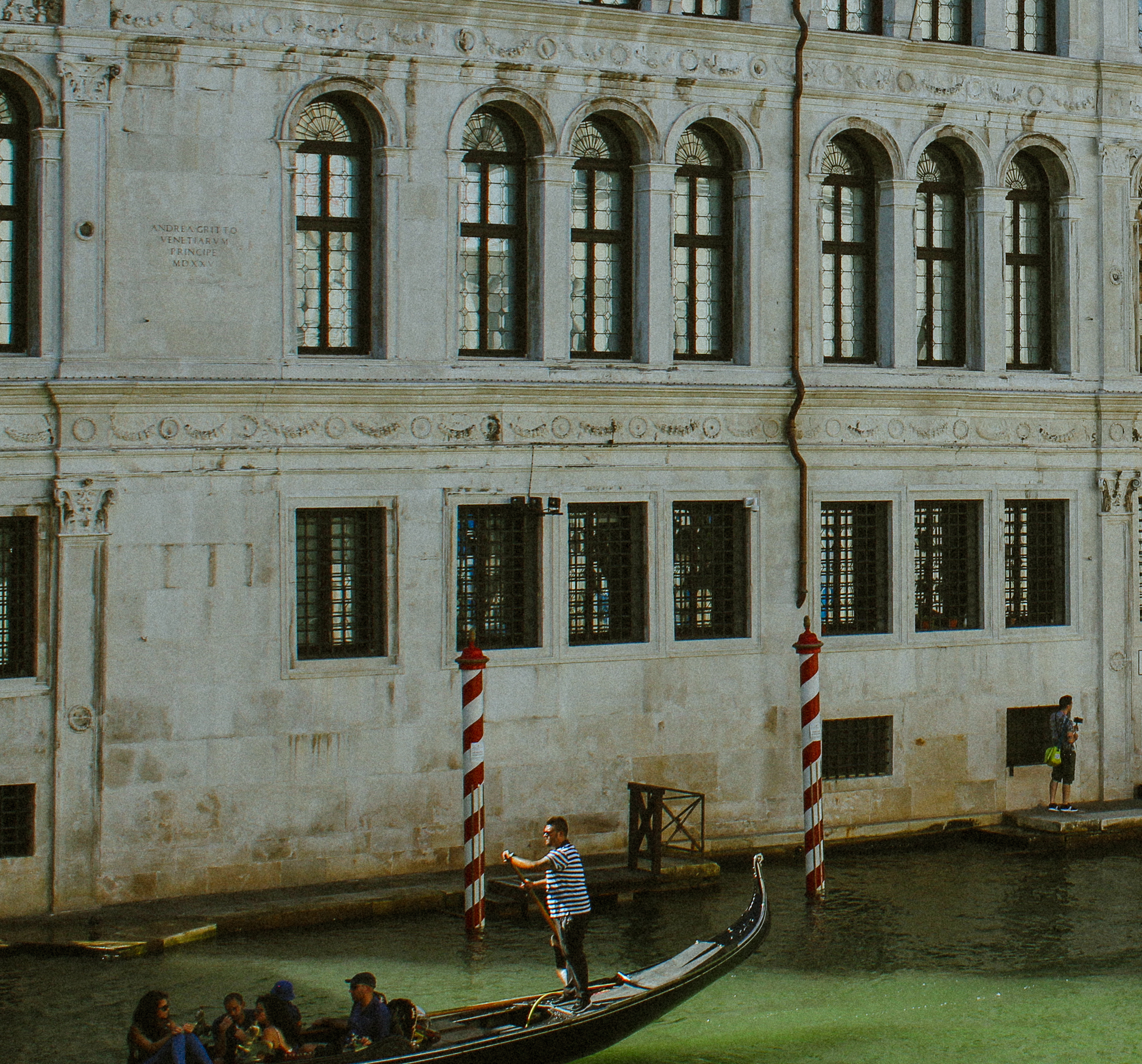
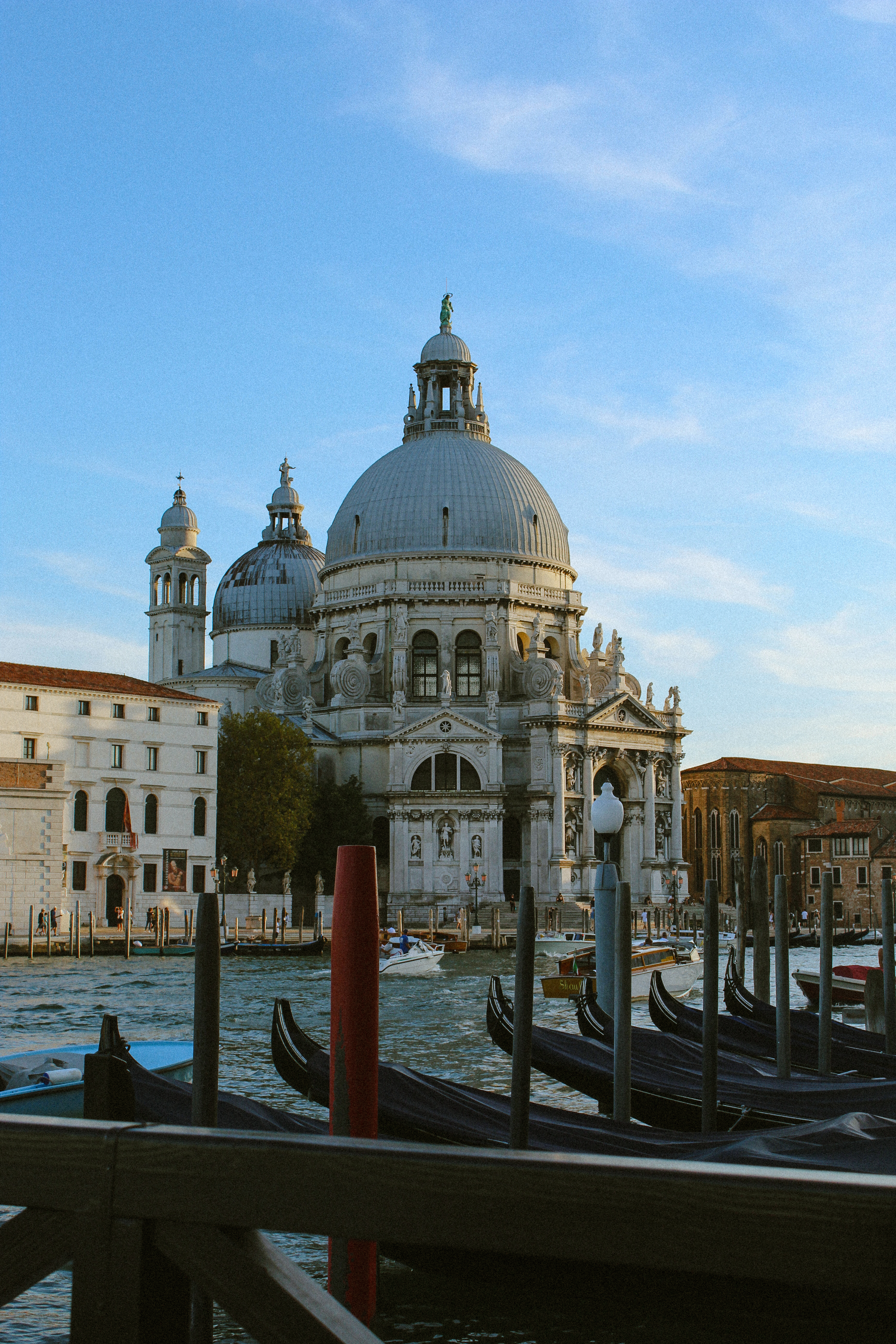
Italia, after the heat is the archive's study of Italy as surface rather than itinerary: walls warmed past naming, stone holding shadow after days of sun, water moving against buildings that have stood in it for centuries. It was made across northern Italian towns in high summer, in the hours after the day's peak, when the country's materials release what they have absorbed.
The photographs decline the country's monuments in favour of its textures: plaster in the colour range Italy has spent centuries perfecting, shutters against glare, canals printing their light on undersides of bridges. The premise is that Italy's beauty is administered less by its famous buildings than by an unspoken national agreement about surfaces, and the study documents the agreement.
In the archive the study binds the Italian city work, Milan, Turin, into a material argument, and its frames carry the Journal's writing on what stone communicates. It also demonstrates a format the studio uses sparingly: the multi-place study unified by theme rather than geography, which asks more of the sequencing and pays it back in coherence.