Light Before Geography
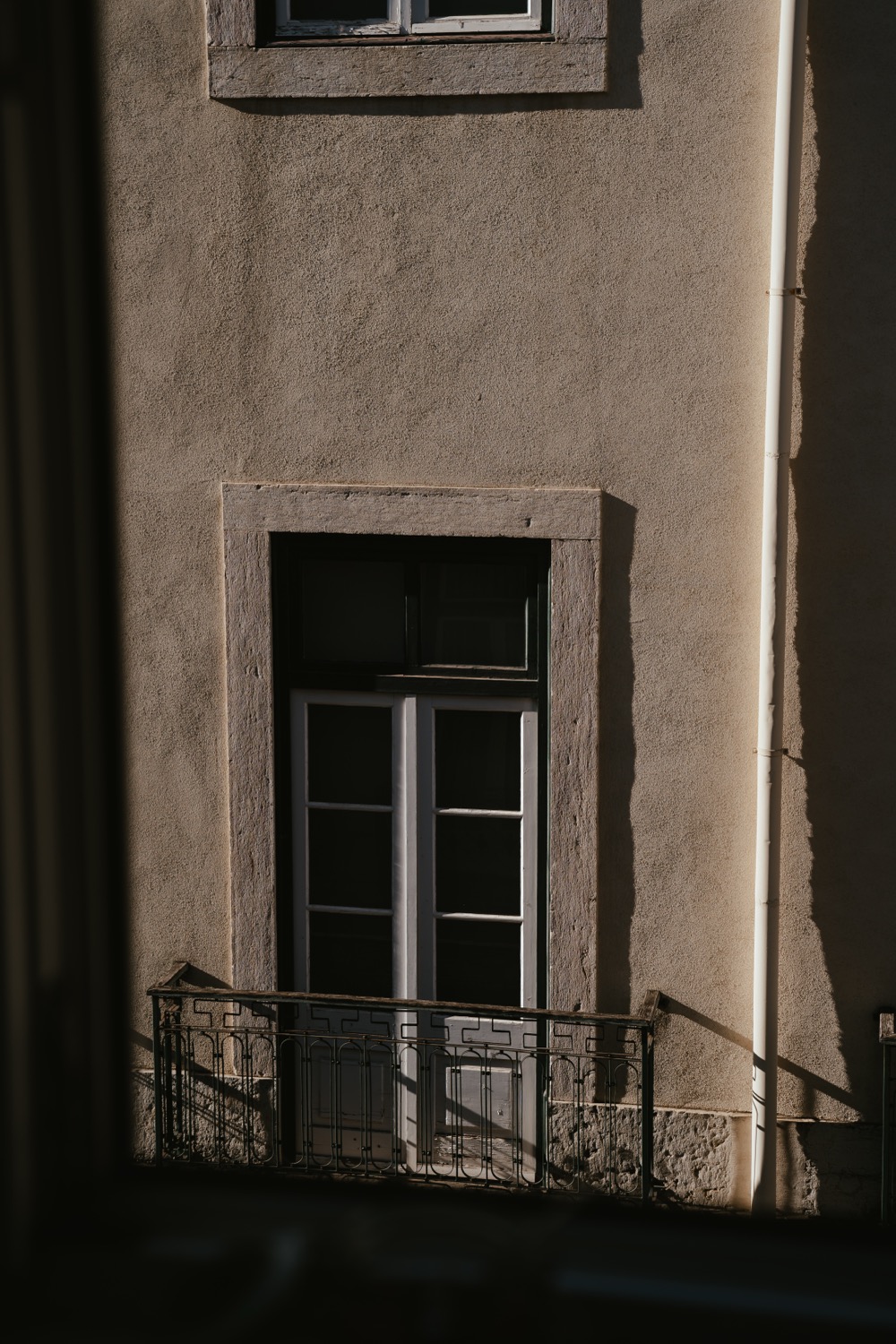
Ask where a photograph was made and you will get an answer. Ask what time of day, and you will get the truth.
A city changes more between six in the morning and midday than it does between one country and the next. The same stone facade that looks municipal at noon can look almost private at seven, when the light arrives at an angle nobody planned the building around and finds detail that the architect never intended to be seen this way.
This is not a claim that geography is unimportant. Madrid is not Corfu, and the studies made in each place are not interchangeable. But the thing that makes a photograph made in either place worth looking at twice is rarely the location printed underneath it. It is the specific quality of light the location happened to be holding at the moment the shutter opened.
Photographers speak about light constantly and still underuse the word. Light is treated as a condition to work around, something to arrive early or wait late for, rather than the actual subject the camera is pointed at. The facade, the courtyard, the mountain: these are simply the surfaces the light has agreed to fall on for a moment.
A study made anywhere is a study of attention, not of the place itself, which goes on regardless of whether anyone is looking. What a photograph can offer is the light a particular hour was willing to give up, held a little longer than the hour itself allowed.