How Cities Become Memory
Nobody remembers a city the way it was photographed for its own tourist board. They remember a colour of light. A smell that arrived from nowhere and vanished just as fast. An hour that belonged to no itinerary because no itinerary had planned for it.
A city gives you its official version first. The monument arranged for the angle. The view named on the postcard before you have earned it yourself. This version is not false. It is simply incomplete, and it is the version that leaves first.
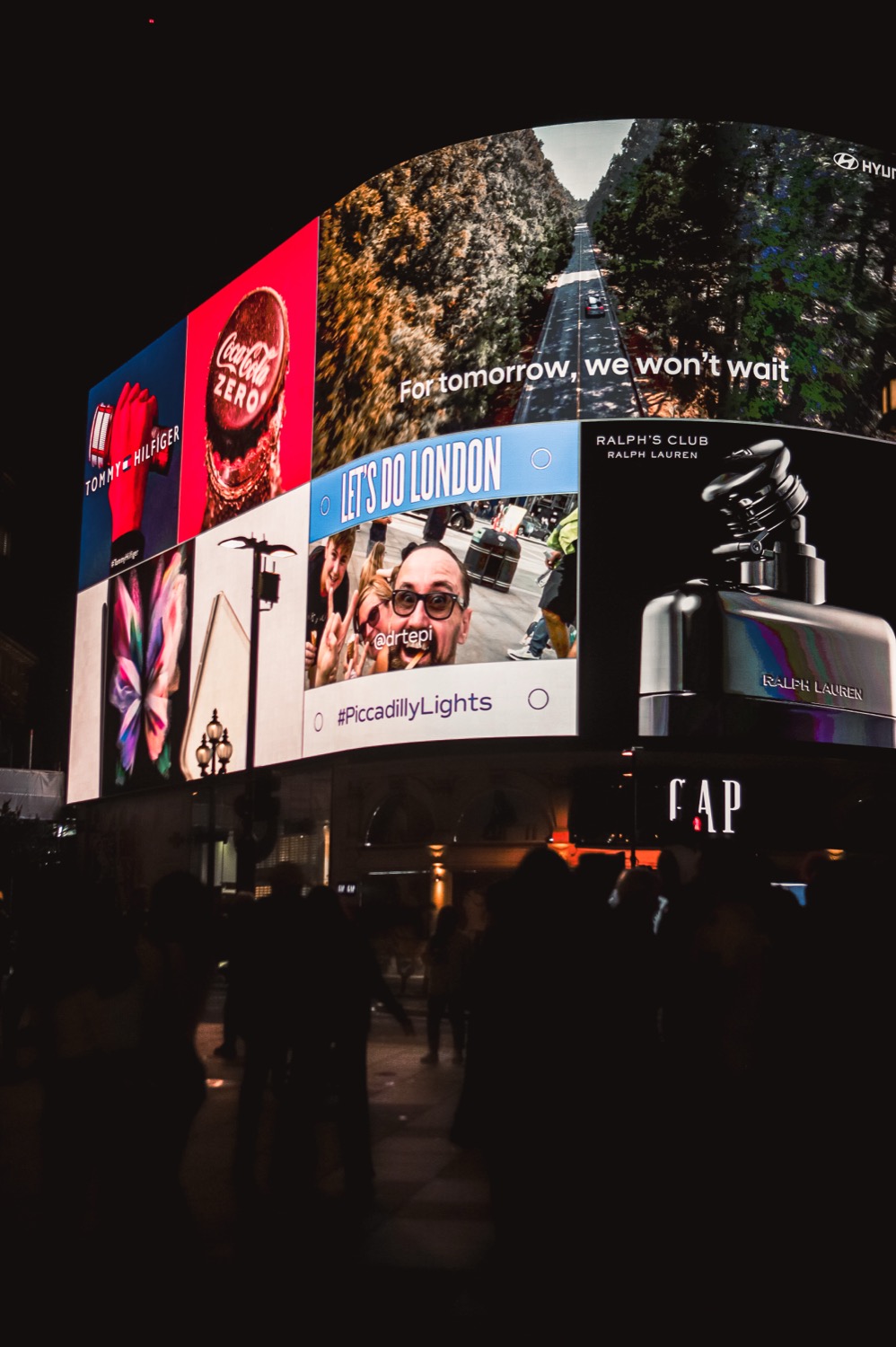
What stays is smaller. The colour of water in a canal at an hour when nobody photographs it, because nobody with a schedule is awake to see it. A screen of light left running over an empty street long after the shops beneath it had closed. The particular quiet of a junction between the last crowd and the first, when a city briefly belongs to nobody in particular.
Memory does not organise itself by importance. It organises itself by attention. A place you looked at closely, even for a few seconds, outlasts a monument you photographed on schedule and forgot by dinner.
This is why these studies are rarely made at the obvious hour. Not out of contrarianism. Out of the simple fact that the obvious hour has already been photographed, by everyone, and shows everyone the same thing.
The early morning at a canal in Copenhagen holds a colour that the afternoon does not know about. A courtyard in Marrakech before the first tour group arrives has a stillness that no crowd will ever return. These are not better versions of the city. They are the versions most people never wait around long enough to see.
A photograph made in that window does not explain the place. It simply holds the light a little longer than a glance would have.