Why Print Still Matters
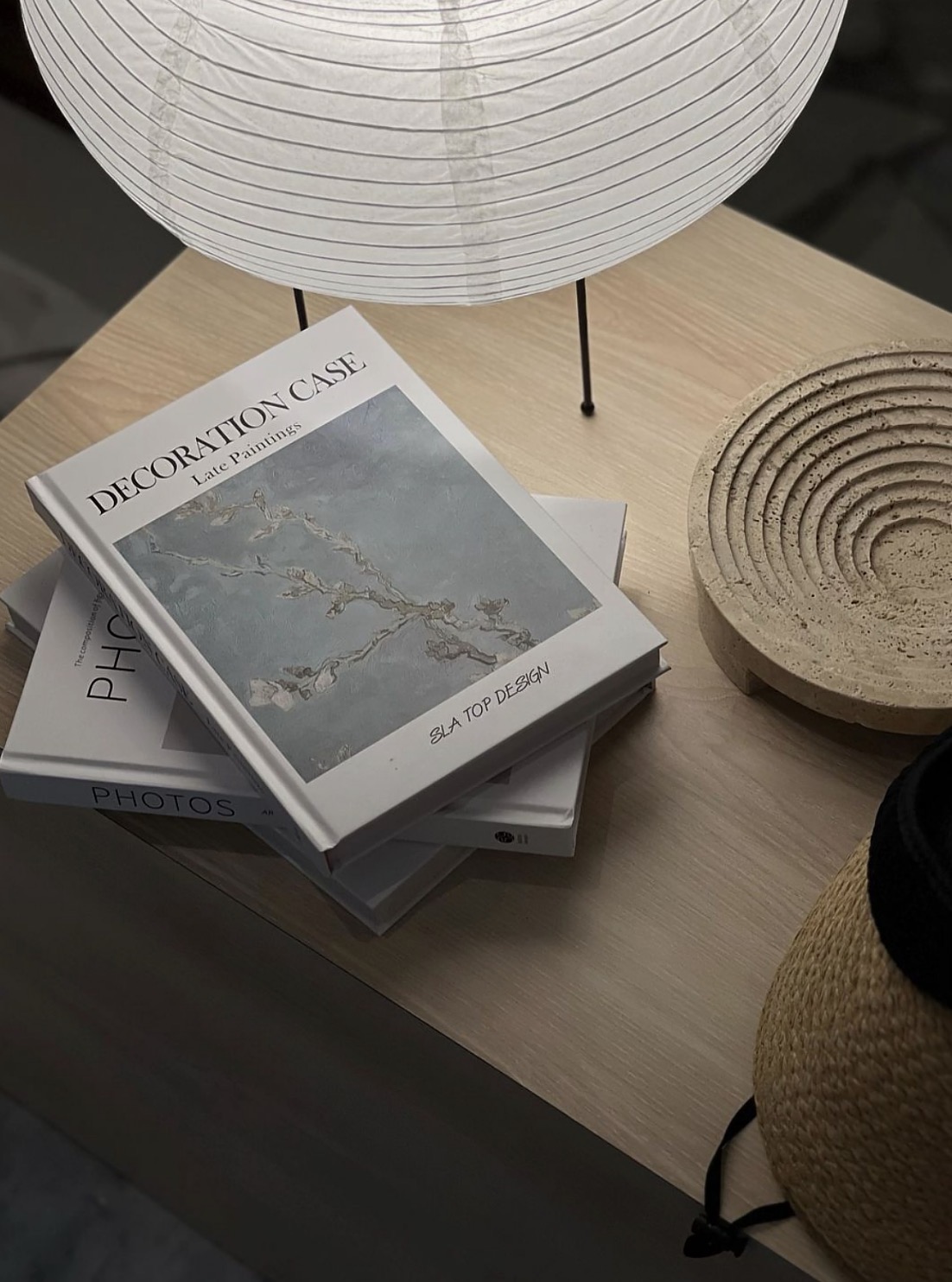
A screen returns your attention to you within seconds. A printed page asks you to stay a little longer than that, and the difference is not nostalgia. It is physics.
A photograph on a phone competes with a notification, a second tab, the next image already loading beneath it. A photograph on a page competes with nothing. It has your attention for as long as you choose to hold the page open, and that small, old-fashioned fact changes how a photograph is looked at.
This is not an argument against the archive online. The studies exist there because that is where most people will first encounter the work, and that is correct. But a study and a publication are not the same object performing the same function. A study is made to be found. A publication is made to be read.
Sequence matters differently on paper. A photograph placed after fourteen pages of another rhythm entirely lands differently than the same photograph scrolled past on its own. Paper does not allow you to skip ahead casually the way a webpage does. Turning a page is a small, deliberate act, repeated, and that repetition builds something a single long scroll cannot.
There is also the matter of permanence, though it is easy to overstate. A printed object does not update. It does not get redesigned in three years to match a new template. It simply exists as it was made, on a shelf, waiting to be picked up again exactly as it was left.
None of this makes print superior to the screen. It makes them different instruments, suited to different kinds of attention. The Journal and the archive are built for the screen because that is honest about where most people are. The publications exist because some ideas were always going to need the other instrument to be heard properly.