After the Guests Leave
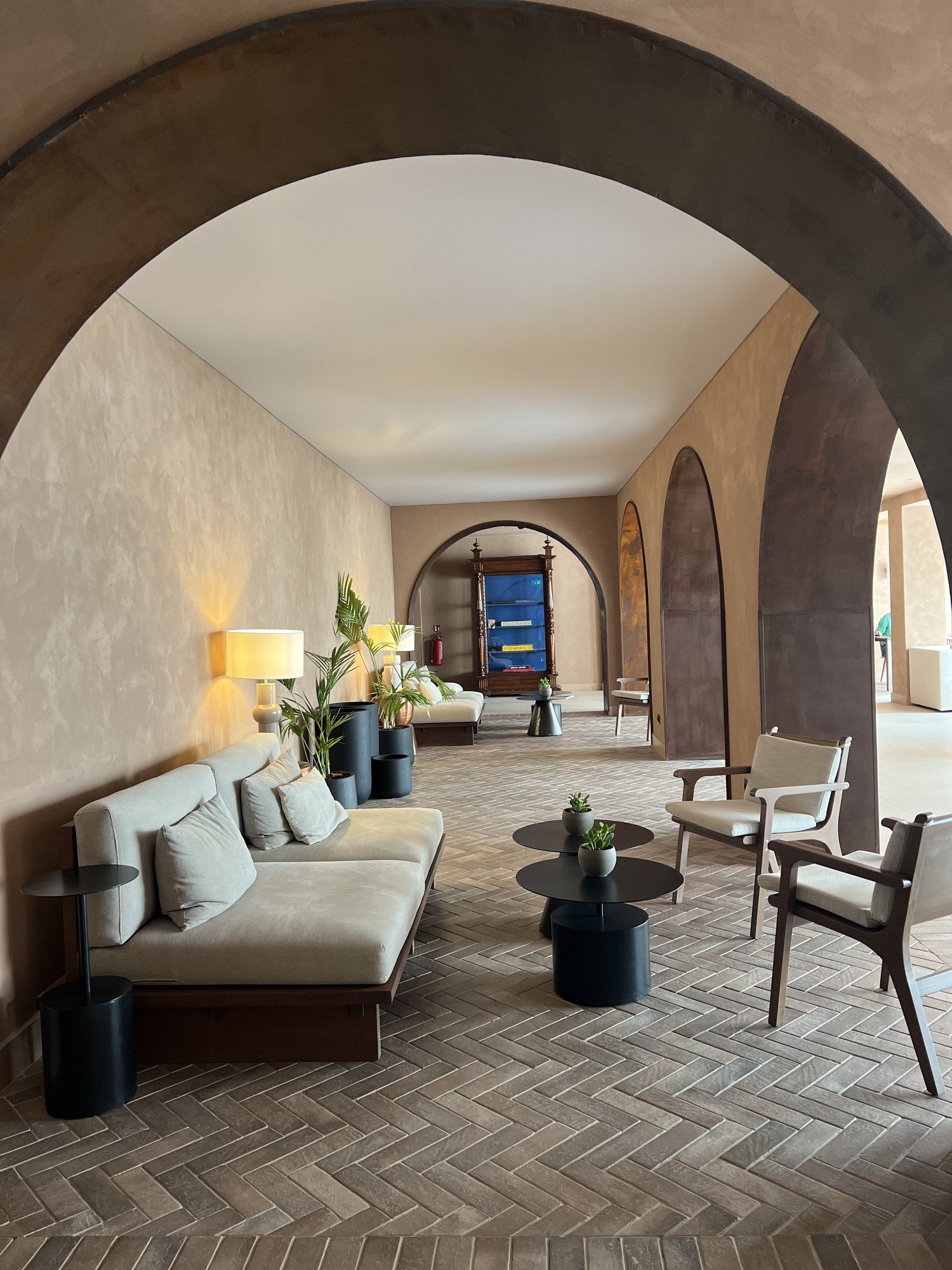
The truest test of a room is the hour nobody is meant to see. Not the hour it was built for. The one after.
Every space designed for other people has two versions of itself. There is the version performed for the guest, calibrated and lit and staffed at full attention. And there is the version that remains once the guest has gone home, the lights are being turned down one bank at a time, and nobody is left to perform for.
Most of the industry photographs the first version exclusively, and reasonably so. That is the version being sold. But the second version is where a room's actual character lives, because it is the only moment a space is not trying to convince anyone of anything.
A dining room after the last cover has been cleared holds a different kind of order. Not the tension of anticipation, but a settled quiet, chairs slightly askew, the day's decisions still visible in the arrangement of things nobody has tidied yet. A retail space after closing, lit only by whatever was left on for security, reveals its materials in a way the working day never allows, because nothing is competing for attention.
This is not about catching a place unprepared. It is closer to the opposite. A room that still holds its composure once the audience has left was designed with more integrity than one that only works under performance conditions. The photograph made in that hour is not a lesser version of the marketing image. It may be the more honest one.