The Discipline of Fewer Options
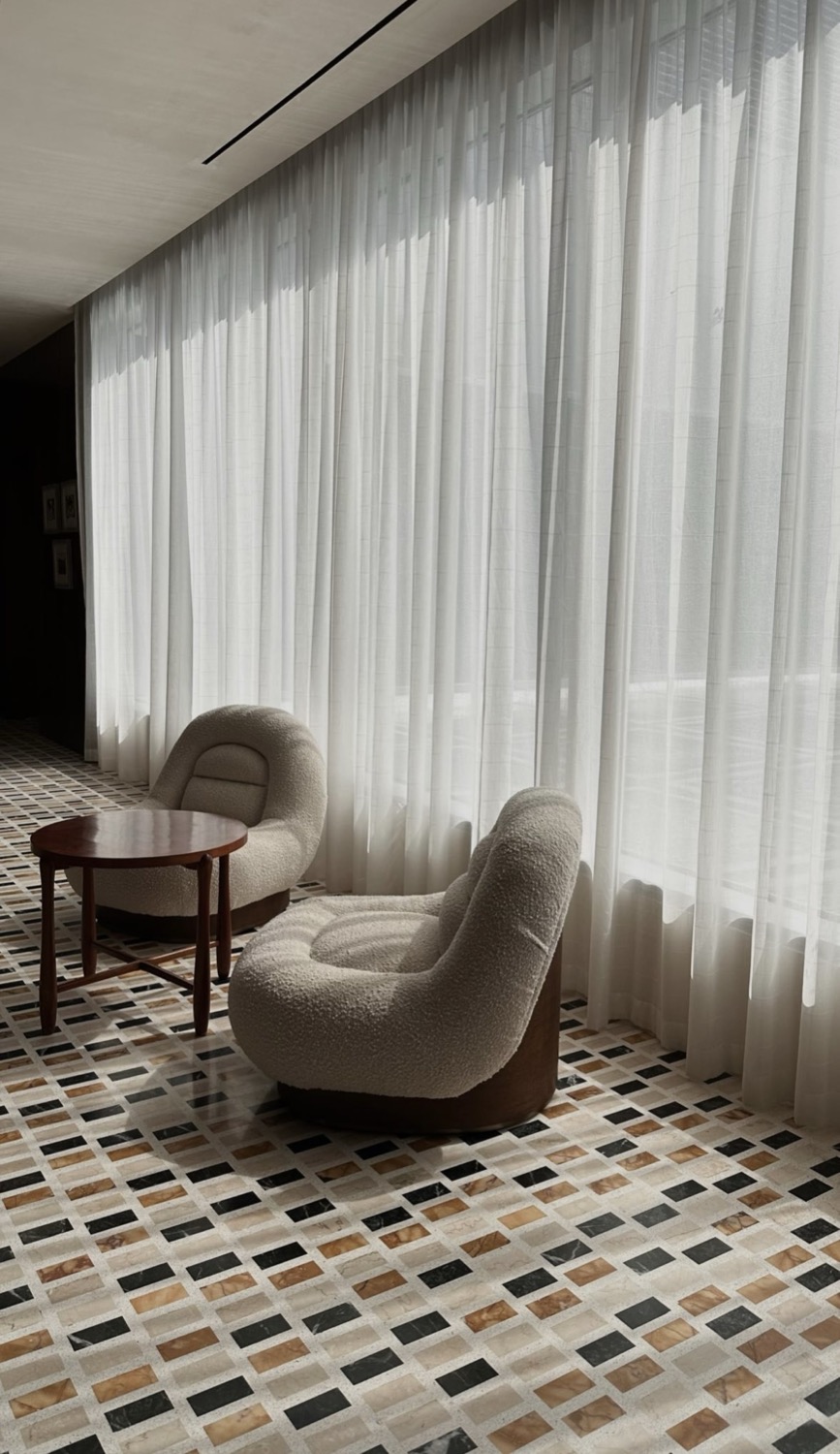
Restraint is a kind of confidence most brands cannot afford.
It is easy to add. Another colourway, another size, another version of a product built to catch a customer the first version might have missed. Every addition can be justified individually, and the sum of all those justifications is a shelf that eventually says nothing clearly because it is trying to say everything.
Subtraction is harder to justify, because subtraction has no obvious business case attached to it. A brand that offers three considered choices instead of thirty adequate ones is betting that the three will be good enough to hold a customer who might otherwise have wanted the thirty. That bet only pays off if the three are genuinely excellent, which is precisely why so few brands are willing to place it.
The rooms built by brands who have placed that bet tend to look different from the rest. Space between objects rather than objects filling space. A single chair rather than a row of alternatives. The room itself becomes an argument for the discipline behind it, because a crowded shelf could never produce the same feeling of ease.
What these studies notice, in rooms like this, is that the fewer options are never really about scarcity. They are about a brand deciding, in advance, exactly what it is willing to stand behind, and refusing to dilute that decision with anything else.