A Second Visit
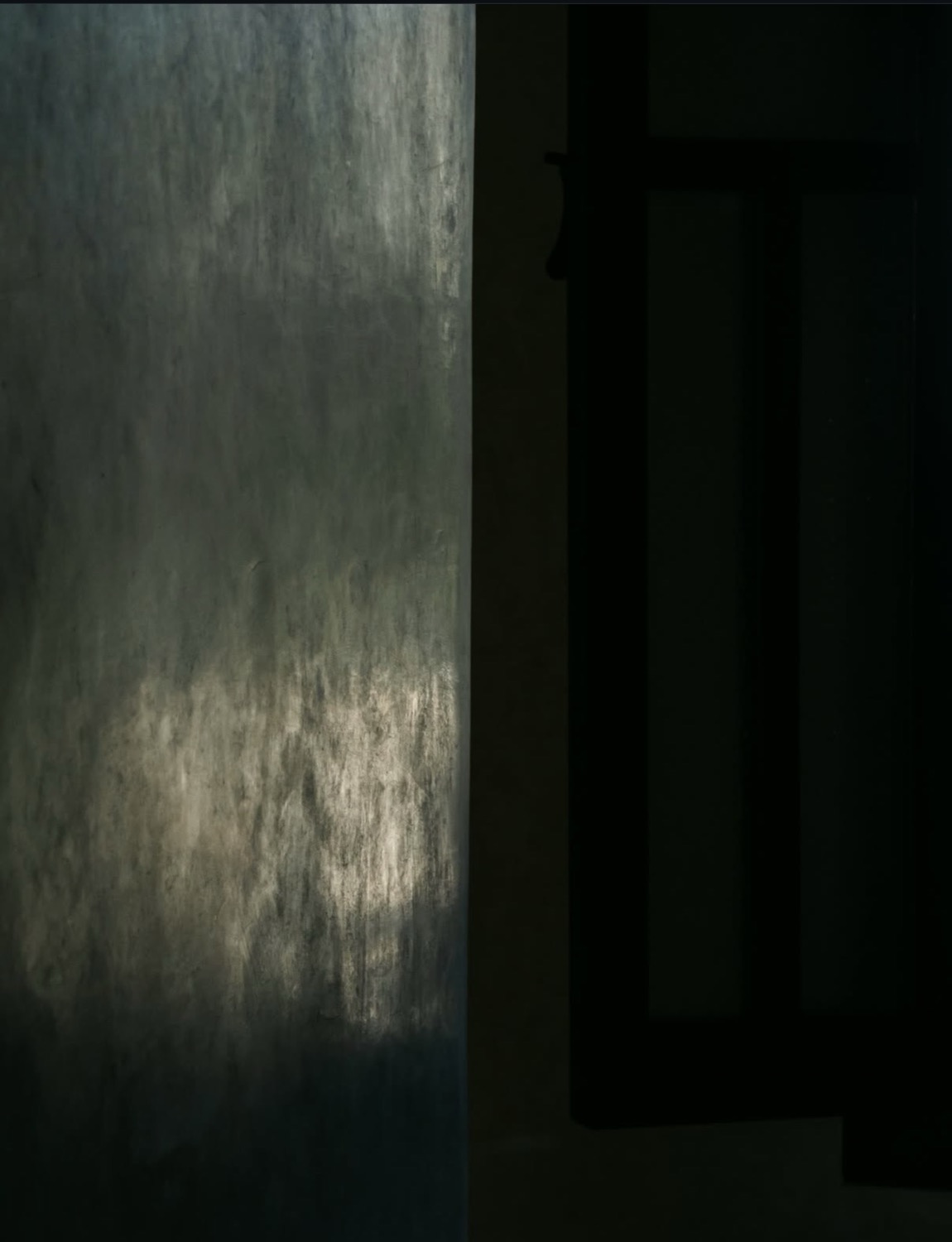
The first visit to a place produces the photographs you expected. The second visit produces the study.
On a first visit, a space announces itself. The entrance makes its argument. The obvious compositions present themselves. The light at a particular moment is noticed because it is new. There is a great deal to process, and the instinct is to process as much of it as possible, which means moving quickly and photographing broadly. The resulting images are often technically strong and editorially thin: they capture what is there without yet understanding what it means.
The second visit is different because the obvious has already been addressed. The entrance has been photographed. The instinct to prove that you have been somewhere has been satisfied. What remains is the space itself, now neither strange nor overwhelming, and the quieter details that were always present but invisible behind the noise of first encounter. The light you noticed last time is now expected; you can wait for what comes after it.
There is also something that changes in how a space receives attention when the attention has been there before. A room that was performing on the first visit has stopped performing. Staff who were aware of the camera on the first morning have forgotten about it by the second afternoon. The space begins to show something closer to its actual character rather than its public face.
The best editorial work about a place is almost never made on the day of first arrival. It is made when the photographer has been there long enough to stop being surprised, and can start being curious instead.