The Slow Room
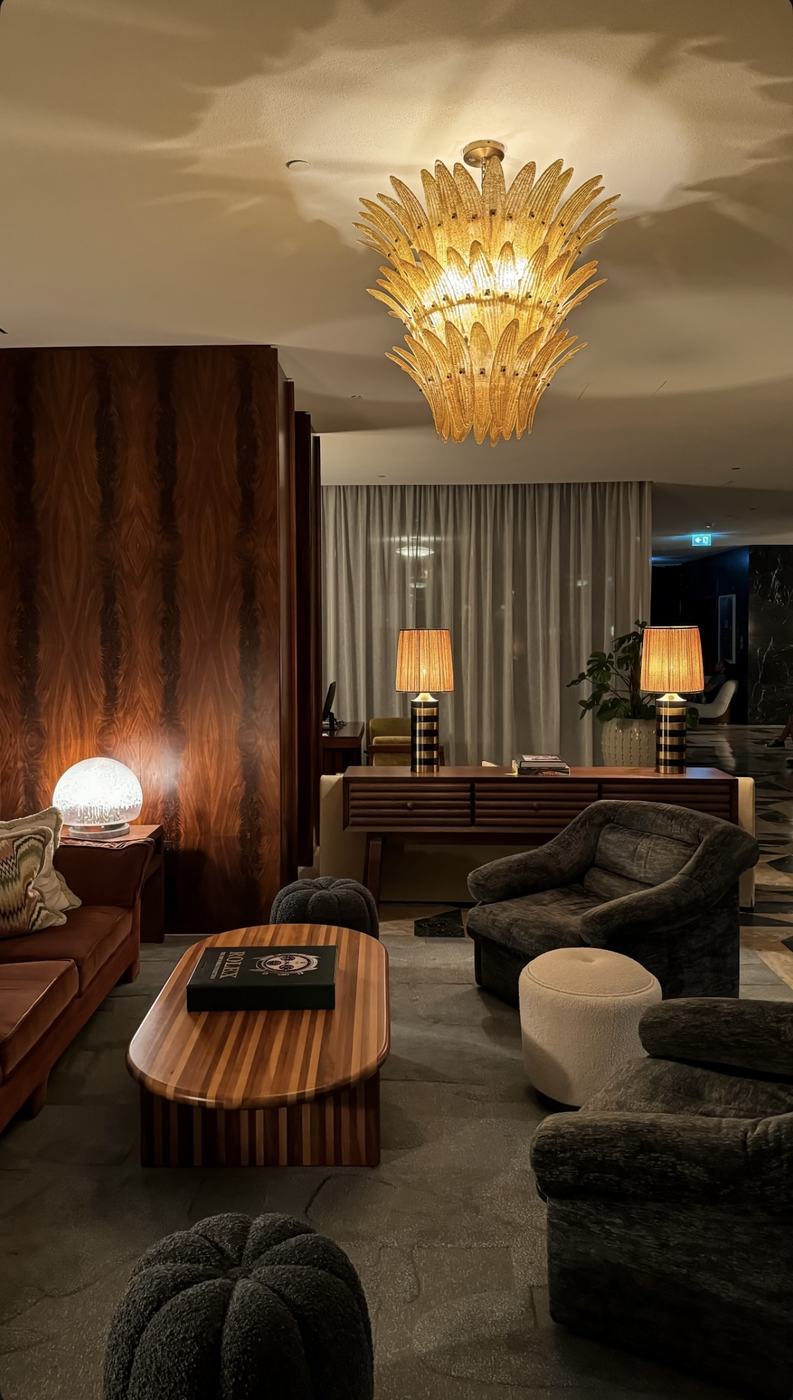
Some spaces resist being moved through quickly. They ask for time in the way a good book does, and the request is made entirely through design rather than instruction.
The mechanism varies but the effect is consistent. A room with no obvious through-route slows you because there is nowhere to walk toward. A room with deep seating at a distance from the entrance slows you because the seating is more comfortable than standing, and sitting requires committing to the space in a way that passing through does not. A room with several distinct areas of interest slows you by distributing your attention rather than concentrating it. None of these are accidents in a well-designed space. Pace is a choice, and the choice to slow a guest down is one of the more sophisticated decisions a room can make about itself.
Speed tells you something about how a space understands its own value. A space that moves you through it quickly has decided, consciously or not, that its value is in the destination rather than the experience of being in it. A space that slows you down has decided that the experience of being in it is the point. This is a rarer claim and a harder one to make good on, because a slow room that does not reward the time it requests is simply an uncomfortable one.
Photographing a slow room requires the photographer to accept the room's terms. The images that capture what a slow space is doing tend to be made by someone who stayed long enough for the light to change, long enough for the space to stop performing and simply be itself, long enough to understand which corner of it was doing the most work and why. That kind of image cannot be made on a schedule that requires moving to the next location within the hour. The room will not give it up that quickly, because a room that operates slowly has no interest in being understood fast.