The First Ten Minutes
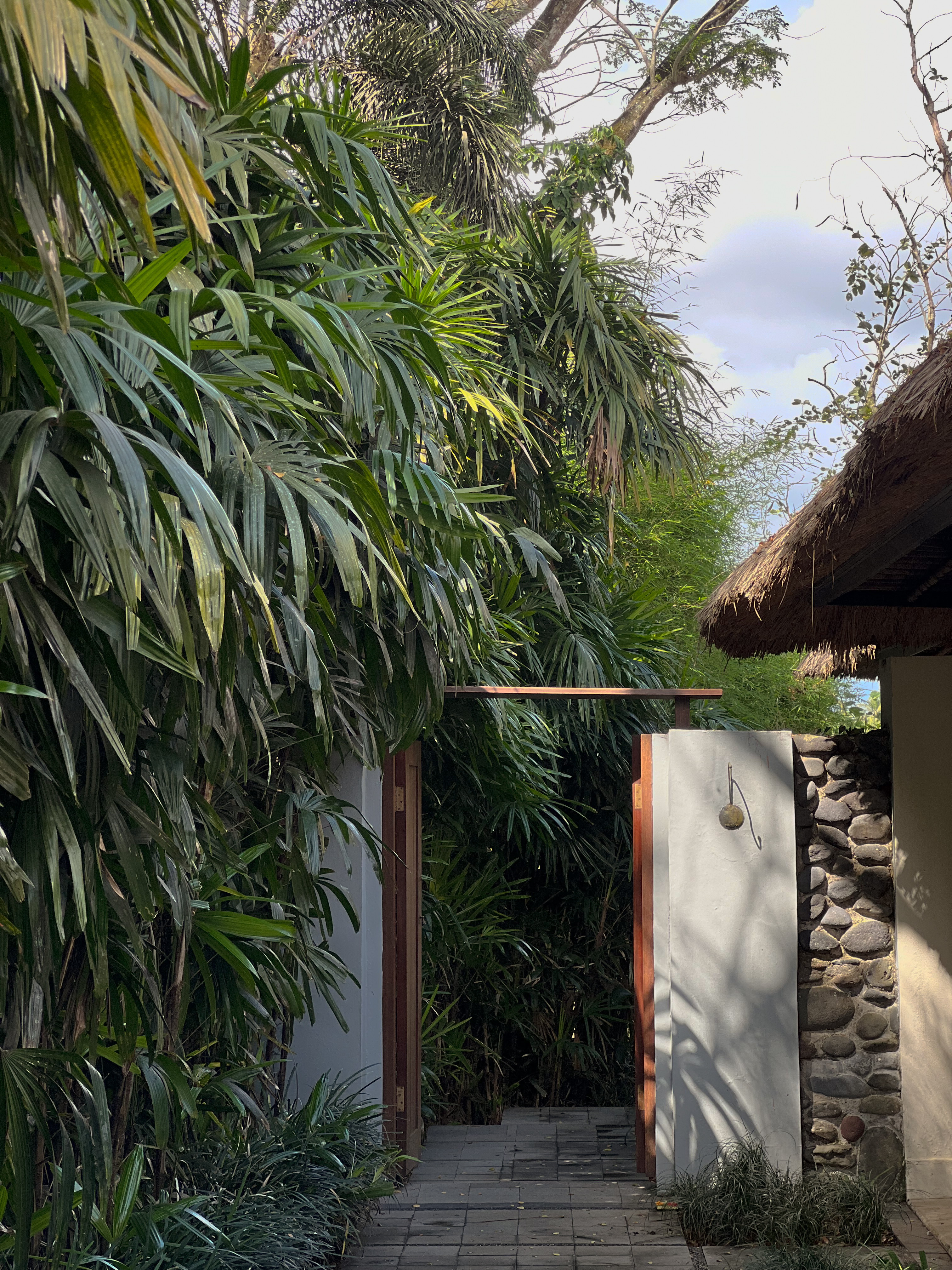
Before editorial instinct takes over, there is a window when a space is simply experienced. That window is short. It is also the most honest read a space will receive.
In the first few minutes inside a new place, the photographer is still a visitor. The professional eye has not yet organised the space into potential frames and lighting conditions. What arrives instead is everything else: the temperature of the air, the acoustic quality of the floors, the smell that no photograph will ever carry, the sense of whether the scale of a room is larger or smaller than expected. These are felt rather than assessed, and they constitute a reading of a space that is in some ways more complete than any photograph that will follow.
The professional eye, when it arrives, is a narrowing. It is enormously useful, the thing that produces the work, but it arrives at the cost of the full-body experience of a place. The photographer who was briefly a visitor becomes someone assessing sight lines, waiting for light to move, thinking about sequence. The space is no longer simply itself. It has become material.
What gets noticed in those first minutes before the narrowing happens tends to be reliable. Not always photographable, but reliable as an indication of what the space is actually communicating beneath its visible surfaces. A room that feels smaller than its footprint suggests is doing something with its proportions or its light that the photographs will need to account for. A threshold that feels significant will be significant to the guest who crosses it, regardless of whether it photographs interestingly.
The best editorial work finds a way to carry some of that initial experience into the images — not by documenting it directly, but by staying answerable to it. The first ten minutes set a standard the photographs spend the rest of the shoot trying to meet.