The Cover Problem
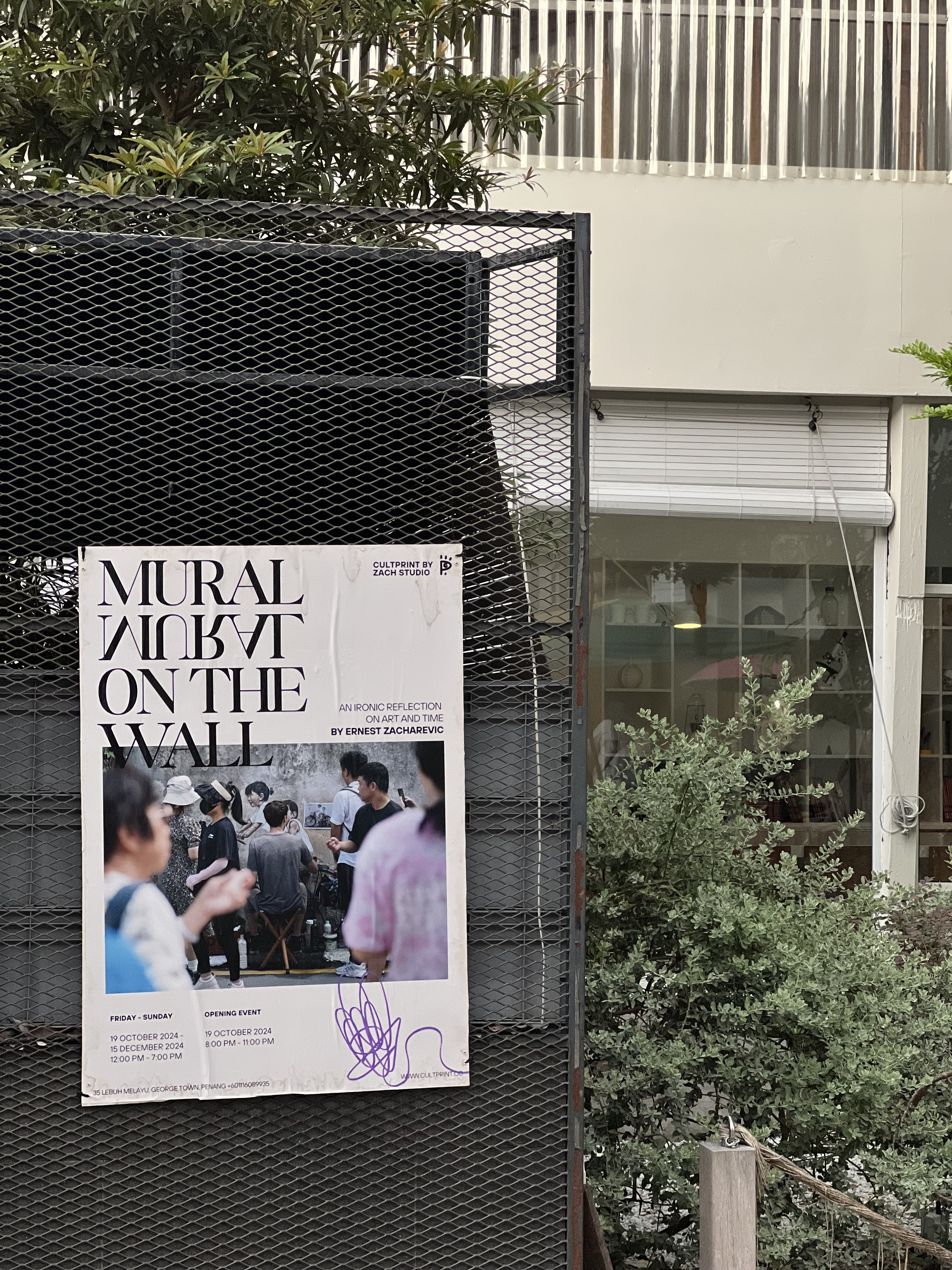
The cover image has to do more than represent a publication. It has to make the case for it before the reader has opened it.
Every other editorial decision is made with the body of work already visible. You sequence a publication having seen the full archive. You choose a lead image knowing what follows it. The cover is different because it must stand entirely alone, in front of everything, before any context has been established. It is the one image that will be seen by people who will never open the book, and the first image seen by people who will.
The instinct is to choose the strongest image. The problem is that the strongest image usually earns its strength from its position in the sequence, from what came before it and what follows it. Extracted from that context and placed on the cover, it can become thin, or overly specific, or simply too interior to mean anything to someone who has not yet been inside the work. A cover cannot assume the reader is already converted.
The images that work as covers tend to be the ones that are complete on their own terms without being closed. They suggest rather than declare. They create a question the publication then answers. They have enough visible in them to reward sustained looking, but not so much resolved that there is nothing left to find.
The cover that almost was is usually visible somewhere in the published work, demoted to a interior page where it does its job well and quietly. Nobody outside the studio ever knows it was considered. The cover decision, like most of the decisions in this volume, is invisible in the finished thing. What remains is only the result: a single image, doing all that work, asking the reader in.