What the Owner No Longer Sees
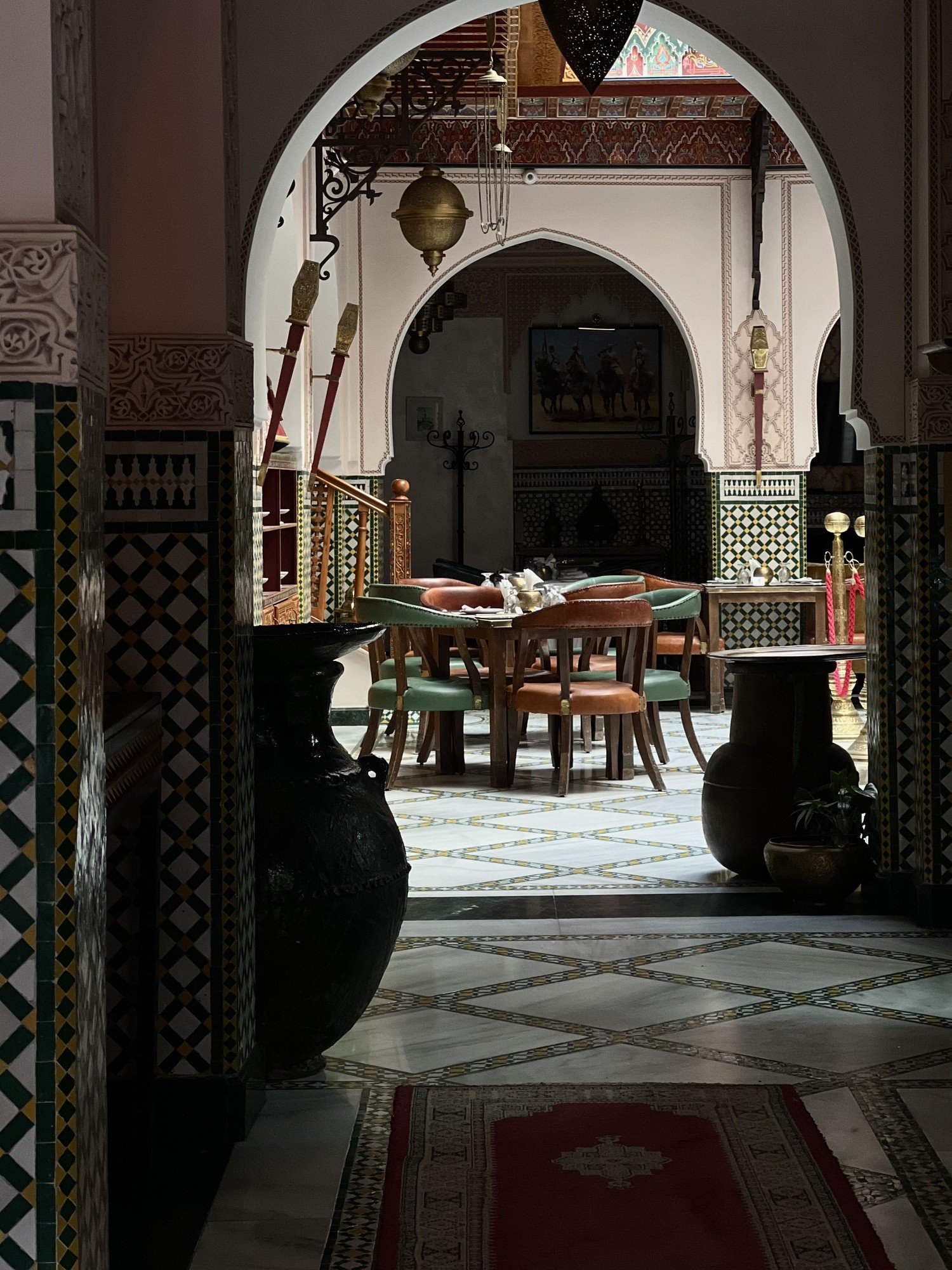
Familiarity is a form of blindness. The person who runs a space has stopped reading it.
They stopped reading it gradually, at some point between the first week when everything was still legible and a point, hard to locate precisely, when the space became simply where they worked. The entrance no longer announces itself. The smell at the door is no longer noticed. The detail that a visitor pauses at, every time, without fail, has become so thoroughly background that it would take a deliberate effort to see it again, the kind of effort that daily life does not require and so is never made.
This is not a failure of attention. It is what familiarity does to perception. The brain, which is efficient rather than romantic, stops processing information it has already filed. A space that has been experienced hundreds of times is known rather than seen, and knowing something is almost the opposite of looking at it.
The editorial photographer walks in as a stranger with professional attention. Everything is still announcing itself: the ceiling height, the quality of the handles, the temperature of the light at this particular hour, the corner nobody has photographed because the person who works here has never thought to stand there. These things are visible precisely because they have not yet become invisible. The window for seeing them is short. It closes as familiarity accumulates, which is why the first hours in a space are often the most productive and the most honest.
This is the gap that commissioning outside eyes fills. Not technical skill alone, but the ability to look at something as though for the first time, from outside the knowledge that has made it ordinary to everyone who knows it well.