What a Guest Reads That a Host Cannot
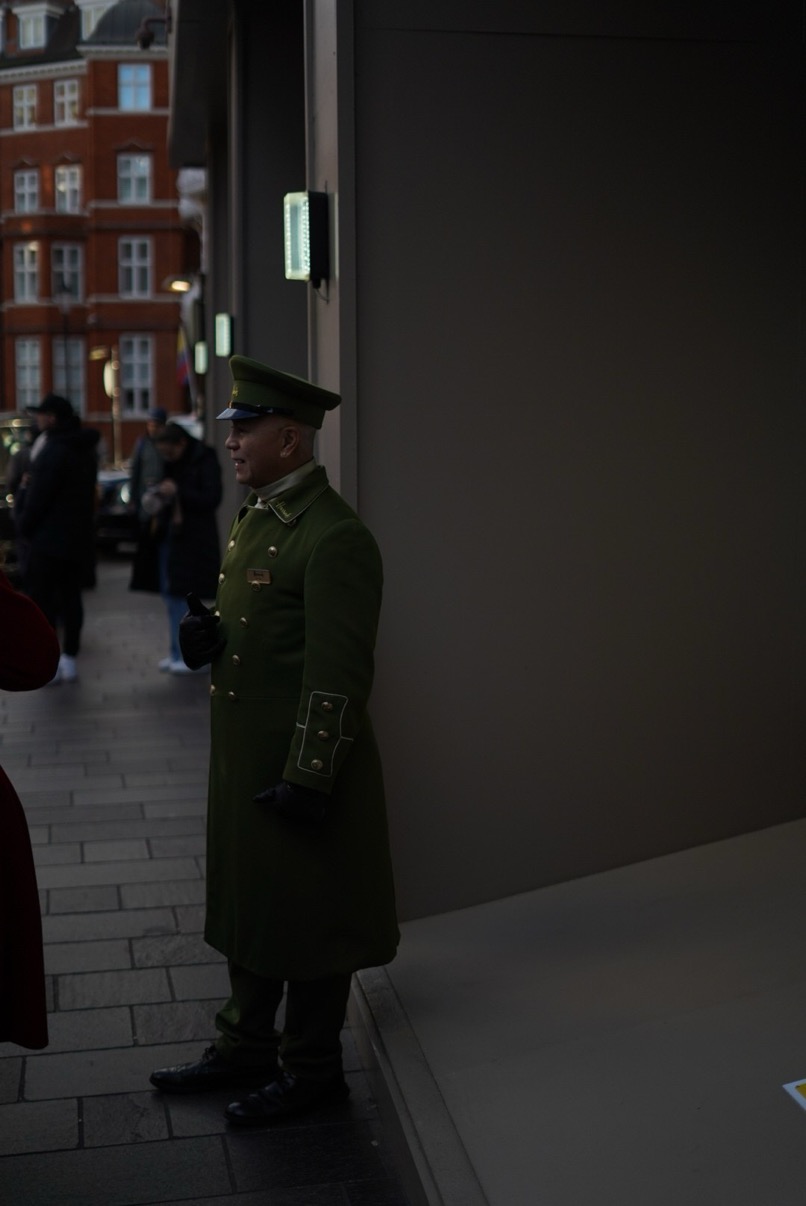
A guest arrives and immediately begins reading signals the host stopped sending consciously years ago.
The weight of the door. The smell of the entrance. The eye level of the first thing seen on the other side of the threshold. Whether the person who greets you looks up before you have finished walking in, or a half-second after. None of these are accidents. They were decided at some point, either deliberately or by default, but they are no longer visible to the people who work there every day. They have become simply how the place is.
The guest has no such amnesia. The guest is reading everything, in the first moments before courtesy and conversation begin and before the brain has assembled enough context to start filtering. That reading is fast and mostly unconscious but it is also astonishingly accurate. People form a complete impression of a place, its values, its confidence, its relationship to the guest, in the time it takes to cross a lobby. And they form it from details the host would not think to mention because the host has long since stopped seeing them.
This is why the first impression is the most honest critique a property will ever receive. It happens before the guest has decided to be fair, before they have found things to appreciate that offset the things that didn't land, before the experience has accumulated enough warmth to make the early signals feel less important than they were. The first impression is the space as it actually is, read by someone with no reason to be generous yet.
Photography can capture some of this: the quality of light at the entrance, the scale of the first space, the detail that anchors or undermines the rest. What it cannot capture is the accumulation: the way a sequence of small signals adds up to a feeling that is more than any single one of its parts. That accumulation is what the guest carries out with them. It is what they remember when they are asked how a place was.