After the Sign Goes Dark
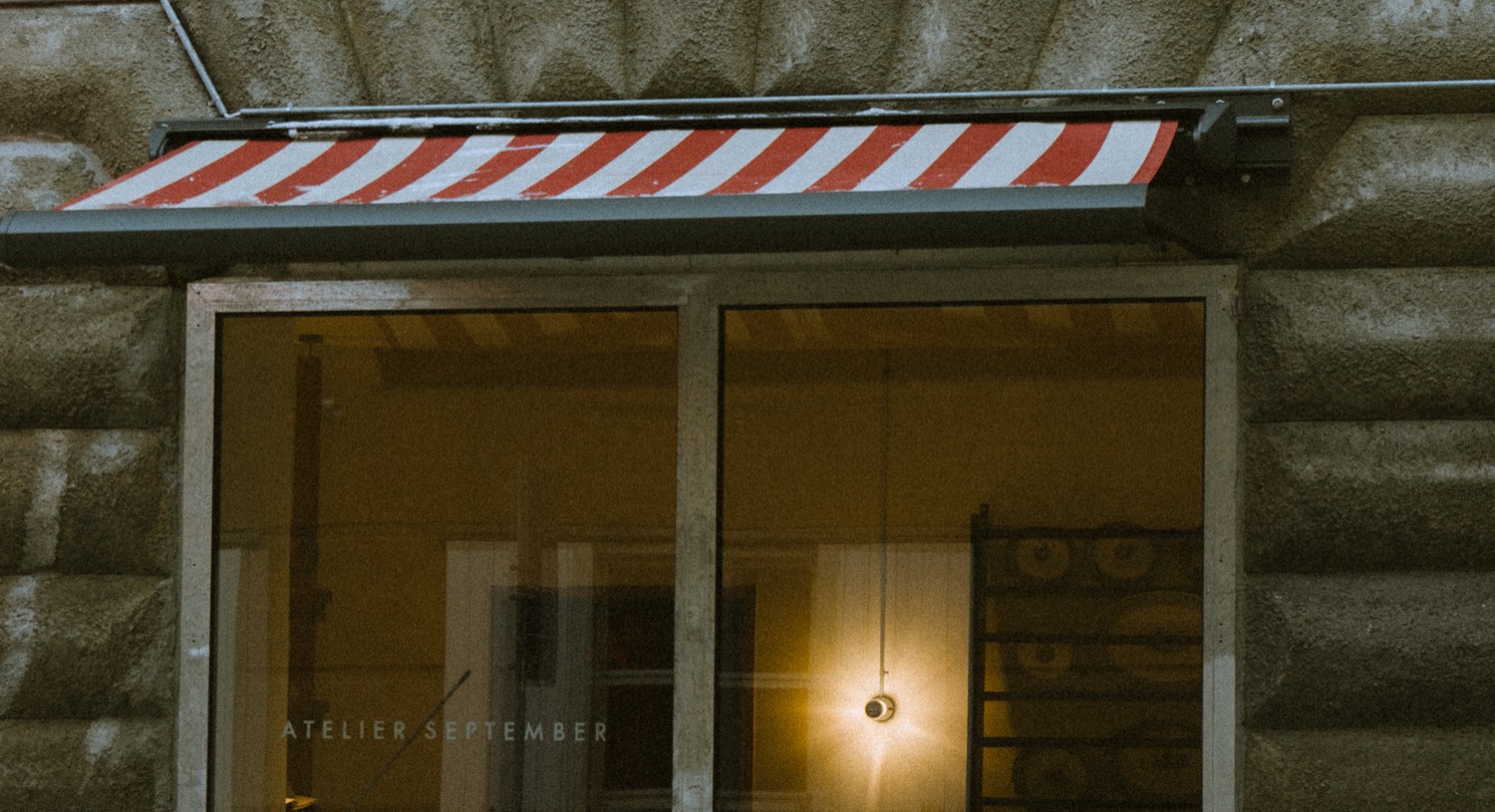
A shopfront after closing still makes an argument, to nobody in particular.
The sign is off. The door is locked. Nobody is being sold to. And yet the window is still dressed, the interior light still falls at the angle whoever chose it intended, and the awning still carries the colour that somebody decided the street needed to see from a passing tram. All of this continues performing after the last customer has gone home, for an audience of nobody, on a street that is not paying attention.
This is worth noticing. A brand that maintains its appearance at midnight is demonstrating something different from a brand that closes its shutters and goes dark. The care being shown is not being shown for commercial reasons at that moment, which means it reveals something closer to genuine belief in the idea behind the shopfront than any open-hours presentation ever can.
There is also something in the contrast: a warm room glimpsed from a cold street, through glass, by someone who cannot enter. The space becomes more itself in this condition. All the things that the room was designed to offer: warmth, atmosphere, a particular quality of light, are suddenly visible only as promise rather than transaction. This is when a shopfront is most purely a piece of communication, stripped of everything except what it actually looks like.
Whether a brand understands what it looks like at midnight is a reasonable measure of how well it understands itself at noon.