The Same Room at Different Hours
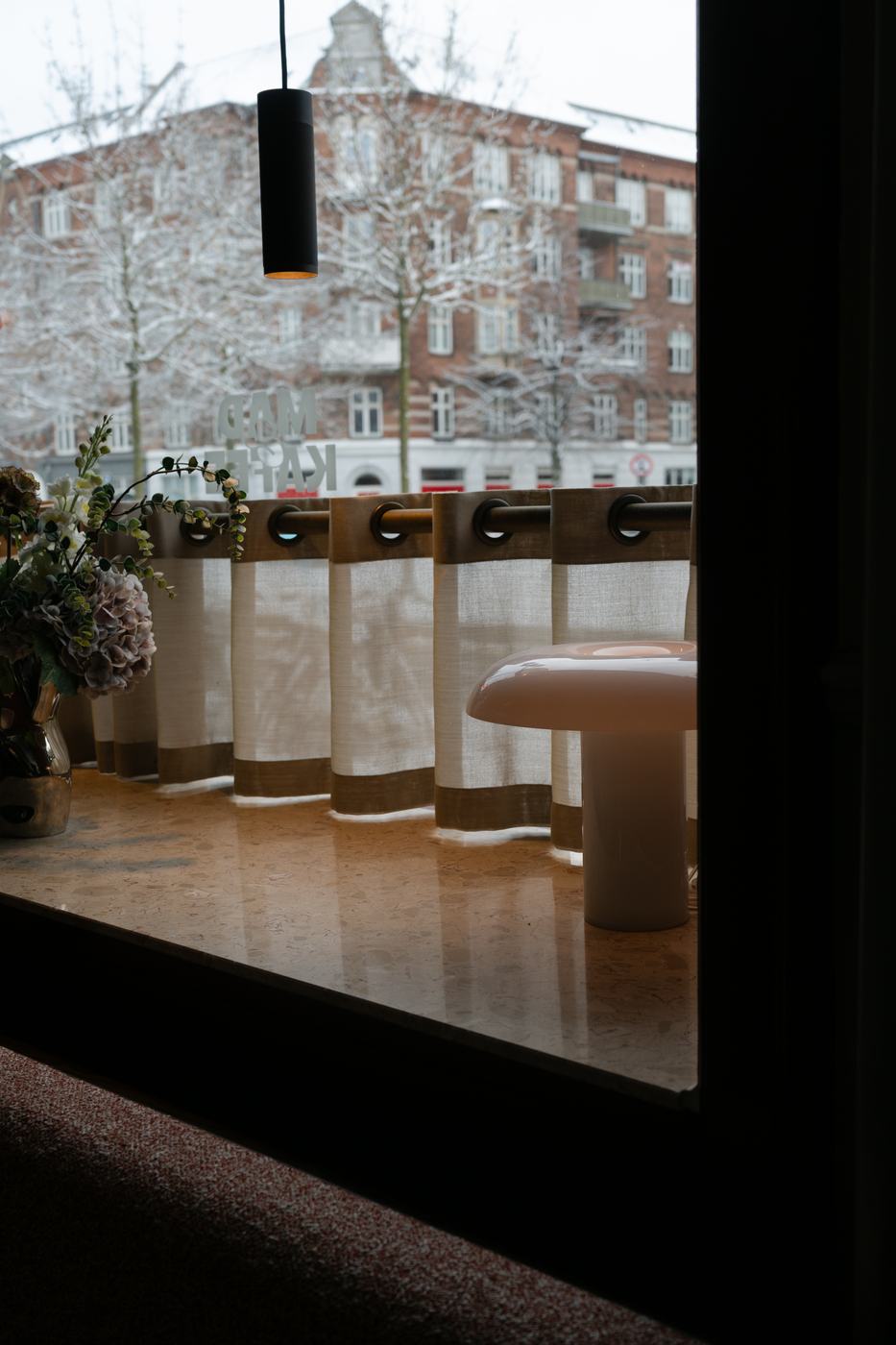
Nothing moves. No one rearranges anything. And yet the room at 7am and the room at 7pm are two different spaces.
The furniture has not changed position. The walls have not moved. The objects on the surfaces are where they were left. But the light that reaches the room in the early morning arrives at a different angle, with a different colour temperature, and falls on different surfaces than the light of early evening. The chair that was in shadow at breakfast is the first thing that catches the eye after dark. The corner that held nothing of interest at noon has become, in the hour before dinner, where all the warmth in the room has gone.
Time is the most significant design element a brief never specifies. An architect will specify the height of a window to the millimetre. The brief will describe the required view. Nobody writes down what the room will look like at 6am in January, or what it will do with the last hour of light in August. These are not incidental to the experience of the space. For many guests, they are the experience.
A room that is wonderful at noon and lifeless by four o'clock in the afternoon has a time problem that no amount of furniture can solve. A room that begins plain and becomes extraordinary as the sun drops below the building opposite is doing something with time that most design decisions never attempt. Whether this is intentional or accidental is almost irrelevant to the person standing inside it at the right moment.
Editorial photography that works across multiple hours of a space is documenting something architects rarely show and clients rarely commission: the full character of a room, not just its appearance. Most shoots choose a moment. The spaces worth returning to have a different answer at every hour, and the photographer who stays long enough to find that out is making a different kind of study from the one who leaves before the light changes.