What the Frame Takes Away
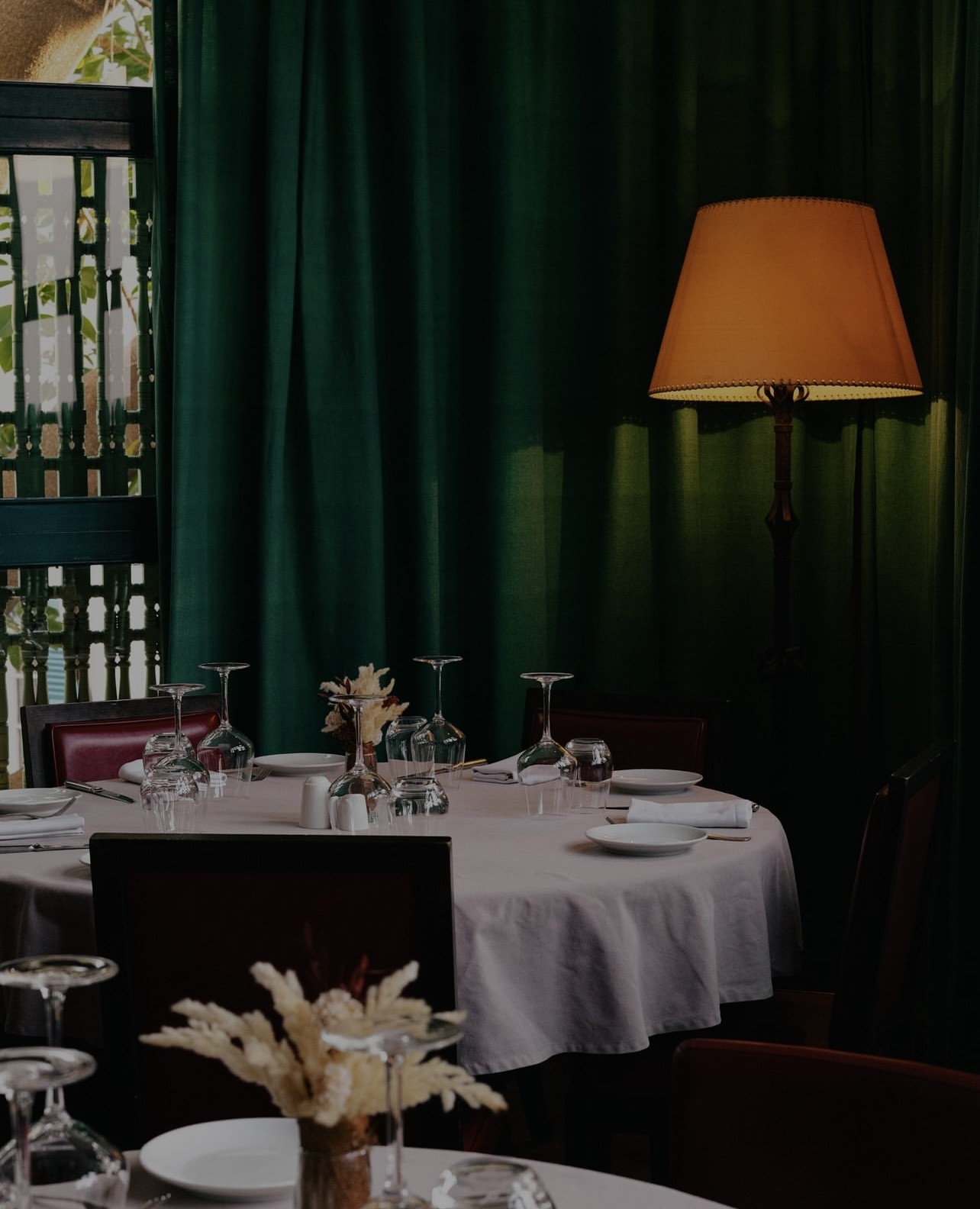
A viewfinder removes temperature, smell, peripheral vision, scale and sound. What remains is a rectangle. The photograph is always a reduction. The only question is which reduction you choose.
Standing in a room before raising the camera, you have access to the full experience of the space: its dimensions felt rather than measured, the acoustic quality of the floor, whether it is warmer or cooler than the corridor that preceded it, the smell that will not survive any format. The moment the viewfinder comes up, most of this disappears. The frame imposes concentration and removes context simultaneously. What was a room becomes a set of compositional relationships inside a rectangle, and the photographer's awareness narrows accordingly.
This narrowing is productive. It is how photographs get made. But it is worth understanding what it costs, because the things the frame removes are often the things a guest experiences most strongly. A room's smell, its temperature, the way sound behaves inside it — these are not incidental. They are frequently the reason a space feels the way it does, and they are entirely absent from any photograph of it.
Knowing what the frame takes away changes how you use what it keeps. A photograph of a room that smells of warm wood and old stone has to work harder with light and texture than the same room would need to if you were standing inside it. The image is carrying the whole experience on the strength of what is visible alone. That is a significant weight, and the photographer who understands it makes different choices from one who does not.
The frame is not a limitation to be apologised for. It is the medium's defining condition. Understanding it precisely — knowing exactly what it removes and what it concentrates — is the beginning of using it deliberately rather than simply accepting it.