What a Map Leaves Out
The best directions were never the ones that got you there fastest.
A map optimises for arrival. It draws the straightest available line between where you are and where you intend to be, and in doing so it quietly deletes everything that line does not need. The alley that turns out to be more interesting than the destination. The courtyard visible only if you happen to glance left at the correct moment. None of it appears on the route, because none of it was ever the point of the route.
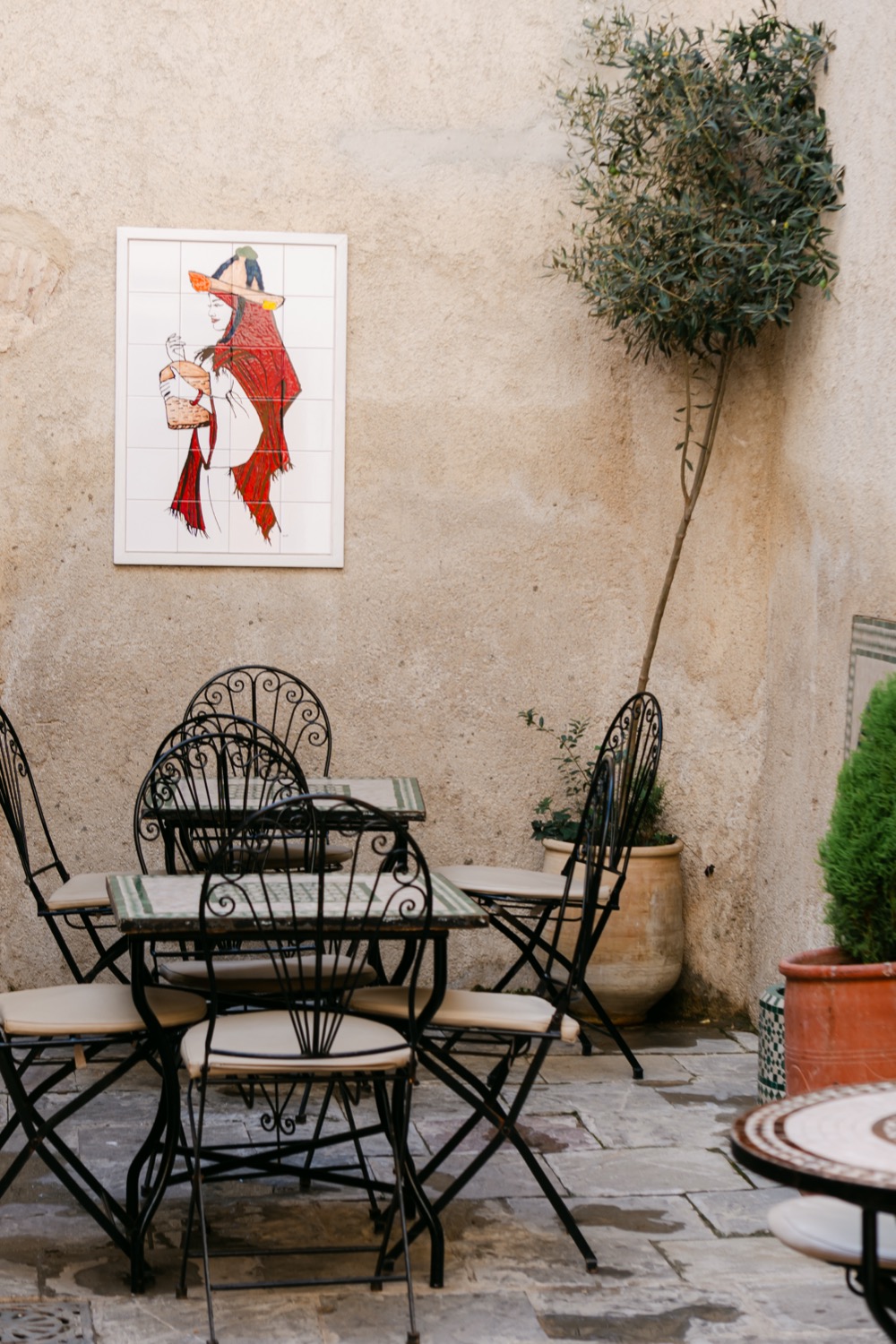
This is not a criticism of maps, which do exactly what they are built to do. It is an observation about what gets lost whenever efficiency becomes the only measure of a journey. A wrong turn in an unfamiliar medina produces exactly the kind of photograph a planned itinerary rarely does, because a wrong turn has no expectations to satisfy. It simply shows you whatever happens to be there.
These studies have a quiet preference for the accidental route over the correct one. Not out of romanticism about getting lost, which has its own limits, but because the fastest way somewhere is usually also the way everybody else takes, and a street that everybody takes has already been photographed by everybody who took it.
What survives from the wrong turn is not a better photograph of the destination. It is proof that the destination was never really the subject.