The Difference Between a Portfolio and a Publication
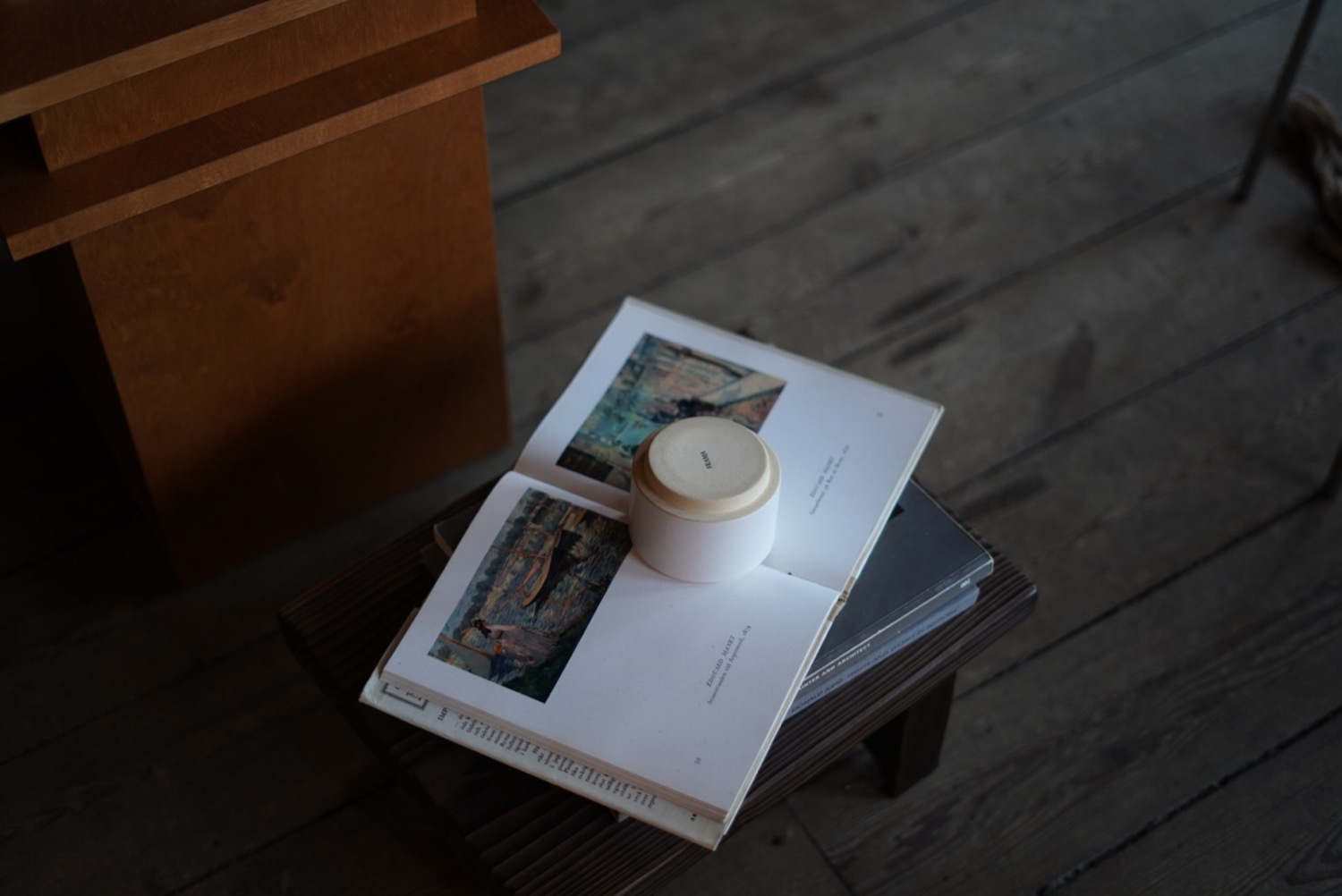
One is a set of images arranged to be scrolled past. The other has a spine, an order, and something to say about why it holds together.
A portfolio is fundamentally a demonstration. It exists to answer the question a prospective client is always, somewhere, asking: can this person do the work I need. The images are selected for range, for quality, for proof of capability. Sequence barely matters. A visitor can enter anywhere and leave with the same impression.
A publication is answering a different question entirely. Not about capability, but about an idea, held long enough and looked at closely enough to justify being bound. The image on page nine only means what it means because of what appeared on page eight, and what waits on page ten. Remove any one of them and the others shift.
That distinction became real during the sequencing of The Spaces Between. The first instinct was to let the photographs organise themselves chronologically, with Silverstone and Lusail as separate chapters, in the order they happened. When the edit was laid out that way, the publication read like a record. The work was there, but the argument was not. What eventually resolved it was abandoning chronology entirely and allowing photographs from different circuits to speak to one another by atmosphere: a corner of one track answering a corner of another, a crowd at dusk in one country rhyming with a crowd at dusk in another. To get there required removing photographs that were individually strong, because their strength worked against the sequence rather than with it.
The images that survived were not necessarily the best ones. They were the ones that earned their position in relation to what came before and after them — a different standard entirely, and one that a portfolio never demands.
A portfolio asks what you have made. A publication asks what you are trying to say. The distance between those two questions is where this work lives.